
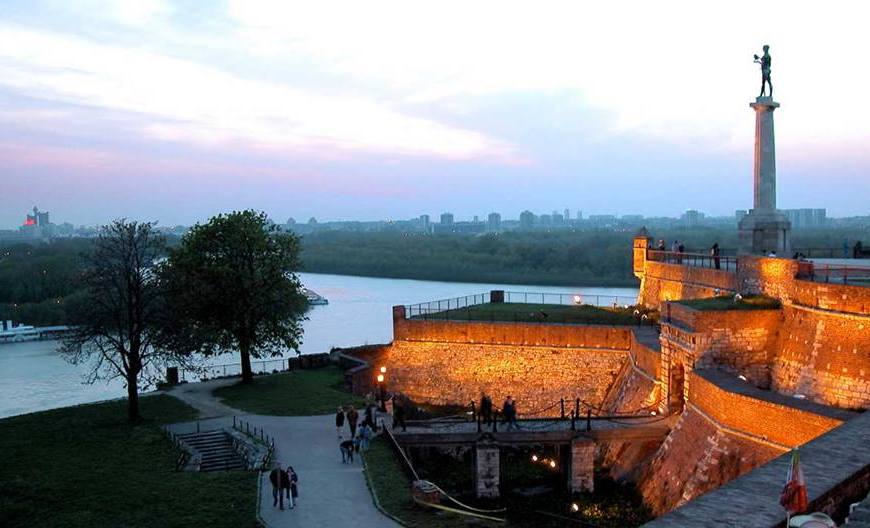
Belgrade, Serbia
2024
This time my travels to Belgrade brought me to attend the wedding of a dear friend and a colleague from the student times. I was super excited because it has been years now I haven’t visited this city. My trip started with a nice treat on the AirSerbia plane with the famous plazma cookies.

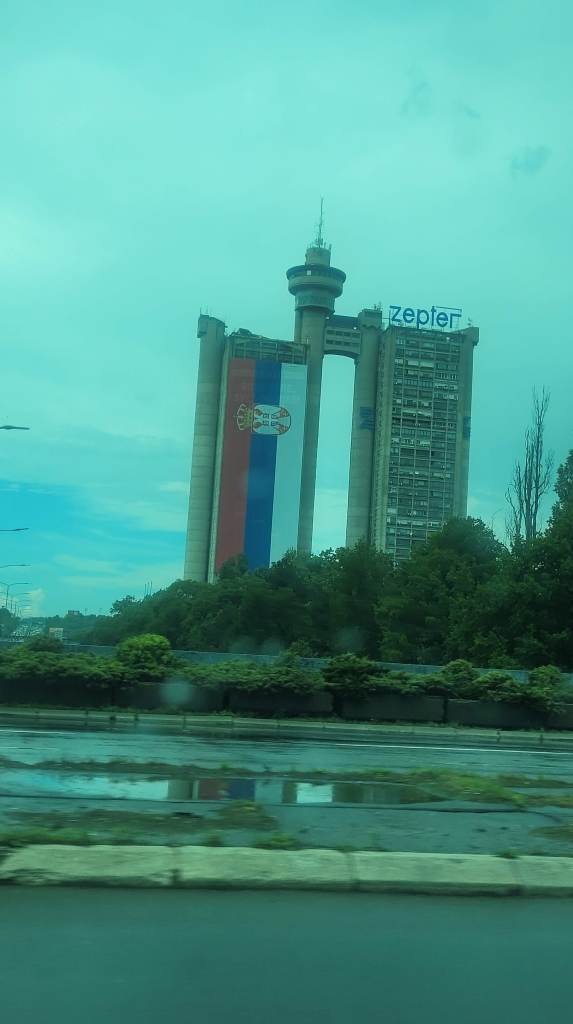
Landing and crossing the river Sava, we passed by an example of brutalist architecture: Western City Gate, also known as the Genex Tower. The building is designed to resemble a high-rise gate greeting people arriving in the city from the West (the road from Belgrade Nikola Tesla Airport to the city centre leads this way).
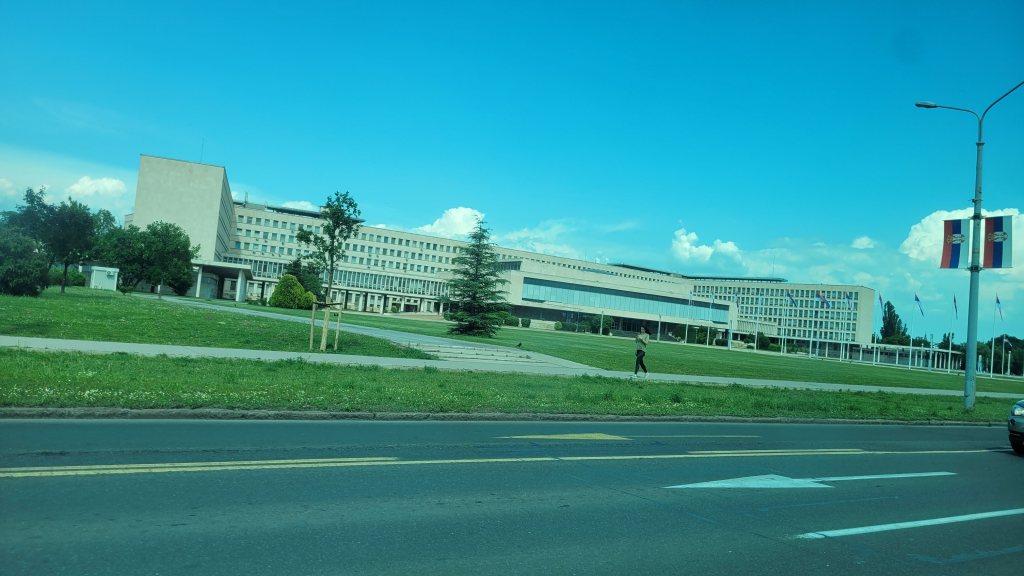
Another example of the communist/ socialist architecture from the time of Tito’s Yugoslavia is the Palace of Serbia, located in the Novi Beograd. It was used by the Federal Executive Council of Yugoslavia. When I was a student, I had a chance to attend the conference inside this massive building. I was not a fan. 😛
Our hotel was located in Skadarlija. We were lucky enough to have a decent booking as the city was completely crowded by the Ramstein fans that came to attend the concert happening 2 days in a row. Down the street is a market with home grown fruit and vegetables.

It was the time of cherries! 🙂
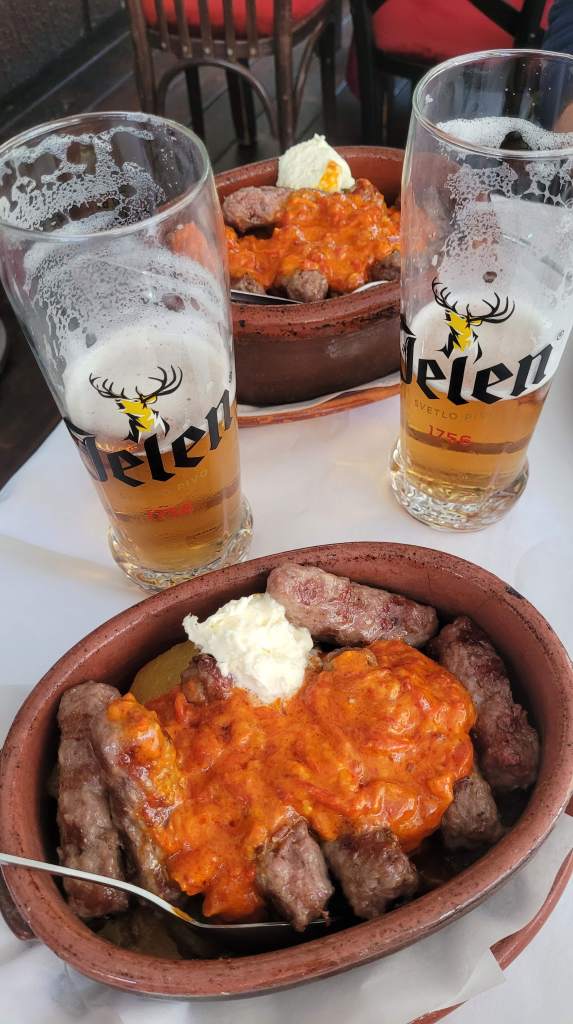
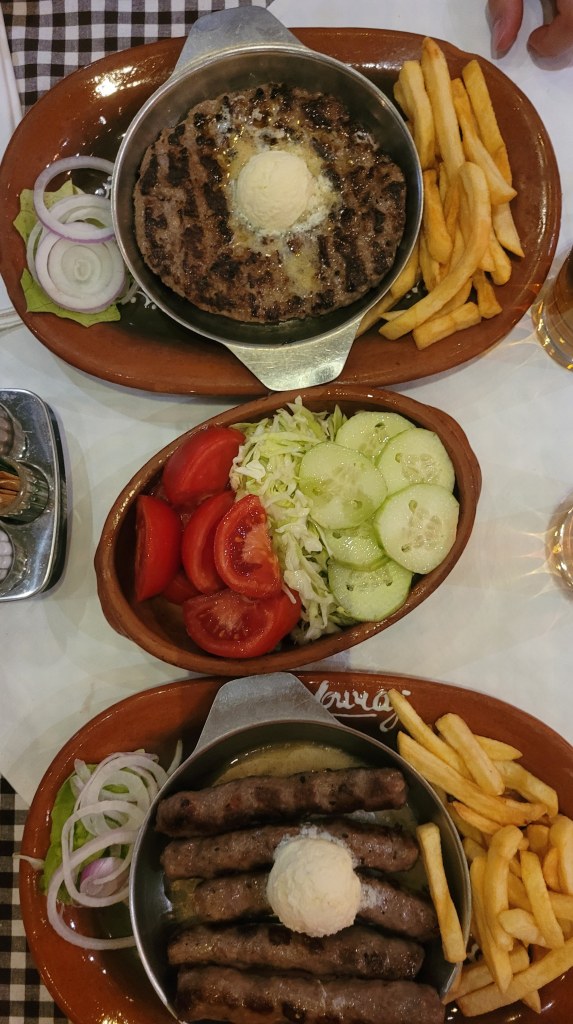
As the day was already long, we decided to eat in Dva Jelena. A popular restaurant in super popular Skadarlija – bohemic Balkan chic. This means you eat and drink, smoke, drink some more, and enjoy the local music.
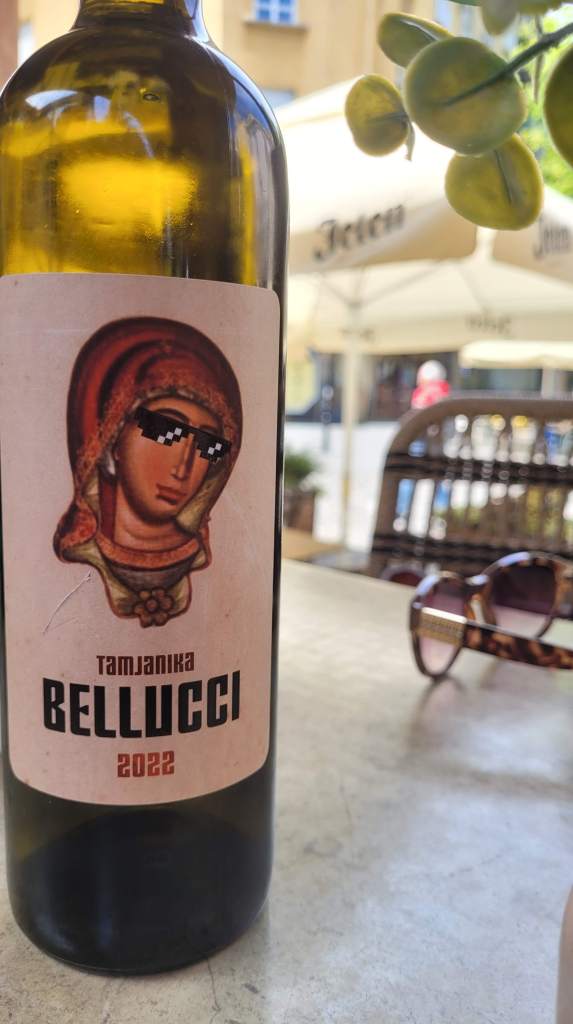
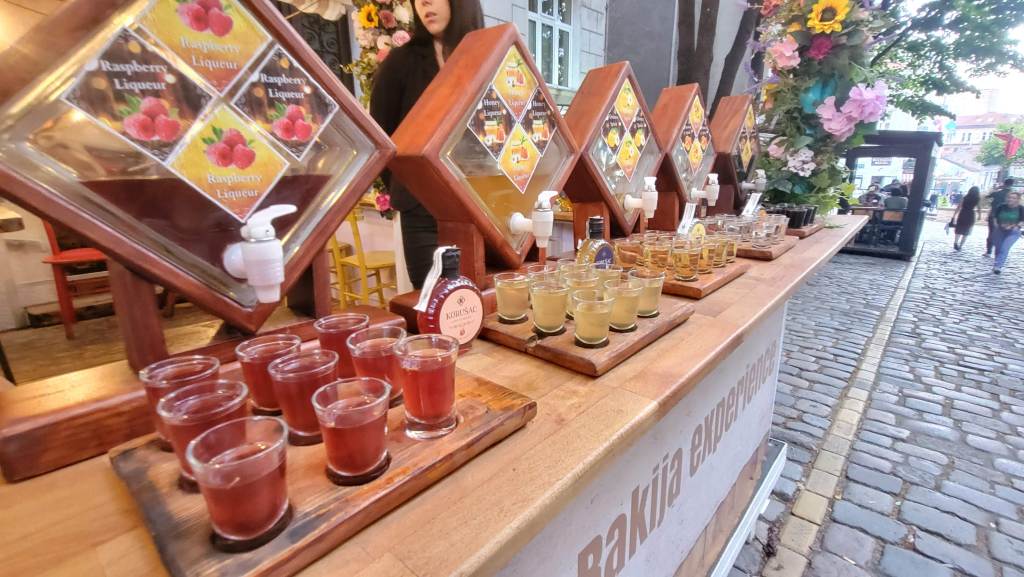
In Skadarlija you can find super popular rakija. A local drink made of fruit distillation. It is strong but cures body and soul.
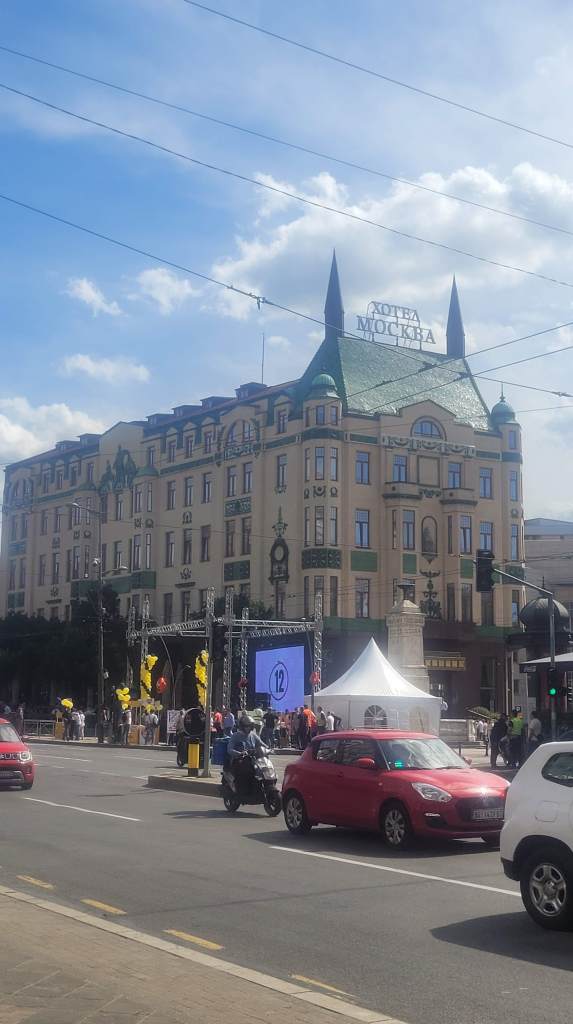
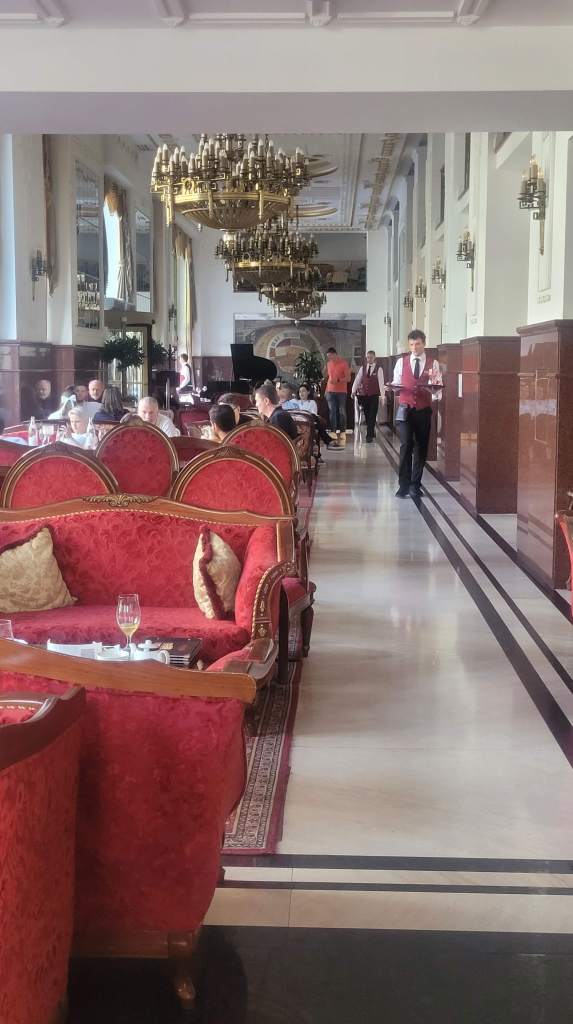
Hotel Moskva is a four star hotel in Belgrade, one of the oldest currently operating in Serbia. The building has been opened in 1908 and as such represented a major investment of the Russian Empire in the Serbian economy. I mostly wanted to visit the lobby to enjoy the art nouveau. Little did I know, that the hotel is full of Russian emigrates due to the current Putin’s Brutal Aggression on Ukraine.

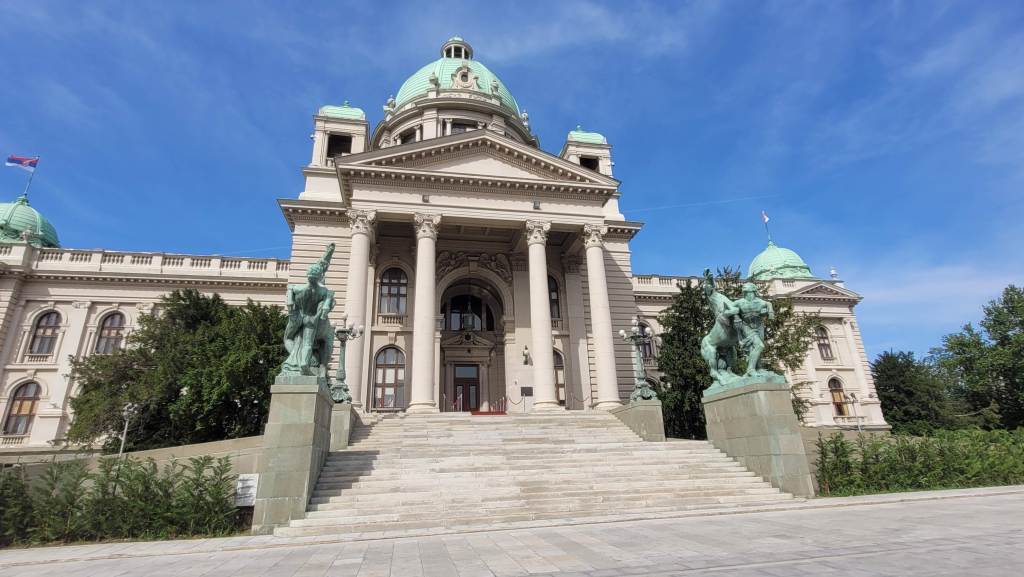
My afternoon walk continued towards The National Assembly of Serbia. Not the best memories from that building – politically speaking, so moving on.
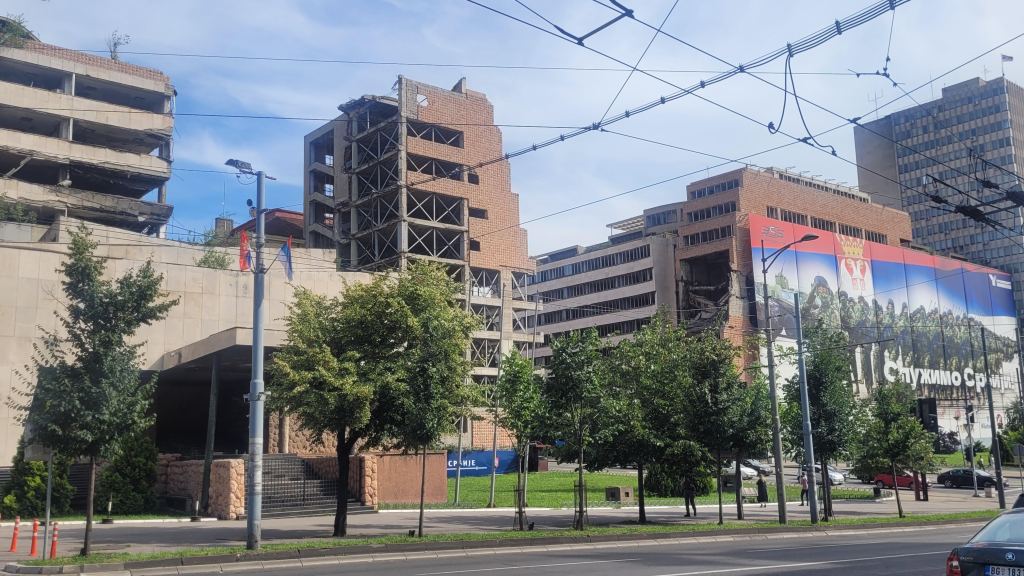
And the rest of the government buildings – including the building of the former defence headquarters destroyed by USA/ NATO forces in 1999.
In the same quarter of Belgrade called Vračar (literally translates into doctor witch) 😀 there is The Temple of Saint Sava. It was the first time for me to see the new painted frescoes inside the temple.
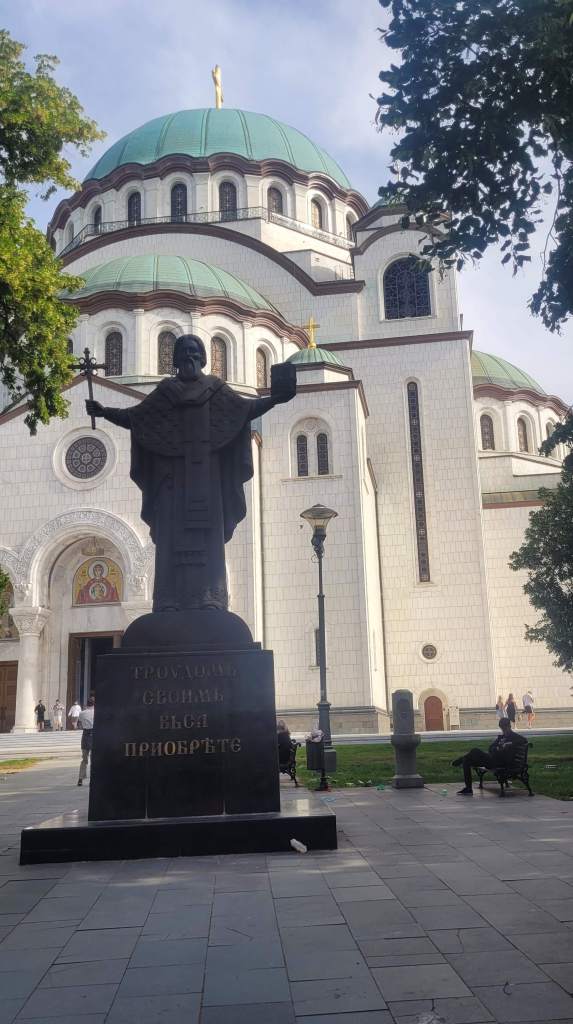
This Serbian Orthodox church is dedicated to Saint Sava, the founder of the Serbian Orthodox Church and an important figure in medieval Serbia. It is built on the presumed location of St. Sava’s grave.

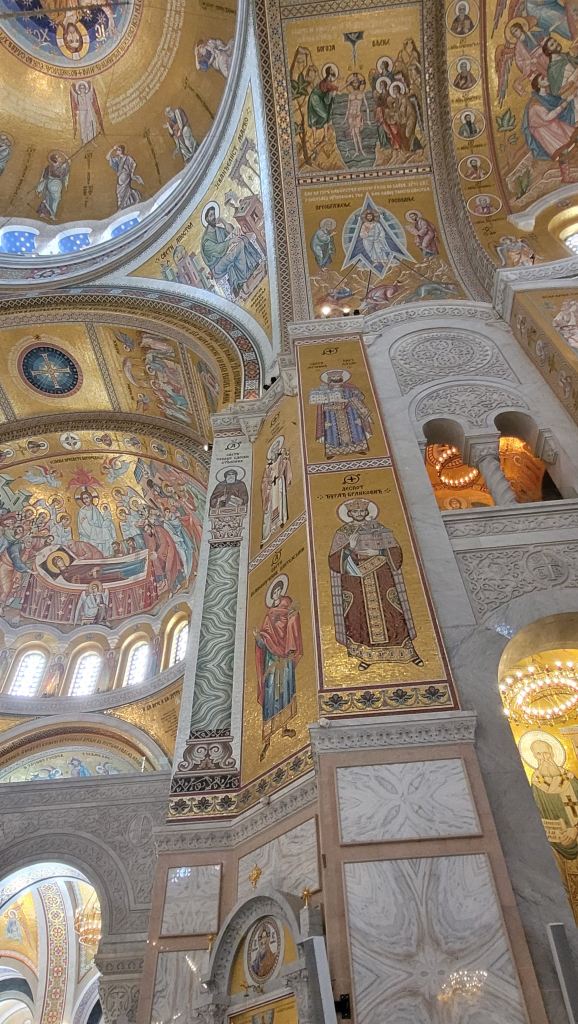
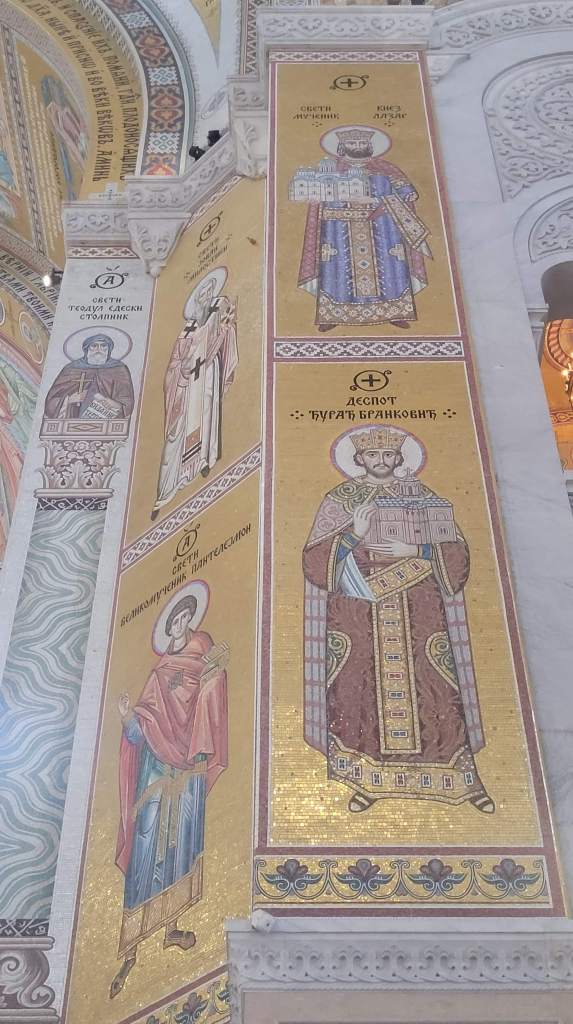
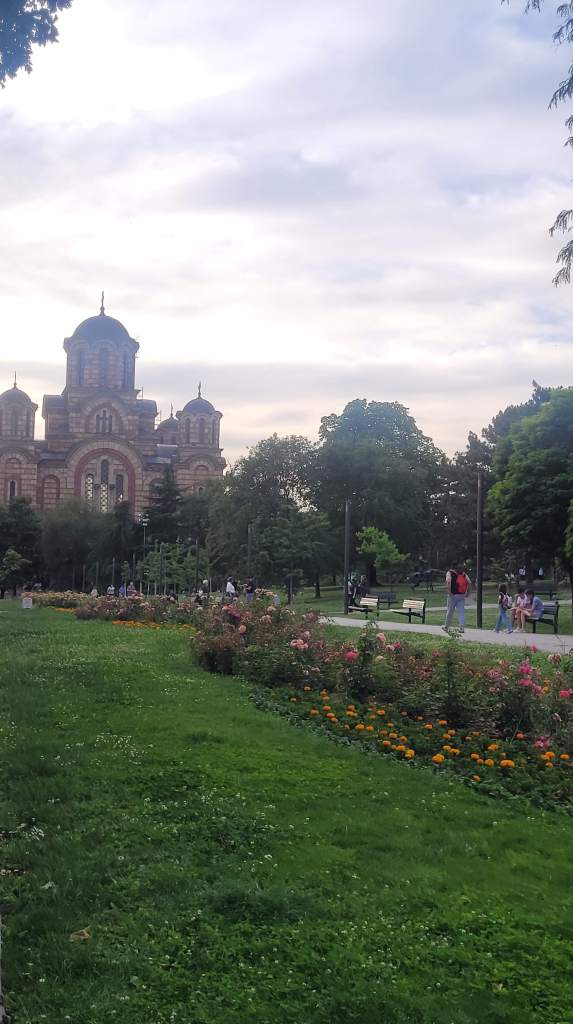
Nearby is the St. Mark Orthodox Church, located in the Tašmajdan park. It was built in the Serbo-Byzantine style in the Interwar period between 1931 and 1940.
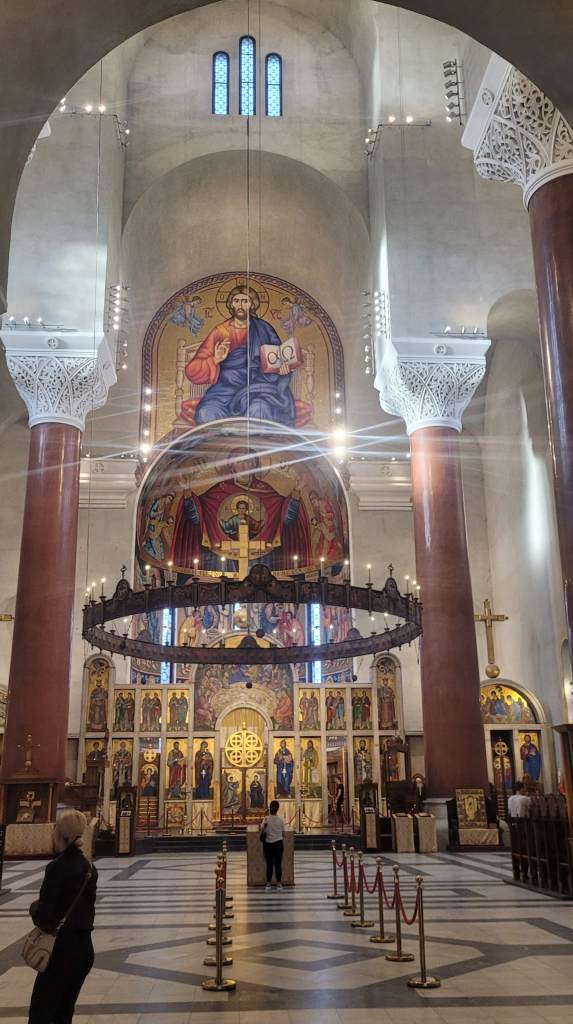
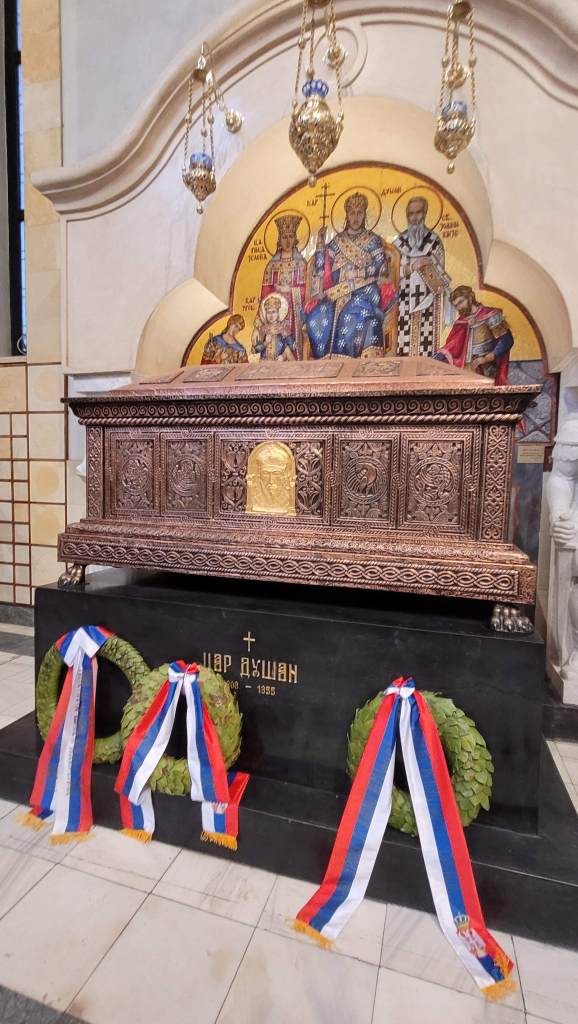
The interior of the church contains Sarcophagus of the Emperor Dušan the Mighty – the king of Serbia in the 14th century. Dušan conquered a large part of southeast Europe, becoming one of the most powerful monarchs of the era. Under Dušan’s rule, Serbia was the most powerful state in Southeast Europe, one of the most powerful European states and an Eastern Orthodox multi-ethnic and multilingual empire that stretched from the Danube in the north to the Gulf of Corinth in the south, with its capital in Skopje. He enacted the constitution of the Serbian Empire, known as Dušan’s Code, perhaps the most important literary work of medieval Serbia.






 RED RIDING HOOD