
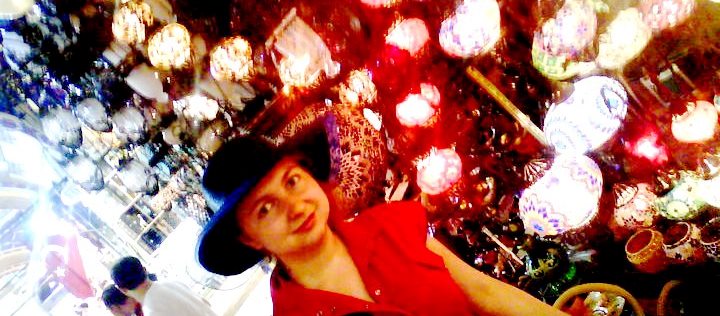
It was back in 2010 when my brother Martin and I visited this magic city. So much controversies: beauty and garbage in the streets, peace and roar, colours and grayness… divided by the strait of Bosporus, it is where Europe meets Asia!
However, we indeed enjoyed the great history of this city and its cultural heritage. The city was ruled by Phoenicians, Byzantine and then Ottoman Empire.
Upon our arrival the first thing to do was to walk down the Sultanahmet District – the oldest district of Constantinople (the old name of Istanbul from the times of capital city of Roman/Byzantine Empire named by Emperor Constantine the Great, in 330 AD).
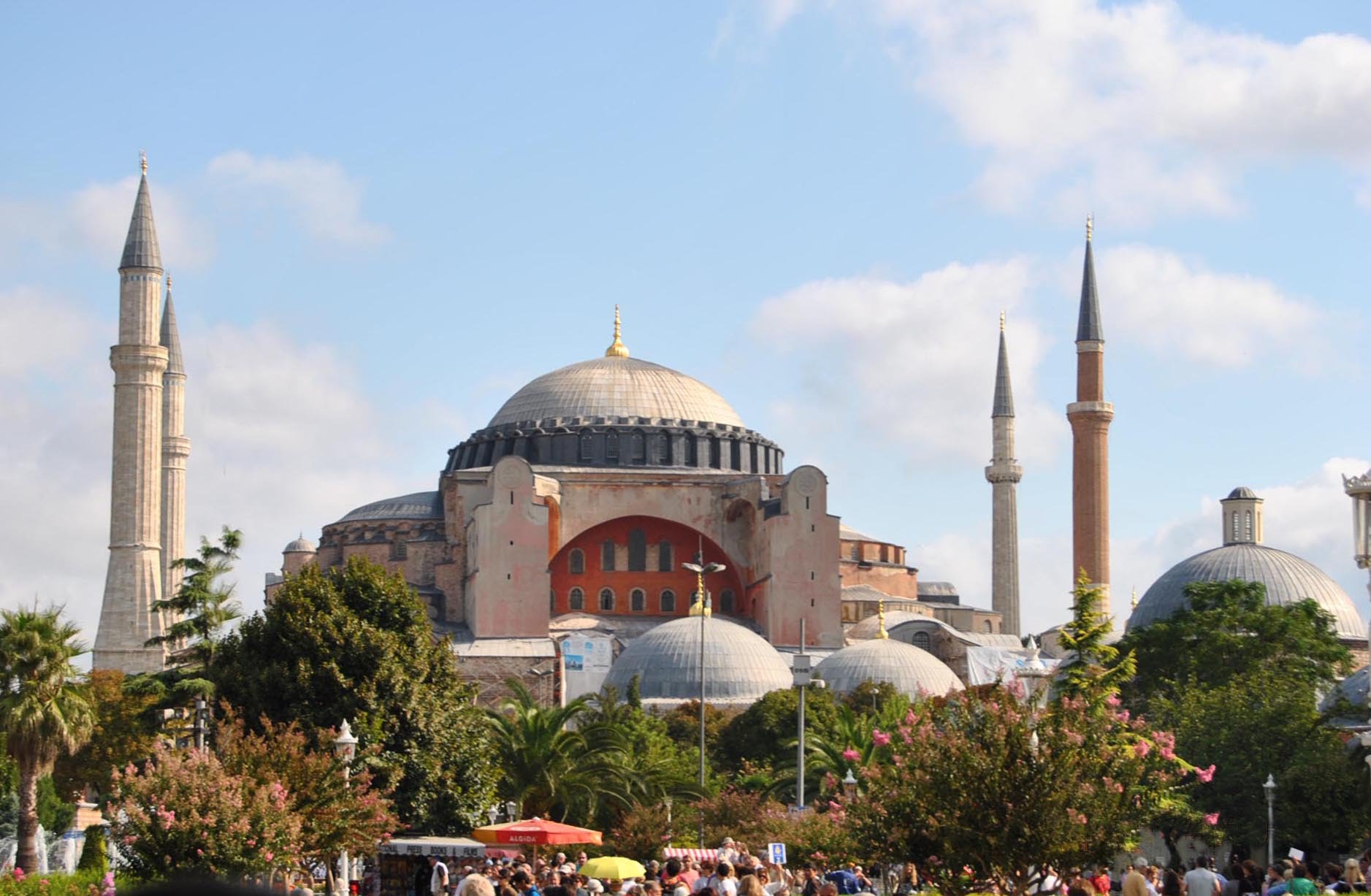
Many of Istanbul’s historical gems, mostly consisting of Byzantine and Ottoman-built monuments are in Old City. Most are located a short walk away from, if not immediately on the edges of, Sultanahmet Square, like the Hagia Sophia (turkish Aya Sofya) – a 6th century church, today a museum. From the date of its construction until 15 century, it served as an Orthodox cathedral except between in the times of Crusades, when it was converted to a Roman Catholic cathedral under the Latin Empire of Constantinople. The building was later converted into an Ottoman mosque until early 20 century when it became secularized and opened for visitors.
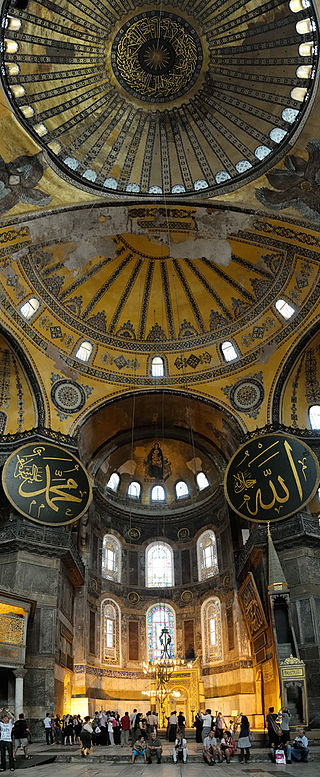
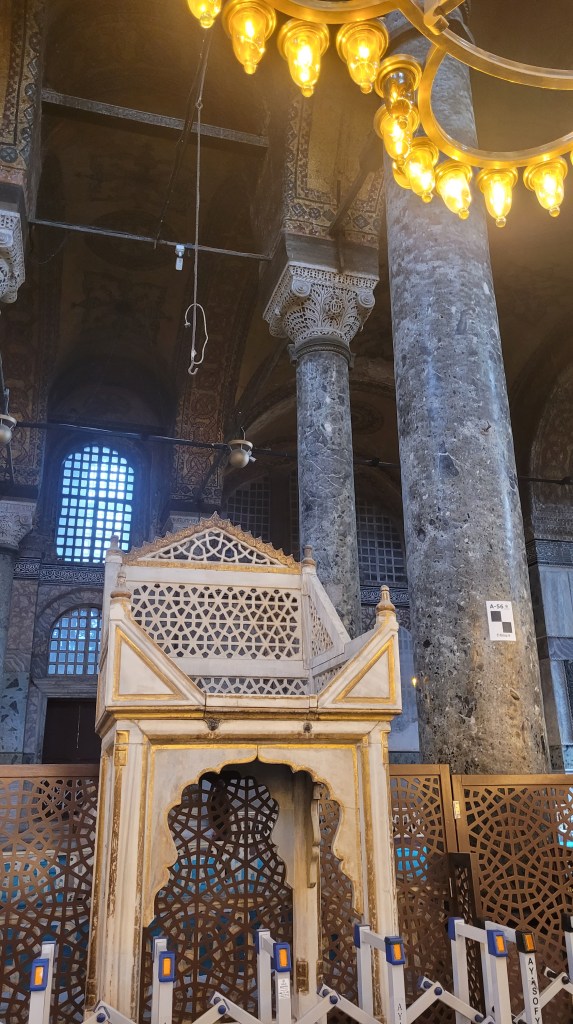
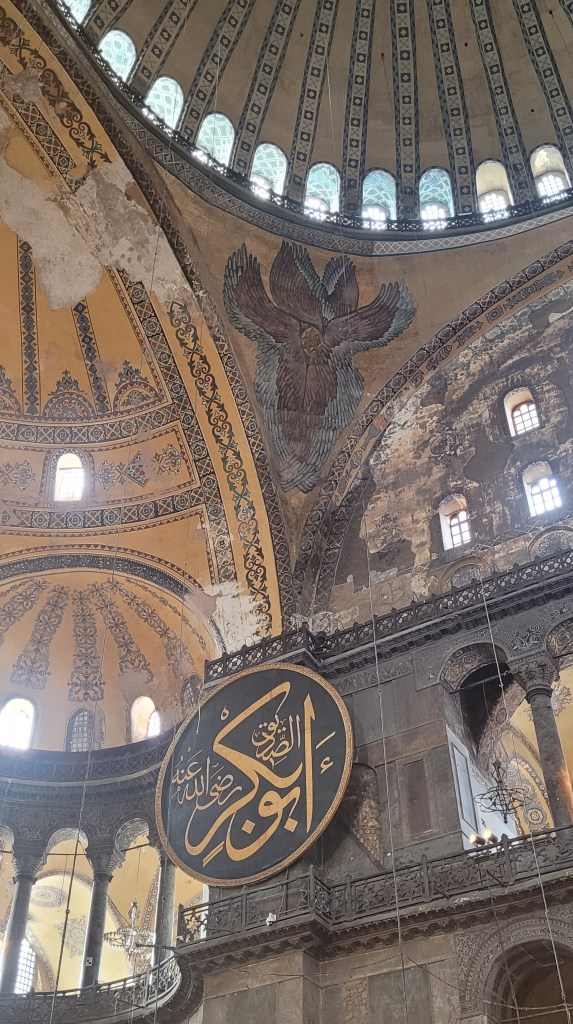
What I find interesting inside of this amazing old beauty is the icon of Virgin Mary on the ceiling protruding like a scratch between subsequently colored Islamic inscriptions and added icons. The legend says, when the church came to the hands of Ottomans, they added Islamic features—such as the mihrab, minbar, and four minarets, but miraculously, the icon of Virgin Mary was always coming out no matter how many times it was over painted.
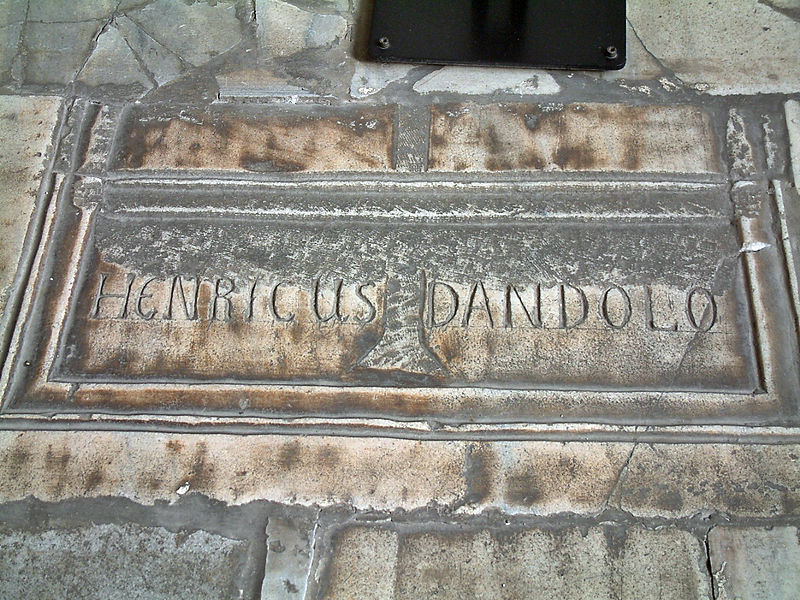
From the other interesting point in the church interior I would highlight a Wishing column and the tomb of Enrico Dandolo, the Doge of Venice who commanded the Sack of Constantinople in 1204 (Crusades).
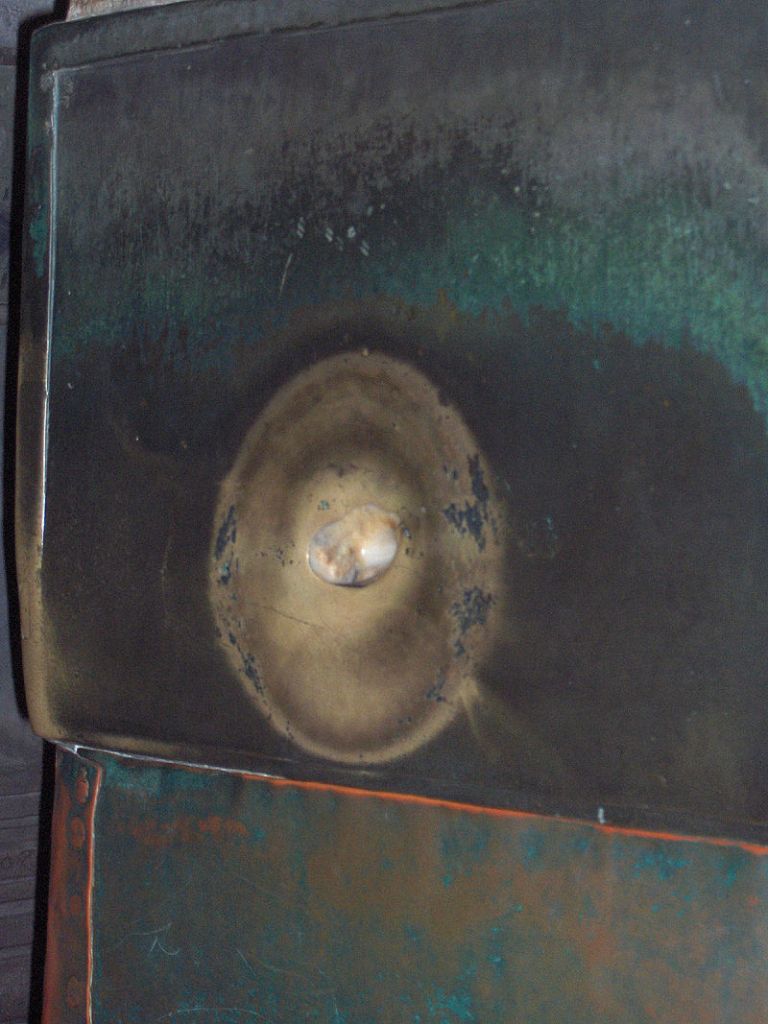
Wishing column with a hole in the middle is covered by bronze plates.The legend has it that, Emperor Justinian wandering in the building with a severe headache leaned his head to this column and after a while he realized that the headache was gone. This story had been heard among the public and the rumor regarding the healing effect of the column got around. Hence, people believed that they would get better if they put their fingers into that hole on the column and then rub them to the place where disease is felt.
No wonder the church is one of the wonders of the world!
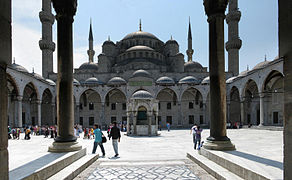
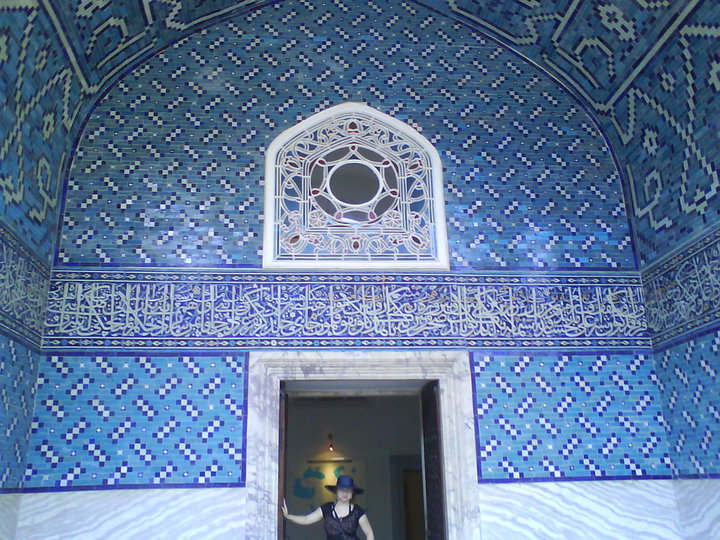
Opposite of the Aya Sofya stands a historic Blue Mosque or Sultanahmet Mosque. It is called blue because of its blue tiles, and the blue is the popular colour in Turkey. It impressed enough early French visitors to call it turquoise – the colour of the Turks. So I decided this time to go blue, instead of usual red riding girl. 🙂 With its six minarets and sweeping architecture it impresses from the outside. Unlike Haghia Sophia, this is still a working mosque, but no shoes, shorts or bare shoulders are allowed, so I needed to cover myself with a shawls. I remember my brother was amazed with the softness of a carpet inside the mosque, while I was impressed by chandeliers. 🙂

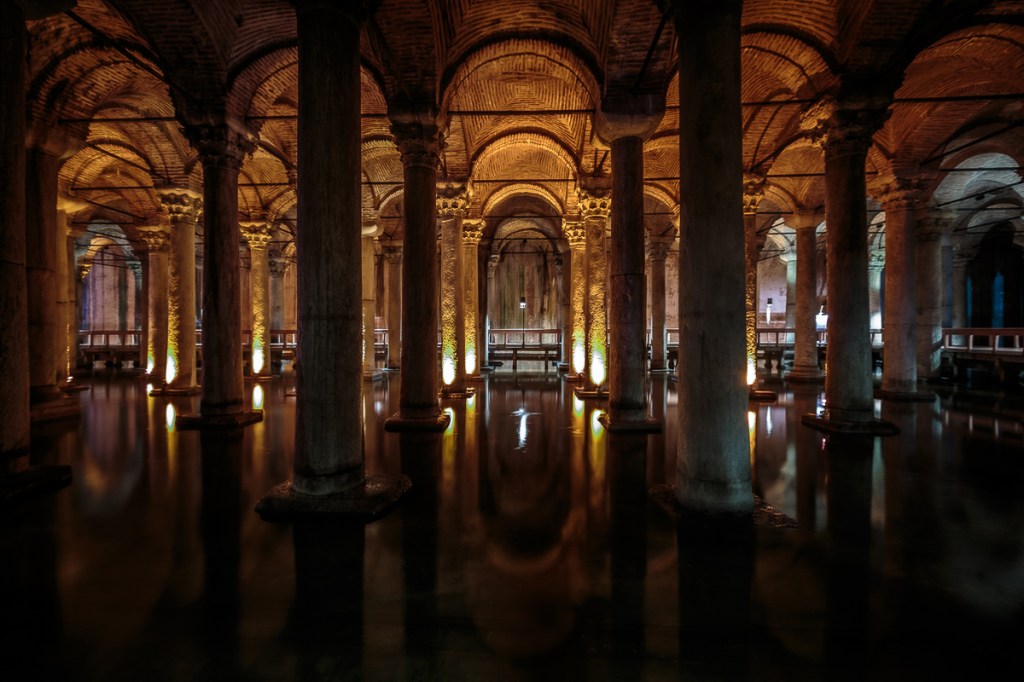
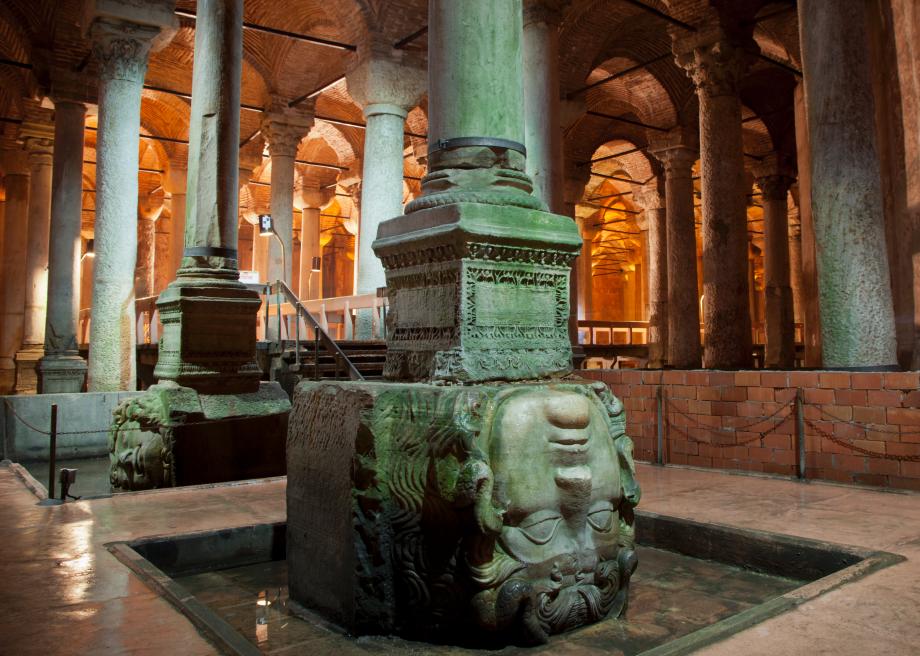
Continuing to explore the very same district we entered the Basilica cistern. The story about one of the oldest cisterns from the ancient world lies beneath the city of Istanbul (formerly Constantinople as mentioned before). It dates from the 6th century during the reign of Byzantine Emperor Justinian I. At the corner of the cistern there are bases of two columns carved with the visage of Medusa. The origin of the two heads is unknown, though it is thought that the heads were brought to the cistern after being removed from a building of the late Roman period. However, there is no written evidence that suggests they were used as column pedestals previously. Tradition has it that the blocks are oriented sideways and inverted in order to negate the power of the Gorgons’ gaze (greek’s growling female creature).
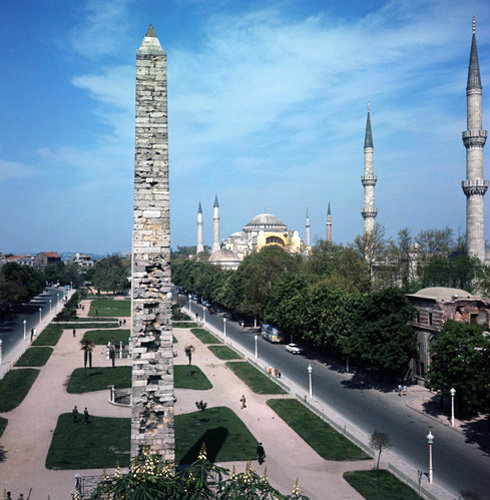
Little bit more down to the south of the city is the Hippodrome of Constantinople. It was a circus that was the sporting and social centre of Constantinople, capital of the Byzantine Empire, as already mentioned. Today it is a square with only few fragments of the original structure surviving.
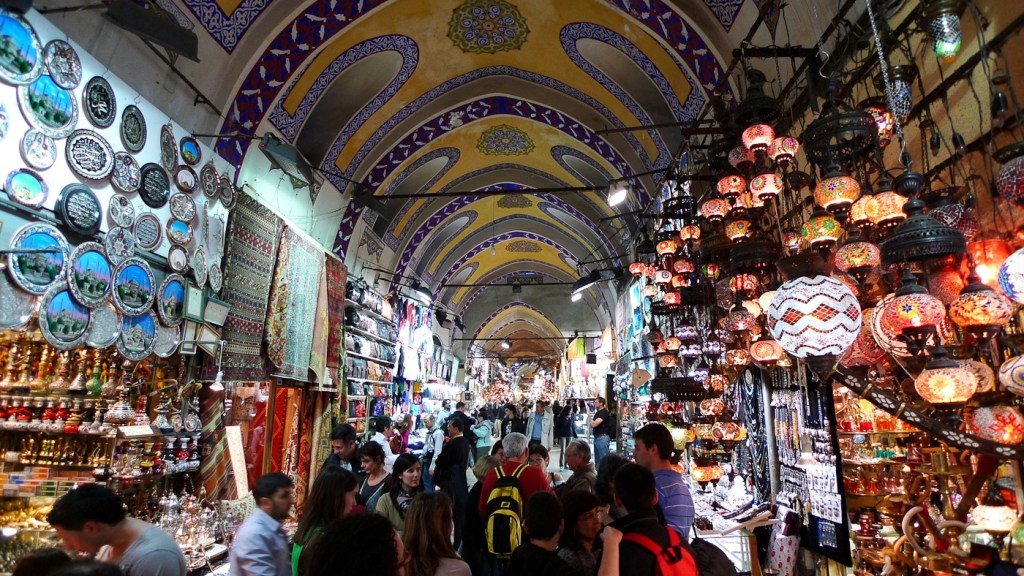
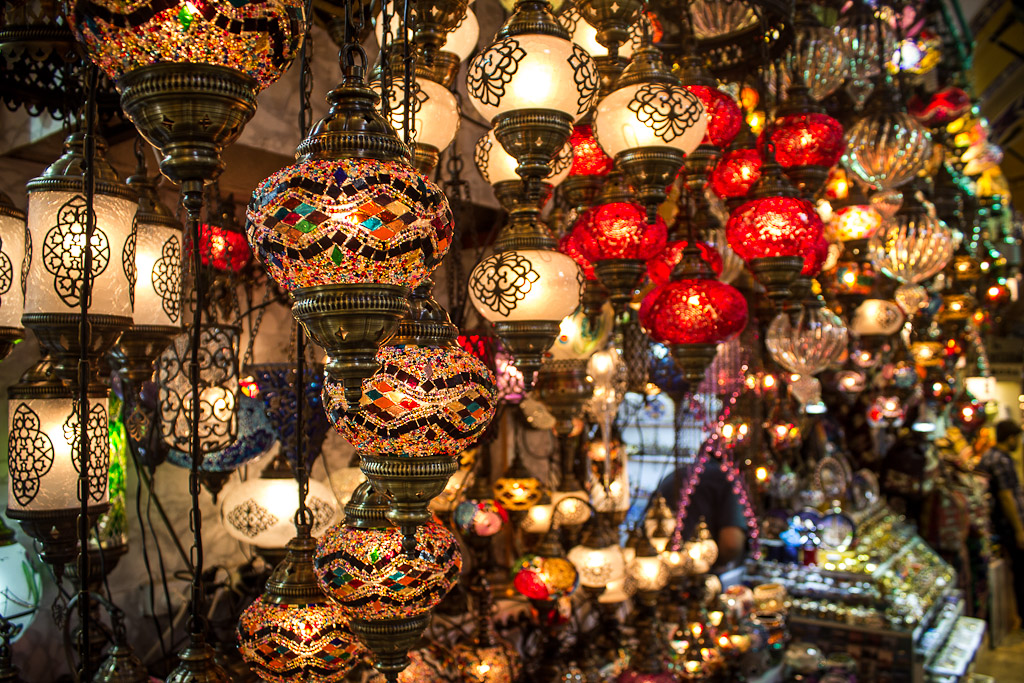
The Grand Bazaar is the world’s oldest shopping mall, covers several blocks and features a labyrinth of side streets to keep you lost for the better part of a day. Well, it did my brother and me. We lost, we wandered, we negotiated with traders and realized they are excellent merchants, we shopped and bought more things ever we planned or thought to buy!
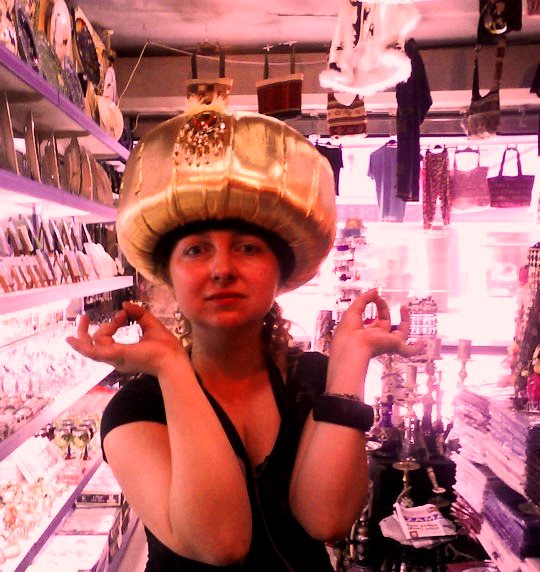
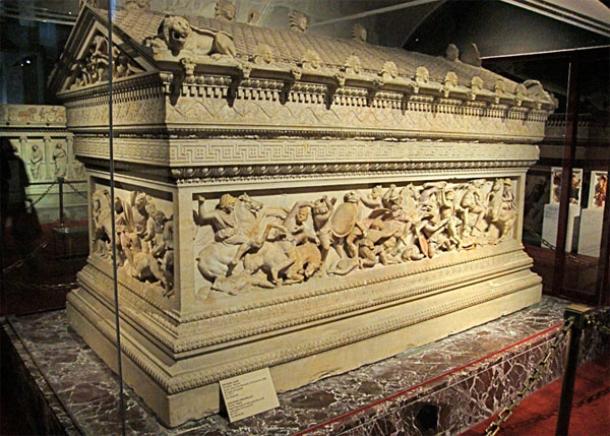
The following day we decided to deep a bit more into history, so we visited the National Archaeology Museum and saw a copy of the footprint of the prophet Mohammed, or the sarcophag of Alexander The Great (of Macedonia).

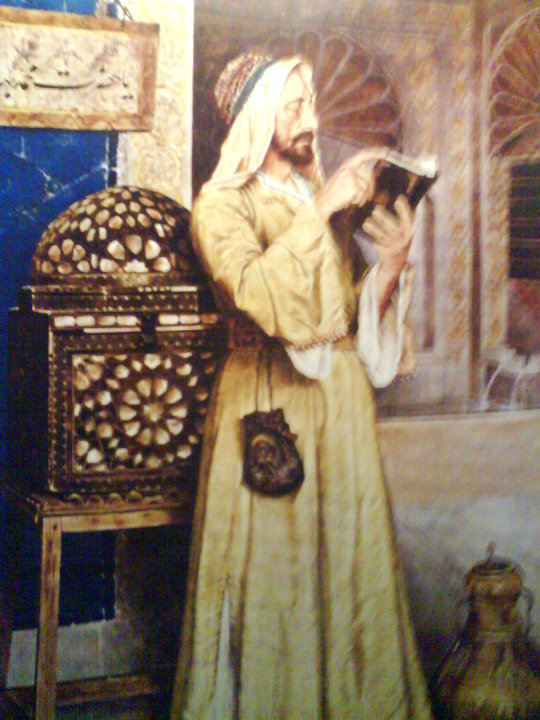
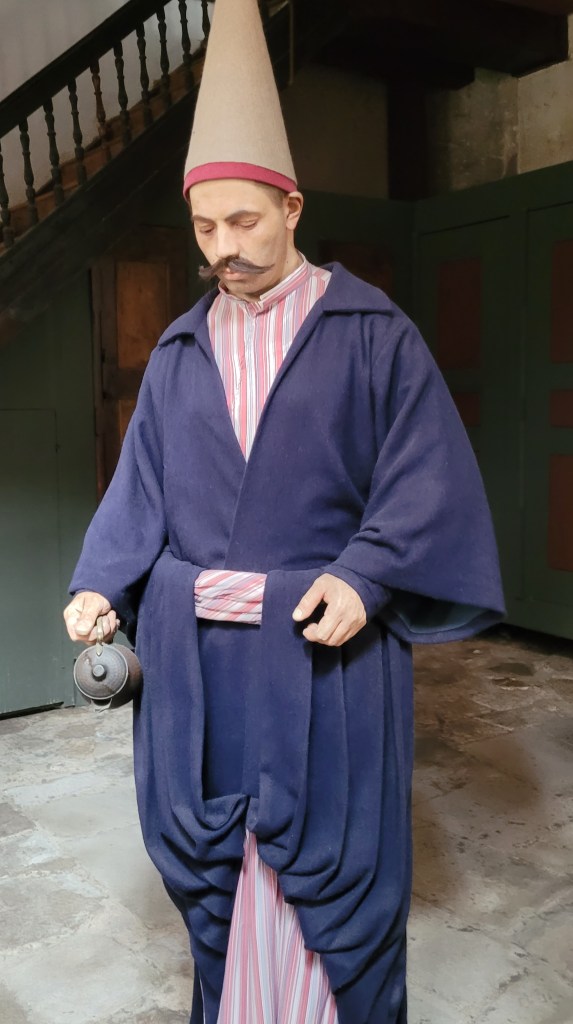
My favourite place was the Topkapi palace because of the lavishly decorated rooms with four courts of increasing grandeur, as it was the imperial enclave of the Ottoman emperors for four centuries. In the second court is the entrance to the Harem, then next to it the Imperial Treasury, housing a weapons display. And of course, the view from the palace terrace and gardens over the Bosporus is spectacular!
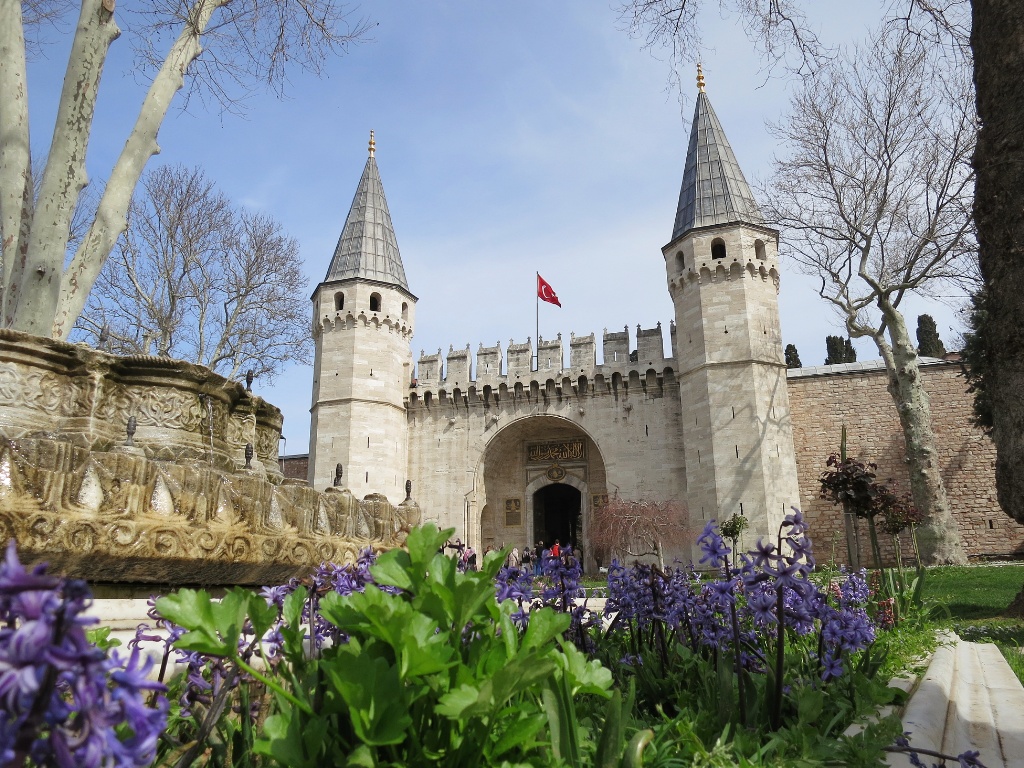
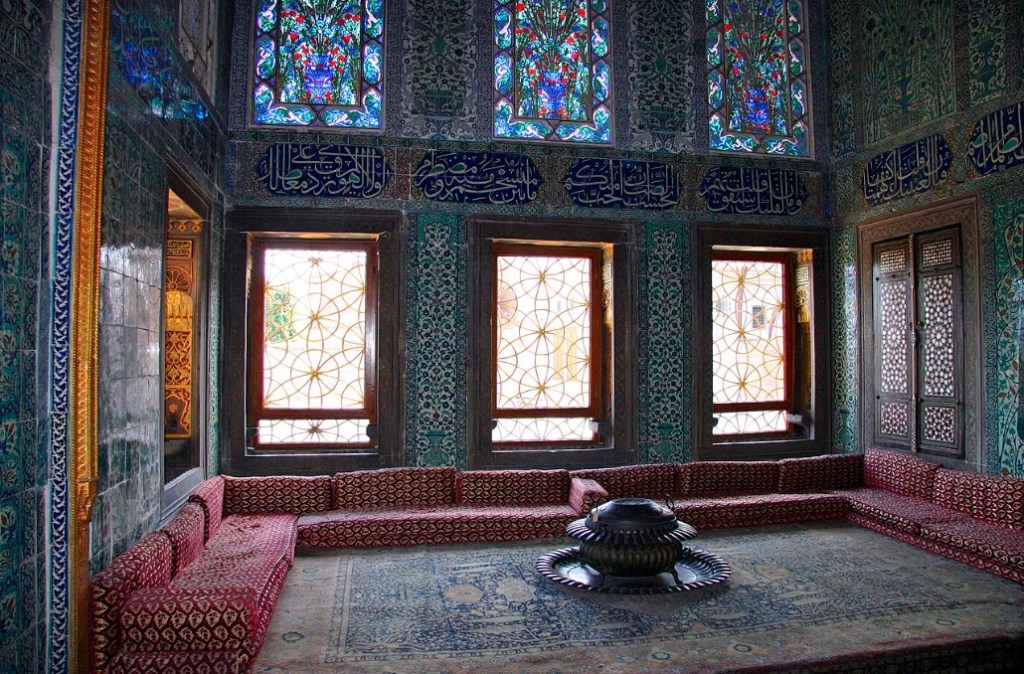
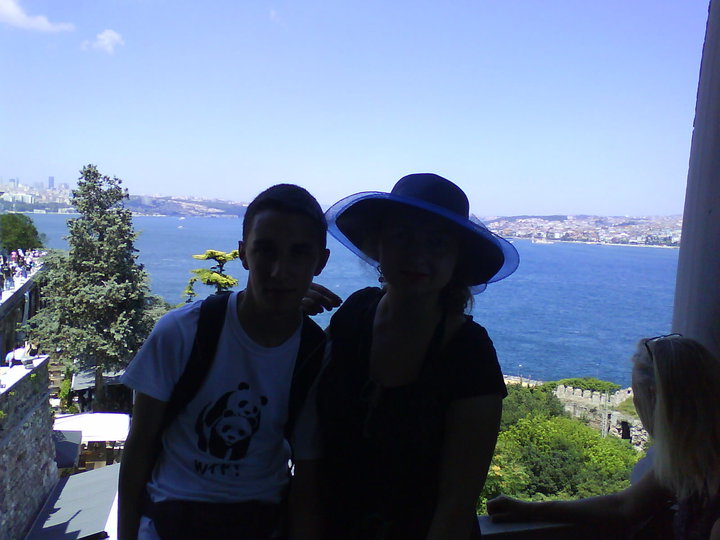
Pretty nice view on the strait of Bosphorus and the city itself spreads from the Galata tower. A medieval stoned tower built by the Genoese merchants.
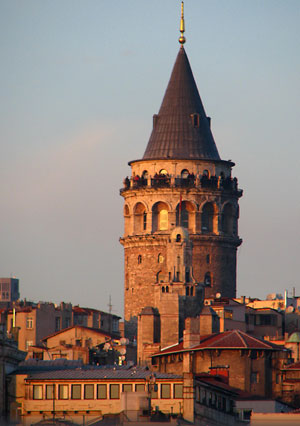
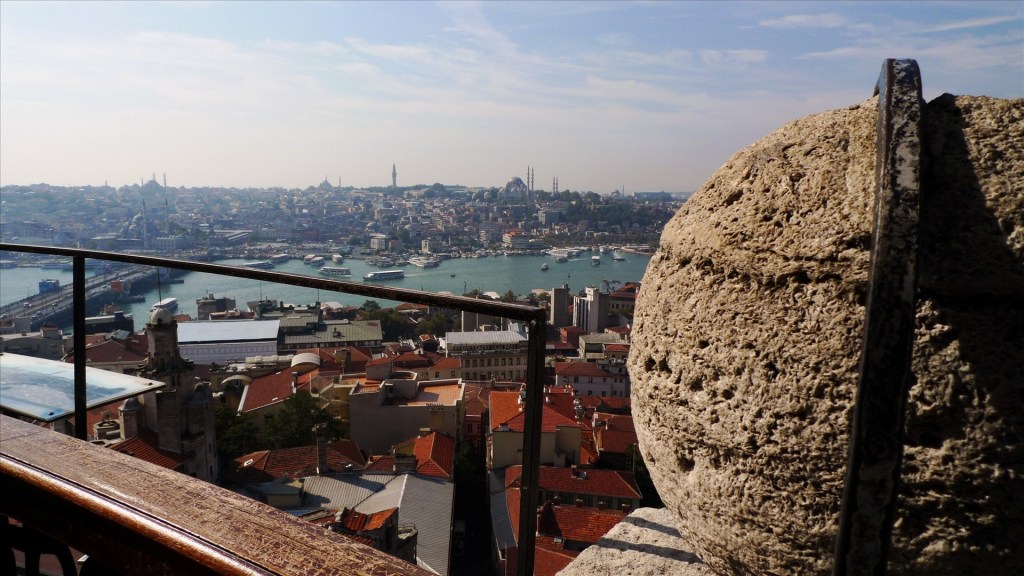
To go on the other side of Bosporus is easy. We walked across one of the bridges and enjoyed the view on blue sea and sky. Indeed, blue is the colour of Turkey.
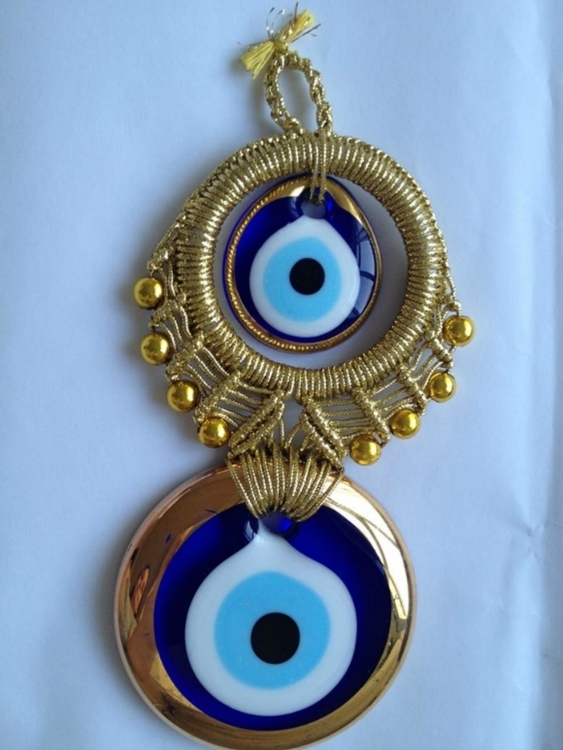
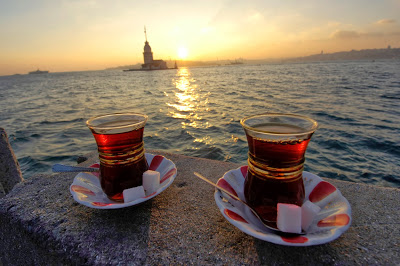
Although, there is not much to see on the asian side, we enjoyed turkish delights, drank tea and famous turkish beer efes, smoked narghile and bought the Evil eye which is suppose to protect us.
Hello again!
Istanbul is just one of those mesmerising cities that attracts. With what exactly? The city of 3 histories (Roman, Byzantine and Ottoman), the city of 2 continents and sadly, the city of one overly-dominated religion. The synthesis of improbable combinations gave birth to the wonderfully chaotic city.
I was lucky enough to visit during the super important holiday of the Türkiye. It has been 100 years since democracy, republic and constitution. The political scientist in me will question this through this blog post, as the index of democracy can be super low.
But let me start from the very beginning.
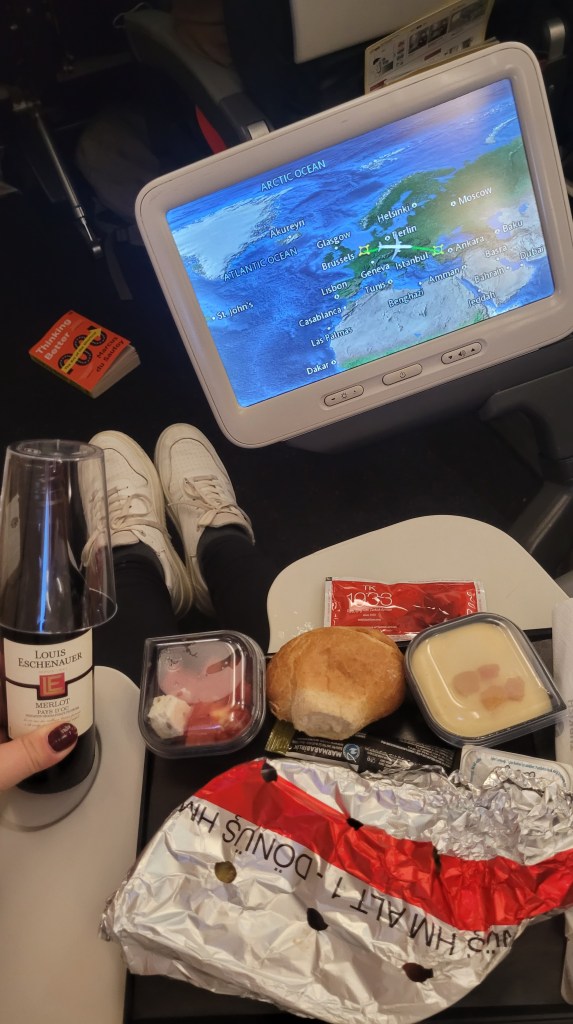
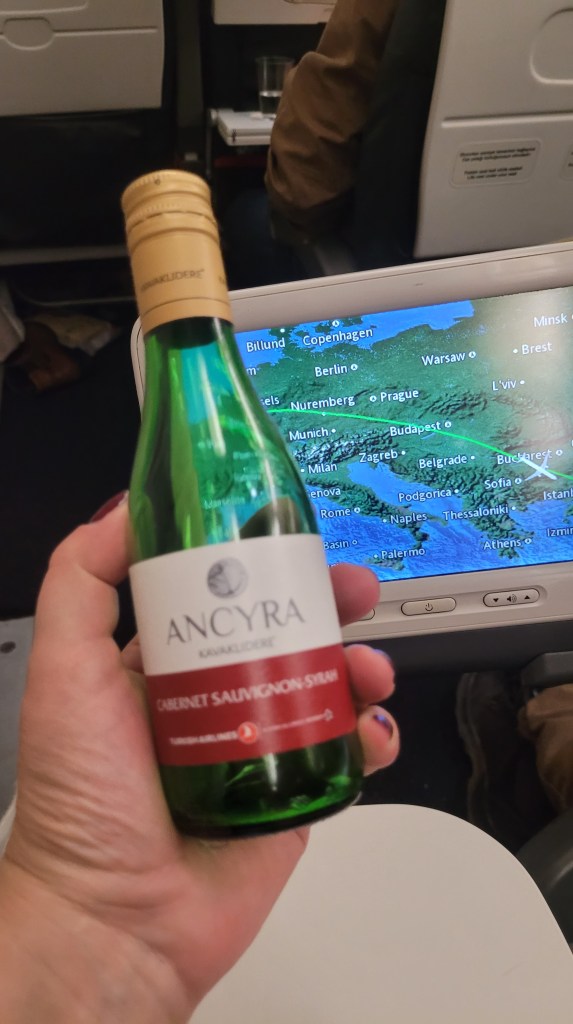
Turkish Airlines brought me directly to the new Istanbul Airport.
Our first stop was Arasta Bazaar right at the Golden Horn. Traditional, buzzy market street lined with small stores selling spices, pottery, rugs & souvenirs. Buy, buy, buy.
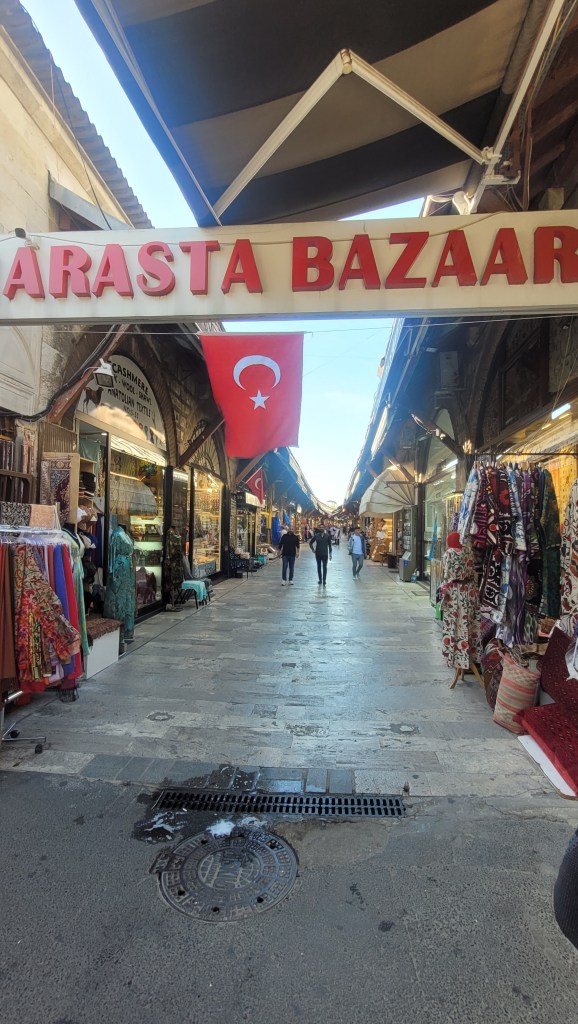
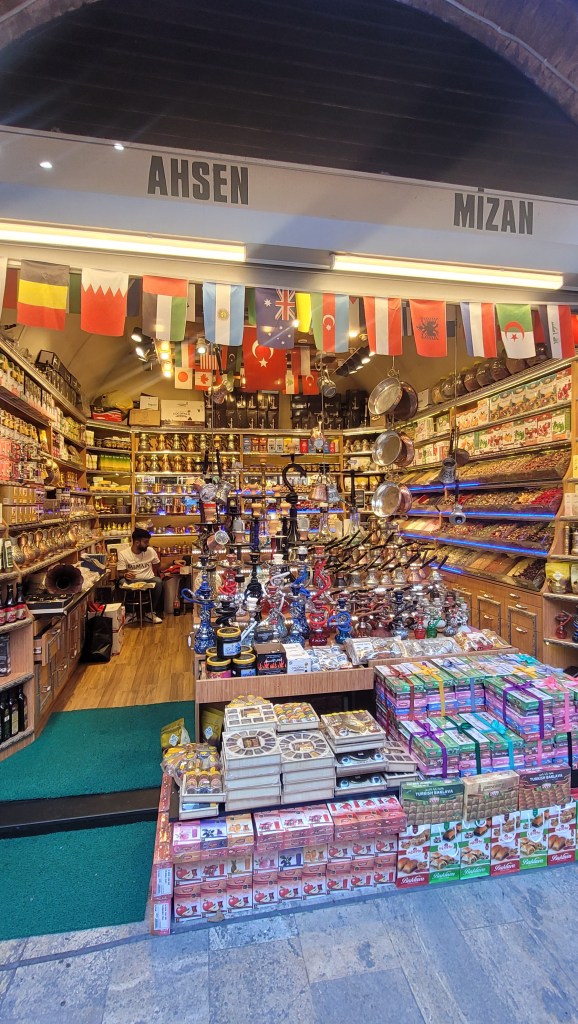
It was enough to be 5 minutes in this city to remind myself why last time I left in an angry spirit. The türkiye sellers are harassing me all along as I walk down the bazaar, as I continue saying – no thank you. I just arrived. But thinking in myself: let me breathe.
The hotel was just beneath the Blue Mosque. This 17th-century building is decorated with thousands of Iznik tiles and painted floral motifs in predominantly blue colours, which give the mosque its popular name. The line to enter was huge, some good 3 kilometres, but it moved fast. I mean, there is not much to see once you enter, as Islam does not allow us to show human faces or any other relics or art.
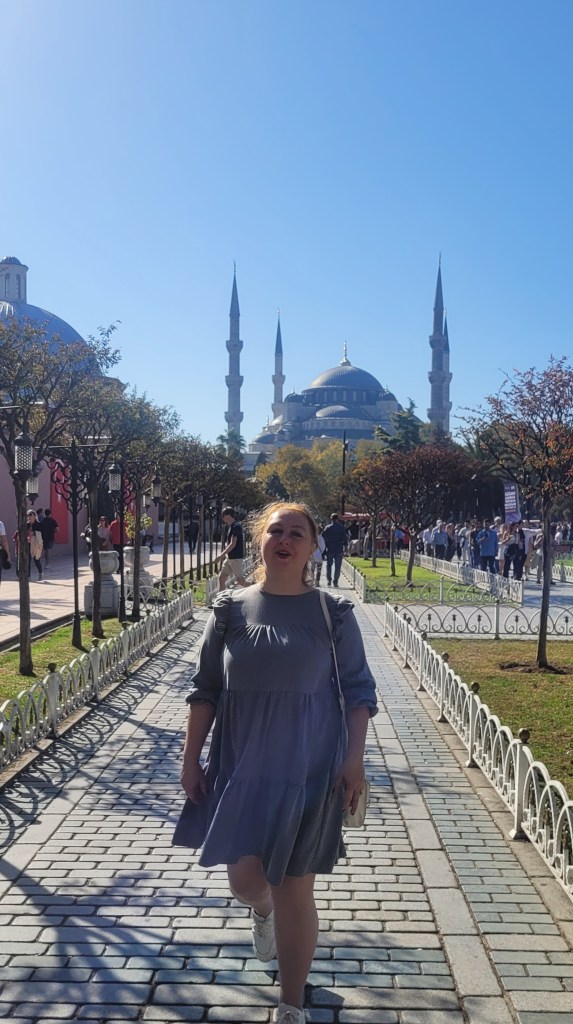
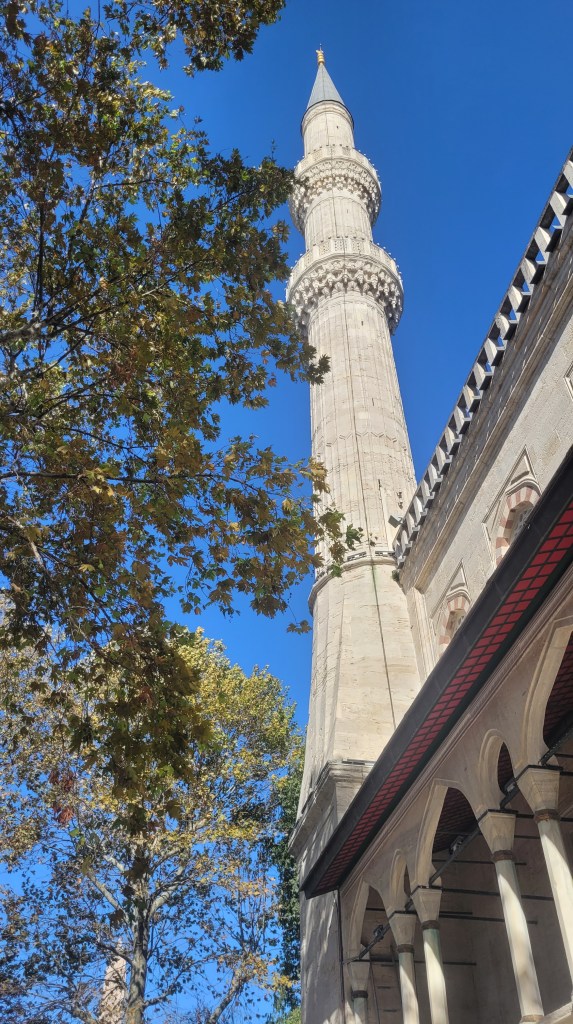
The Blue Mosque is one of the five mosques in Türkiye that has six minarets. According to folklore, an architect misheard the Sultan’s request for “altın minareler” (gold minarets) as “altı minare” (six minarets), a feature then-unique to the mosque of the Ka’aba in Mecca. When criticized for his presumption, the Sultan then ordered a seventh minaret to be built at the Mecca mosque. Just to make God on a safe side 🙂
Historically, the muezzin had to climb a narrow spiral staircase inside the minarets five times a day to announce the call to prayer. And this is the reason why there is such a huge line to enter. Because they close it 5 times for 1 hour for prays.
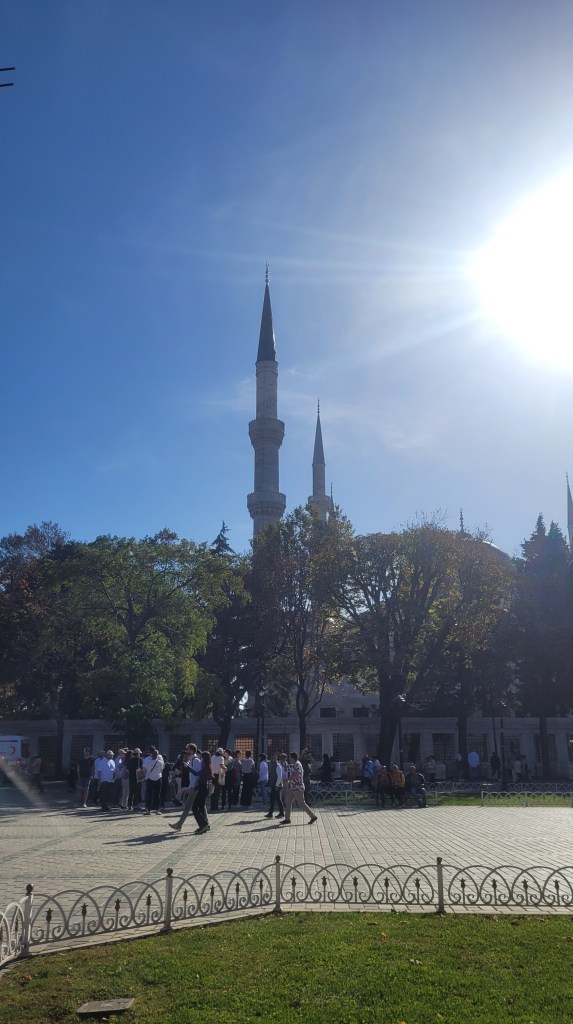
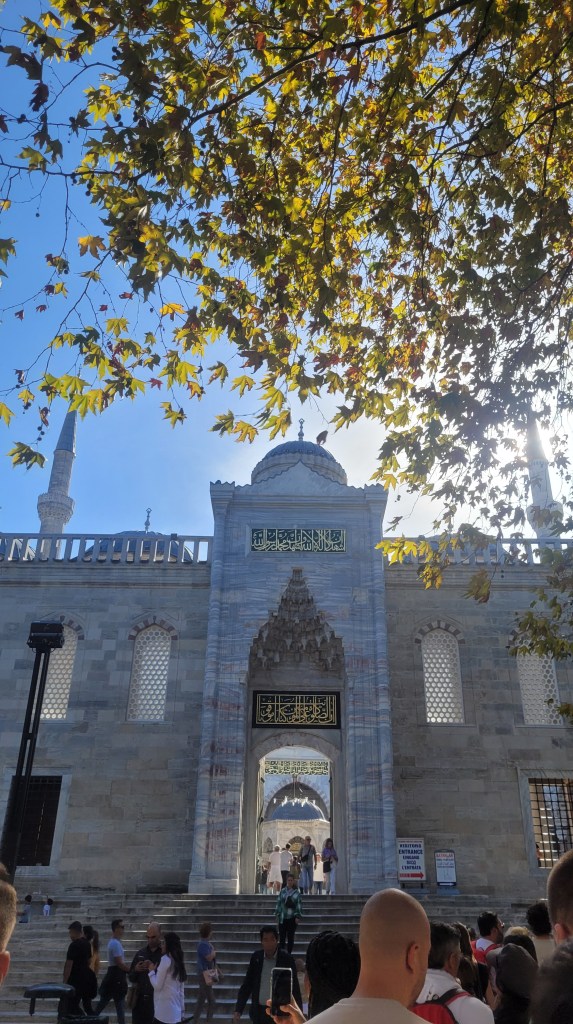
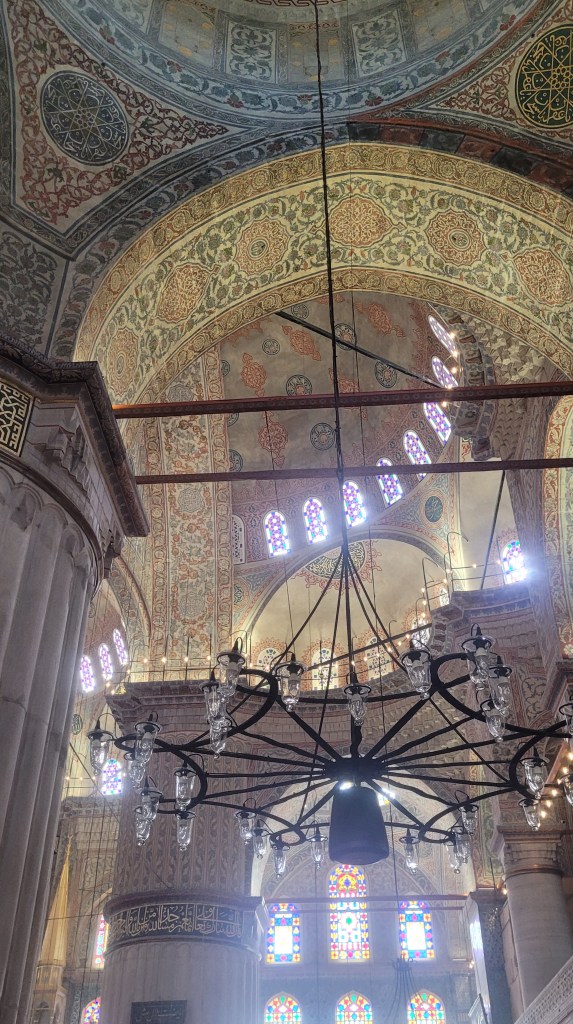
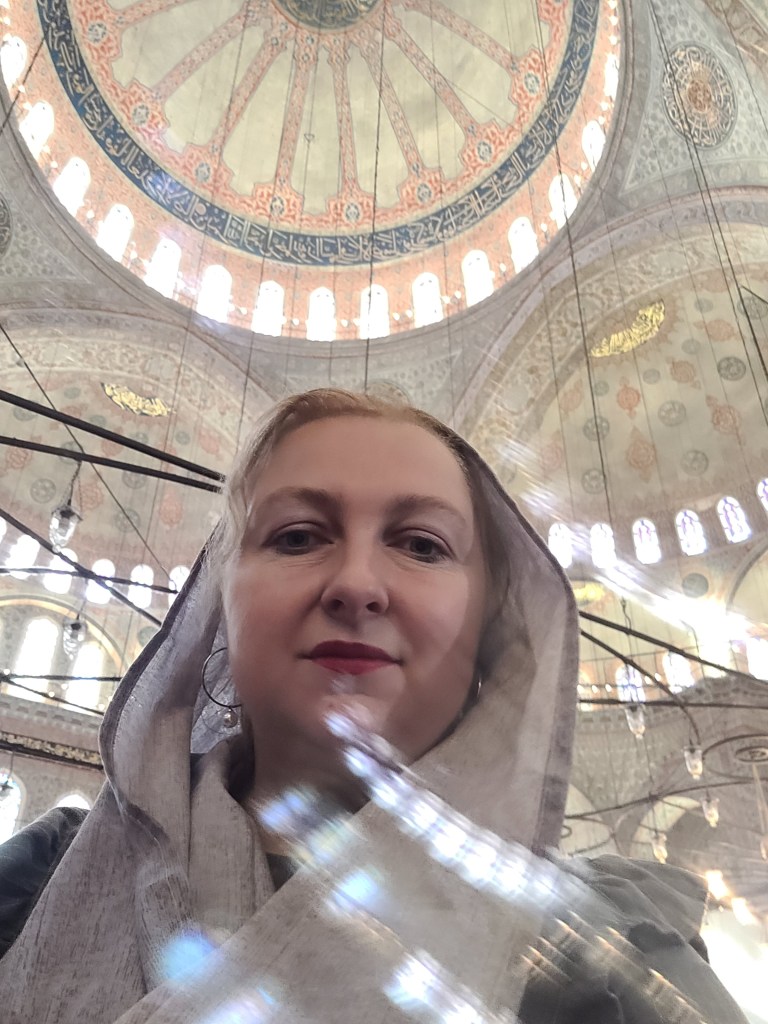
As I was standing in line, I was observing Istanbul a lot. Many things changed. In not much positive way. After 10 years since I last time visited Istanbul (not counting the time when I flew over to Azerbaijan and stopped for a while just to see how much the Asian side grew), the city grew and expanded. With this, many new buildings rose, but this means that some other historical buildings had disappeared.
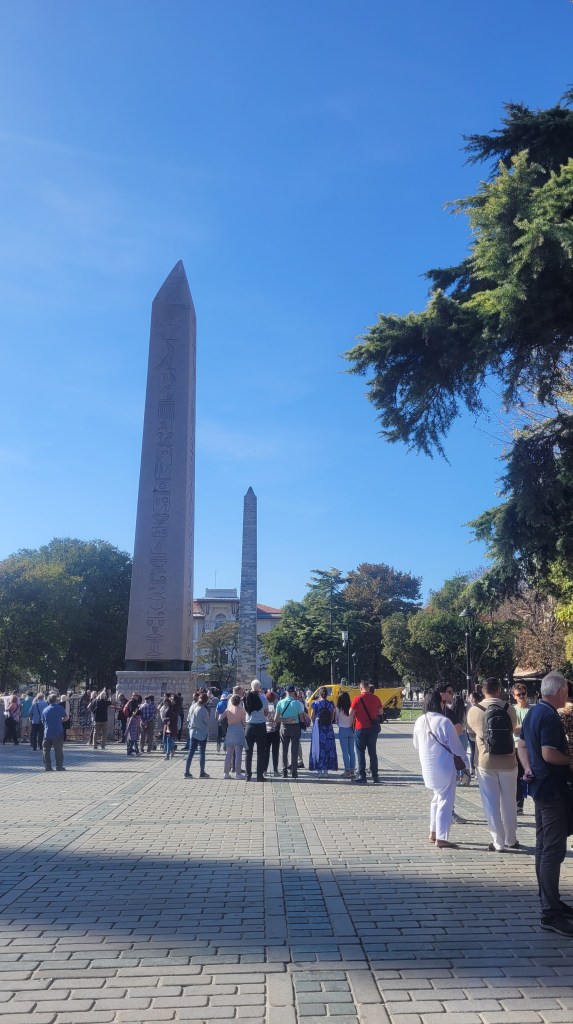
Luckily, the Ancient Egyptian obelisk of Pharaoh Thutmose III re-erected in the Hippodrome of Constantinople by the Roman emperor Theodosius (4th century) is still there. But I noticed that the lines of what used to be a Roman hippodrome are slowly fading away, giving a shape to a park and square.
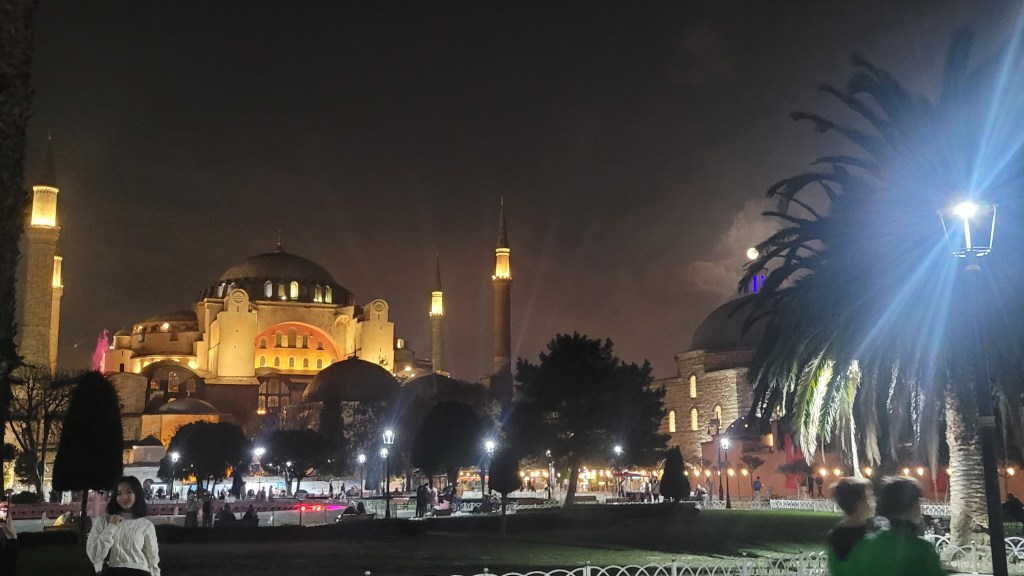
Just across the Blue Mosque is Hagia Sophia. Standing in all its beauty, since the 4th century. Today is unfortunately a mosque, and all the Christian relics have been placed in a museum nearby. I felt culturally offended. This is the oldest Cathedral for us Christians, Last time I visited Hagia Sophia, it was a museum. I remember I found it fair at that time that it was turned into a mosque to avoid religious contradictions.
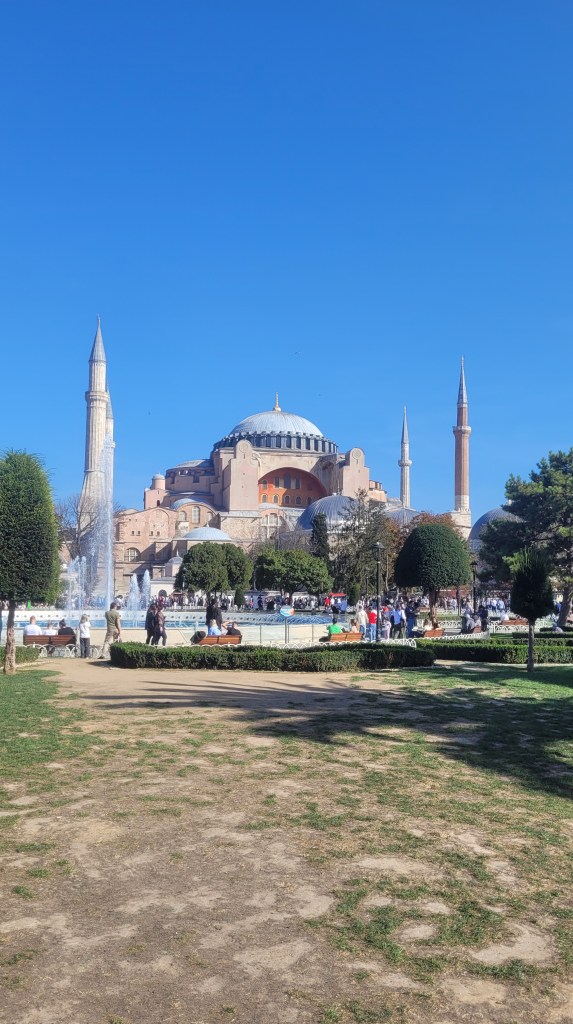
The structure was built by the Byzantine emperor Justinian I as the Christian cathedral of Constantinople for the Byzantine Empire. Upon completion, it became the world’s largest interior space and among the first to employ a fully pendentive dome. It is considered the epitome of Byzantine architecture and is said to have “changed the history of architecture“.
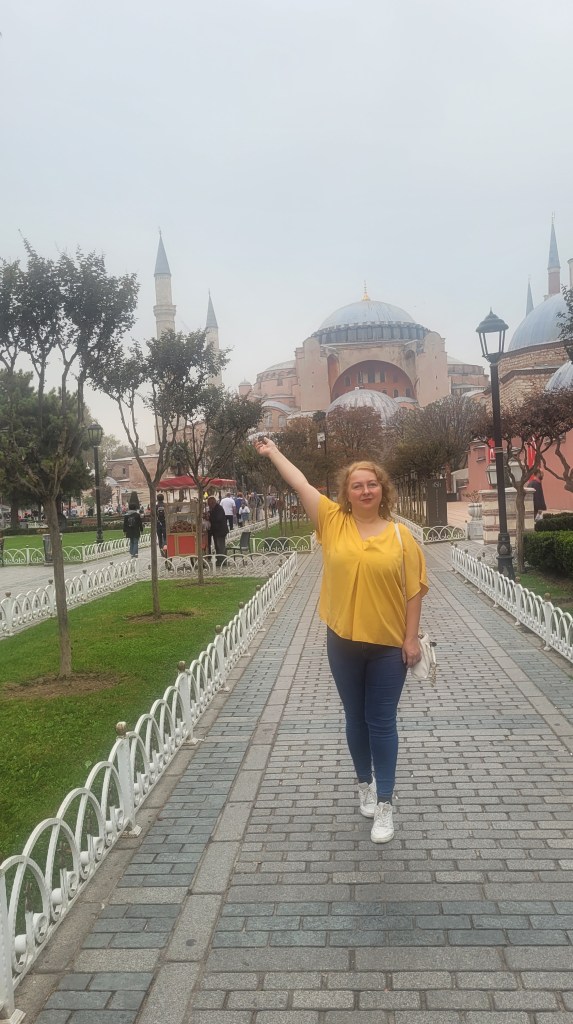
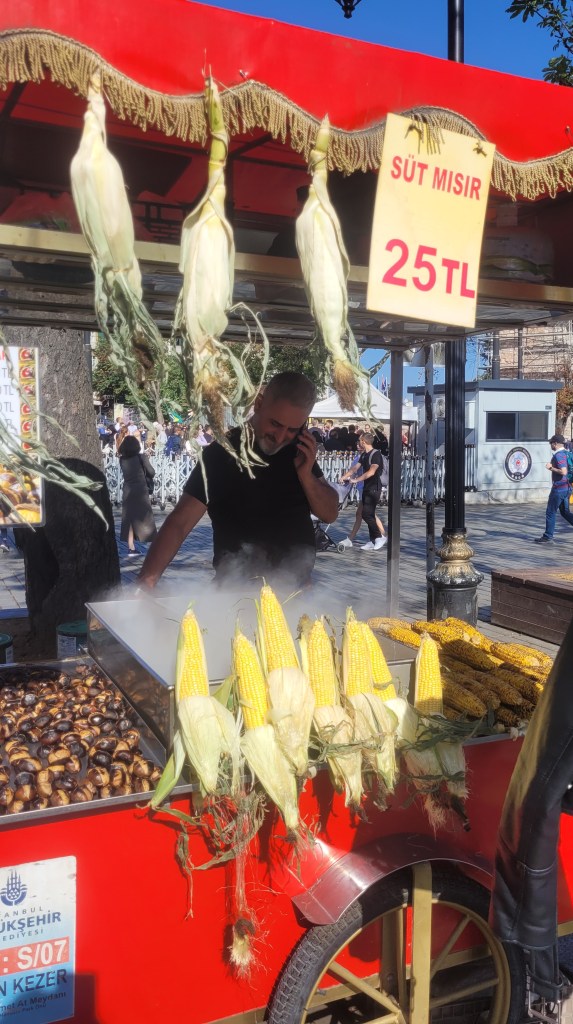
While waiting for the entrance, another line of 3 km, I decided to make a small break and have delicious street food – baked corn. It was super cheap, some 30 cents but overly salted. So it made me stop again somewhere for a liquid refreshment.

I decided to have some turkish tea and baklava just in front of the Hagia Sophia, at the complex called Hürrem Sultan Hamamı. It is a 16th-century, Ottoman-style hammam offering traditional baths & massages, plus an on-site restaurant. The terrace was loud, and the waitress did not speak good English. But my thoughts were still occupied by Hagia Sophia. How could an Empire be replaced by another Empire just like that? Is it possible that this is the only trace? There must be more. How come the streets are winding and not squared and direct like in ancient times? Where did Constantinople stop and Istanbul start? Where are you, Tsargrad?


I tried to enter again to Hagia Sophia, but this time the line was even bigger. I had been standing in line for a good hour when the security cut the line just in front of me. It was time to pray, they said, and only Muslims could enter. I prepared myself with a scarf earlier that morning knowing I was entering to a mosque and there is no fun with Islam. The officers told me that I was not a Muslim because I obviously do not look like a Muslim, because I am Russian. I rolled with my eyes. I got culturally upset again, not believing this was happening. 100 years of democracy!
I couldn’t believe that I was not allowed to enter the oldest Cathedral that my Western civilisation owns. This Cathedral is older than Islam itself. Yet, I have been denied access. I went to eat. I had to lose myself in the streets of the Sultanahmet district, hoping the Türkiye would recover the damage with the good food. But first, I need to survive the attack of the waiters greeting me in Russian with their menus. – No thank you, I am not Russian.
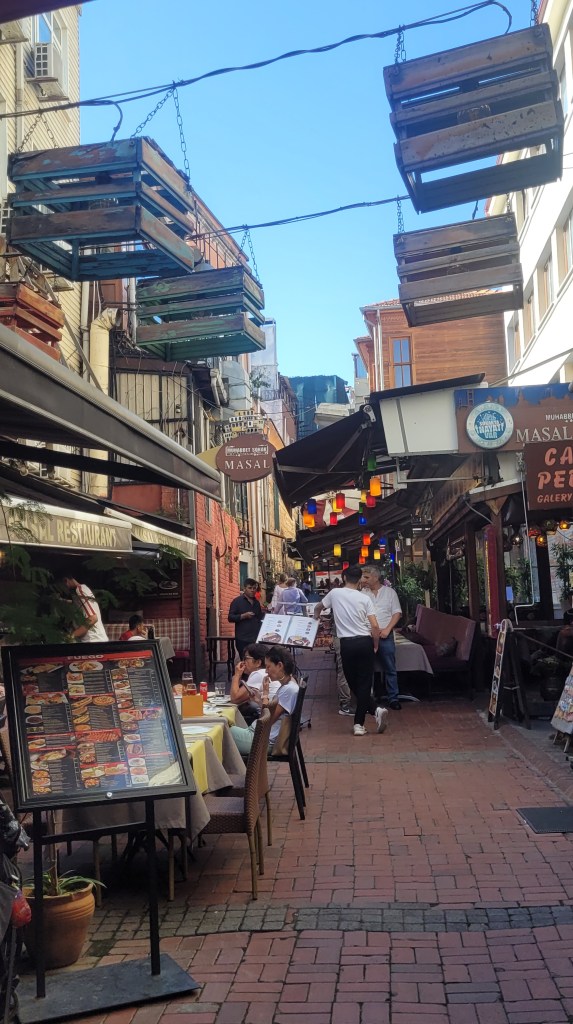


When I travel, I usually try to change as many as possible locations when it comes to dining. If I eat in one restaurant, I would have a coffee elsewhere. I also try to go local as much as possible. Especially when it comes to food and nuriture.
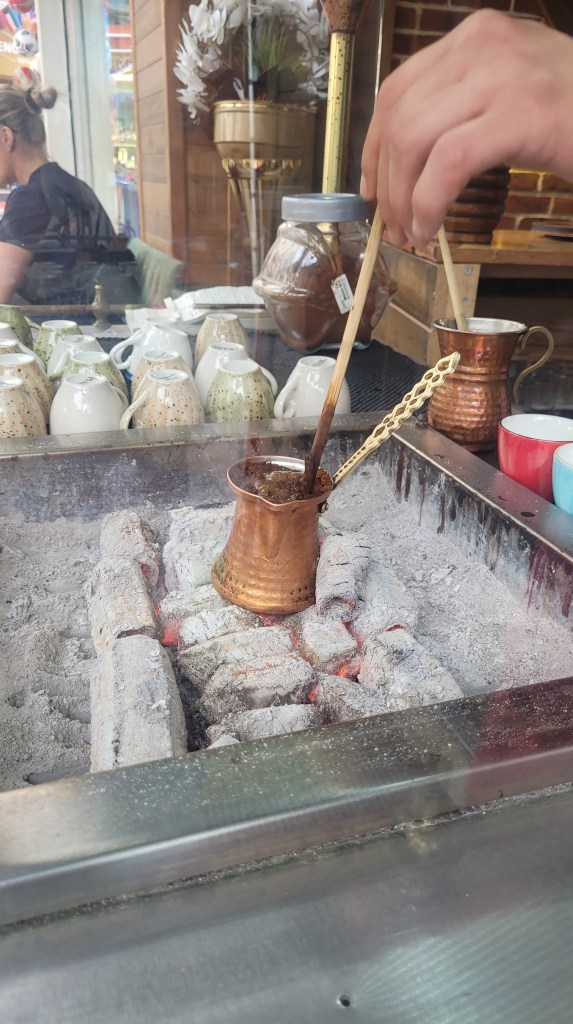
Turkish coffee is a style of coffee prepared in a cezve using very finely ground coffee beans without filtering. Just like my mother would make at home in Croatia. Some Ottoman traces in the Balkans.

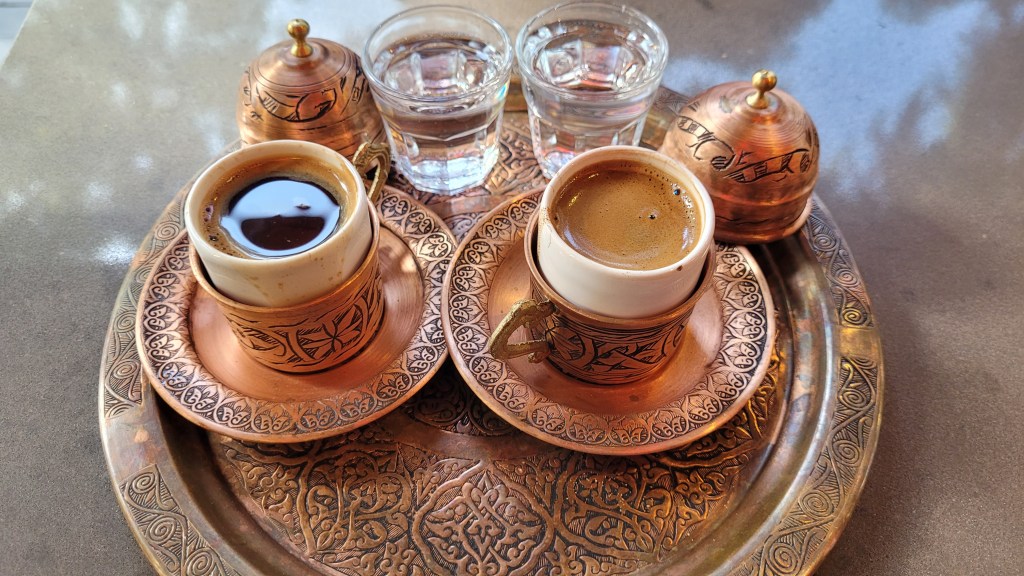
While having a coffee, I got mesmerised again. What is it with this city? Did the spirit of Orhan Pamuk took over me? Noticing all these turkish flags around me, (not like they were not so many when I first visited, lol) I decided to investigate what can I expect tomorrow for 100 years.

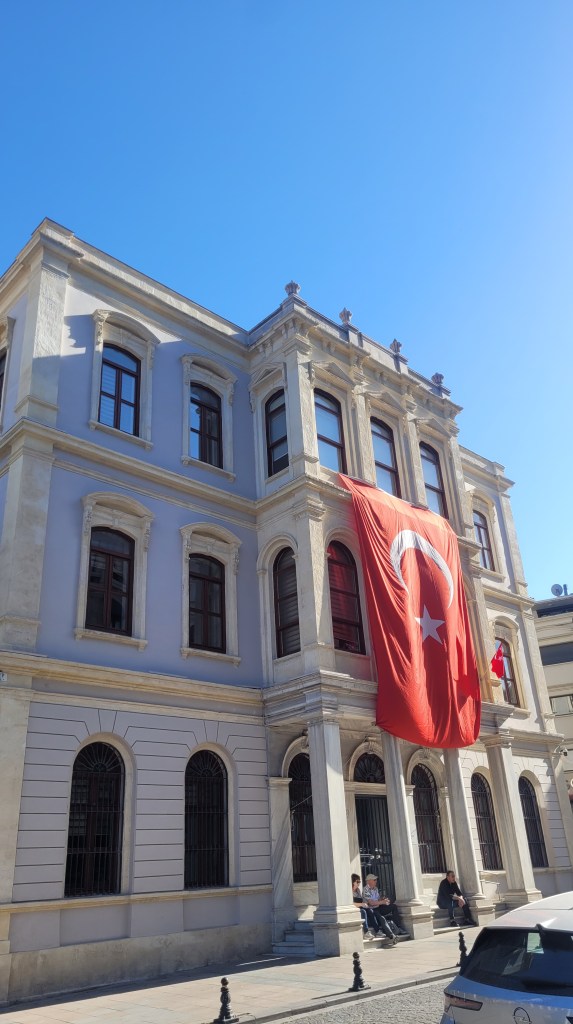
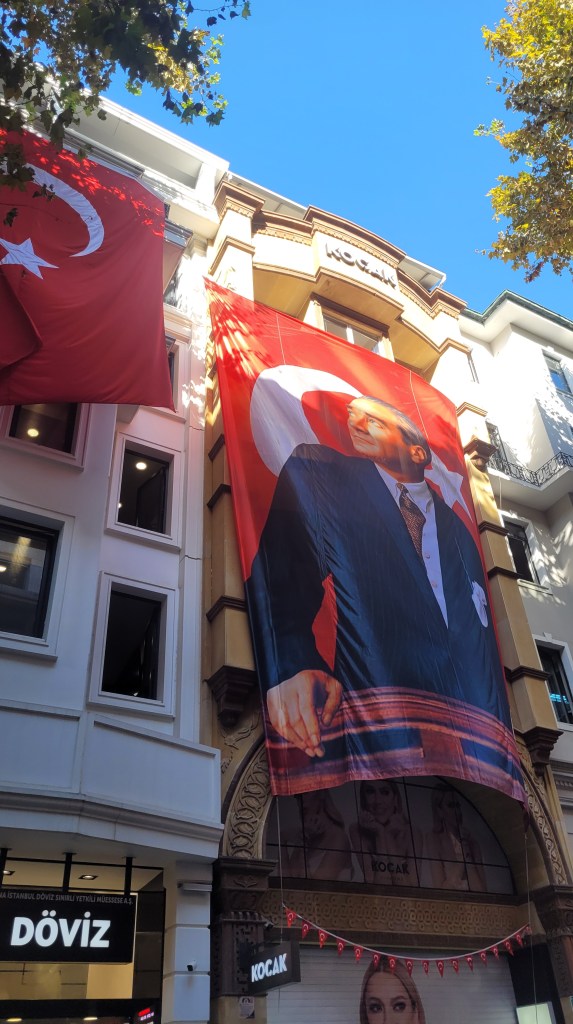
The Turkish Republic, was founded from the ruins of the Ottoman Empire by the national independence hero Mustafa Kemal Ataturk. Ataturk literally means the father of the Turks. Ataturk established a Western-facing secular republic modelled on the great powers of the time, ushering in radical reforms that abolished the caliphate, replaced the Arabic script with the Roman alphabet, gave women the vote and adopted European laws and codes.

Turkey has, however, taken on a more conservative character under the two-decade-old rule of President Recep Tayyip Erdogan, whose party has roots in the country’s Islamic movement and who has become Turkey’s most influential leader since Ataturk.
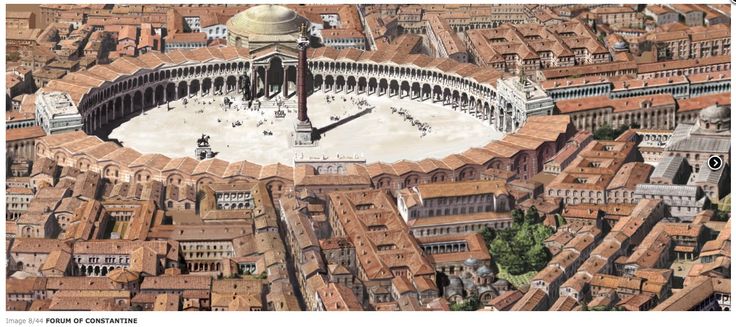
Nearby, in this same neighbourhood of Fatih, or Çemberlitaş to be more precise is where the last trace of Byzantin lays – the Column of Constantine built for Roman emperor Constantine the Great to commemorate the dedication of Constantinople on 11 May 330 AD. It is the oldest Constantinian monument to survive in Istanbul and stood in the centre of the Forum of Constantine. And to me, this is the best evidence of how one city swallowed the other. One civilisation over the other. What used to be a temple is turned into a mosque.

In the same district of Fatih is Grand Bazaar. This enormous place of trade and history, a witness of the economy through the centuries.
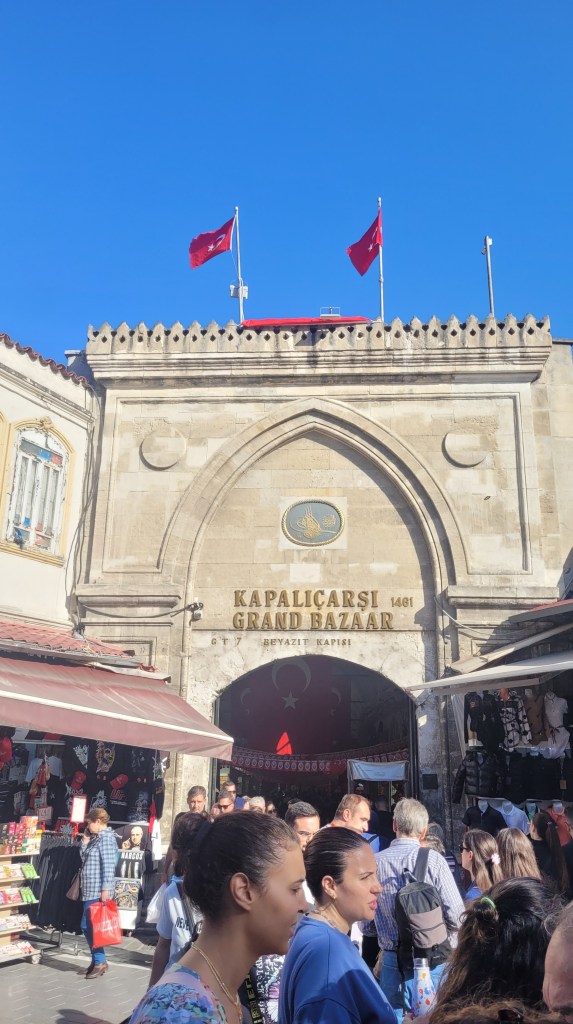
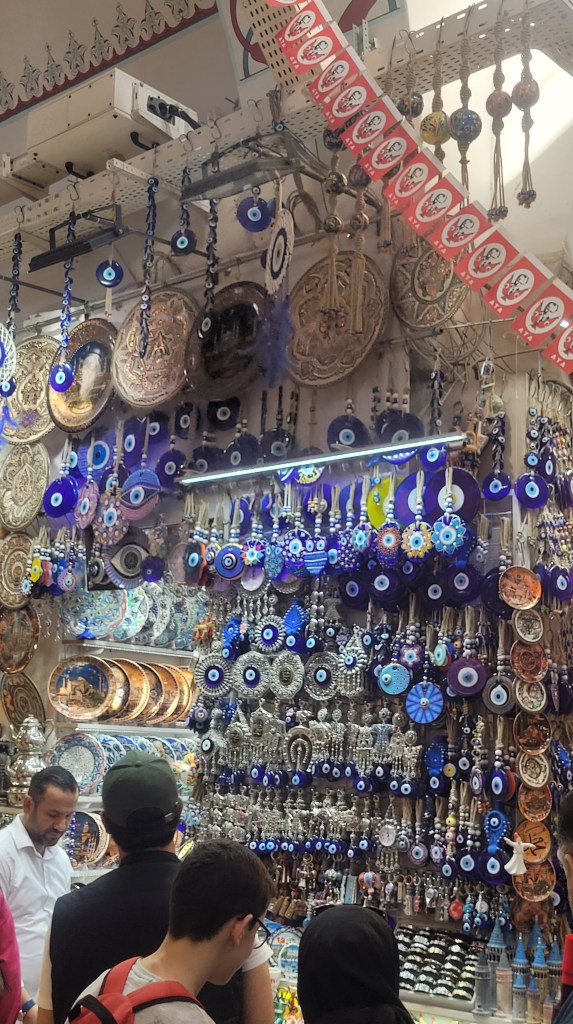
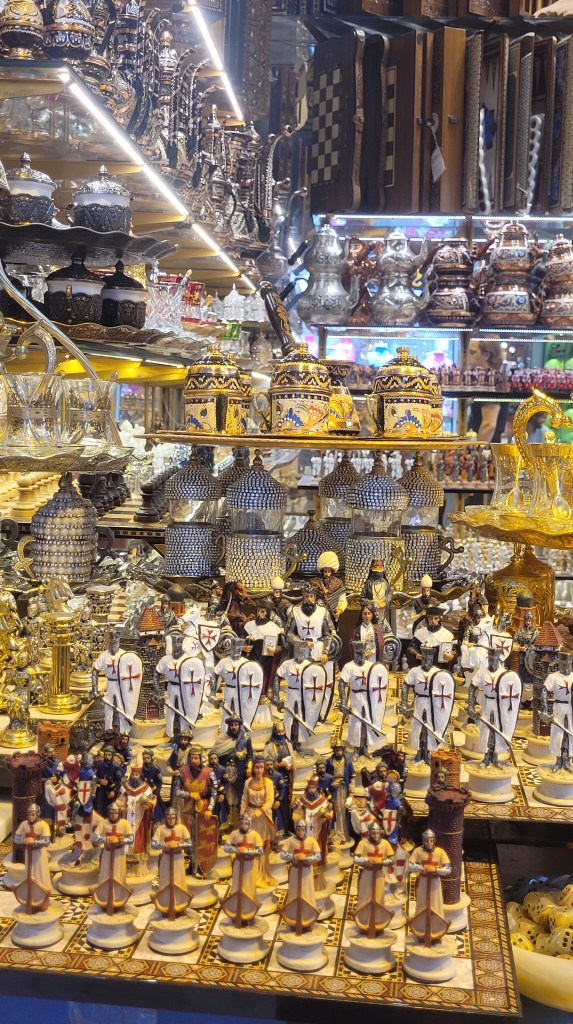
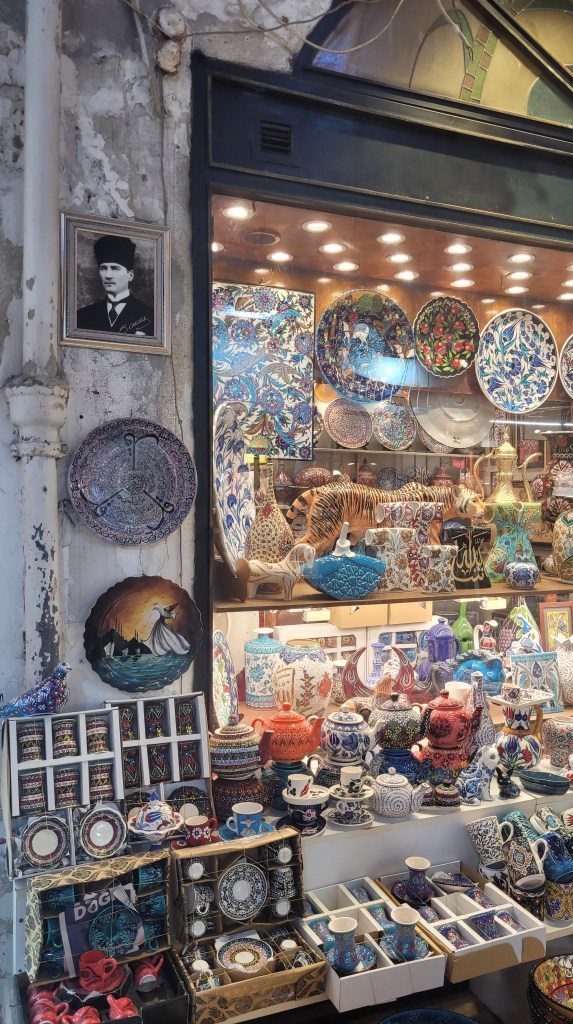
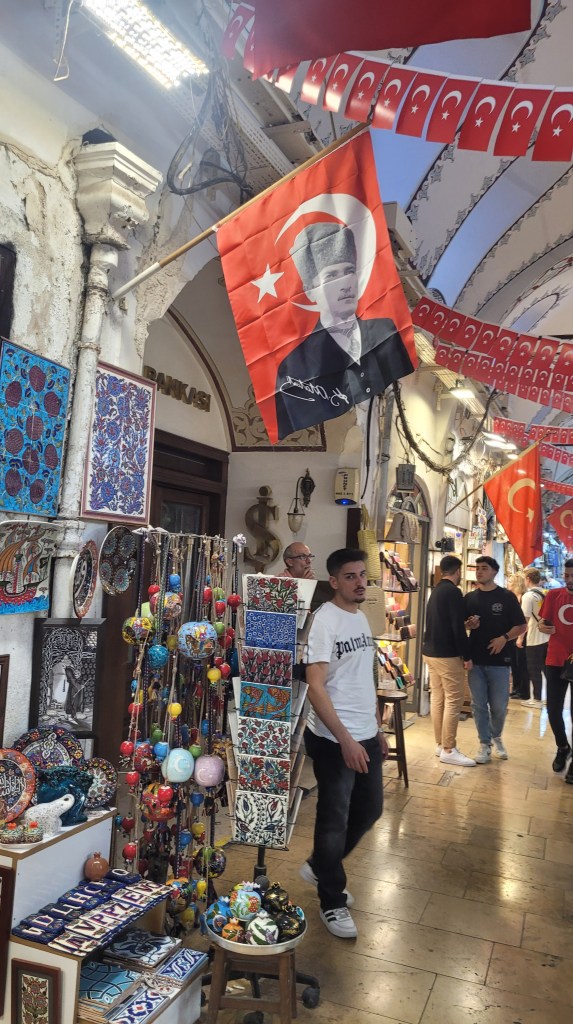
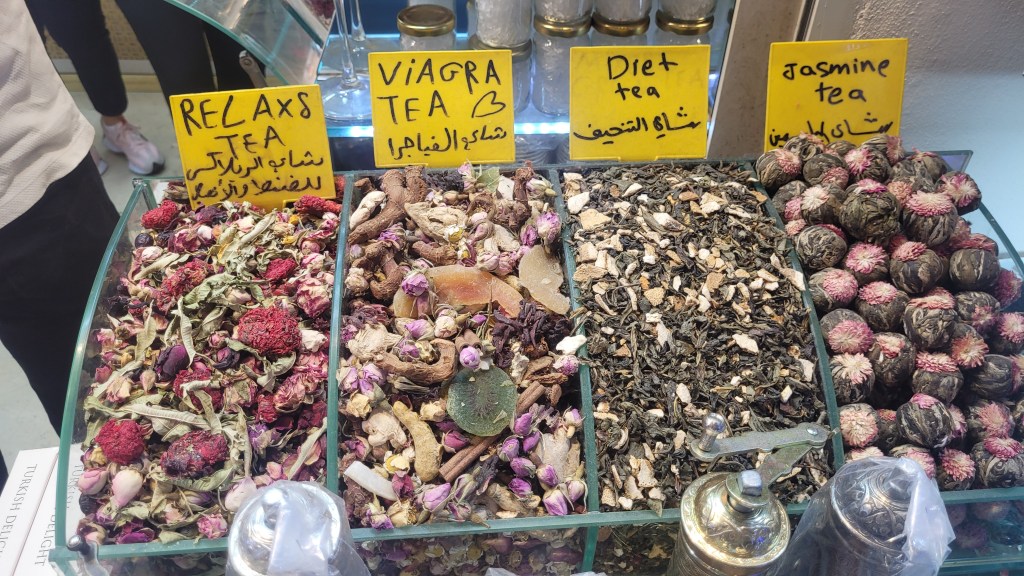
Me. I went quickly out. It was acoustic and too crowded, with locals passing through the market while signing their national songs and drumming with old dishes. And again, I had to face adolescents trying to charm me with their english: ello, buy tea? you want some tea? Where are you from, Russia?
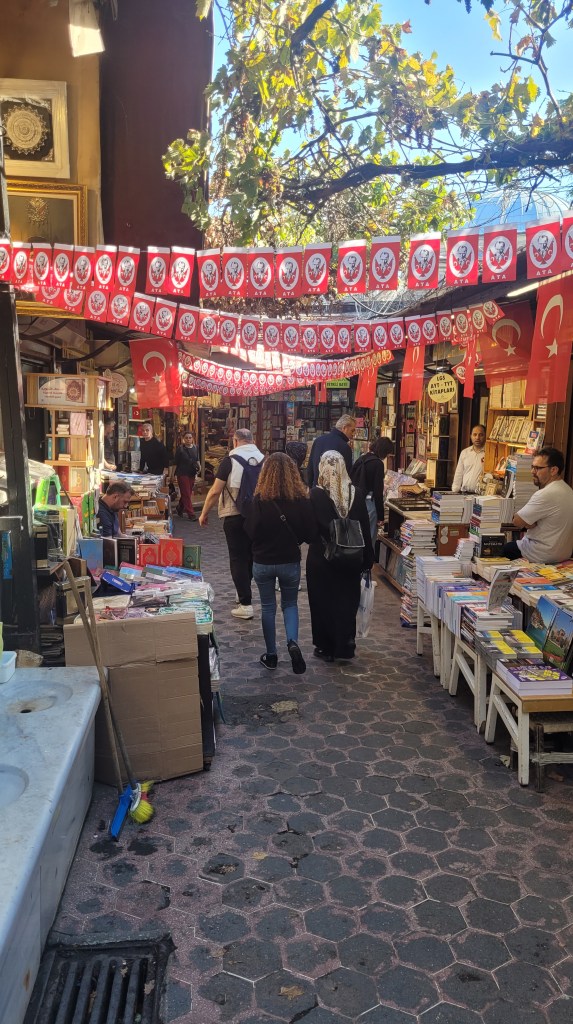
My legs brought me to a more peaceful place of Grand Bazaar, just behind the scenes where quite old men were selling books and cats were wandering around. Again, mesmerising? Istanbul is great to explore as behind some hidden passage you end up in a totally different world from where you have just stepped in.
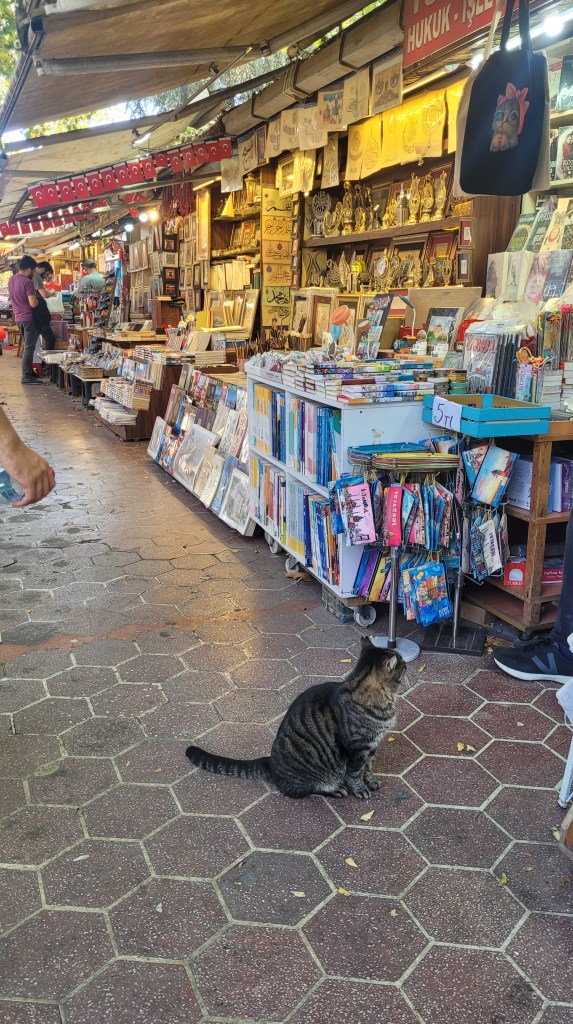
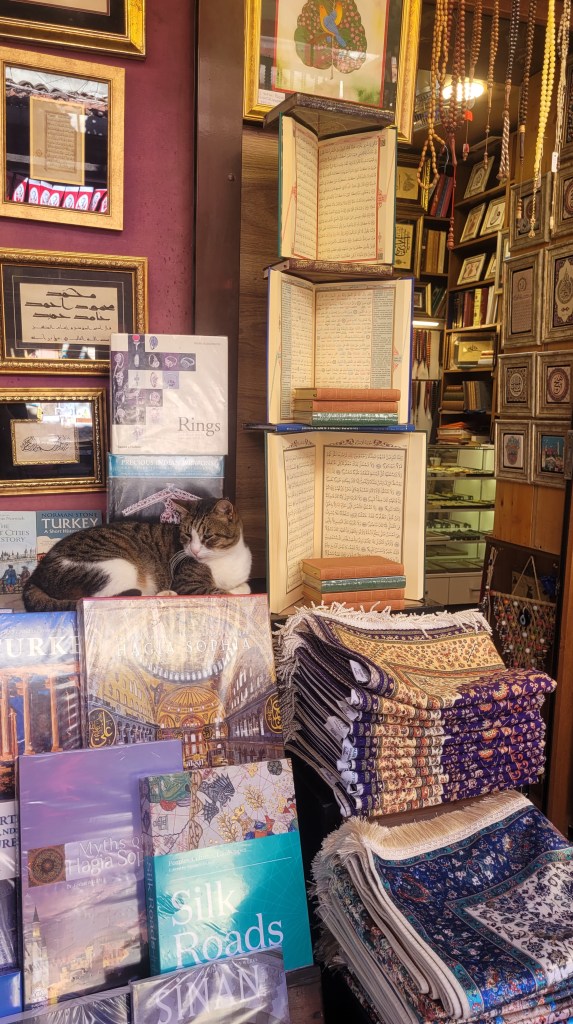
From Fatih, down to Eminönü. I still had some day light to spare, so I decided to explore more hidden gems. I remmebred I saved some locations from Instagram: Büyük Yeni Han and Büyük Valide Han.
A han, a type of urban caravanserai (a place where the caravans would rest from the road trip), was a common type of commercial structure in Ottoman architecture (and more broadly in Islamic-world architecture) which served a number of functions including lodging for foreign merchants, storage for goods or merchandise, housing for artisan workshops, and offices from which to conduct dealings. A number of hans were built over the centuries in and around the Grand Bazaar district. I entered this one, but I was not quite sure where I was. Again, in Istanbul, you enter somewhere and you end up in a parallel universe. I think I ended up in someone’s backyard.
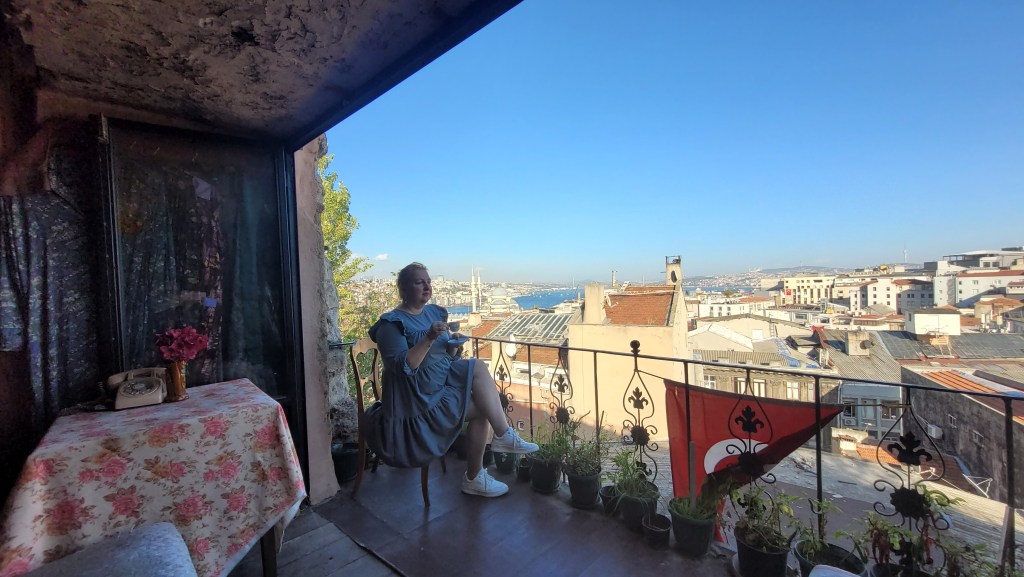
An old man with a cigarette in his mouth approached me: Büyük Han? And then he pulled out his phone, searching for a Google Translate in Russian. I somehow understood from the common Slavic language that I should go up the stairs theat are at the end of the yard. Once I passed the awkward dark and abandoned halls of the rusty building, I found myself in a cute artistic bar, ran by a youngster, who profits of instagramers who come to take photos of this iconic bar with the view. The balcony was just about to stumble below me. 😀
Now, if this is not mesmerising enough, then I don’t know if I understood the word enough 😀
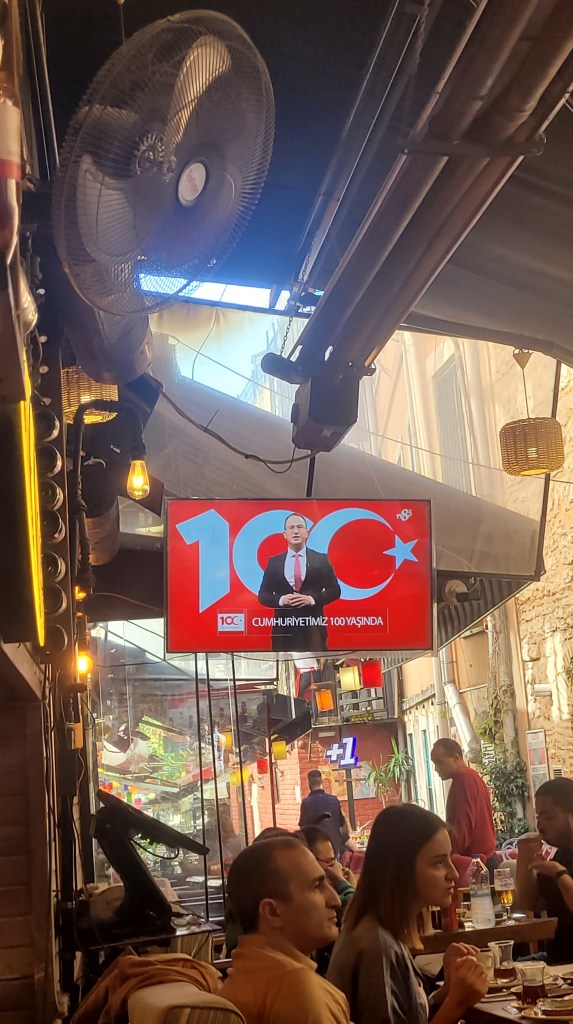
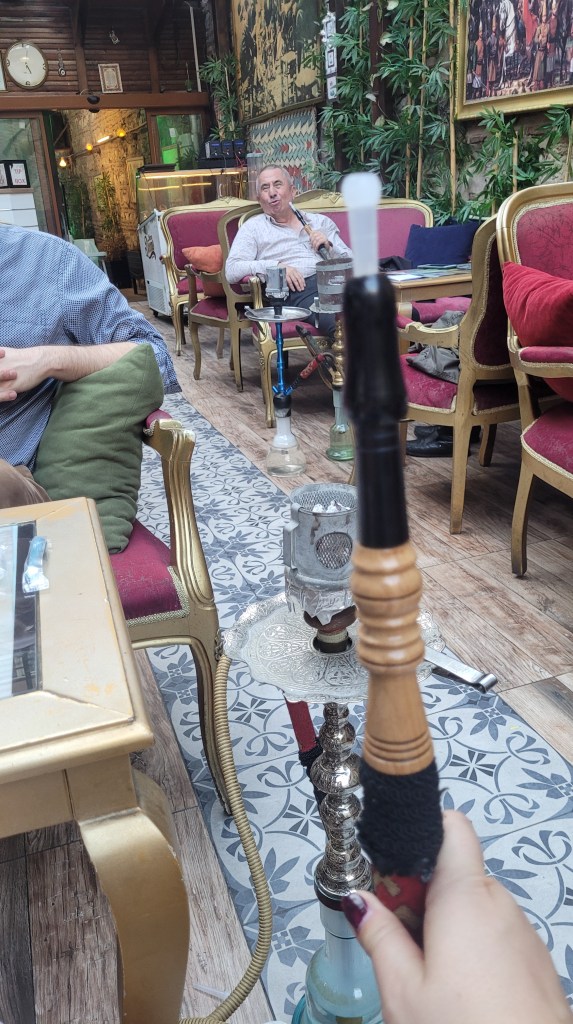
It was time to hide from the fuzz for a bit. I went back to Sultanahmet district, took Tram 1 and found some chill place to be. I was the only woman, but I didn’t care. I ordered tea and nargile which slowed me down a biiiit tooooo muuuuch. 😀 Behind me, on a TV display was Erdogan giving his 100 years speech, while mobilising the crowd and whoever has the profit of all of this. I didn’t bother at all. Seems like neither did the Istanbul fellas bother. Surprisingly to me, in Istanbul there haven’t been so many people’s celebrations. More like demonstrations on Ataturks’ square. This is because Istanbul is always more European and anti-current political establishment of nationalism and religious fundamentalism.
That night the dinner tasted amazing! It was obviously a tourist show, but I didn’t bother. I had turkish wine which is super expensive as Erdogan tries to impose super islamic culture (yes, I wrote that correctly Patrick: not Islam but Islamic culture – there is a difference!), which means no alcohol. However, there is a market as the tourists are asking for the authentic wines of the region, especially because of the location. Turkey is located partially in a geographical region that played a pivotal role in the early history of wine and is likely to have been one of the earliest wine-producing regions of the world.
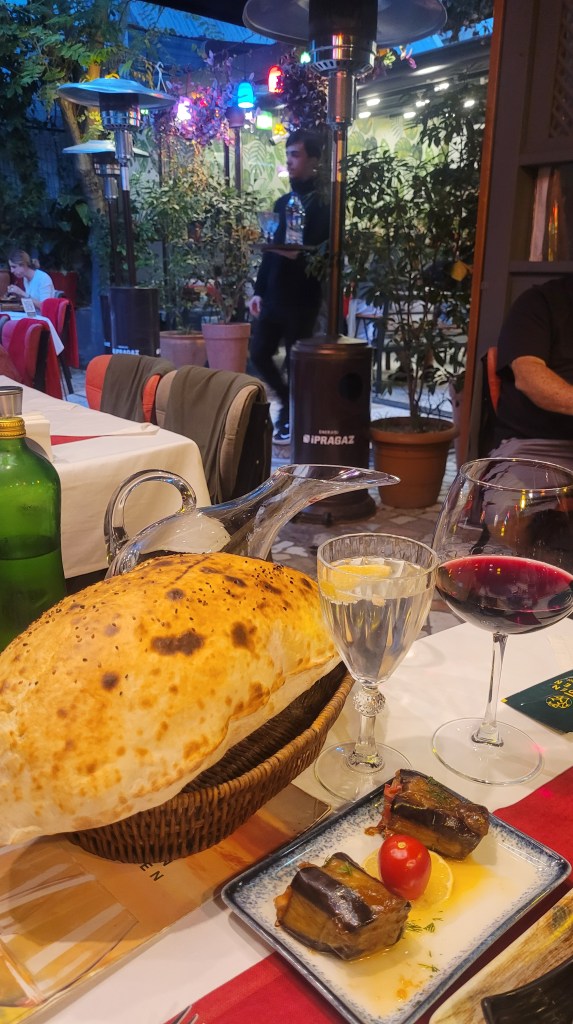
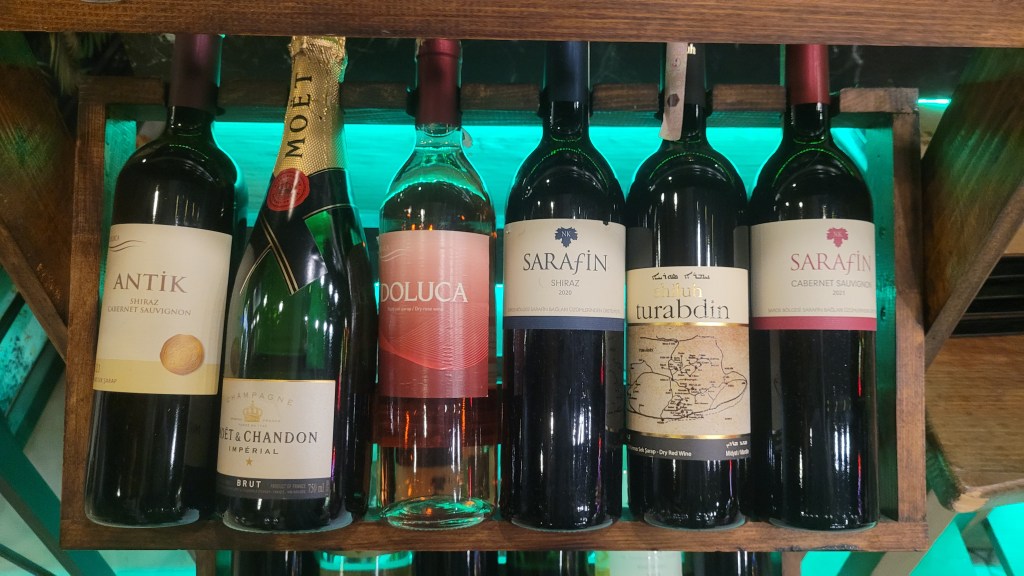
The very next day I tried to visit Hagia Sophia – again. At 09:00 I was already in a line. Having already my turkish breakfast and later a coffee. There is something about Istanbul and its bars. You can be harassed in the streets by sellers, passengers, waiters, tourist traps. But once you sit in a bar, you are somehow isolated, but still with the view on the corner where thousand of momentums are happening. Yet, you are protected and noone bothers you.
Anyways, Hagia Sophia.

The religious and spiritual centre of the Eastern Orthodox Church for nearly one thousand years, the church was dedicated to the Holy Wisdom.
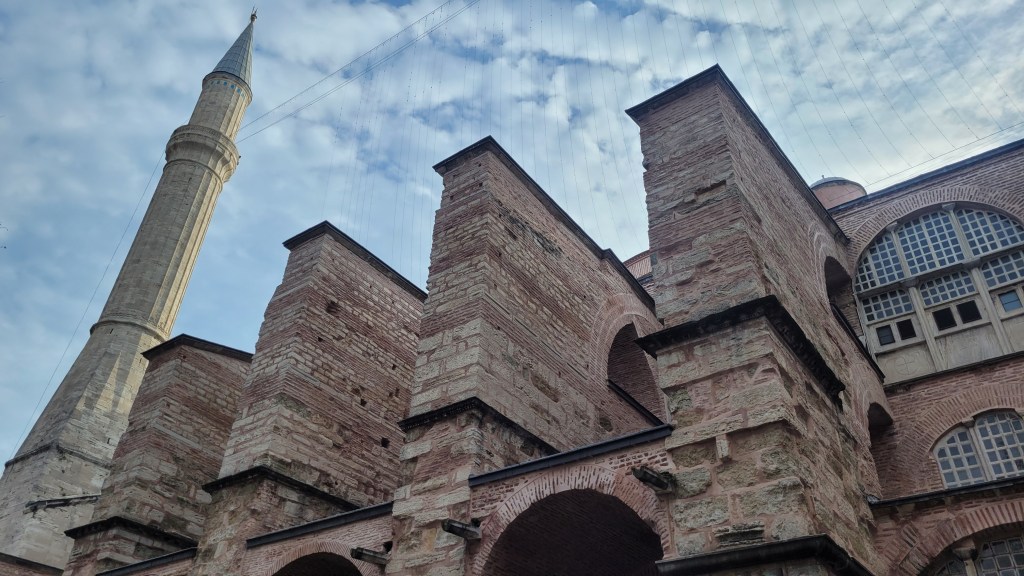
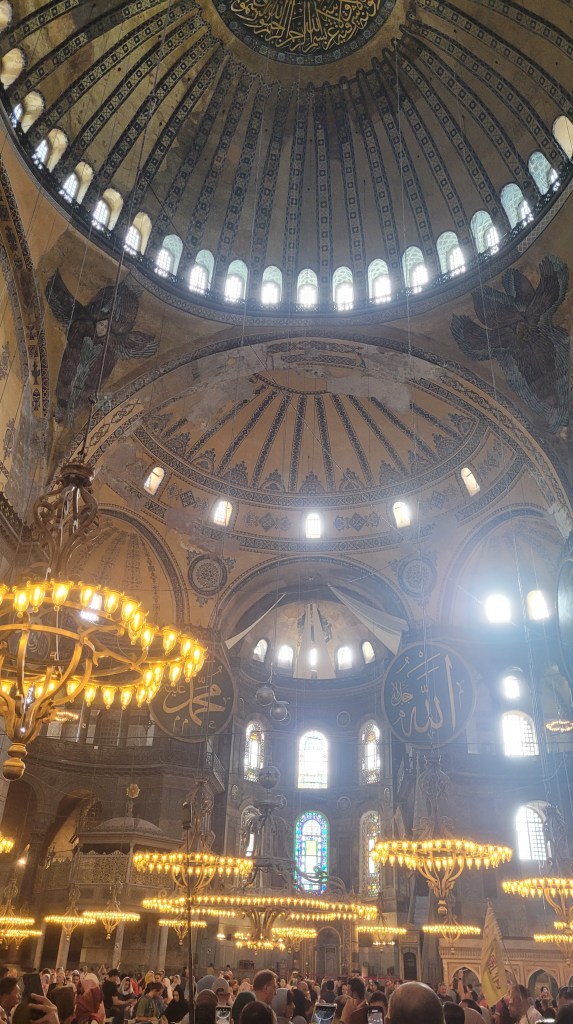
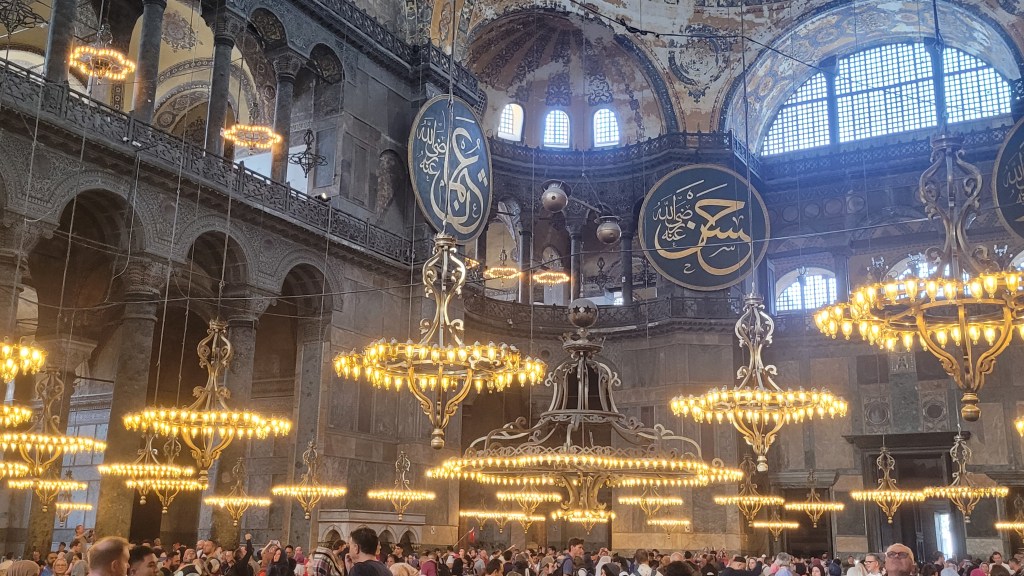
Finally, I have entered. I put the scarf on, I took my shoes off (boy it smelled on feet!) and entered – for the second time in my life. In Meddiaval times, I would be considered as a good pilgrim! 😉
So inside, there is nothing as the iconography, such as the mosaic depictions of Jesus, Mary, Christian saints and angels were removed or plastered over. And it was done in such a laim manner, that you can still see the quickly-done paint over the mosaics of Virgin Mary as the Virgin Mary re-apperas. I remember this momentum 10 years ago, and yet it still made me laugh. I kinda got my satisfaction afger all 🙂
From there I moved to Topkapi. I wouldn’t go if I weren’t with the company. There was so many turkish people for 100 years as they travelled across the country, having their entrances for free. I spent the entire day in lines, hording and not always able to properly see what I was seeing. All hail to the fact I visited the Topkapi 10 years ago with my brother.
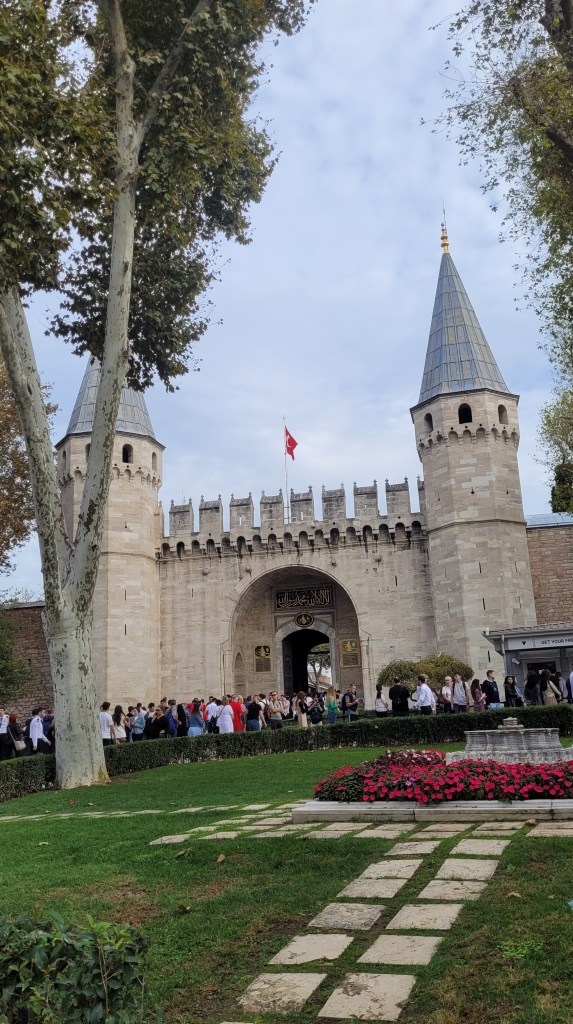
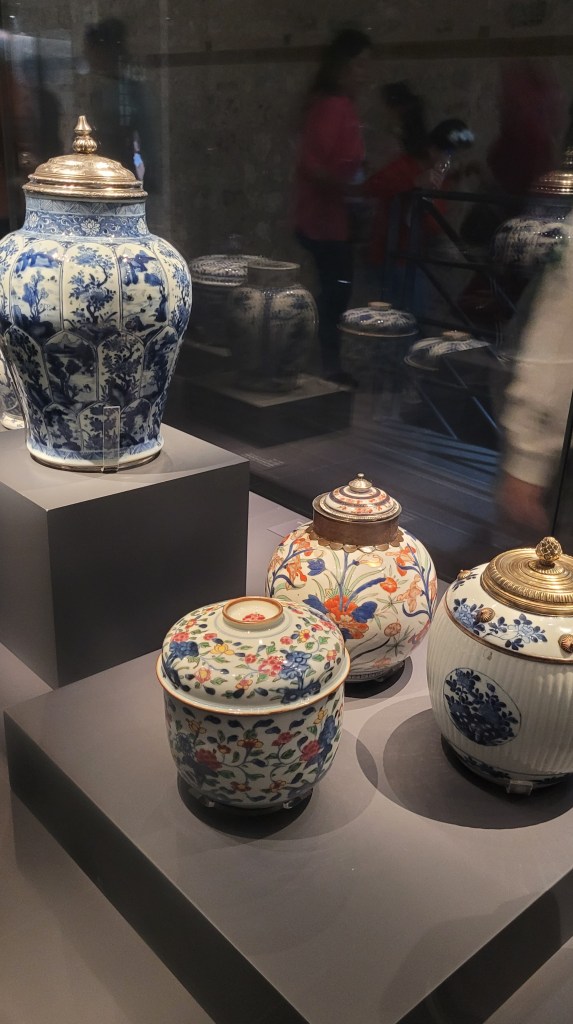
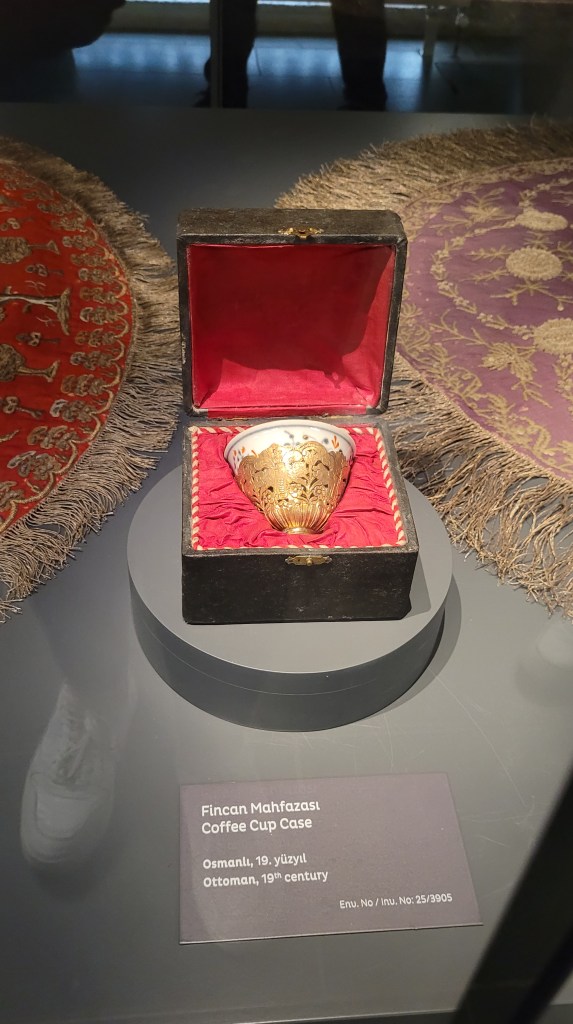
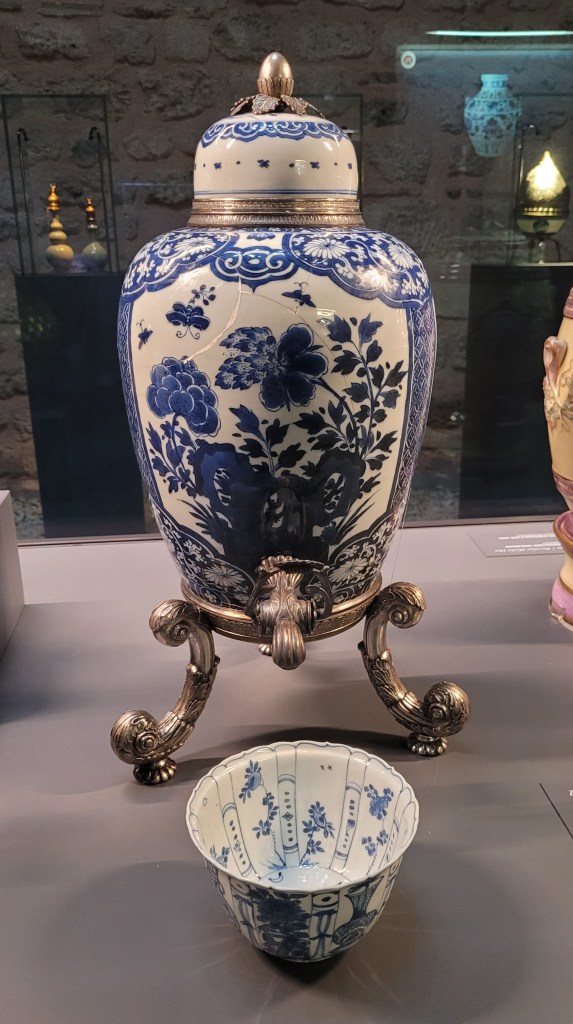
I found it cute that the very first sultans of the Ottoman Empire were using the porculain dishes from Europe, that is from the famous european places of porculain production, such as Bavaria, Bohemia etc…
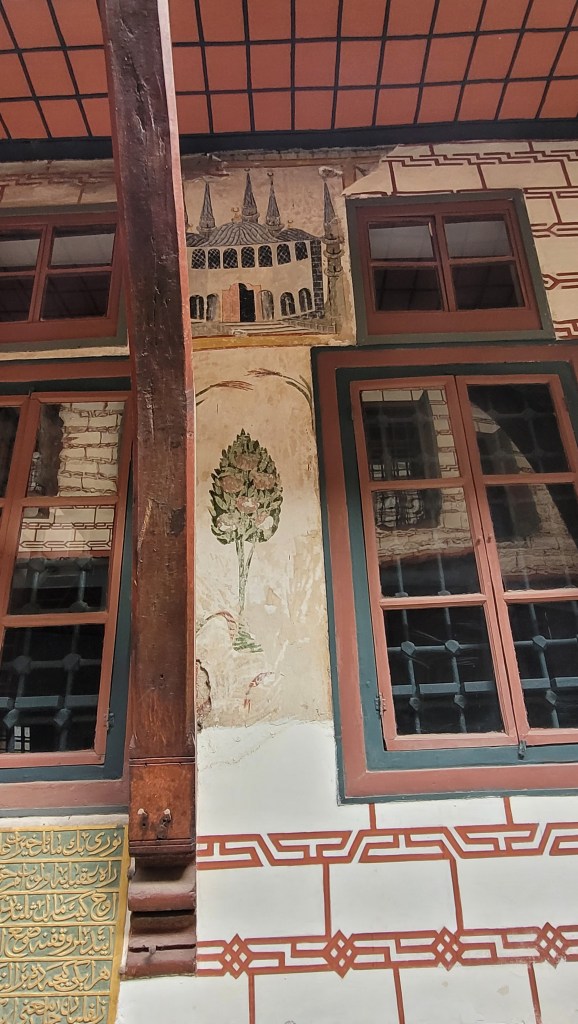
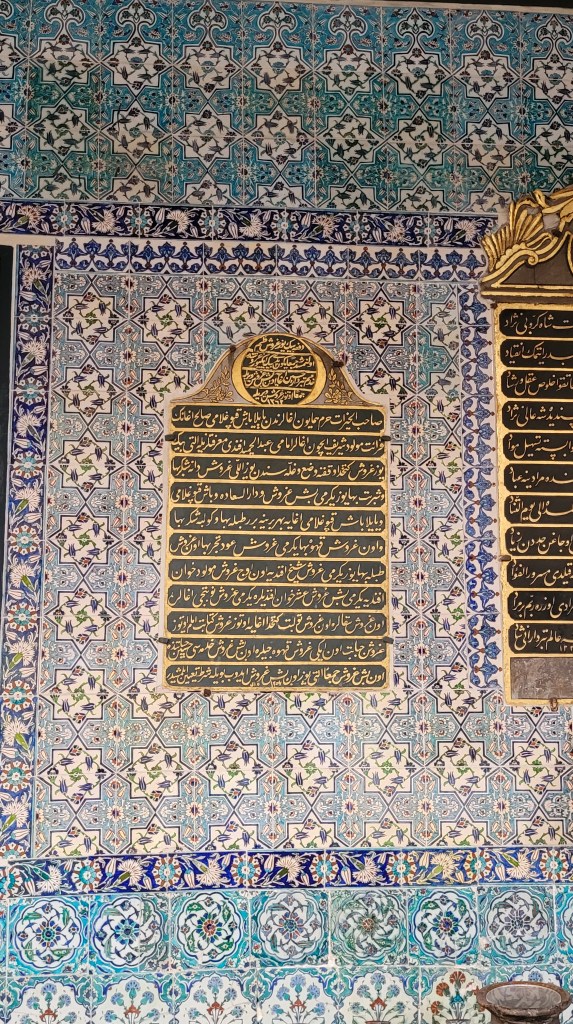
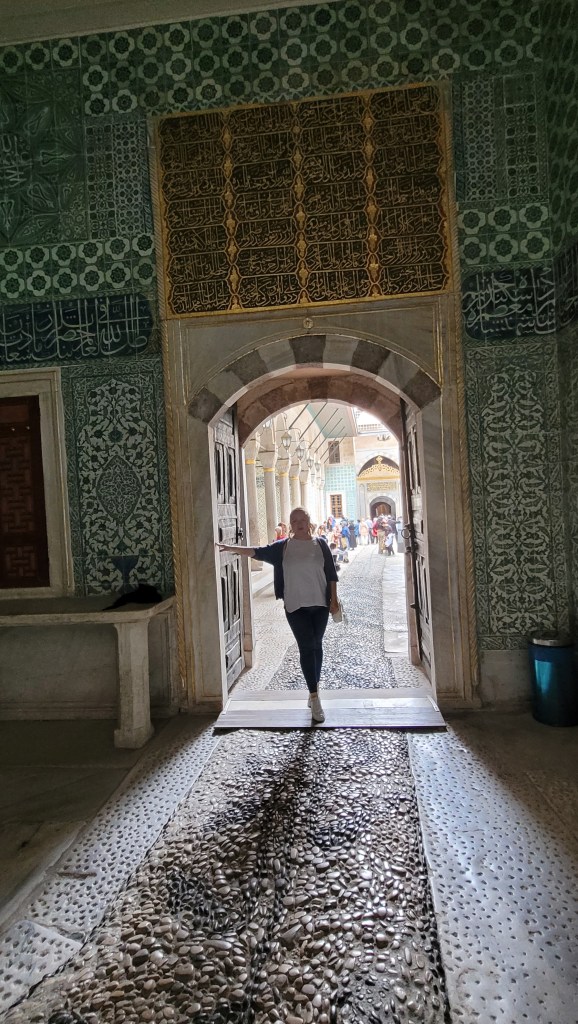
However, I do find amazing the Iznik tiles named after the town of İznik in western Anatolia where it was made. The entire palace, including the Harem is a decorated ceramic that was produced from the last quarter of the 15th century until the end of the 17th century. Below you can see the depictions of Mecca, Medina and the Mount Arafat.
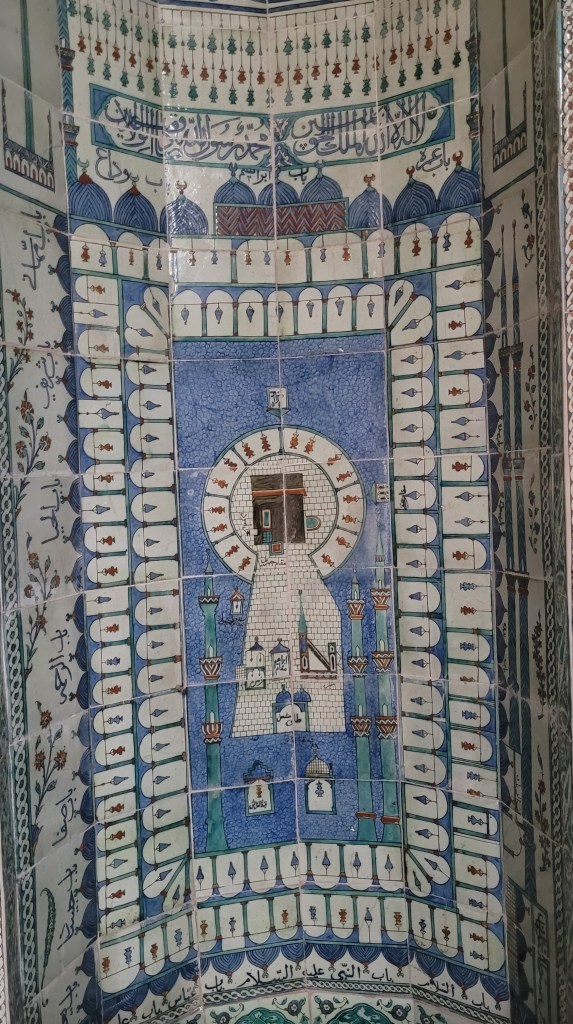
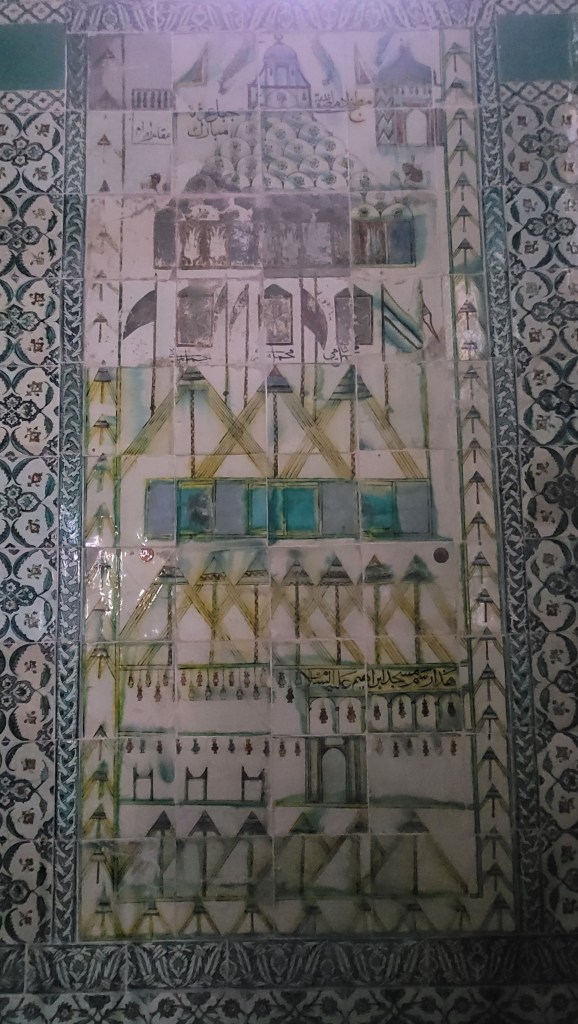
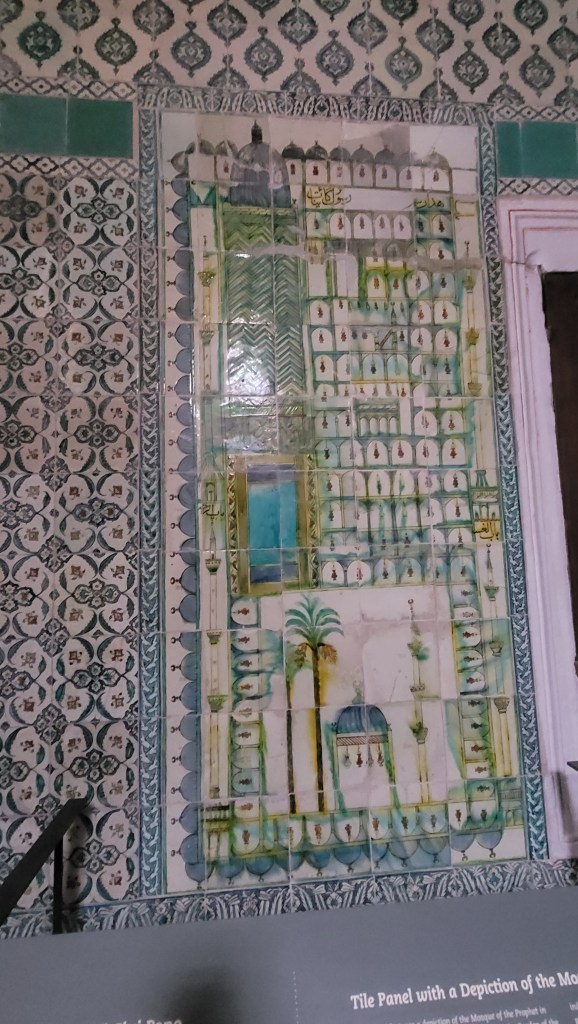
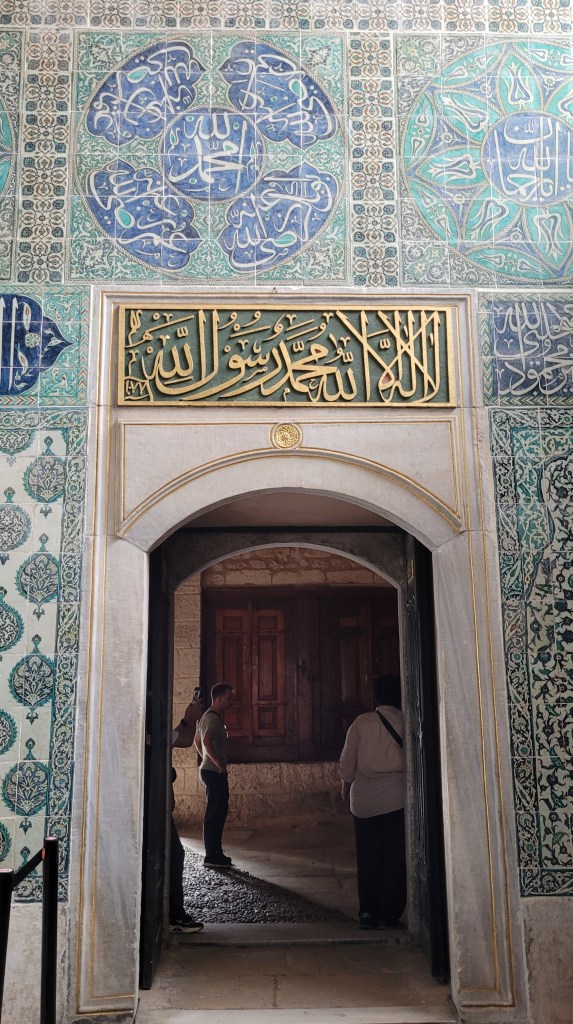
Libidinous sultans, ambitious courtiers, beautiful concubines and scheming eunuchs exchange in front of me, as I try to revivid the past. Not mesmerising at all. Instead, I pucture Mehmet the Conqueror planning his yet another rage to the Balkans.
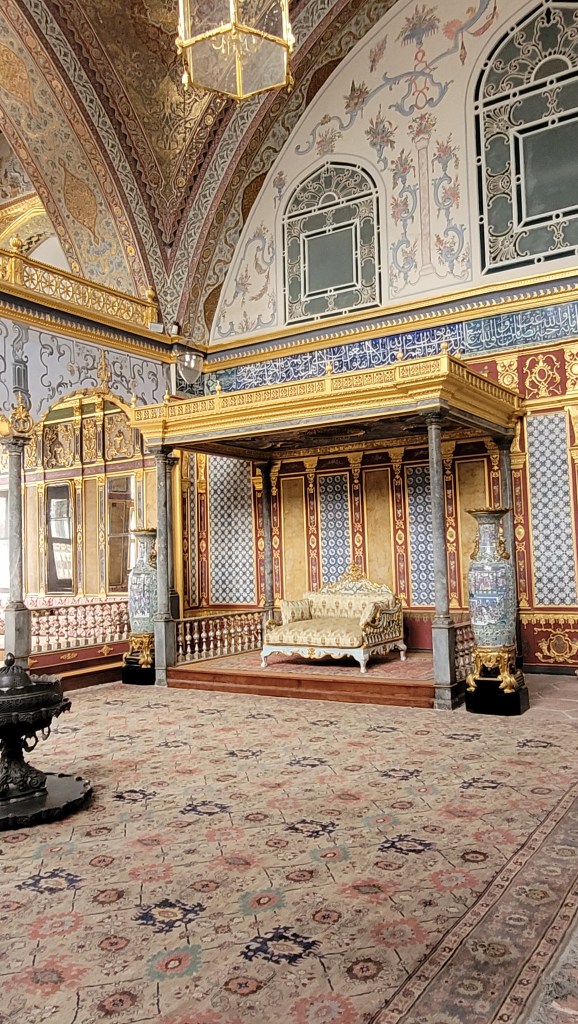
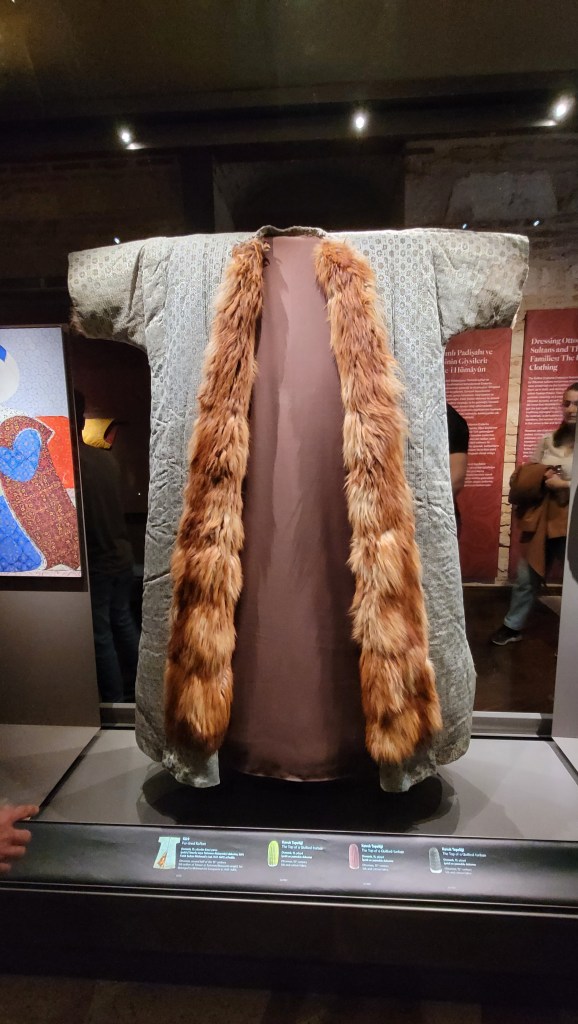
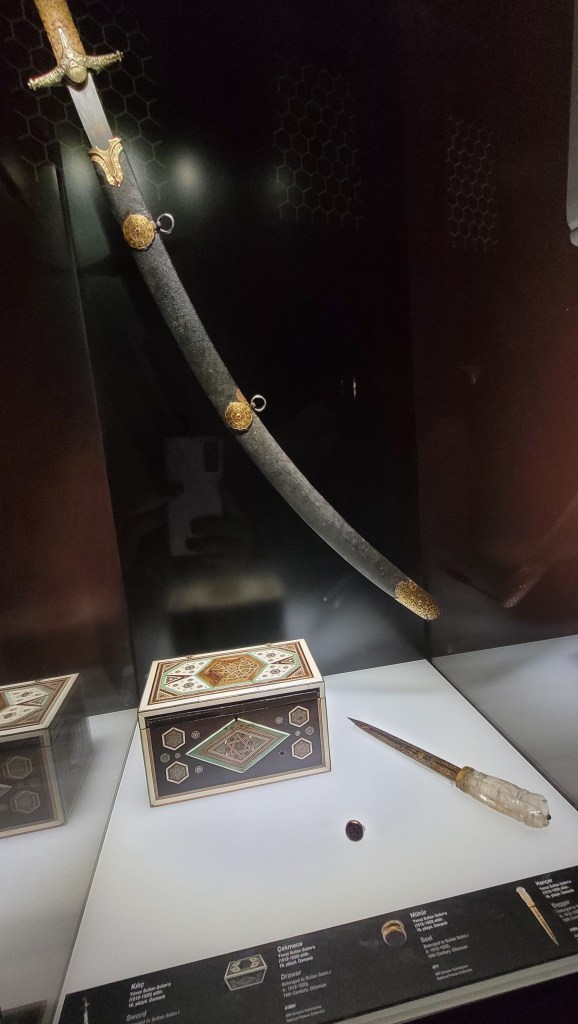
While the concubine Hurem is carefully surveilling upon. She is actually called Roxelana, as she was from Ukraine, brought to Istanbul as a slave. She became one of the most powerful and influential women in Ottoman history as well as a prominent and controversial figure during the era known as the Sultanate of Women.
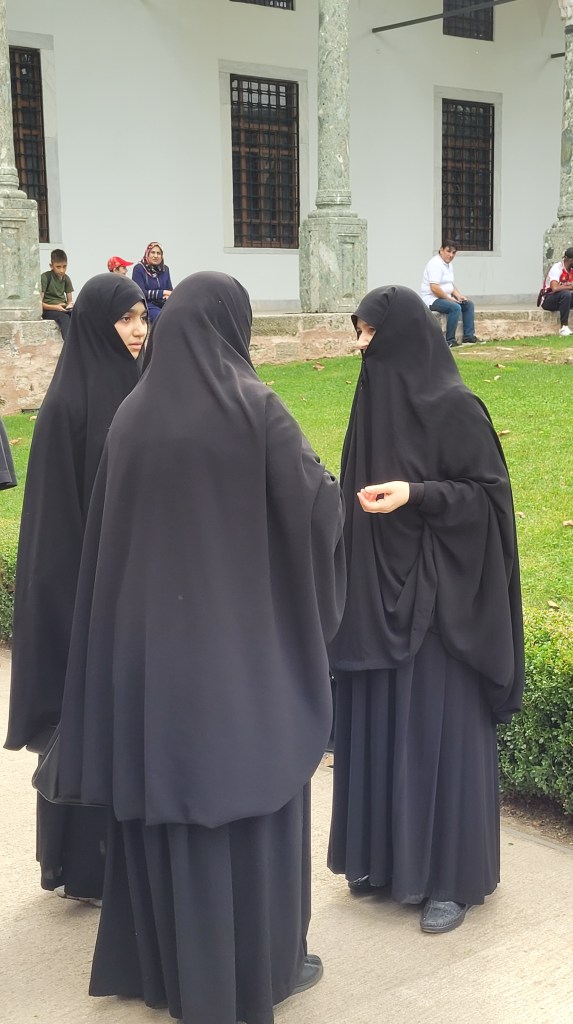
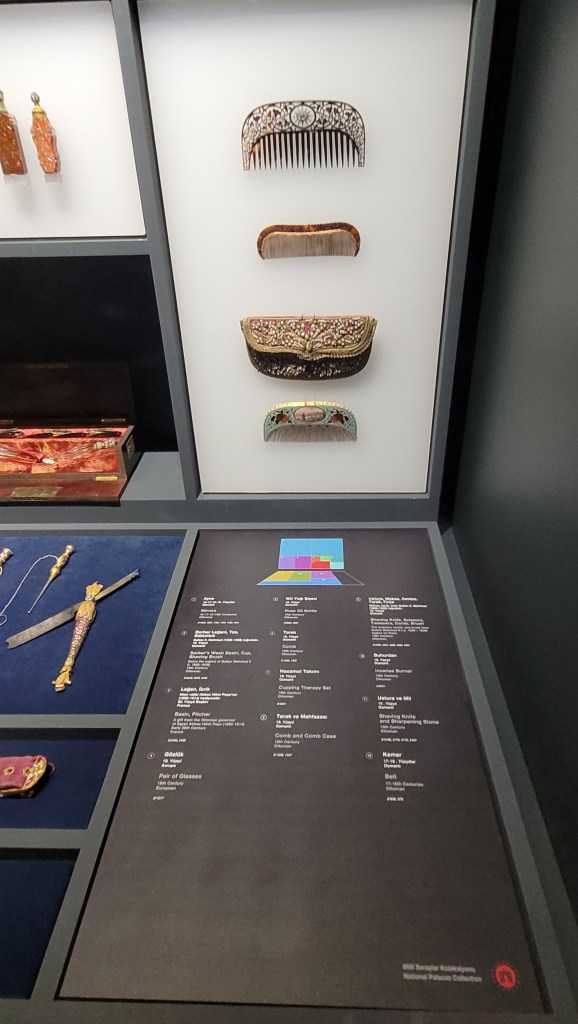
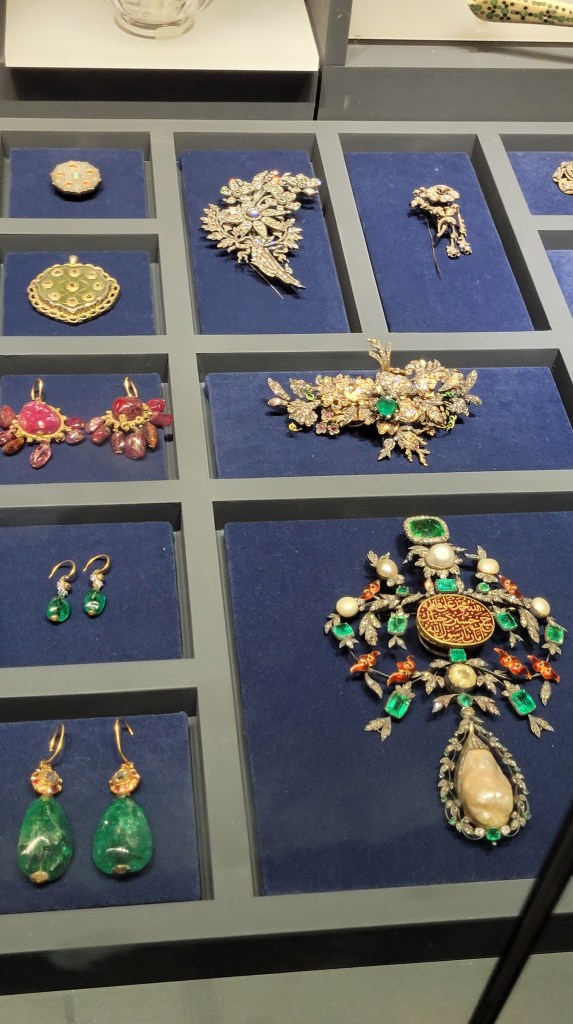
Perhaps the most interesting part to me was the old mediaval library and calligraphy that is linked to it, which I found the true art. You can find the chronological display of lacquered and ornamented bookbindings. On the left-hand side, there is an enormous collection of Turkish miniatures, from the 13th to the 18th centuries.
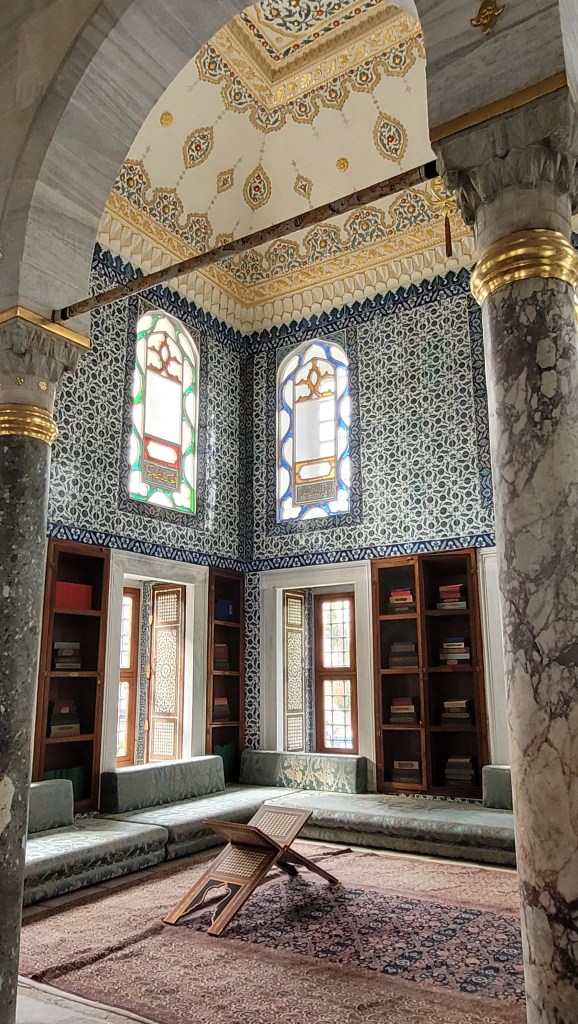
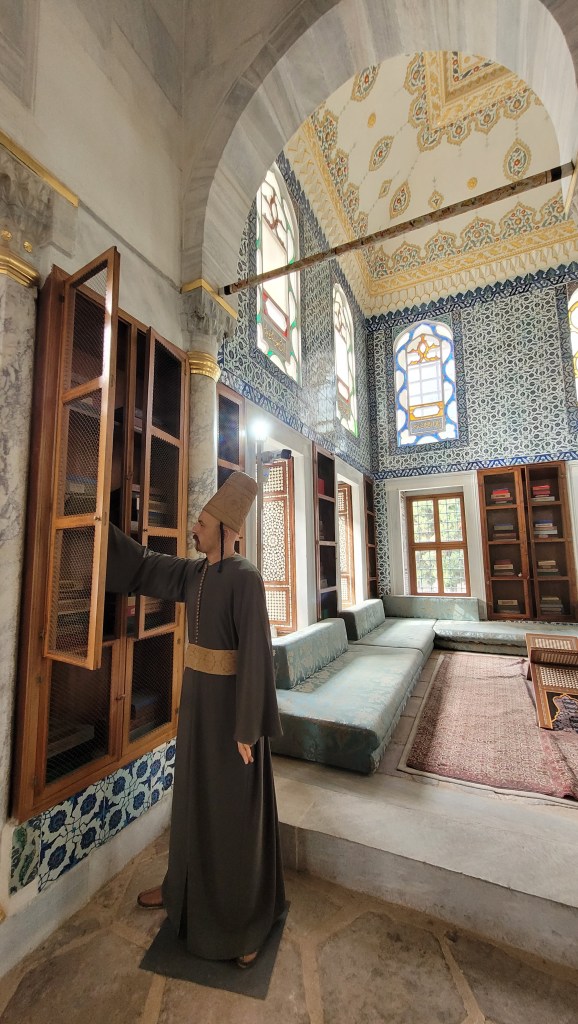
After Topkapi, I remembered I thought I have been having enough of the Europen Old District. I crossed the sea to get to the other side. On my way, I had to stop, of course. There was more shops, more restaurants, more waiters that wanted the russian ruble from my pocket.
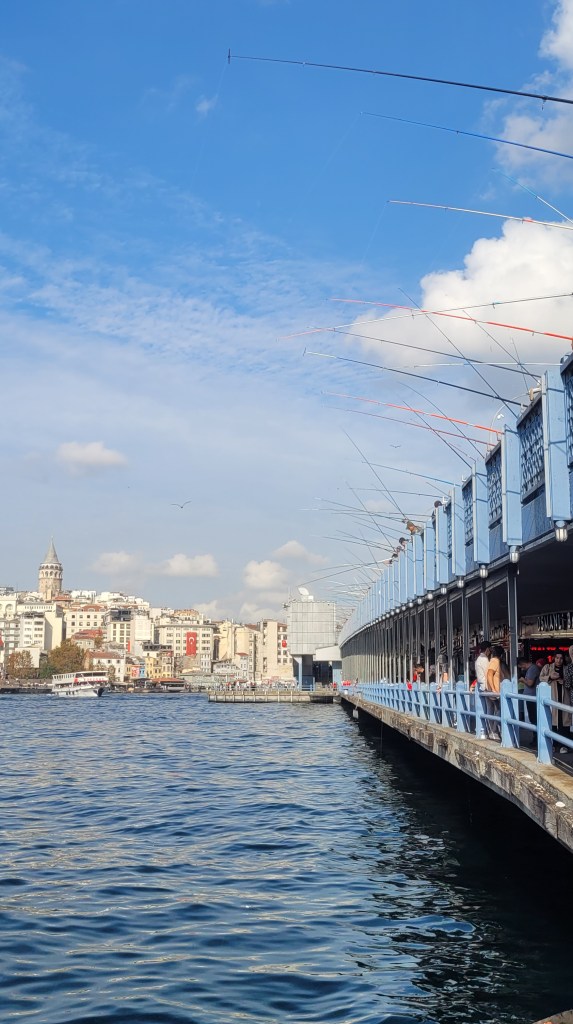
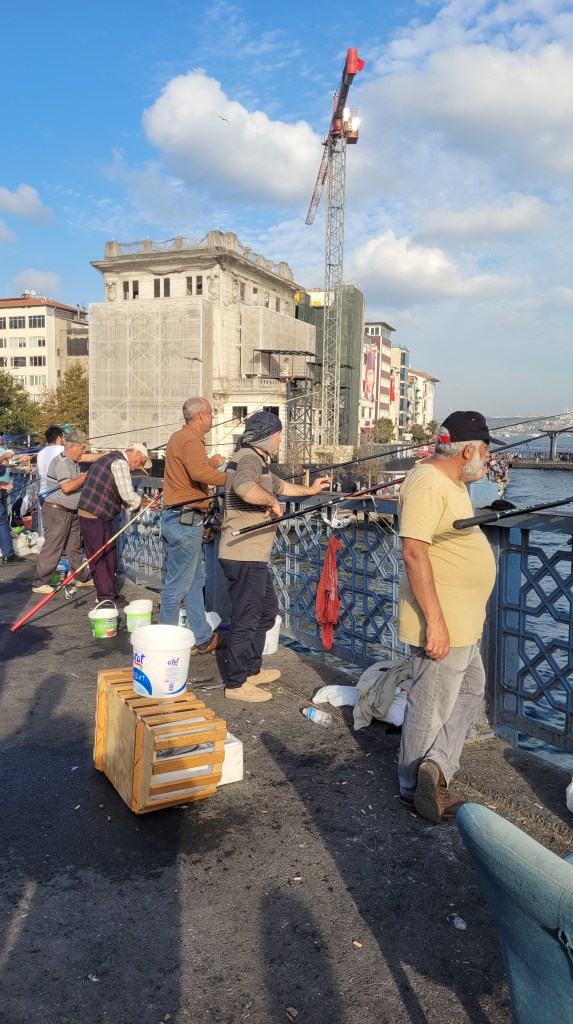
Indeed I stopped. I had wine. And some Bosphorus fish for a snack, that was not much of a delight, to be honest. But I needed it. There was simply too much people. But I noticed, no matter how many people around, there is no nervosity. I came across of people who helped me to stamp the tram card, treated me with their own tram token to pass through the gates etc.
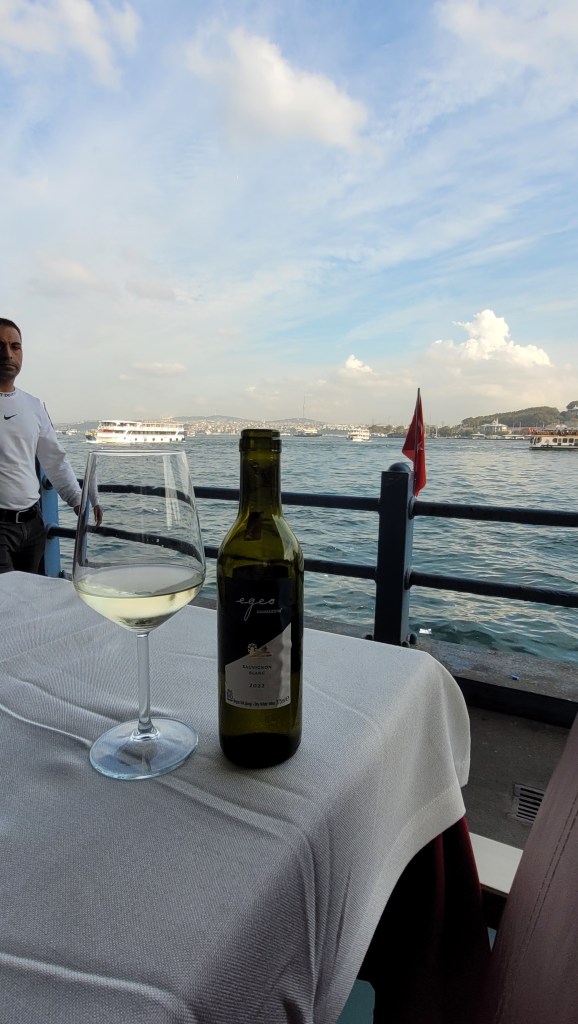
The opposite side is supposed to be a bit more european heritage side. I tried to raise my head while climbing towards the Galata tower. Built as a watchtower in 12th century by Genovesi as Genoese colony was established in the Galata part of Constantinople. Later, it was destroyed during the Fourth Crusade.
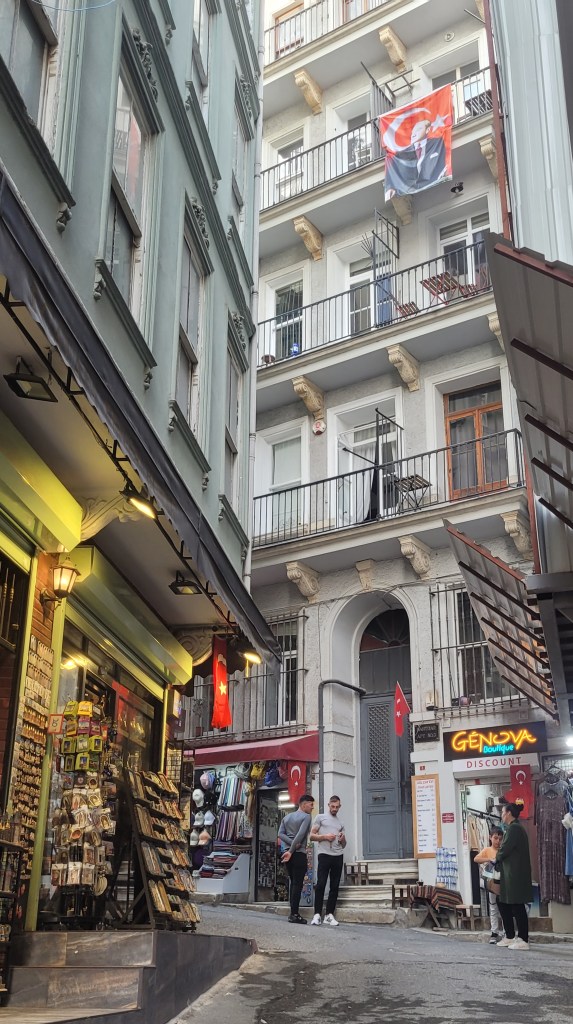
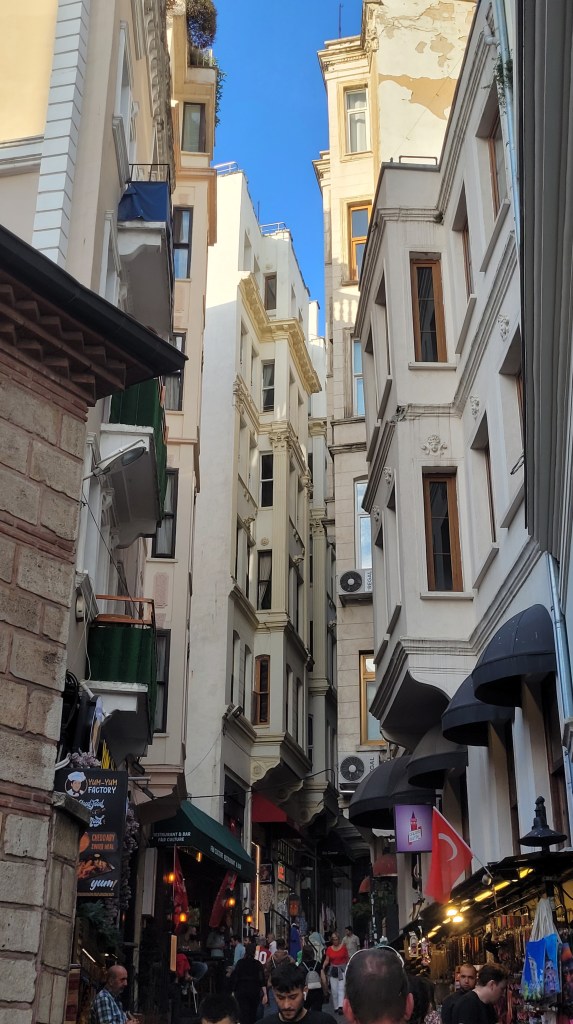
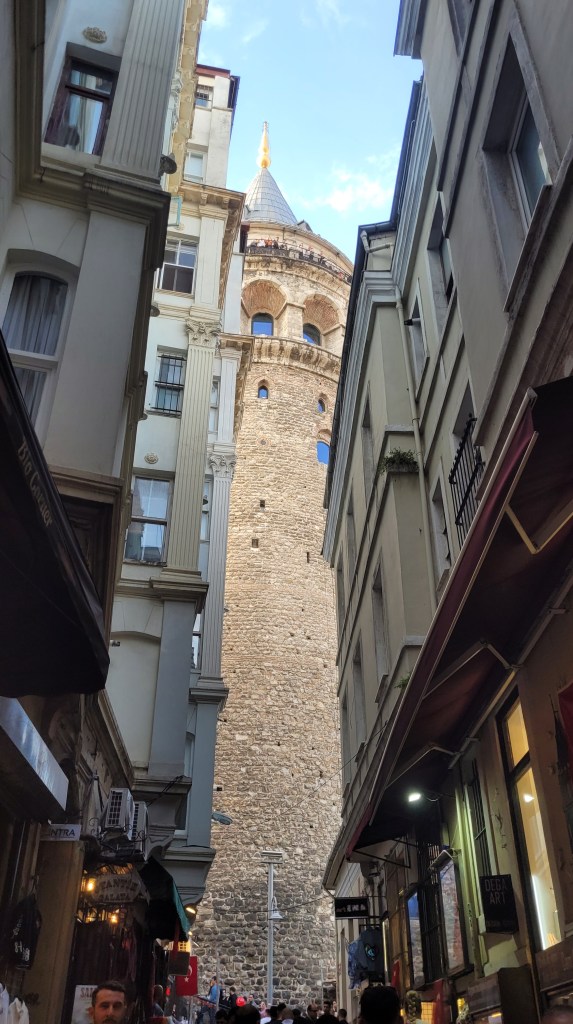

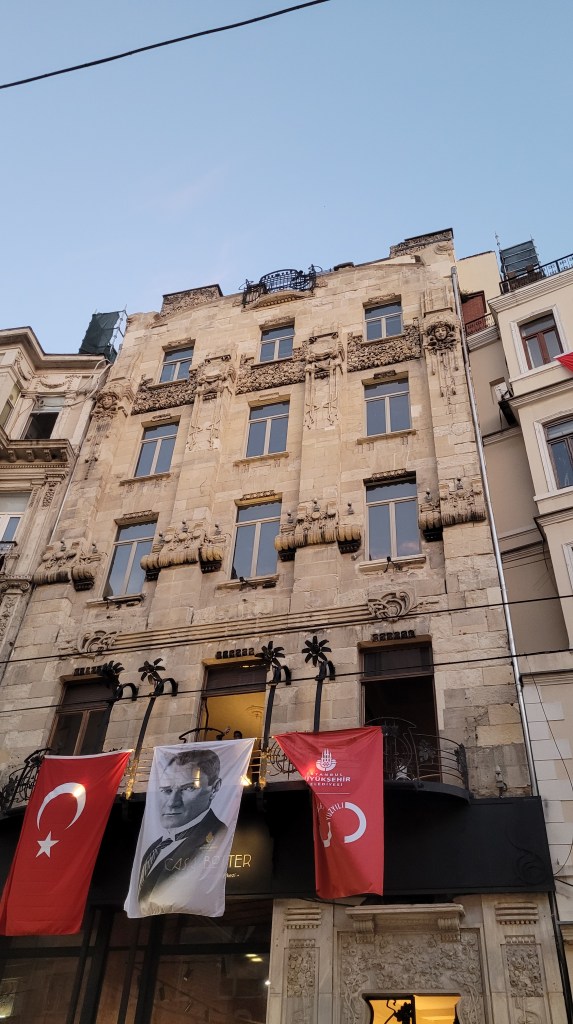
Walking a bit more through the Beyoğlu, through İstiklal Avenue – a major tourist and leisure street famed for its restaurants, shops, and hotels. It is considered the heart of modern Istanbul. It is flanked by late Ottoman era buildings (mostly from the 19th and early 20th centuries) in a variety of styles including Neo-Classical, Neo-Gothic, Renaissance Revival, Beaux-Arts, Art Nouveau and First Turkish National Architecture. There are also a few Art Deco style buildings from the early years of the Turkish Republic, and a number of more recent examples of modern architecture.
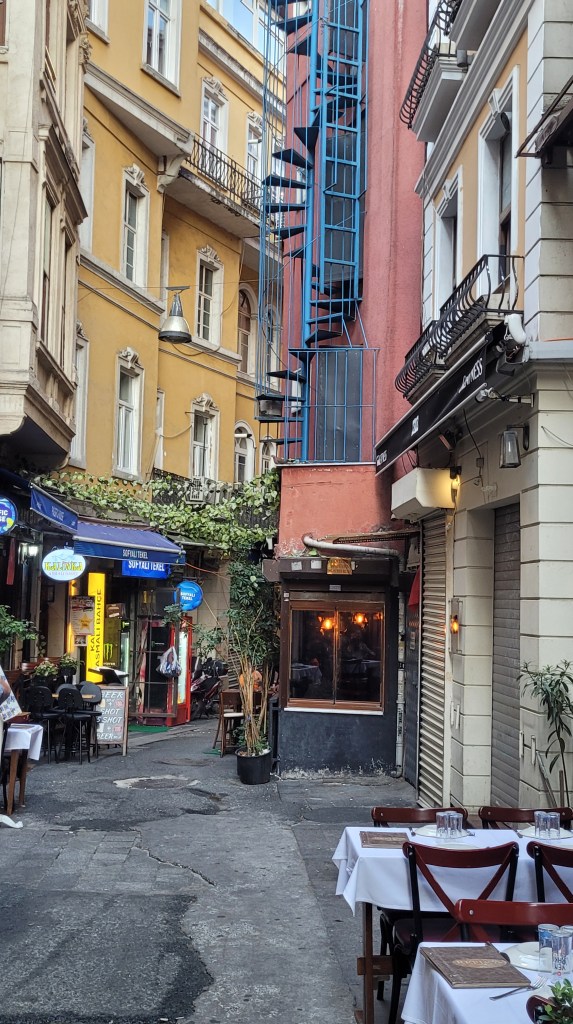
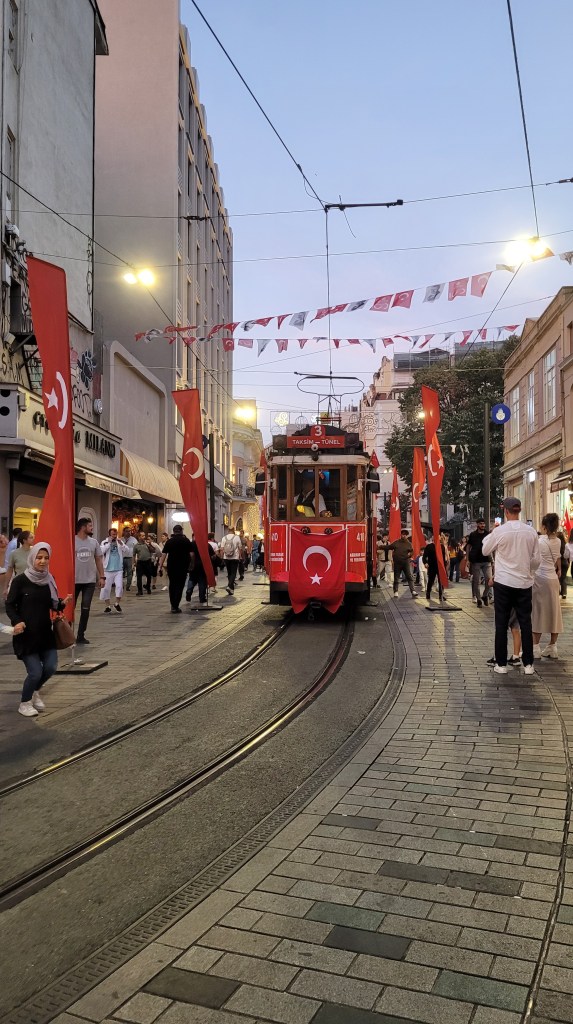
I had my ouzo just there. With the great view on the Golden Horn. Mesmerizing again, should this be a european city? How far they are from the western standards. Are they so far away?
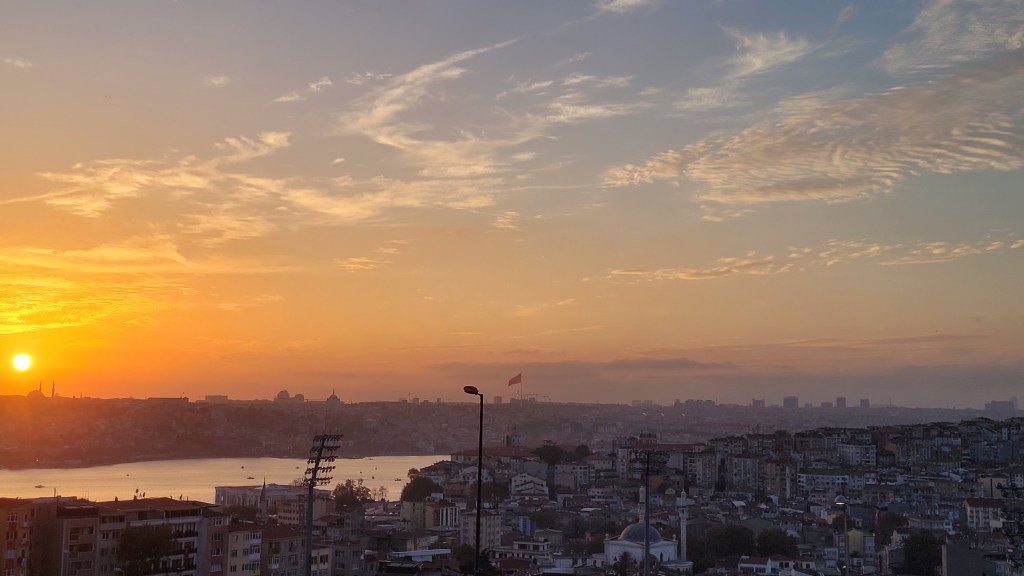
Time to walk back to the ancient side and cross the Yeni Galata Bridge again. Although it was dark, the fishermen didn’t give up. Neither did I. I still wanted to soak, just a bit more. If possible.

I was too tired to walk the hills of Eminönü again, so I hopped on a Tram 1. I mean, I wished. It was packed with people doing their 100 years thing. So I decided to walk more, That day I did around 15 km. I came to my hotel, finally. It was midnight. I remembered I fell asleep thinking: if I go more up of the Beyoglu, will there be more art nouveau?
The third day I went to the Asian side. I took the ride on the Bosphorus. As part of the only passage between the Black Sea and the Mediterranean, the Bosporus has always been of great importance from a commercial and military point of view, and it remains strategically important today.
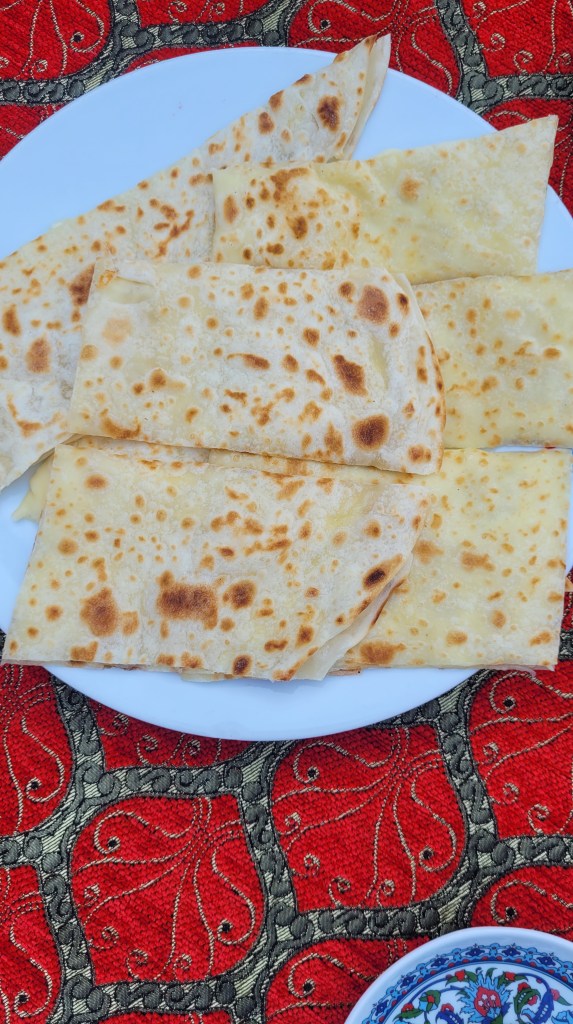
But first, a quick breakfast in the nearby place: Gözleme.
As the Greeks used to hold Asia Minor, Bosporus got its name from the Greek “ox ford” or “ox passage.” The name comes from a Greek myth about Io’s travels after Zeus turned her into an ox for her protection. Oh well, what was Greek is now Ataturks. Have a look at this wonderful waiting hall in the port of Eminönü 🙂 I mean, the guy jumped out of some American classical movie from the 50s. 😛
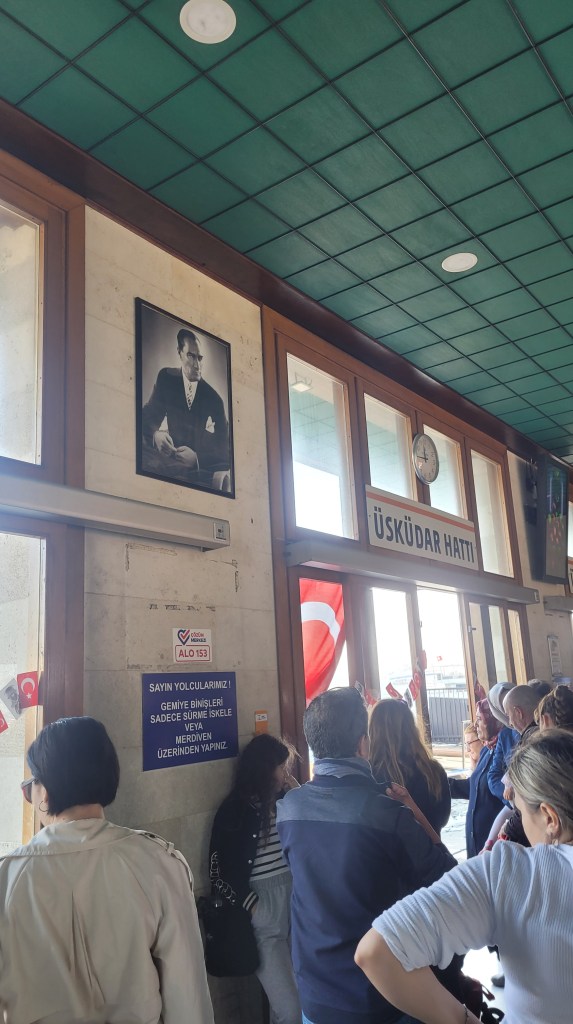
Anyways, the ride on the Bosphorus is truly a great experience and you get the chance to understand the shape of the city and directions of its developments.
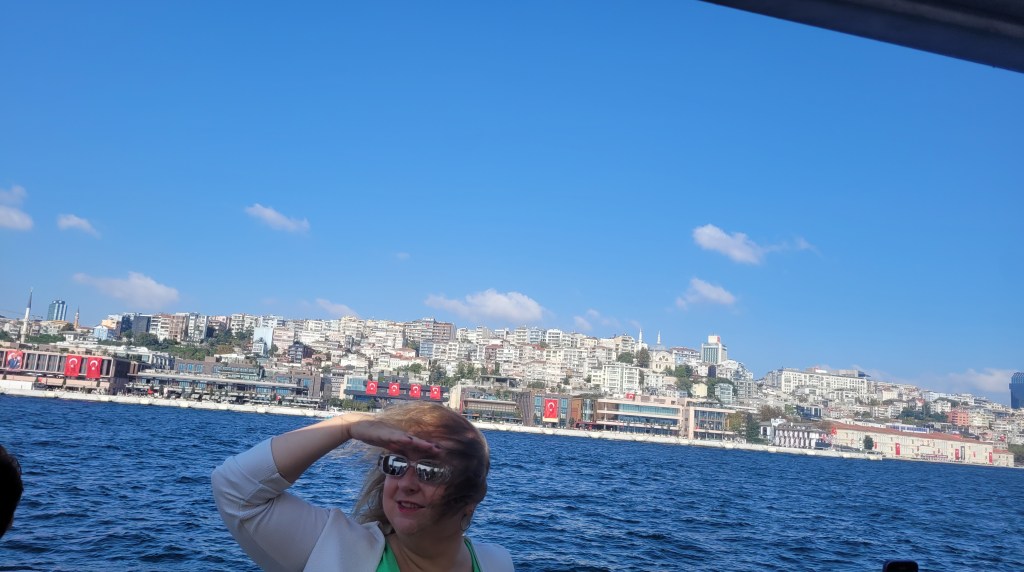

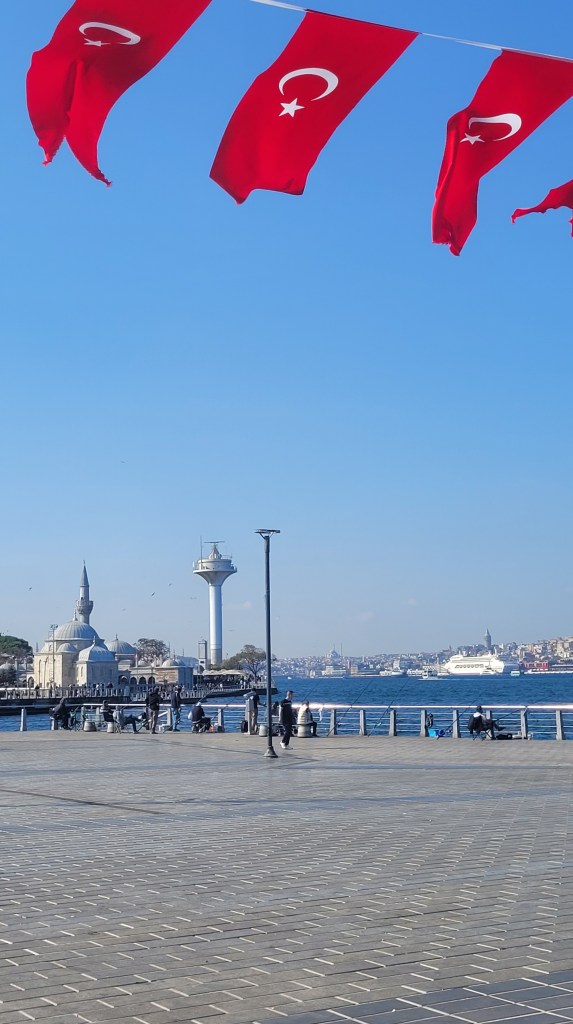
On the Asian side, there is a new village that grew just recently. It was not there in 2010 when I visited for the first time. There is no tourists, menus are obviously in turkish only. And life is more calm. Noone yells at me to buy some more shit.
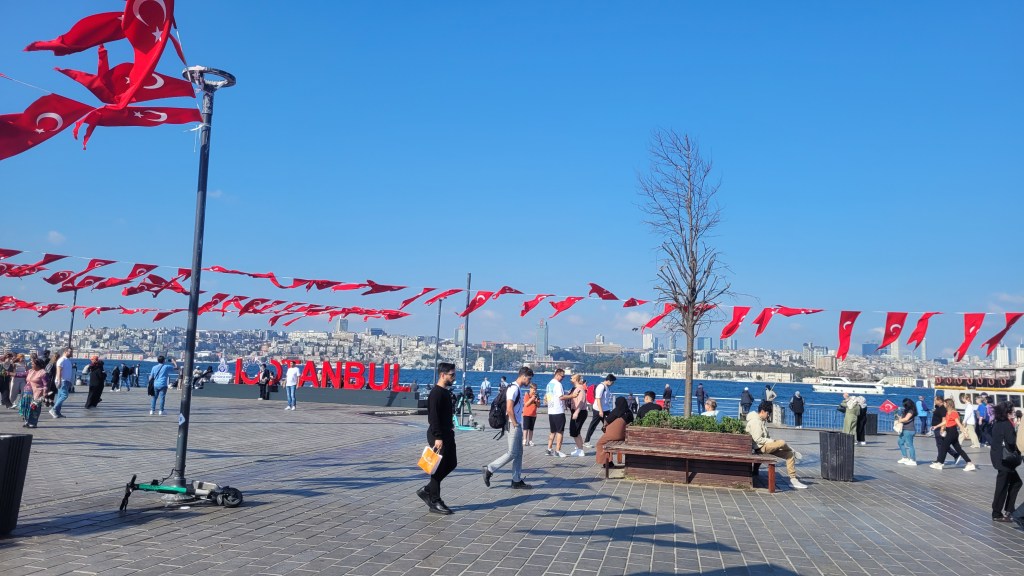
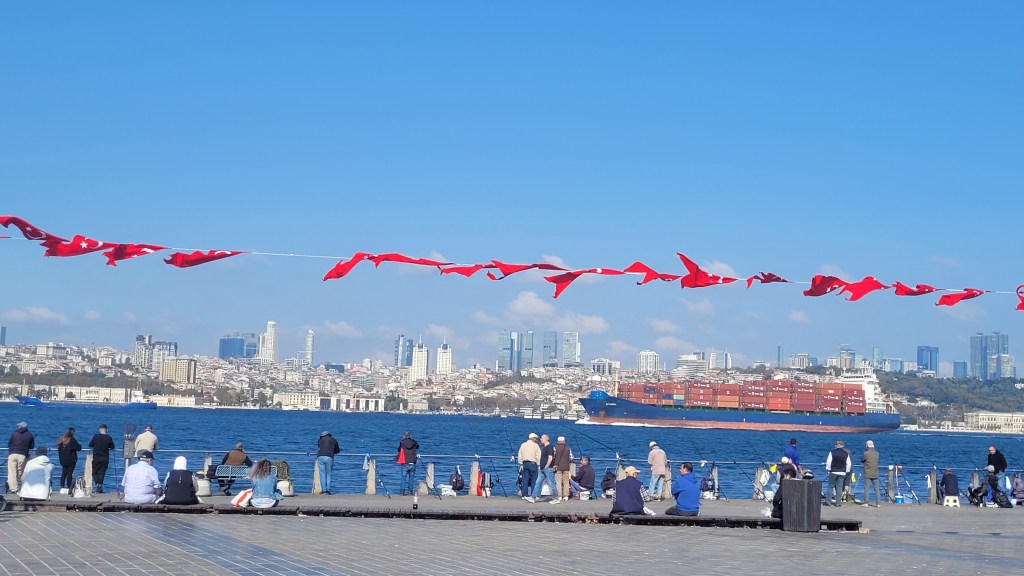
The strait is a major sea access route for numerous countries, including Russia and Ukraine. So one can see surprisingly big shipments and only wonder what is hidden in those containers. There is a group of enthusiasts that swim Bosphorus every day to go to work. They say they are faster this way than the traffic. I have no idea how there was no accident so far!

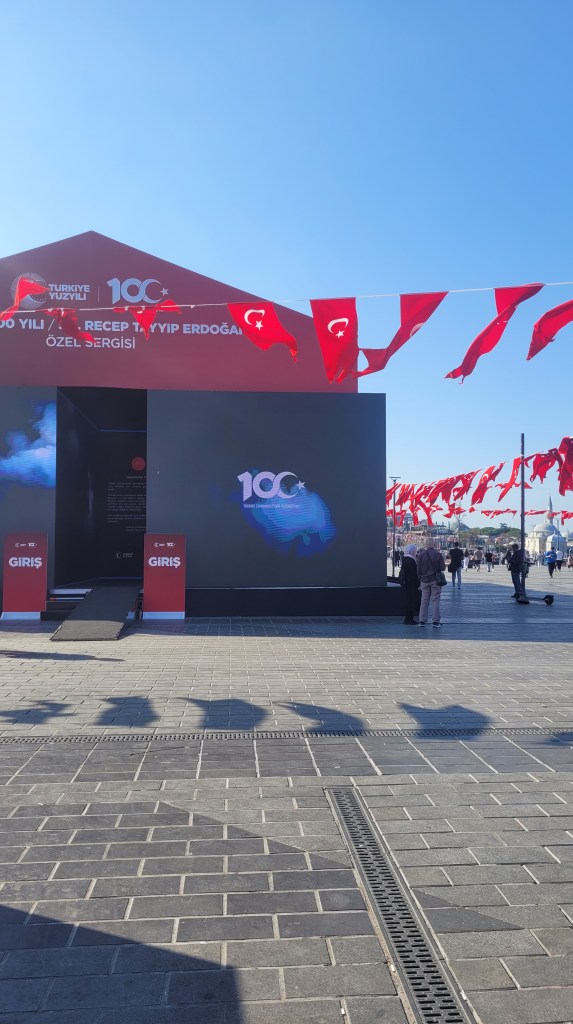
And yes, more turkish flags too 🙂 There was a tent for the occasion of the 100 years of the republic. I was happy to enter to see how the development advanced. From the very first tribes named Turks – originally a nomadic people from Central Asia, that established several empires, including the Seljuk Empire and later the Ottoman Empire, to the Constitution, forming the republic, government, institutions, recognising minorities…
Instead, I only saw a big head on a screen that opens railroads and drives a helicopter. One would say that the current president built the entire nation since the 1923.
Time for a break. In Turkiye, there are modern mocktails that can be found in Türkiye’s trendy bars and clubs. These drinks are often inspired by traditional Turkish flavours but with a twist. So whether you’re looking for something classic or new, there’s sure to be a drink in Turkey that suits your taste!

After the refreshments, I was ready to explore the Asian side – Üsküdar.
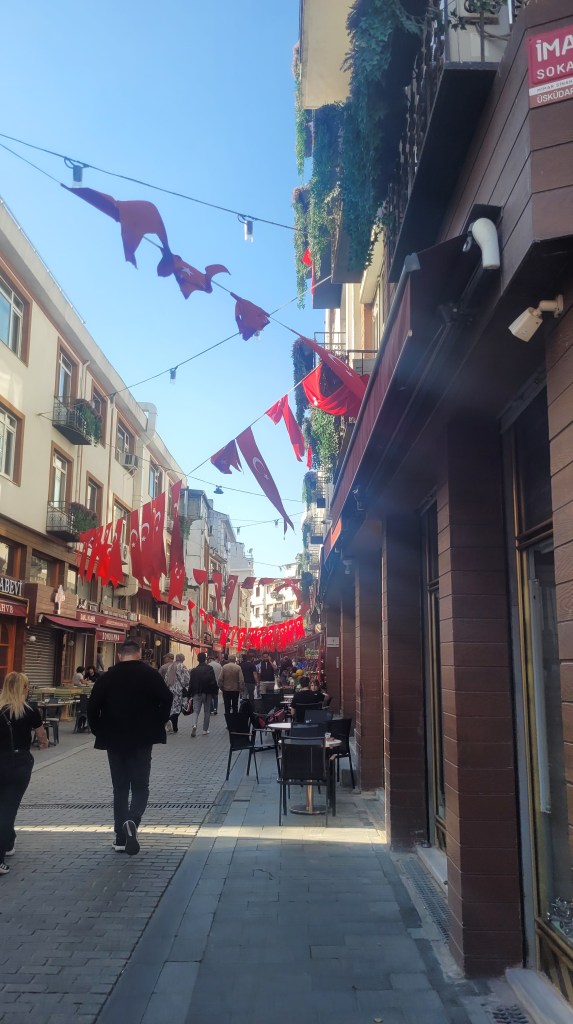
The area behind the ferry dock is a busy shopping district, with many restaurants serving Ottoman cuisine, olive oil-based dishes, and ice cream) and a number of important Ottoman mosques.
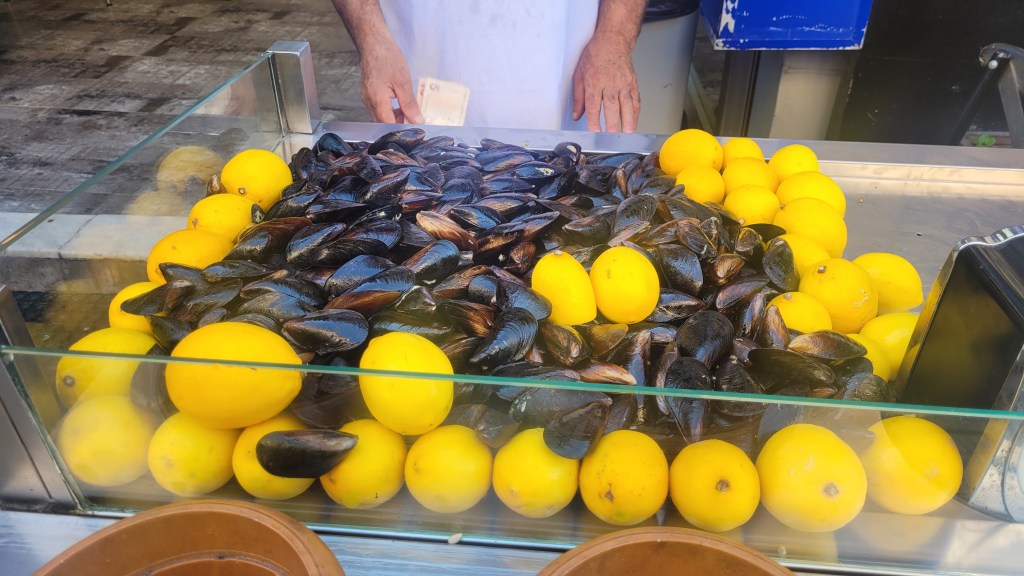
I went for midye dolma – mussels that are filled with an aromatic blend of rice, herbs, nuts, and spices.

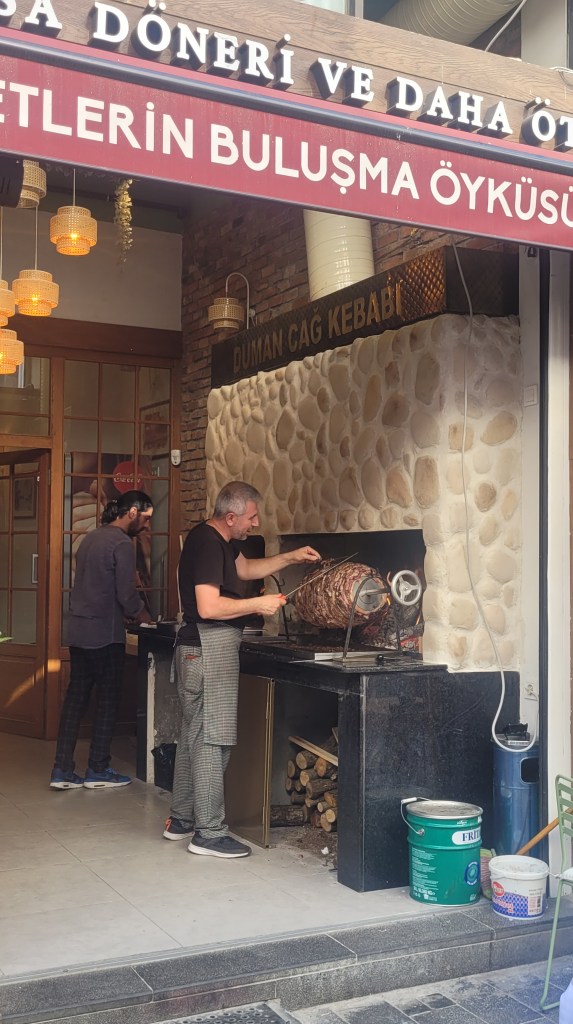
Quick ride over the Bosphorus again and I found myself back in the European side. More precisely in Beşiktaş. Although it is a relatively small district of Istanbul, both in terms of population and area, Beşiktaş is one of the city’s most important areas due to its business and shopping areas, historic sites, universities, scenic views of the Bosphorus strait, and feeder roads for the Bosphorus and Fatih Sultan Mehmet bridges passing through it. The district is also the leading financial center of Turkey.
As I started my day with the sea food, it was time to explore the sea dishes of Bosphorus. It was a mistake. The fish is not quality. Fish stocks in the Bosphorus have plummeted due to plastic waste, pollution and heavy maritime traffic. A visit to the local market proved the same. The booths were half empty while the fishermen slutted their shoulders.

I ordered a plate of sea bream and mackarel with some local small dips. I tried to learn the words from the words that I was surrounded with. So far I learned: levrek, hamsi, uskumru. Until now, I understood vişna (cherry), mushteria (customer), kumpir (potato) and fareceki (lighter). Somehow, these words are almost the same in my native croatian. 🙂
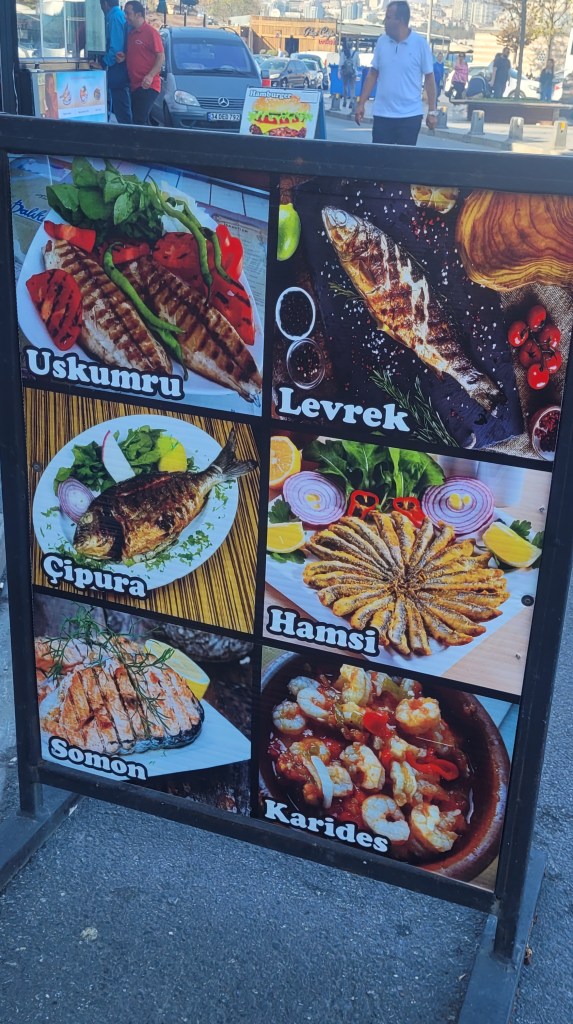
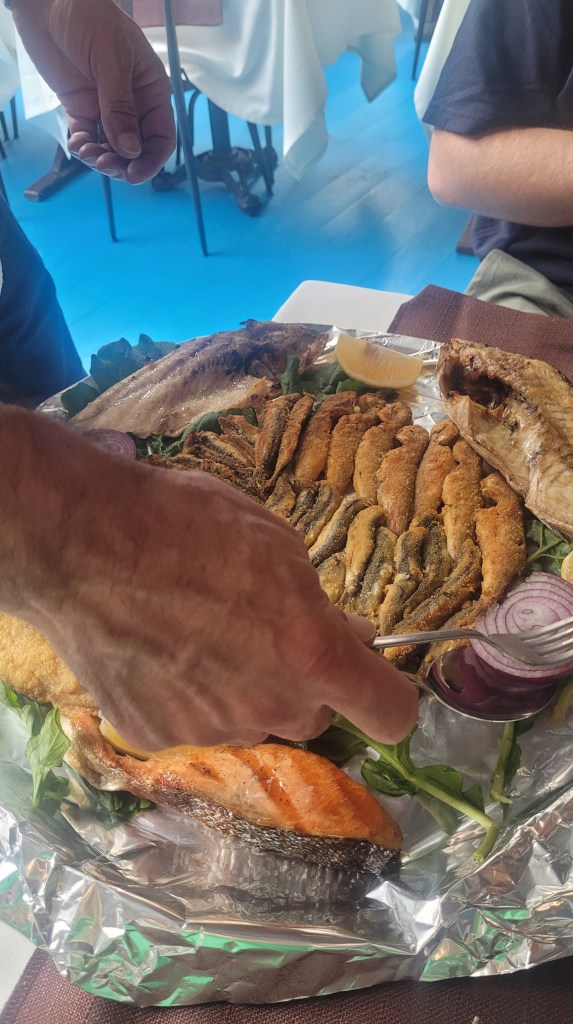
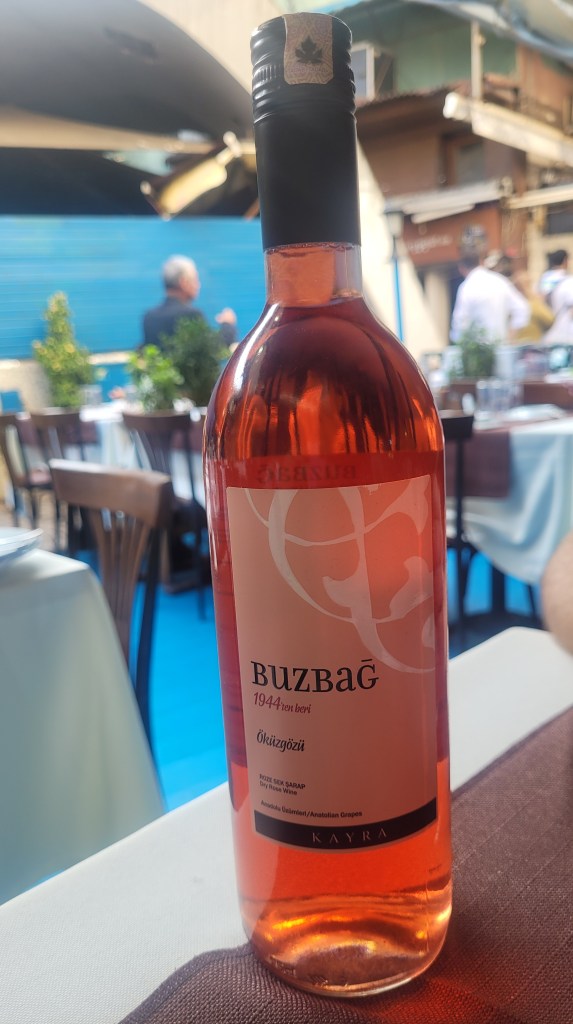
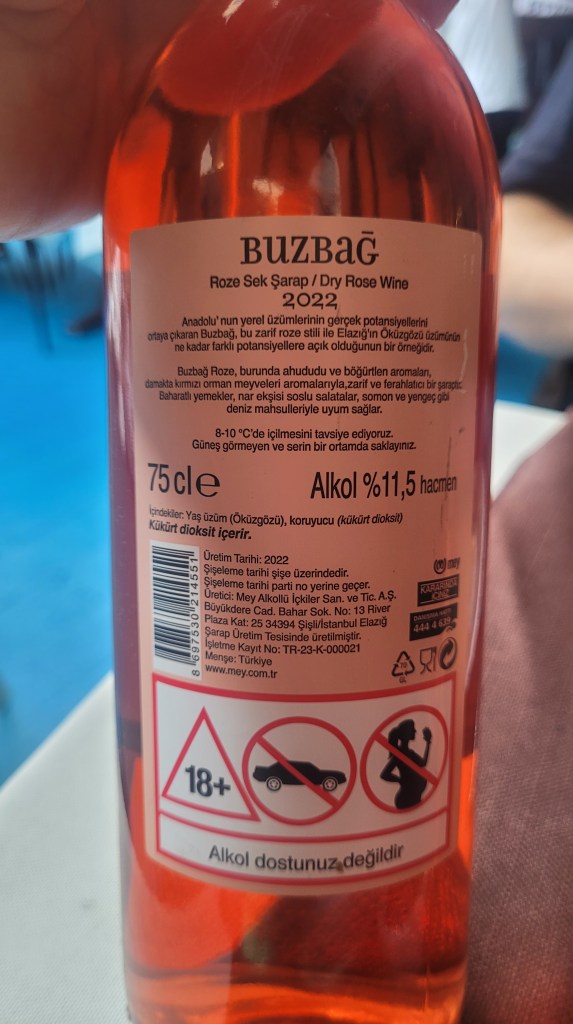
For the wine, I went local again – Buzbağ, which means Ice Vineyard and takes its name from the ice caves of Harput, a historic city in Eastern Anatolia. I was so excited about the discovery. The vineyards sit at an altitude of 900m above sea level!
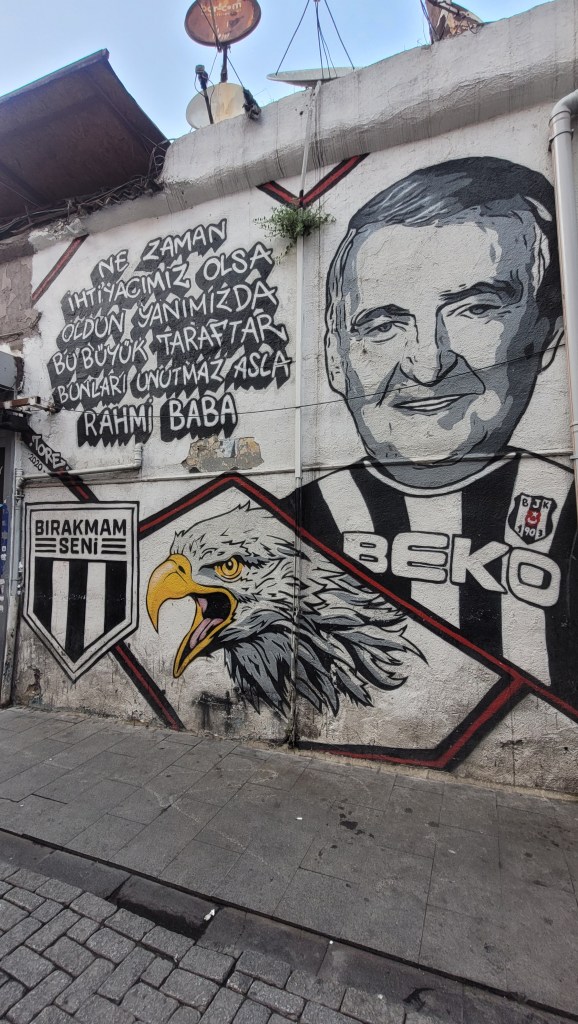
Beşiktaş is as well famous football club of Turkiye. The club’s football team is one of the Big Three in Turkey where the other three are Fenerbahçe and Galatasaray.
That day of my exploration, there was a football match. The atmosphere started to be cooked, as the gallons of beers were running through. This was also the first time in Istanbul that I saw there was beer on the menu. I tried to remember how it was in 2010 and indeed the only place where my brother and I could have taste the beer was in this very same neighbourhood.
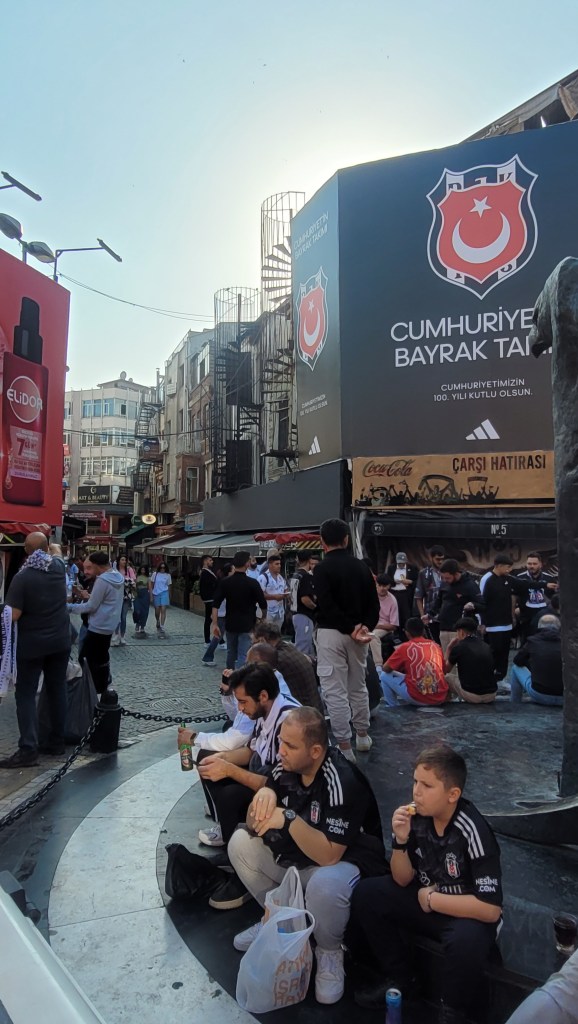
As there was a match happening, my meal was not enjoyed in peace and quiet. The mob was coming down the streets, singing, yelling. All around me, there were numerous fish restaurants with the white table cloth but TVs hanging above streaming the match. I remember I counted how many TV screens can I see while trying to cut my fish. There were 11 TVs. A moment later, the loud music from the speakers started to create the atmosphere. It was time to move.
The most significant resident of Beşiktaş was Zübeyde Hanım, the mother of Mustafa Kemal Atatürk, who lived in the old quarter at the heart of Beşiktaş. While wandering the old district, searching for the old houses, typical wooden structures, I swear I could catch her soul there somewhere. Mesmerising and nostalgic at the same time.
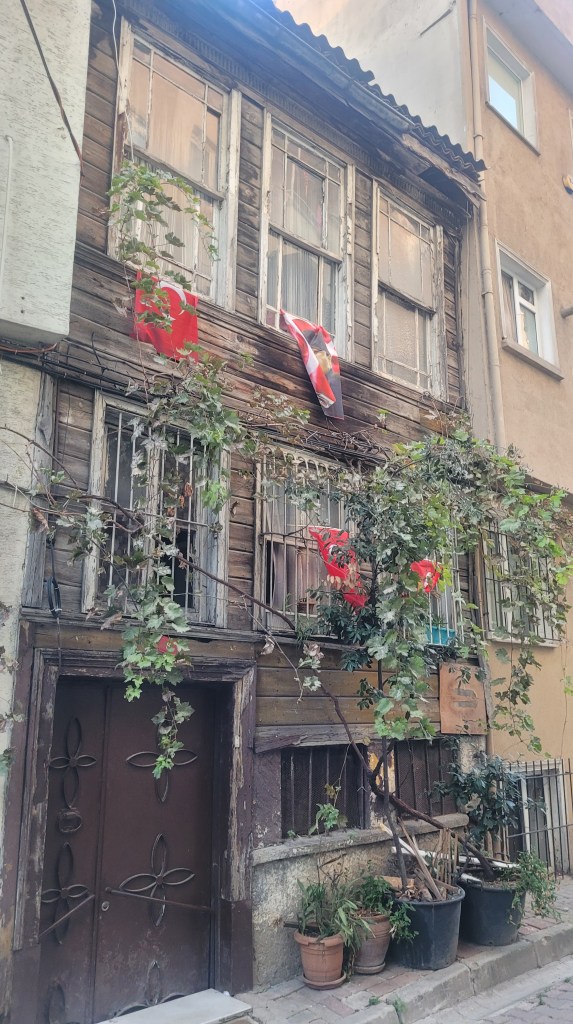
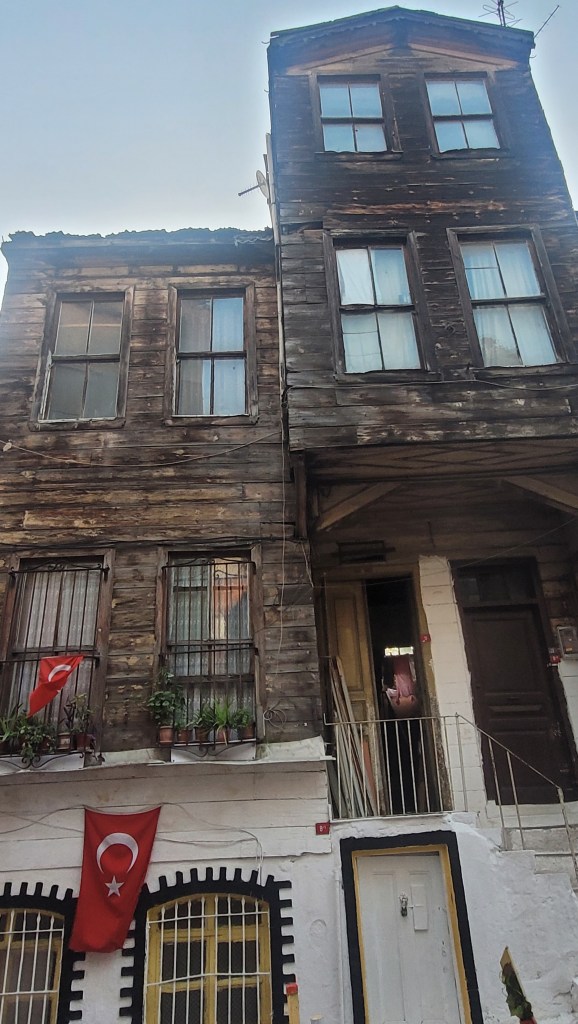
With every street telling an extraordinary story, I was climbing more and more up, towards something. I was not sure what and where exactly. I believe I was so much curious that I always wanted to know more. Where is the end? What’s behind the next hill?
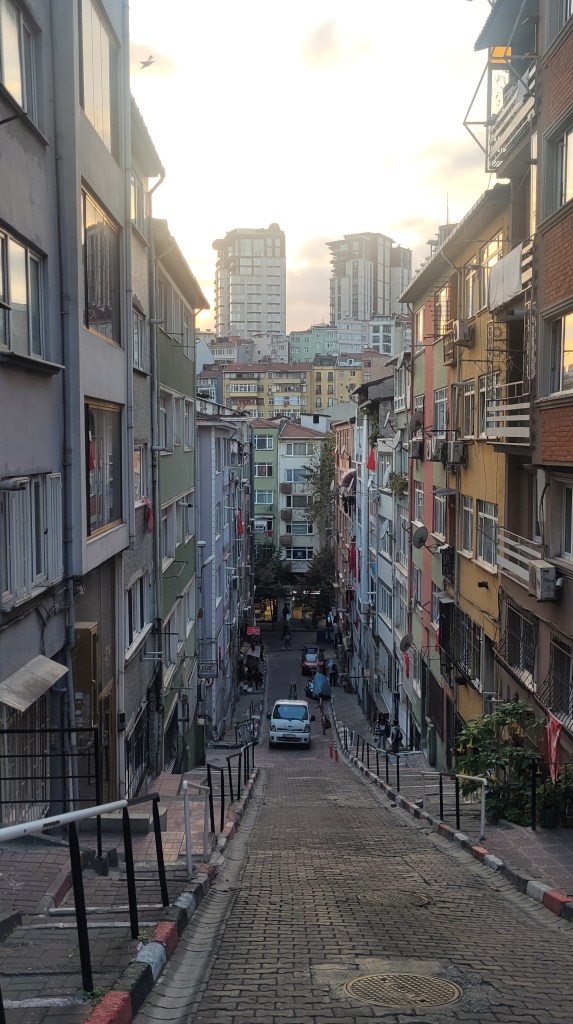
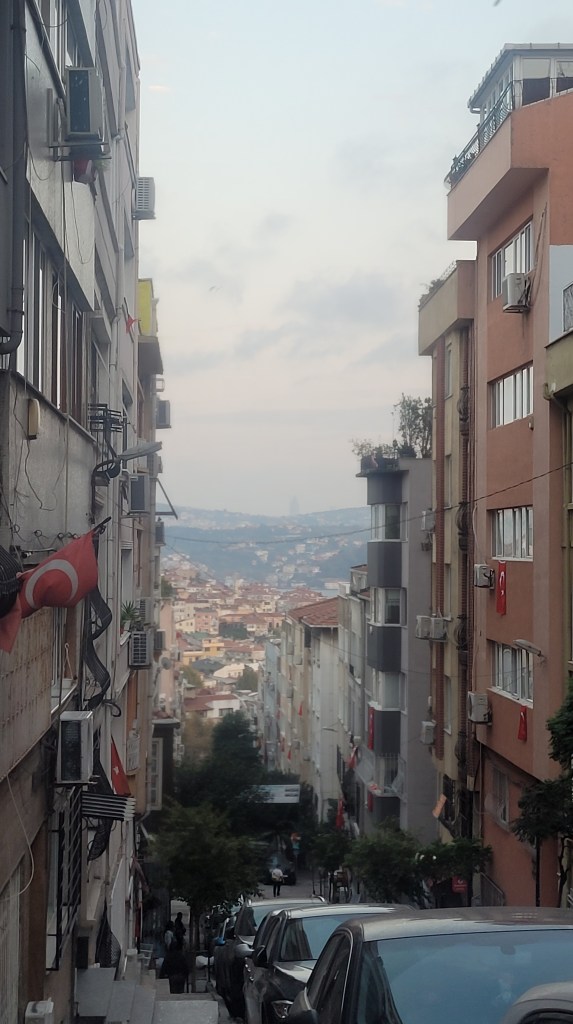
Until I reached the art nouveau in Nişantaşı. A residential quarter, quite an upscale, full of boutiques, department stores, cafés, pubs, restaurants and night clubs. Many of the streets are still full of fine 19th and early 20th-century apartment blocks. It is here where Nobel laureate and Turkish novelist Orhan Pamuk was born. It is the neighbourhood that was newly built encouraging Constantinopolitans to settle after the fall of Constantinople in 1453. Hence the name Teşvikiye which means “Encouragement” in Ottoman Turkish).
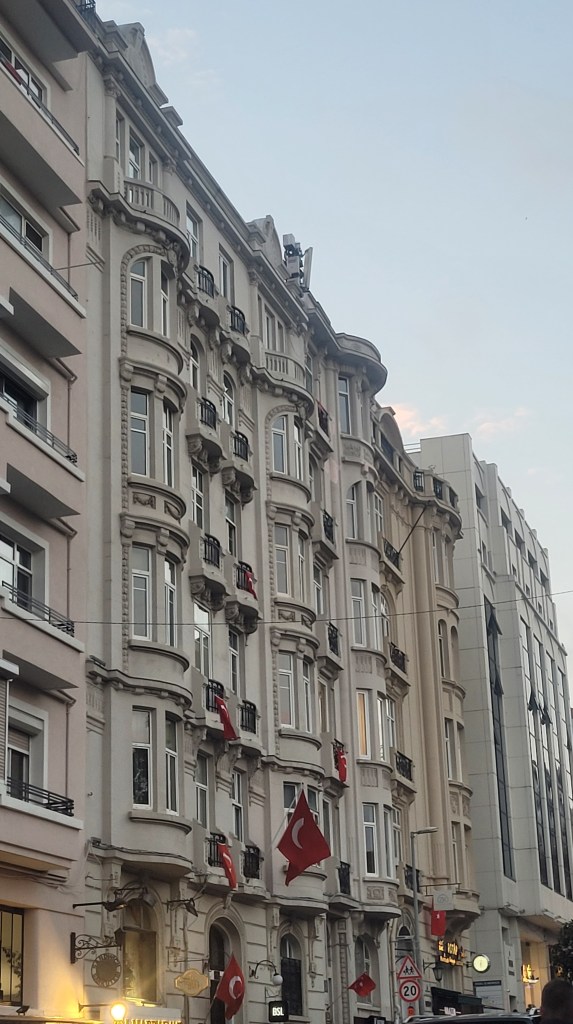
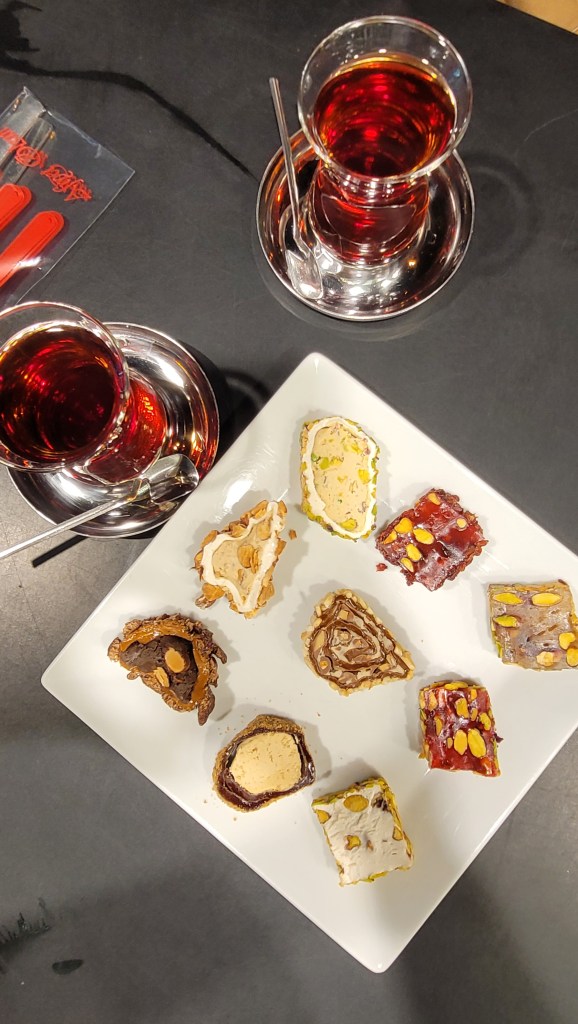
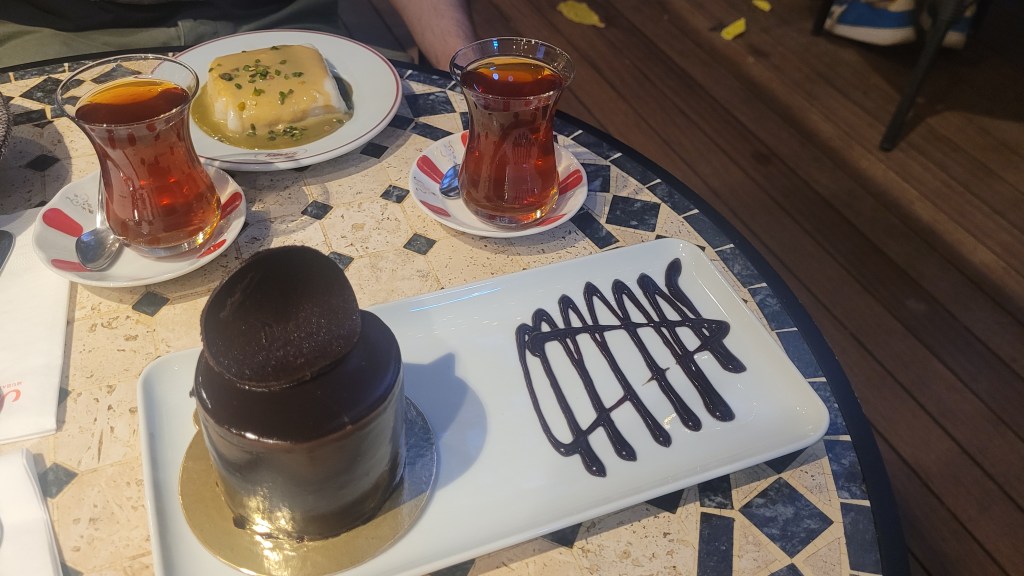
As the night was falling, I was hurrying to see more. Always more. Istanbul opened the thirst in me. But soon it was dark and no sense to explore any more than slowly coming back. I had to hit the tea and delights once more 🙂 I sat in an old cafe called Saray Muhallebicisi – Teşvikiye from 19th century with beautiful chandelier and photos and paintings that were presenting Istanbul in 19th and early 20th century. A timeless decor, elder ladies in their finest clothes with the necklace, young professionals and students having their very first Erasmus meeting. From the nearby table I heard a young boy saying his name and country of origin: The Netherlands. A bit shy. I thought in myself how lucky they are to have this opportunity, how shy they are now and how the best moments of their lives are about to happen with the Erasmus experience. I felt nostalgic for my student exchange experience in Chile. Oh youth, don’t run do fast.
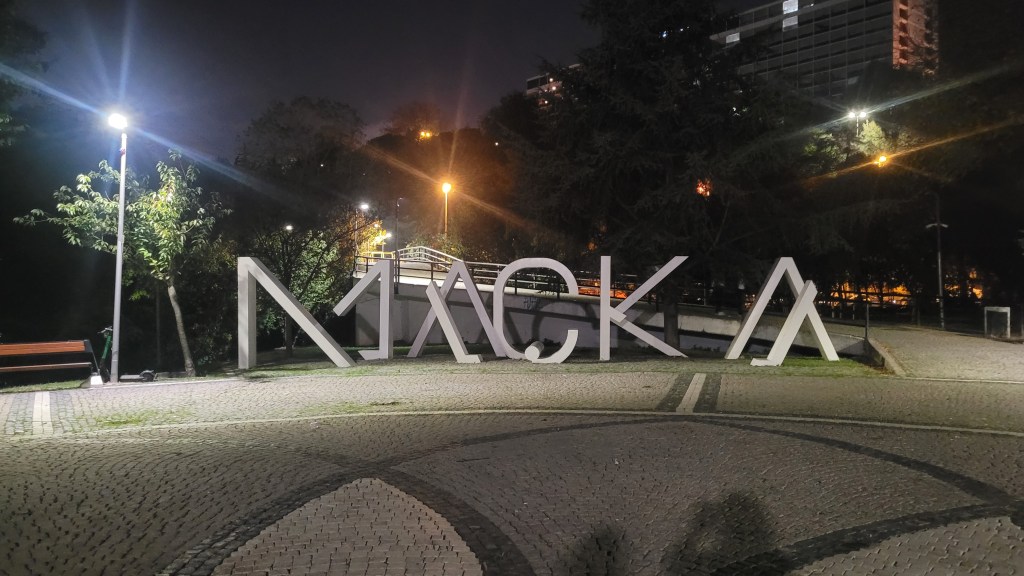
Through the Maçka Democracy Park I went quickly as the dark was already there and I still had kilometres to go back to my hotel. The area was part of the Dolmabahçe Palace‘s gardens and was separated from the gardens being used as a parkland in the mid-19th century. It had been named as Maçka Park referring to people from the Black Sea region who were sent to Constantinople shortly after the conquest of the region by Mehmed II in 15 century.
But then, strolling down, I had to pass exactly through the area of Beşiktaş Stadium. I don’t understand how this could have not been avoid? There was no bus, no taxi to pick me up. After spending some time at the bus station, some elder man approached me that there will be no bus due to the match. Surprisingly, he spoke English. He looked poorly, in a shaby clothes though.

Taking my feet down the road again, I have slowly approached to the football stadium with the fans. Fathers with children, boys and girls, singing along, kicking the plastic bottles that were on their way. I had to pass the safety corridor of the police officers. The female police officers checked what’s in my bag. When she found a map of Istanbul, it was obvious to her that I only plan to walk through as I was not here for the game.

That evening I walked another 4km to reach the other side. In Istanbul you are always trying to reach the other side. Once you are done with your side, you want to go to the other place. Always searching for more.
Never underestimate Istanbul’s magnetism. I was almost in my hotel, almost in my bed when Haya Sofyia called again to look into it.
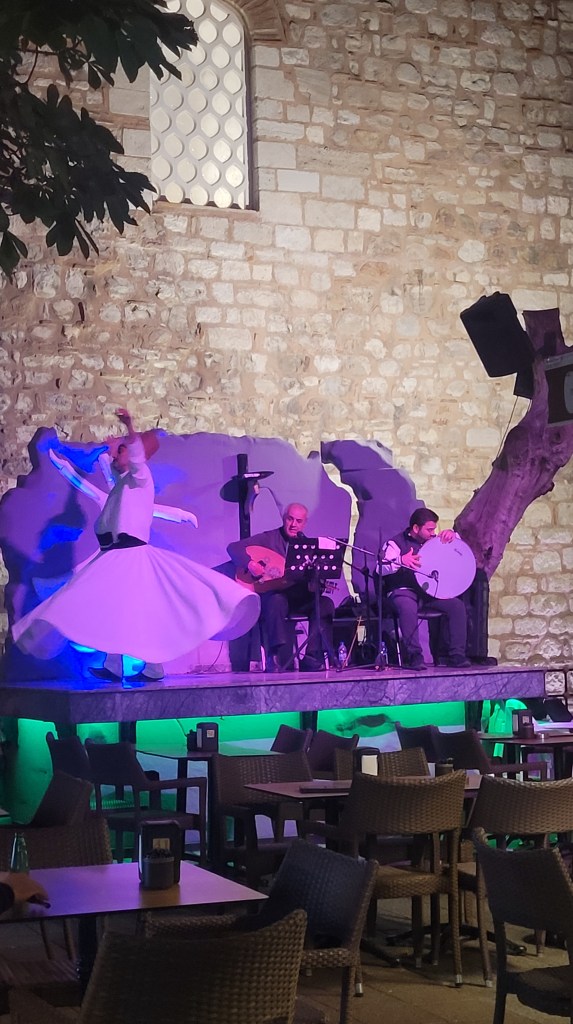
It was November, the evening stroll can not end. However many days you give yourself in Istanbul, it will never be enough. I visited the place so far and I still believe I haven’t seen it properly. Me that night was reaching the Nirvana, or at least the dervish men tried to bring me there. As I continued walking, admiring, mesmerising, I heard the music in the nearby cafe. And got pulled in. Soon I had a cup of tea and a hookah.
Founded around the 13th century in the Turkish city of Konya, the Mevlevi order is a religious Sufi sect known for their centuries-old mesmerizing and mystical Sufi dance ceremony in which their whirling spins help them to reach a state of nirvana.

In 2010 I didn’t manage to visit the Dolmabahçe Palace. So coming back this time, it was a must.
The palace served as the main administrative center of the Ottoman Empire from 1856 until the fall of the Ottoman Empire, which ended with the World war l. Previously, the Sultan and his family had lived at the Topkapı Palace, but as the medieval Topkapı was lacking in contemporary style, luxury, and comfort, as compared to the palaces of the European monarchs (namely Versailles and Schönbrunn), Abdülmecid decided to build a new modern palace.
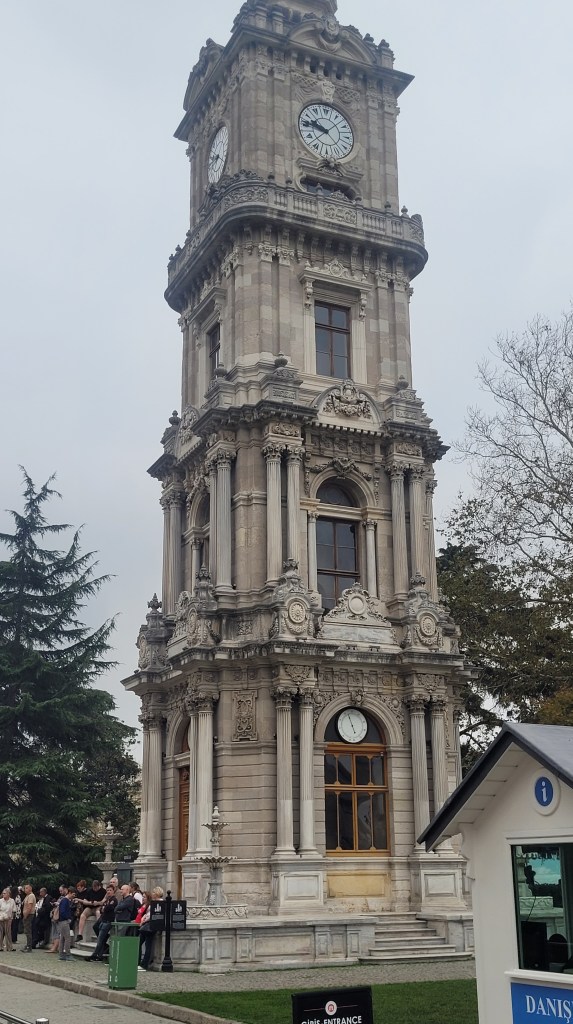
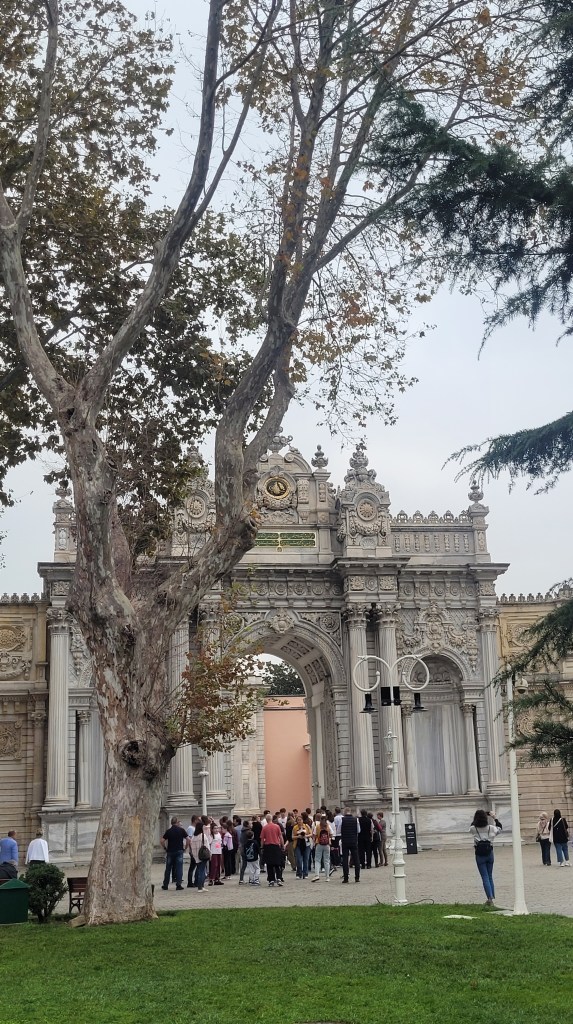
I arrived super early to skip the tourists hordes. Later I was super glad I did it.
The construction cost five million Ottoman gold lira, or 35 tonnes of gold, the equivalent of ca. $1.9 billion in today’s gold values. This sum corresponded to approximately a quarter of the yearly tax revenue of the Ottoman Empire. Actually, the construction was financed through debasement, by massive issue of paper money, as well as by foreign loans. The huge expenses placed an enormous burden on the state purse and contributed to the deteriorating financial situation of the Ottoman Empire, which eventually defaulted on its public debt in October 1875. Obviously, the palace was the symbol of the Ottoman end.
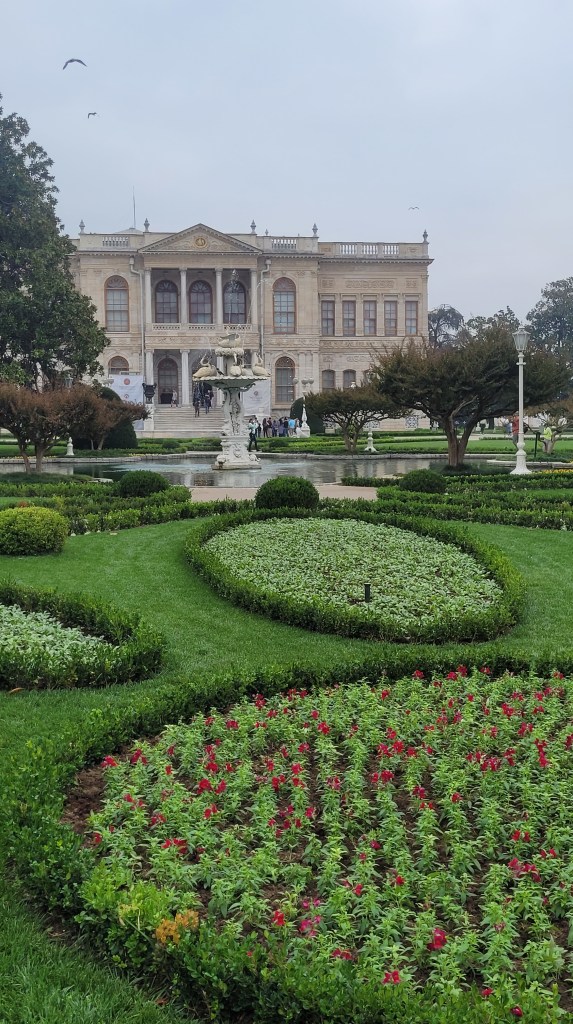
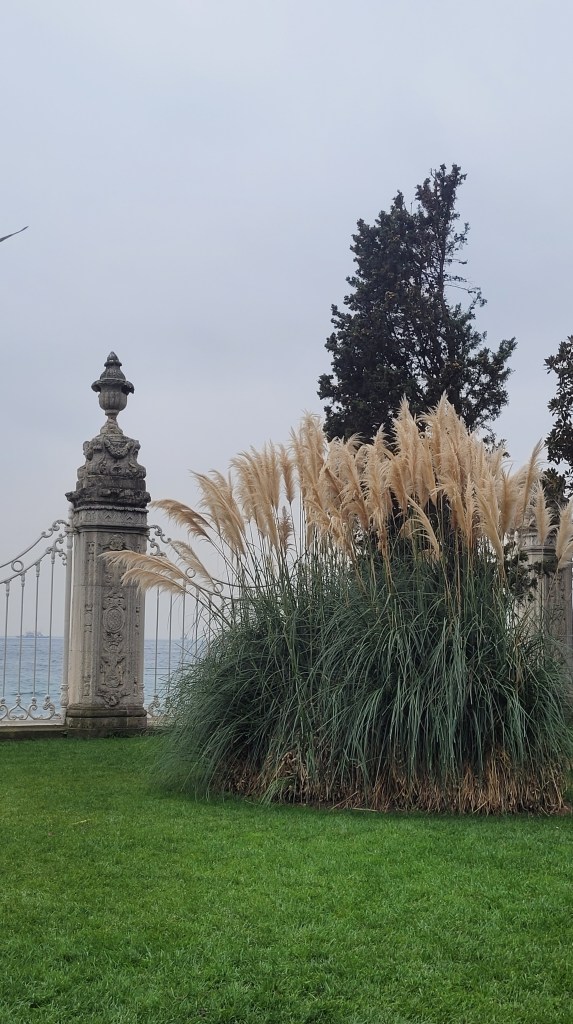
Dolmabahçe is the largest palace in Turkey. The design contains eclectic elements from the Baroque, Rococco and Neoclassical styles, blended with traditional Ottoman architecture to create a new synthesis. The palace layout and décor reflect the increasing influence of European styles and standards on Ottoman culture and art during the Tanzimat period.
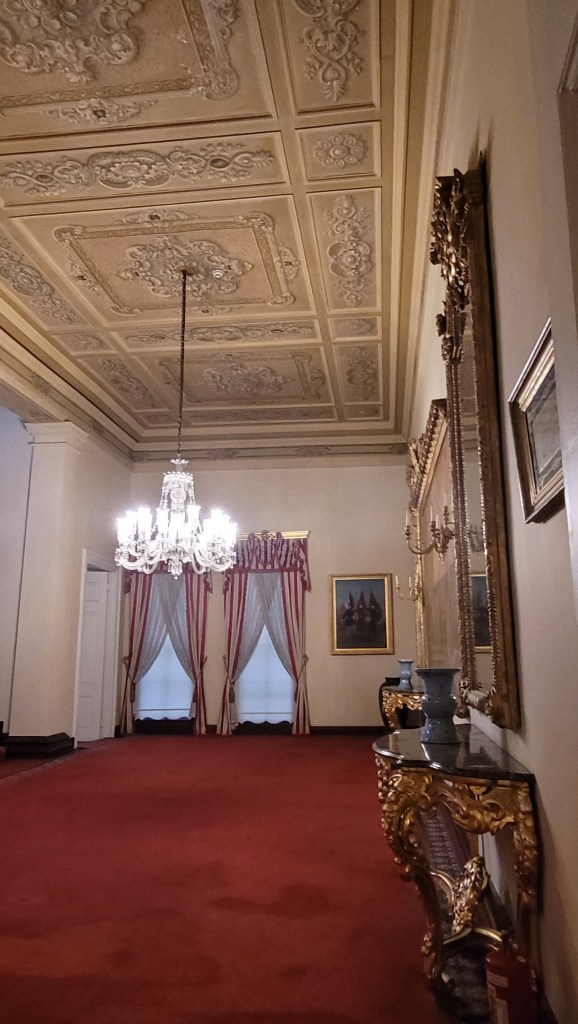
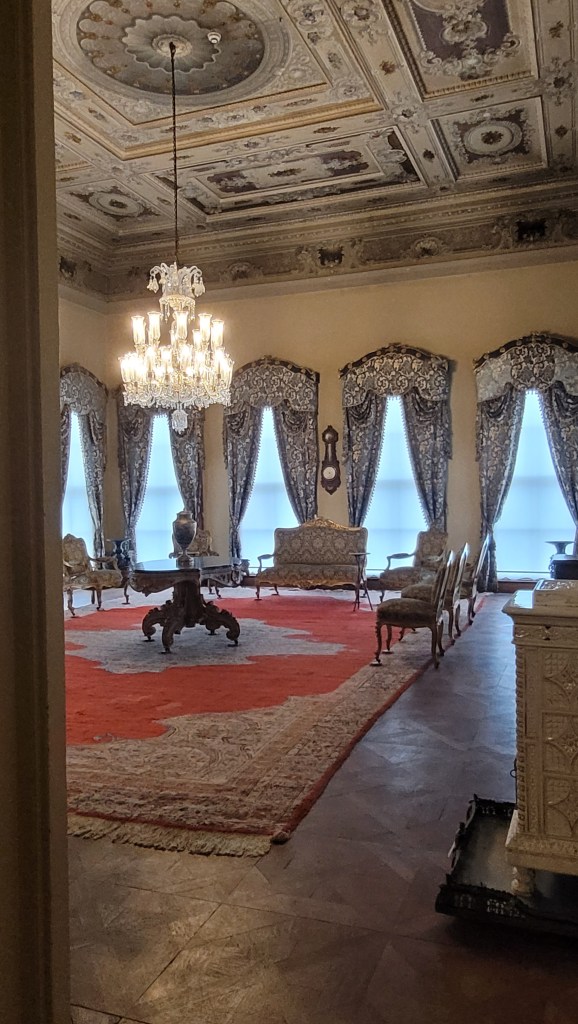
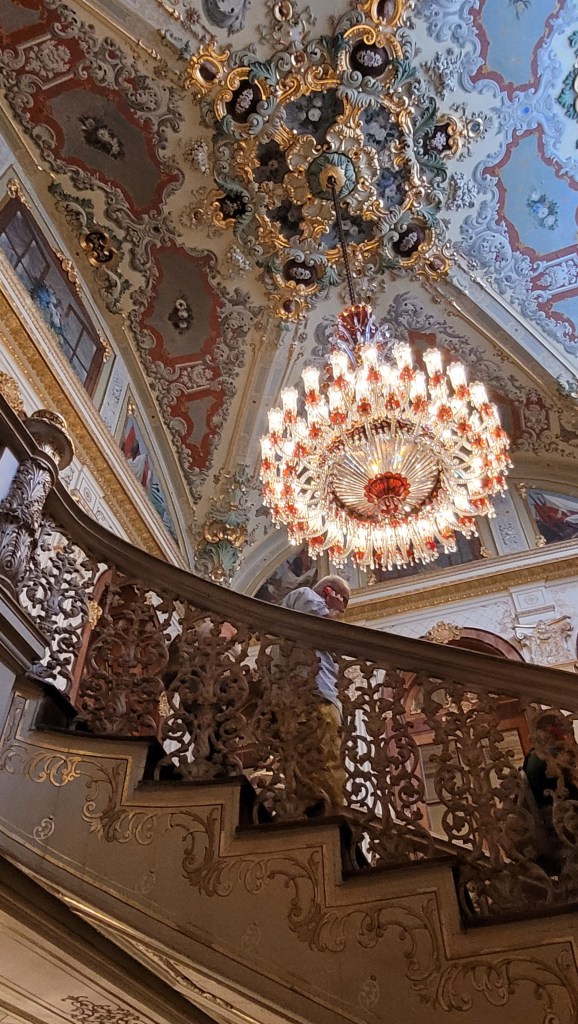
The world’s largest Bohemian crystal chandelier is in the Ceremonial Hall. It has 750 lamps and weighs 4.5 tonnes. The chandelier was originally assumed to have been a gift from Queen Victoria; in 2006, however, a receipt was discovered showing it had been paid for in full by the Sultan. I mean, you have to be British to somehow manage to make them pay for your own gift. And vice versa, you had to be Turkish to tell your own people it was a gift while hiding the invoices and obvious traces of economic decline.
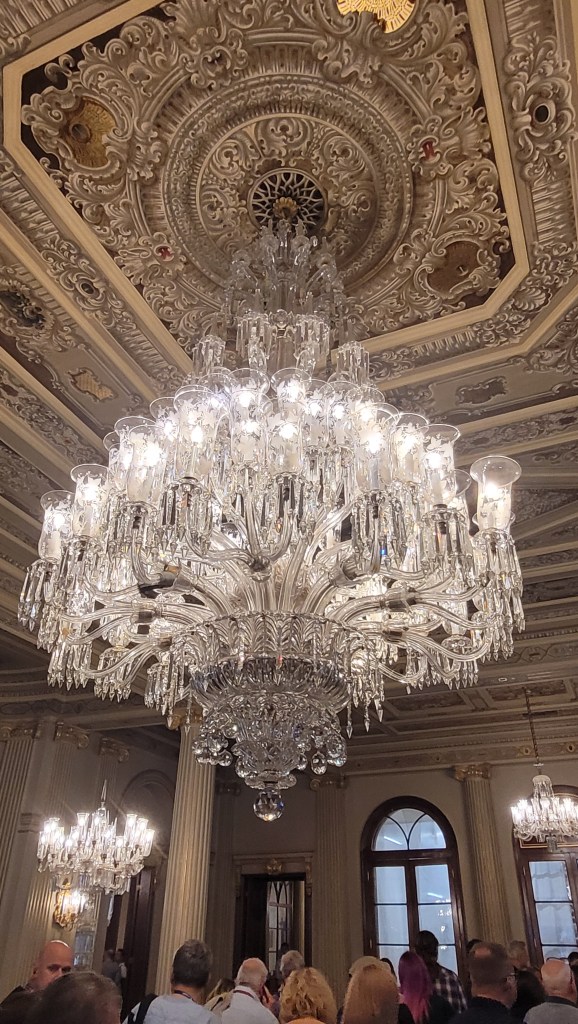
By the way, you are not allowed to take any photos inside the palace, so I got properly yelled at for doing this. Also, my husband had a t-shirt of Archimed of Syracusa that I bought him when we were in Sicily. The security guy came to us to ask if this was Jesus Christ. We asnwered: no, a mathematician. The guy looked at us a bit and then he said he is not familiar with the historical figure. I mean, so what if it was Jesus Christ? huh
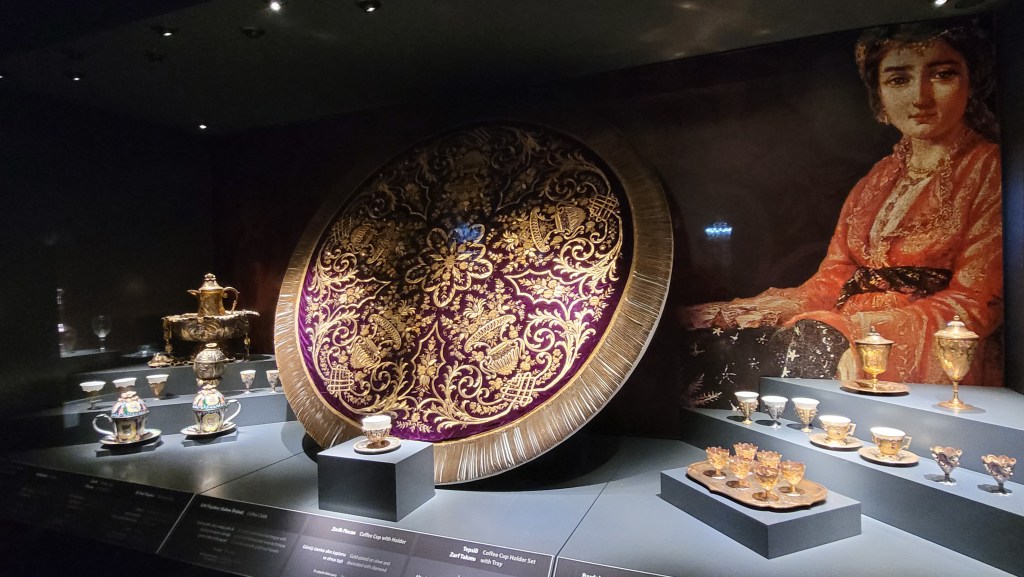


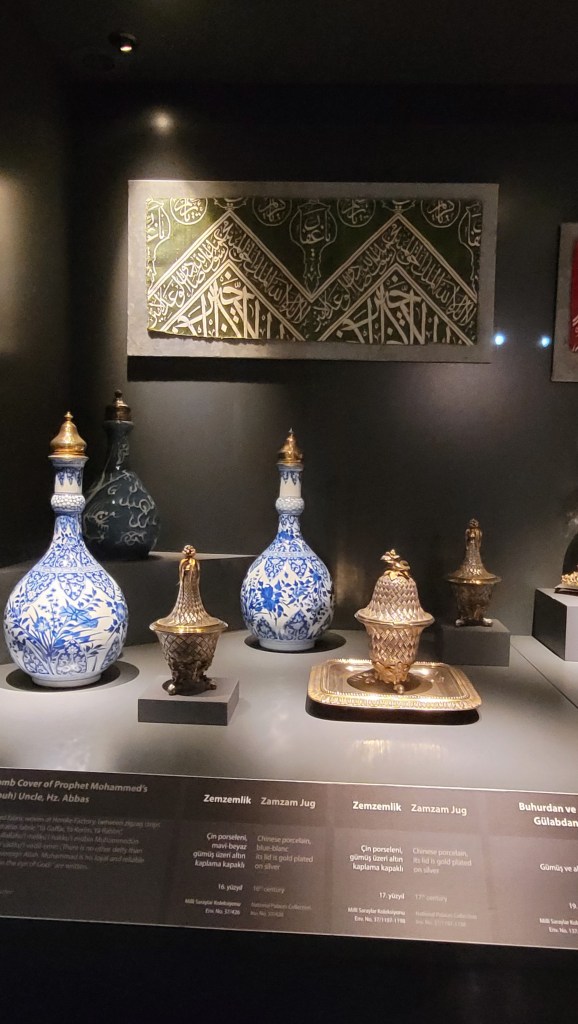
The palace includes a large number of carpets made by the Hereke Imperial Factory. The Hereke carpet featured in the main hall happens to be the largest Hereke rug in the world presented to the Sultan as a gift by Tsar Nicholas I.
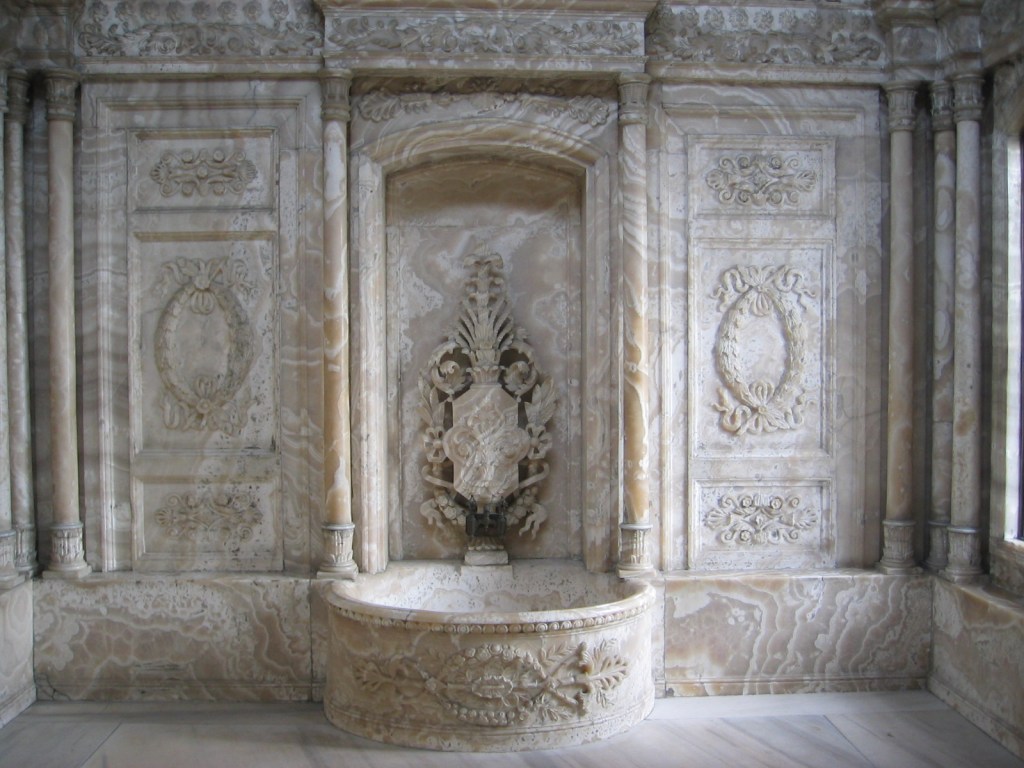
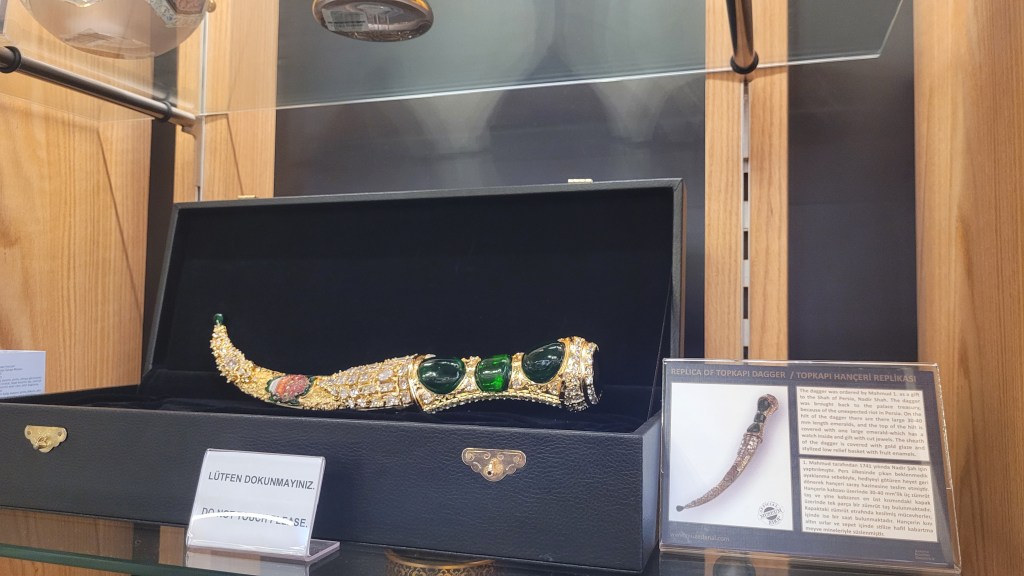
From the very beginning, the palace’s equipment implemented the highest technical standards. Gas lighting and water-closets were imported from Great Britain, whereas other palaces in continental Europe were still lacking these features at that time.
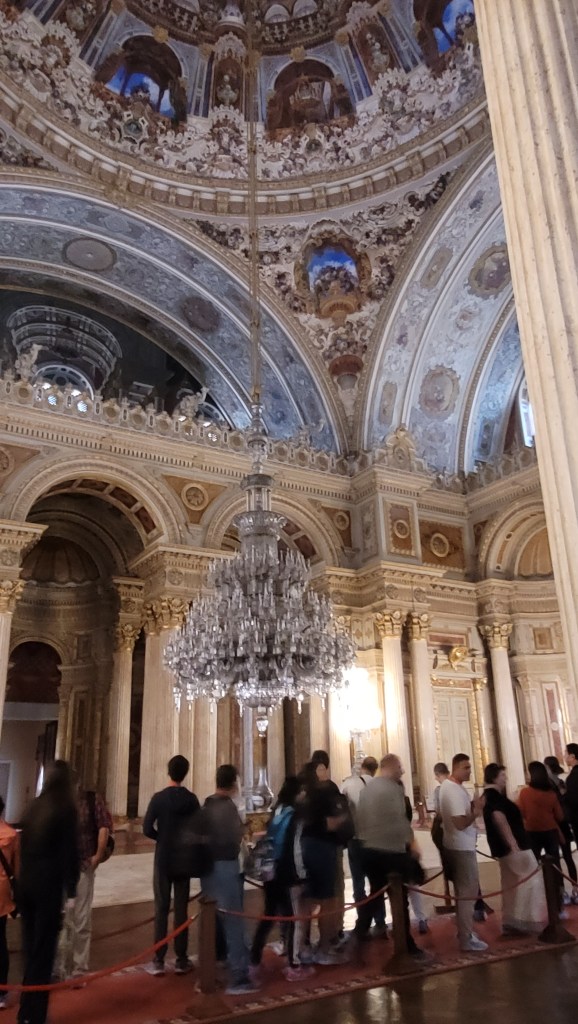
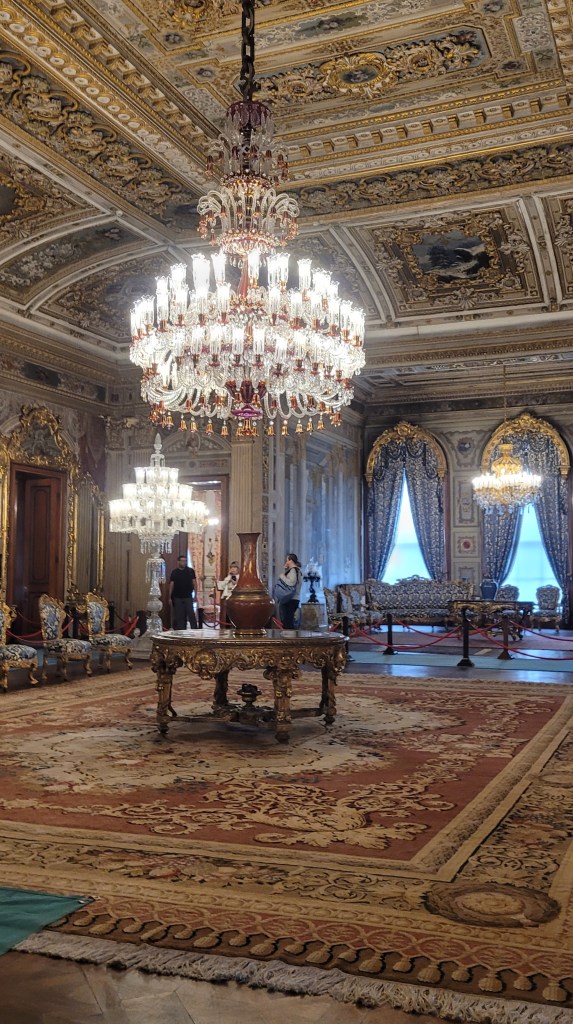
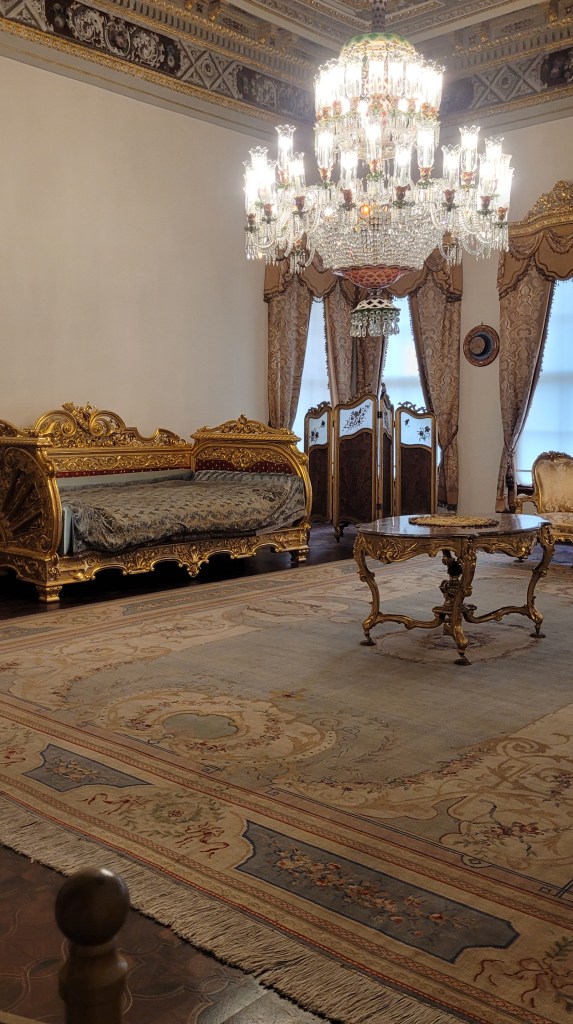
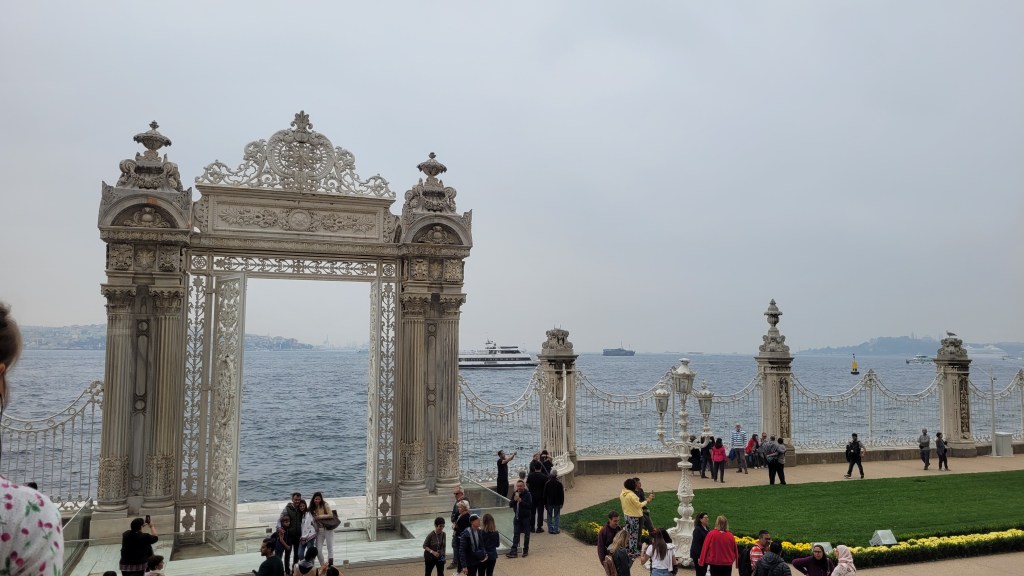
I liked the interior view of the Gate to the Bosporus. Imagine you have your own access to Bosphorus all across. Imagien hosting a dinner and they all come by boat trough this magical gate with the direct view on your stairs that take the guests to your best room with the biggest chandelier…
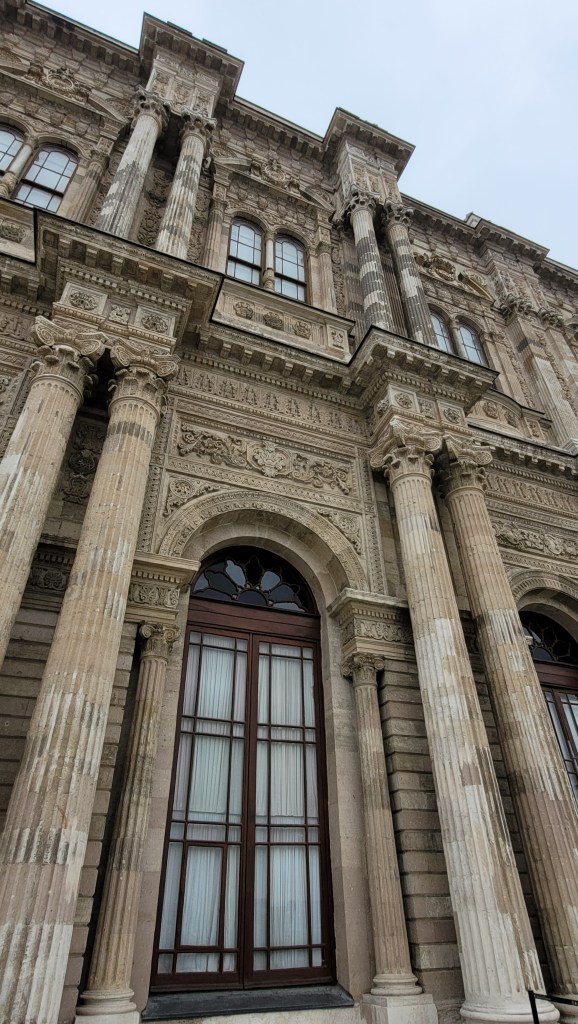
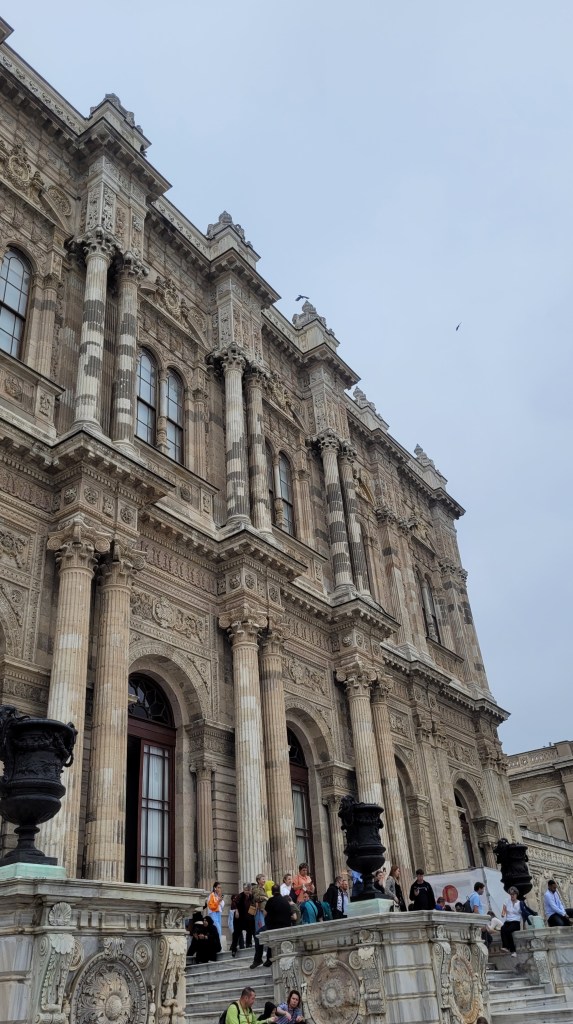
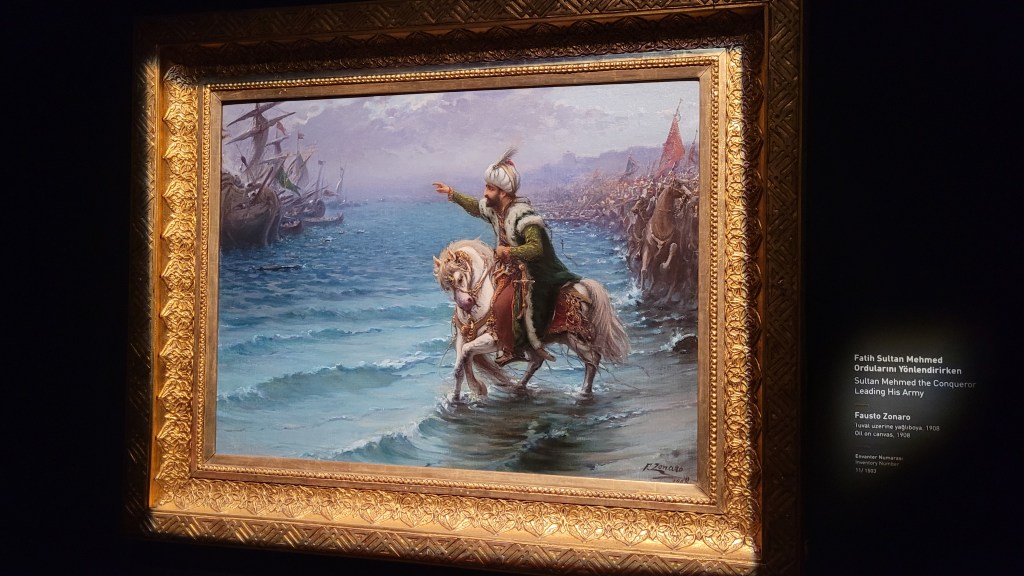
Perhaps the most educcational part of this trip was the collection of 202 oil paintings is on display in the palace. The display starts by presenting the Ottoman sultans and their conquest, describing the bravery, heroism and sacrifice of the Ottoman warriors. That hit me quite strongly. Coming from the Balkans where one good piece of our history is actually defending ourselves from the forced islamisation and Ottoman conquest, I could have not thought of the Ottomans as brave men. In our textbooks, poems, old stories and myths they are described as devils that come from the East, trying to conquer the Balkans and further towards Europe. I mean, there is nothing brave in Janissary.

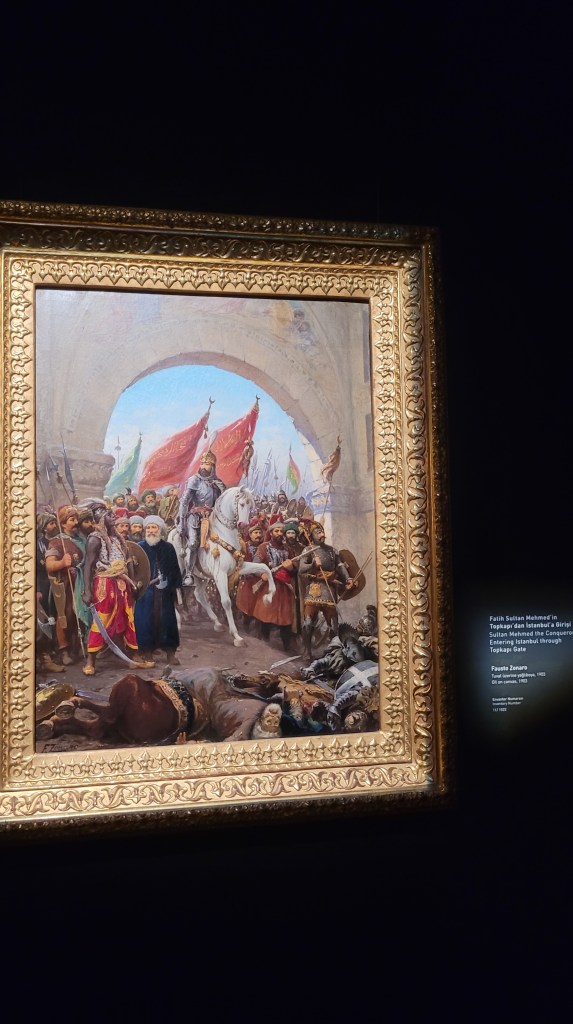
The most genious painting perhaps was the one that describes the Ottoman victory of the Battle of Gallipoli in World war I. On the triptich you can see the three phases of the war: going to war, war, coming home.
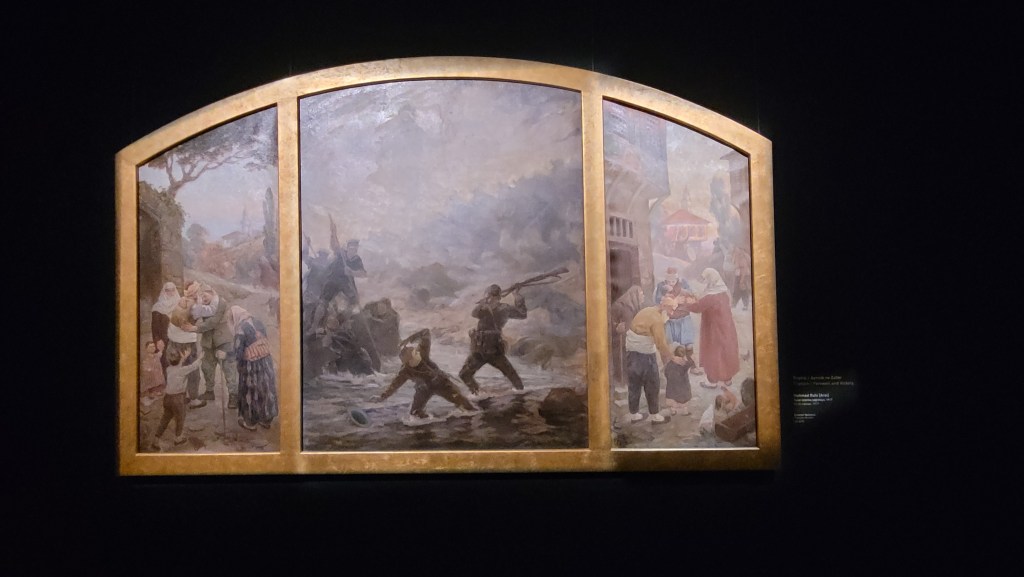
Many Ottoman painters were sent to Europe to take the apprenticeship and bring the style back home in order to become modern. You can see the obvious influence in the paintings too. The other reason why I found them interesting is because they portrait life in Istanbul centuries before.

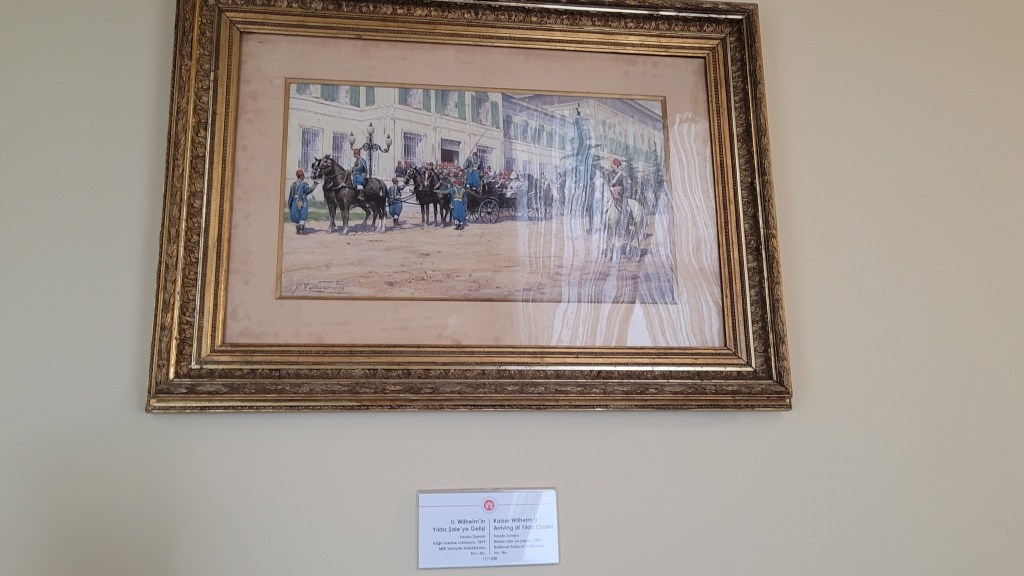
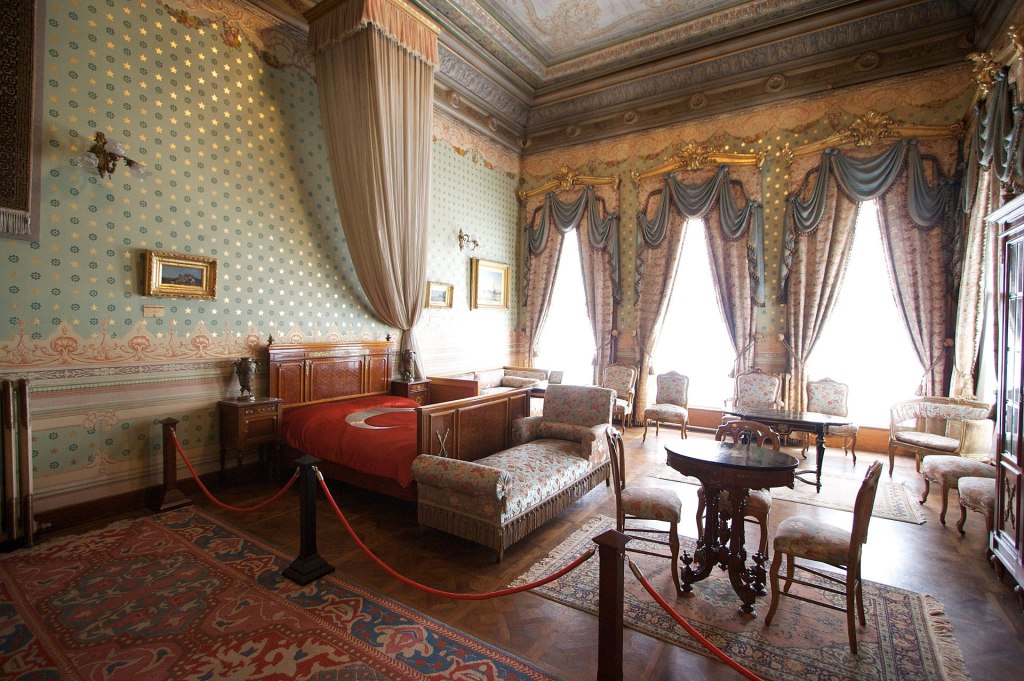
To the very end, Mustafa Kemal Atatürk spent the last days of his life in the palace as his health deteriorated. He died at 9:05 on November 10, 1938, in a bedroom located in the former harem area of the palace. All the clocks in the palace were stopped and set to 9:05 after his death. The clocks outside of his room now are set to the actual time in Turkey, but the clock in the room in which he died still points to 9:05.
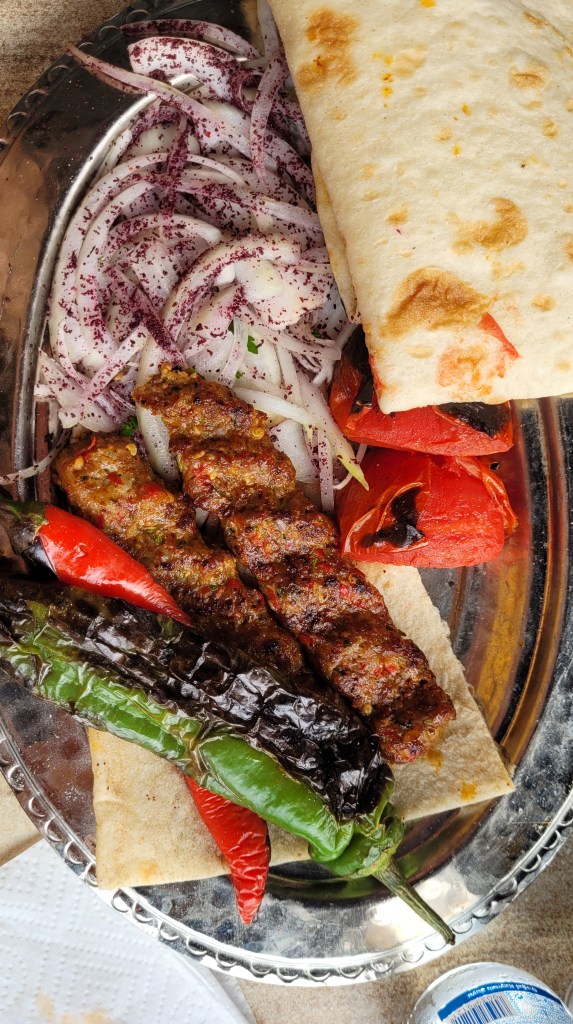
By the afternoon, I was exhausted. I had to go for a bite. I was mainly searching for something quickly as I was tired and could not drag my feet longer anymore. I went for a kebab, döner and pide (pizza turka).
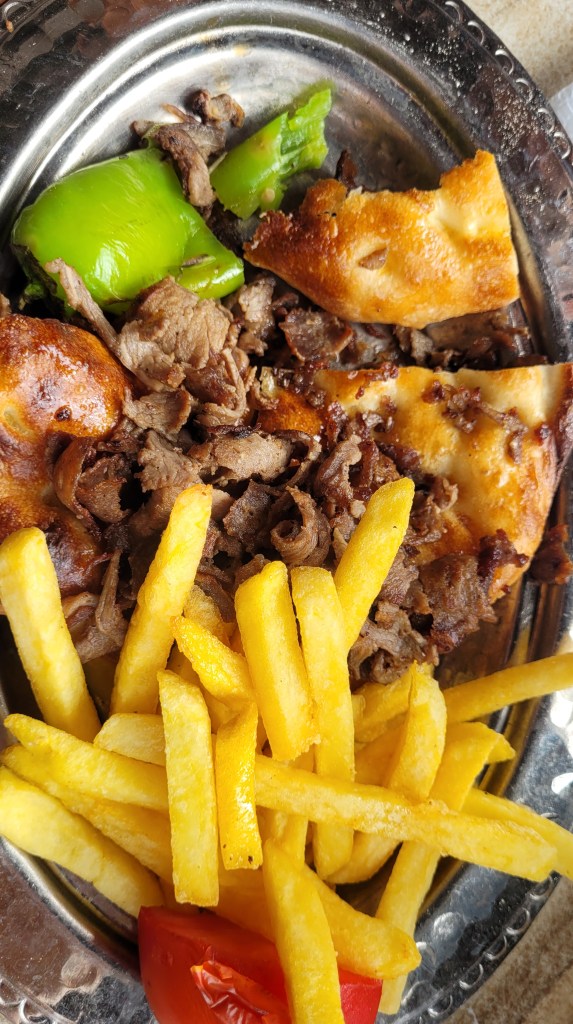
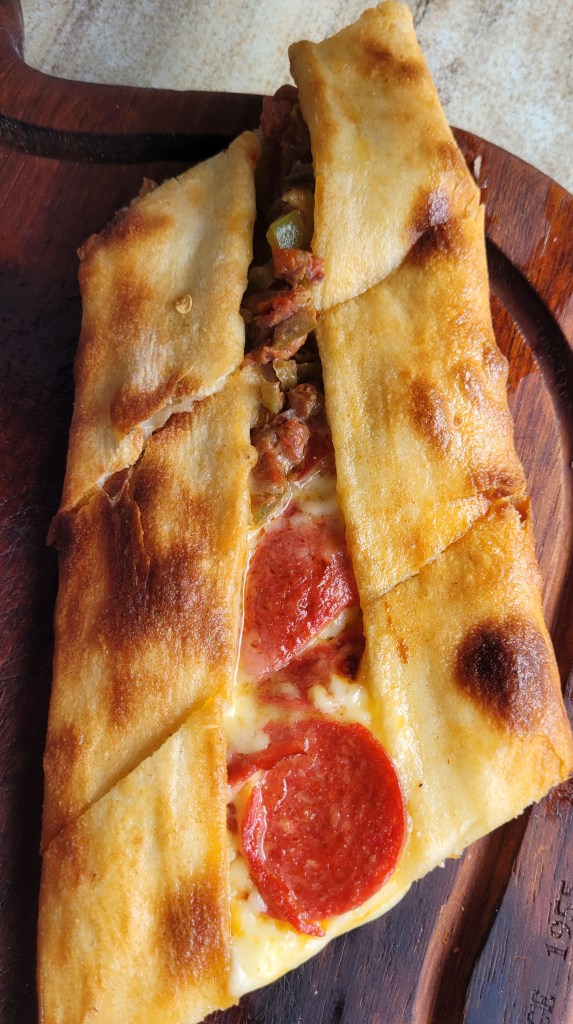
I usually do not sit at the same place to order lunch and dessert or a coffee. I like to explore. Following my own footsteps, I went back to Eminönü and sit for a delight and a coffee. I found a cute spot at the corner, perfect to observe so many dialogues, situations, moments. Even if you do not speak the language, you can guess what it is about. No wonder Pierre Loti liked to observe and then write all these moments in his letters.


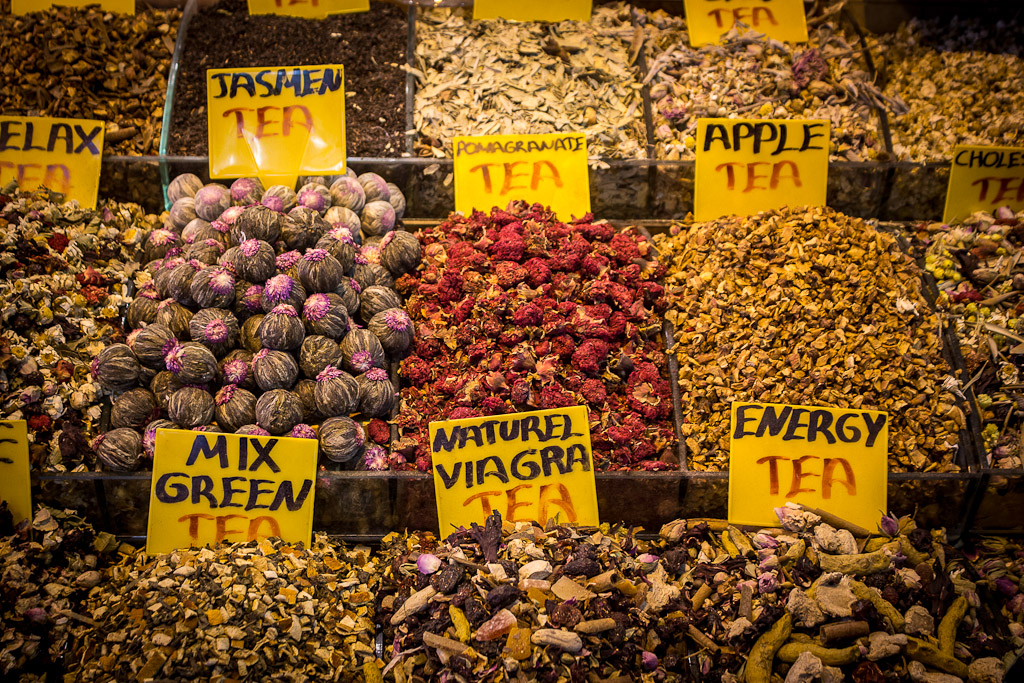
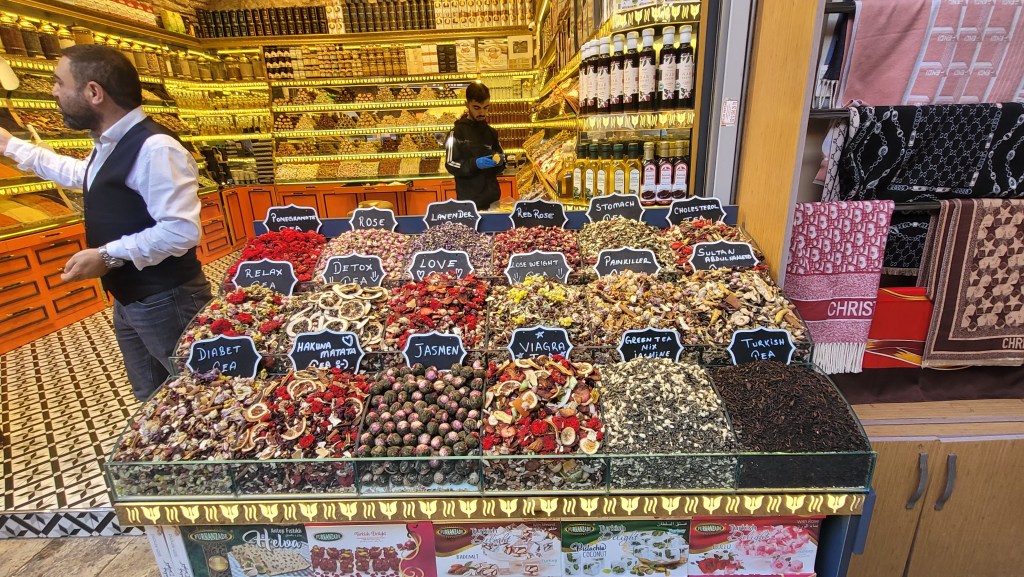
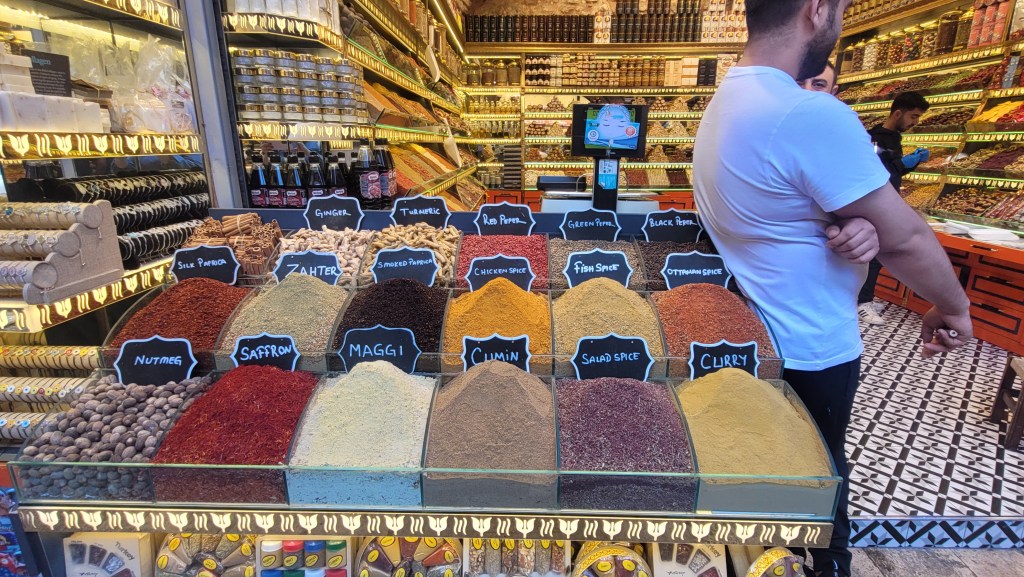
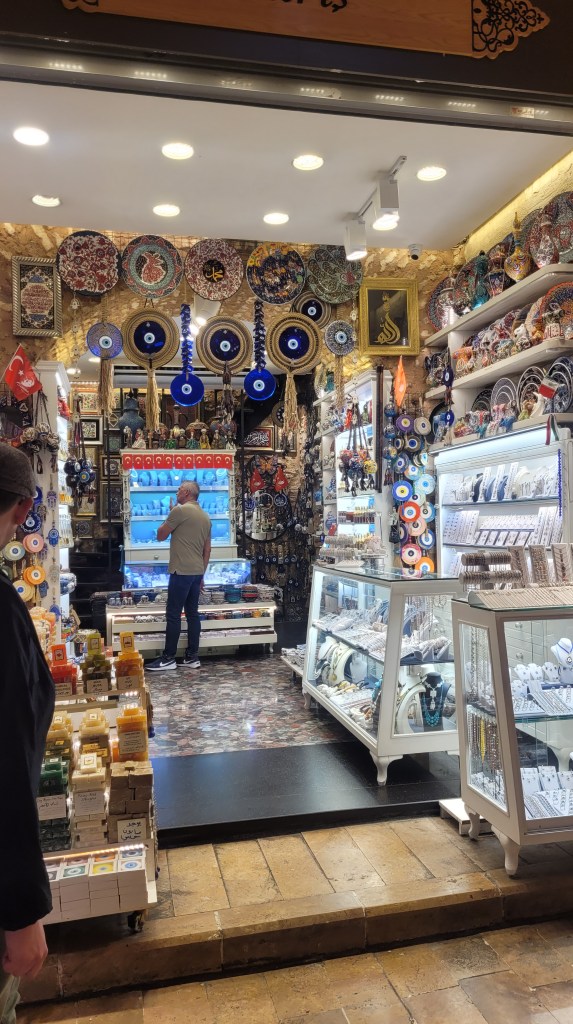
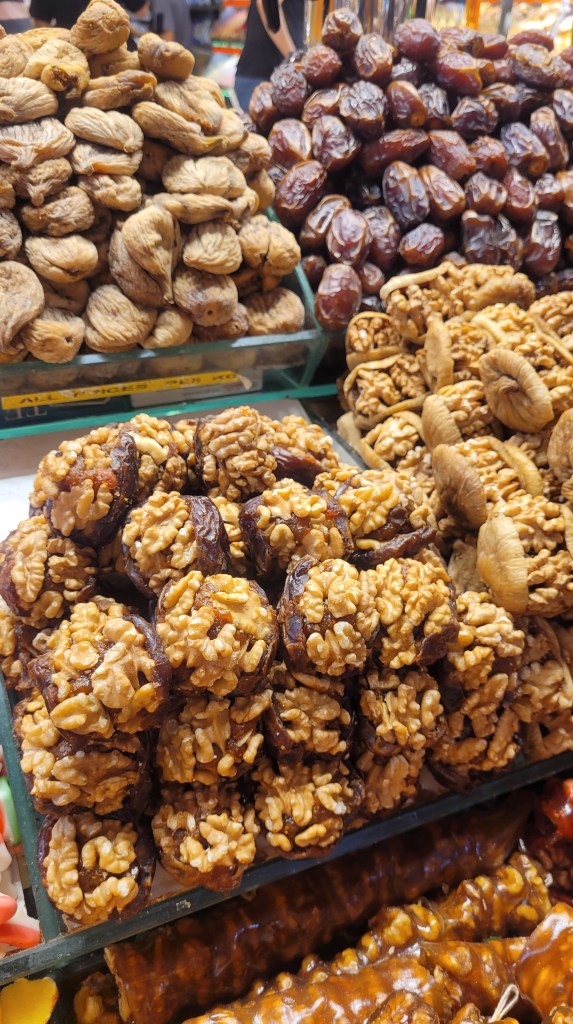
As this was my last day in Istanbul, I kept the Spice Market or the so-called Egyptian Bazaar to the very last. My plan was to buy tea, coffee and spices. And a purse that I saw nearby 🙂
I couldn’t stay long at the bazaar. The thousands of lights, people, countless colours, senses, smells drag me in all possible directions. Poeple constantly talk Russian to me, trying to sell me overpriced spices while giving the show. Sometimes, I am not in the mood. And it often happens that after a while I need a rest.


This very last day I dedicated to Fener and Balat. Off the beaten path.
Balat is a neighbourhood that was historically the centre of the Jewish community in Istanbul. At its peak in 18th century, Balat was home to 18 synagogues, though only three are still in use today. However, Balat today is overwhelmingly Muslim, with most minority populations having left the district or been forced to leave as a result of the Armenian genocide, Greek genocide, anti-Greek riots and expulsions throughout the 20th century.
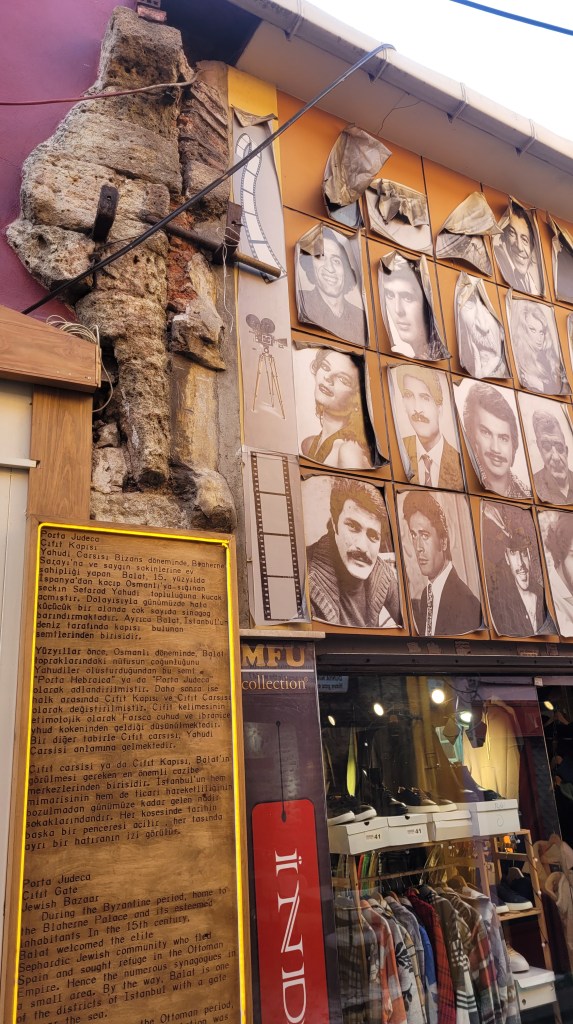
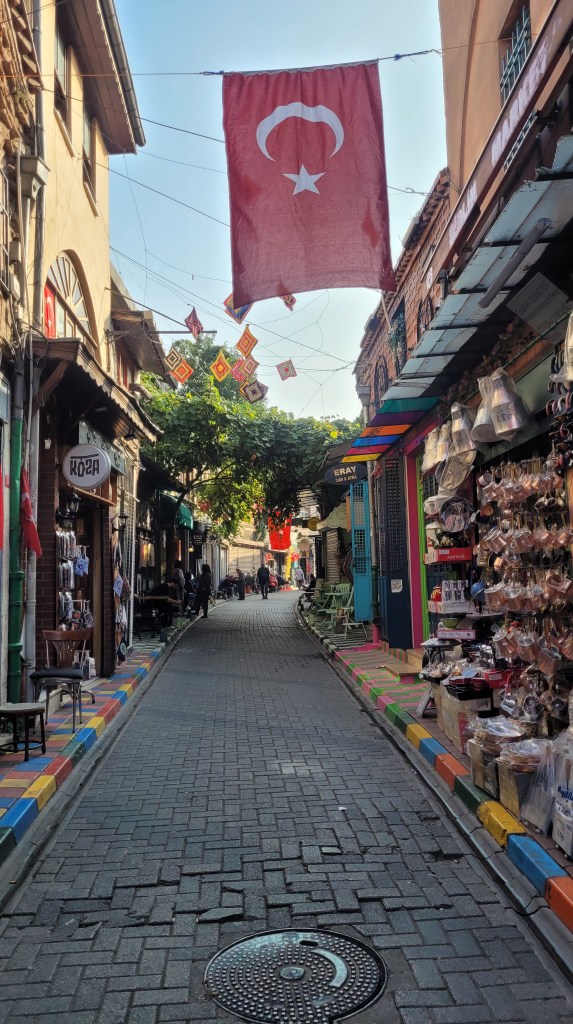
What we know for certain is that after the fall of Constantinople, Jewish citizens from different lands, including Spain, Italy, Macedonia and Rhodes, came in waves to settle here. The neighborhood was a lively commercial hub, full of Jewish-owned stores and workshops, from glassmakers, antique dealers to fez makers.
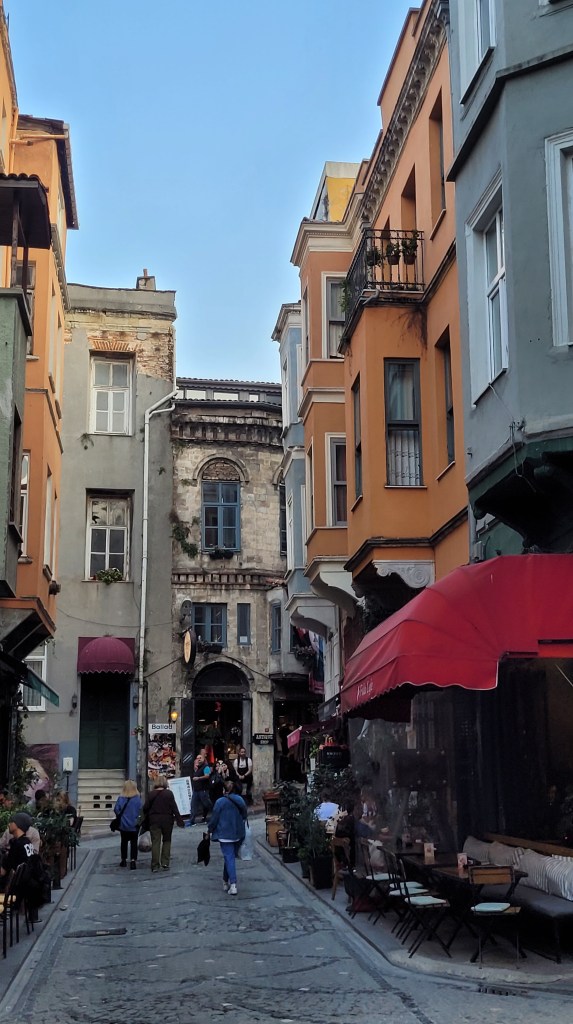
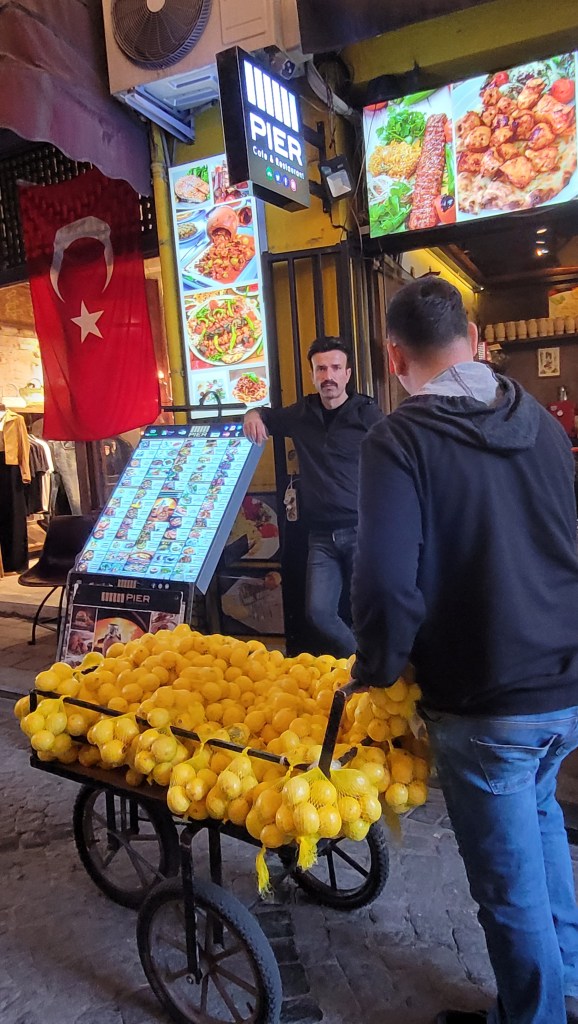
This is the neighbourhood that Elif Shafak described in her novel The Bastard of Istanbul. Certain politically challenging topics addressed in her book, such as child abuse and the Armenian genocide, have led to legal action from authorities in Turkey that prompted her to emigrate. Shocking. Yet another novelist, yet another scientist, journalist… you name it.


And while sitting in a bar, having my mind being political, I noticed the surroundings. More specifically the house in front of me How can something that looks so ugly at first sight, can have something so beautiful in it?
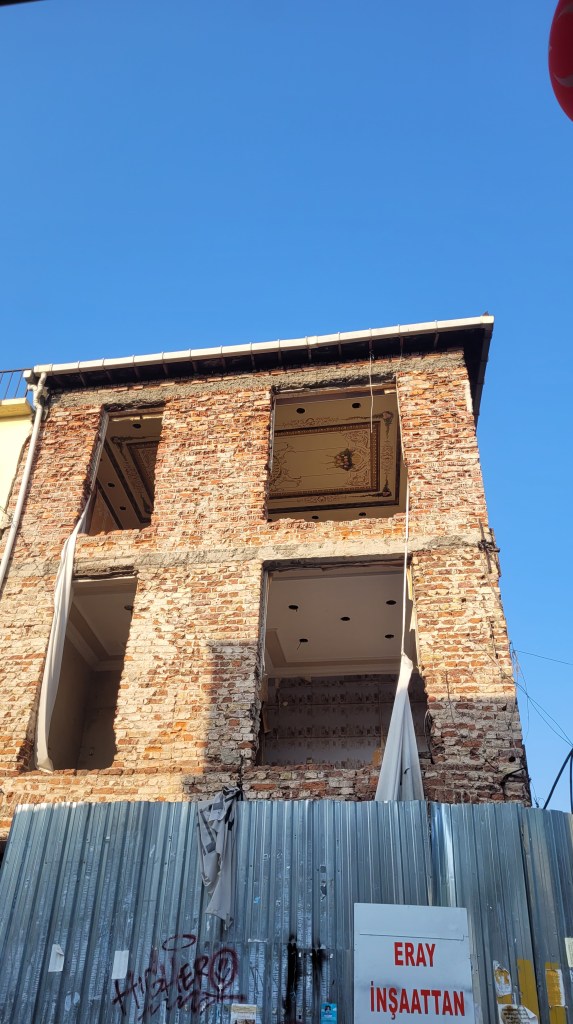
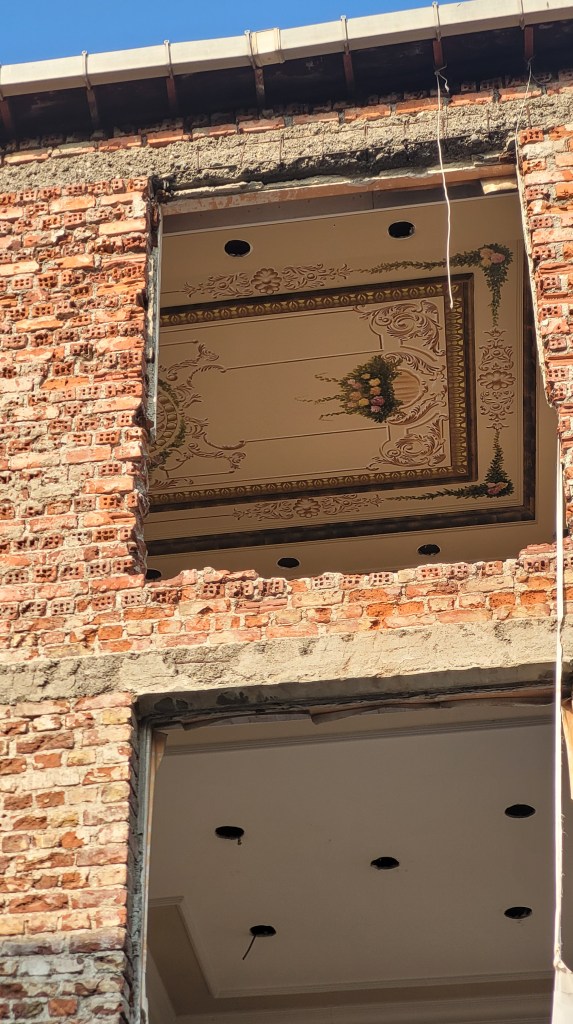
While actually two different neighbourhoods with very different histories, the names “Fener” and “Balat” have now become almost interchangeable. The name Fener comes from the Greek name “Fanarion,” meaning lighthouse. The neighborhood was so called because of a column topped with a lantern which stood here in the Byzantine period and was used as a street light or lighthouse.
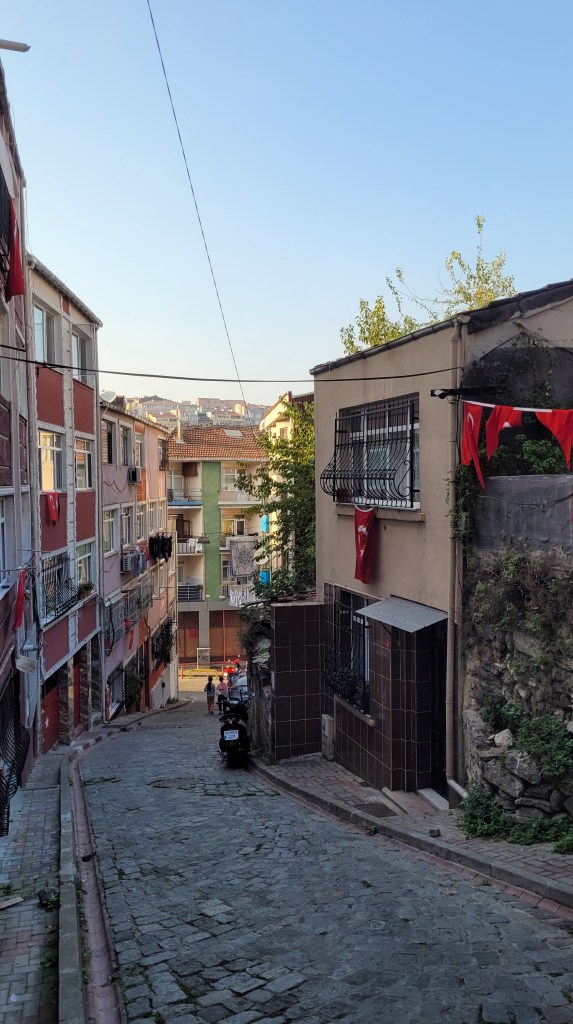
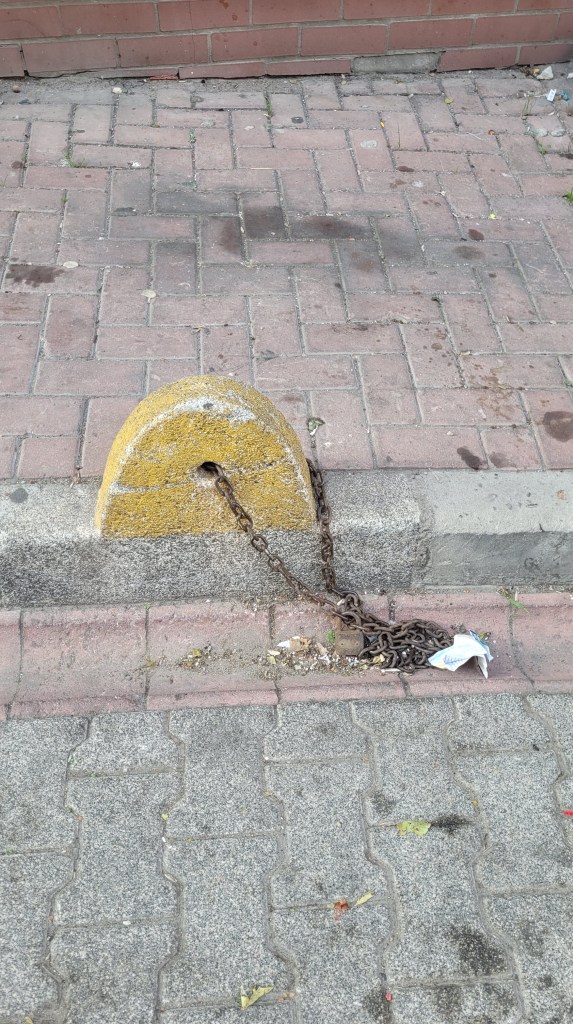
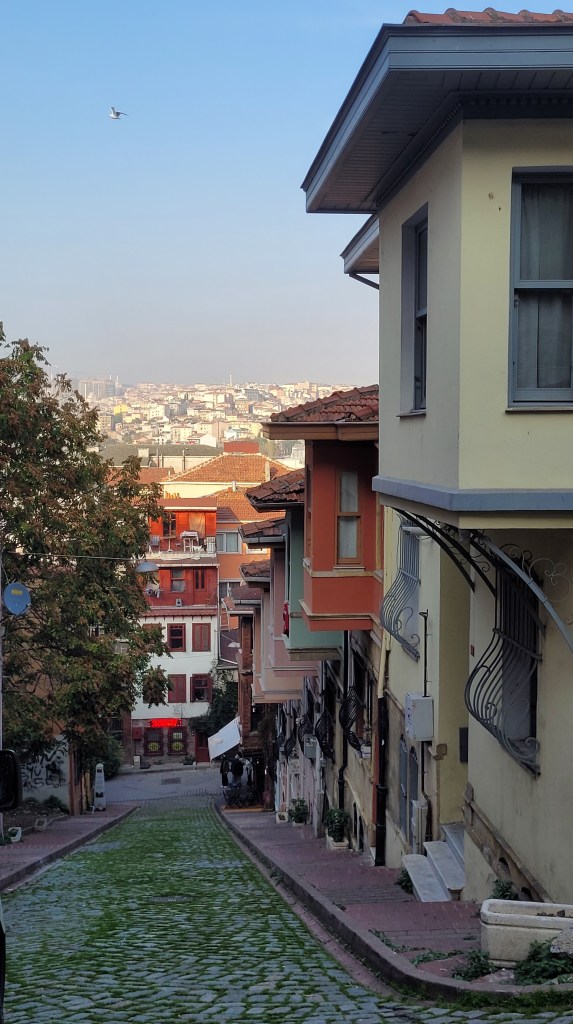
Fener was a traditionally Greek neighbourhood during the Ottoman era and its streets still contain many old stone houses and churches dating from Byzantine and Ottoman times. The grand mansions between the main road and the shore of the Golden Horn were often used to store wood imported from the Black Sea.
Phanar Greek Orthodox Church / college from 15th century is the epitome of the city.


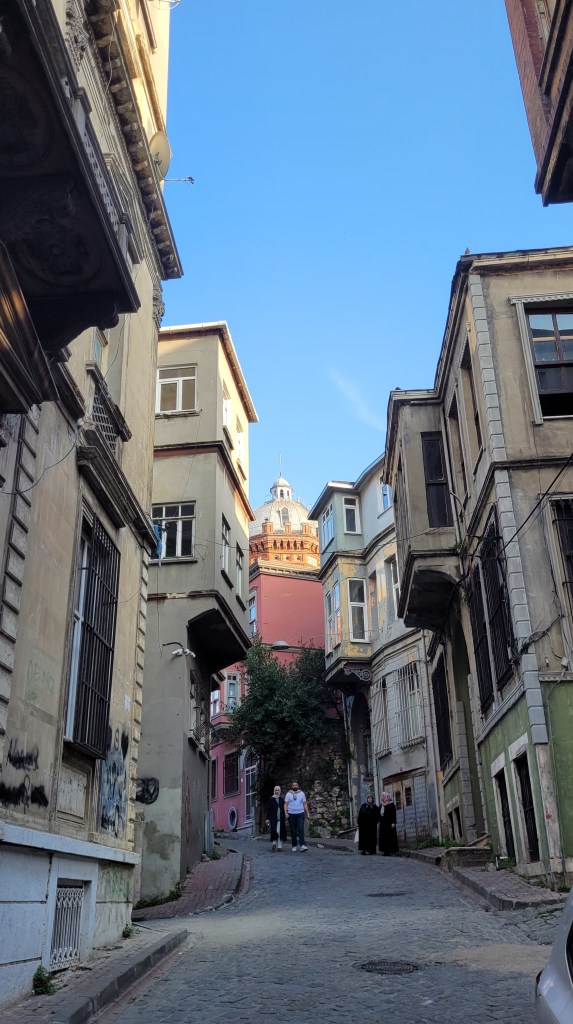
Following the fall of Constantinople, the Byzantine nobility escaped to Europe and the Mediterranean in droves. When Sultan Mehmed the Conqueror declared religious freedom for all inhabitants of the new empire, they began to return to Istanbul and many settled in Fener. The residents of the Greek-majority neighborhood became known as Fanariots, a class of people who were well-educated, cultured and often wealthy tradespeople. Many were employed by the Ottoman state as translators and foreign dignitaries.

What puts Fener and Balat on the map is the quaint architecture of these neighborhoods. After the 20th century, the quintessential style of Istanbul residential architecture changed sharply. But the winds of change failed to blow in Fener and Balat, and it was lucky enough not to be replaced with the concrete sprawl that now covers most of Istanbul. Instead, it is filled with two-storied semi-attached wooden houses, each one jutting out sharply in the middle to form what Turks call a “cumba.” Istanbulites from old would sit in these small, closed balconies, sip tea or coffee, and watch passersby.
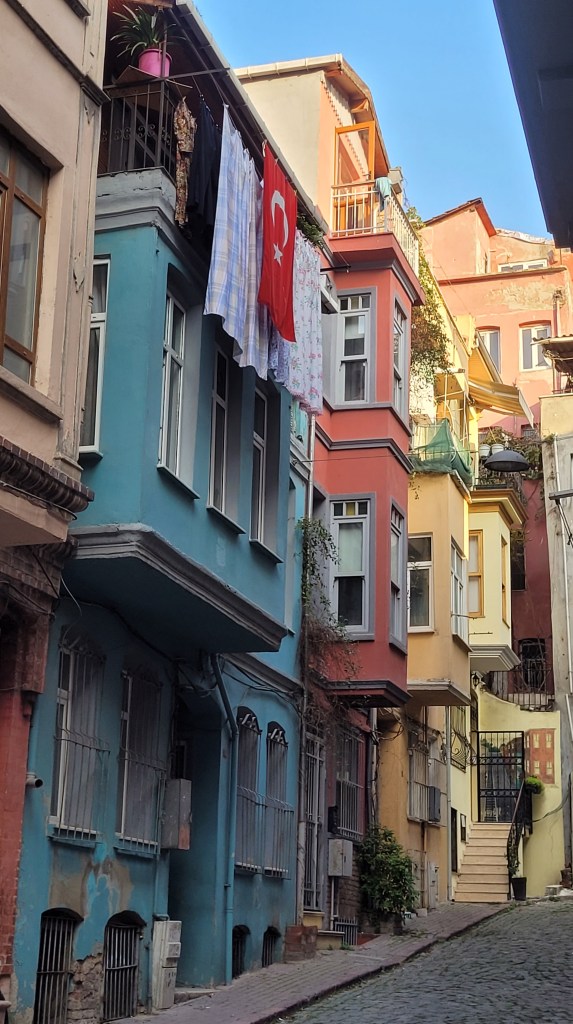
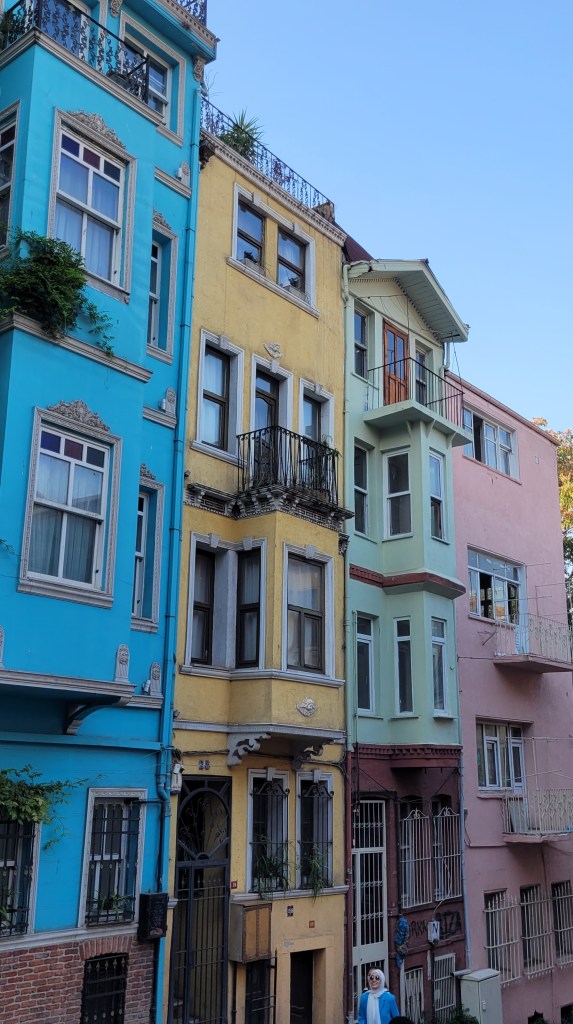

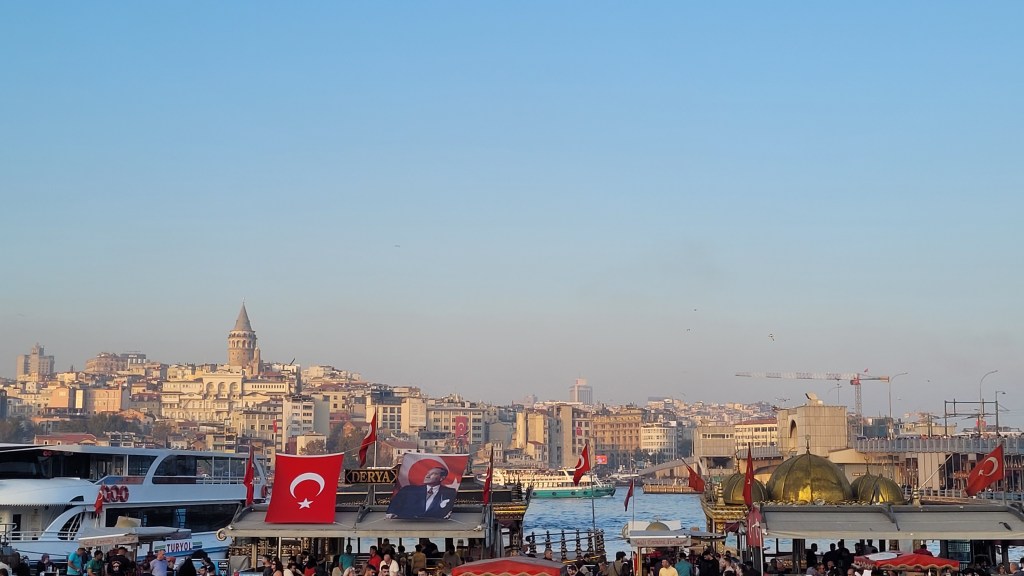
As I was coming back to the hotel, I stopped at the Eminönü again. Rustem Pasha Mosque was standing there attractively, while Galata tower was opposite. They say history repeats itself, while few empires await to be resurrected.
 RED RIDING HOOD
If you are going for most excellent contents like myself,
only pay a visit this web page every day because it
gives feature contents, thanks
LikeLike
magnificent submit, very informative. I
wonder why the other experts of this sector do not notice this.
You should proceed your writing. I am sure, you’ve a
huge readers’ base already!
LikeLike
A person necessarily lend a hand to make severely articles I might state.
That is the very first time I frequented your web page and up
to now? I surprised with the analysis you made to create this
particular publish amazing. Fantastic task!
LikeLike
Hello, I do think your site might be having browser compatibility problems.
Whenever I take a look at your web site in Safari, it looks fine but when opening in Internet Explorer, it’s got some
overlapping issues. I simply wanted to give you a quick heads up!
Aside from that, great site!
LikeLike
I am really happy to read this website posts which contains plenty of helpful data, thanks for providing these information.
LikeLike
I’m amazed, I have to admit. Rarely do I come
across a blog that’s both educative and amusing, and let me tell you,
you have hit the nail on the head. The problem is something
too few people are speaking intelligently about. I am very happy I found
this during my hunt for something regarding this.
LikeLike
If you want to obtain much from this paragraph then you have
to apply such techniques to your won webpage.
LikeLike
Howdy! Would you mind if I share your blog with my twitter group?
There’s a lot of people that I think would really appreciate your content.
Please let me know. Many thanks
LikeLike
I loved as much as you will receive carried out right here.
The sketch is tasteful, your authored subject matter stylish.
nonetheless, you command get bought an shakiness over that you wish be delivering the following.
unwell unquestionably come further formerly again since exactly the same nearly a lot often inside case
you shield this hike.
LikeLike
Amazing blog! Is your theme custom made or did you download it from somewhere?
A theme like yours with a few simple tweeks would
really make my blog shine. Please let me know where you got
your theme. Thanks
LikeLike
Superb, what a website it is! This web site gives valuable facts to us, keep it up.
LikeLike
Awesome blog! Is your theme custom made or did you download it from
somewhere? A theme like yours with a few simple tweeks would really make my blog stand out.
Please let me know where you got your theme.
Cheers
LikeLike
It’s fantastic that you are getting thoughts from
this paragraph as well as from our argument made here.
LikeLike
If you would like to grow your know-how just keep visiting this web page and be
updated with the newest gossip posted here.
LikeLike
Undeniably believe that which you said. Your favourite reason seemed to be
at the internet the easiest thing to be mindful of.
I say to you, I certainly get irked at the same time as other people consider worries that
they just do not recognise about. You controlled to hit the
nail upon the top and outlined out the whole thing without having side
effect , other folks can take a signal. Will probably be back
to get more. Thanks
LikeLike
I blog quite often and I genuinely thank you for your content.
This great article has really peaked my interest. I am going to
take a note of your site and keep checking for new information about once per week.
I opted in for your Feed as well.
LikeLike
Hey I know this is off topic but I was wondering if
you knew of any widgets I could add to my blog that automatically tweet my newest twitter updates.
I’ve been looking for a plug-in like this for quite some time and was hoping maybe you would have
some experience with something like this.
Please let me know if you run into anything.
I truly enjoy reading your blog and I look forward to your new updates.
LikeLike
Excellent post. Keep posting such kind of information on your
blog. Im really impressed by your site.
Hello there, You have performed a great job.
I will certainly digg it and in my opinion suggest to my friends.
I am confident they’ll be benefited from this
site.
LikeLike
I got this web page from my friend who told me regarding this site and
at the moment this time I am browsing this web page and reading very informative content here.
LikeLike
Hi, every time i used to check webpage posts here
in the early hours in the daylight, because i love to learn more
and more.
LikeLike
I am truly glad to glance at this weblog posts which consists of plenty
of helpful facts, thanks for providing these kinds of data.
LikeLike
With havin so much content do you ever run into any problems of plagorism or copyright infringement?
My site has a lot of exclusive content I’ve either
written myself or outsourced but it seems a lot
of it is popping it up all over the web without my authorization. Do
you know any techniques to help prevent content from being ripped off?
I’d certainly appreciate it.
LikeLike
Hi, I do think this is a great web site. I stumbledupon it 😉 I am going to
revisit yet again since i have book marked it. Money and
freedom is the greatest way to change, may you be rich and continue to guide
others.
LikeLike
each time i used to read smaller posts which as well
clear their motive, and that is also happening with this paragraph which I am reading
at this time.
LikeLike
These are truly enormous ideas in on the topic of blogging.
You have touched some fastidious points here. Any way keep up wrinting.
LikeLike
I’m not that much of a internet reader to be
honest but your sites really nice, keep it up! I’ll go ahead and bookmark your website to come
back later on. Cheers
LikeLike
After looking over a number of the blog posts on your web page,
I seriously like your way of blogging. I saved as a favorite it to
my bookmark website list and will be checking back in the near future.
Take a look at my website as well and let me know your opinion.
LikeLike
I am typically to blogging and i really recognize your content. The article has actually peaks my interest. I’m going to bookmark your website and preserve checking for brand new information.
LikeLike
My partner and I stumbled over here coming from a different website and thought I should check things out.
I like what I see so now i’m following you. Look forward to going over your
web page again.
ar 15 with night vision scope for sale
welding schools in ky
john deere mower blades won t engage
built in coffee maker with water line
large magnetic dart board
bonsai ficus care
nautilus air bed replacement parts
coffee maker with grinder built in
how to care for azalea bonsai
moonlight products night vision binoculars
My blog … coffee ground sizes
LikeLike