

Still with the Olympics in my head, I landed to Mallorca. I left my brother at the airport towards Zagreb and took my finally greatly deserved vacation.
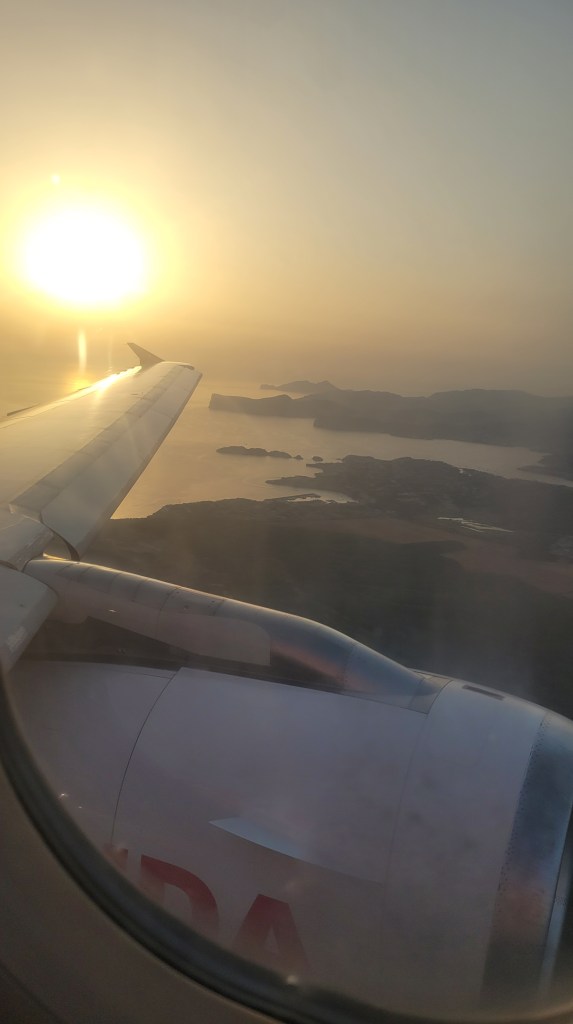
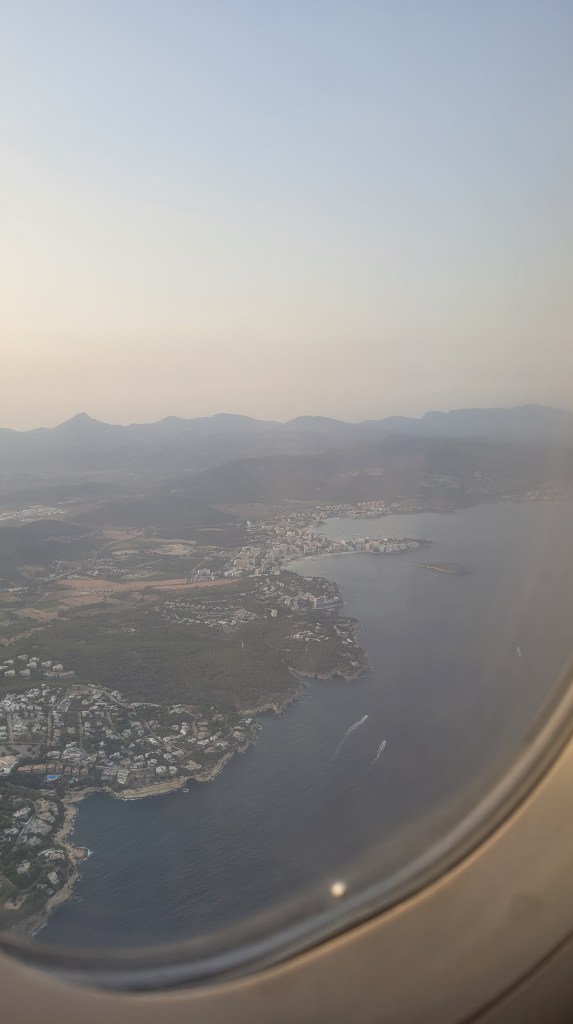
I needed the sun, the heat, the food and some days to shake my head what was all that about! 🙂 Luckily, the environment was totally different and easy going so I had enough time to collect my memoirs. 😉

We had a great hotel just at the sea side on the western part of the island: Cala Major. For the next 2 weeks – I was living and breathing the sea 24/7. I went to bed listening the waves. I woke up hearing the waves. I read books at the balcony with the view on the Mediterranean sea and Palacio Marivent.
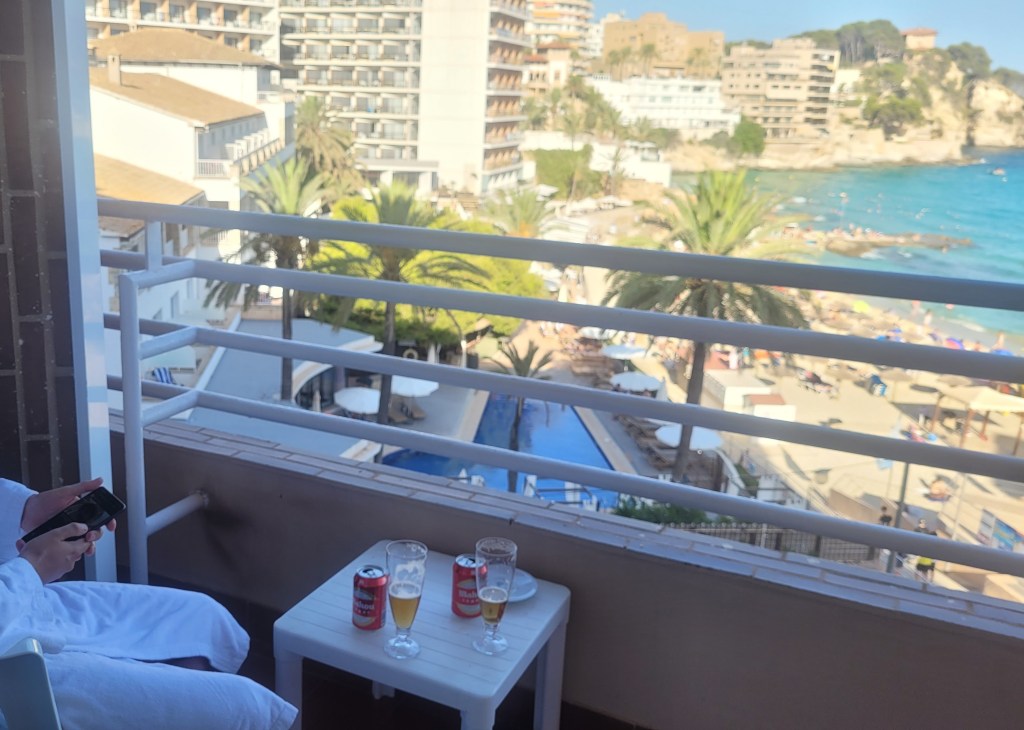
The Palace of Marivent (which in English means Palace of Sea and Wind) is a modern palace built in the 1920s and is the summer residence of the Spanish royal family. Imagine the life! 🙂

However, I did spot a local stubborn house that just doesn’t want to be replaced by enormous hotel and surrounded by the beton. Here is the photo of the hero!

While enjoying the beach pictures, let us explore the history of this island. It is not as rich as Sicily, but still worth diving in and understanding the surroundings.
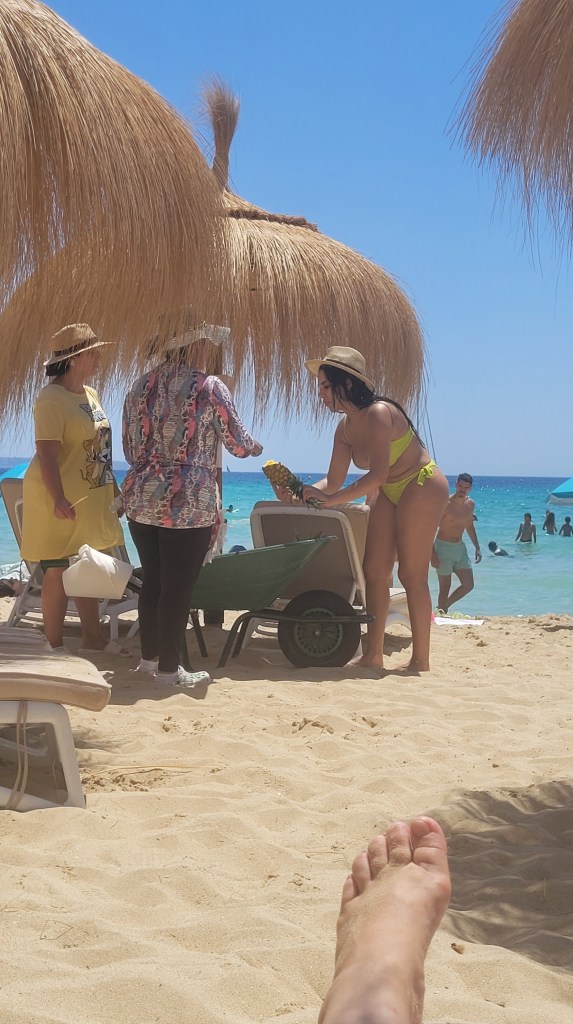
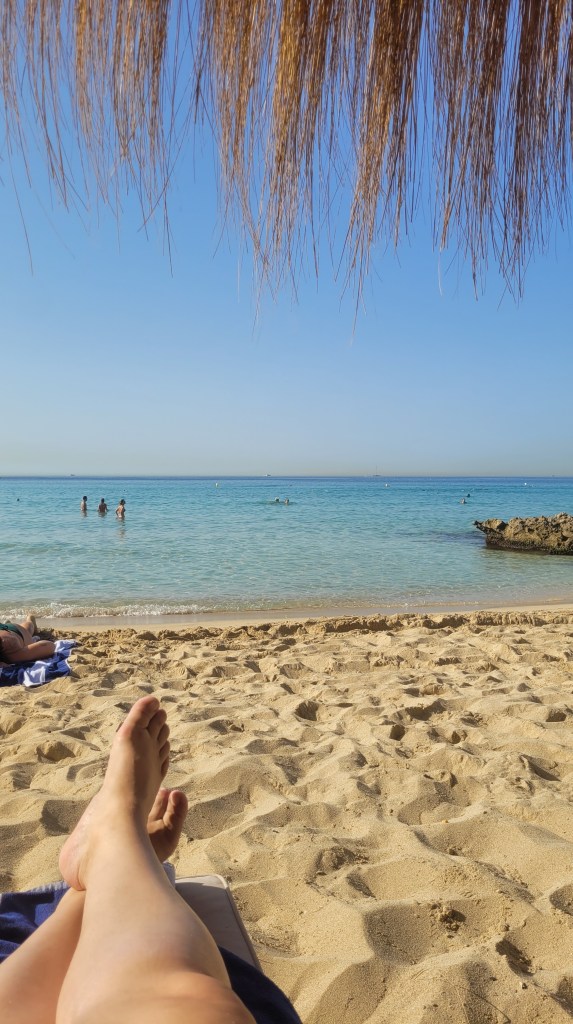
Mallorca is the largest of the Balearic Islands, which are part of Spain, and the seventh largest island in the Mediterranean Sea. The capital of the island is Palma de Mallorca.
The name derives from Latin insula maior, “larger island” in comparison to the other nearby smaller island of Menorca.
The Balearic Islands were first colonised by humans during the around 2500–2300 BC by people associated with the Bell Beaker culture. Mallorca was part of the Second Punic war when Carthagans lost from Roman Empire. In medieval times, Mallorca was taken by Arabs – as the most of Spain until King James I of Aragon, also known as James the Conqueror, launched an invasion and took over the island. So by now you can see that the island is rich in heritage. 🙂 Let me show you the examples through the architecture and food when visiting Palma.
Palma de Mallorca

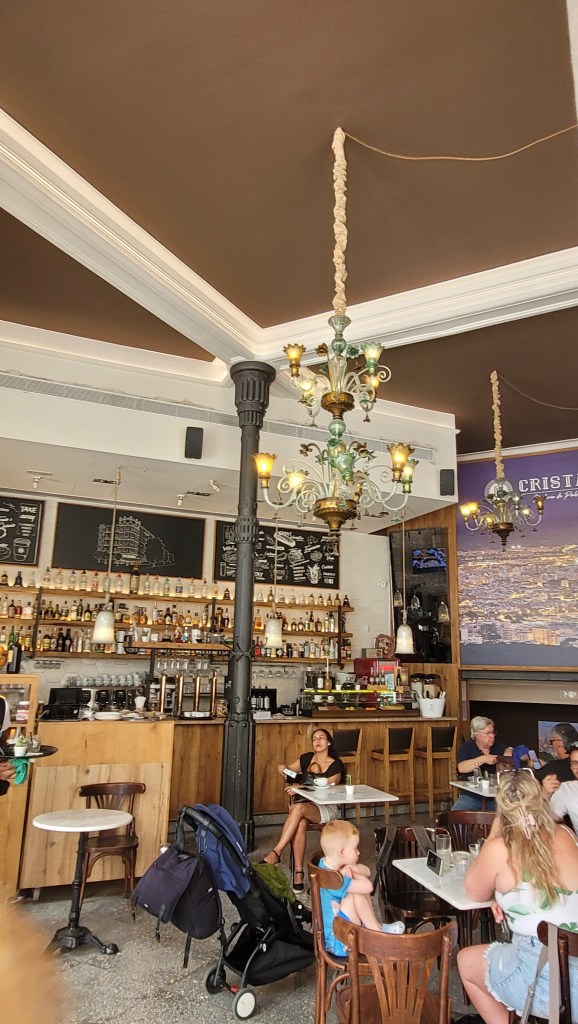

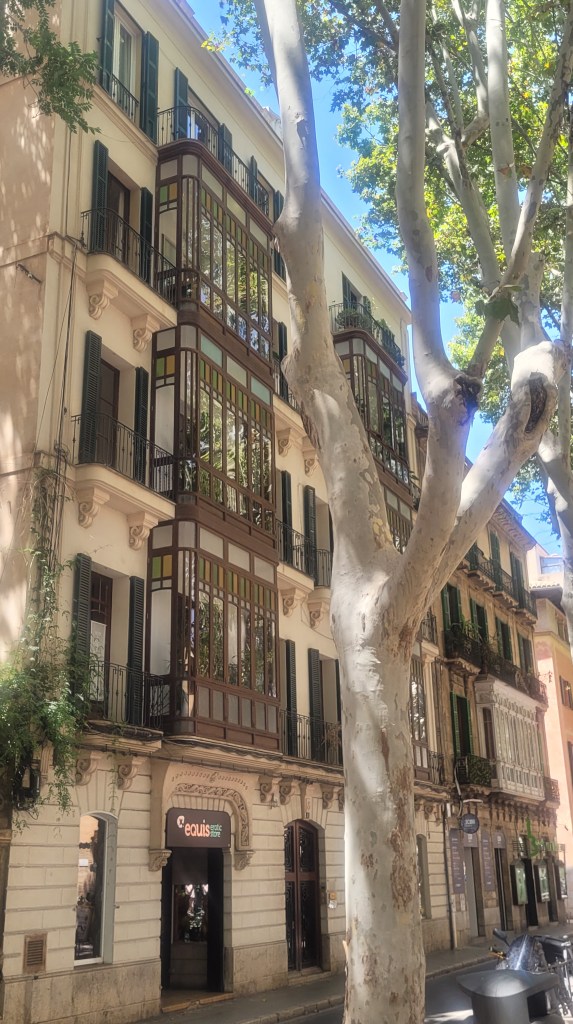
Palma de Mallorca is a stunning city with a variety of special places to visit. From the old town to the white sandy beaches, there is plenty to see and do. I enjoyed the typical Spanish balconies but noticed the other influences as well.

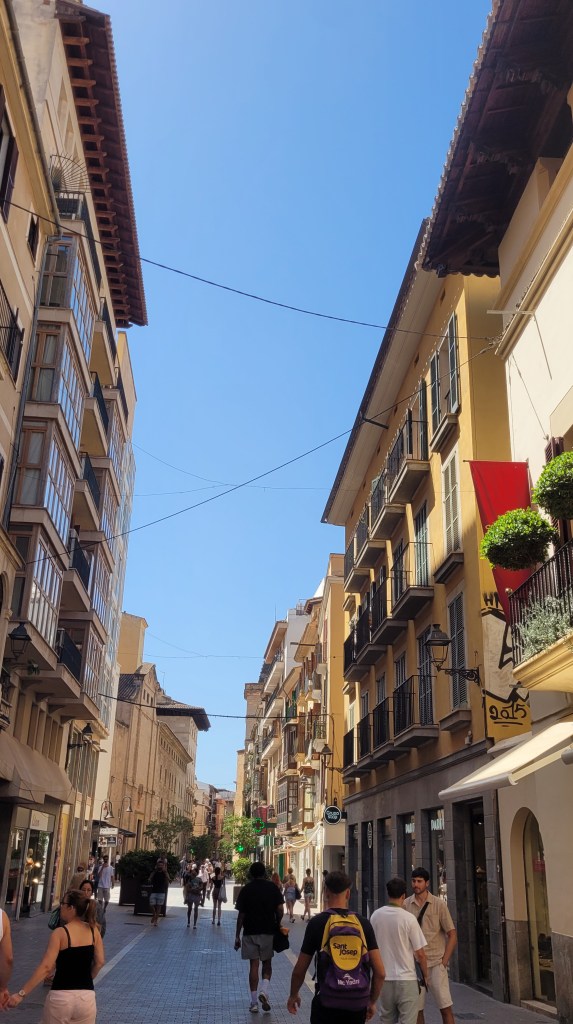


We discovered the house /bar Abaco with its splendid baroque epoque. Its name “Abaco” was taken from the enormous abacuses that the columns of the entrance hall have, where carriages and horses used to enter. From the entrance hall begins the impressive staircase that goes up to what is the house itself, since the ground floor was only usable for dismounting. In the entrance hall or entrance patio is the bar, with a rectangular bar, tables and armchairs upholstered with Mallorcan fabrics with tongues, 17th century style, and old paintings. I mean, just look at the beauty and immerse into baroque / roccoco !

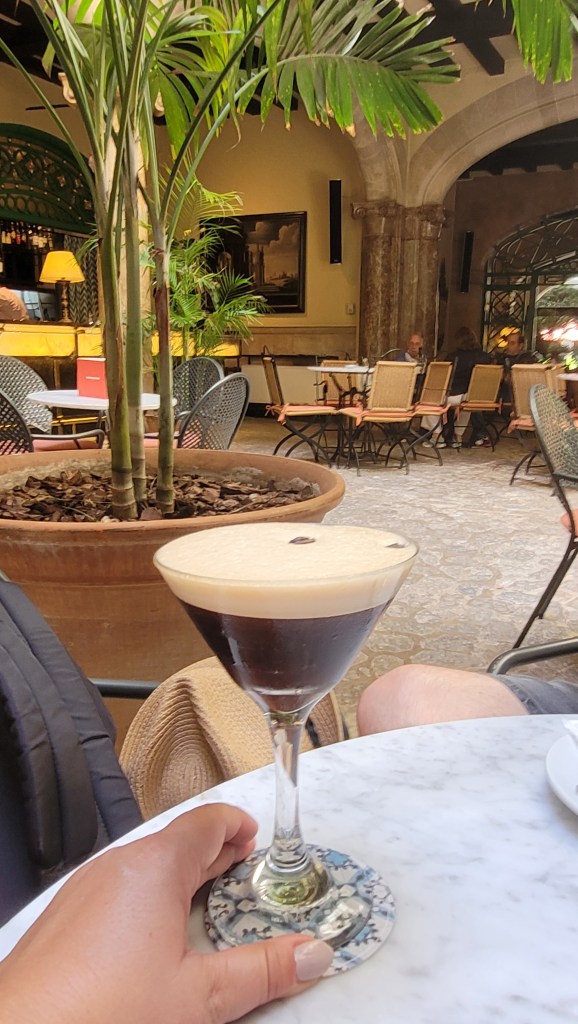
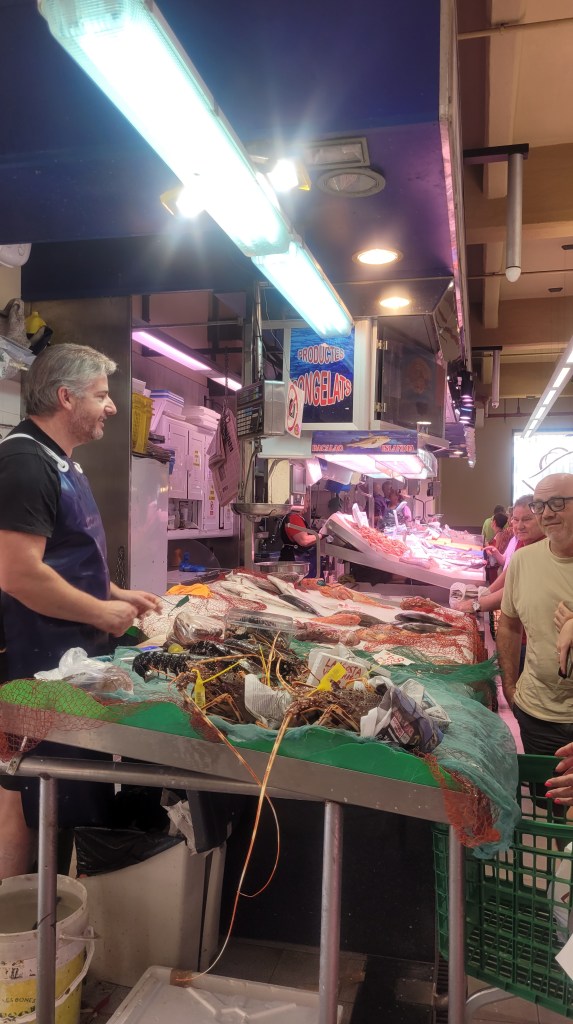
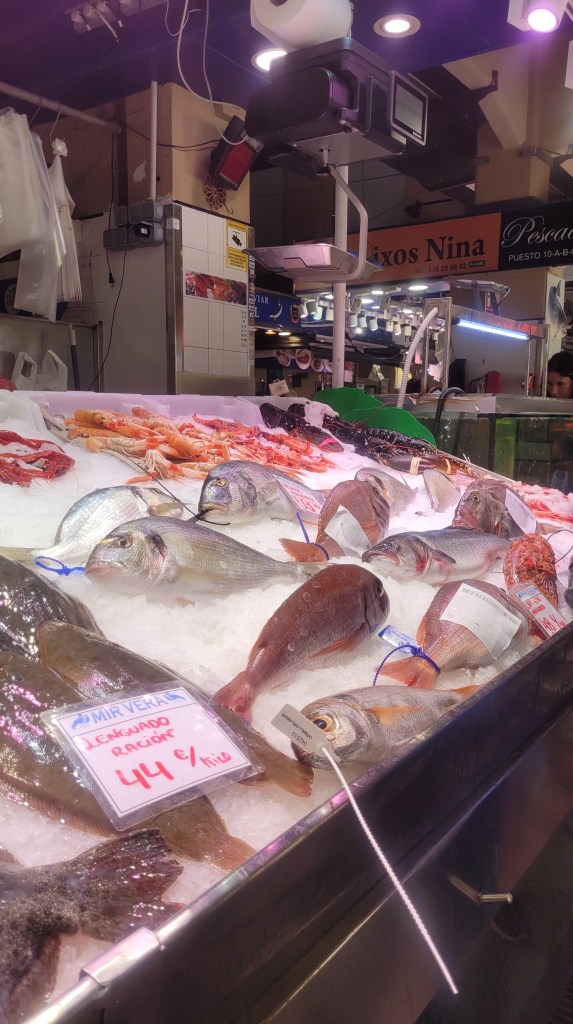
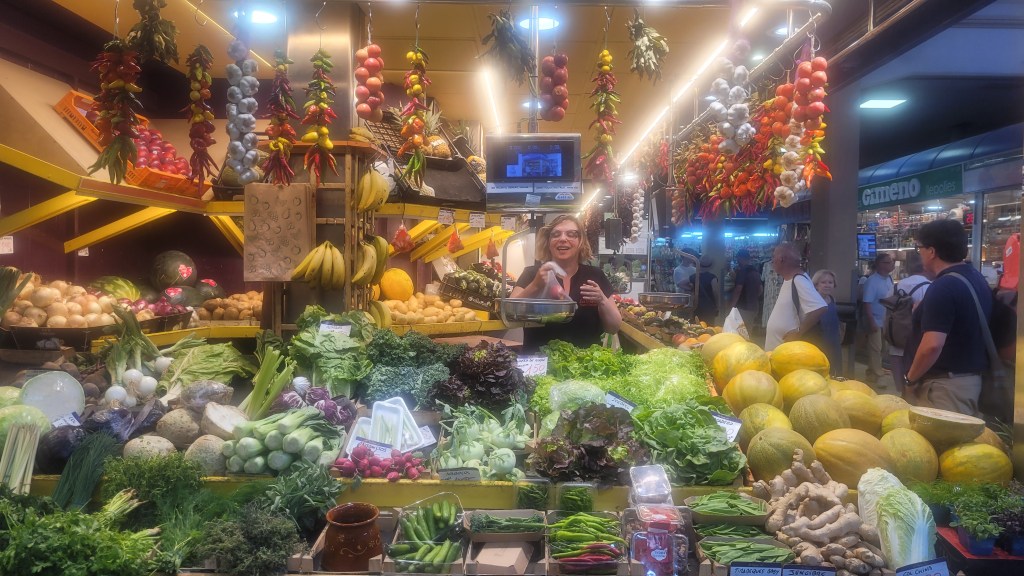
In case you got hungry: the simple food will make you fill the best tastes. The Mercat de l’Olivar is just nearby where vendors sell produce, cheese, seafood, pastries & prepared foods in a light-filled historic hall.


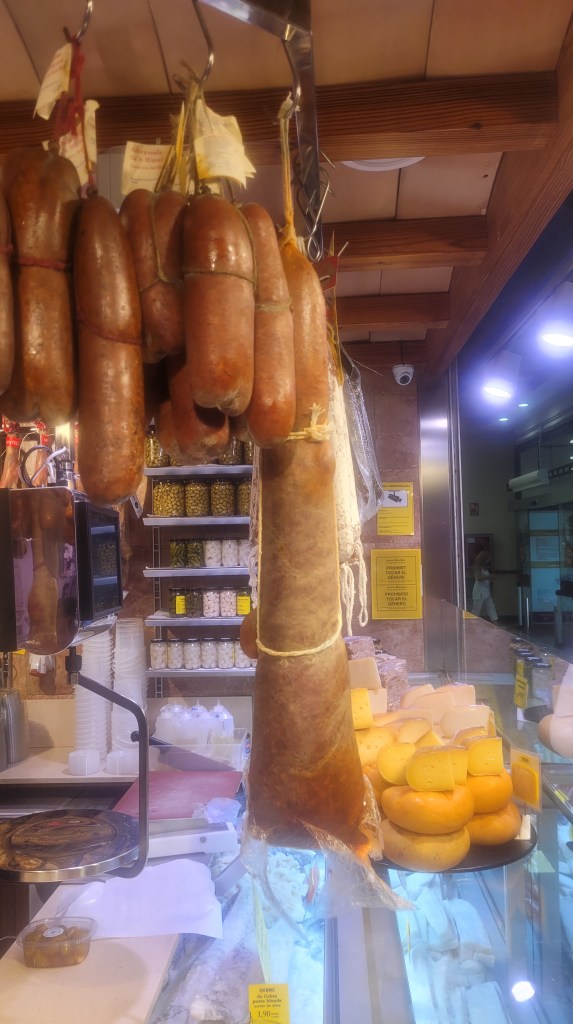
I got to taste the home made local cheese called manchego. This is an artisan cheese made from manchega sheep’s raw milk. It is of a hard taste and definitely worth a try.
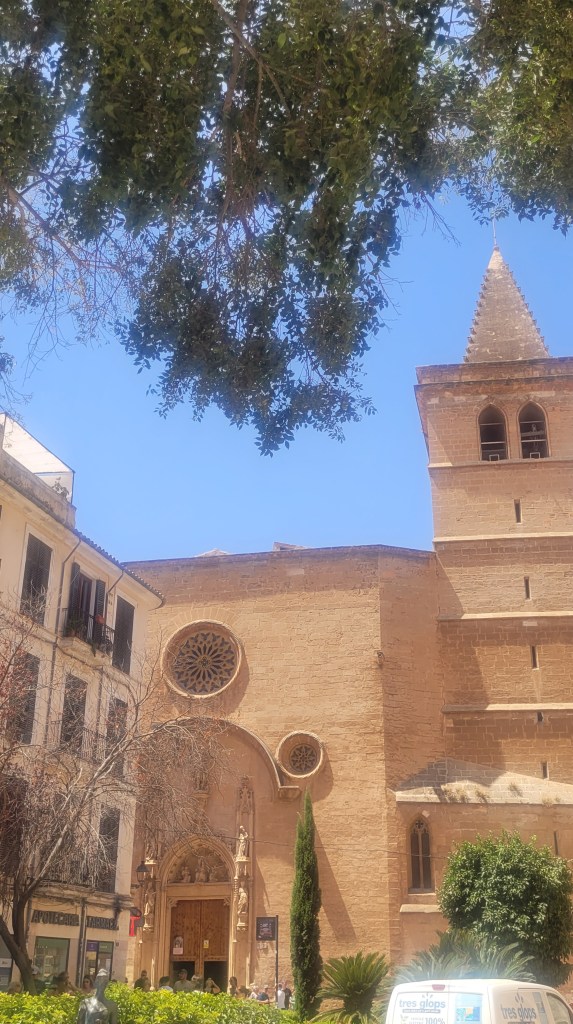
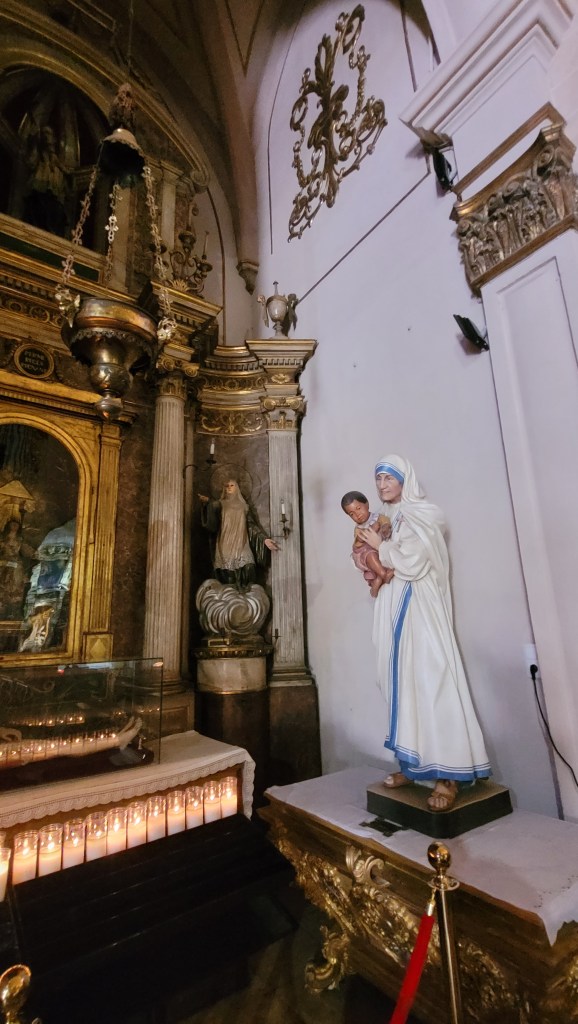
Exploring the Palma, our next stop was Basílica de Sant Miquel de Palma. It is a 13th century romanesque and later gothic-style church. Legend has it that it is dedicated to the Archangel Michael because he was the patron saint of the Dominican friar who was the confessor of James I of Aragon the Conqueror.

Narrow little alleys, small shops and pretty restaurants invite you to spend a relaxing day in summer style. Afterwards, engage in some hardcore shopping along Avinguda de Jaume III street. Or perhaps find the shadow in the Paseo del Borne – Palma’s version of La Rambla de Barcelona.



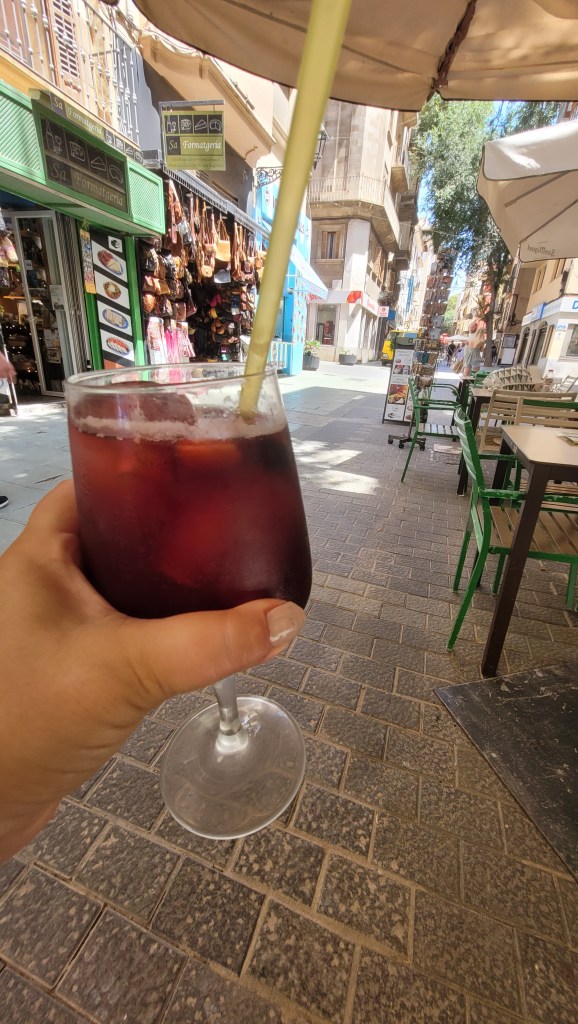
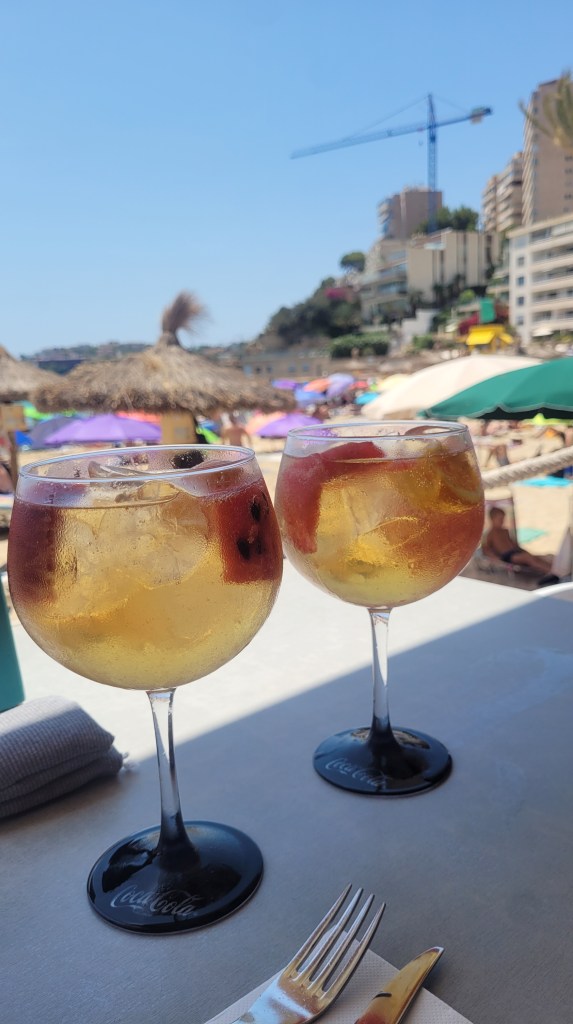
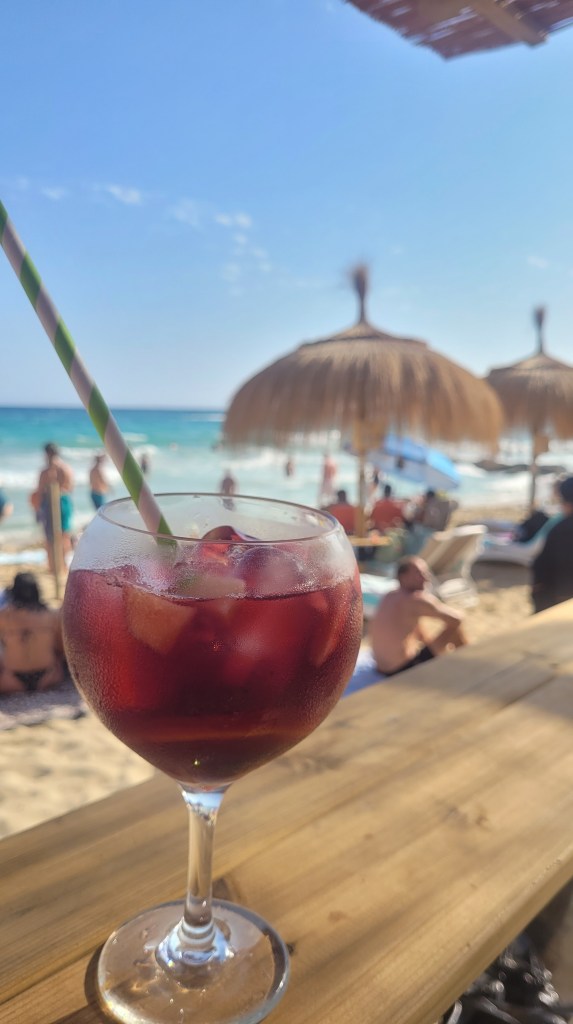
August in Mallorca is super hot. I was mostly refreshing myself with the sangria of vino tinto.
Shops, art galleries, museums, impressive buildings, glamorous hotels, a superb harbours and breath-taking old town make Palma an absolute it-place.

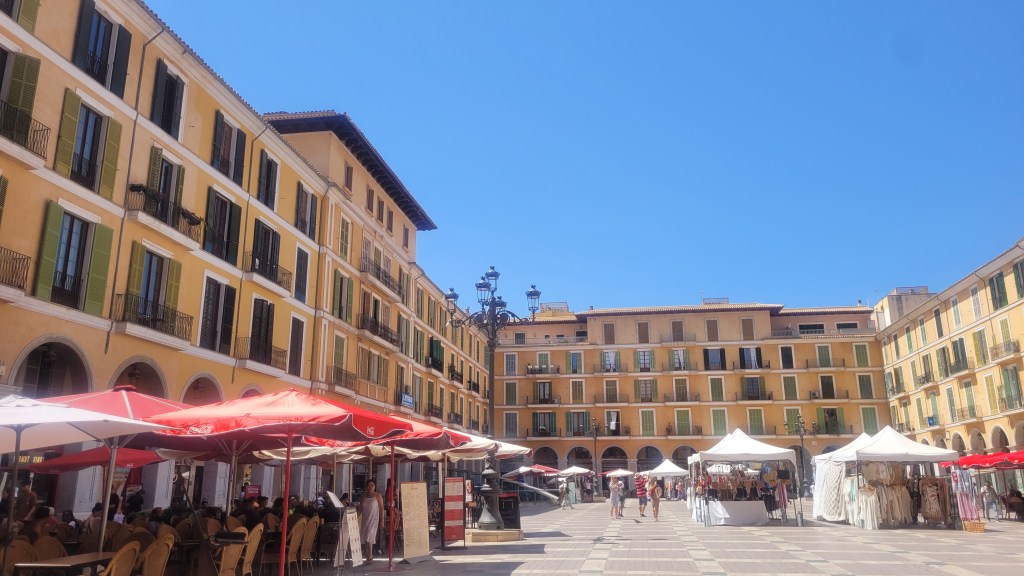
The Plaza Mayor is the main square of Palma de Mallorca and has witnessed many historical events over the centuries. For example, during the Middle Ages, the square was the site of bullfights and public executions. And during the 19th century, it was the site of political meetings and popular demonstrations. Today, the Plaza Mayor is a quiet place where tourists and locals gather to enjoy the atmosphere of the city.
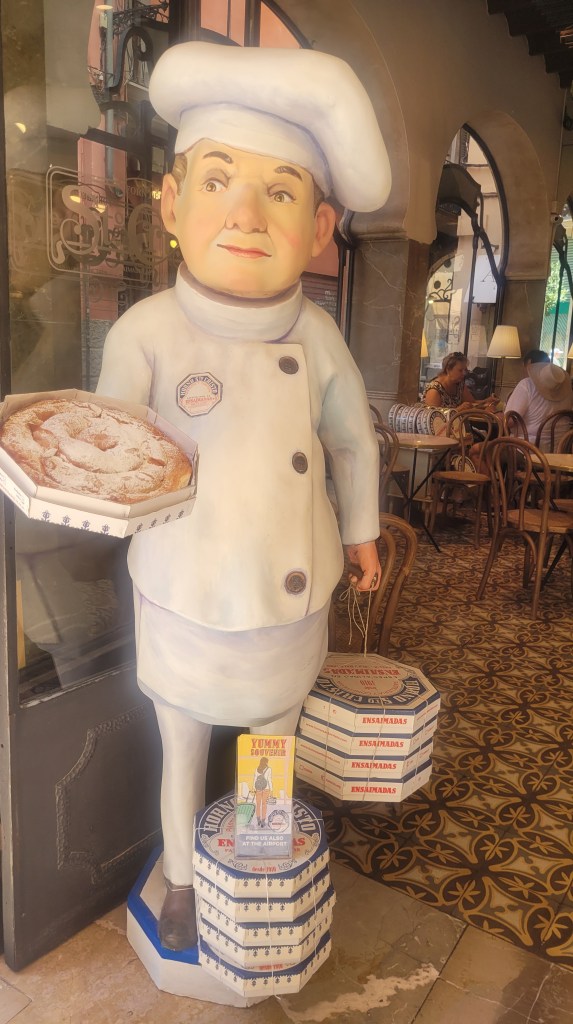
The ensaïmada is a pastry product from Palma. However, I did trace it around the world in places like commonly found in southwestern Europe, and Latin America.
The City Hall is 17th century building located in the Plaza de Cort in Palma, has a baroque façade with mannerist elements. An ancient olive tree is another popular attraction of this square. The 600 year old ‘Olivera de Cort‘ grown tree is considered to be a symbol of peace.


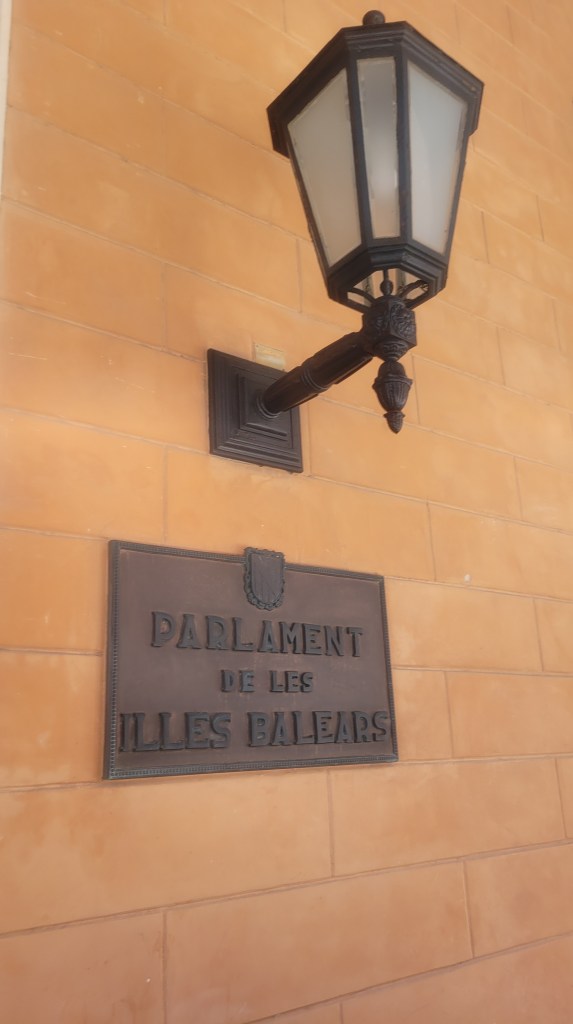
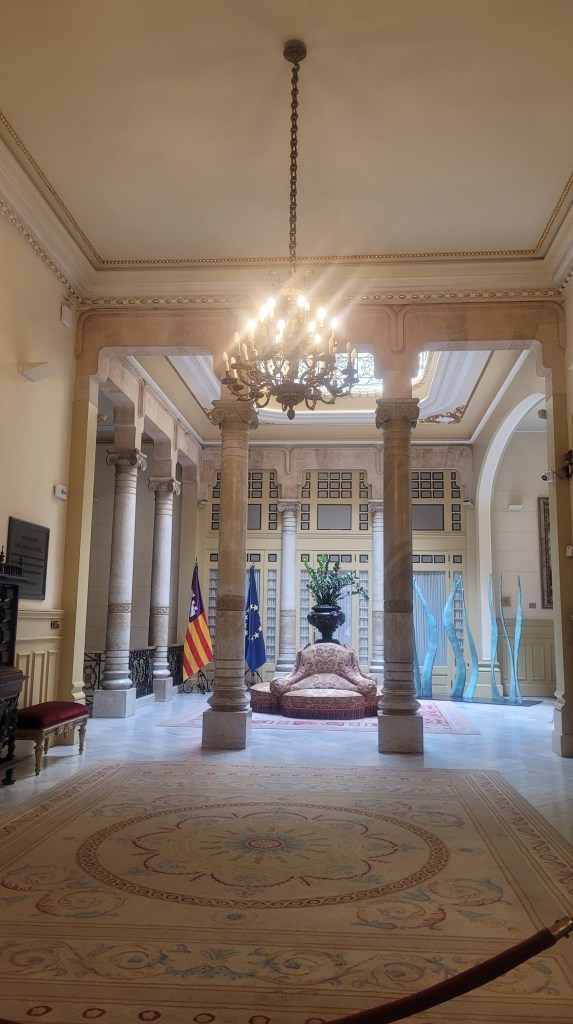
And just nearby is the Parliament of the Balearic Islands. A politologist in me flew directly into the building. We could enter only to the main hall and take photos. The building is astonishing!
Palma’s cathedral, known as La Seu among Mallorcans, is the result of a promise that was fulfilled. King James I built it in homage to Saint Mary after entrusting himself to her in the middle of a shipwreck. The monarch was saved and, upon his return, decided to honour his faith by ordering the construction of a cathedral which was once reflected on the sea’s surface.
As is usually the case with this type of building, the construction of Palma de Mallorca’s Cathedral took several centuries, thus becoming a faithful account of time, cast in stone.

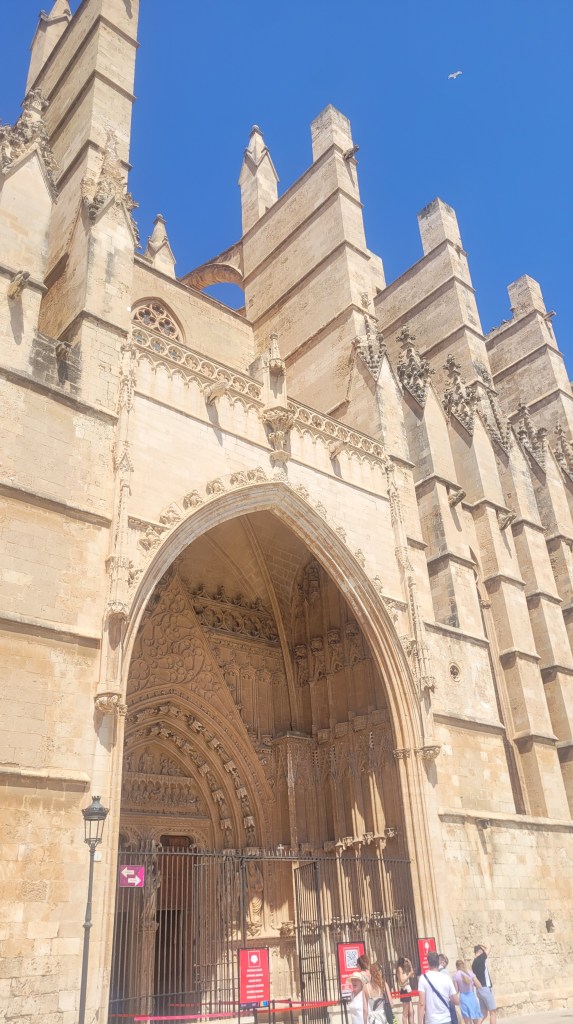
The cathedral of Palma de Mallorca was built in 1229, which is why it is architecturally considered a Gothic temple, although its main doorway was completed in 1601 and belongs to the late Renaissance period.

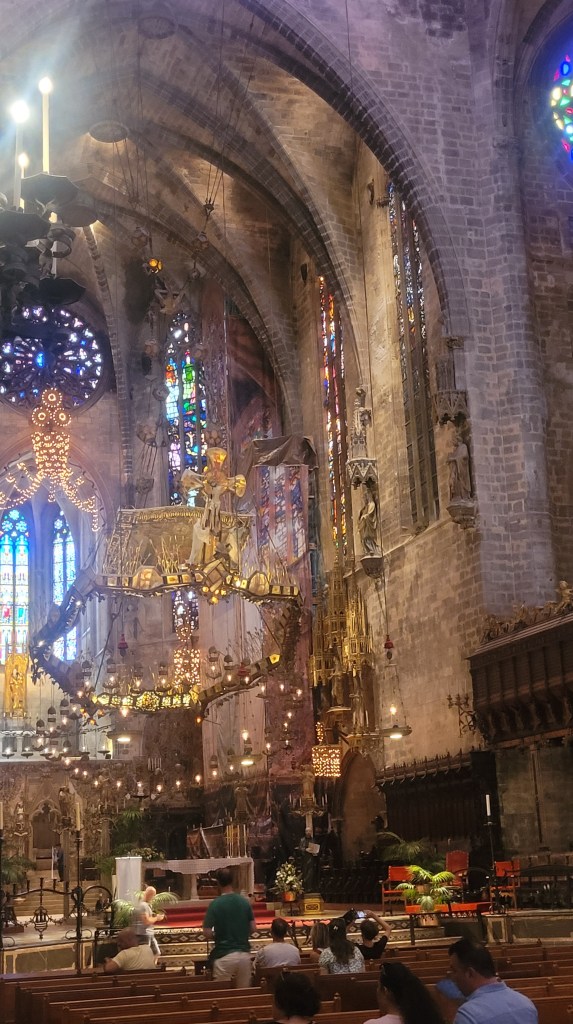

Palma Cathedral also has seven rose windows and 87 windows in total. I have wandered a bit longer inside as the light-play was having its own show!
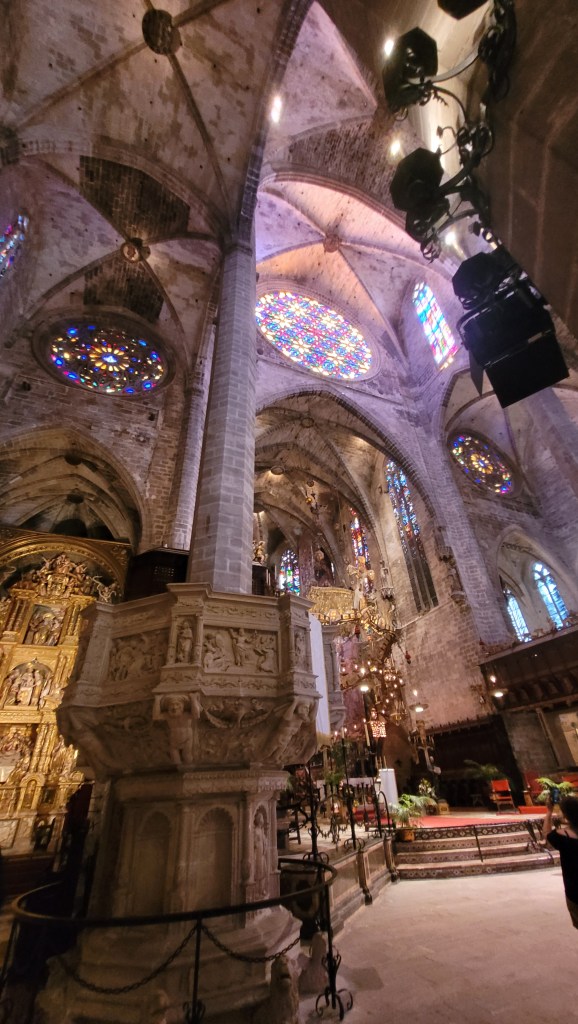
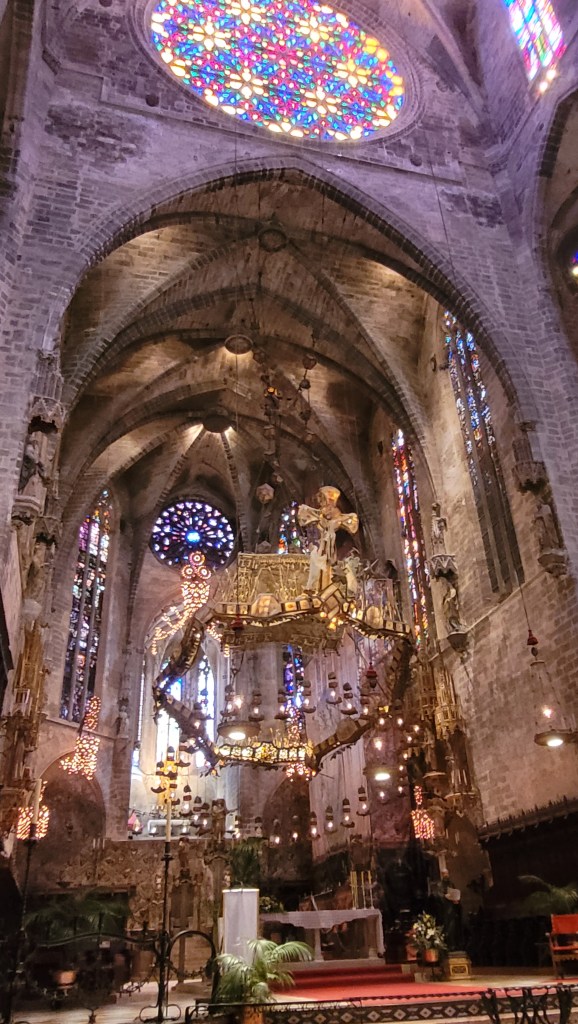
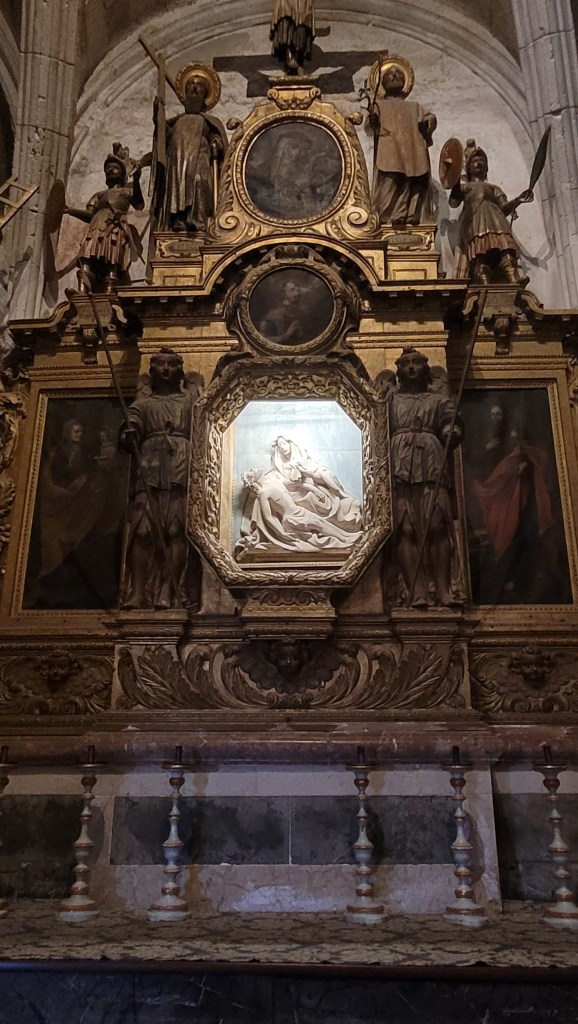
Sant Sebastià is revered in Palma as the saint who save the city from the plague. I found this flemish renaissance influenced painting in the cathedral. Saint Sebastian was a captain in Roman militia in 3rd century. He turned into a Christianity and condemned to death. After being shot through with arrows, he was healed by a woman called Irene, who was moved by their shared faith.
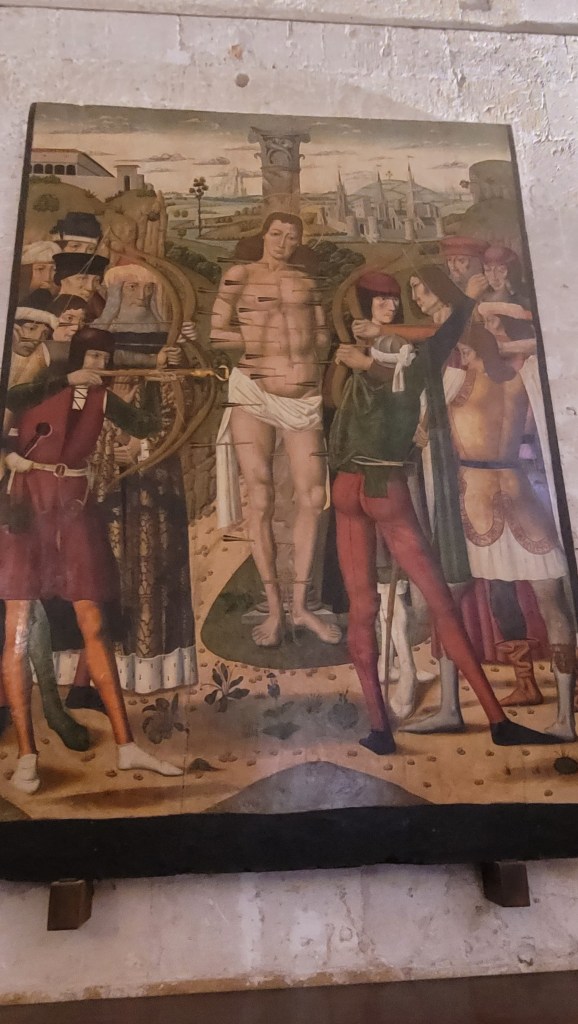
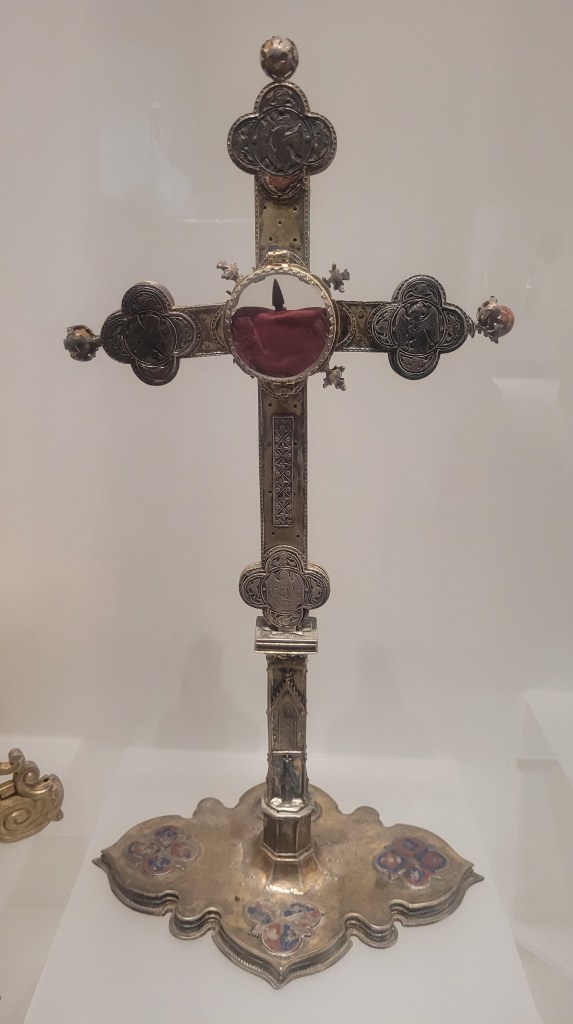

When a bone from his arm came to Palma in 1524, it was thought to have brought an end to the plague that had engulfed the city. Together with the bone, Cathedral holds his Cross Reliquary of San Sebastian.
Margaret of Antioch was a Christian martyr who died due to her Christian faith during the persecutions of Emperor Diocletian. As Diocletian was from Split, Croatia, I found the painting interesting to remember. The panel depicts the saint holding the palm representing her martyrdom with the demon at her feet. The demon was her demour but she managed to kill him with the simple scratch of the crucifix.

The Cathedral has more interesting pieces to tackle your mind: the Reliquary of True Cross. According to a legend, Saint Helen found the cross where Jesus was executed. Its numerous fragments were distributed all over the world (including to the Notre Dame de Paris). This particular reliquary is decorated with the mother-of-pearl pelican, the symbol of Christ.

The symbolism of the mother pelican feeding her little baby pelicans is rooted in an ancient legend which preceded Christianity. The legend was that in time of famine, the mother pelican wounded herself to feed her young with her blood to prevent starvation.
In the Cathedral you can find the Reliquary of the Christ’s robe and one part of the crown – particularly the Reliquary of the Holy Thorn.
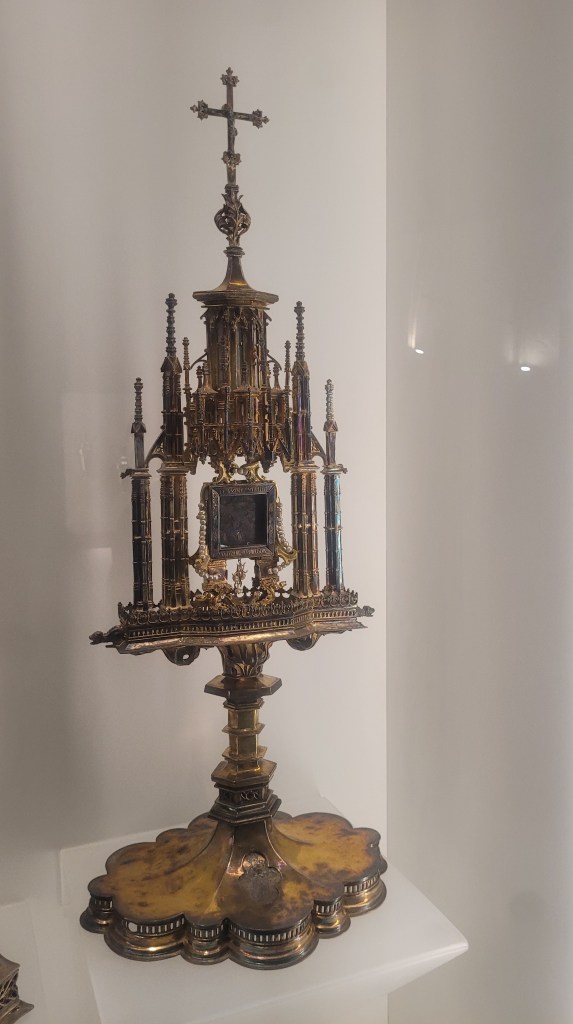
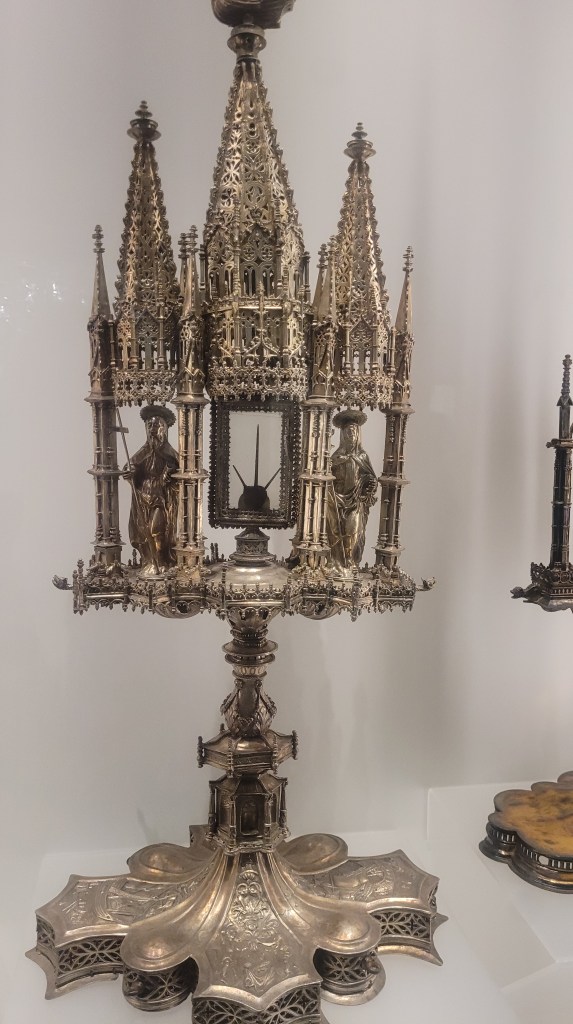
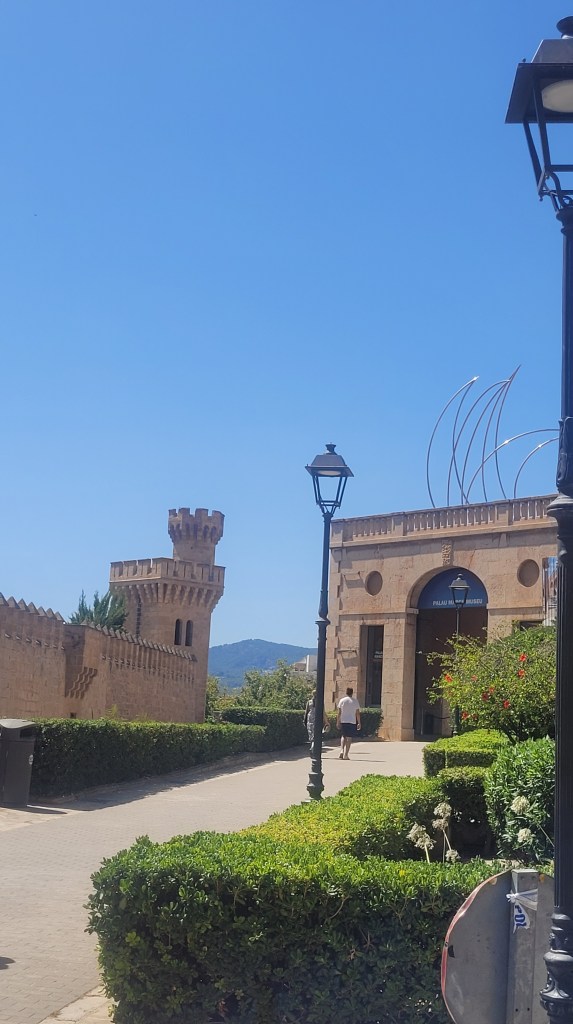
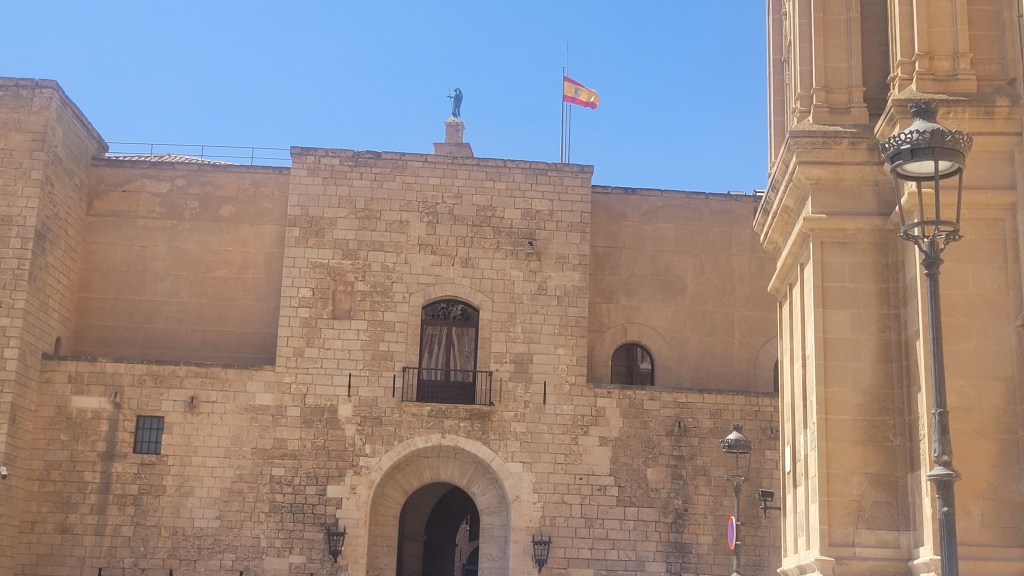
When you get out of the Cathedral you stumble to the Royal Palace of La Almudaina: originally an Arabian fort, this grand palace is used by the Royal Family for various events. This imposing alcázar was rebuilt in early 14th century by the King James II of Majorca, according to the model of the Royal Palace of Perpignan.
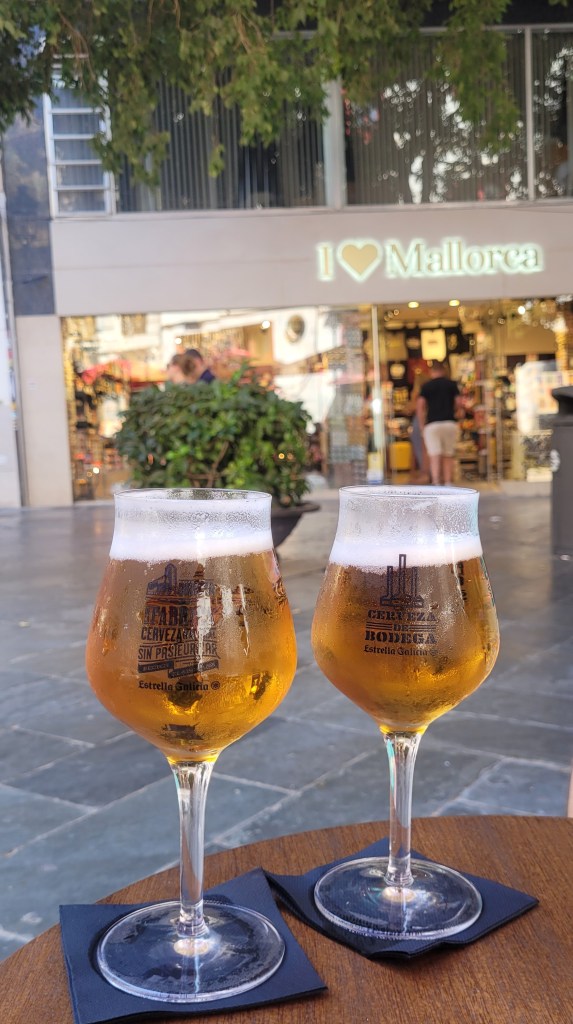
Time for the local beer. I hope Saint Peter won’t mind (while holding his keys of Paradise). 🙂 It was super hot, and in the Cathedral was humid so this one came as a refreshment. I needed as well to shake my head what were all these relics about.

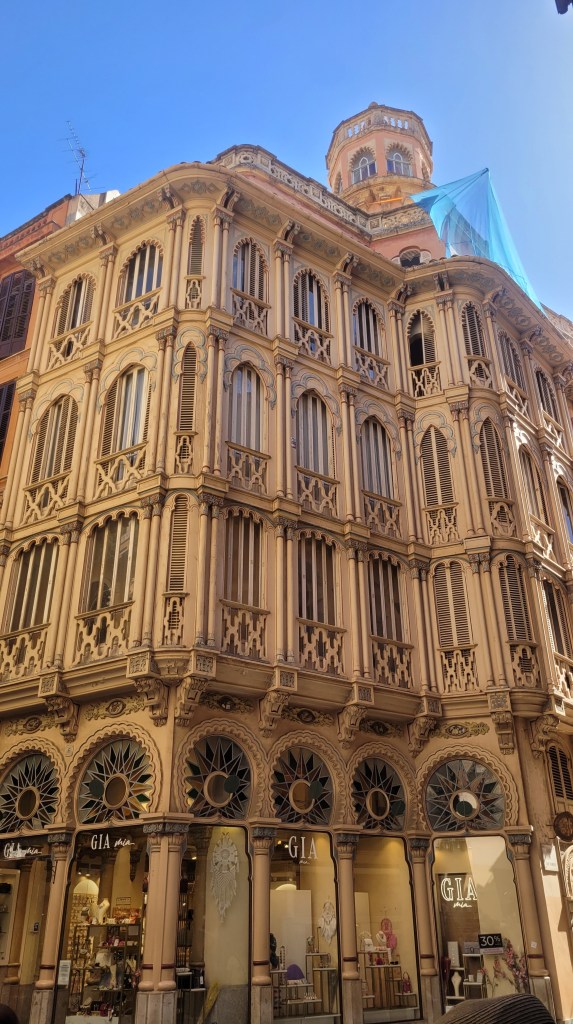
But the didn’t finish- yet. There was more architecture to discover. One thing I find particularly striking is the eclectic architecture in and around its Old Town. With architectural styles ranging from the Gothic splendour of the 13th century Palma Cathedral to whimsical 20th century Art Nouveau façades.


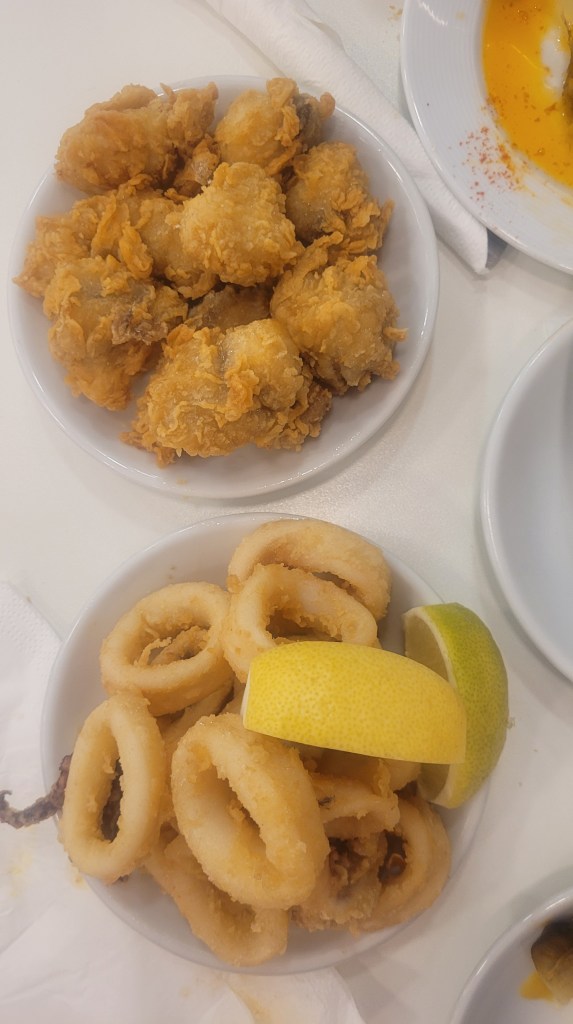
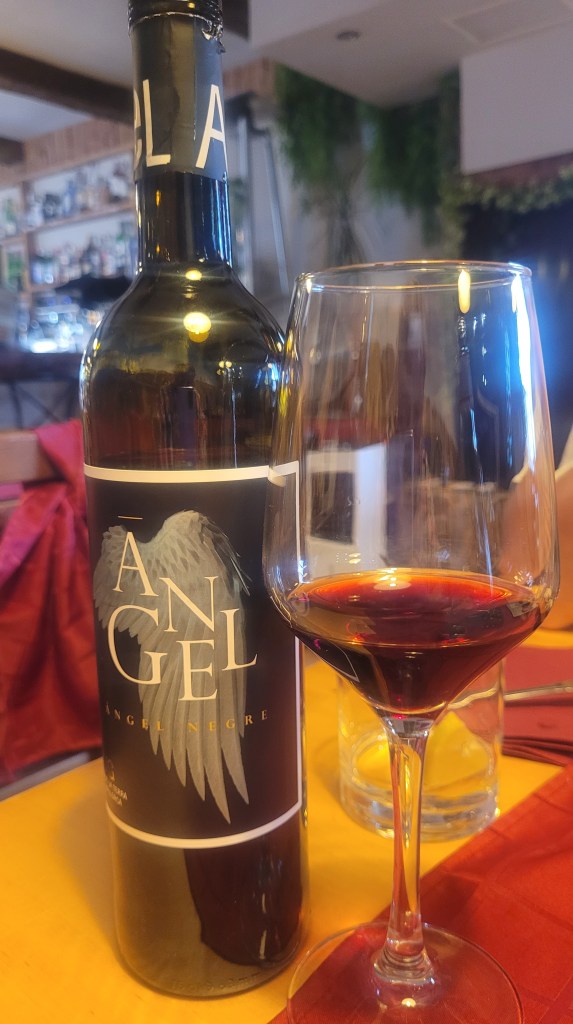
As the Mediterranean highlight it is, Palma, of course, offers a large amount of spectacular restaurants. We didn’t have to walk much further to get an experience. 🙂

Port de Sóller
Mallorca’s landscape couldn’t be more varied. While long, flat, sandy beaches characterise the coasts, where sun-seekers can bask in the warm rays before refreshing themselves in the cool sea, the interior of the island offers extensive mountainous hinterland just crying out to be explored.
From Palma you can take the old-fashioned tourist tray. The ride takes one hour and 20 minutes and it’s an experience for itself. Sometimes is super hot, sometimes super cold and humid as you pass through the mountains and tunnels.


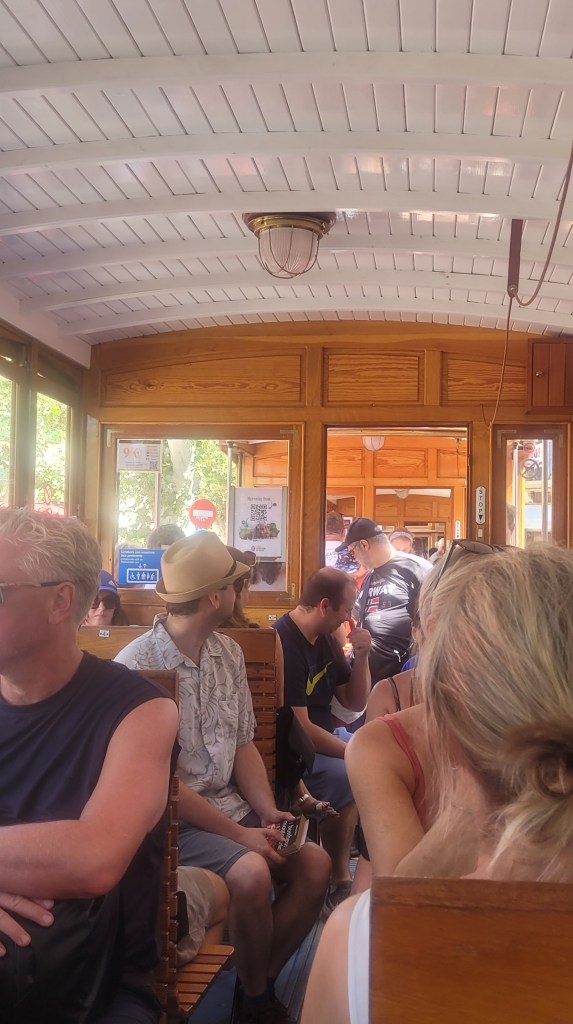
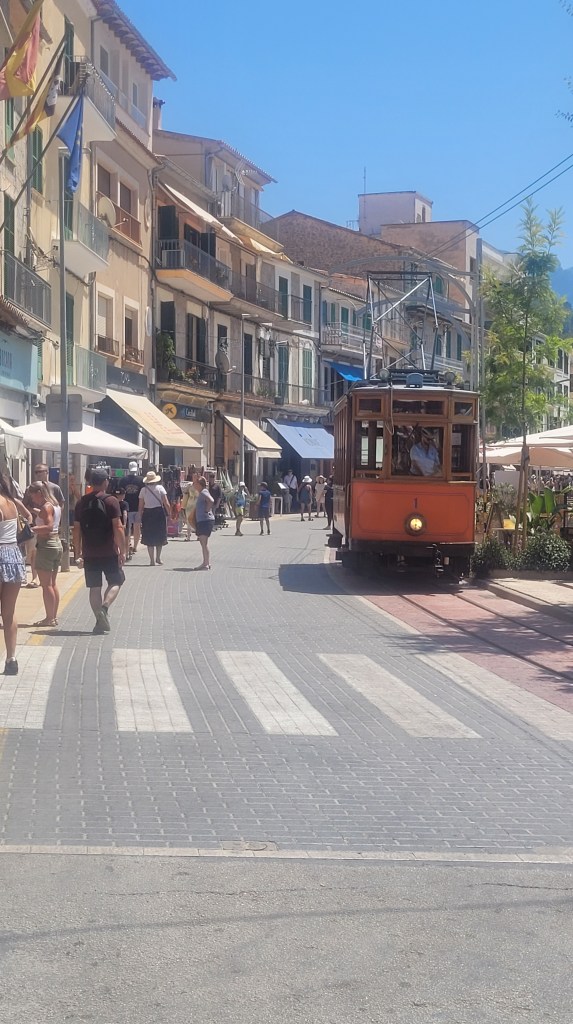
The train brings you to city of Soller and then you have to take 10 min tram ride to go down to the beach where everyone is going: Port de Soller.

Soller is the city at the north-west of the island. And what a city! A total tourist jewel. But first things first – lunch! The ride through the Tramuntana Mountain ranges was the entire morning long.
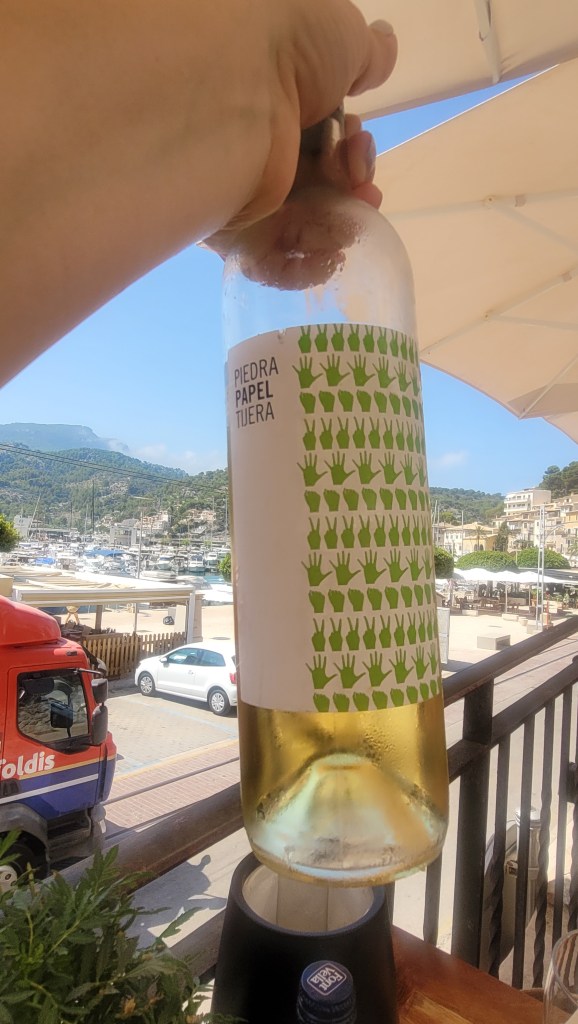


The port is filled with traditional white fishing boats and lined with bountiful restaurants and bars all serving the fresh catch of the day and jugs of delicious sangria. In other words, you have arrived in heaven.


This eponymous port traded fruit, olive oil and textiles with France during the 18th and 19th centuries. And after becoming wealthy, they brought the money home and built houses in the French style. This is why Sóller is full of Art Nouveau gems.

Later in the 60s, with the start of tourism, it became the place for poshy English. If you carefully look around, you can still find the traces of old menus from the epoche. As well as the old prices!

Known as the ‘Valley of the Oranges’, Sóller is a pretty, traditional town in the Tramuntana mountains. To be honest, I found it more interesting than down at the Port de Soller.


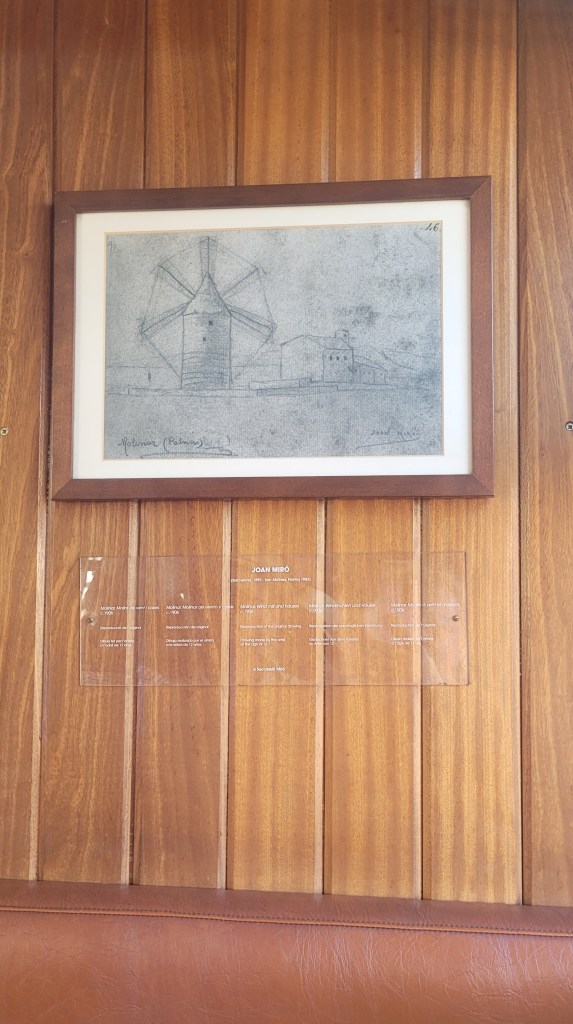
You wouldn’t believe but I stumbled on the two: the painters Joan Miró, one of the maximum exponents of abstract Surrealism, and Pablo Picasso, one of the founders of Cubism, were good friends for more than 50 years and they both bequeathed their work here – to the city of Soller in the form of centres devoted to their art.

Center of town in front of the cathedral, plenty of restaurants and seating area, careful of the trams as they pass through though!
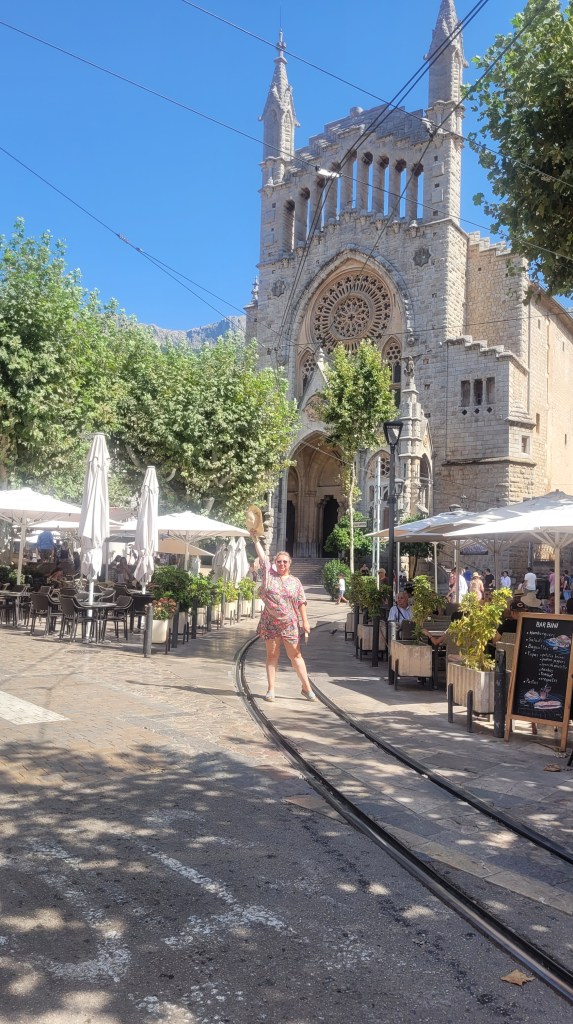

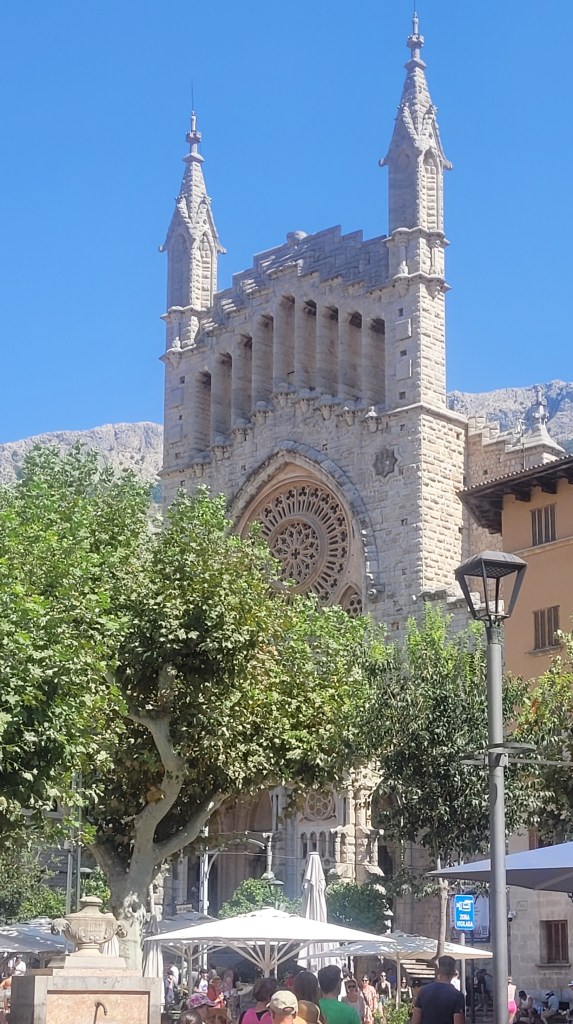
And the big trio is not a trio without a disciple of architect Antoni Gaudí, Joan Rubió. The town didn’t want to miss the wave of modernity and so Rubió set to work in 1904 on the renovation of the 16th-century Església de Sant Bartomeu. The largely baroque church (built 1688–1723) preserved elements of its earlier Gothic interior, but Rubió gave it a beautiful, if unusual, modernist facade.

Passing the Tramuntana
A popular excursion highlight is the mountain village of Valldemossa. Idyllically situated in a mountain valley, the village is more than 400m above sea level and offers a pleasantly warm climate – even in the height of summer.
We decided to rent the car. That was an experience. Not much organised, with the Mediterranean approach of sunny lazyness – we got super cheap and dirty car. The door was hard to open and there were some missing parts. No passa nada, es Mallorca!

So here we go to the adventure. First stop was to refresh and get the coffee. After all, it’s a vacation and no rush is needed. We stopped just before the city of Valldemossa in some local bar. I tried to understand a bit of catalan from the local men, but this was some deep deep mallorcan dialect.


This was a short 20 minutes stop. The road continued and I enjoyed the landscapes. The one thing that you should be very careful about is that there are a lot of sheep, goats, and donkeys roaming free and that they can appear just behind every turn there.

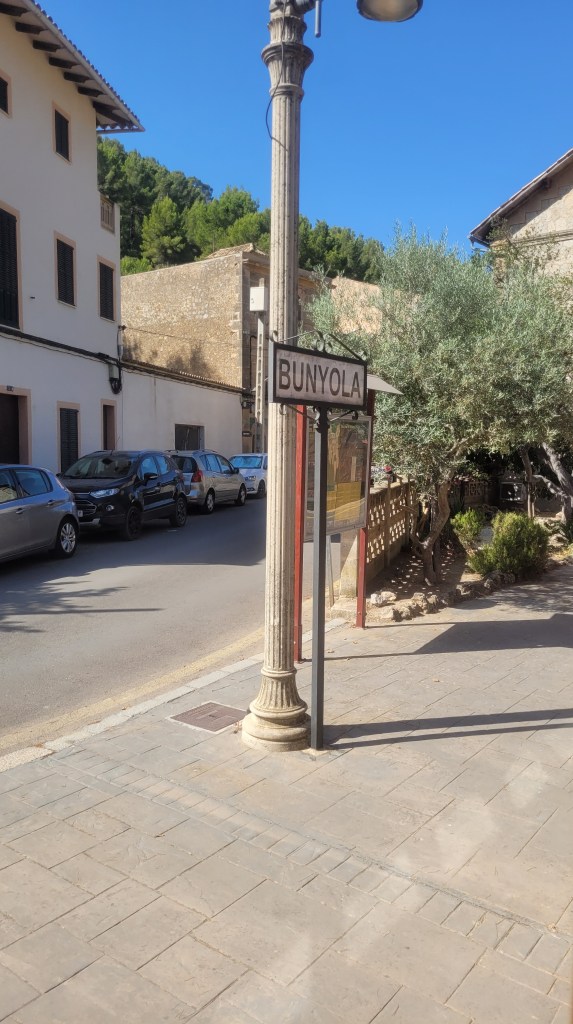
Driving towards Bunyola, our next destination was the former estate with a historic Gothic-style home, 18th-century water fountains & many palm trees: Jardins d’Alfàbia.
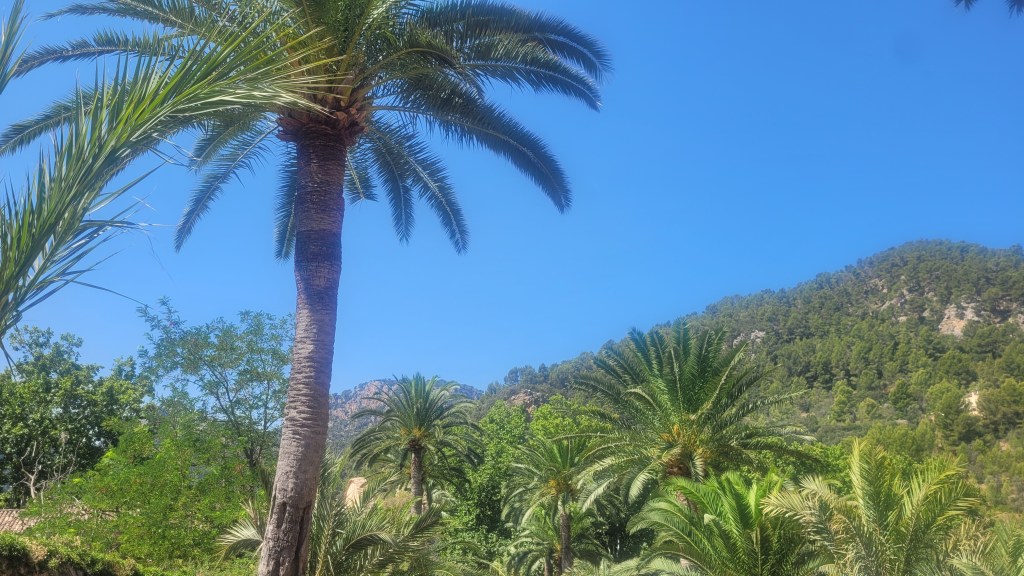
Alfabia is a complex consisting of a house and gardens and water pools located in Bunyola right in the heart of the Tramuntana mountain range. This complex appears in literature which dates from the arab era of Mallorca. The structure of the house has Roman-Andalusian roots. We find features and elements of different styles: Arabic, Gothic, Renaissance, Baroque, Roman, Rococo and even English in the decoration of the rooms.
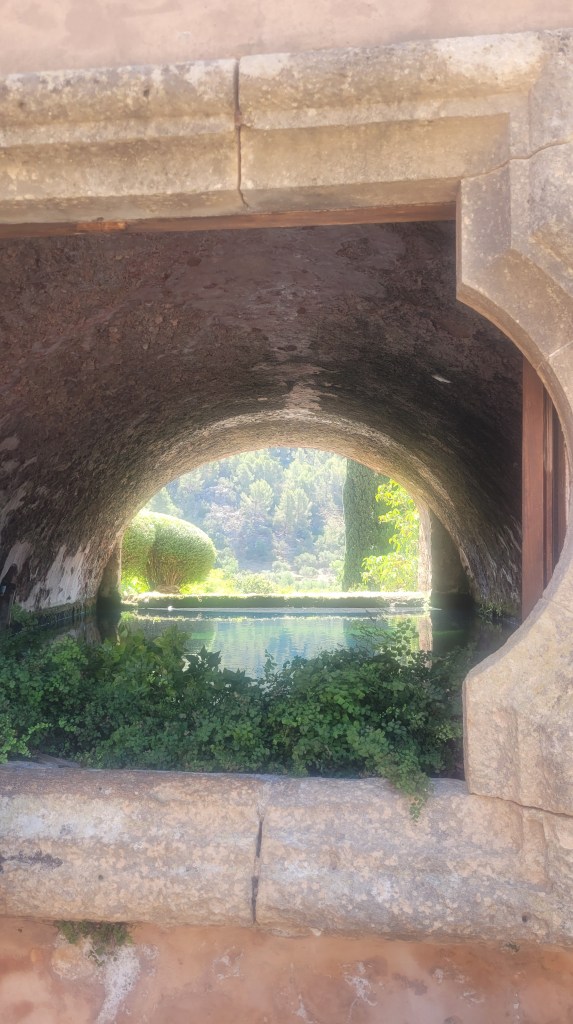

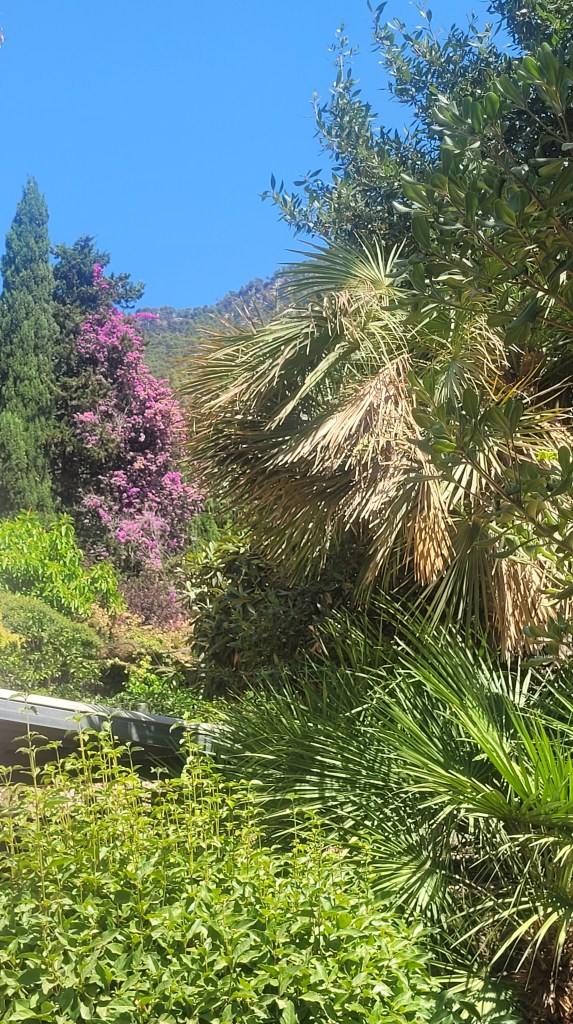


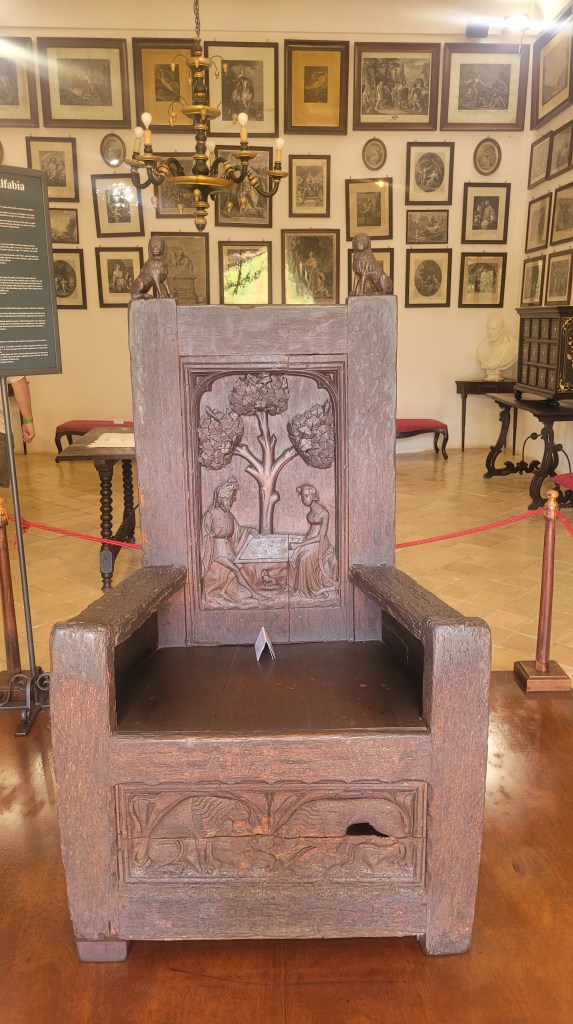
This astonishing place has a 15th century house with the typical furniture of the time. It really brings you back in time. I am always amazed with the full wood furniture.

One of the most astonishing pieces of furniture is the wooden chair carved with Tristan and Isolde playing chess.
In 1860 Queen Isabel ll spent the night in the house.

The part of the gardens consists of the orange trees and the owner is happy to offer you the canonita spritz. It comes as a nice refreshment in summer!


Inca
Moving forward – after not being able to get into the car. But hey, that’s the Mediterranean lifestyle! 🙂 We arrived to Inca. It was passed the lunch time – we only had some snack as nothing was opened.
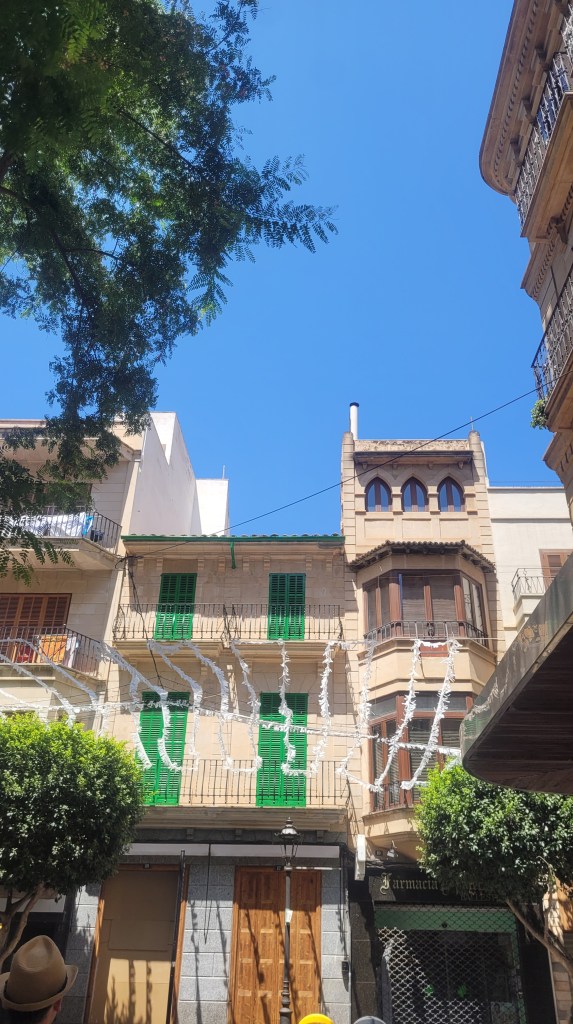
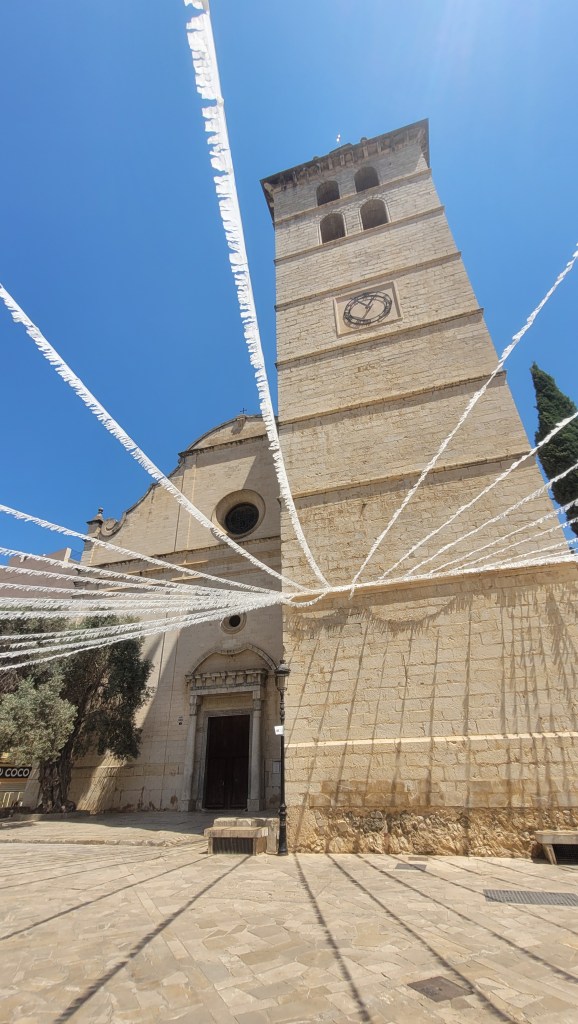
Inca is the third largest town on Mallorca. The surrounding land is particularly fertile, and home to lots of large orchards and groves.

Alcúdia
On the eastern coast we found a large resort popular with tourists. Alcúdia’s name derives from al-kudja, Arabic for “on the hill”; referring to a Moorish farmstead created nearby.
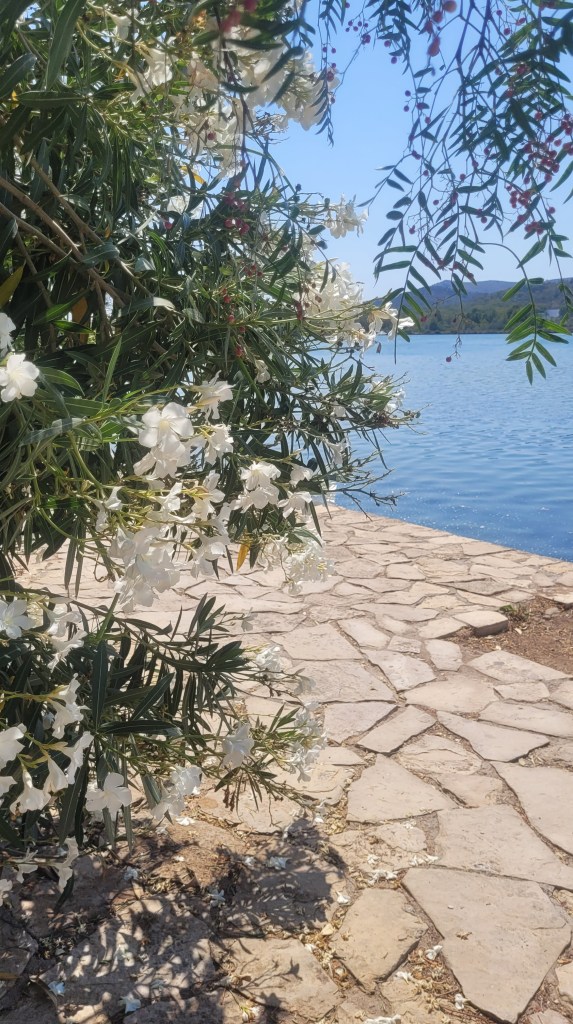

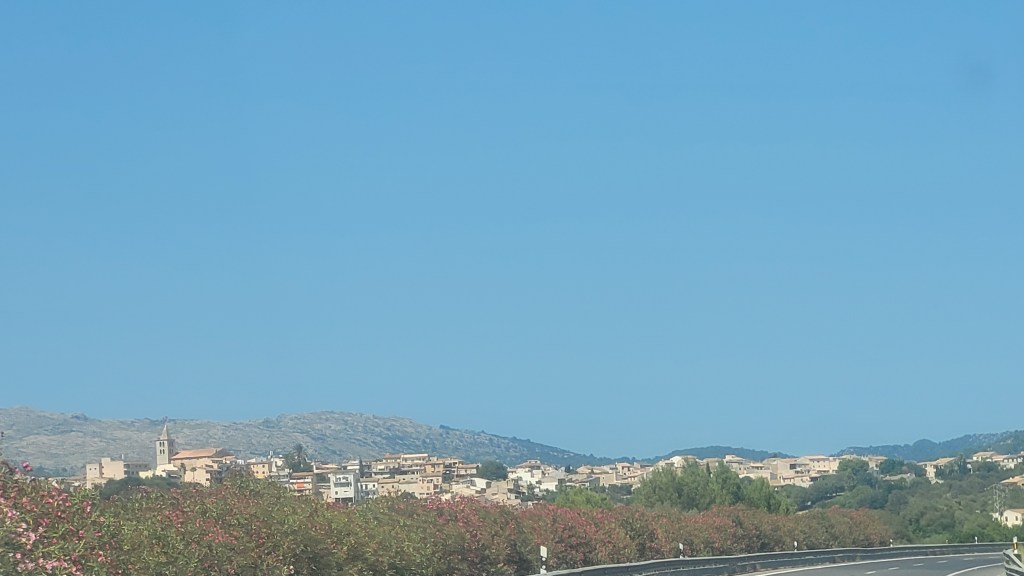
And that was the trip.
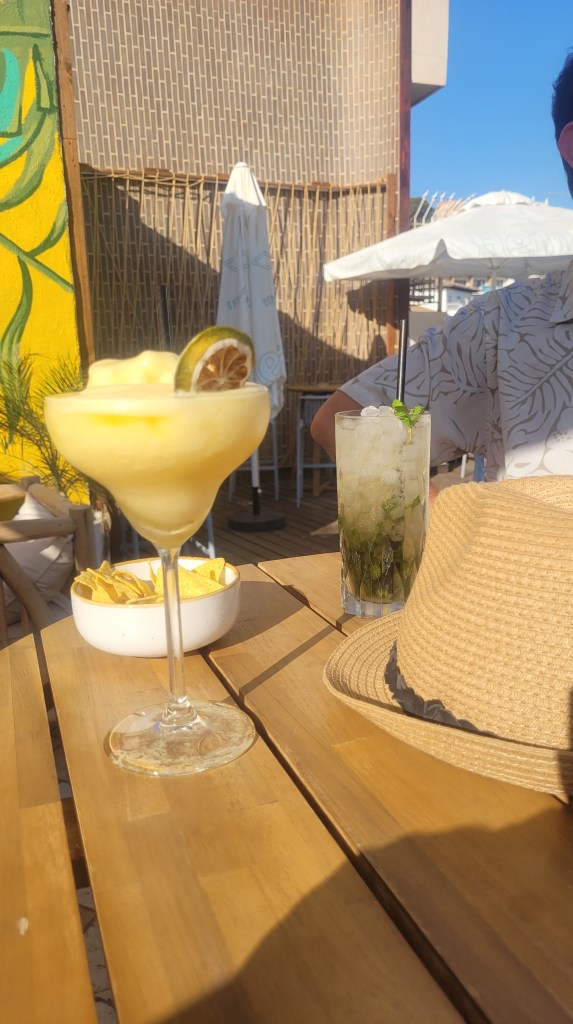
The rest of the days I had the vacations of a lifetime. Laying at the beach of Cala Major nearby Palma, reading books, enjoying my cocktails and listening the fights between tourists and locals. O tempora, o mores.

 RED RIDING HOOD