

In 2025
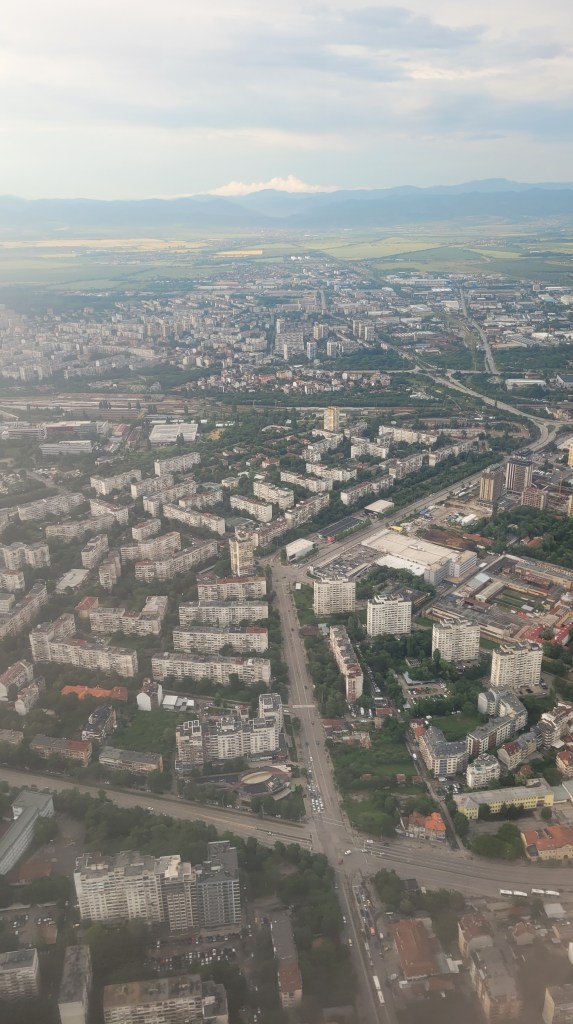
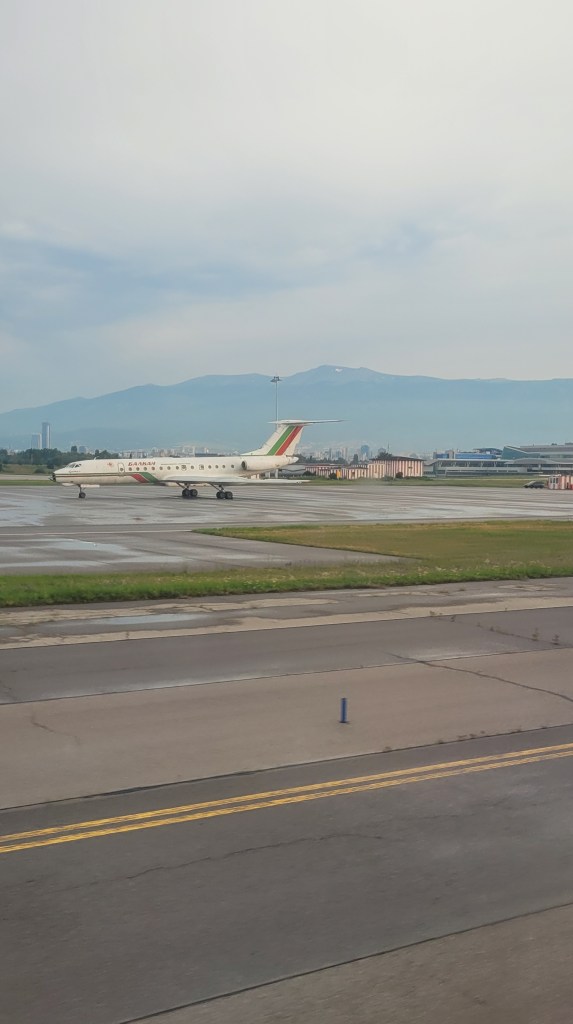
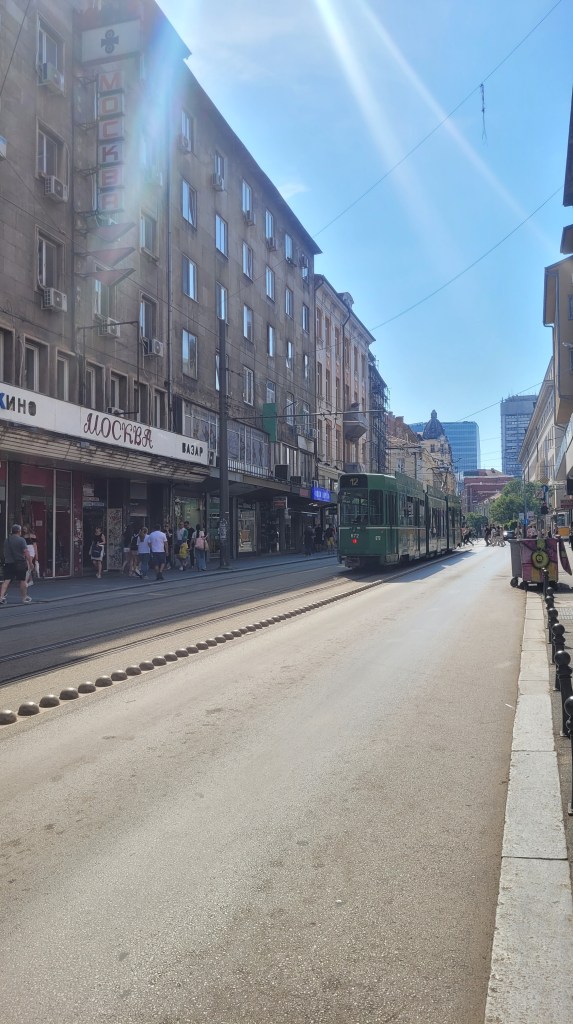
Sofia in 15 years, has done much of the advancement, I have to say. The city looks more entertaining, but to my eyes, it’s still the ugliest capital I’ve seen. Just look at that beautiful landing view on concrete blocks.

Our hotel was nearby City Court Palace – another neoclassical structure that has been recently renovated thanks to the European Structural and Investment Funds.
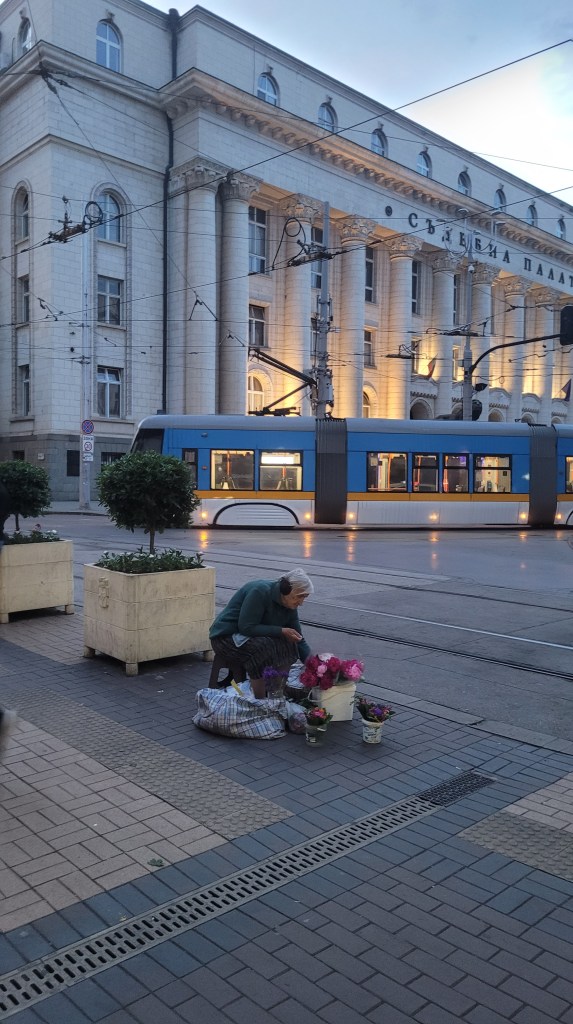
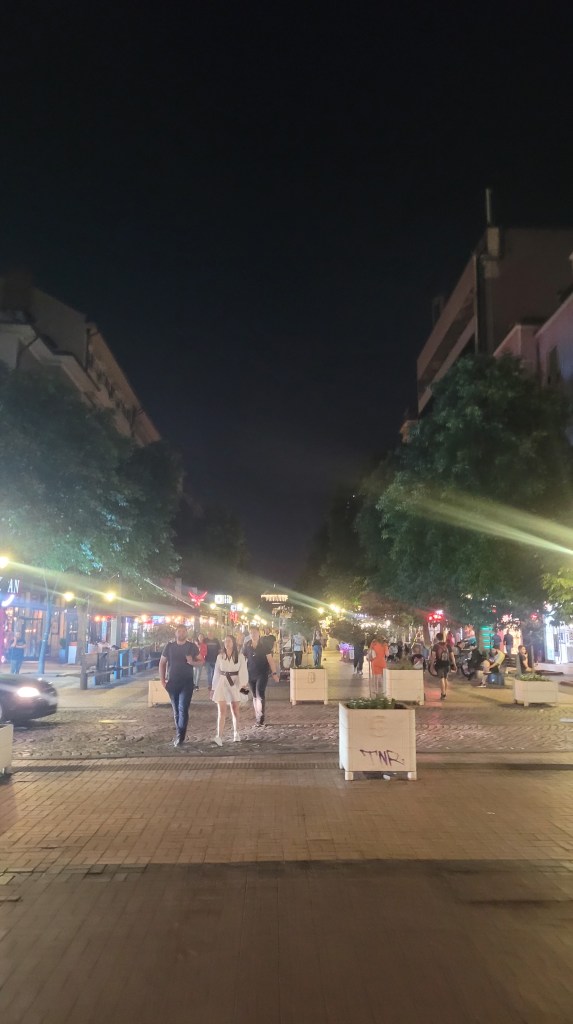
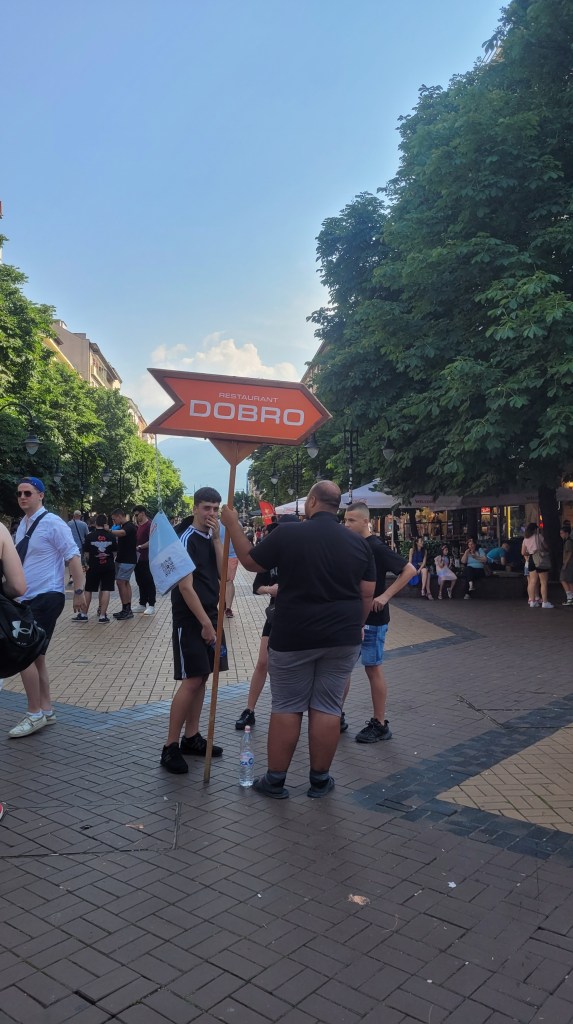
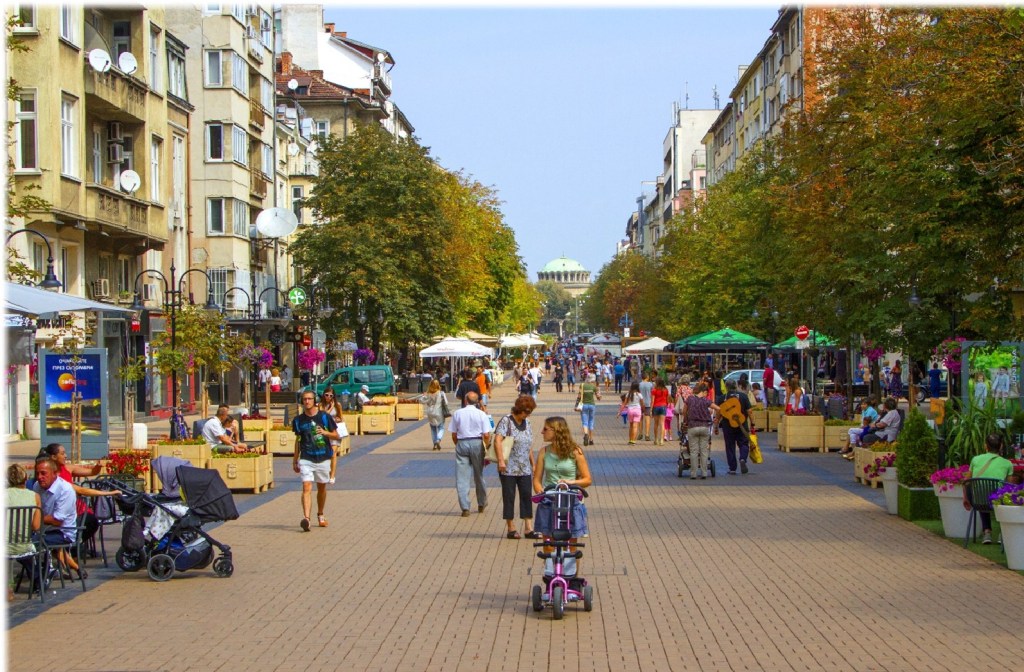
The Palace is just at the beginning of the famous Vitosha street – a long stroll with cafe’s and restaurants. We had a dinner in this exact street but I was kind of disappointed with the globalism and loss of identity.
The street looks like any other street in the world. Terraces with the glass walls, fire imitations, plastic flowers, menus imitating newspapers, YouTube lounge music…
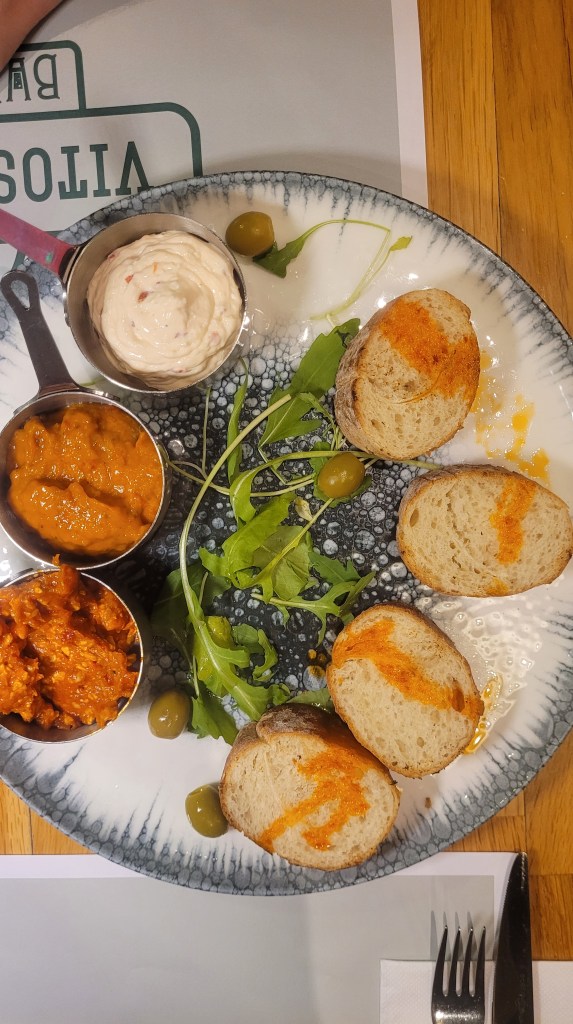
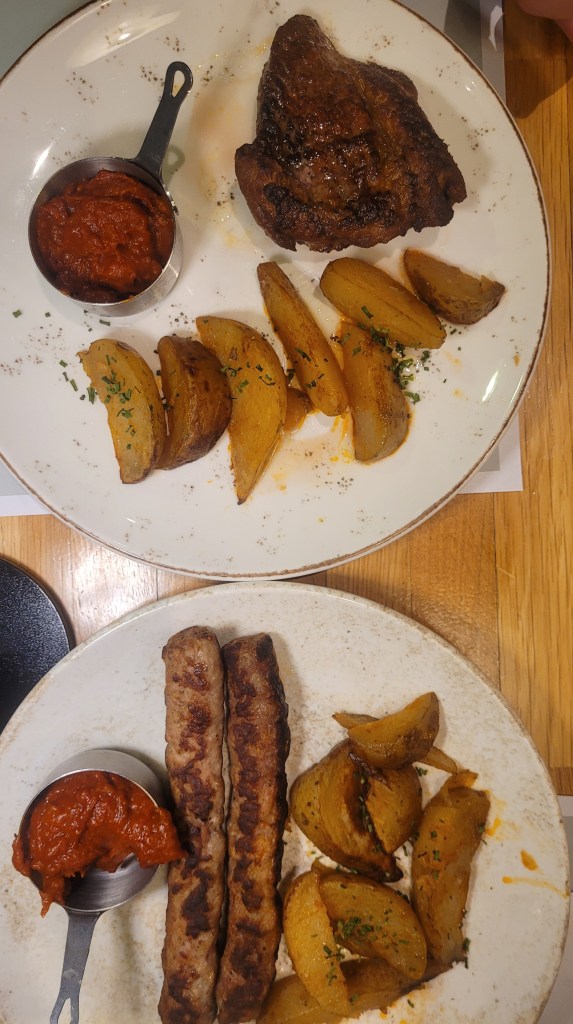
Nevertheless, the food was delicious. I had kebapche and lyutenica.
During the day, its energy changes completely. From a romantic fancy late-night walk, it turns into a vivid day show of Slavs and Tourists ❤ and Gypsies!
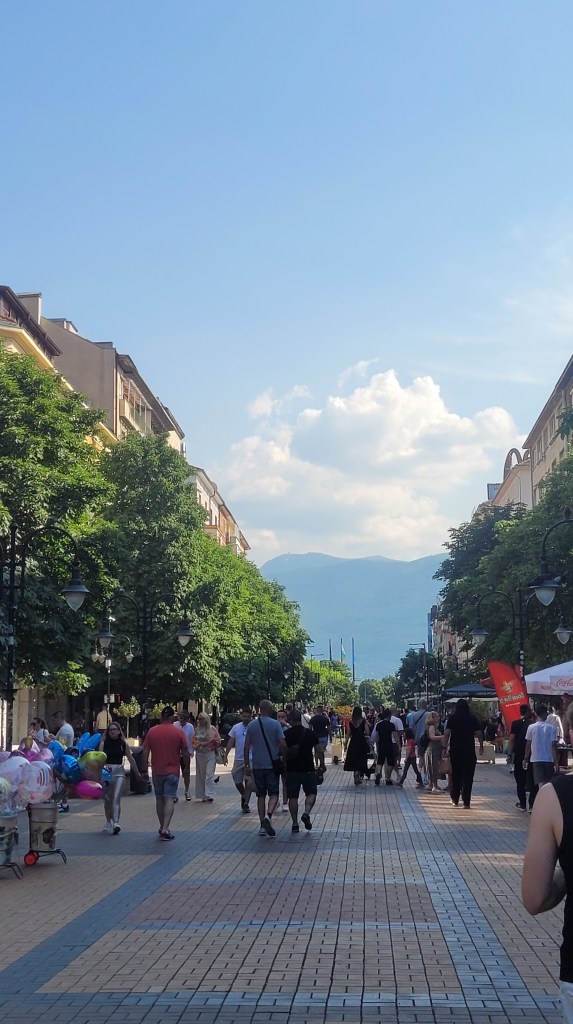
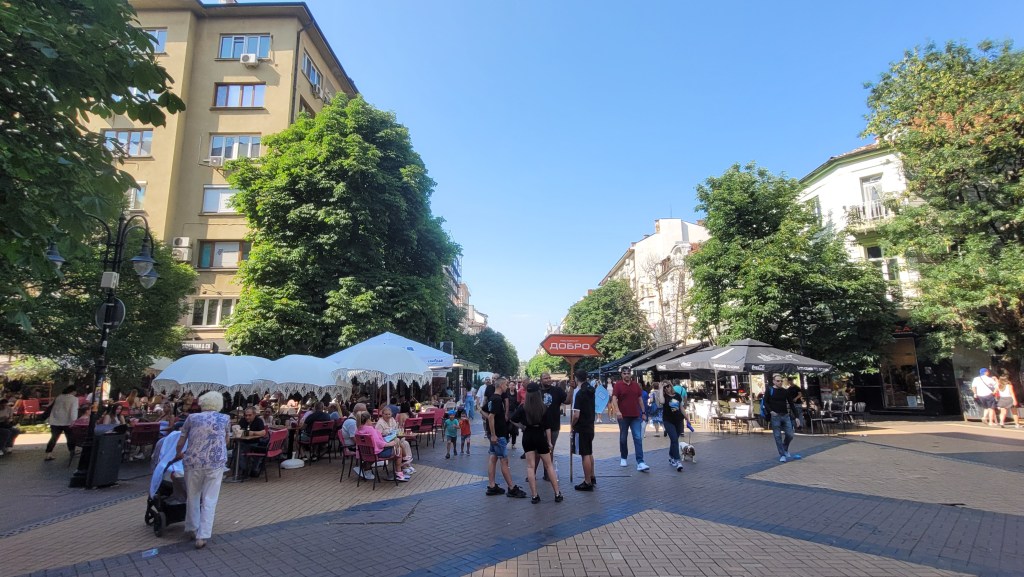
Vitosha street leads you directly to the National Palace of Culture. If you love brutalism, this is a must.

Talking about EU funds, I was so happy to see that there is a cooperation with the countries from the same region, having in mind their conflict-situation.
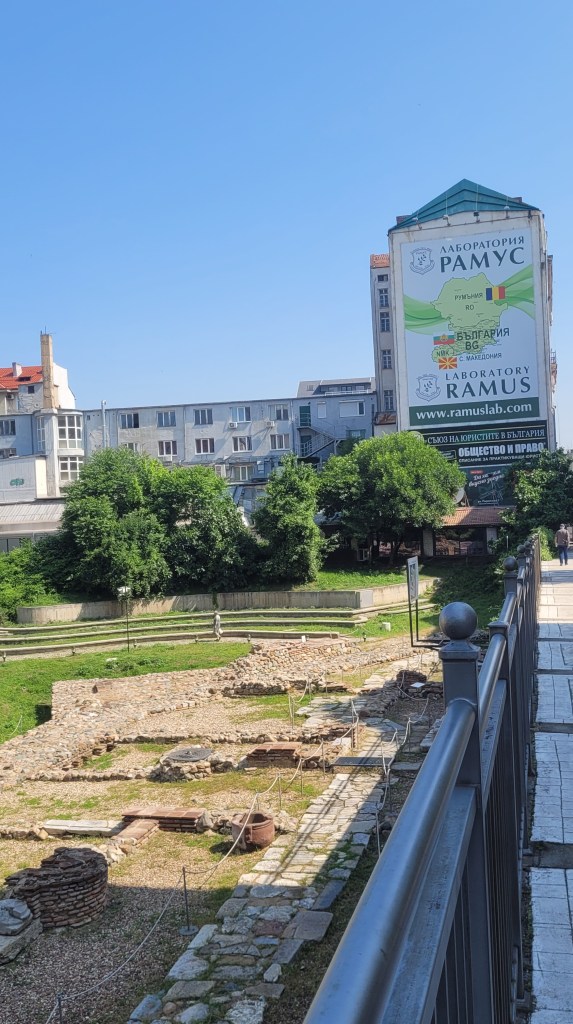
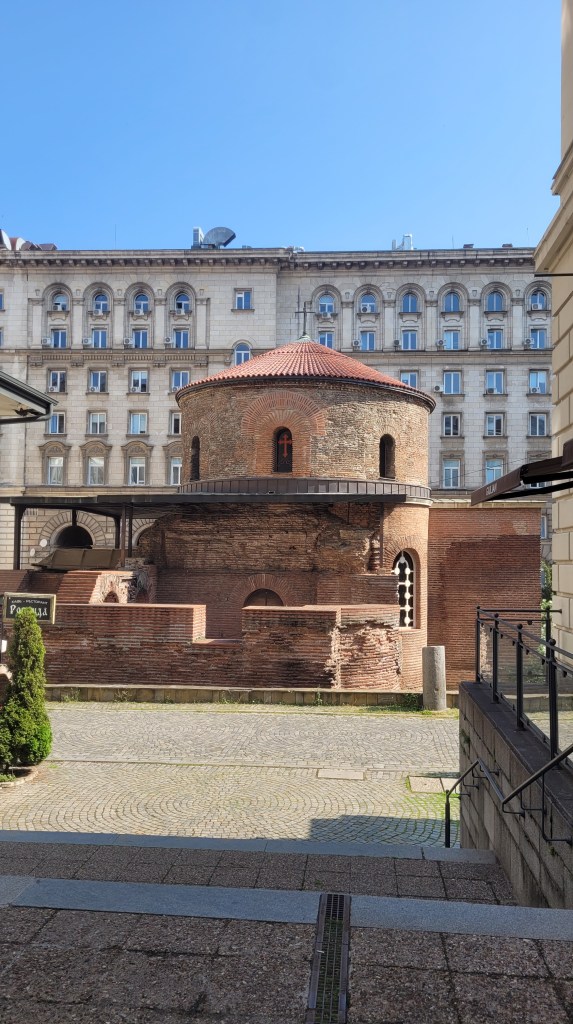
As mentioned, the next day was a full day of rediscovery. The first stop was Saint Georgi Rotunda Church. This 4th-century Christian church is in fact Sofia’s oldest building.
Nearby is Serdika – ancient Sofia, early neolithic and later Roman settlement. Sofia was quite rich place to be during Iron and Bronze age.
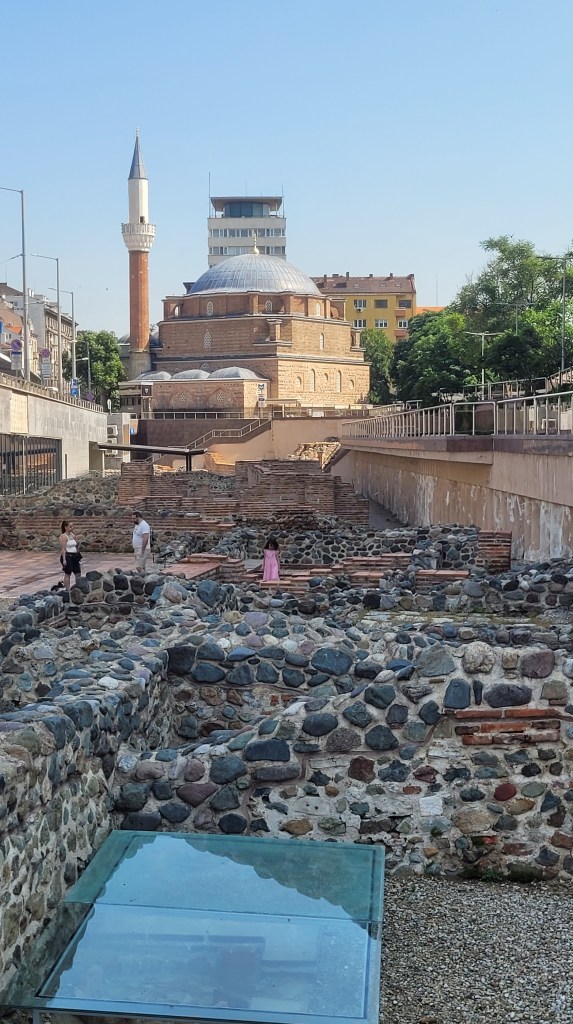
And yes, behind is the mosque but I do not enter mosques anymore. There is nothing to admire inside from the artistic point of view and almost every time I get reprimanded by some Muslim security maniac at the entrance, even though I fully respect the sacred places.
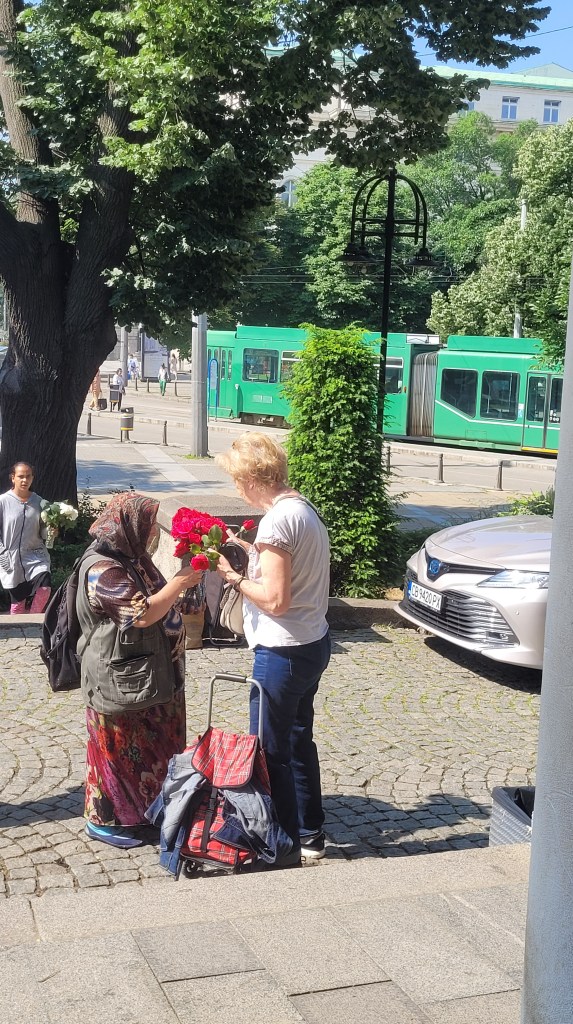
Saint Nedelya Cathedral is an Eastern Orthodox cathedral in Sofia, dating back to the 10th century. The relics of the Serbian king Stefan Uroš II Milutin are kept in the church. Now I understand why the old gypsy lady asked me in Serbian to donate her the money.
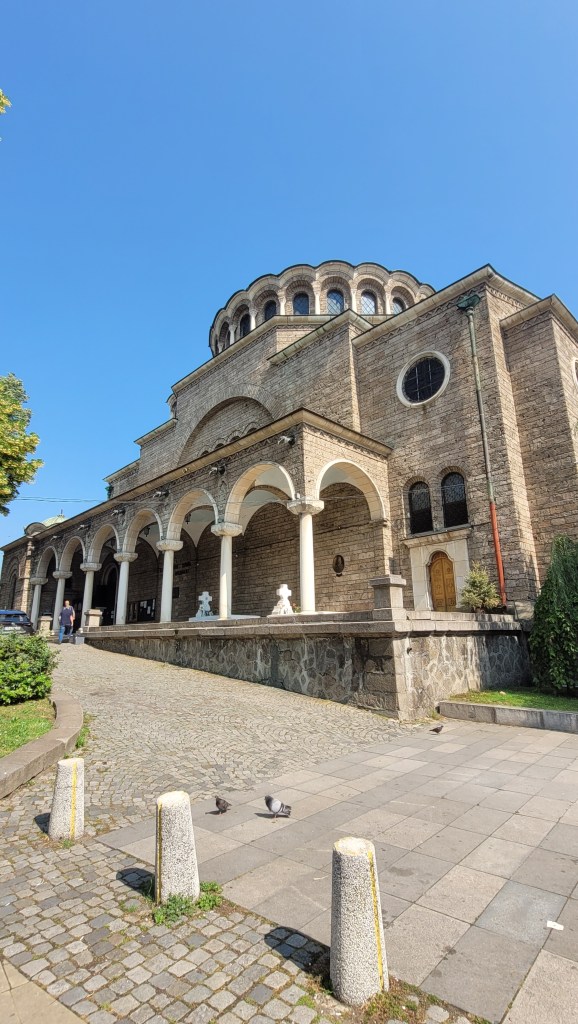

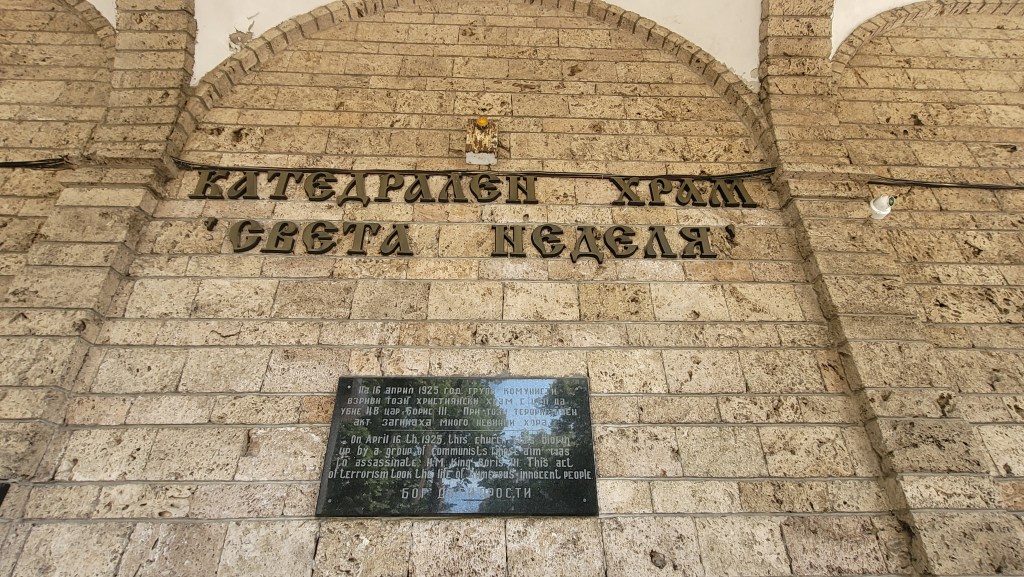
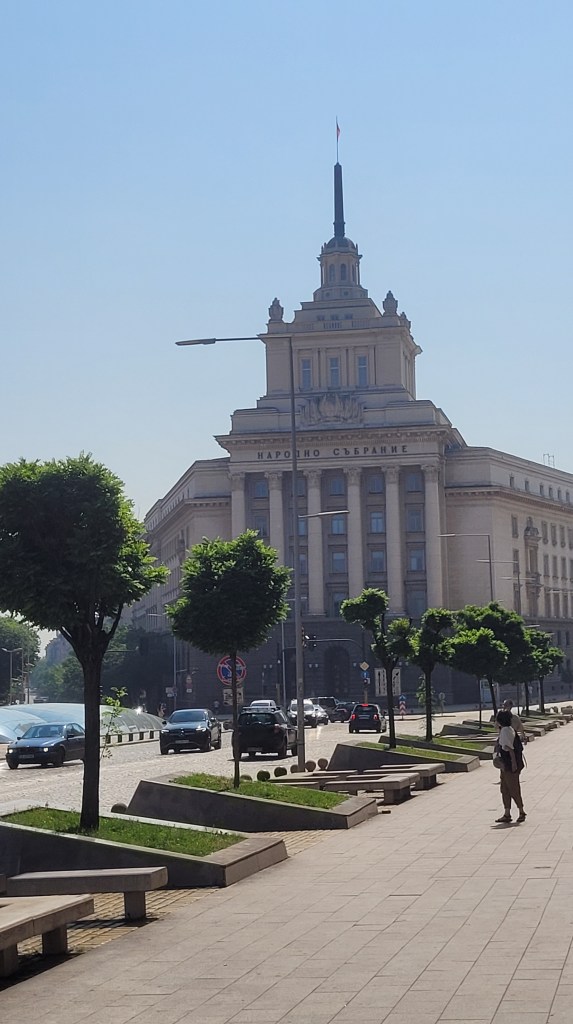
Yet another renovated neo-classical building is the National Assembly of Bulgaria established with the famous Tarnovo Constitution since the 19th century.
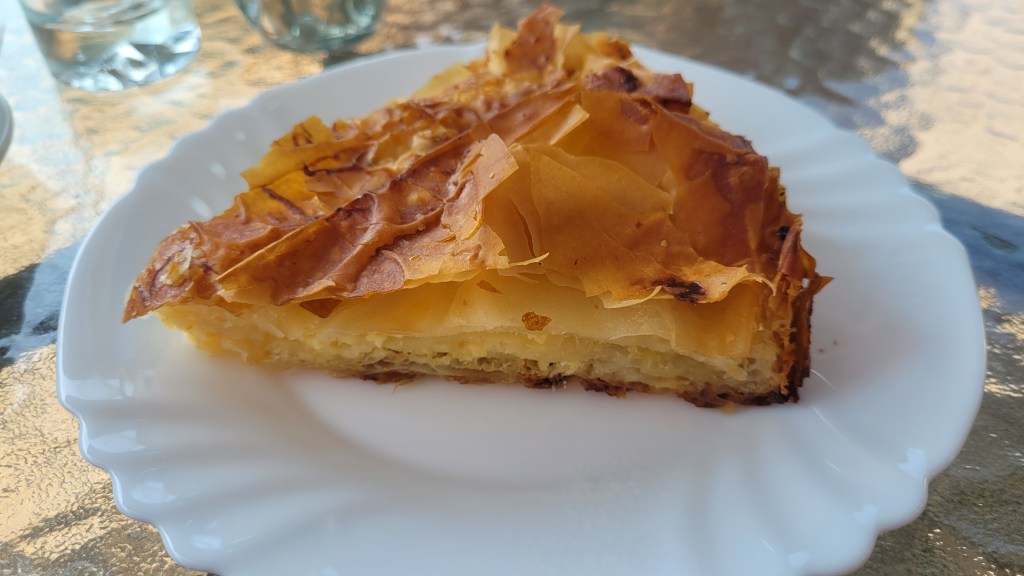
I didn’t use the metro, but I know it has been fully built with EU money. All four lines. However, I used its underpasses where you can find interesting small stores and famous banitsa.
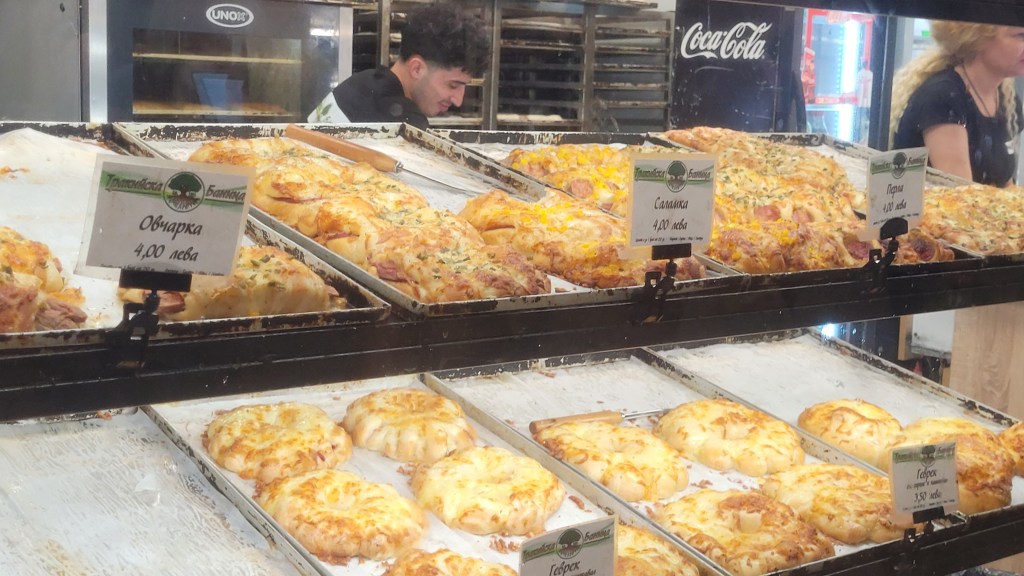
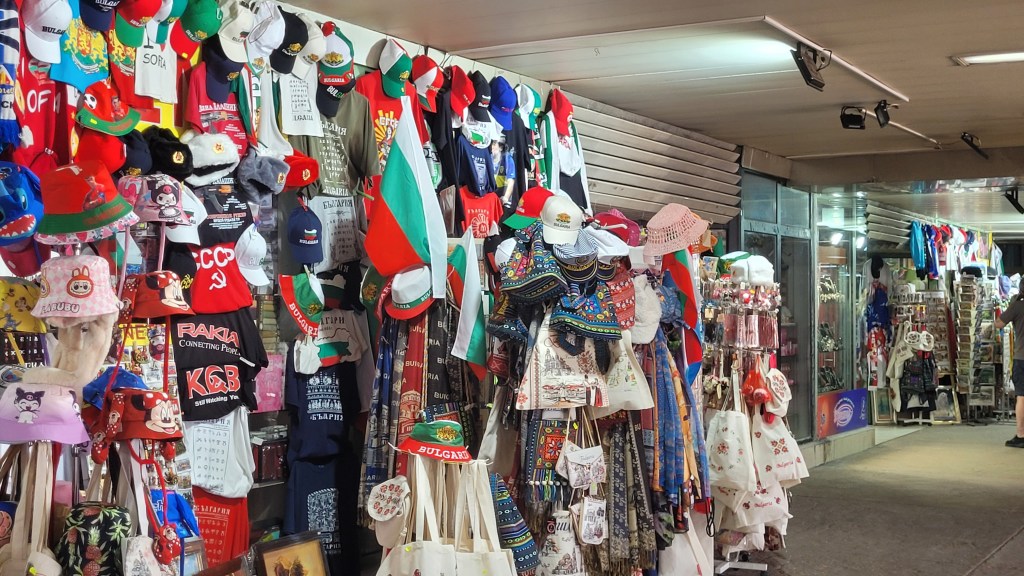
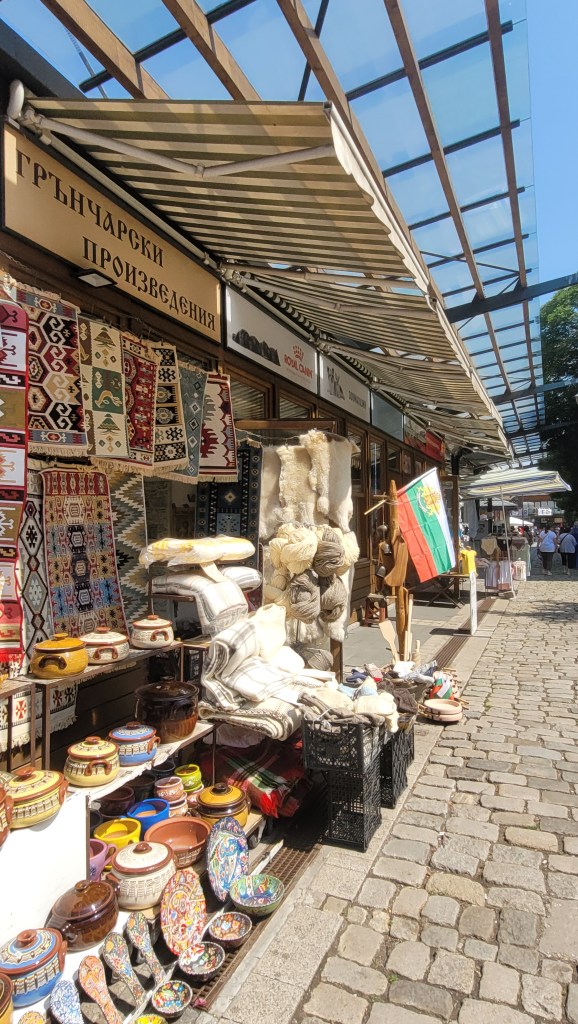
This was also the monet to check for the souvenirs. I am glad Bulgaria understood its tourist assignment. Back in time, there was no tourist office and people in the street were wondering why am I interested in this city?
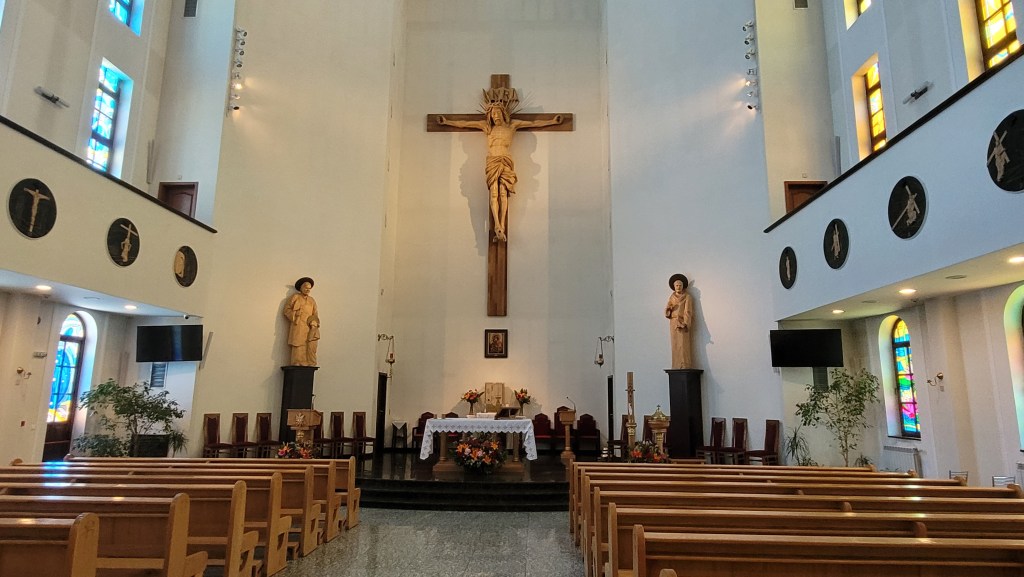
Then the Catholic Cathedral of Sofia – St. Joseph Parish witnesses the capuchin friars presence in Bulgaria.

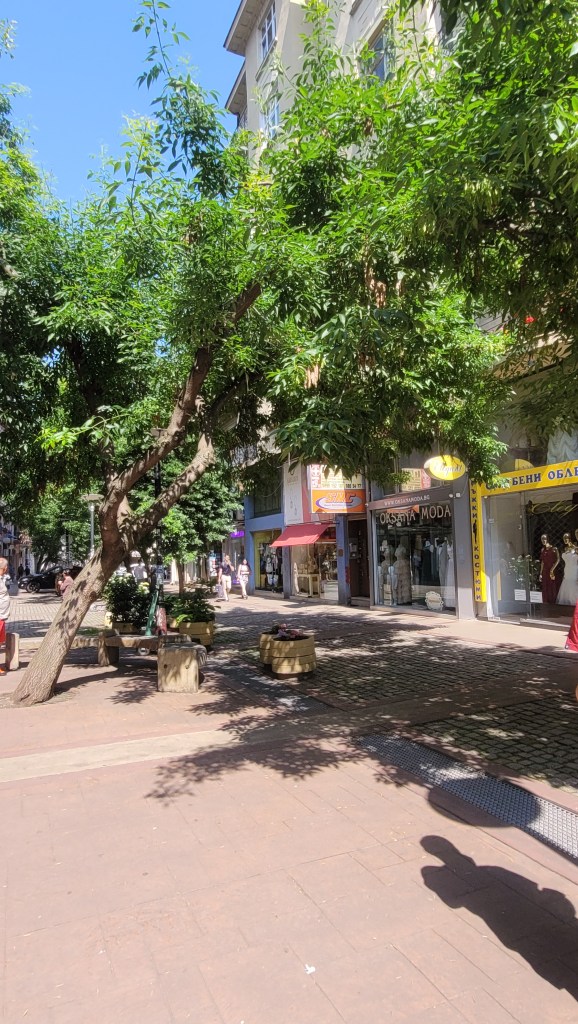
Nearby is the Pirotska street. It looked like Vitosha but more authentic. Pedestrian zone with shops and coffee places, just calling to sit down and soak in the atmosphere.

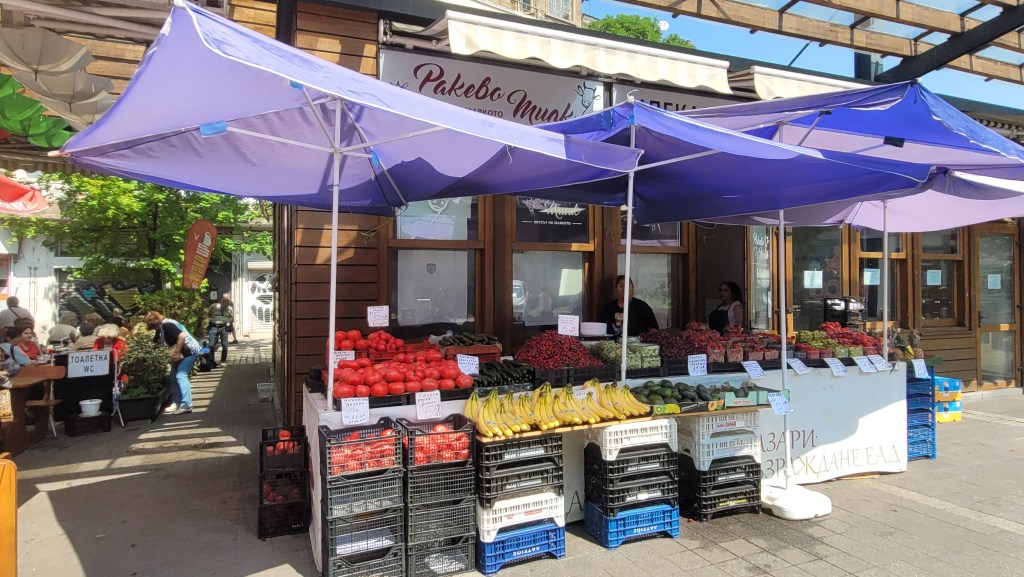
A few blocks away is Sofia’s most interesting market, known as the Women’s Market. You guess the why this names, once I show you the photos of Bulgarian babushkas selling the most colourful fruit and vegetables. 🙂

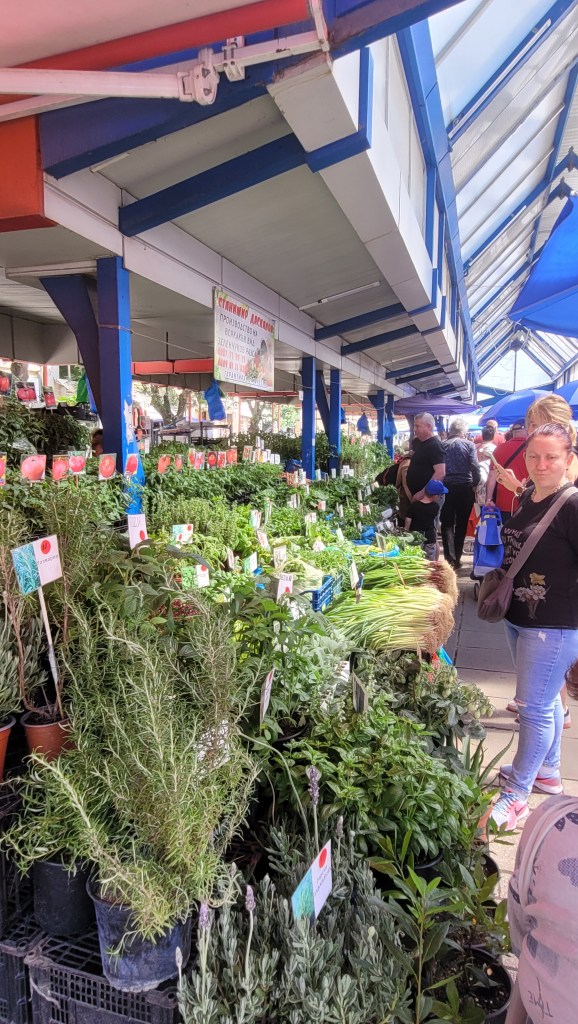
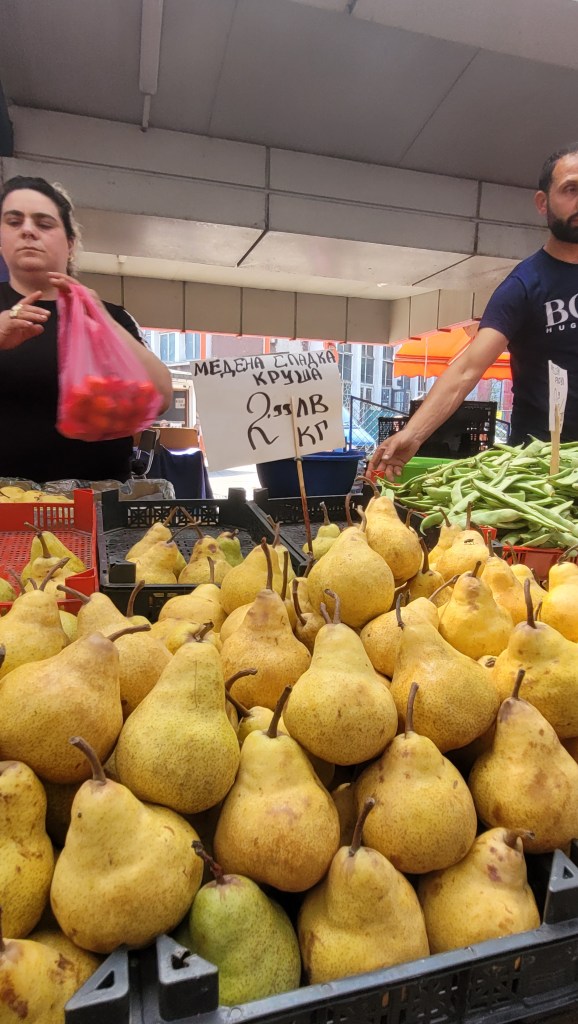

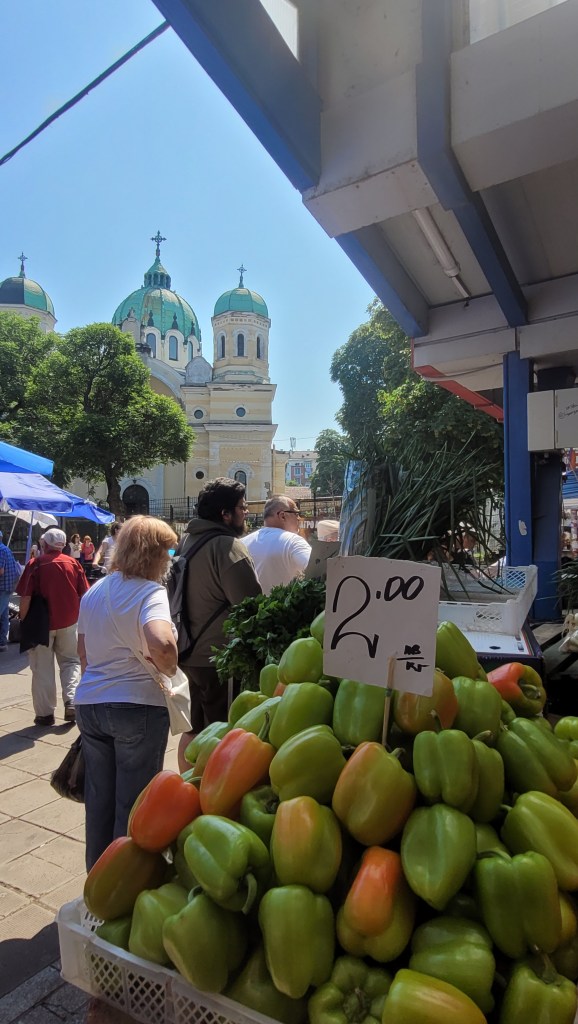
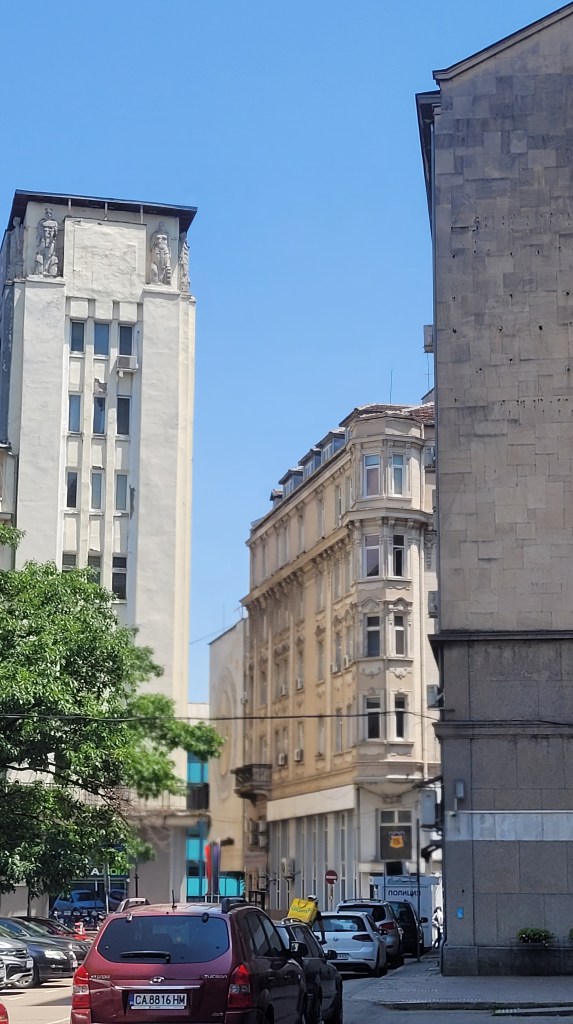
Sofia is mostly a modern city and not always so ‘beautiful’ in an Instagrammy sense. However, it does have its share of fantastic architecture like post-communism and brutalism. Sometimes, I would just stop and look into the mix of varieties of design and facades dating from different era’s of history.

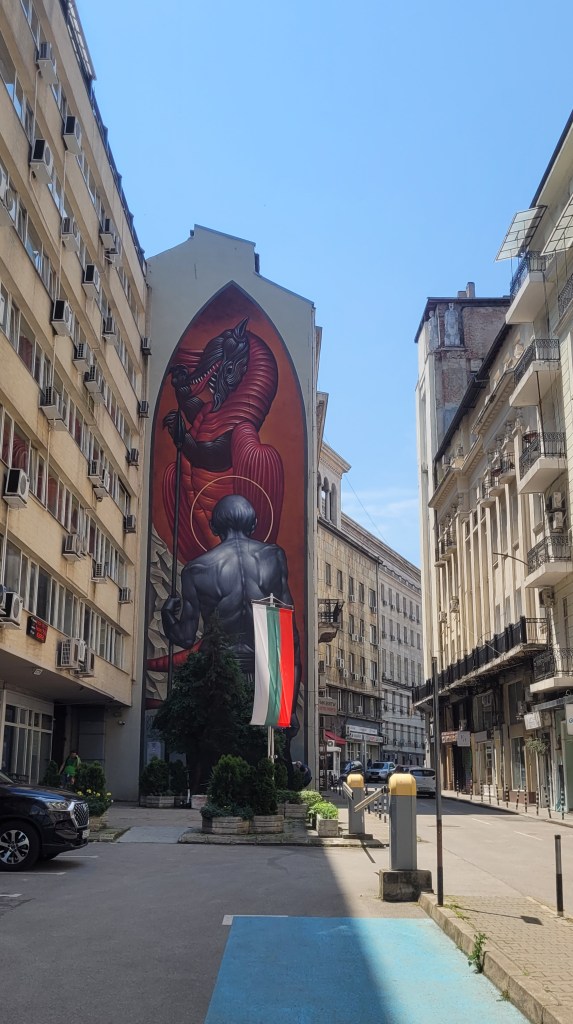
And to go more modern, I found this mural super interesting. It is Saint George killing the Dragon, but in different composition. I guess the corruption remains dominant.
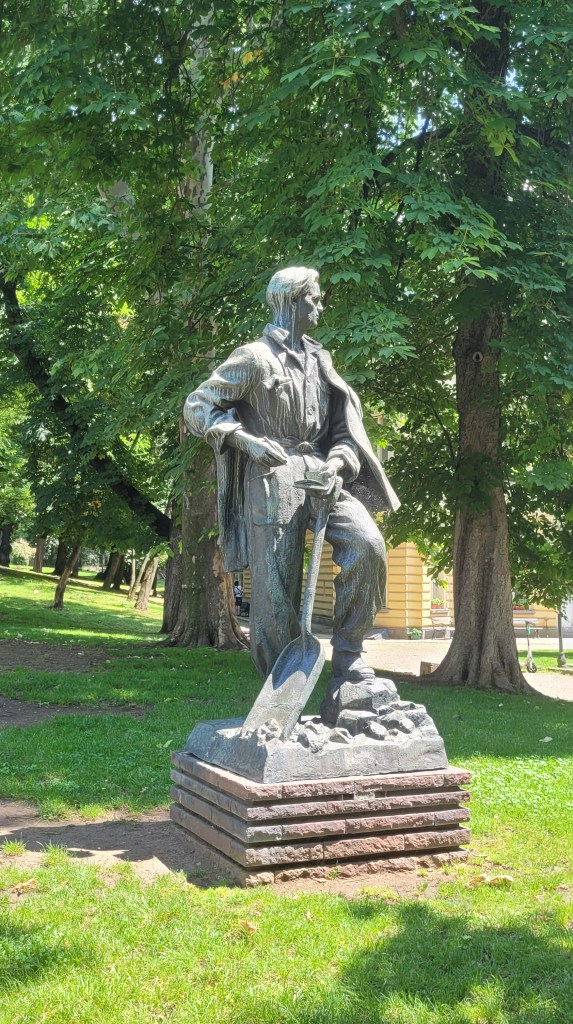
Another local hero was this poet and loud communist: Nikola Vaptsarov. Holding a shovel and a small book, where he was writing his poems when he had time. I hope the working hours in the communist system provided him enough time for his leisure.
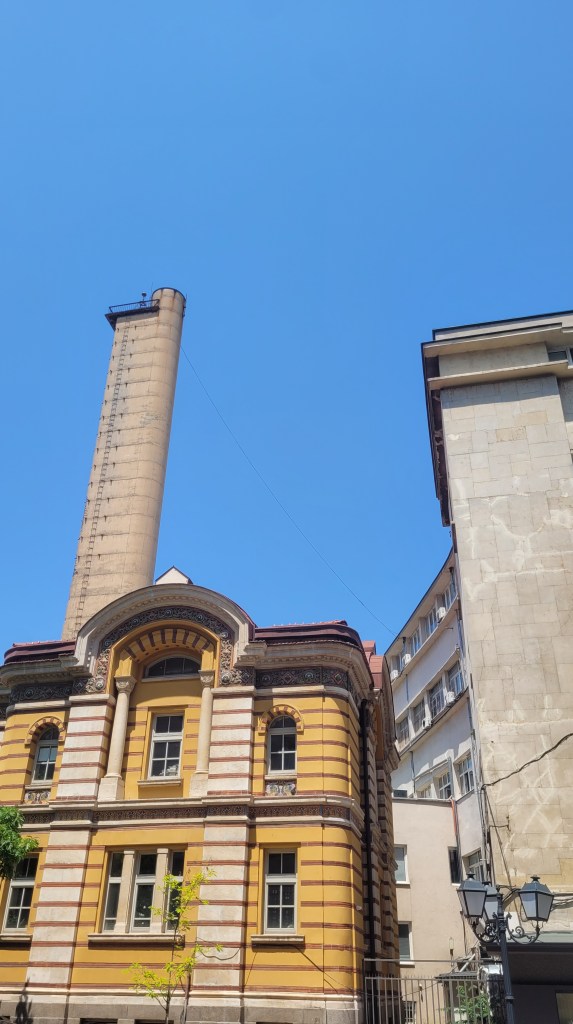
But then, one of the most beautiful examples is the Sofia History Museum, built in early 20th century as a Mineral Baths. This beauty is designed in the Vienna Secession style, but integrates typically Bulgarian, Byzantine and Eastern Orthodox ornamental elements.

Heritage from Antiquity here is very well explained. After Serdika (early Neolithic – Iron and Bronze Age, Greek and Roman settlements) comes the period o early Middle Ages where not much evidences have been found.
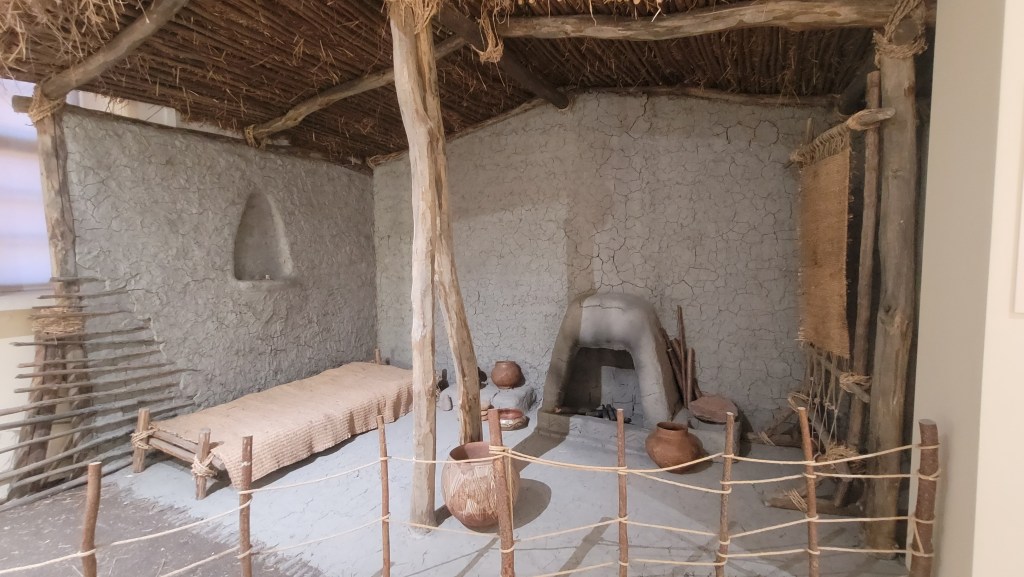
However, I like the information that says very first mention of Sofia comes from Dubrovnik, Croatia in the 14th century. 🙂
Since Bulgaria saw the coming and going of many empires over the ages—Romans, Byzantines, Ottomans—there are a variety of archaeological sites to explore, with each period having brought different architectural and cultural influences. In Middle Ages there was the Bulgarian Empire fighting against Ottomans and sometimes against Serbs and Russians.
In the 19th century, Bulgaria fought for its independence from the Ottoman Empire in the Liberation war. The result was the election of the German Kings at the Berlin Congress. France donated the horse carriage from Versailles that had been used by poor Marie Antoinette.
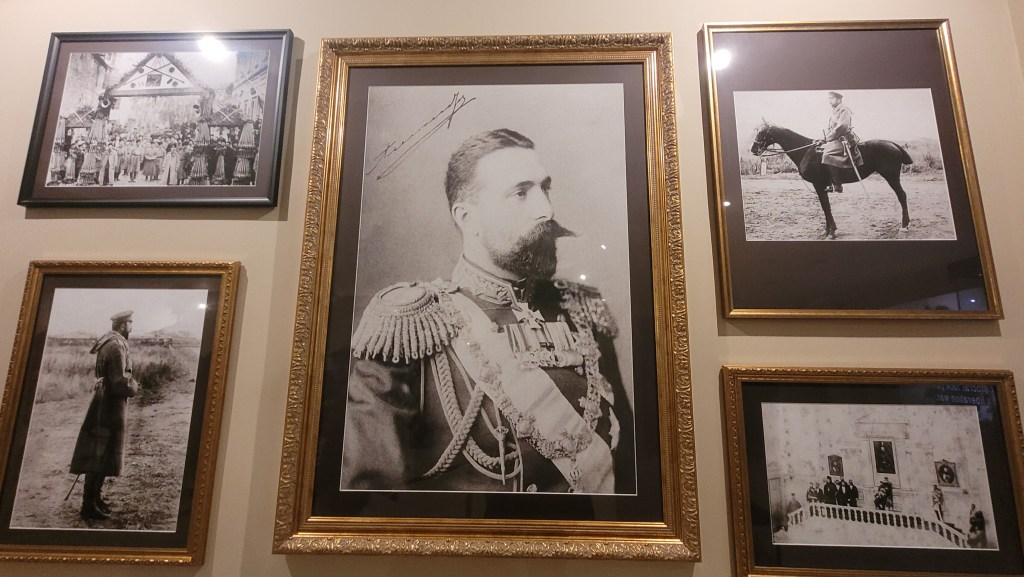
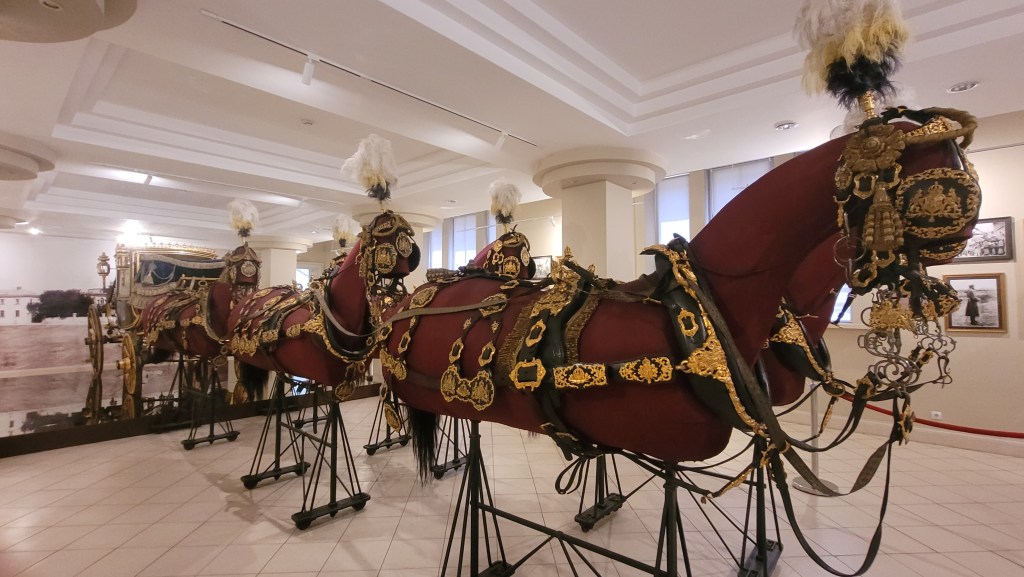
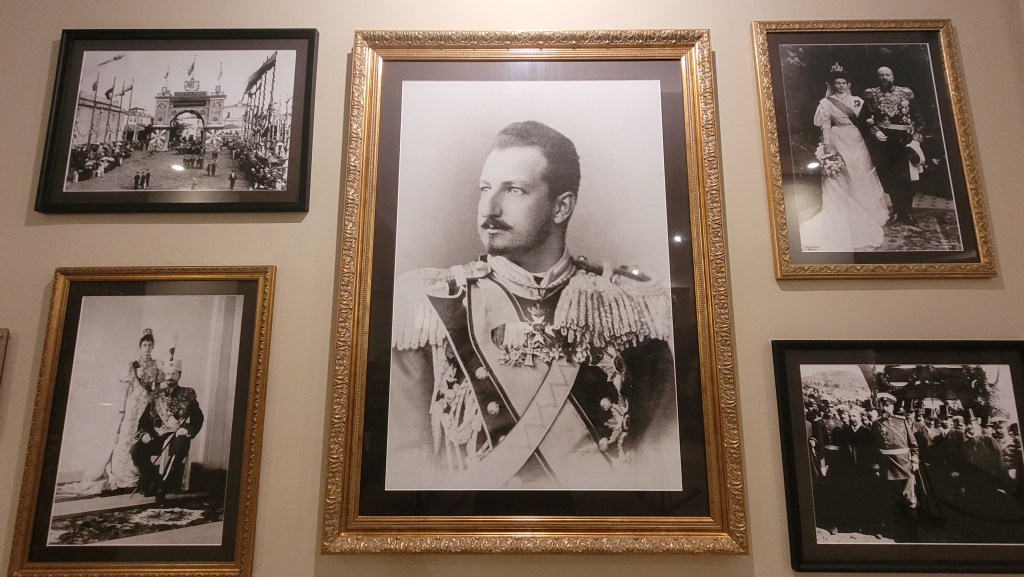
Time to eat. This time we chose a typical old Bulgarian traditional restaurant that puts you back in times.
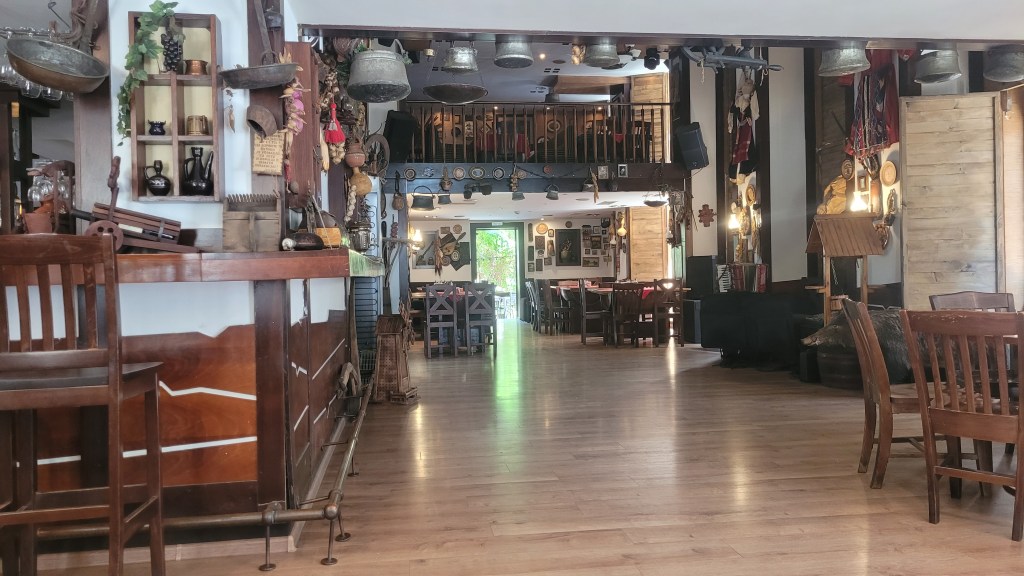
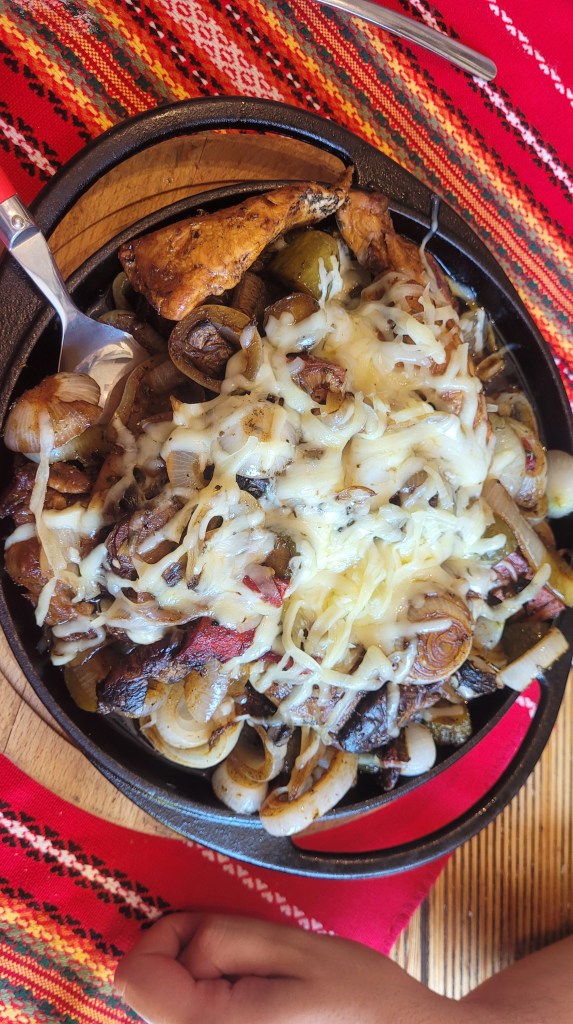
We ate shopska salad – a classic Bulgarian salad made with tomatoes, cucumbers, peppers, onions, and cheese, known for its bright colors.
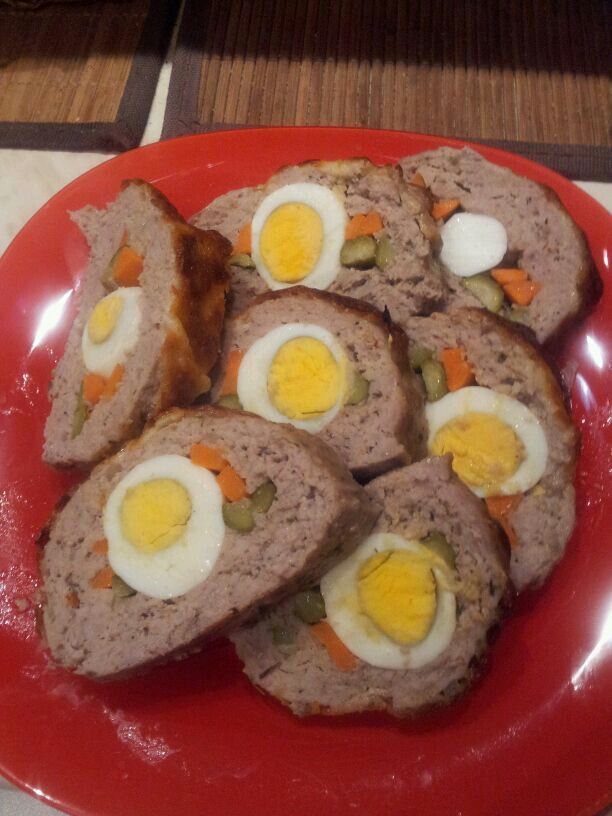
By now, the conclusion is that there is always some weird addition to the plate that makes the food a bit weird. Like, who puts fermented cucumbers in peka/ sats bowl? And why cheese on top?

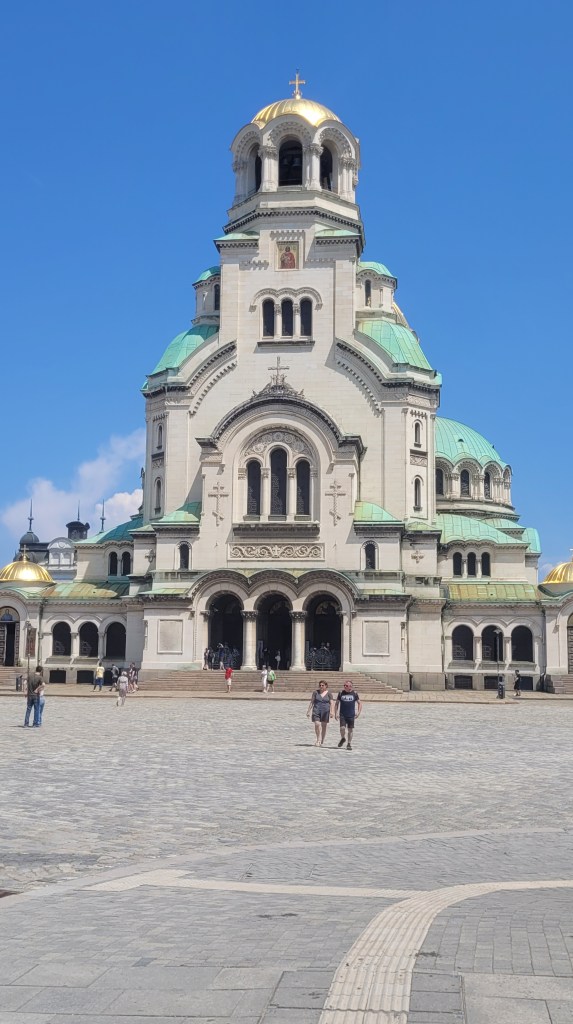
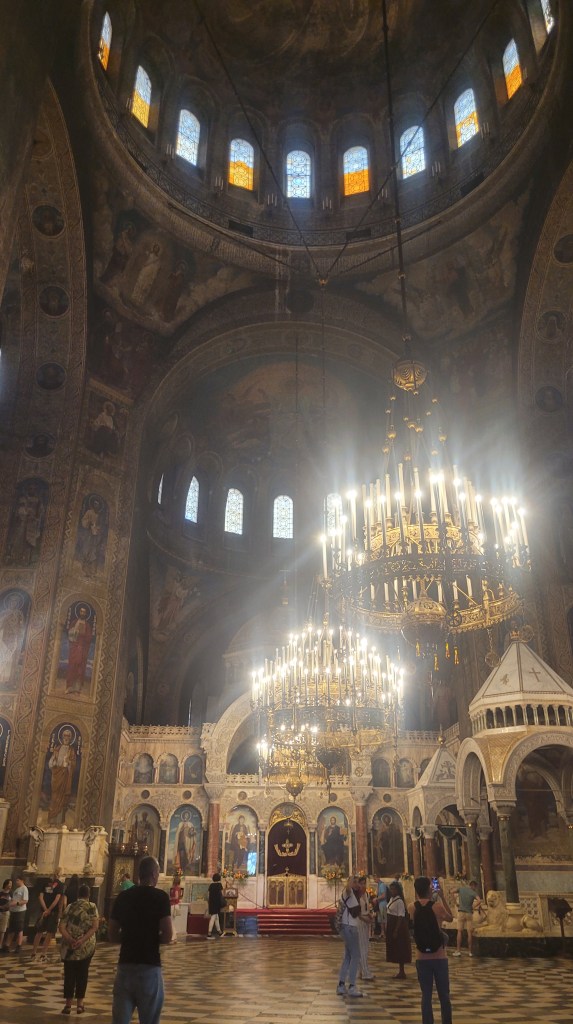
The most important landmark of Sofia is Patriarchal Cathedral St. Alexander Nevsky with Neo-Byzantine architecture. This is kinda new building from the 19th century: The marble parts and the lighting fixtures were created in Munich, the metal elements for the gates in Berlin, while the gates were manufactured in Vienna, and the mosaics were shipped from Venice.
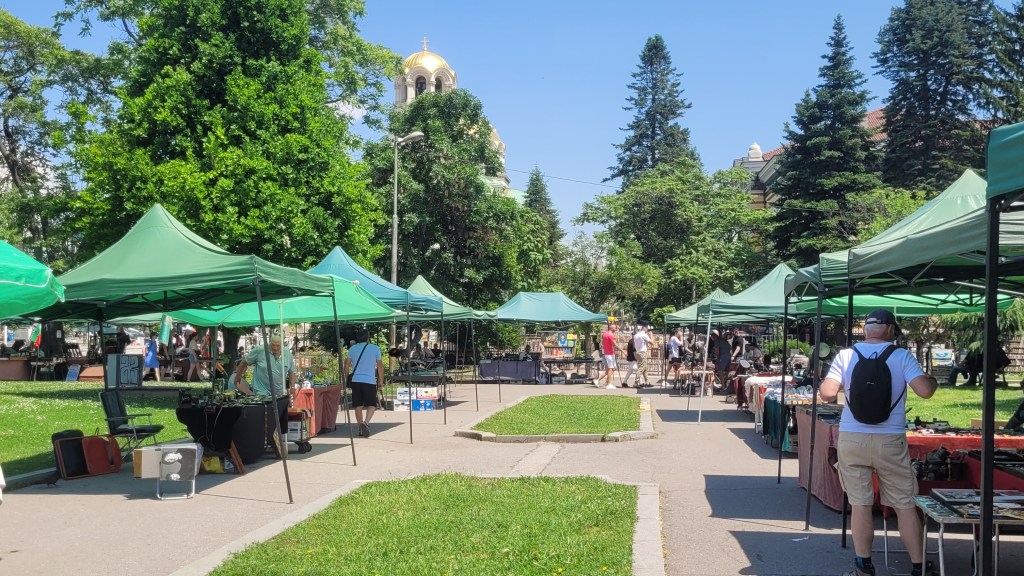
And in front, the famous flea market with super interesting icons and items from the communist and bourgeois past. I bought an icon that represents Constantin l and his mother saint Helena. Constantin I was the Roman Emperor that recognised the Christianity as the religion in the Roman Empire so the early Christians were not slaughtered anymore. Apparently, his mother taught him that. She loved to travel to Palestine and Asia Minor and brought the Holy Cross to Rome.

Talking about slaughtering:

Not the best place to be captured, but hey, Ottomans were the cruellest warriors of the time.
The Russian church nearby is a work of art as well; Church of St. Nicholas the Wonderworker. Nothing without Russian influence 🙂 Some soft diplomacy at its best.
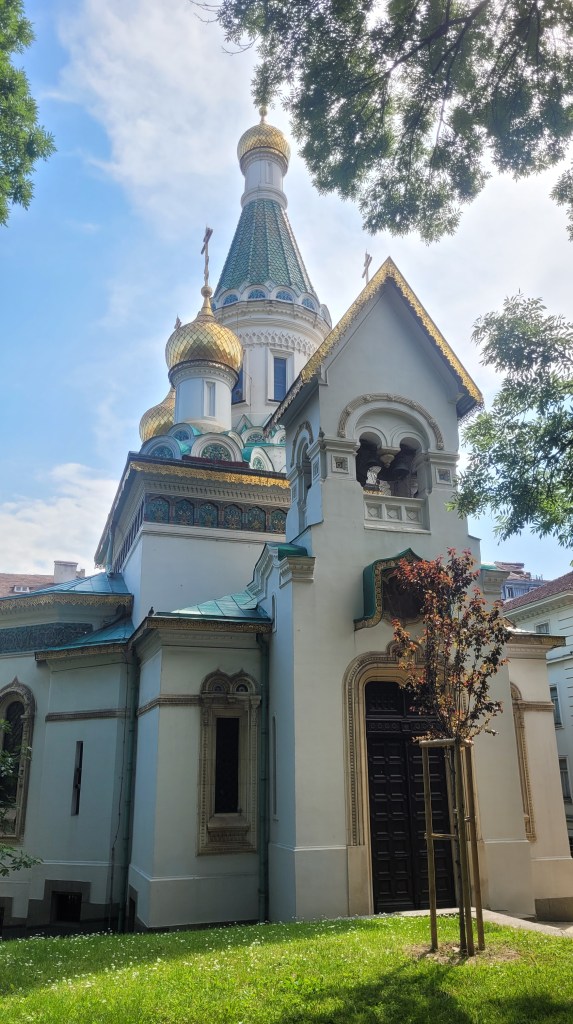
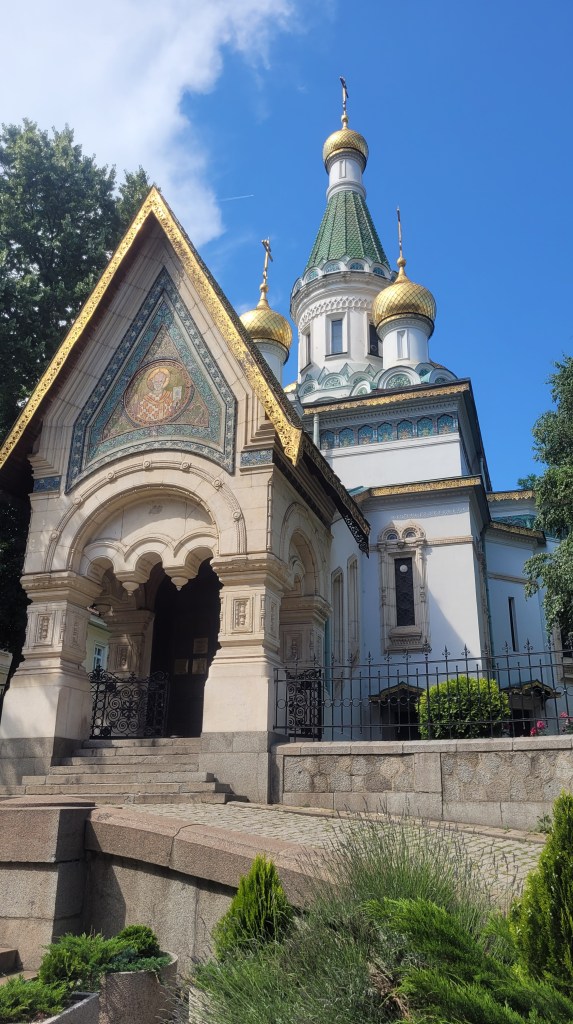
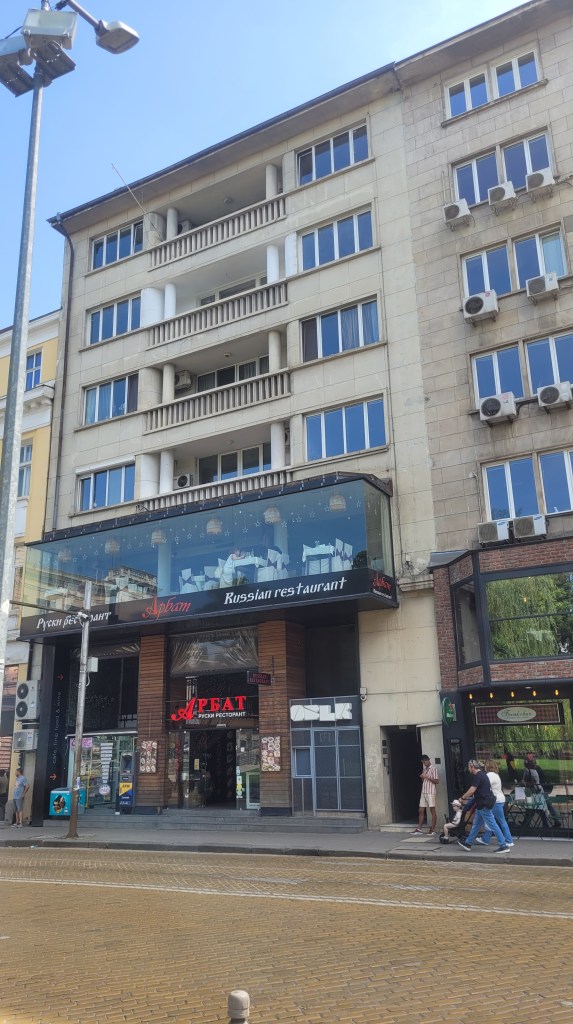
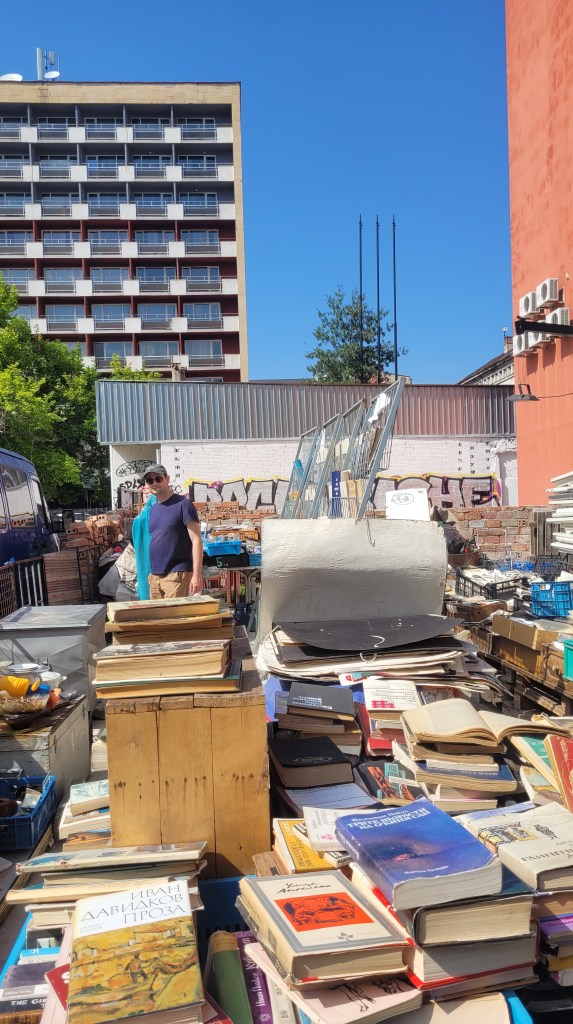
For a moment, it seemed like the entire neighbourhood was Russian-dominated. For example, there was a russian restaurant and flea market with Russian-Cyrillic books and titles, and military decorations.
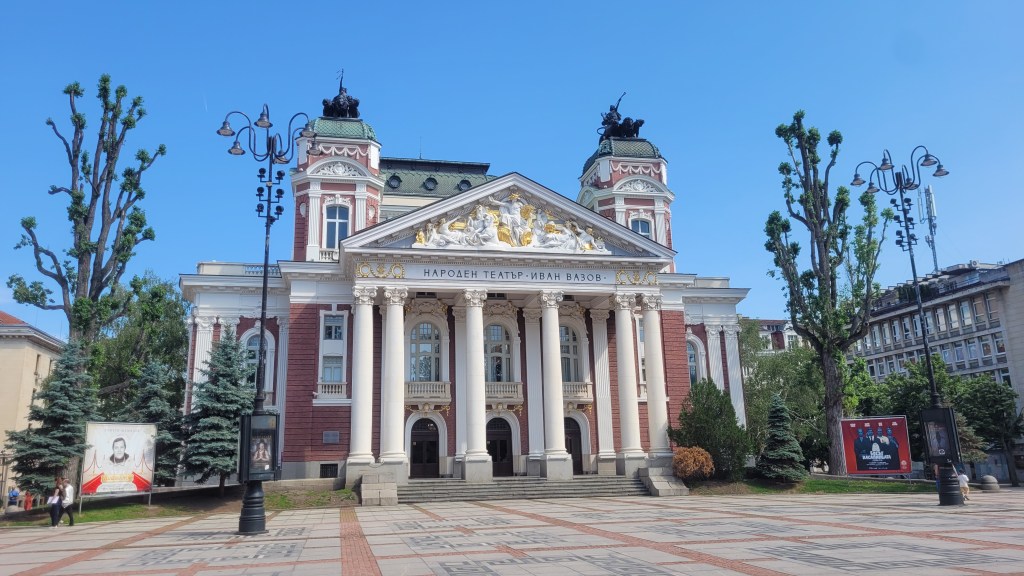
More neo-classical buildings have recently been renovated, such as the National Theatre, built in the late 19th century.
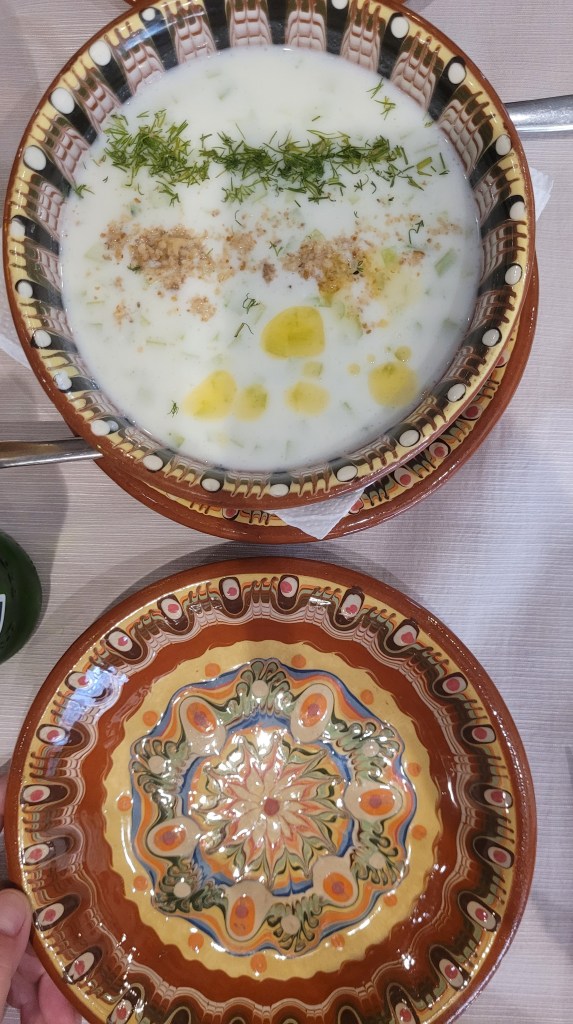
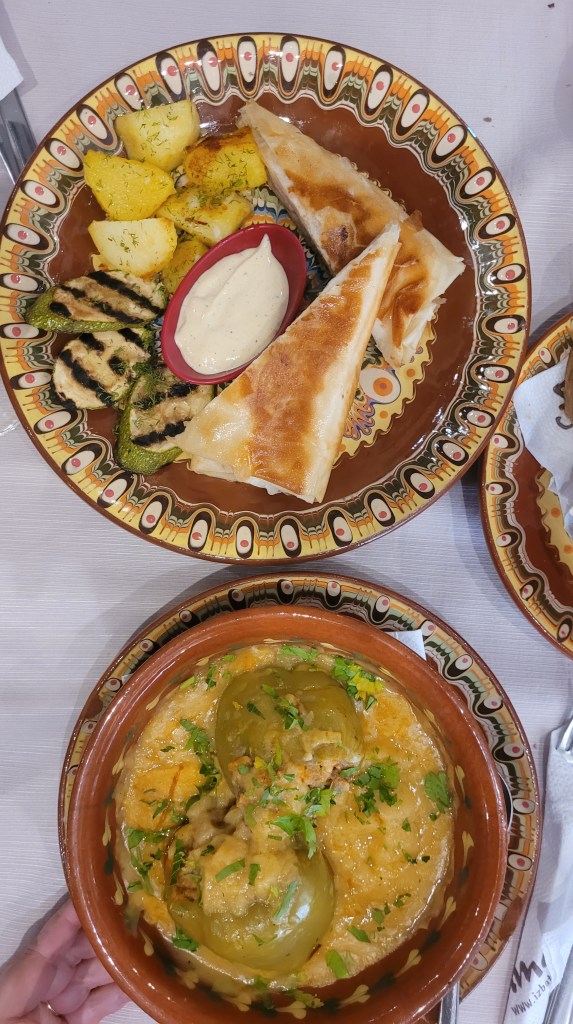
Dinner was again in some typical Bulgarian tavern. Walking the museums and streets, really makes you hungry for local dishes and cuisine. This time we tried Tarator – cold soup. I had stuffed paprika’s – but my mum makes them better 😛
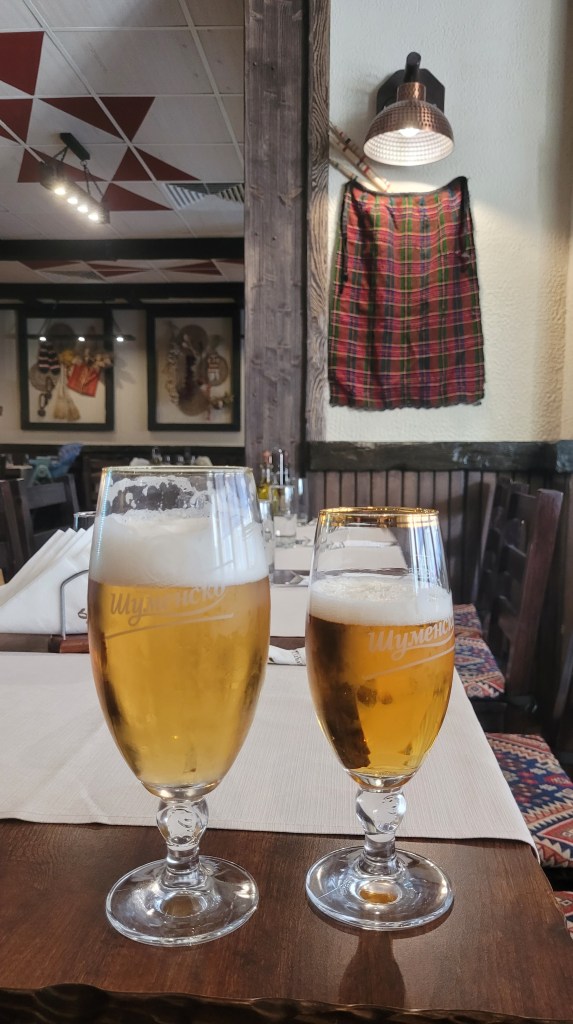

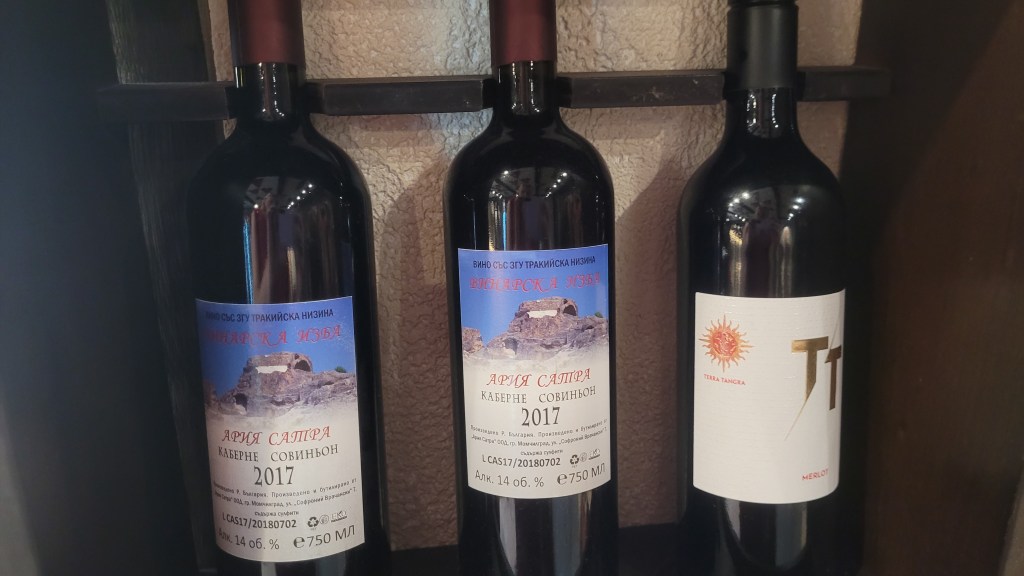
As the Romans left the trace of their culture, wine is inevitable when visiting Bulgaria. Wine growing regions are the Danube Plain and the Thracian Valley.
The last day was reserved for outskirts of Sofia. I was happy to go out of the city where there is more nature. The city is simply dusty and dirty. Nothing comes with ease there. You have to be careful how and where you walk for your own safety. Not to mention the dog presents.
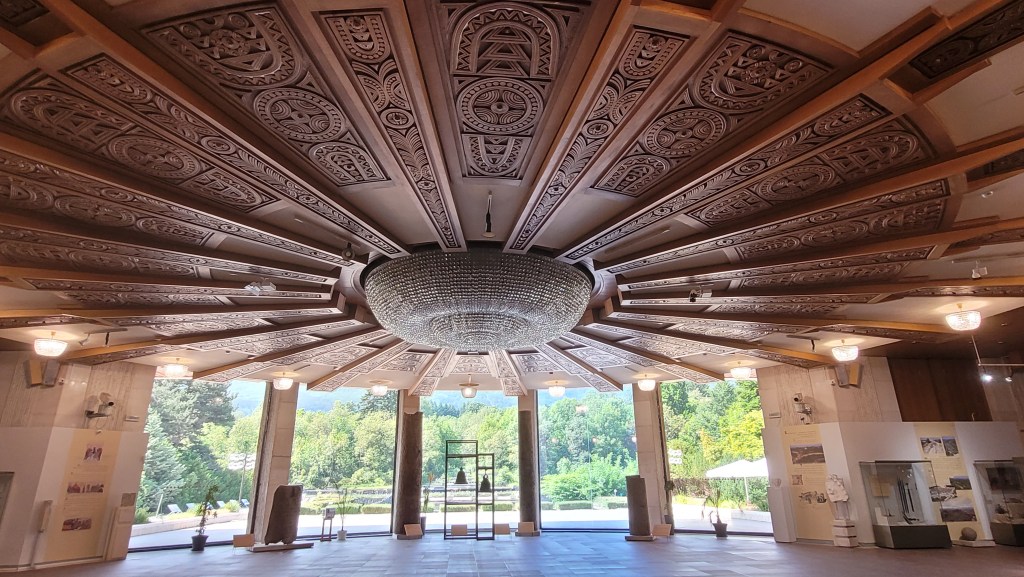
So we visited the National Museum of History.

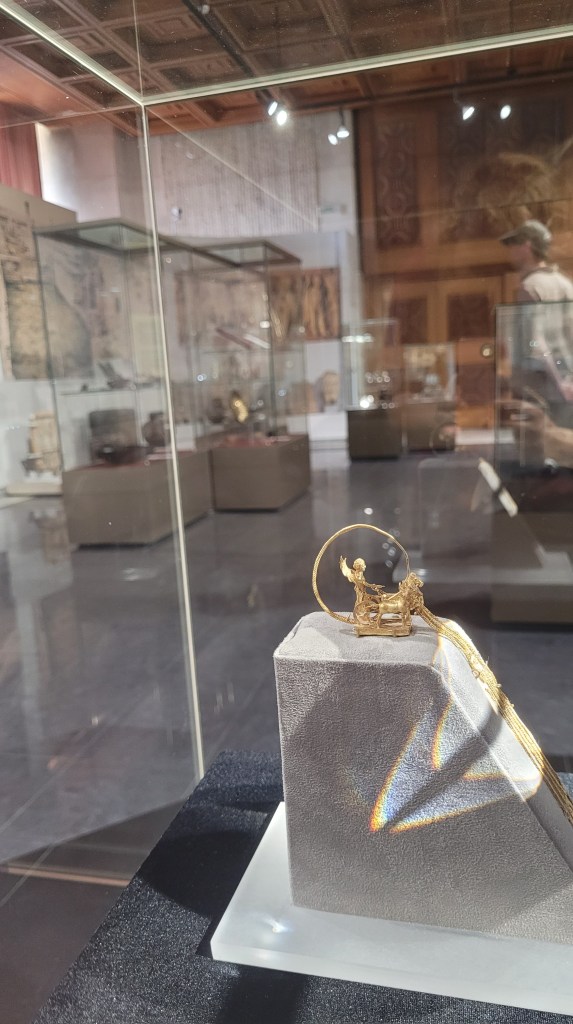
Couple of items that I found interesting in this building, like this golden earring representing a charriot with Goddess Nike, from the Greek times. Mid-3rd century before Christ.
A very important moment in the history of Bulgarians: transfer of the relics of Saint John of Rila from Tarnovo to Rila Monastery.

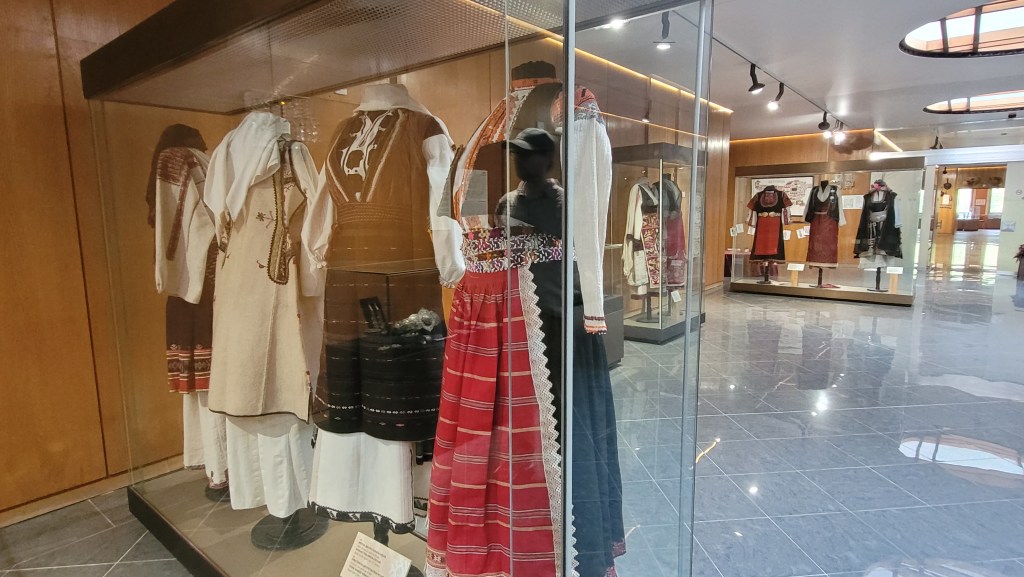
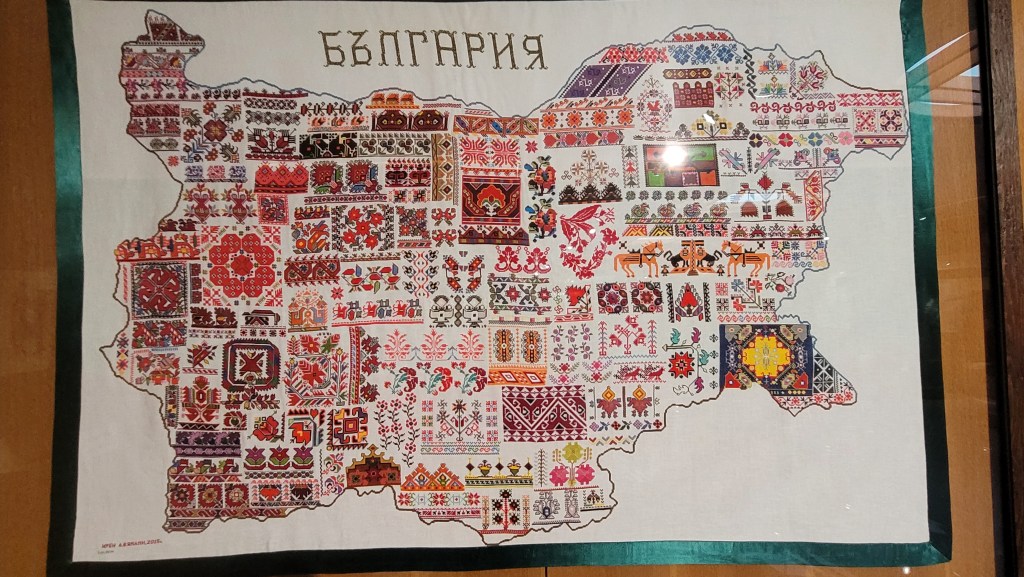
Traditional folklore items, such as clothes and their regional patterns.
A bit of more brutalism behind the museum 🙂
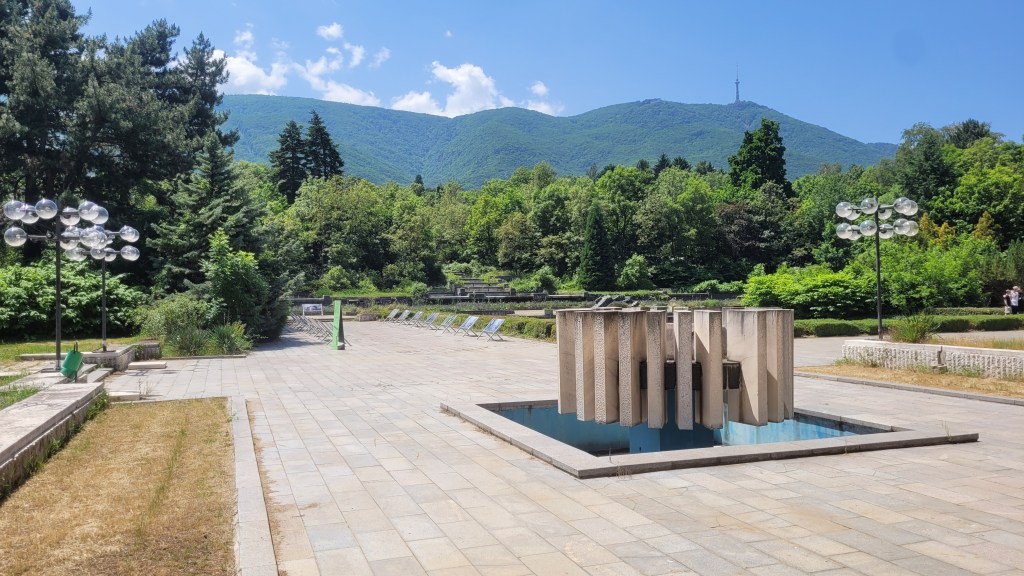
From the museum, I challenge you to climb up the Vitosha mountain you see on photos. It took me good 45 minutes to get myself there. It was 31°C and the road was steep and rocky.
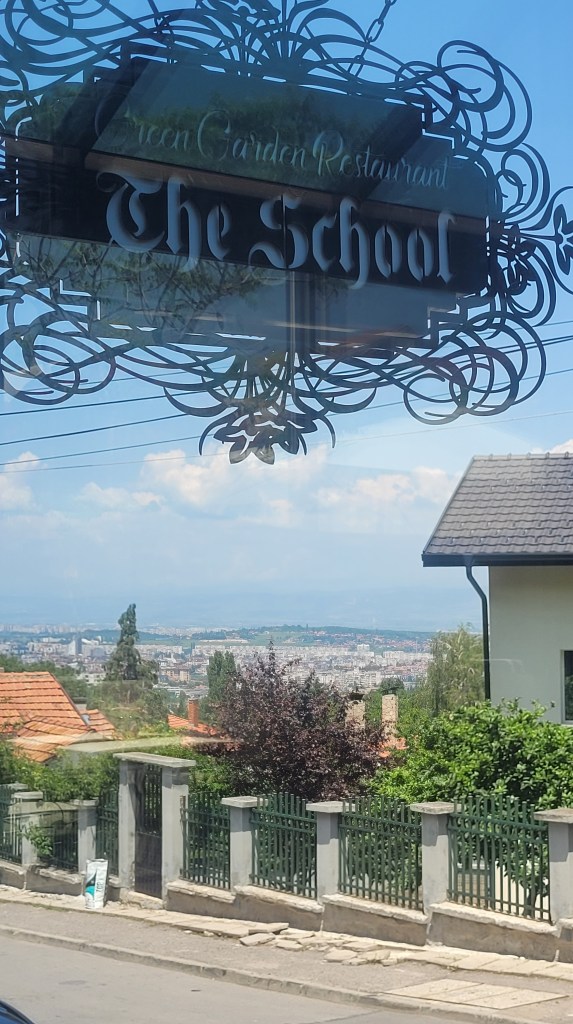
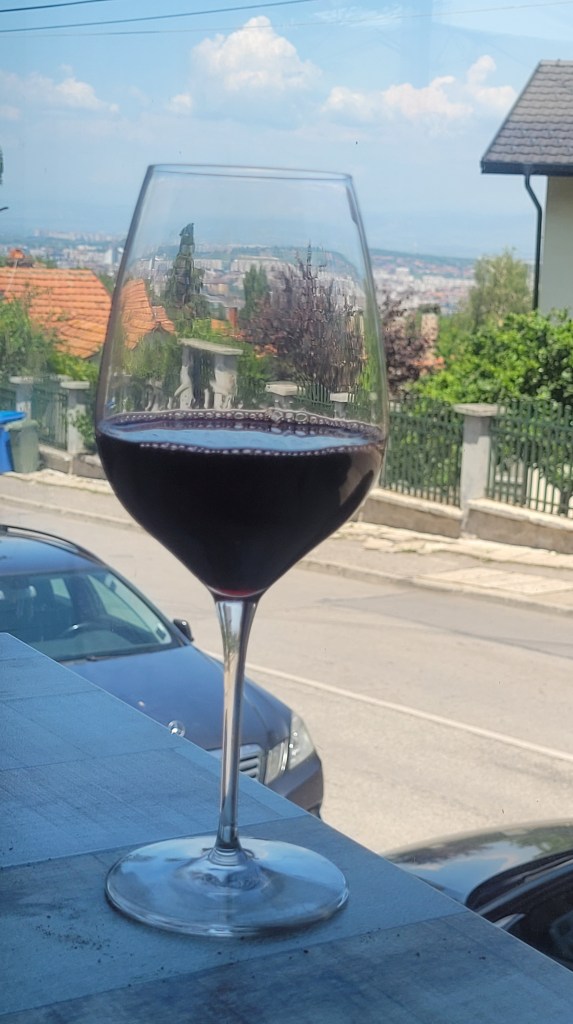
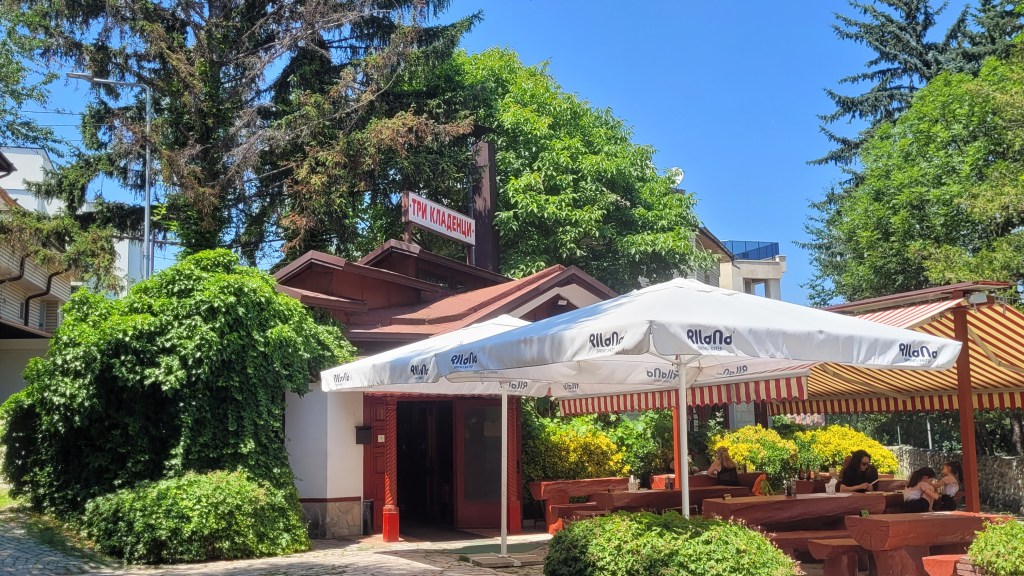
Luckily, there are the places to stop by for a moaner like me 😛
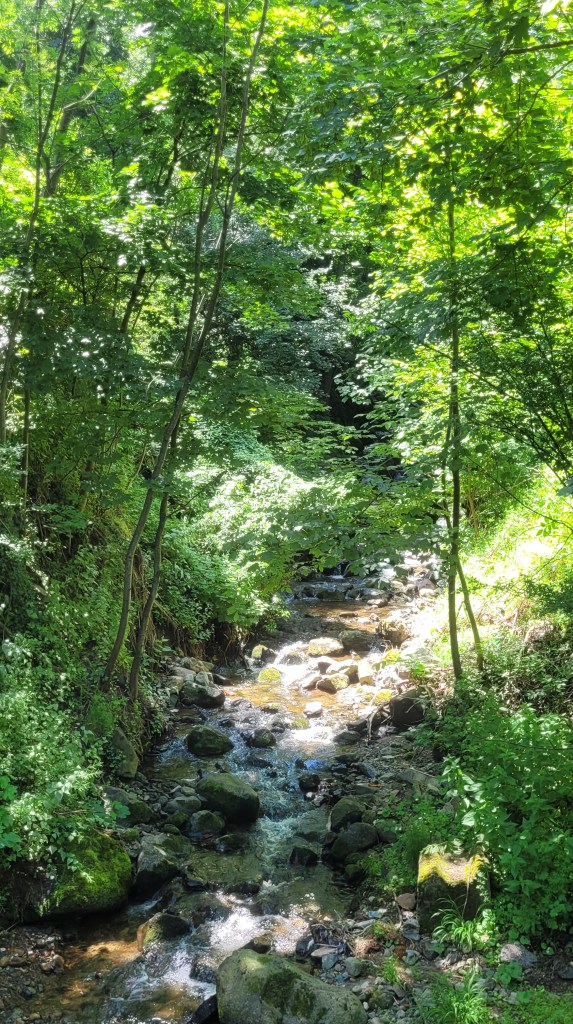
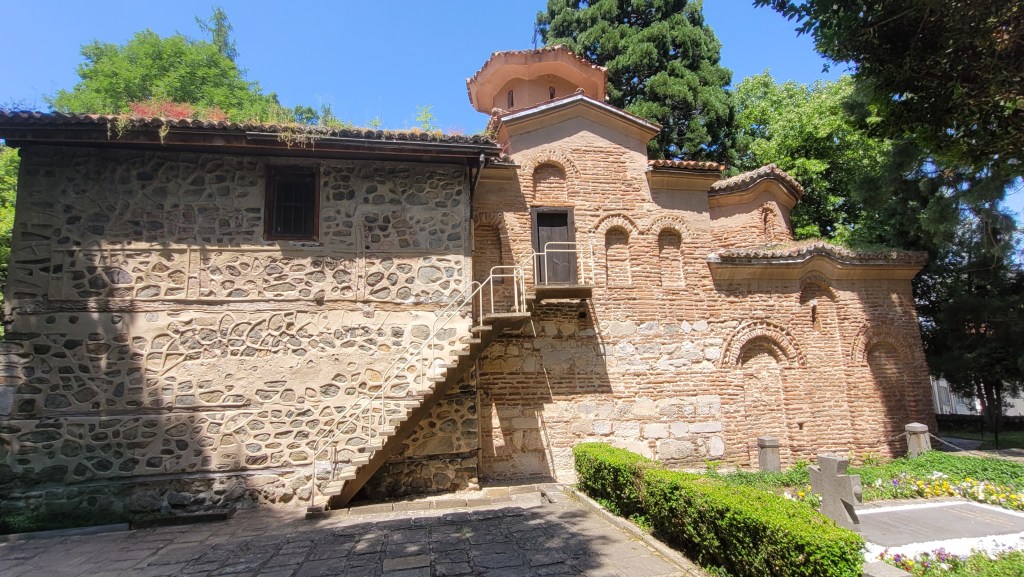
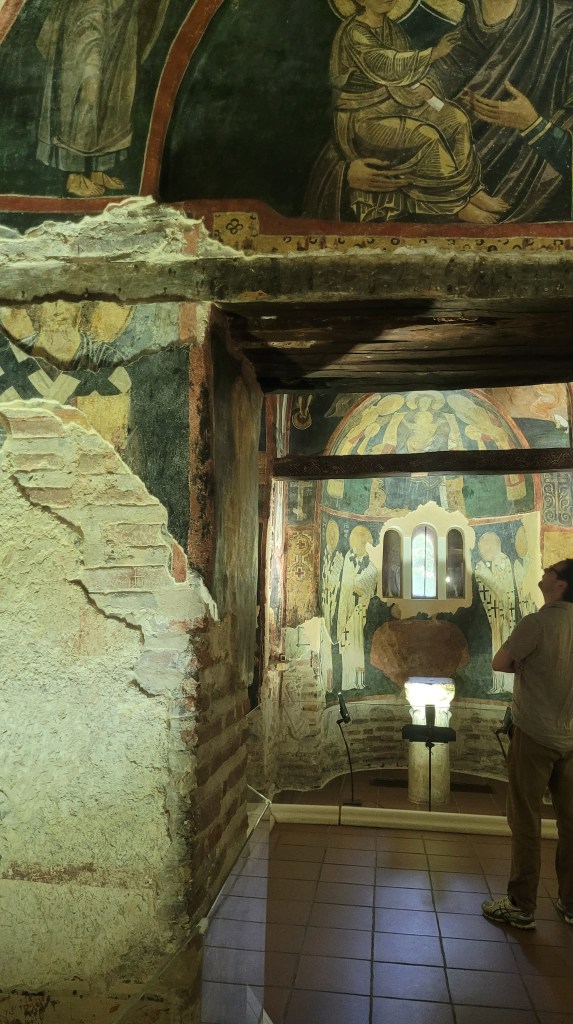
Our final destination was the Boyana church with fresco’s since the 11th century. This was super impressive. I liked the fresco with the Dubrovnik coat of arms.



For a historical city with more charms and cultural activity, there is also Plovdiv, which was the European Capital of Culture in 2019 and has an especially wonderful vibe.
In 2010
Bulgaria is hitting an economic boom! The tech sector is growing and is the main focus of the country’s start-up activity, with the capital Sofia at the centre.
Sofia’s grey communist-era of the cityscape is slowly vanished and gives the place to shine to beautified golden Orthodox domes, leafy parks and the grandeur of the surrounding mountains. There are plenty of lively bars and restaurants too.
The cathedral of Sofia is called The St. Alexander Nevsky Cathedral. It is the center of orthodox religion in Bulgaria, built in Neo-Byzantine style in 19 century. The cathedral was created in honour to the Russian soldiers who died during the Russo-Turkish War of 1877-1878, as a result of which Bulgaria was liberated from Ottoman rule.

Everything in Sofia is aligned with the cathedral as the center of citizen’s life. That’s the reason we find the several sites around it. I. e. Bulgarian Parliament called the National Assembly in Neo-Renaissance style. The slogan on the facade above the entrance, “Obedinenieto Pravi Silata”, loosely translated, means ”United we are strong.”

On the left side of the main Cathedral is a flea market with lots of old goods from communist period. Definitely something to get lost in time. My brother, the old coin collector, was stunned and spent the entire Sunday morning there.
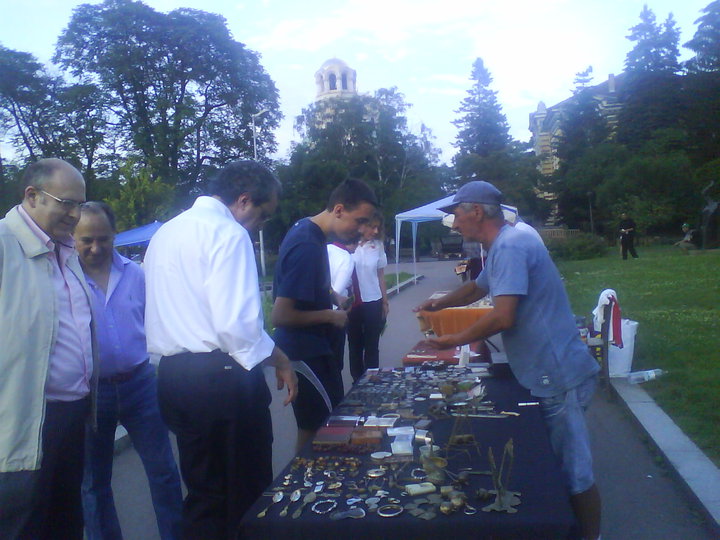
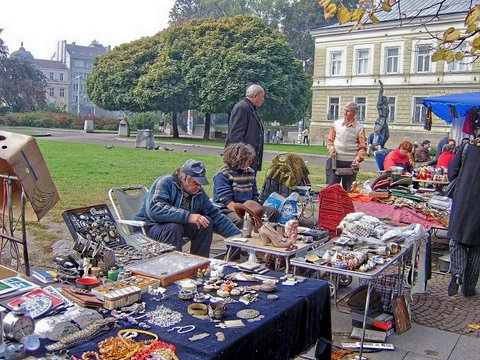
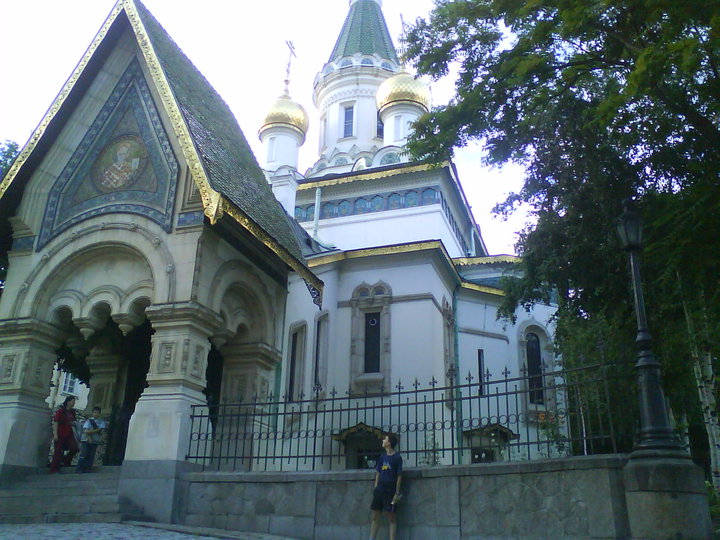
Then again to its right is a nice orthodox church that we never managed to find out the name of it. The reason is that my brother and I were in Sofia in 2010 when no tourist office existed yet. When we asked a certain passenger on the street for the tourist office, he asked, ‘Why?’ We replied that we needed a map. Remember in 2010, there were no smartphones yet.
However, the church:
Then, this:
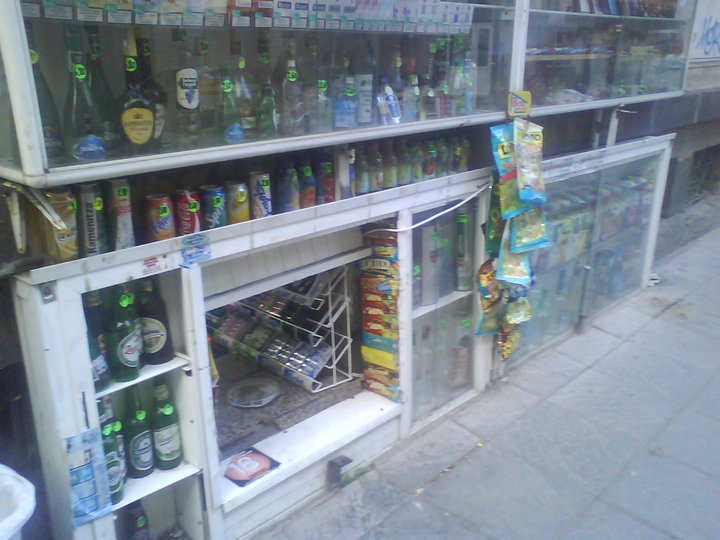
Every street corner had a window store on the sidewalk level, with empty bottles and sacks serving as exhibits of items for sale. (I am not saying anything here) o.O
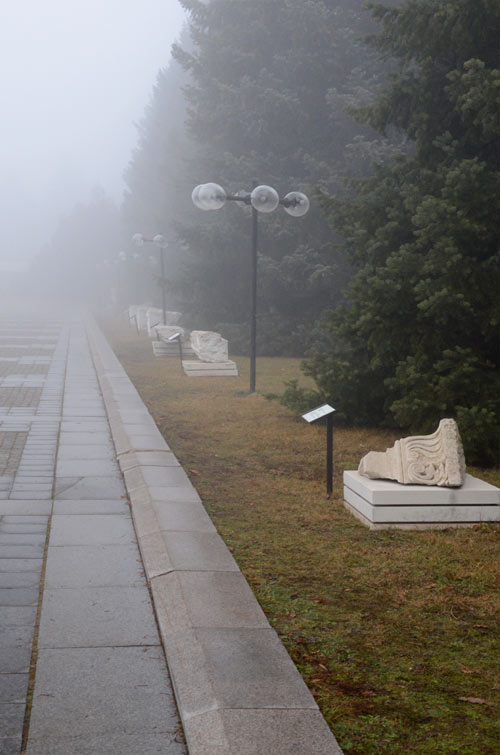
Anyways, my brother and I continued to visit the Archaeological Museum with the ancient heritage and the heritage from the time of Thrace especially the Thracian gold. I found the Lapidarium with ancient remnants of concrete columns very attractive and mystique as the fog was coming down on them.

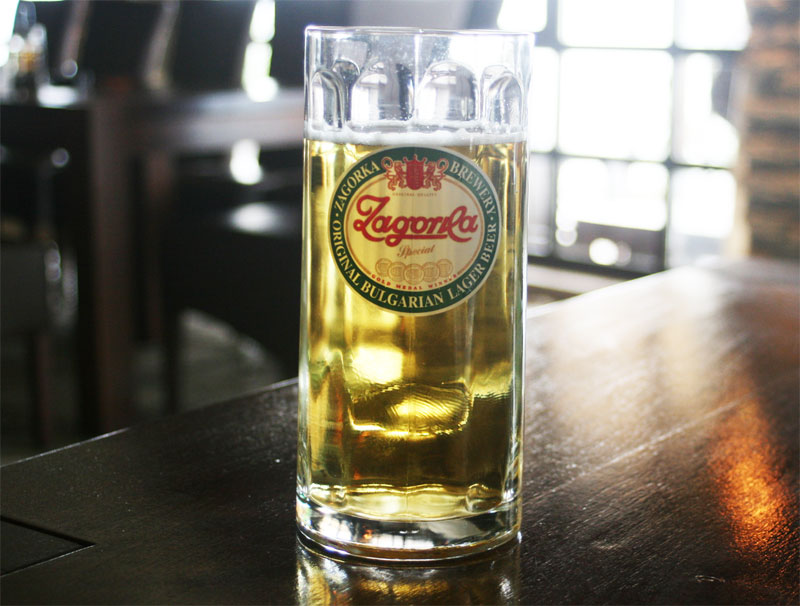
There is a bar on every corner in the centre of Sofia and in certain residential areas, such as ‘Studentski Grad‘ (Students’ Town), where simply sitting for a coffee, dinning or having a great night out is just the way to spend the time in Sofia. 🙂 For some reason Martin and I choosed the Budha bar that had something a little different to offer – style, good music and that certain something … well, if you ever meet my brother – ask him… and had a great time!
 RED RIDING HOOD
Oh wow, the window store with empty bottles & sacks? That’s interesting.
LikeLike
It’s always good to read something positive for my birth city.
LikeLike
Nice post with amazing captures. Loved to read it. Fun, style, food, travel it has everything.
LikeLike
If you would like to improve your familiarity just keep visiting this website and be updated with
the hottest news update posted here.
LikeLike