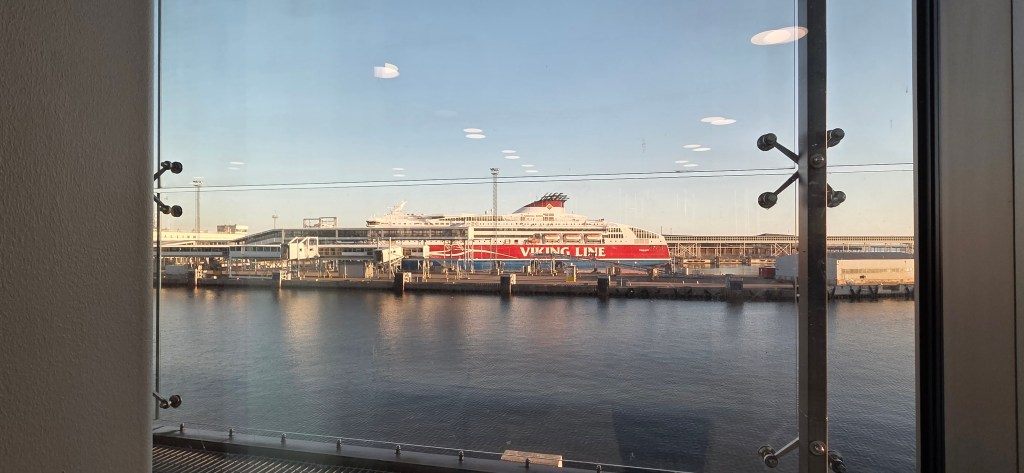
We arrived in Tallinn close to midnight, but the sun was still setting and the sky had beautiful northern colors.
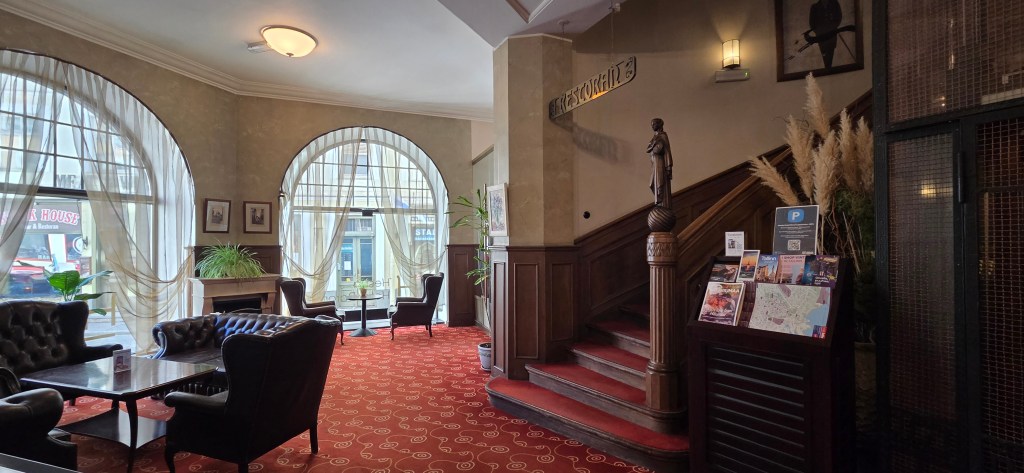
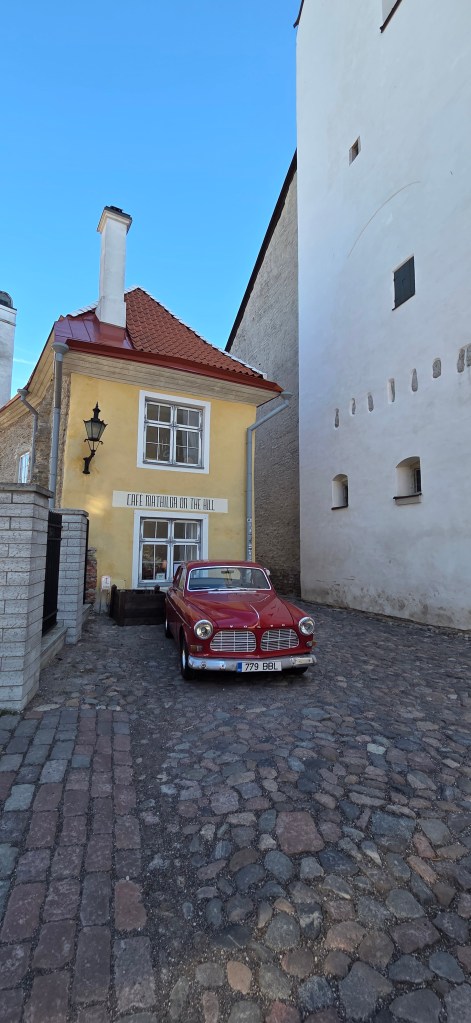
The arrival at the hotel was around midnight, but it immediately took my attention as it had a mix of medieval style, Northern Art Nouveau, and old Russian imperial influences, with wooden details, stone walls, and warm lights. Tallinn immediately felt like a city strongly connected to its past.
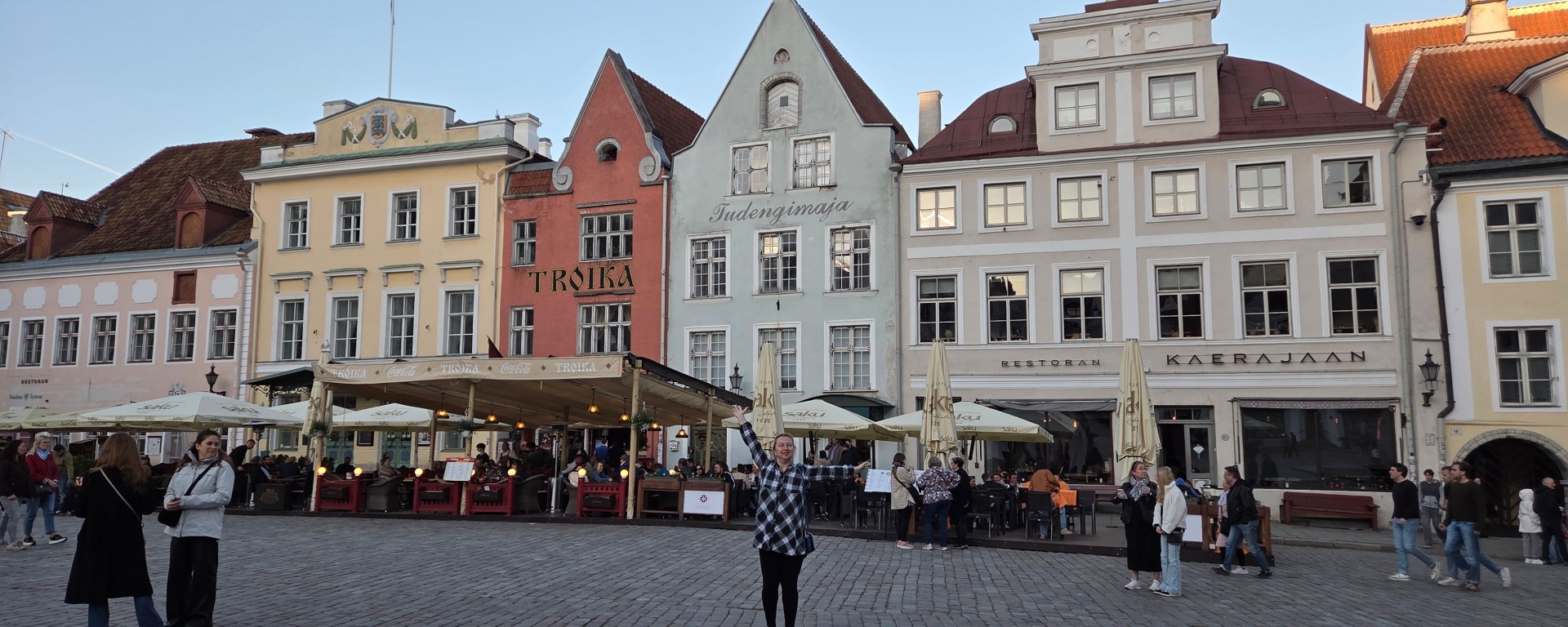
Although for the moment I had a feeling I arrived to a German Northern coastal city – which makes sense. Tallinn was a free Hanseatic city, trading with Hamburg, St Petersburg, Helsinki, Brugge etc.
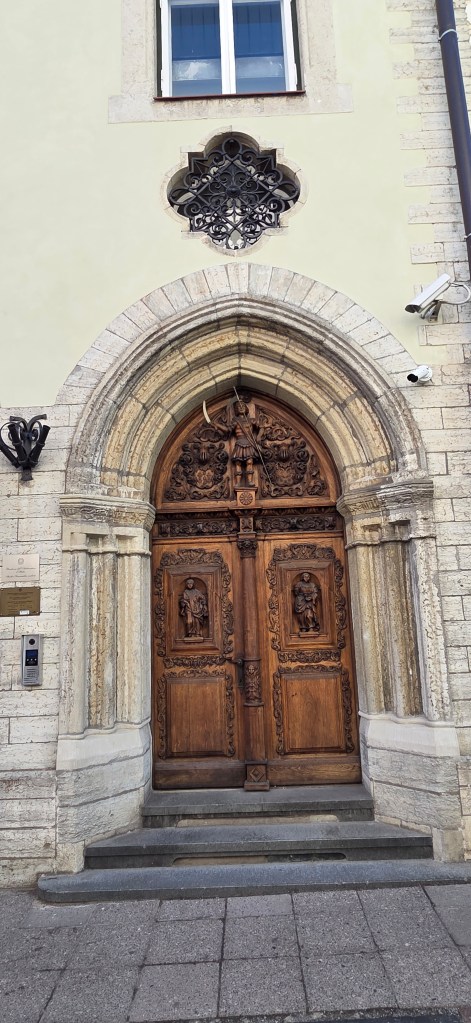
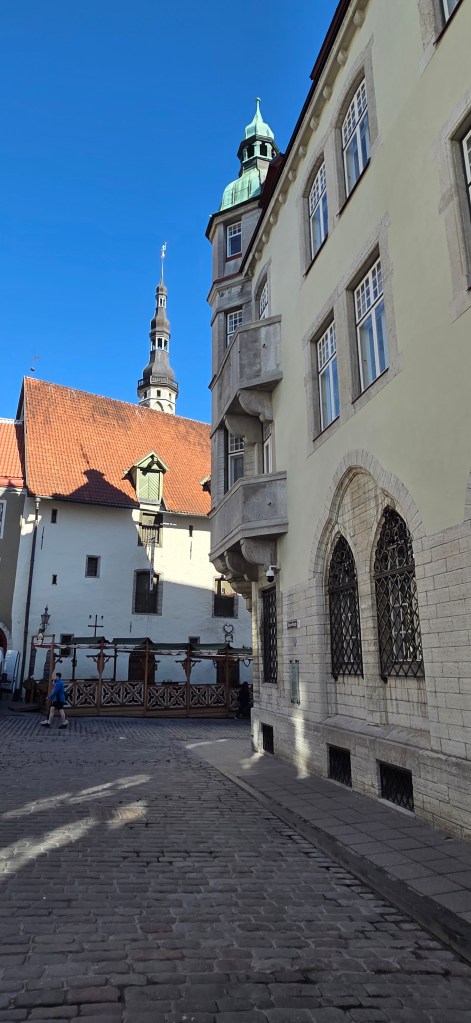
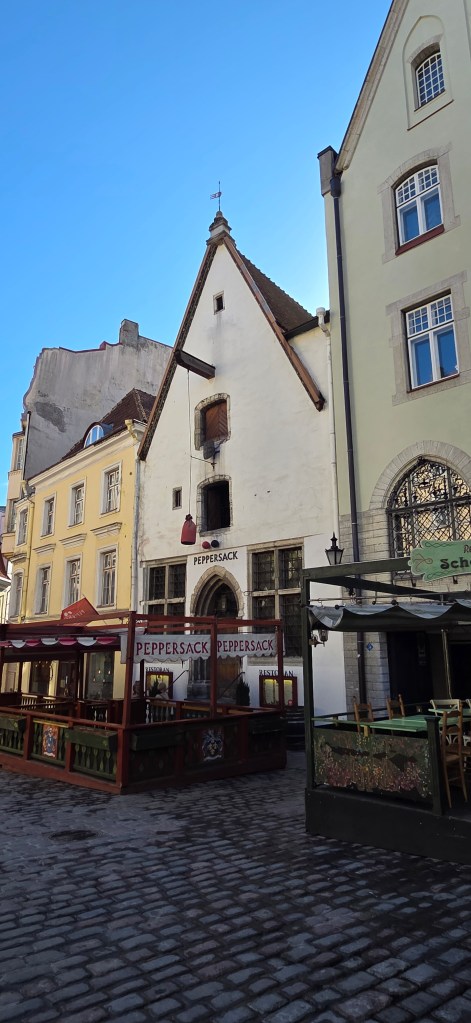
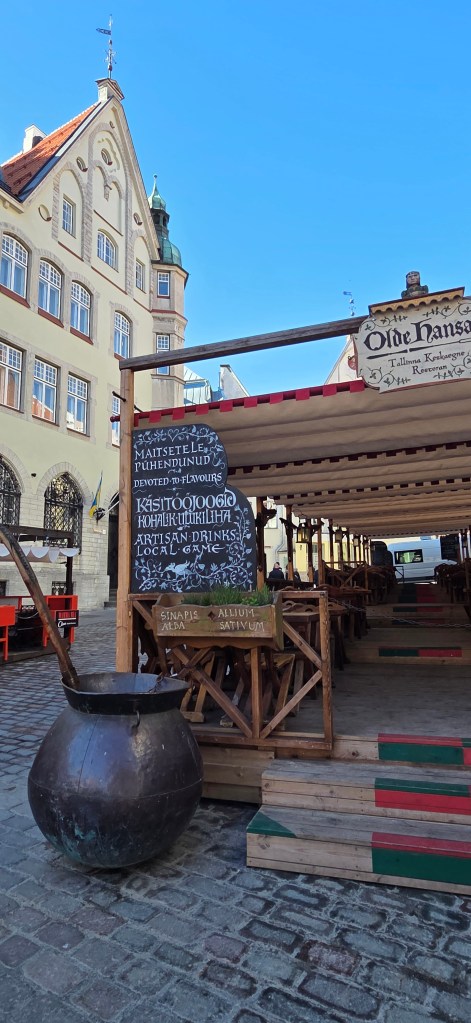
Tallinn fully embraces its medieval identity and turns it into part of the experience of the city. Restaurants have staff dressed in medieval clothing who speak to visitors like servants from another century, while the streets are filled with vendors selling honey, cheese, and traditional Estonian medieval snacks. Instead of modern tourist clichés, Tallinn chose medieval tourism and built it creatively into the atmosphere of the city.
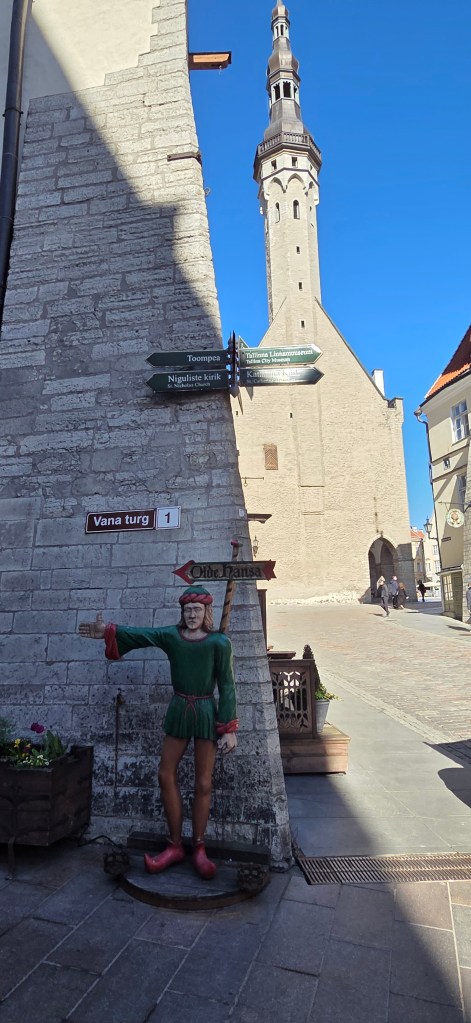
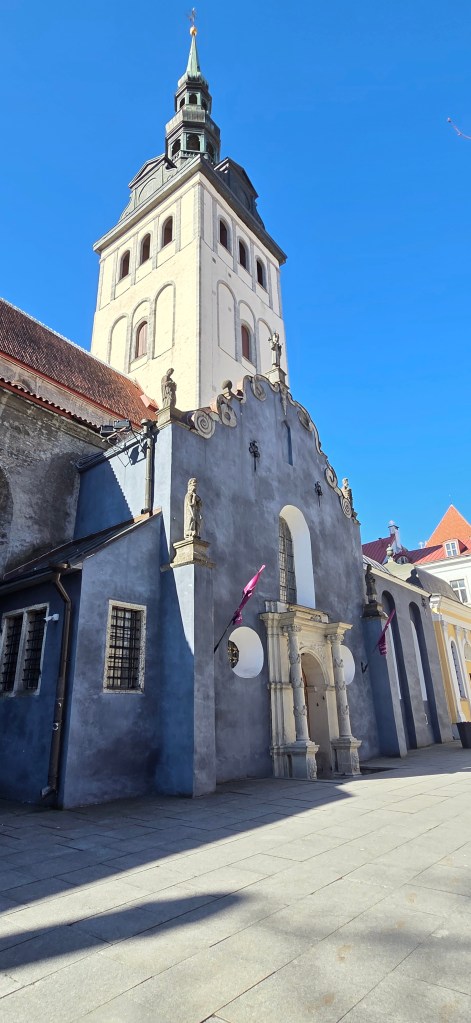
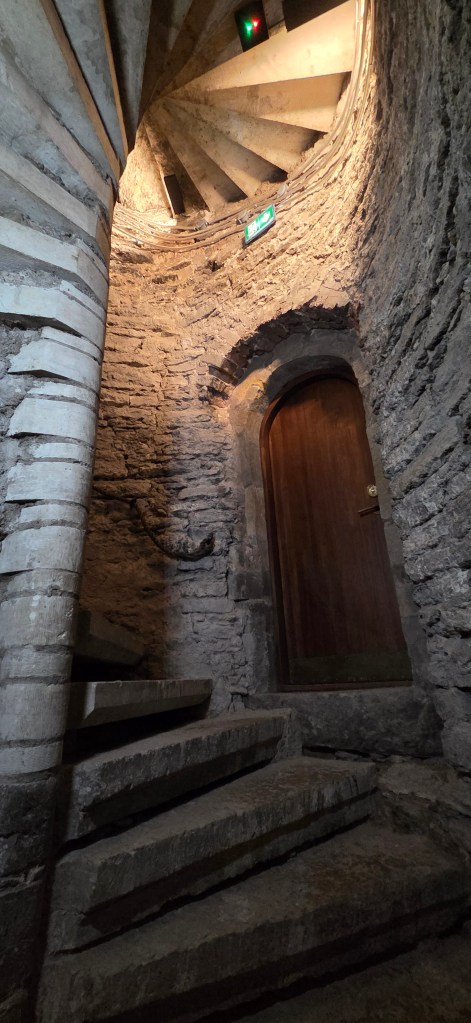
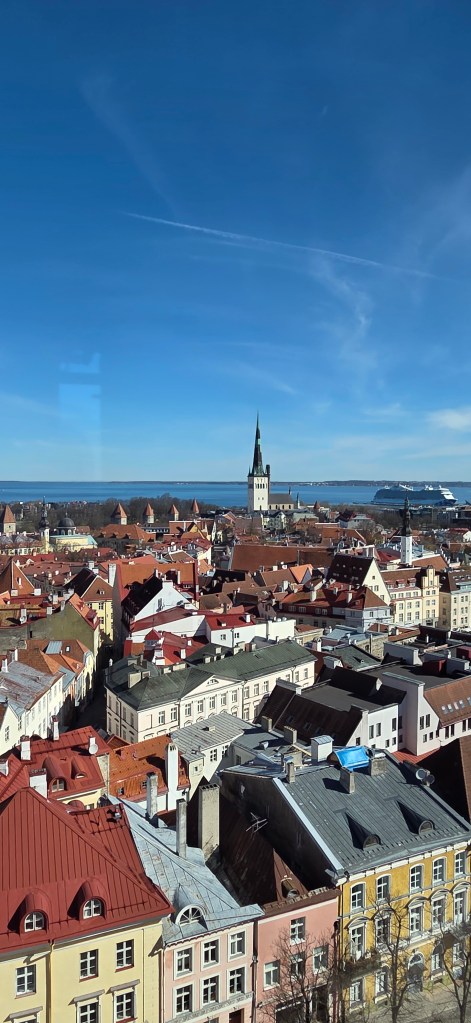
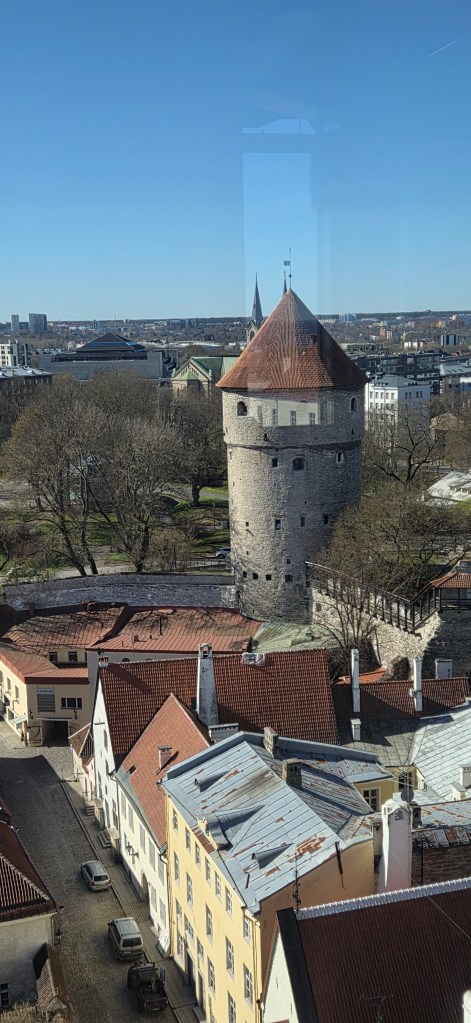
Our first stop was Niguliste Museum, also known as St. Nicholas’ Church, which today also serves as an art museum. We climbed to the top of the bell tower — more than 300 stairs — and the view over Tallinn’s red roofs and medieval streets was worth it.
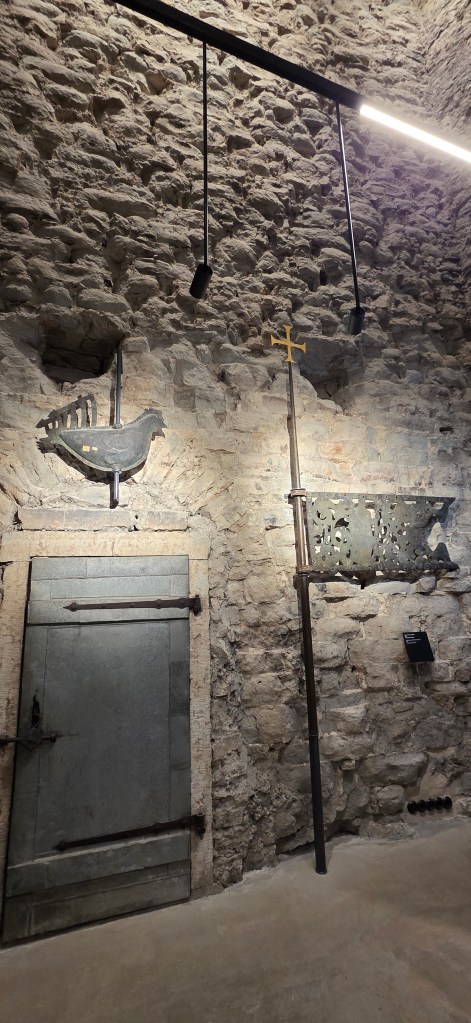
Over the centuries, the skyline of Tallinn has evolved into a symbol and a place of memory. The first panoramas of Tallinn date from the 17th century. The city was first depicted in German travel books.
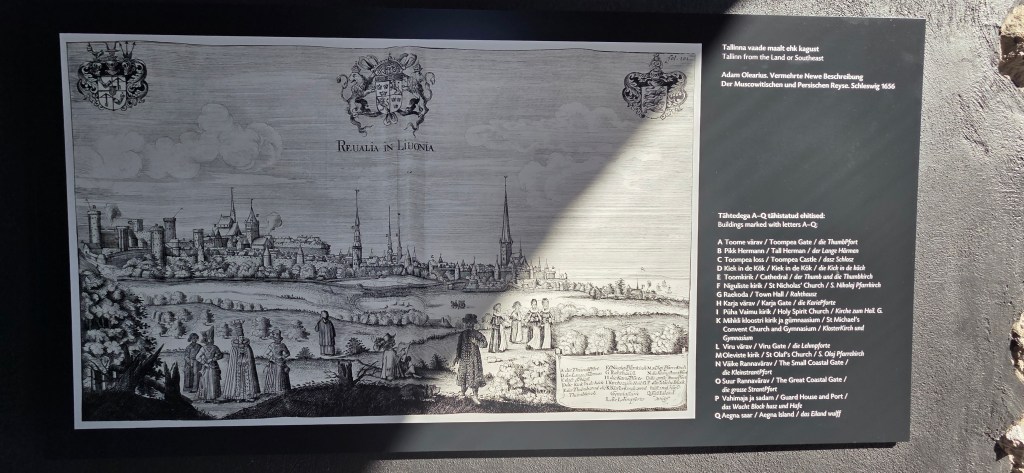
The panorama of Tallinn, the city of towers, seen from the sea, has over the centuries become an iconic sign of the town.
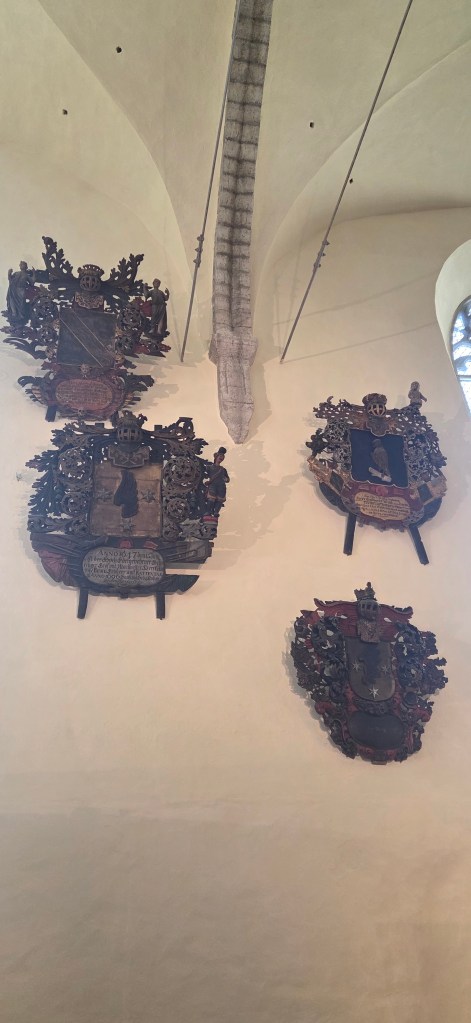
Inside the church, you can clearly see how important noble families once shaped the history of Tallinn. Their coats of arms are displayed on the walls, while many nobles and wealthy merchants were buried beneath the church itself. What I found especially interesting were the worn stone tiles on the floor — centuries of footsteps left visible impressions, making the church feel less like a museum and more like a place where history is still physically present.
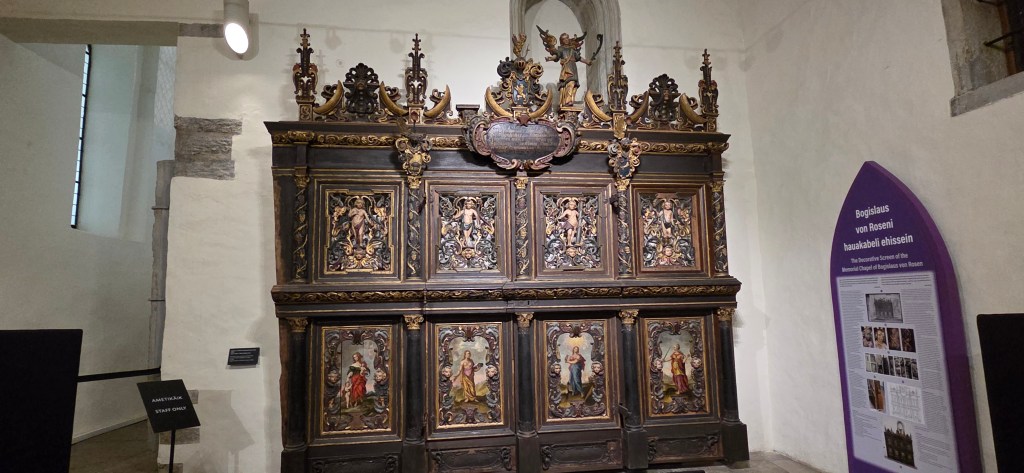
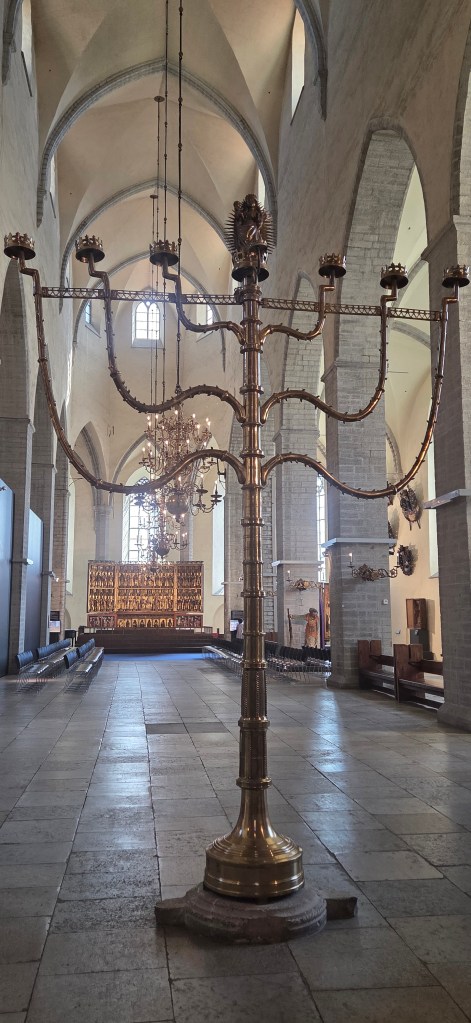
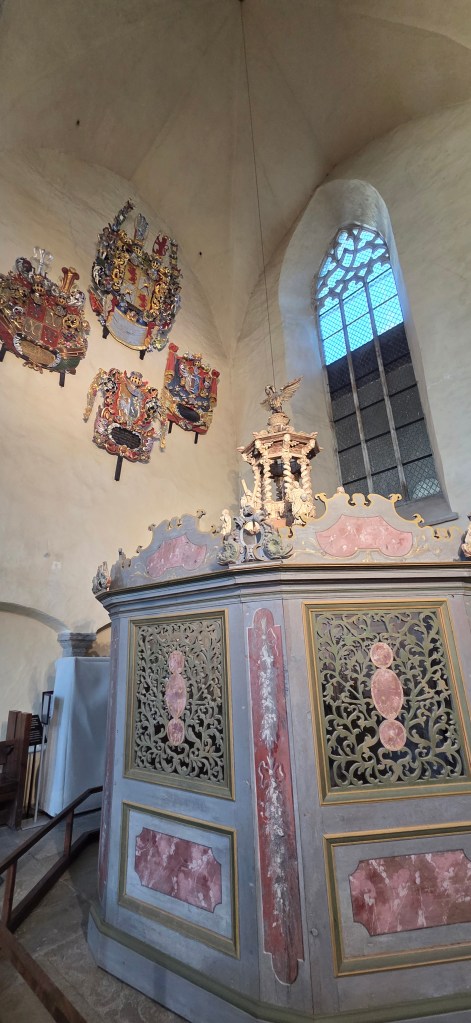
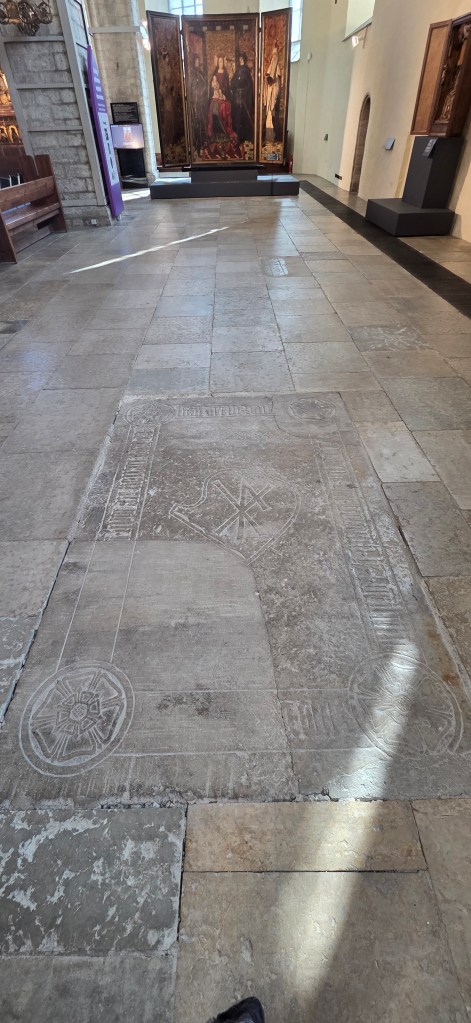
The church also contains Northern Renaissance art with strong influences from Flanders, showing how Tallinn was connected to the wider Baltic and European trading world.
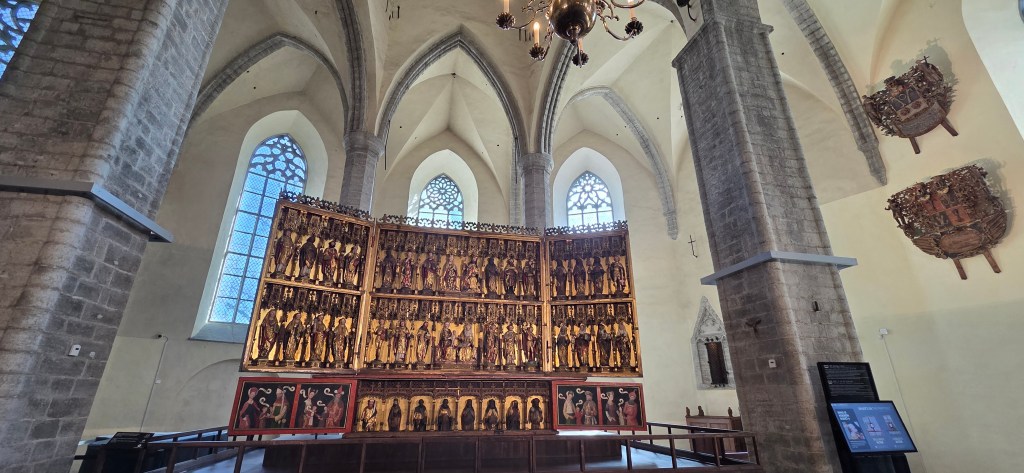
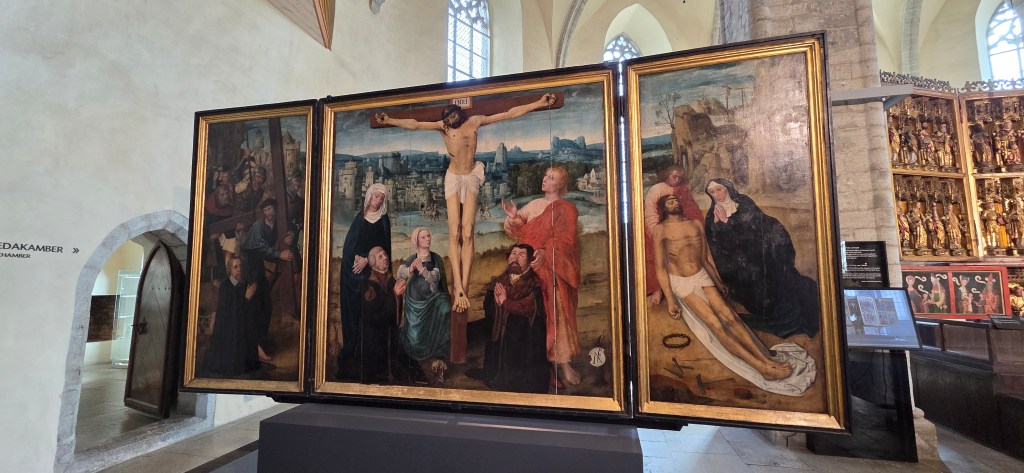
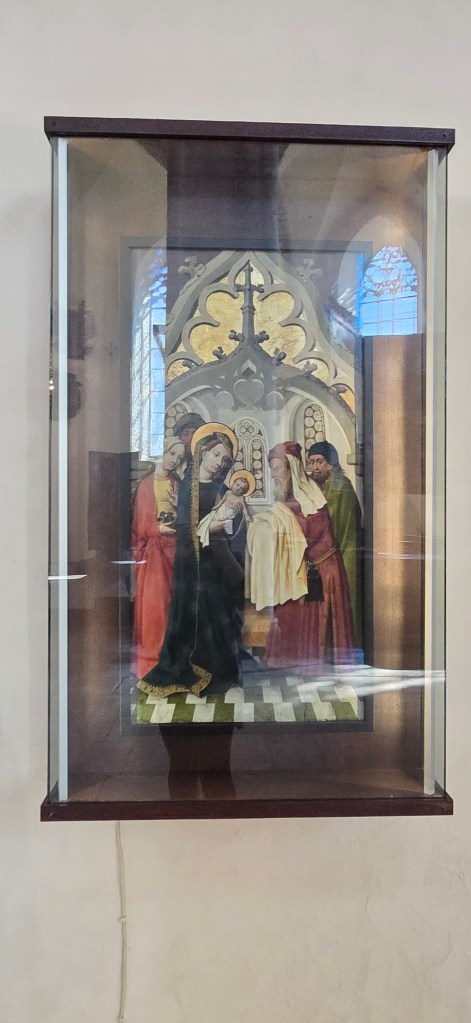
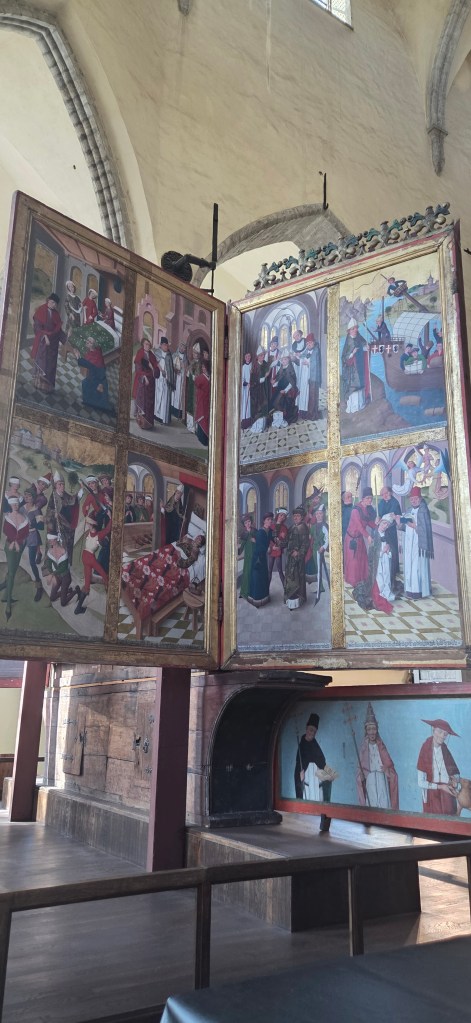
Here below is the most important artwork in the church, is Presentation of Christ in the Temple, considered the oldest panel painting in Estonia. Researchers discovered that the painting originally belonged to a larger medieval altarpiece connected to the castle church of St. Sebastian in Austria. The artwork also shows how Tallinn was linked to wider European artistic and religious networks already in the early 16th century.
Another interesting piece in the church is the sculpture of St. Christopher, the only surviving part of the original pulpit destroyed during World War II bombings. The figure was later restored and today remains one of the most symbolic reminders of how much of Tallinn’s historical heritage survived wars and destruction.
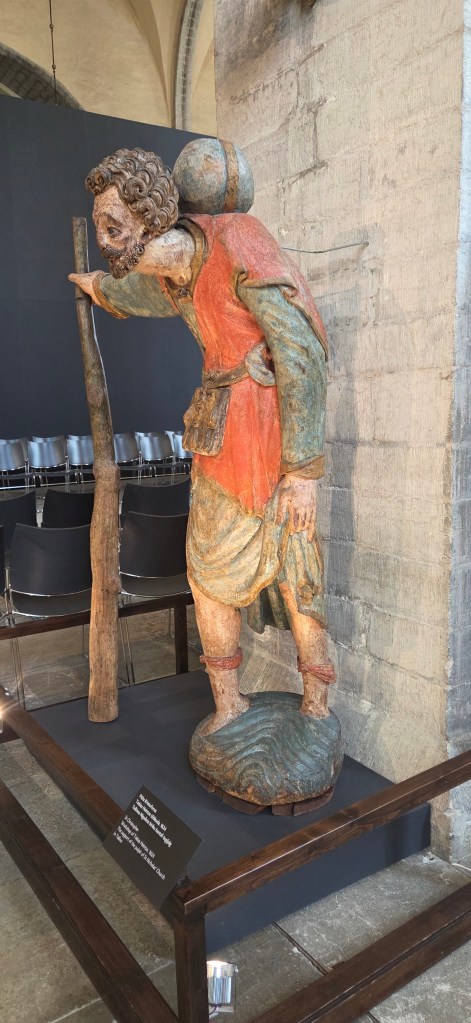
Saint Christopher is a patron saint of us travellers 🙂 and offers protection during journeys. The most famous legend says he carried a child across a dangerous river, only to discover the child was Christ himself carrying the weight of the world. That is why he is usually depicted as a giant man carrying the Christ child on his shoulders.
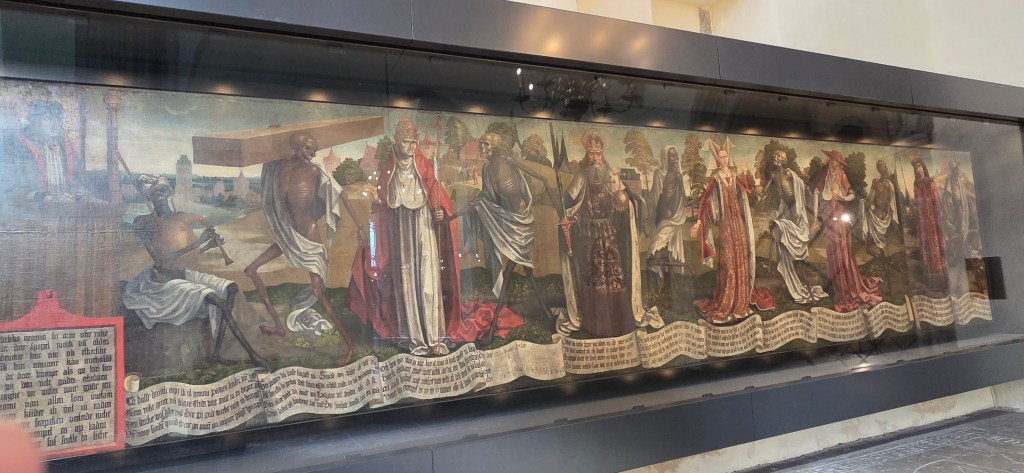
One of the artworks that stayed with me the most was the Dance of Death created at the end of the 15th century by the workshop of the Lübeck master Bernt Notke. The painting shows death walking together with people from every social class — nobles, clergy, merchants, ordinary citizens — reminding everyone that status, wealth, and power eventually disappear. Standing in front of it inside the medieval church, surrounded by tombs and coats of arms of long-forgotten families, the message still felt strangely modern and unsettling.
Tallinn also embraces the darker side of its medieval atmosphere. Across the Old Town, you can find hooded monks and statues inspired by medieval legends, religion, and plague, and the constant presence of death in Northern Europe during the Middle Ages. Walking through the stone streets, surrounded by church towers and old walls, the city sometimes feels more like a medieval film set than a modern capital.
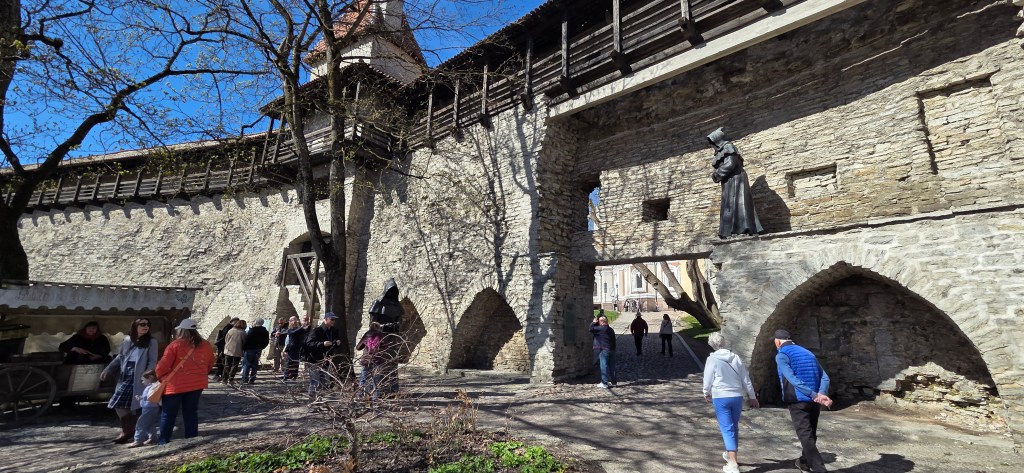
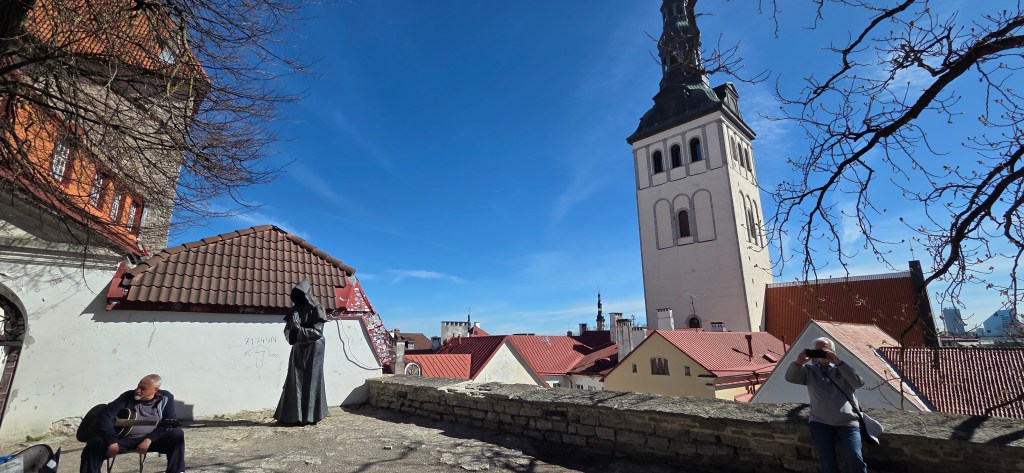
Also, from that spot, I had a feeling like I am in Zagreb, on Kaptol (Upper city) overlooking Lower city. 🙂
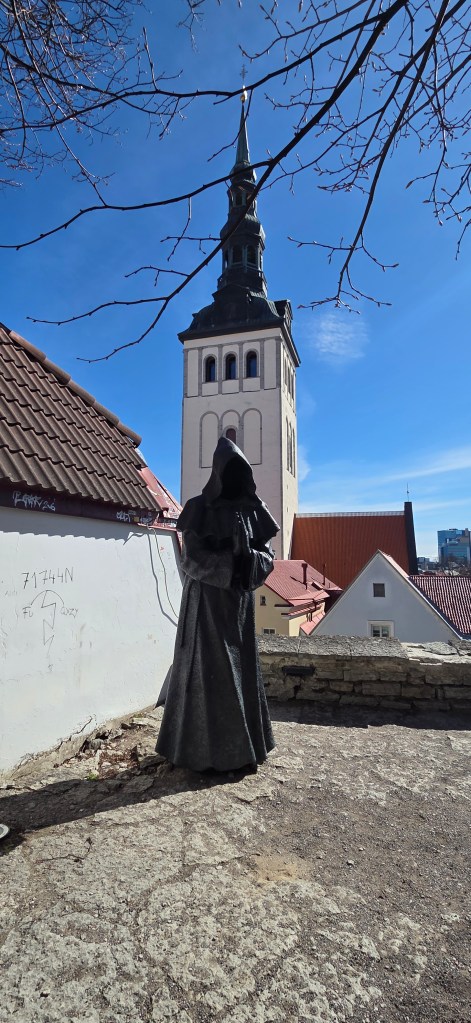
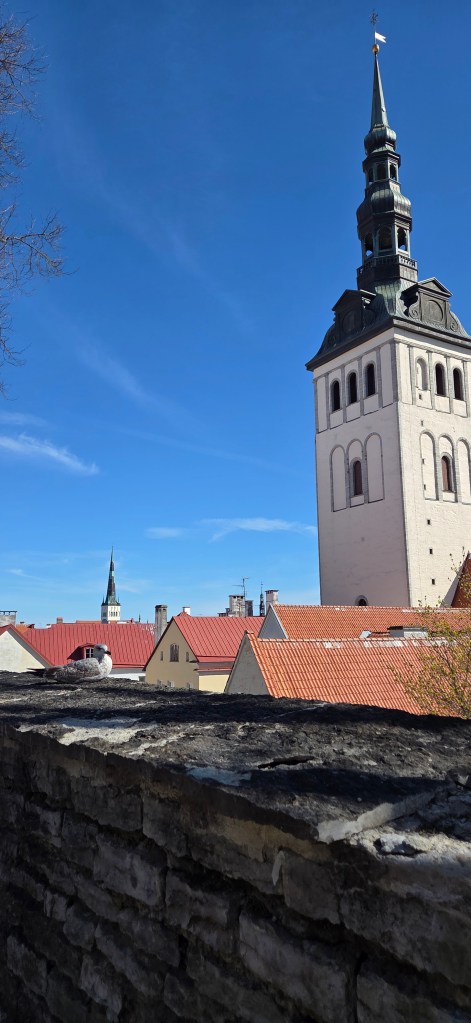
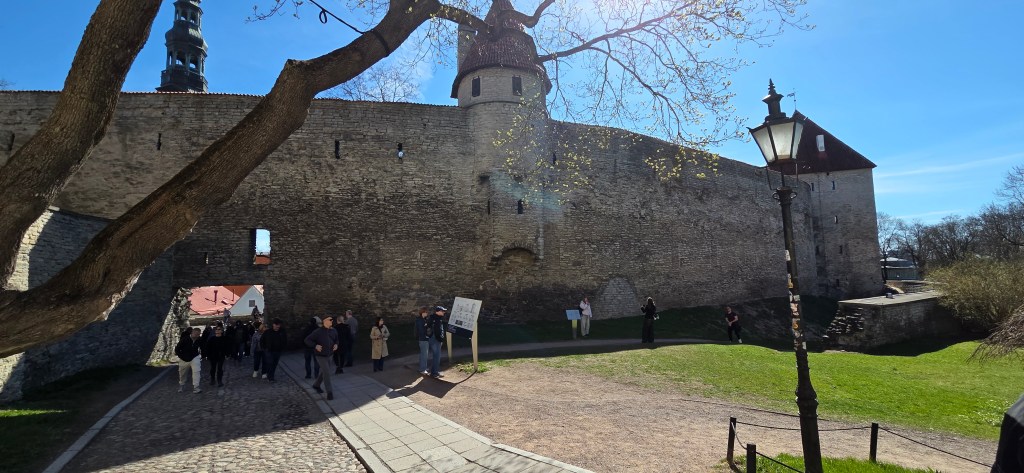
The massive stone walls surrounding Tallinn’s Old Town are another reminder that this city was built not only for trade, but also for survival. Tallinn is one of the few cities in Europe that still preserves large parts of its original medieval defensive walls and towers.
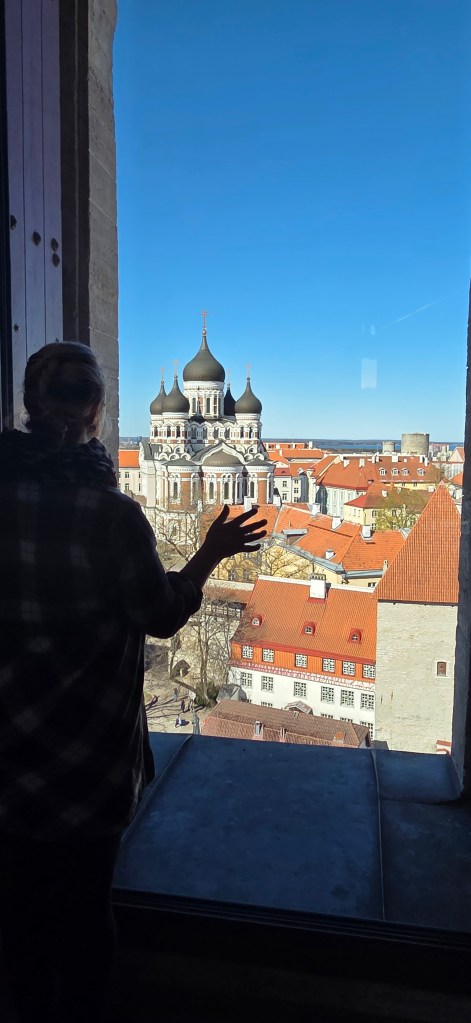
We also visited Alexander Nevsky Cathedral, the large Russian Orthodox cathedral overlooking the Old Town. The church was beautiful both outside and inside — rich Orthodox decoration, golden icons, dark colors, candles, and that heavy spiritual atmosphere typical of Eastern churches.
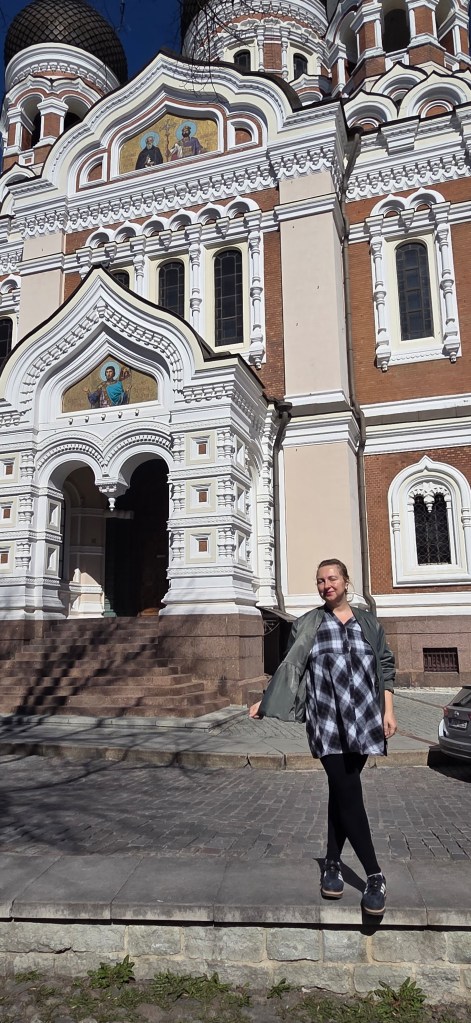
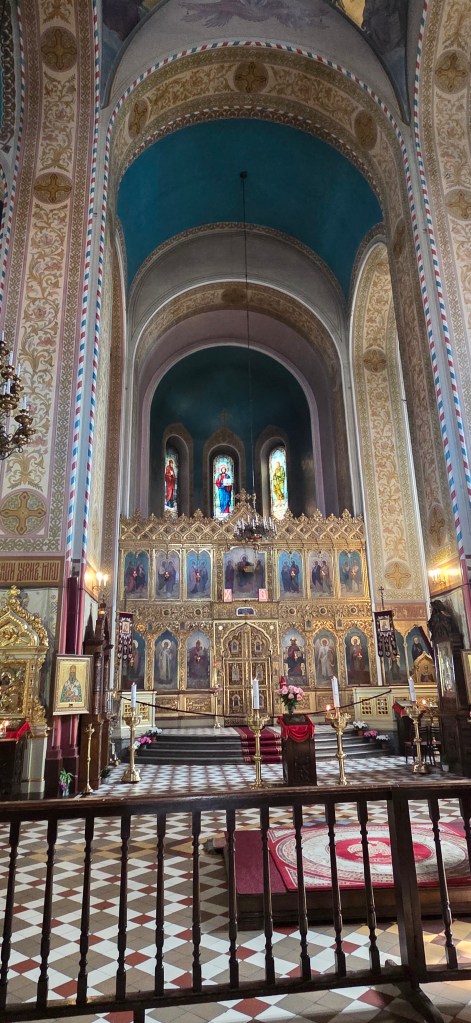
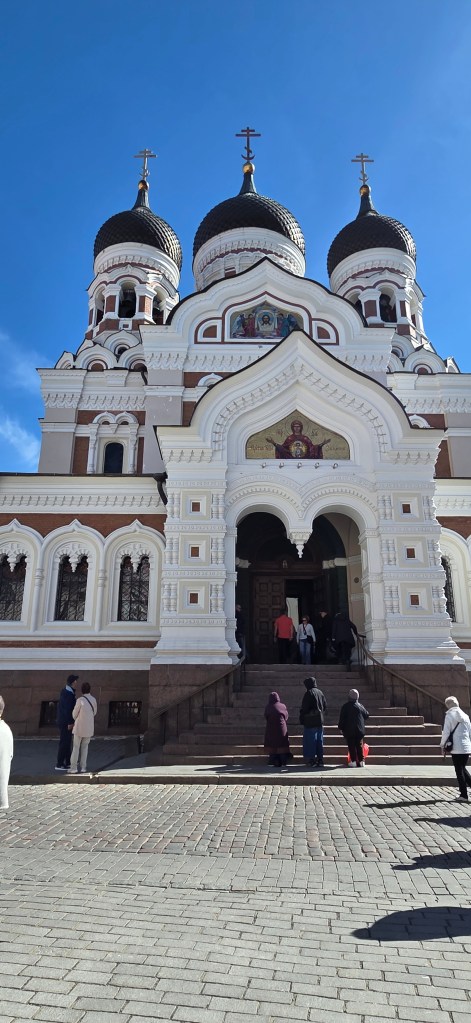
I entered, made the sign of the cross, and instinctively took my phone to capture the interior before suddenly hearing some Kolja poking me:
“It is literally written there — no photo.”
I immediately apologized and answered:
“Yes, of course, I’m sorry, I was more focused on the beauty of the church than on the signs,”
but the church attendant, with a very typical Russian coldness, just replied,
“Yeah, sure,” which honestly ruined the moment a little for me, so I quietly left the church shortly after. Not to mention 3 Gypsy women begging for money right in the middle of the Cathedral entrance. How Eastern European!
Nevertheless, a walk through this city. Medieval charm with Russian influence.
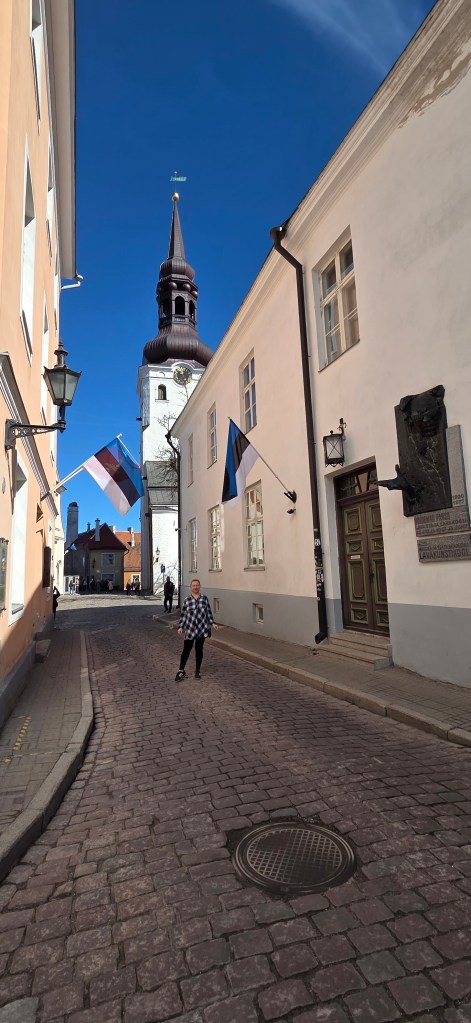
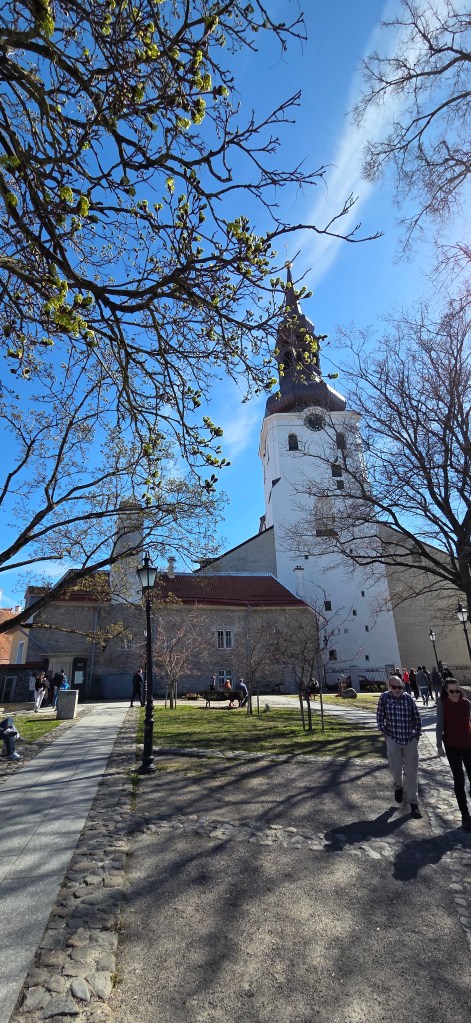
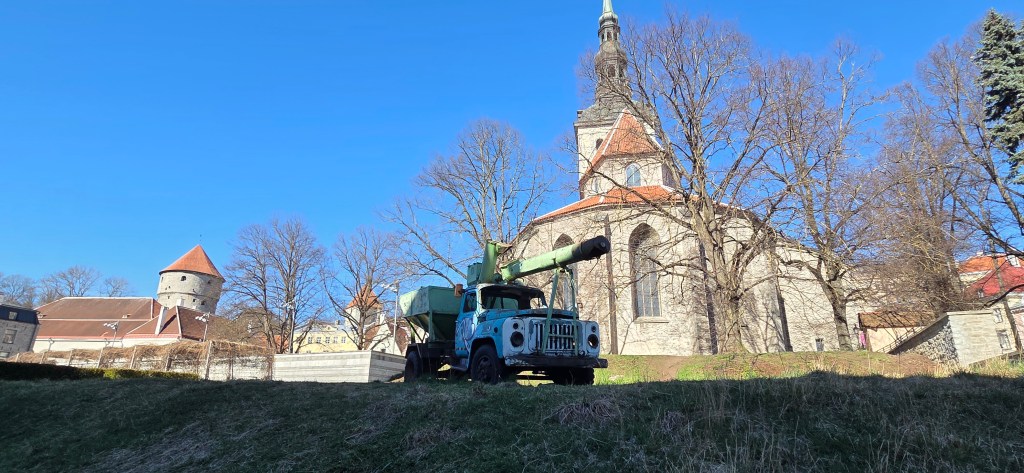
Or this photo below represents the typical Tallinn contrast: a Gothic medieval church from the Hanseatic era together with an old Soviet truck in the foreground. It almost unintentionally summarises Tallinn’s layered history — medieval Baltic trade city, Russian imperial influence, Soviet occupation, and modern Estonia all in one image.
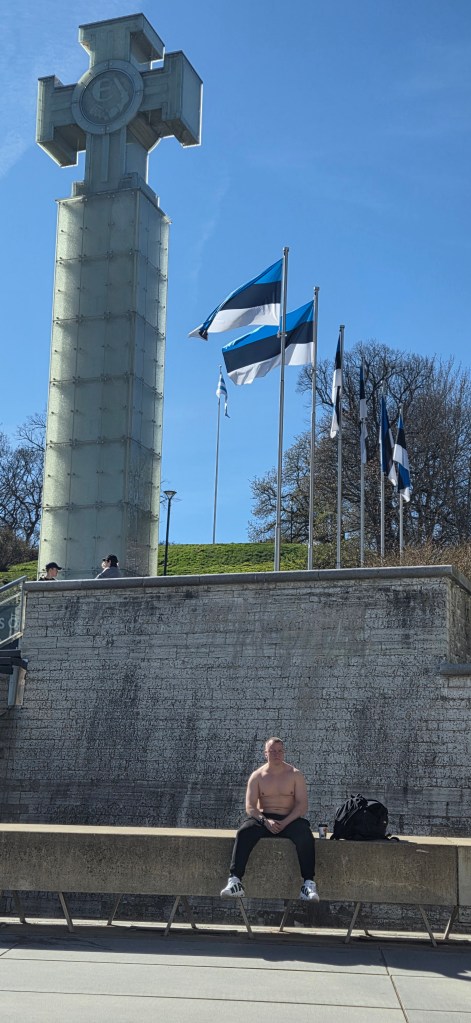
A bit more of the Russian influence 😛 The monument is the War of Independence Victory Column in Freedom Square (Vabaduse väljak), one of the main symbolic places in modern Estonia. The monument commemorates the Estonian War of Independence (1918–1920), when Estonia fought against Soviet Russia and German forces to secure its independence after the collapse of the Russian Empire.
Love the blyat sitting there! 🤘
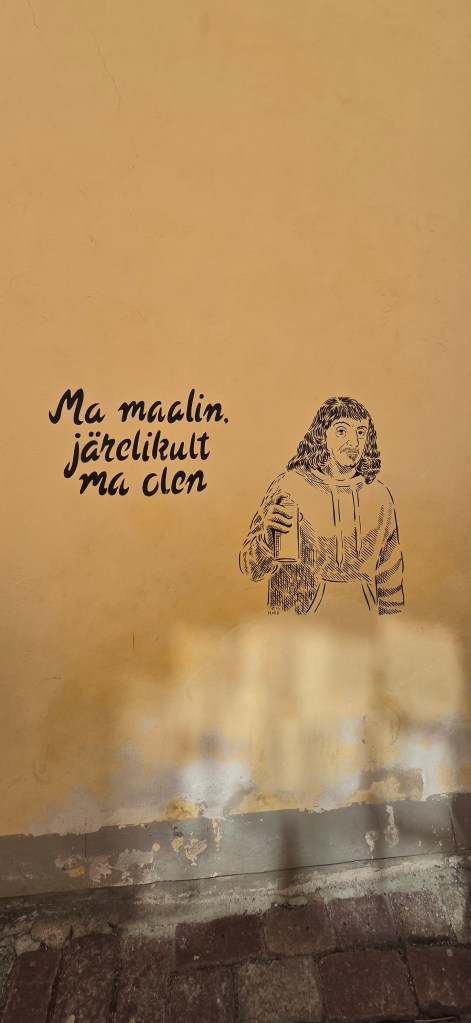
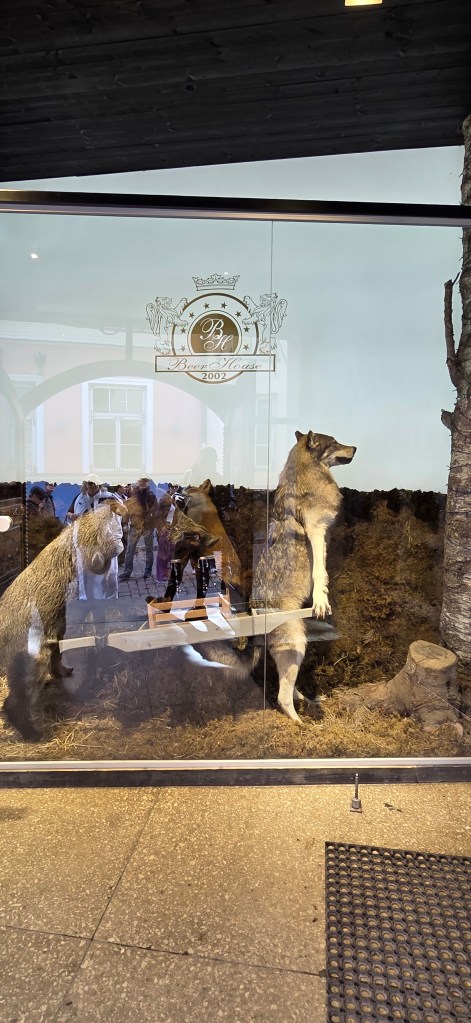
Then this Baltic sense of humor that somehow fits perfectly with its medieval atmosphere. 🙂
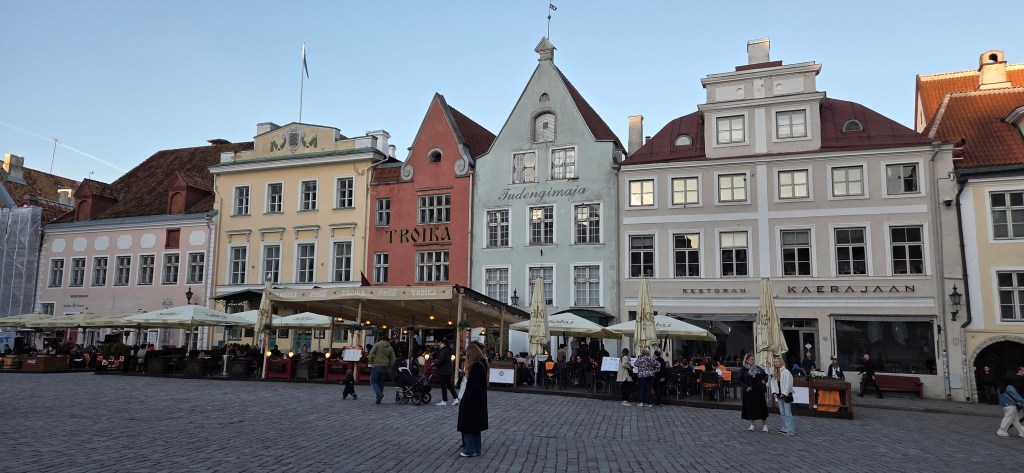
The heart of the Old Town is Tallinn Town Hall Square, which for centuries served as the political and commercial center of medieval Tallinn.
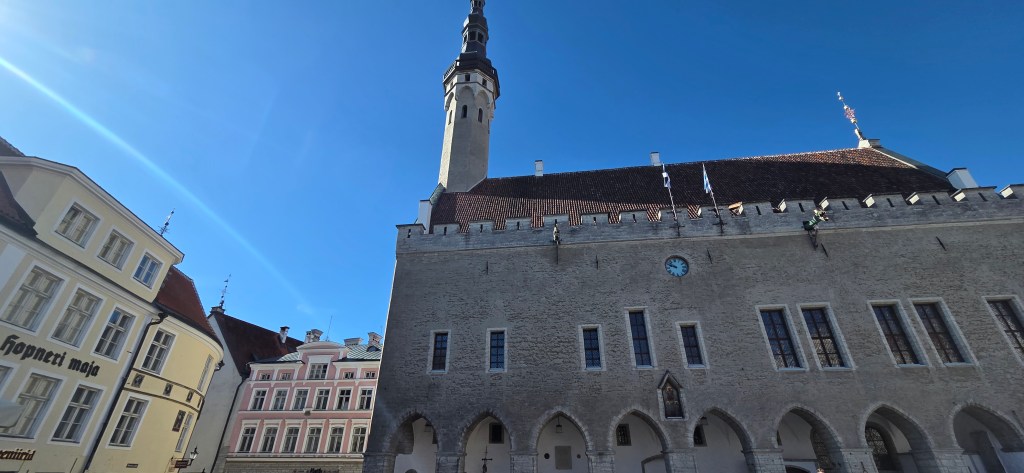
During the Hanseatic League period, merchants gathered there to trade goods arriving from across the Baltic and Northern Europe, while public announcements, celebrations, punishments, and executions also took place in the same square. The Gothic Town Hall itself dates back to the 13th–14th century and is considered one of the best-preserved medieval town halls in Northern Europe.
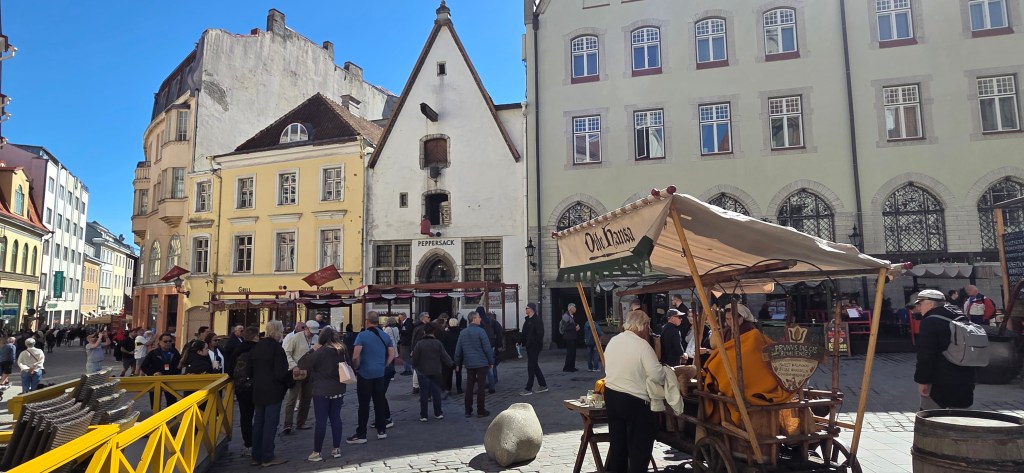
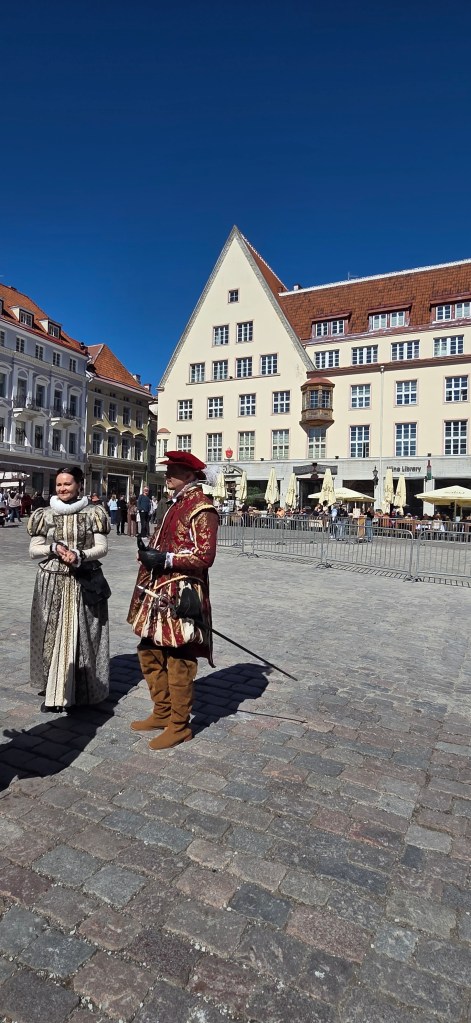
Even today, the square still feels more historical than touristic, especially surrounded by the old merchant houses and narrow stone streets leading into it.
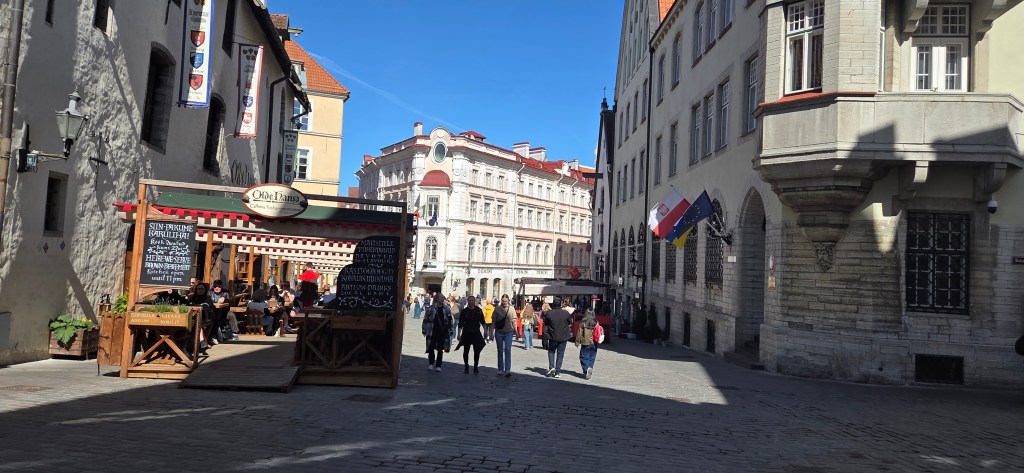
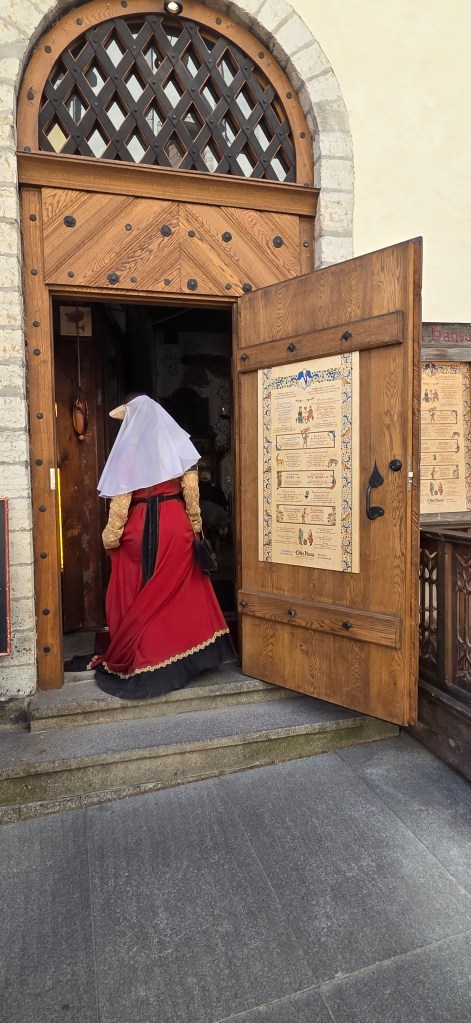
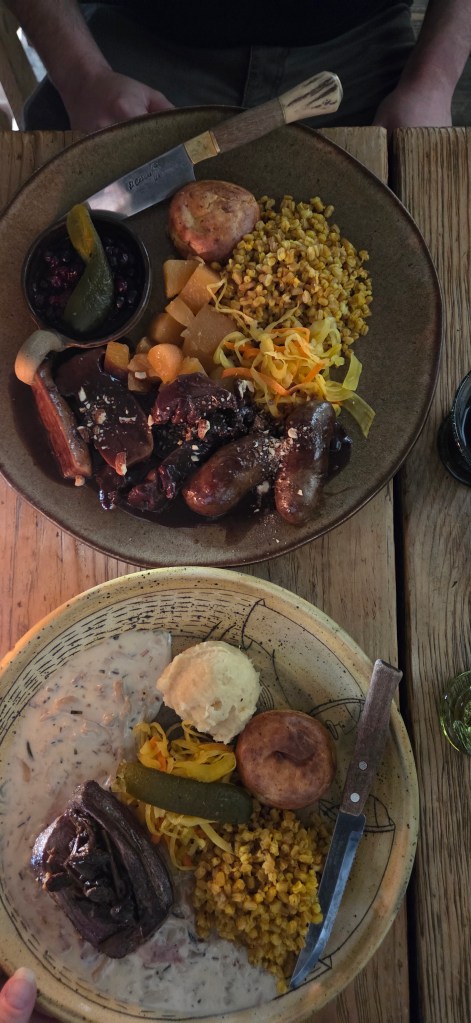
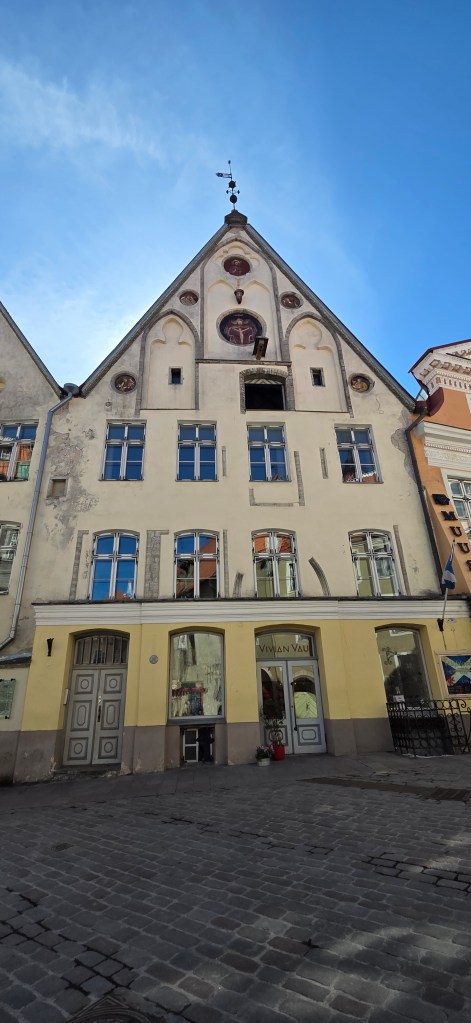
Tallinn takes its medieval tourism seriously, and honestly, they do it brilliantly. 🙂 Just near the Town Hall Square, we entered a medieval restaurant where servants dressed in old medieval clothing called guests “master” and “m’lady,” while huge wooden beams, candlelight, beer, wine, and long feast-style menus immediately transported you into another century.
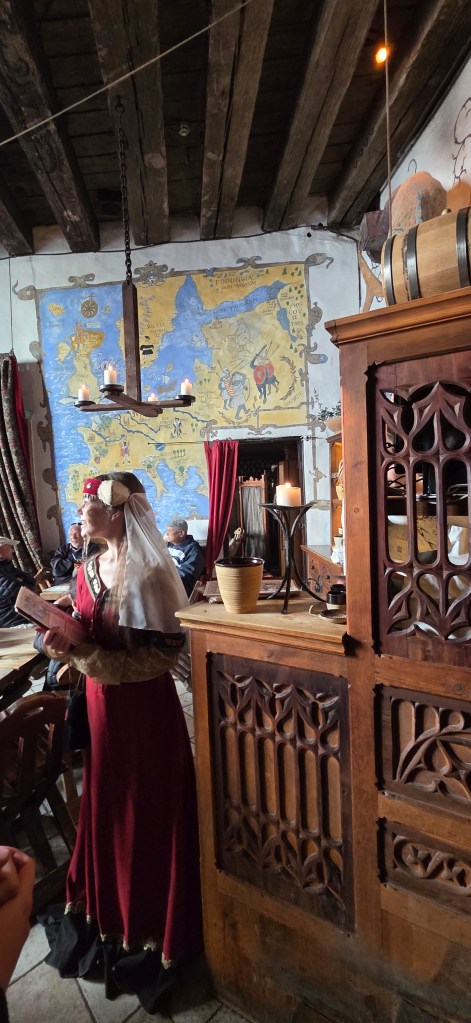
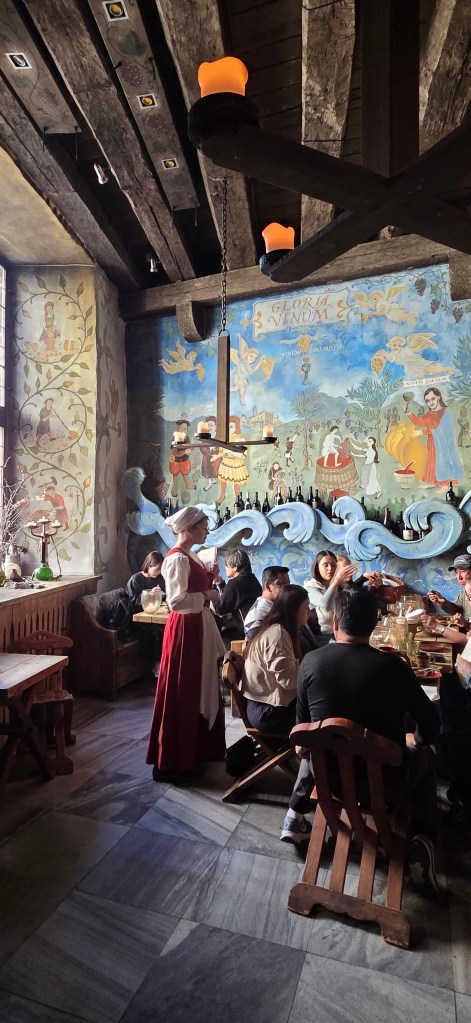
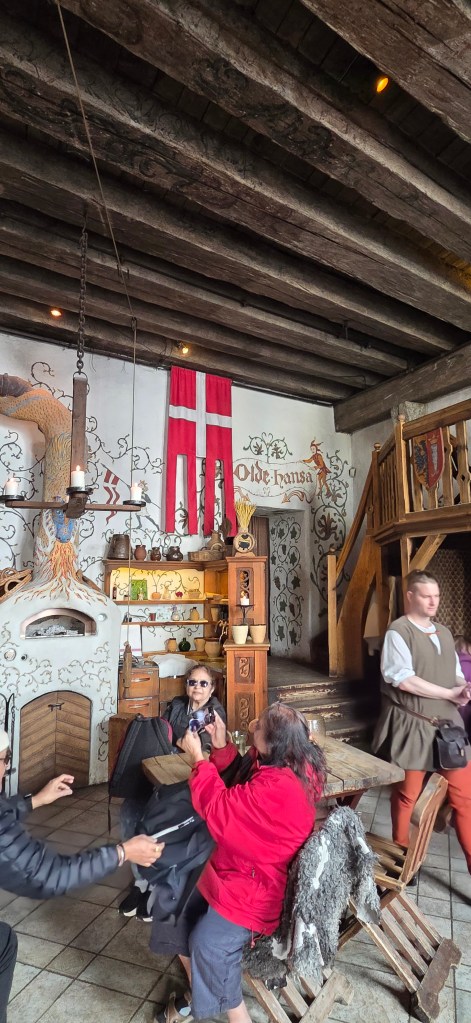
It was there that I tried bear meat for the first time, which somehow felt like the most Tallinn experience possible.
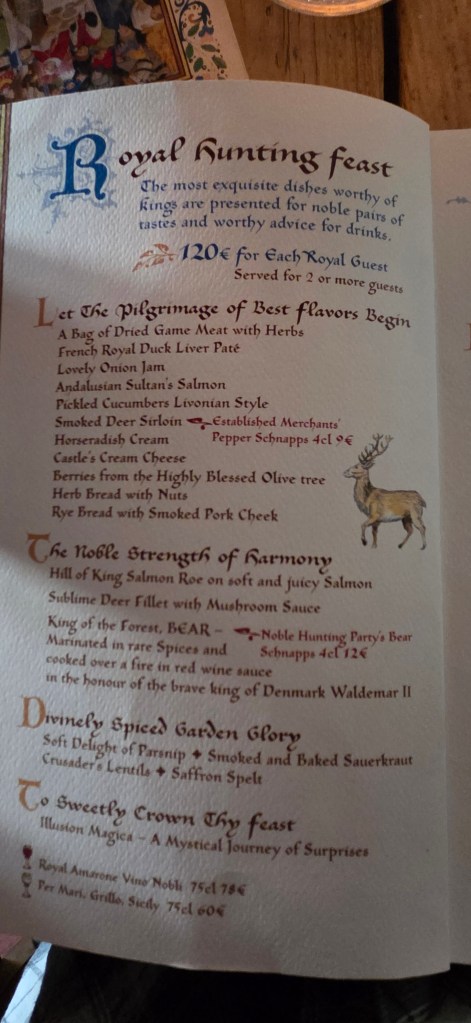
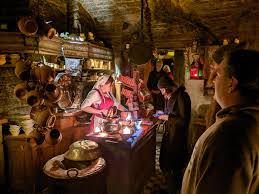
What made it even funnier was that just nearby there was another medieval restaurant, but this one was designed as a place for the poor. The kitchen women were dressed in simple peasant clothes; there was no menu, only two dishes prepared in giant pots, and when I asked to see the menu, the woman simply answered: “There is no menu here,” pointed at the pots, and told us to sit wherever we wanted.
Brutal, direct, completely immersive — and honestly one of the best examples of how creatively Tallinn turned its medieval history into an experience. 🙂
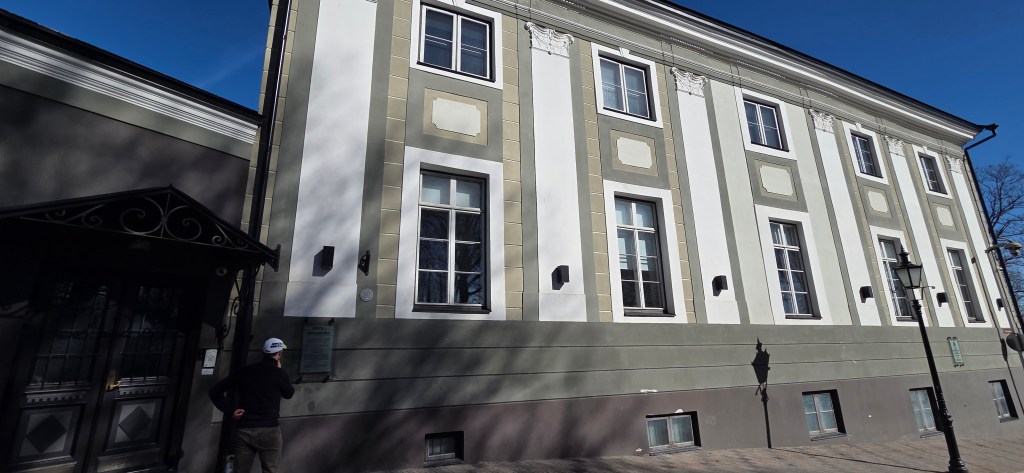
After mediaval times, there was the creation of the bourgeoisie. Tallinn was under the Russian Empire. I found the trace of it in this Commander’s House near Toompea Castle, connected to Abram Hannibal, the African-born general in the Russian Empire and the great-grandfather of Alexander Pushkin. This is four us, who often romanticise the world of Saint Petersburg, imperial Russia, literature, and the era of Pushkin!
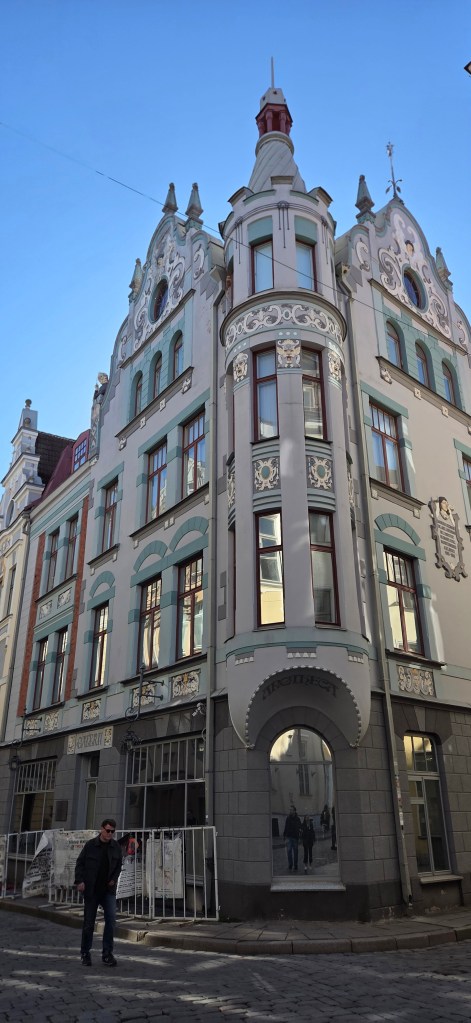
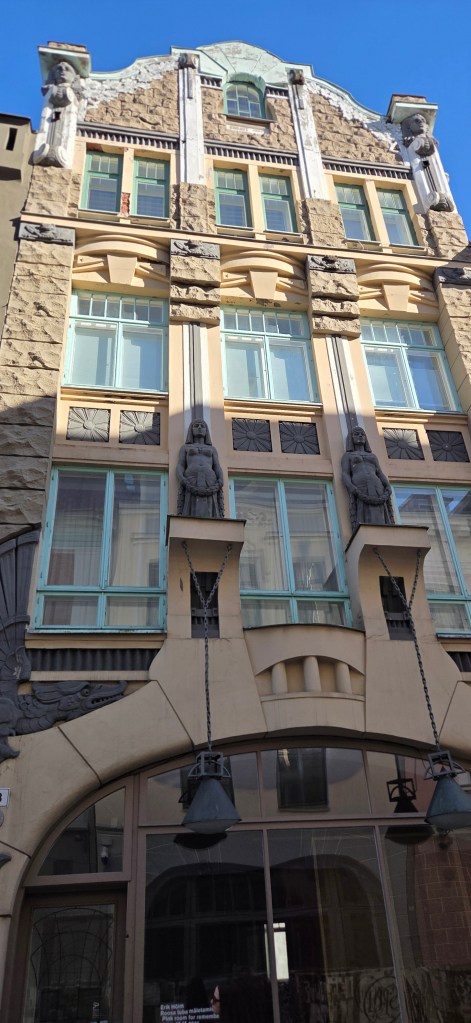
What I noticed in Tallinn is a strong presence of Art Nouveau architecture, but in a more Baltic and Northern version of it. It feels more geometric, heavier, and slightly darker than the Parisian style or the Art Nouveau I am used to seeing in Brussels. You can clearly feel the influence of the Russian Empire and Saint Petersburg in many of these buildings.
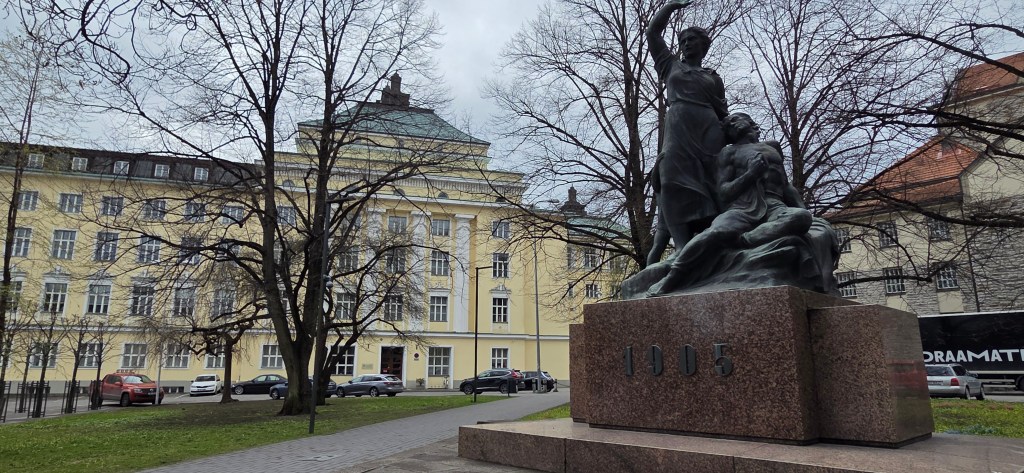
The memorial dedicated to the 1905 Revolution, stands in front of a large neoclassical building (historic Estonian Drama Theatre) from the late Russian imperial period near Freedom Square. The sculpture reflects the social unrest and revolutionary tensions that spread across the Russian Empire at the beginning of the 20th century, including Estonia, which at that time was still part of the empire.
Again, Tallinn constantly reminded me how deeply the city stands between different worlds — medieval Baltic history, Russian imperial elegance, Soviet trauma, and modern European identity all layered together in the same streets.
Somehow, beauty and terror got mixed together.
Café Maiasmokk is the oldest café in the city, opened in 1864. The interior still feels like a mix of the Russian imperial period, Baltic elegance, and old European confectionery culture, with decorated ceilings, wooden interiors, pastries, marzipan, and coffee served in a very old-fashioned atmosphere.
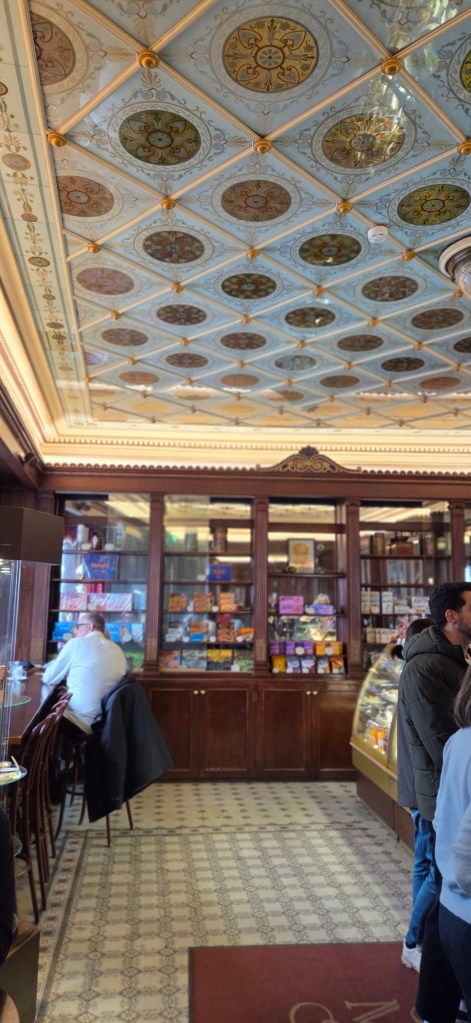
I didn’t order anything in the cafe due to the awkwardness that I would experience those 2-3 days visiting Estonia. I started realizing that conversations there work a bit differently. People can sound extremely cold and customer’s conversation does not follow the usual standardised flow. I don’t know. Just awkward. And sometimes interactions end so abruptly that you wonder if you accidentally offended someone. Then, at the airport before leaving, I found a funny little book explaining Estonian people, basically saying: “We are not upset, this is just how we look and communicate,” and honestly, that explained half of my trip. :d
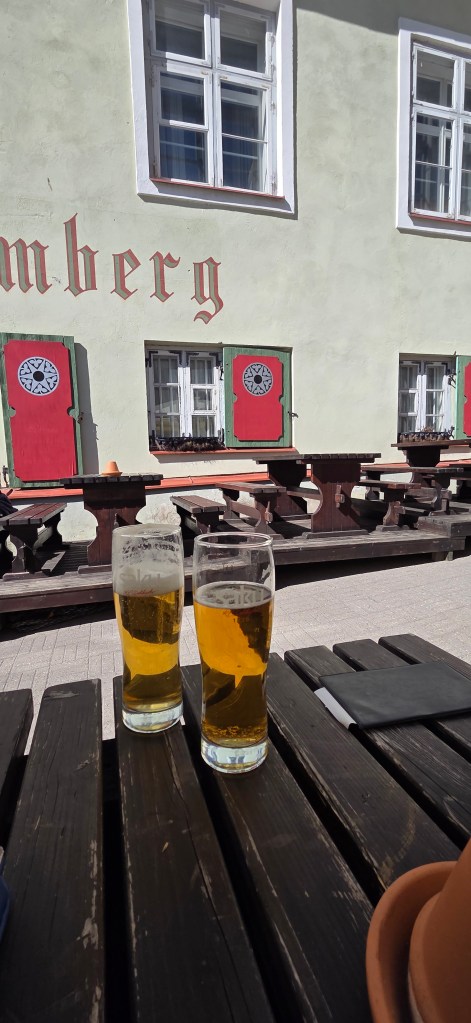
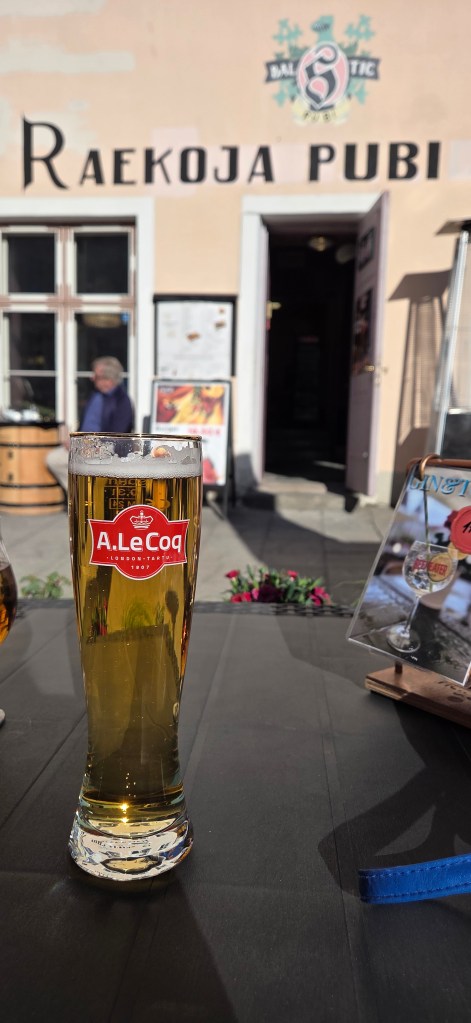
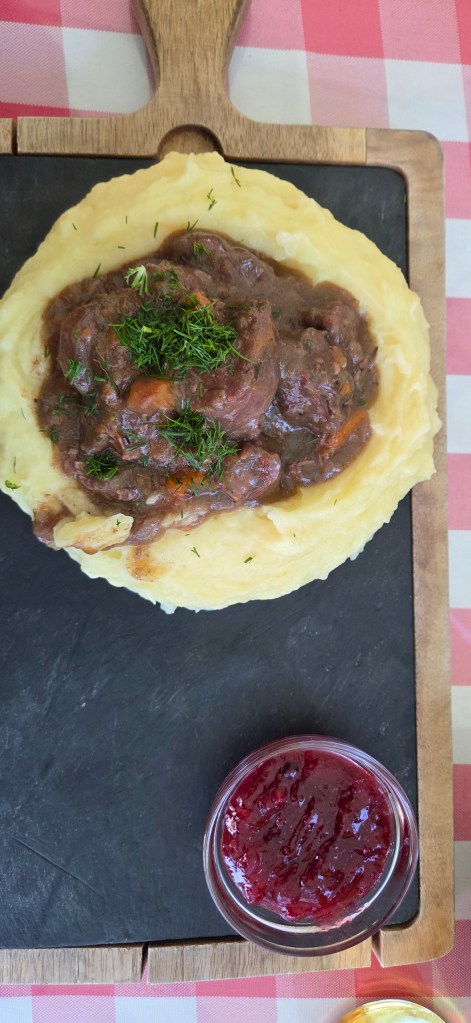
Here the funny dishes (like elk meat with marmelade) and the Le Coq beer (they drink lots of vodka here too!). 🙂
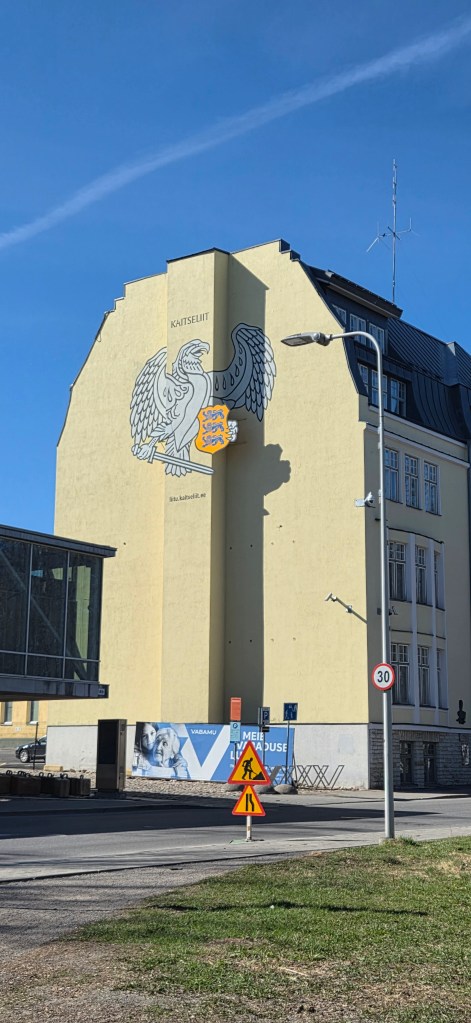
On our way to the museum, I spotted this eagle connected to Estonian Defence League (Kaitseliit in Estonian), which is a voluntary national defence organization in Estonia. In Estonia, these symbols are taken very seriously because of the country’s history with Soviet occupation and constant concern about Russian influence. Even while walking through medieval Tallinn, you can feel that modern Estonian identity is strongly connected to security, resilience, and protecting independence.
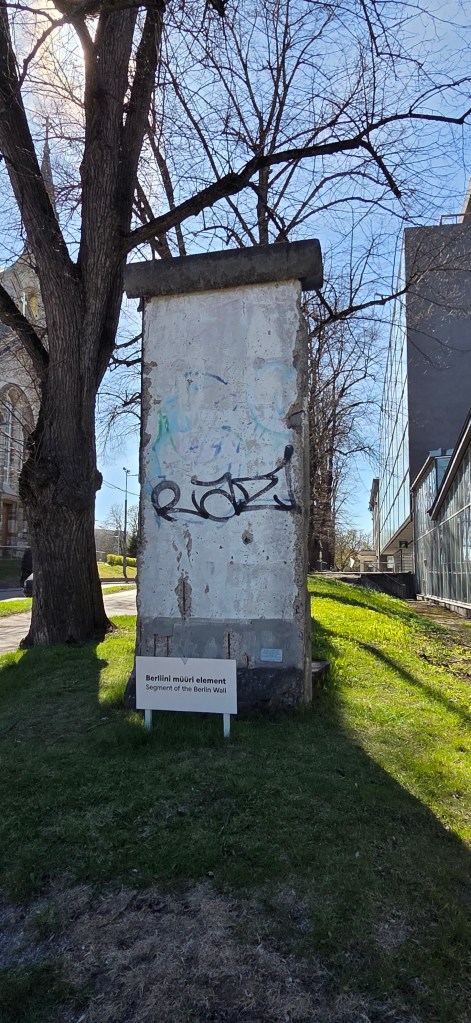
We also visited Museum of Occupations and Freedom. To be honest, I did not learn much that was completely new to me, and sometimes I felt the historical explanations could have been clearer, but the main message was obvious: independence is never something guaranteed forever.
A large part of the exhibition focused on the Soviet occupation under Stalin, deportations to Siberian gulags, forced disappearances during the night, and the experience of Estonians who fled or emigrated to Western countries during and after World War II.
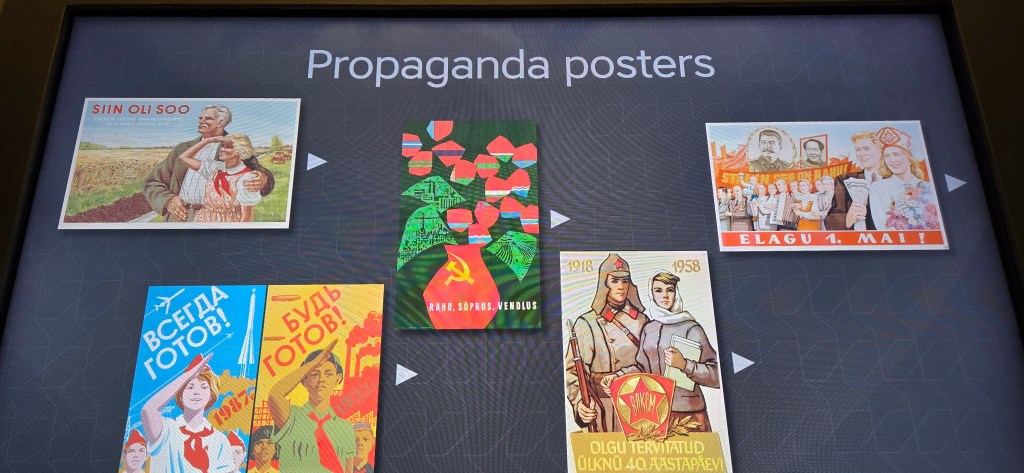
The museum also tries to connect this historical trauma with modern questions about democracy, freedom, identity, and how easily societies can again lose them.
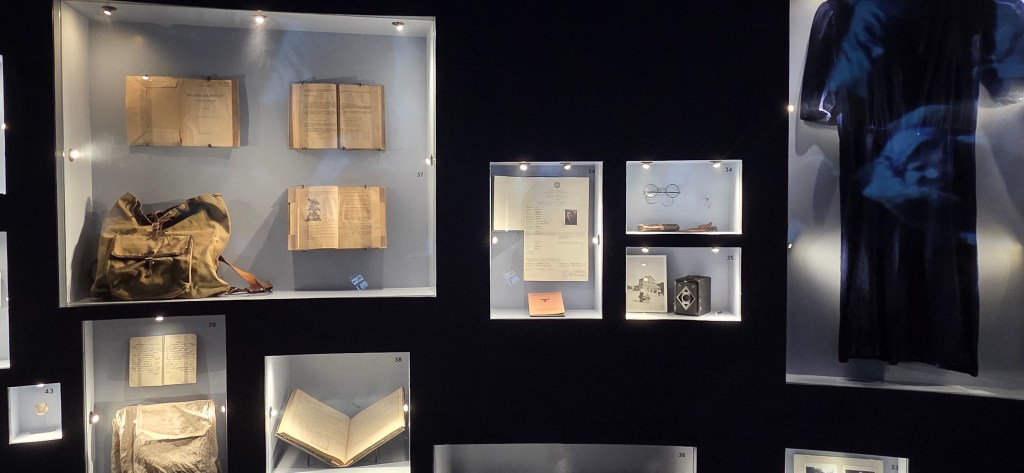
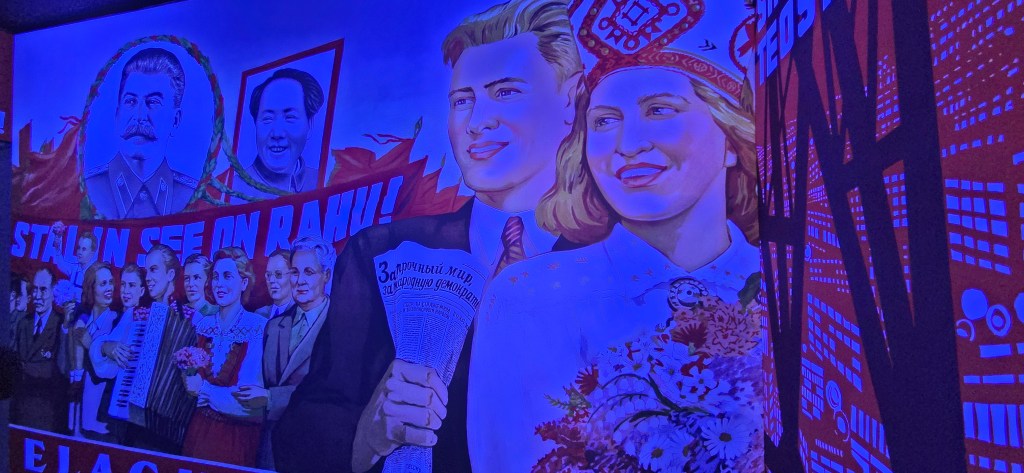
Then I visited the KGB prison cells museum on Pagari Street, today known as KGB Prison Cells, and this was probably the place in Tallinn that affected me the most emotionally.
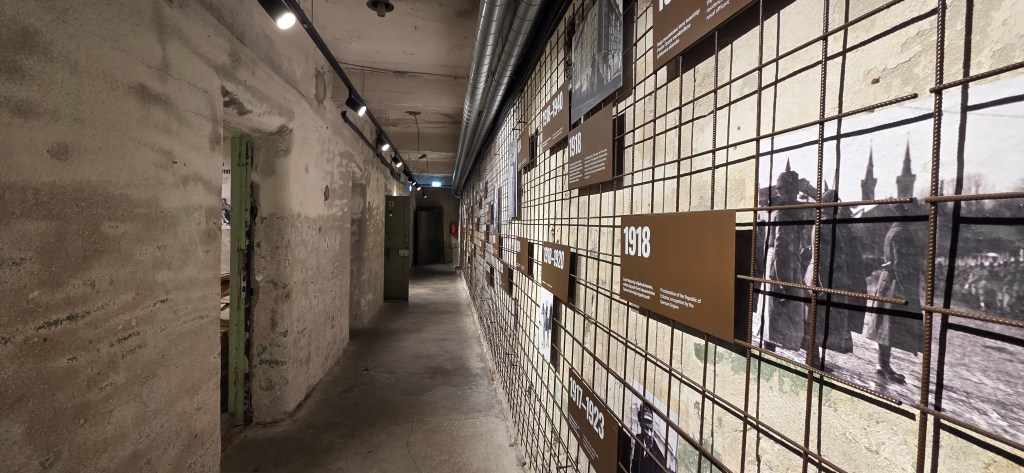
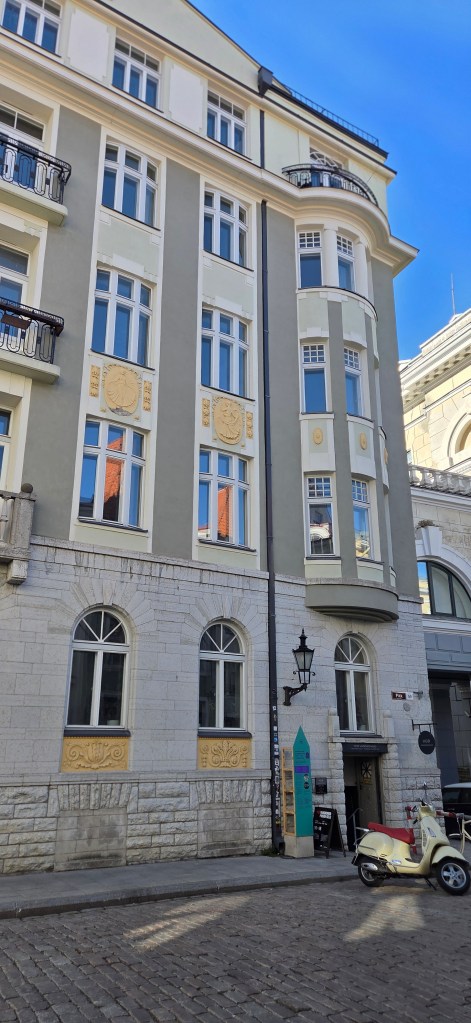
During the almost fifty years of Soviet occupation, the building served as the headquarters of the NKVD and later the KGB in Estonia, while its basement functioned as a prison where people were interrogated, tortured, and sometimes killed under Stalinist repression, especially during and after World War II. The terrifying part is that the building itself looks completely ordinary, like a normal residential place where people lived everyday lives above what was happening underground.
What disturbed me the most were the punishment cells and torture methods. There were tiny spaces where prisoners could neither stand properly nor lie down, remaining trapped for many hours in half-kneeling positions before interrogations.
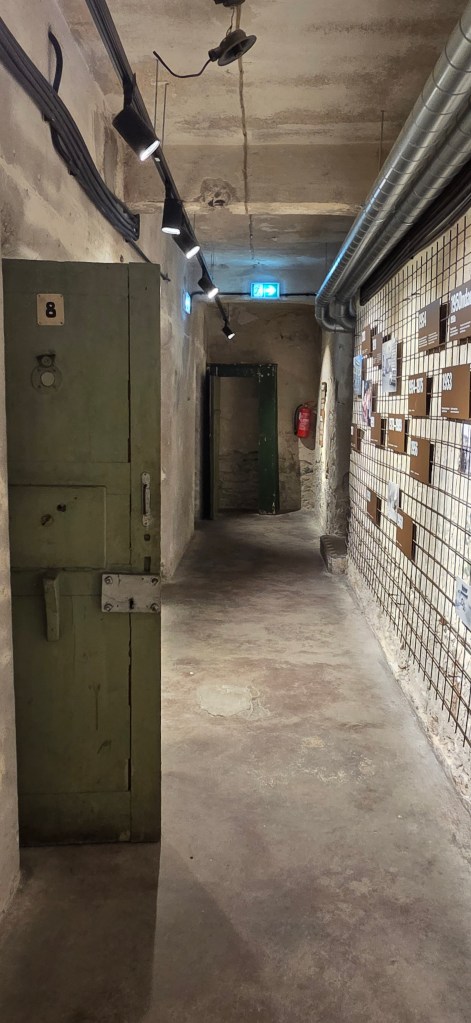
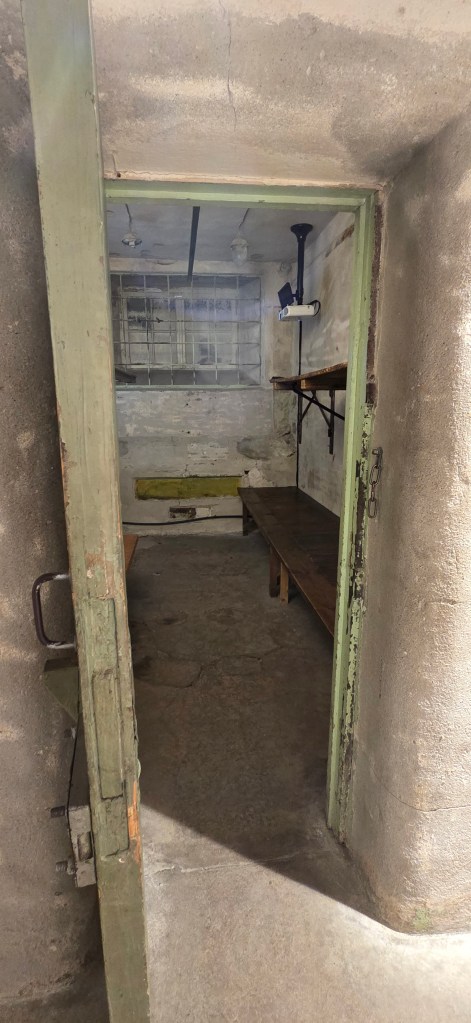
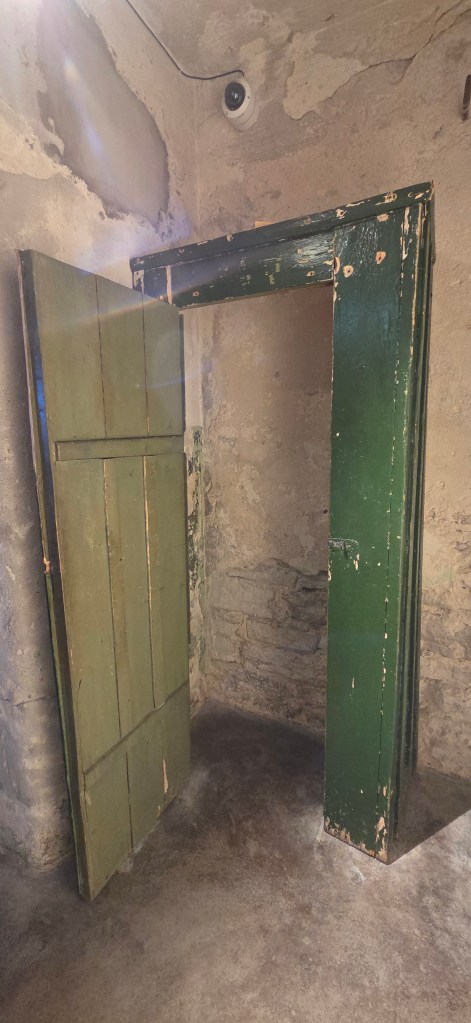
During Stalin’s era, almost anyone could become an “enemy of the state” through accusations, suspicion, or neighbors spying on neighbors under the constant atmosphere of fear created by Article 58 of the Soviet criminal code. Walking through those basement rooms made me physically uncomfortable, and at moments I honestly just wanted to leave, but at the same time I felt a strong need to understand how such brutality could exist hidden beneath such normal-looking walls.
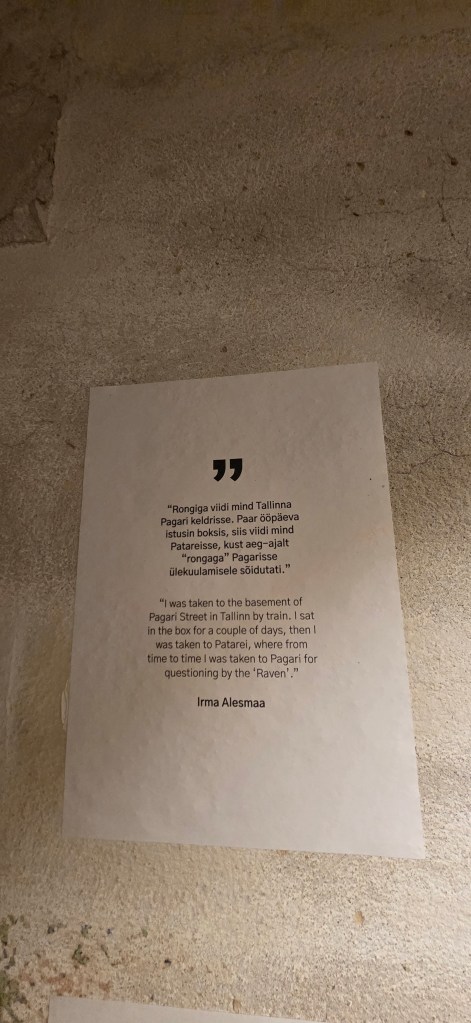
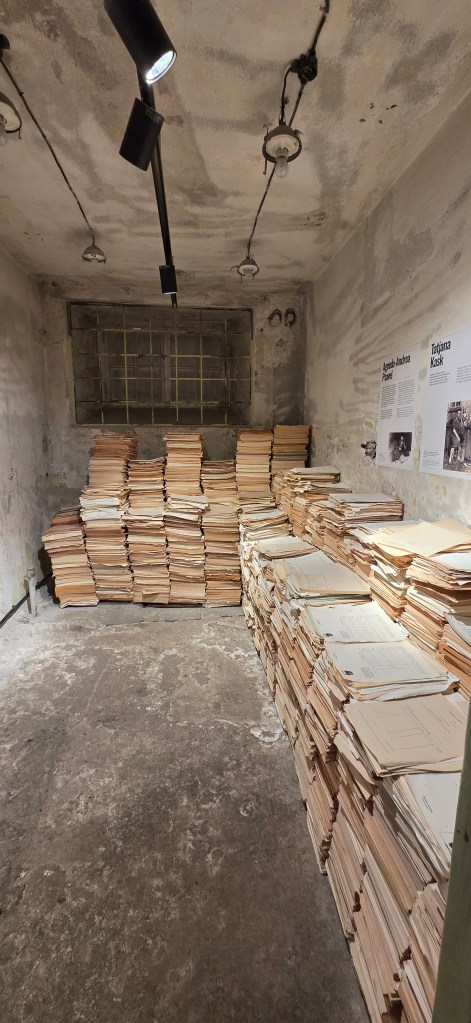
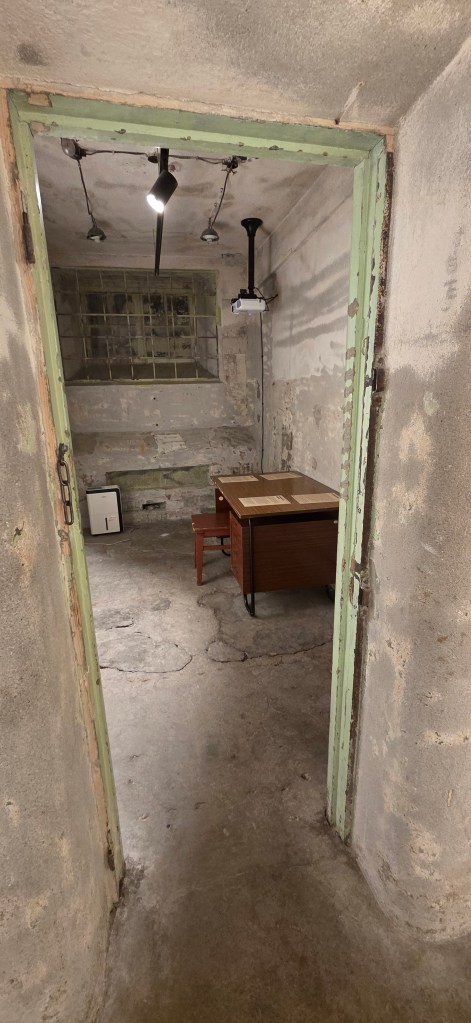
No wonder the fear. 😣
The atmosphere around the Russian embassy at the time of my visit. 😣 There were demonstrations against Putin, flowers and candles placed for Ukraine, references to Alexei Navalny, and messages supporting the Ukrainian fight for independence and survival.
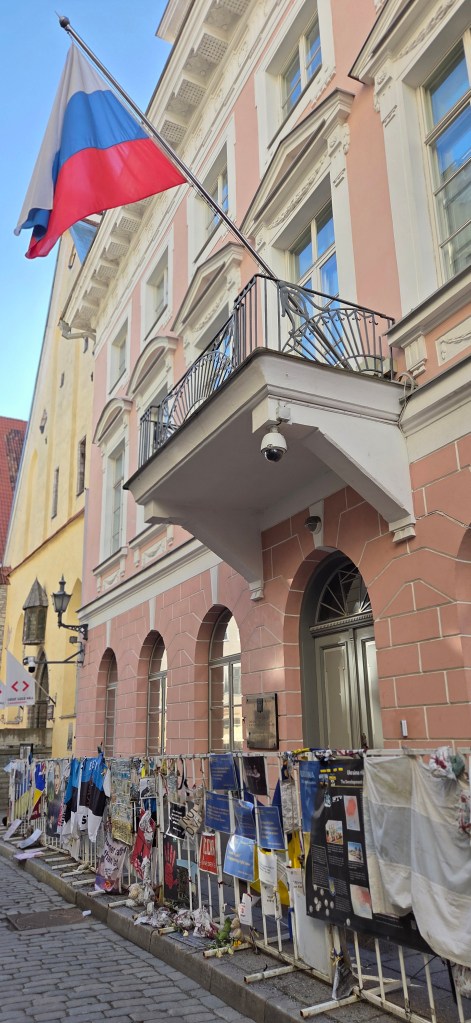
After visiting places like the KGB prison cells and the occupation museum, it was impossible not to feel how present history still is in this region — for Estonia, these fears and memories are not distant history but something politically and emotionally very alive even today.
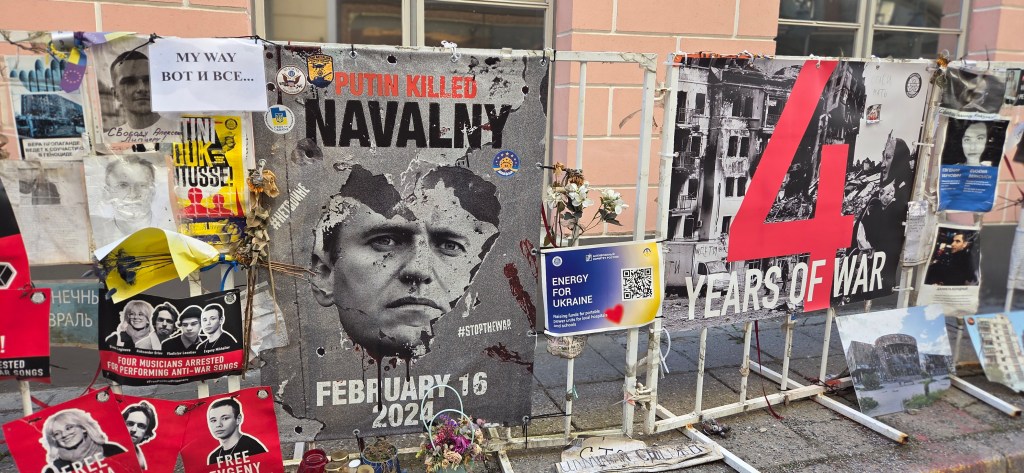
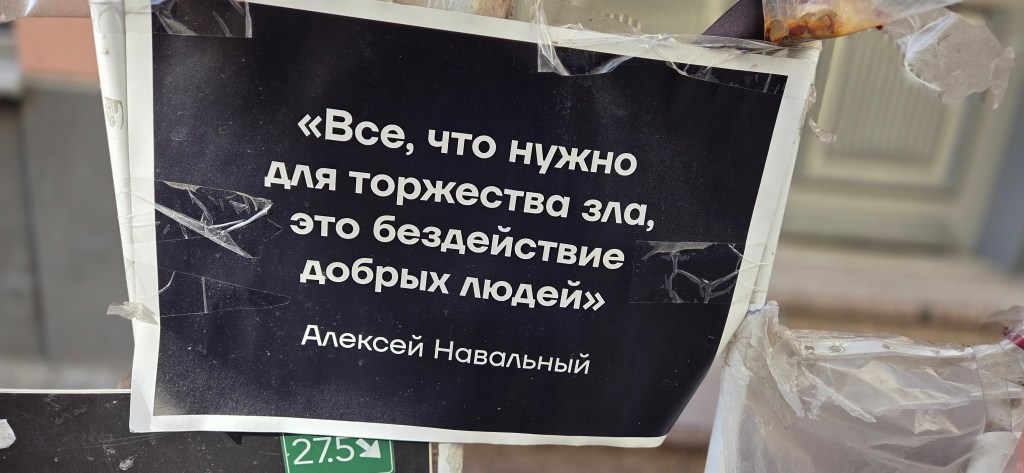
— Alexei Navalny
And here is when it goes deeper.
We ended up in Kohvik Energia, a café that still carries the old communist aesthetic almost untouched. My French husband absolutely loved it because for him it feels exotic and fascinating, like entering a lost Soviet world, while for me, born during Yugoslavia, it felt surreal to watch people romantically enjoy something that once was simply normal everyday life for us. I do not like this trend. -.-
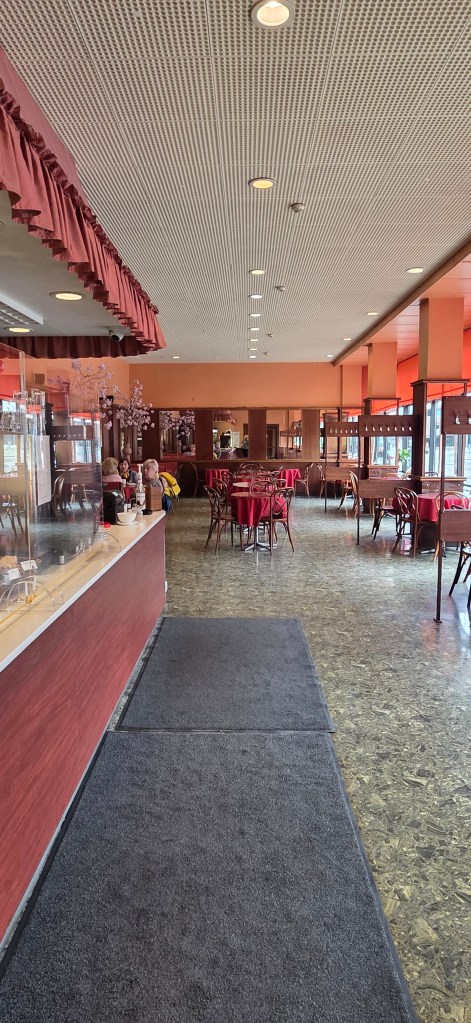
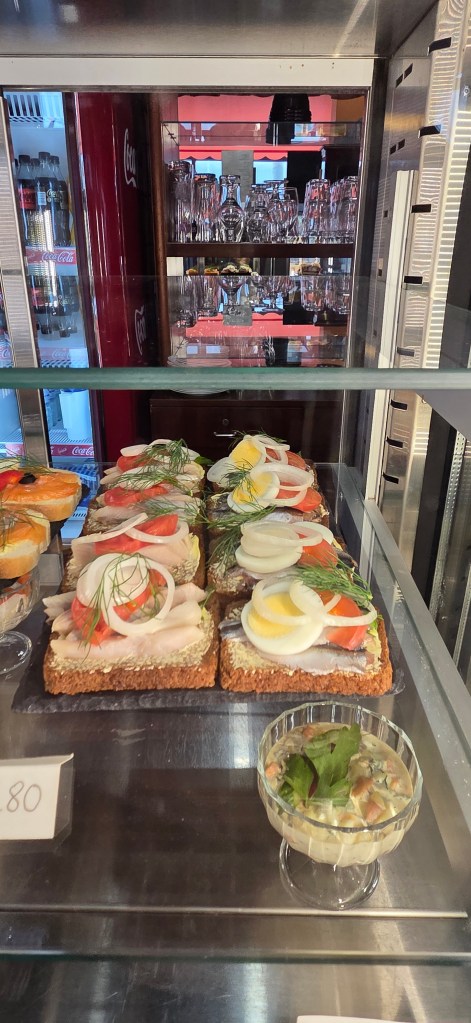
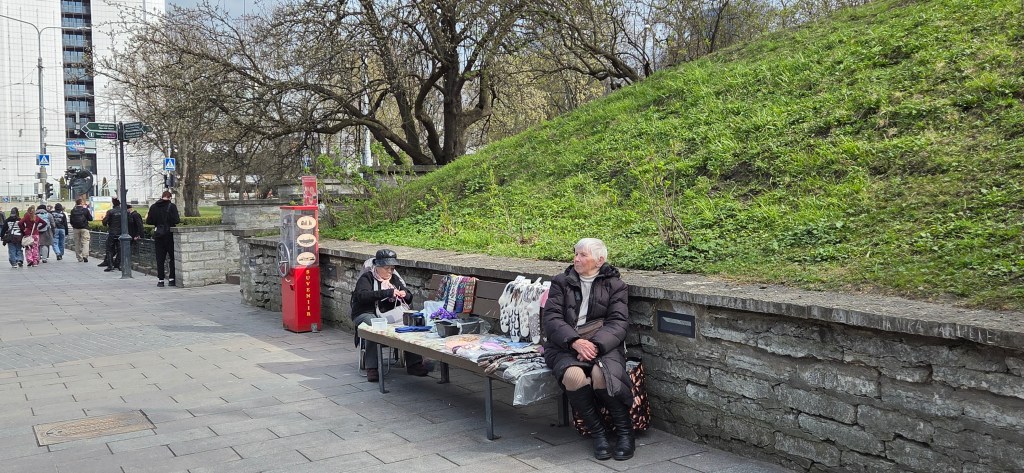
Notice the babushka’s in the corner. In the old communist times, there was always babushka sitting in the corner – and trust me, she is not there casue she is bored in her retirement.
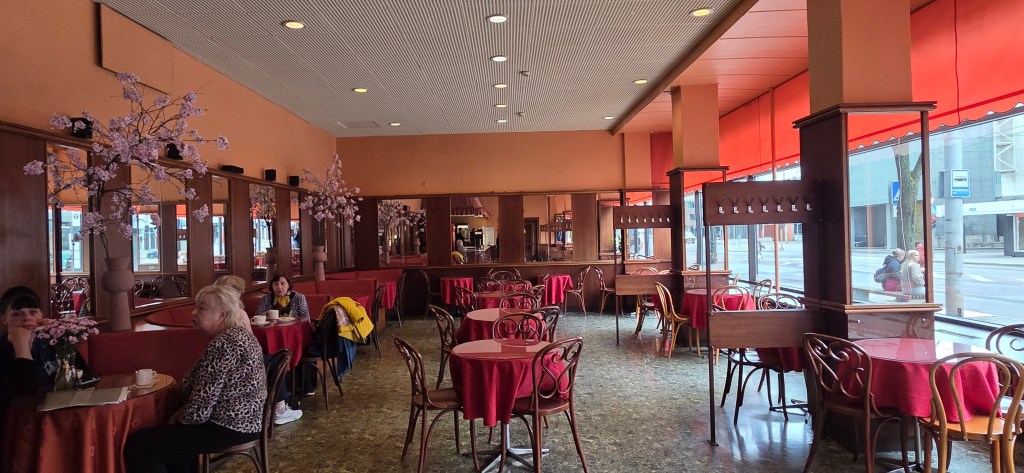
Whether watching people, controlling something, guarding the place, or simply silently judging everyone entering the room, somehow this detail immediately brought me back to the strange atmosphere of the Soviet world.
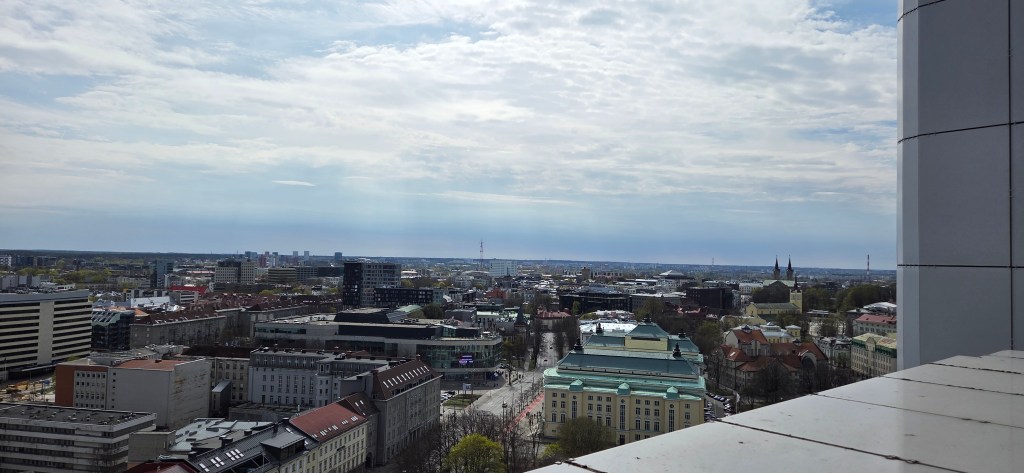
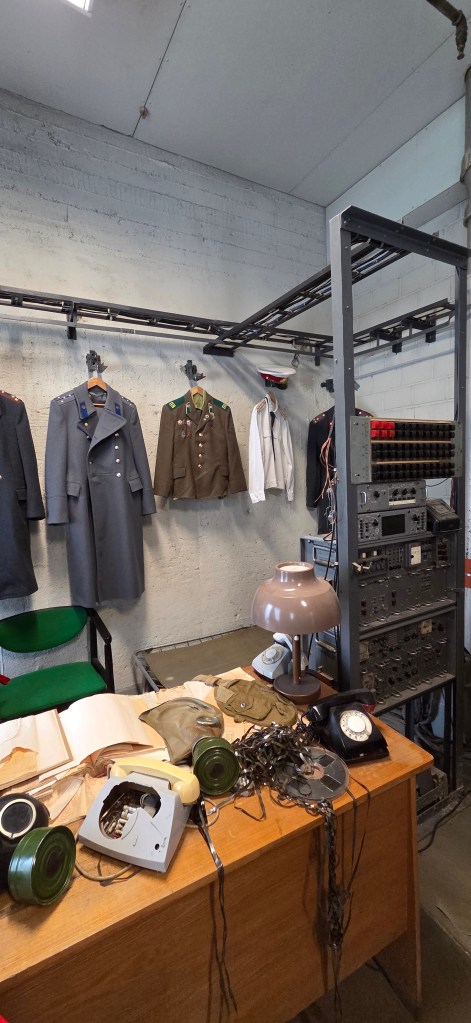
And then there is the famous Hotel Viru, probably the most iconic Soviet-era hotel in Tallinn. Built in 1972 for foreign tourists visiting Soviet Estonia, the hotel secretly hosted an entire hidden KGB floor used to monitor guests during the Cold War. After already spending the day inside communist-style cafés with silent babushkas in the corners, visiting Viru almost felt like continuing the same strange journey deeper into the Soviet world my French husband finds fascinating and I find weirdly familiar.
You can still book the stay in that hotel – I know my husband would love that experience! But we only took the 45-minute visit to the nonexistent 22nd floor, which was actually occupied by the KGB. Our guide was a guy in a combination, dressed like a factory worker, awkward in conversation, but great in explanation and guiding. I mean, what an experience!
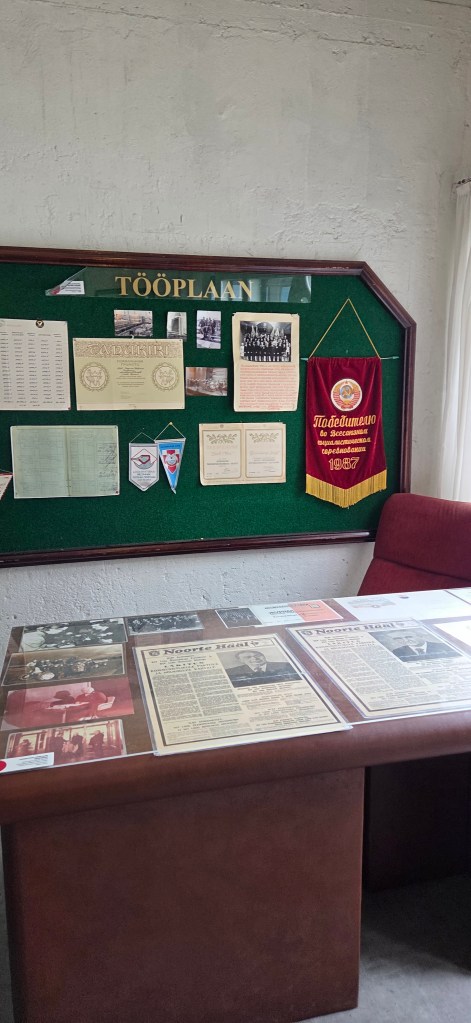
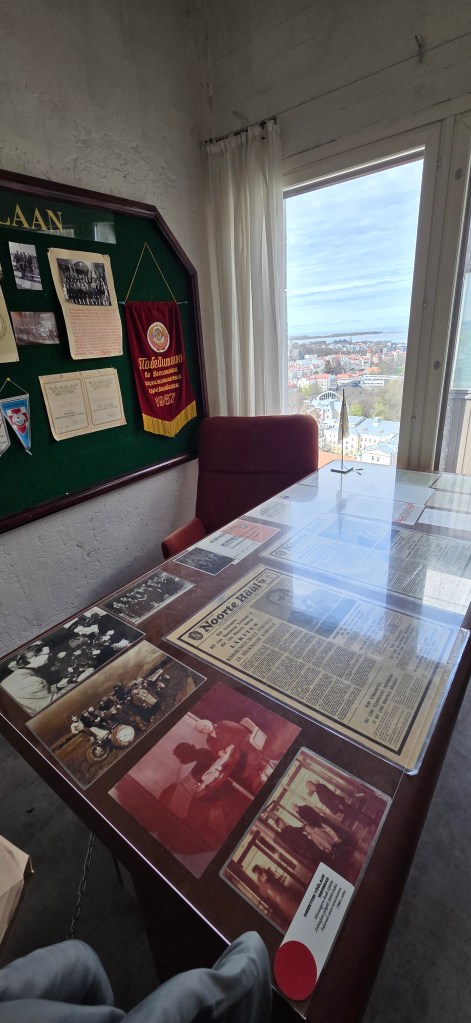
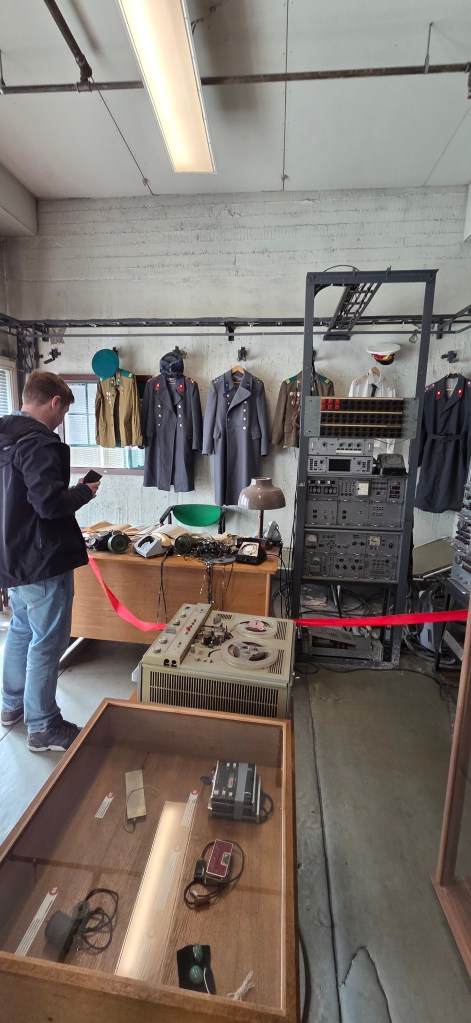
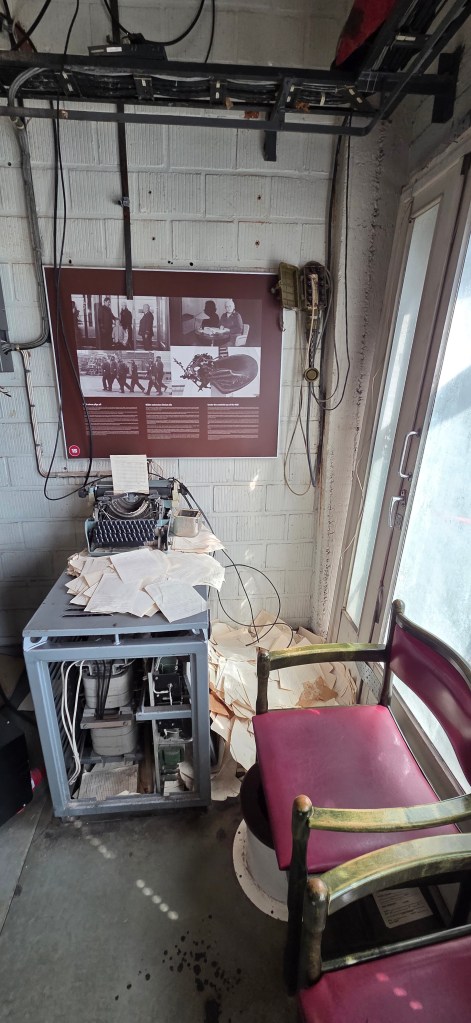
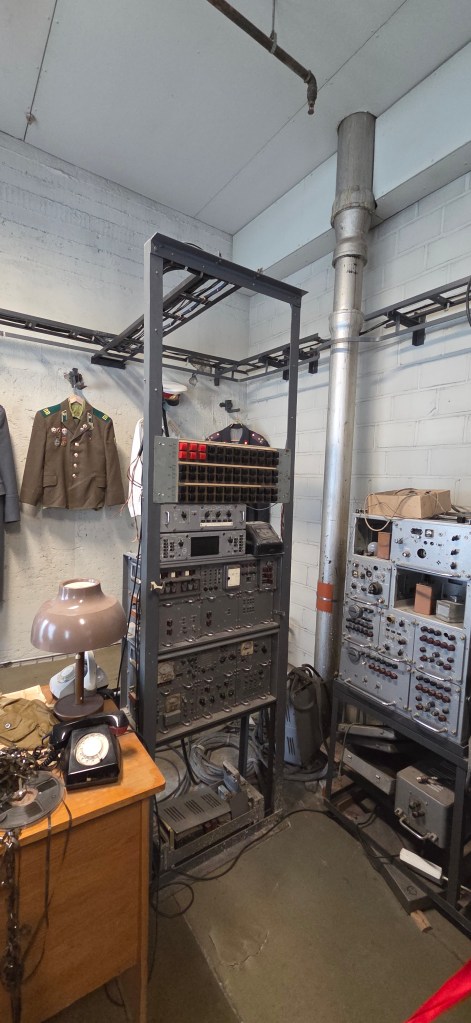
The KGB was spying from that 22nd floor, every tourist coming to the hotel – and sometimes very famous people. Foreign diplomats, journalists, celebrities, astronauts, artists, and Western tourists all passed through the hotel while the KGB secretly listened from the hidden 23rd floor. Famous guests included Elizabeth Taylor, Neil Armstrong, and even Soviet celebrities like Alla Pugacheva.
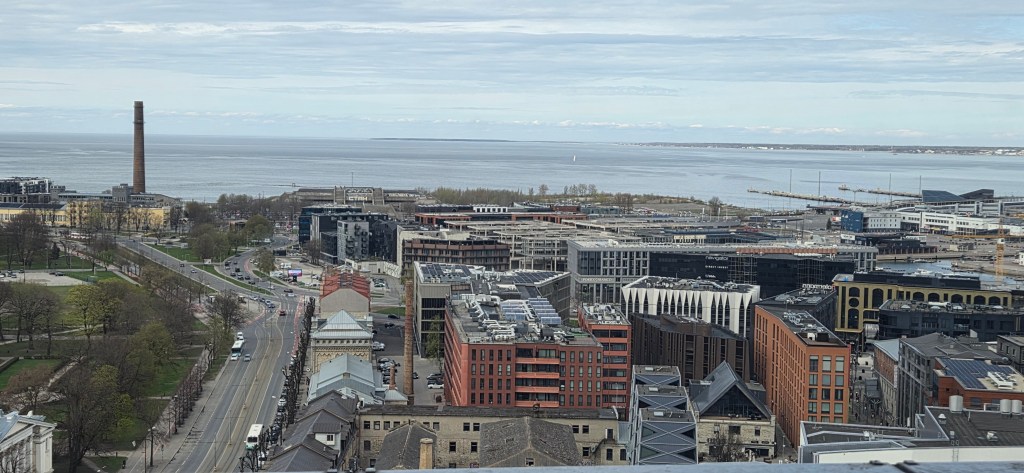
The whole place feels like a mix of Cold War espionage, luxury tourism, Soviet paranoia, and strange nostalgia all existing in the same building. Around 4000 people applied for the first 100 jobs there, because working in Viru meant contact with foreigners, access to Western products, tips in foreign currency, and a completely different lifestyle compared to ordinary Soviet life.
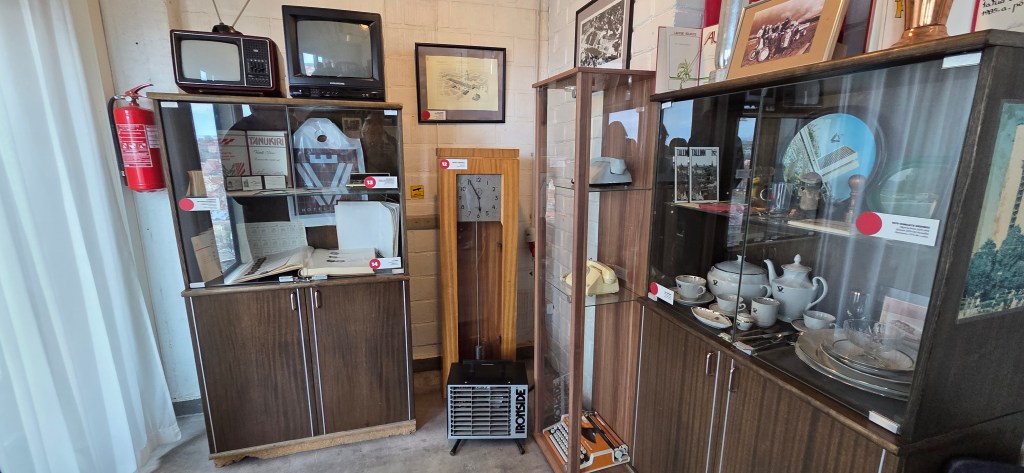
Local population around the hotel was trying to profit and exchange the Soviet ruble for an American dollar on the black market.
The hotel represented luxury, modernity, and international openness, but at the same time it was heavily controlled by the Soviet authorities and monitored by the KGB.
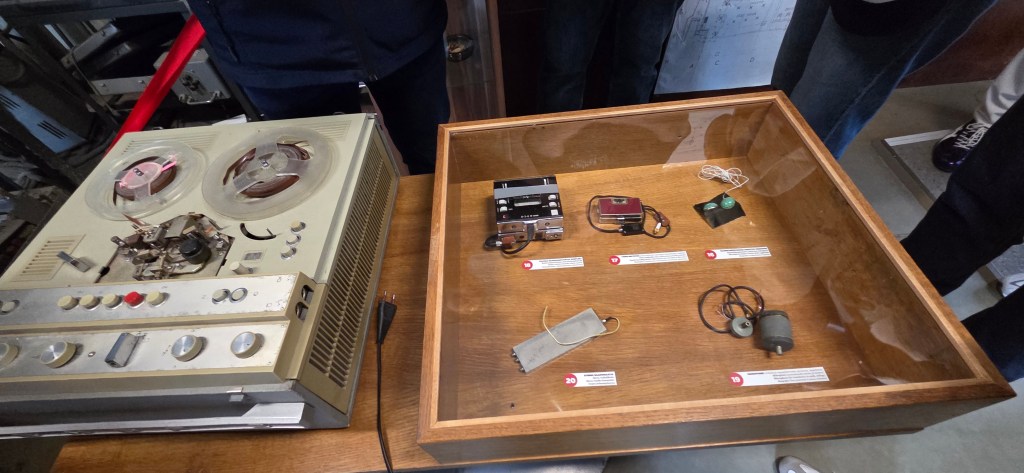
The best part: as the Soviet Union was collapsing, the KGB officials quickly ran away, leaving their offices behind, quickly breaking the espionage devices and other evidence. When Estonians arrived, they discovered the hidden 22nd floor, and doors locked. They were afraid of what was behind, possibly a bomb, etc. So they didn’t open the door until next year. Slowly, the terror of totalitarianism fades away…
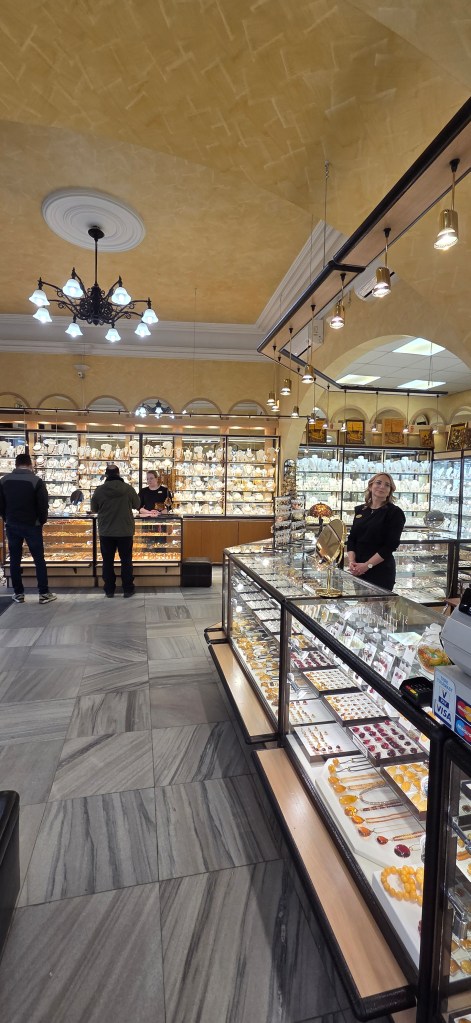
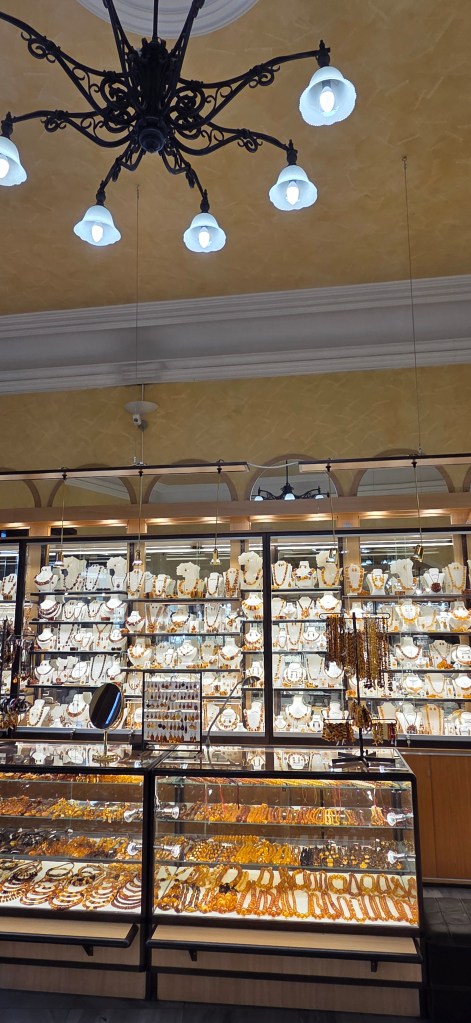
To finish with something good: shopping for amber. There are so many little shops selling amber jewelry that at some point I also got tempted. My husband first told me amber probably would not suit me because I am blonde with blue eyes, but then he looked again and said, “Actually… let’s try,” and in the end he bought me an amber necklace that surprisingly looked really good.
Also, I want to underline how clean this city is! Eastern Europe is a new standard.
On my way to Helsinki now! Waving from this beauty across the Baltic Sea!