

In 2026
When you google 10 things to do in Helsinki, you get top 3: a day trip to Tallinn, Estonia. 🙂 I did it the other way around. Visiting Tallinn, and having in mind the city is just 2 hours away by ferry, I wanted to hop on and say hello, what’s new. 🙂 It woud be great if the political times were different and if I could have used the day to hop to a nearby Saint Petersburg – but here we are, trapped in the time of a frozen diplomacy!
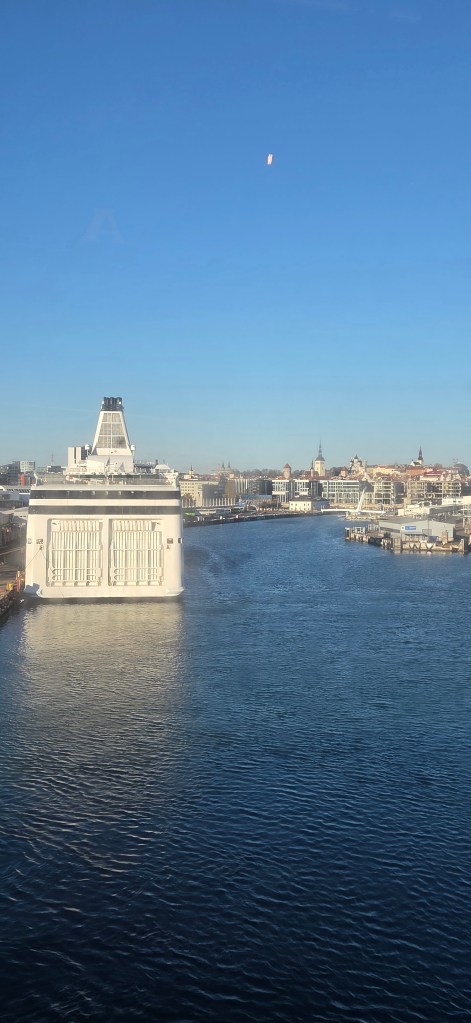
The cruise from Tallinn to Helsinki was probably one of the cleanest ferry experiences I have had in Europe. Everything felt oddly organised and calm — no chaos, no loud tourists dragging oversized suitcases into your ankles every three minutes, no dramatic boarding process. Very Nordic efficiency. Almost suspiciously efficient.
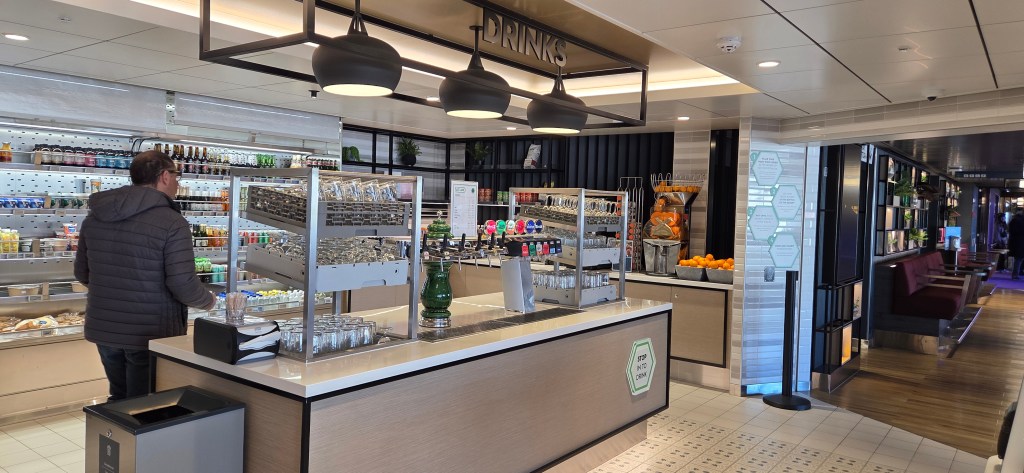
The weather was surprisingly good, so instead of hiding inside with coffee for two hours, we spent most of the trip outside on the deck. Cold Baltic wind directly in the face, seagulls following the ship like unpaid security surveillance drones, and endless grey-blue water connecting two capitals that somehow feel both extremely close and historically very far apart.
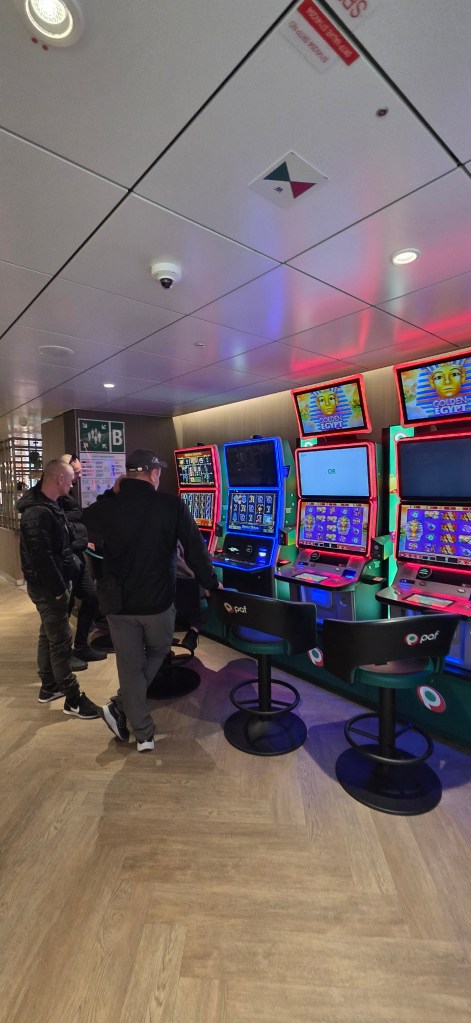
At one point, watching those seagulls glide next to the ferry reminded me of Jonathan Livingston Seagull — that strange little story about refusing to accept an ordinary life and constantly pushing toward something bigger, further, freer. A reminder to myself to keep on pushing and discovering 🙂
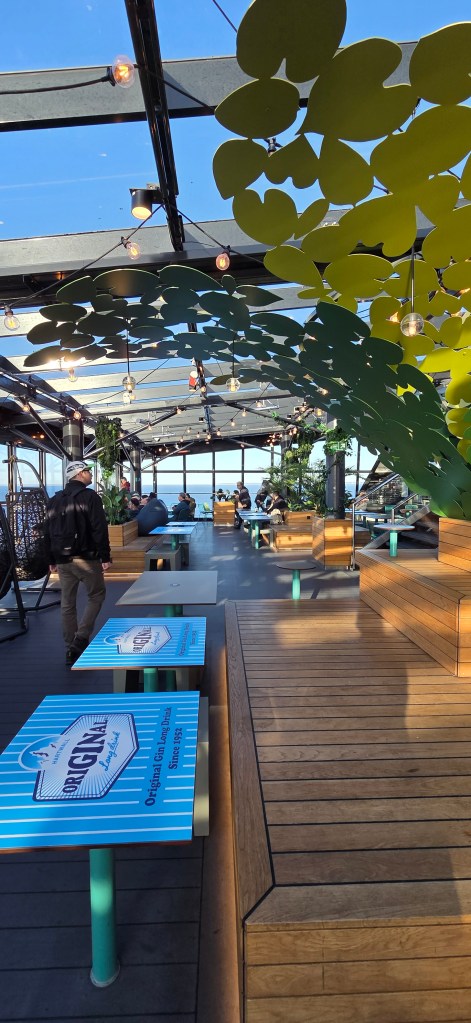
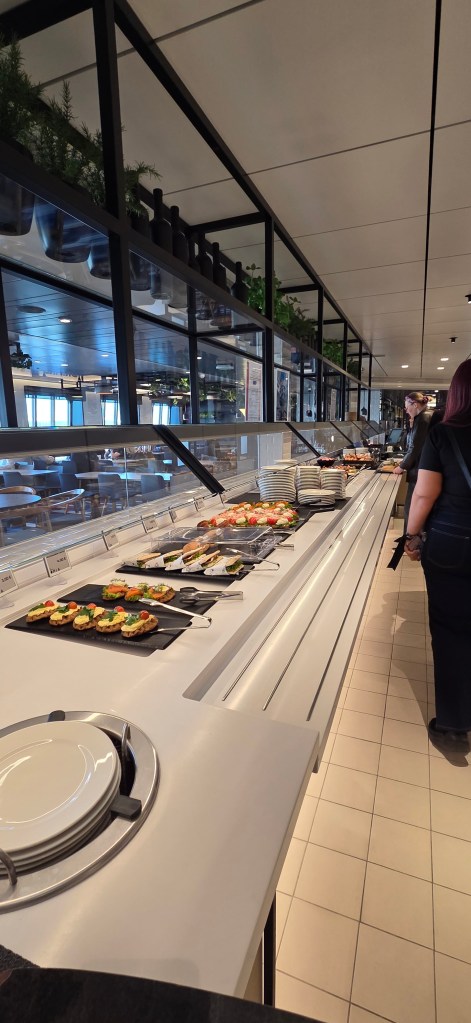
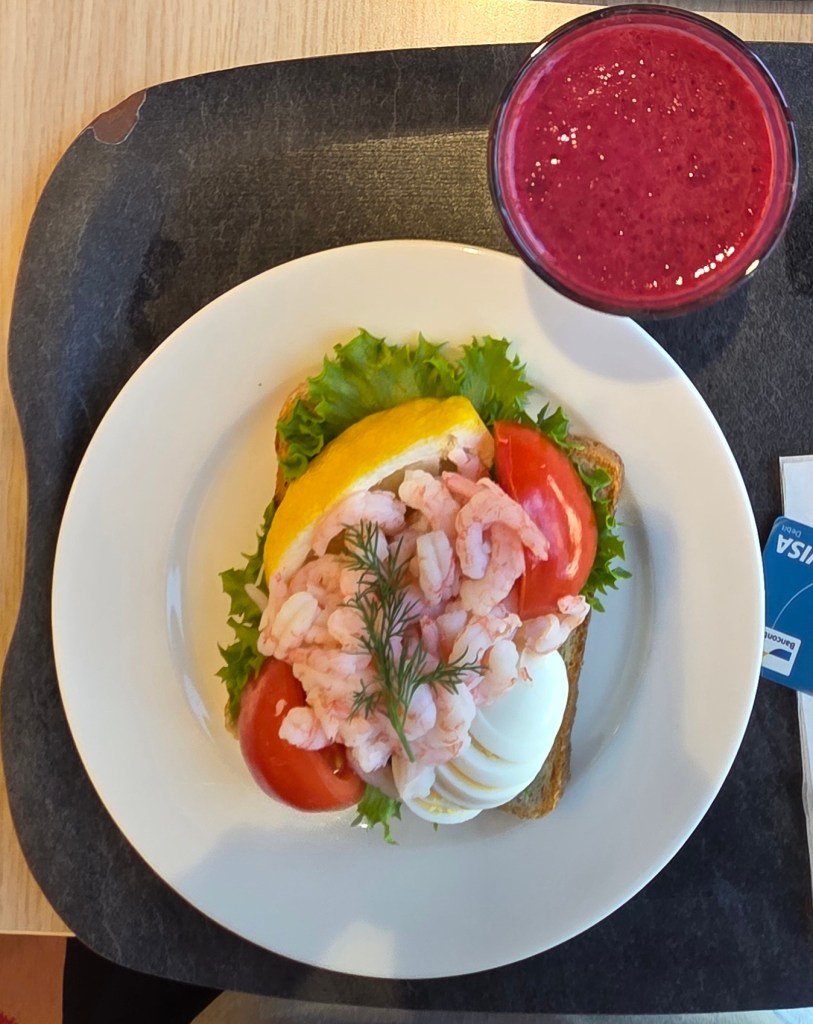
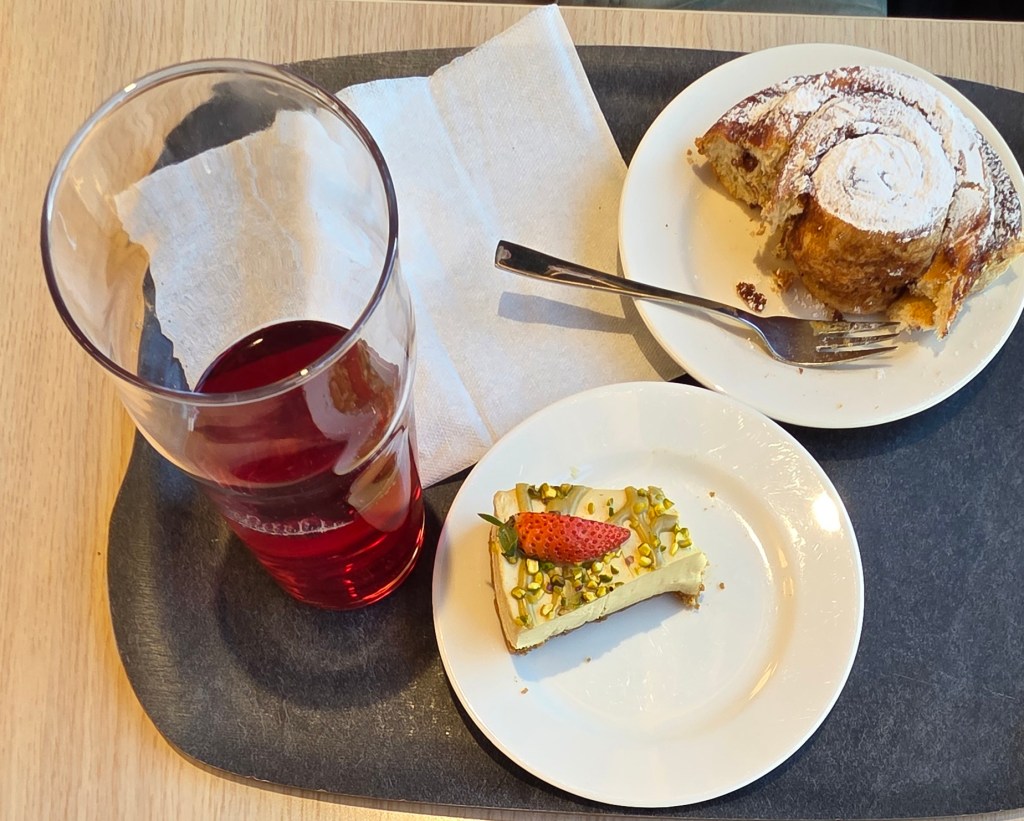
Of course, being on a Baltic ferry also means local food everywhere — salmon, cinnamon buns, smoked things, pickled things, and bread!
Arrival at the port in Helsinki was equally efficient. You leave the ferry, walk a few minutes, and suddenly there is already a tram waiting to pull half the ship directly into the city centre and toward the main station. No confusion, no shouting, no twenty people smoking in random corners while pretending to understand where they are going. Very Nordic. Very Scandinavian.
Everything moves quietly and fast, almost as if the entire city collectively agreed long ago that unnecessary drama is simply a waste of public resources.
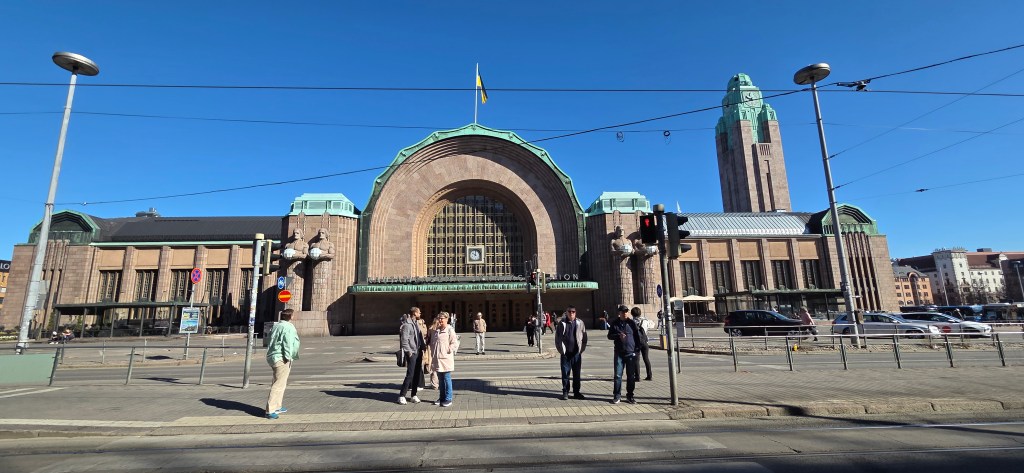
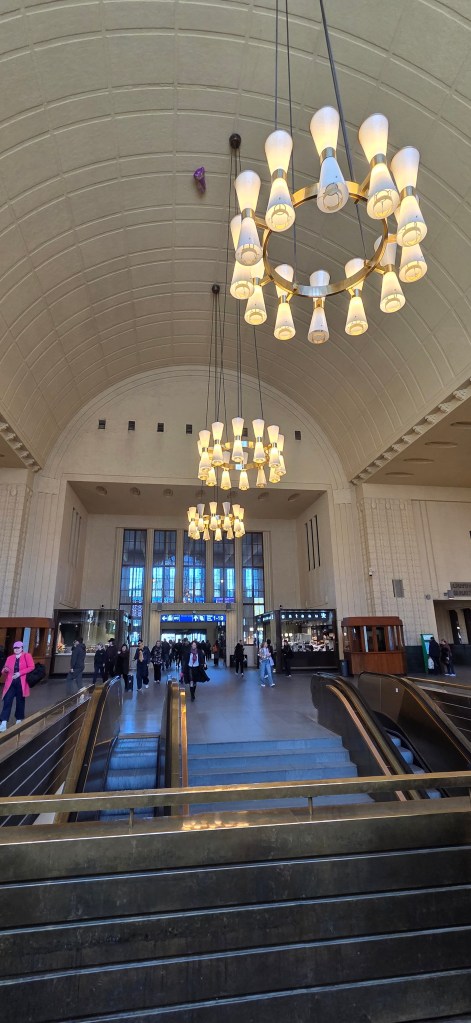
The main railway station in Helsinki was one of the most impressive buildings in the city for me. It was designed by Finnish architect Eliel Saarinen and officially opened in 1919. Built mainly from Finnish granite, the station is considered one of the most important examples of Finnish National Romantic and Art Nouveau architecture. Although it’s more Art Deco to me, or is it Russian influence?
Historically, Finland spent more than a century under Russian rule as the Grand Duchy of Finland within the Russian Empire, before gaining independence in 1917 after the Russian Revolution. This long and complicated relationship left visible traces across Helsinki, especially in architecture, where Russian imperial influence can still be seen in neoclassical buildings, Orthodox churches, and the monumental urban planning of the city center.
The building in the photo below is the Finnish National Theatre, located near the central railway station in Helsinki. It was opened in 1902, designed in the Finnish National Romantic style — basically Finland’s version of Art Nouveau mixed with medieval and granite-heavy Nordic aesthetics.
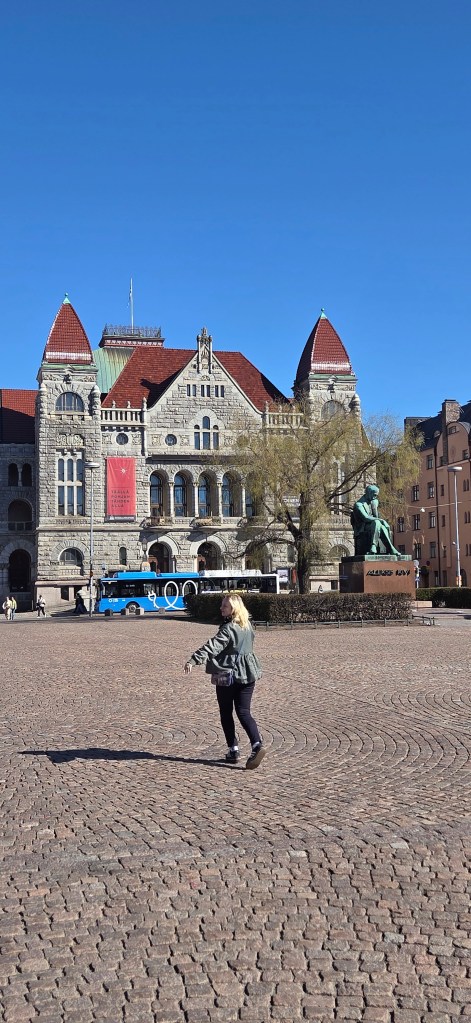
So interestingly, this specific building is actually more about Finland trying to build its own national identity rather than showing Russian imperial influence. At the time, Finland was still under the Russian Empire, and many Finnish architects and artists intentionally developed a distinct “Finnish” architectural language to culturally separate themselves from Russia. That is why you see rough granite, castle-like towers, references to nature and folklore, and very little of the classical symmetry typical of Russian imperial architecture.
The statue in front of the Finnish National Theatre is Aleksis Kivi, considered the national writer of Finland and one of the most important figures in Finnish literature. He became famous for writing Seven Brothers — the first significant novel written in the Finnish language at a time when Swedish still dominated the educated elite and administration. So, much like the theatre behind him, the statue is also part of Finland’s national awakening period: promoting Finnish language, culture, and identity while the country was still under Russian rule
Helsinki constantly feels like a balance between empire, nationalism, functionality, and minimalism.
The Ateneum, Finland’s most famous art museum and part of the Finnish National Gallery. The inscription at the top, “Concordia res parvae crescunt”, is a Latin phrase meaning roughly: “Small things grow through harmony,” which feels very Finnish politically — small nation, survival through unity and discipline.
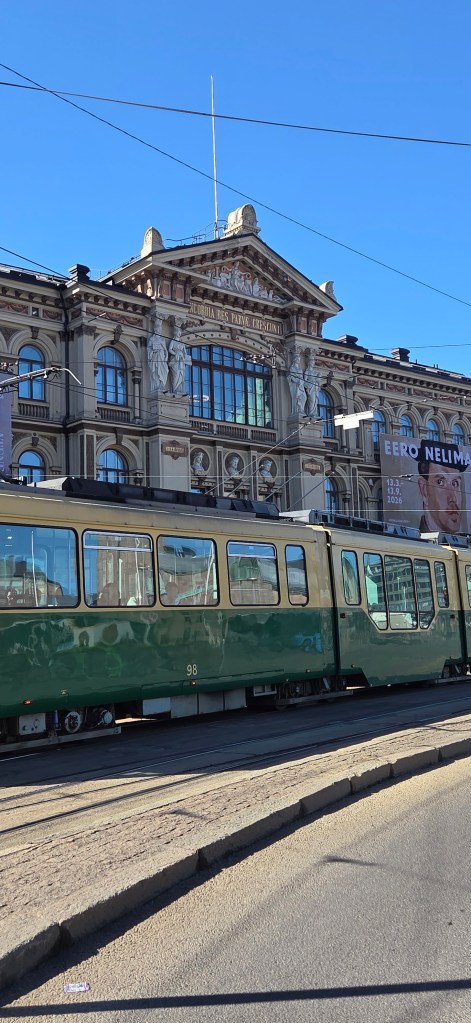
Architecturally, this building reflects much stronger Russian and broader European imperial influence than the National Theatre. It was completed in 1887, when Finland was still part of the Russian Empire, and you can clearly see the neoclassical symmetry, decorative facades, statues, and academic style typical of late 19th-century imperial Europe, including Saint Petersburg influences.
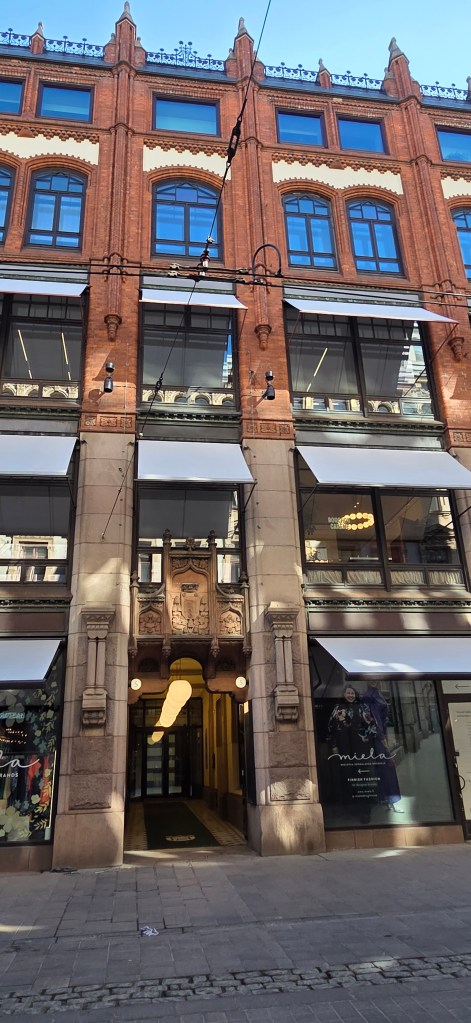
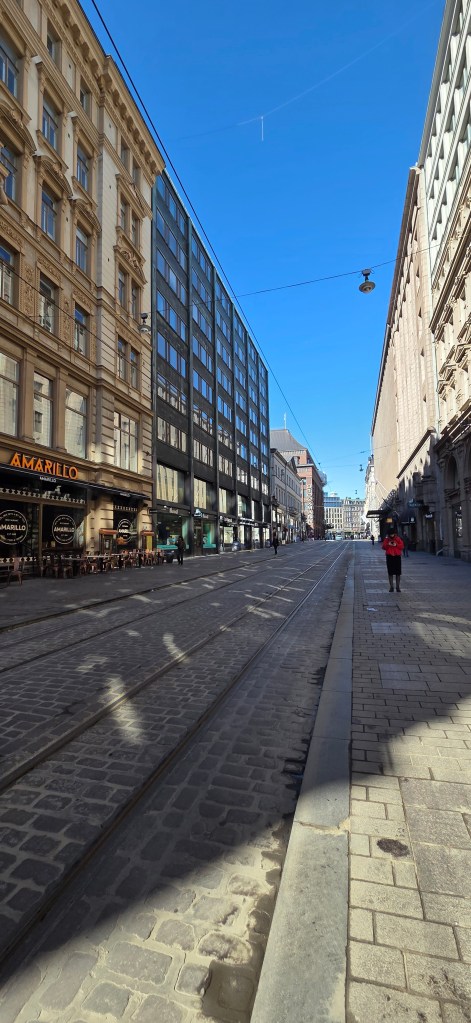
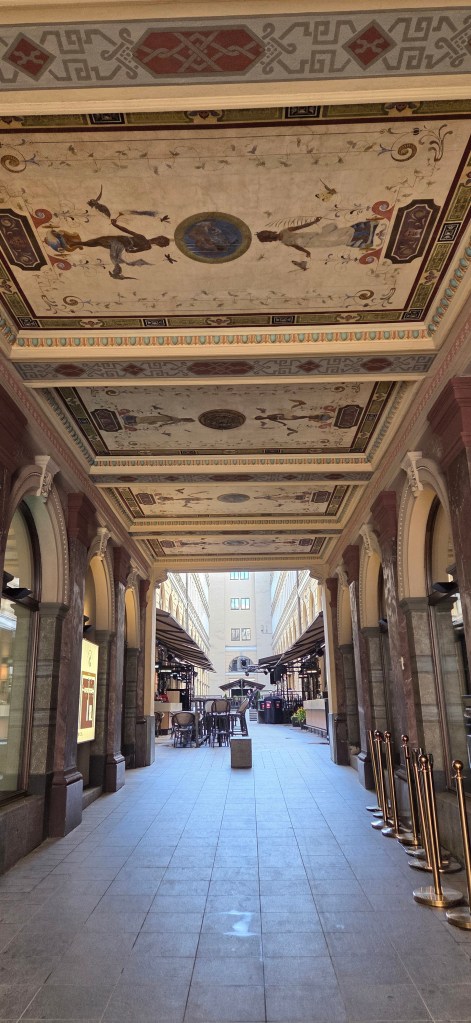
During the elegant period of 19th-/early 20th-century time of the expansion of central Helsinki, the city was rapidly growing economically under the Russian Empire, and wealthy Finnish banks, insurance companies, merchants, and industrial elites invested heavily in architecture to present Helsinki as a sophisticated European capital.
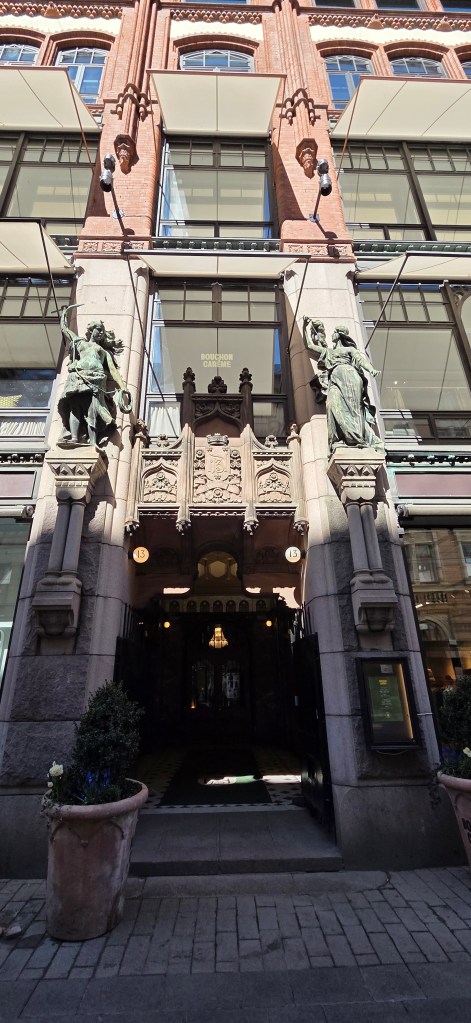
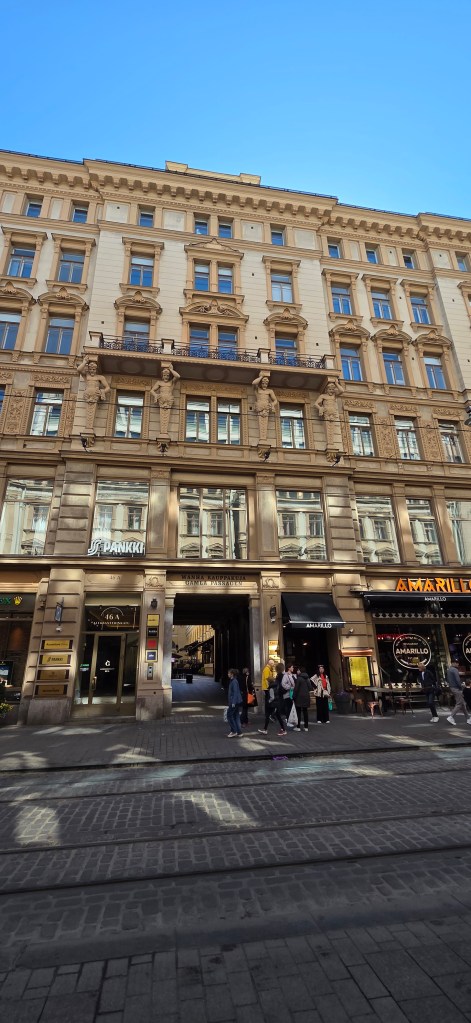
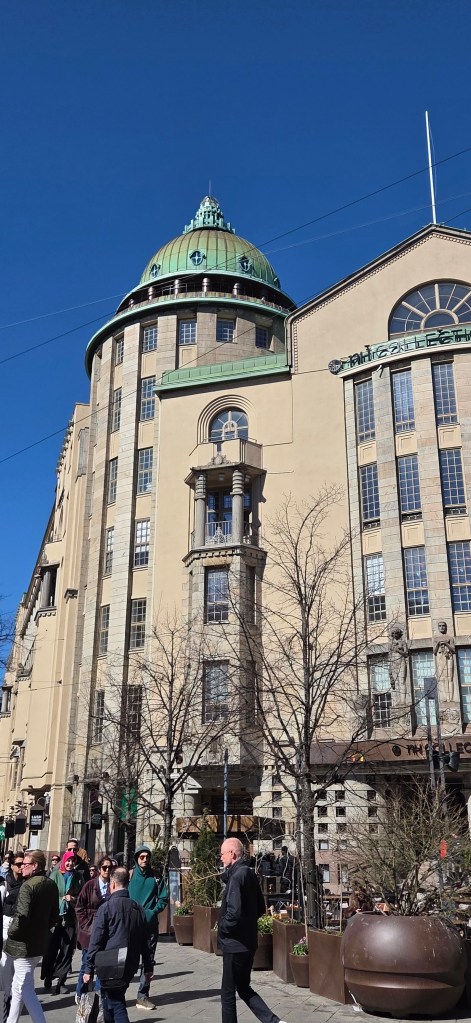
Walking around central Helsinki, especially near Aleksanterinkatu (main pedestrian and shopping street feels like moving through a timeline of Finnish history and identity. Buildings such as the Pohjola Insurance Building reflect the period when Finland was still under the Russian Empire but was simultaneously developing its own national architectural style.
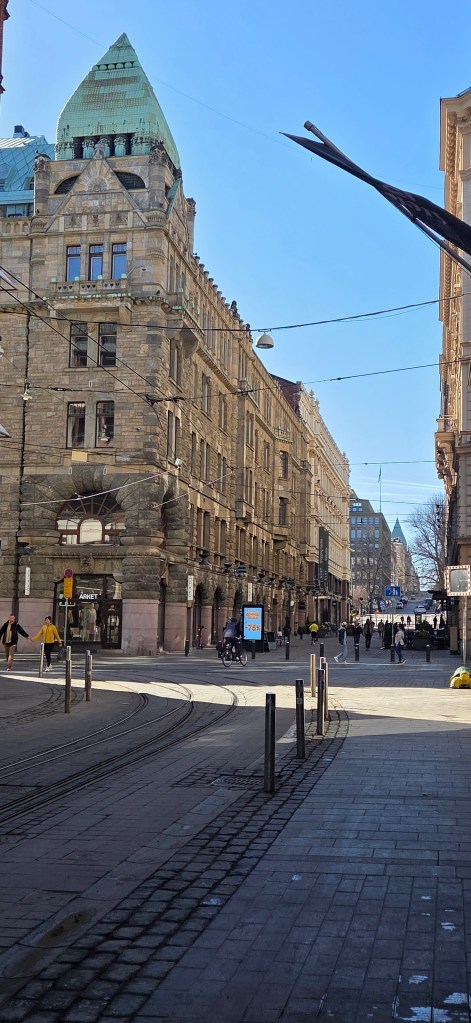
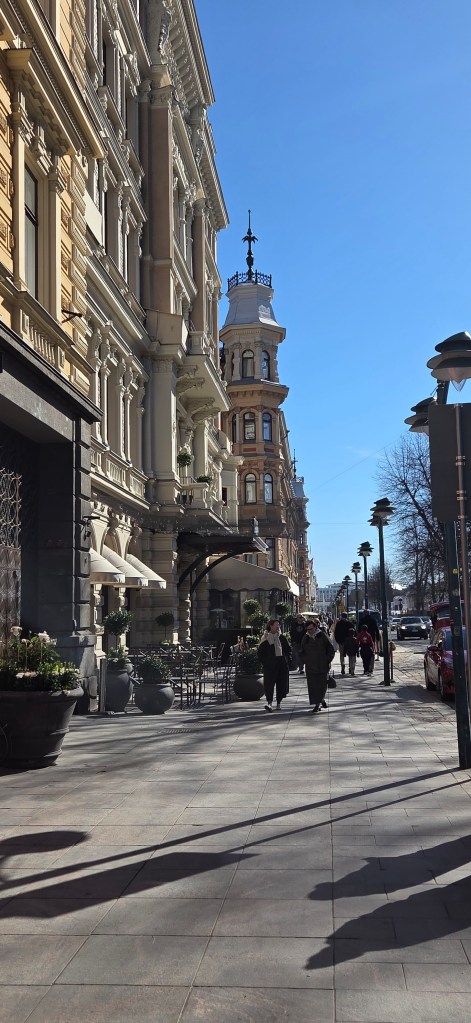
This part of Helsinki was designed to look cosmopolitan and European, reflecting influences from Saint Petersburg, Berlin, and Vienna, while still adapting to Nordic materials and urban calm.
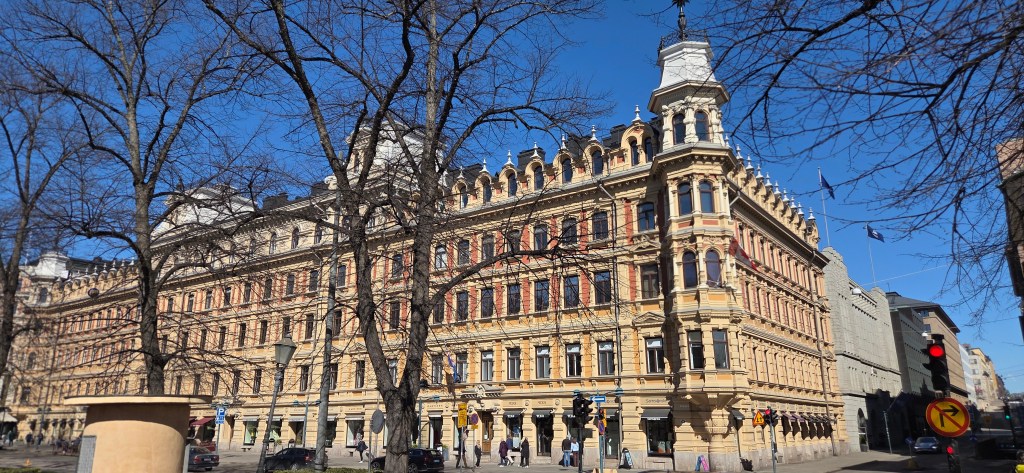
Even arriving from Brussels — which is relatively organised by European standards — Helsinki still feels exceptionally smooth and disciplined. Less noise, less friction, less visible stress. Less migrants? Less awkward people? The city operates with the kind of calm confidence that comes from societies that generally trust their institutions and expect systems to function properly.
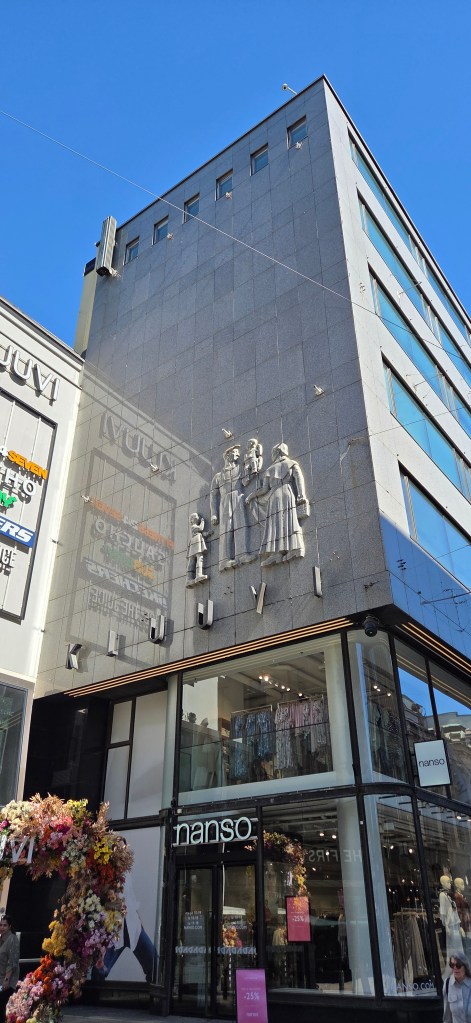
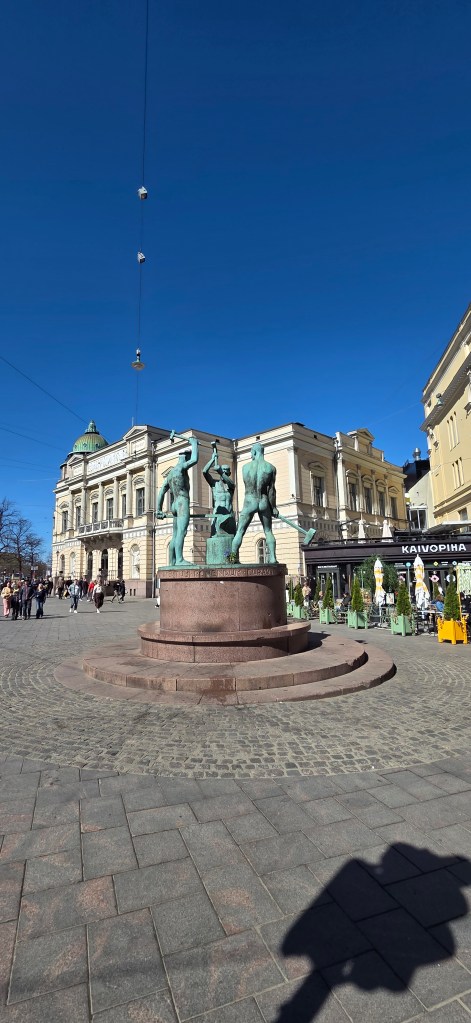
But the difference between coming here in November and then in May is huge. I was actually admiring the city this time. It was walkable, sunny, I could read the facades. In November 2012, I was tired, not interested and bored due to lack of light, constant humidity and greyness of the city. Just scroll down, and you will notice me!
Walking this time was so easy. In the hip of the day, we were at the Old Port of Helsinki, admiring the famous Havis Amanda fountain near the Market Square and Esplanadi area — one of the symbols of Helsinki.
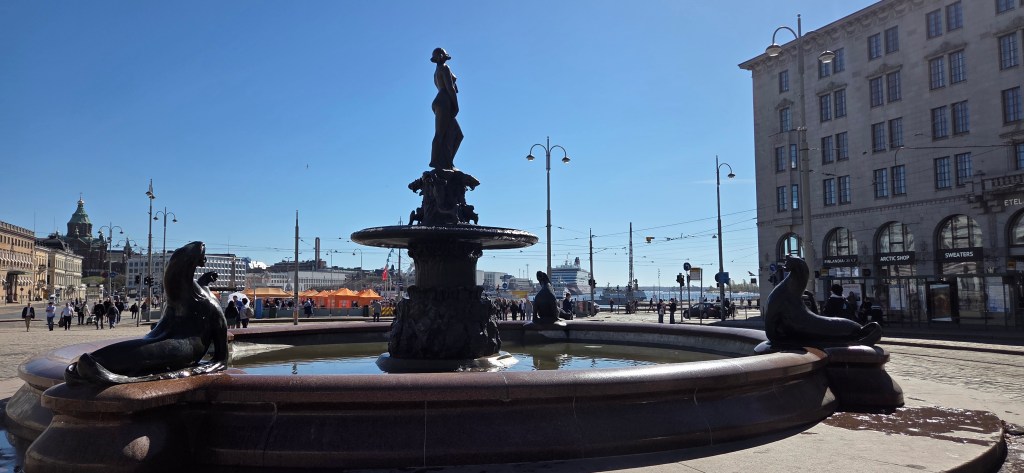
The fountain was created in 1908 and shows a naked female figure rising from the sea, surrounded by seal. The statue represents Helsinki itself: a young woman emerging from the Baltic Sea. When it was unveiled, it caused a scandal because many people considered it too sensual and provocative for conservative Finnish society at the time — especially because Finland was still strongly Lutheran and socially restrained.
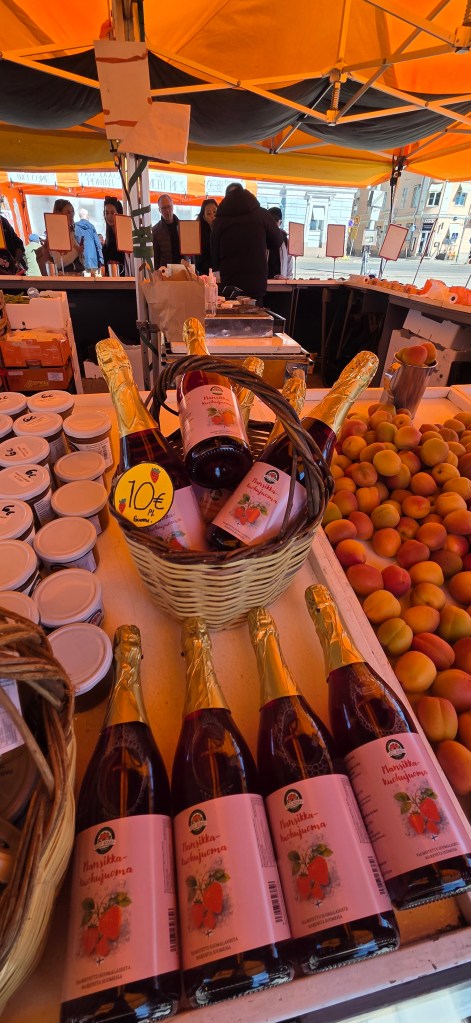
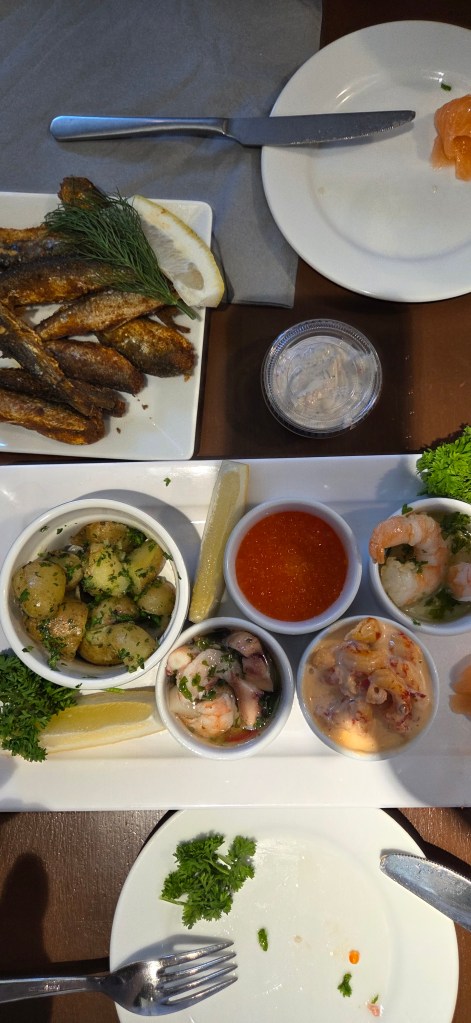
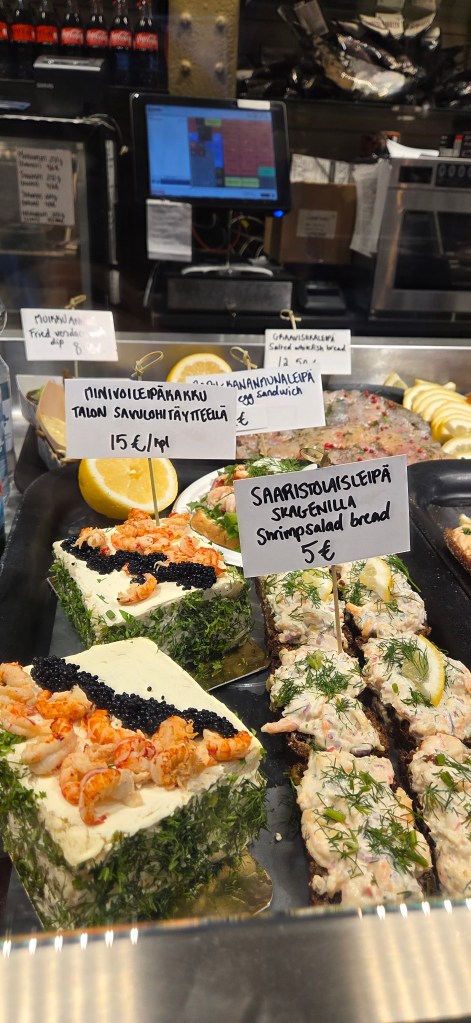
Market Square serves local specialities: salmon soup, smoked fish, cinnamon pastries, reindeer products, handmade knives, wool, and yes — plenty of animal furs and Nordic winter accessories that remind you Finland historically survived in a climate far less forgiving than the Instagram version of Scandinavia.
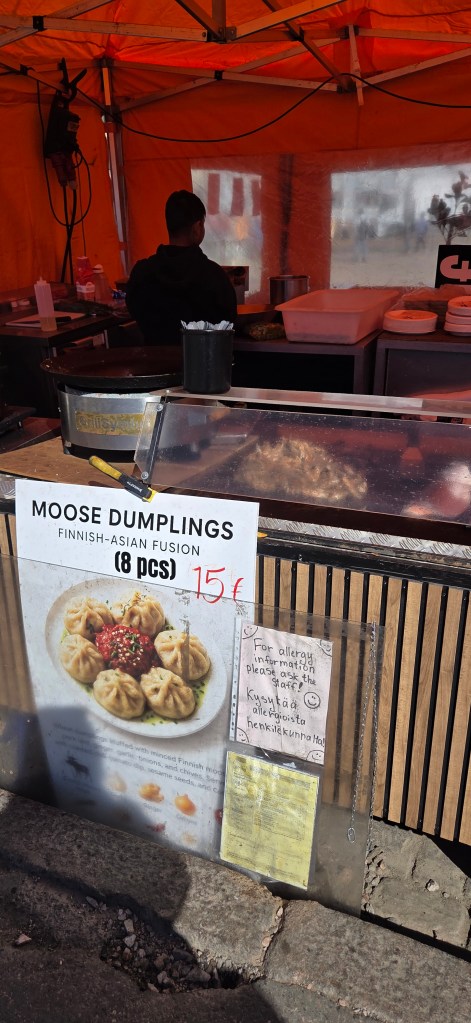
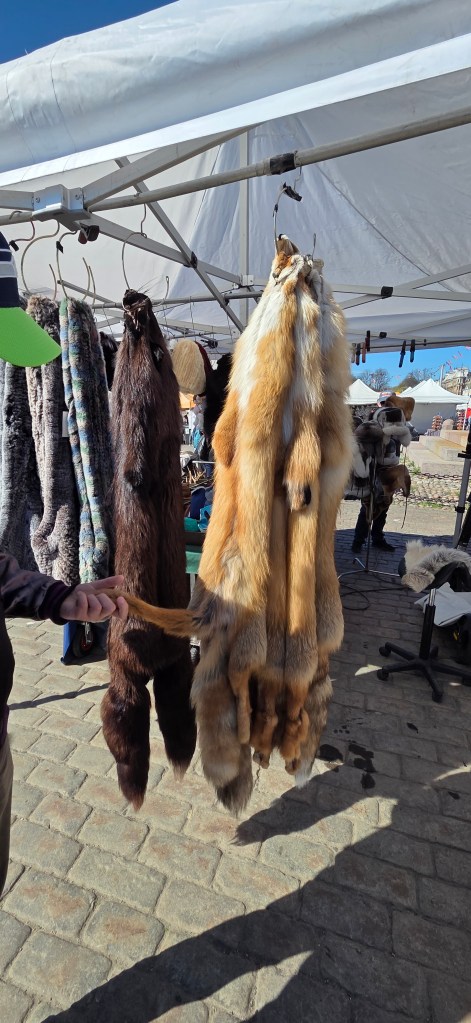
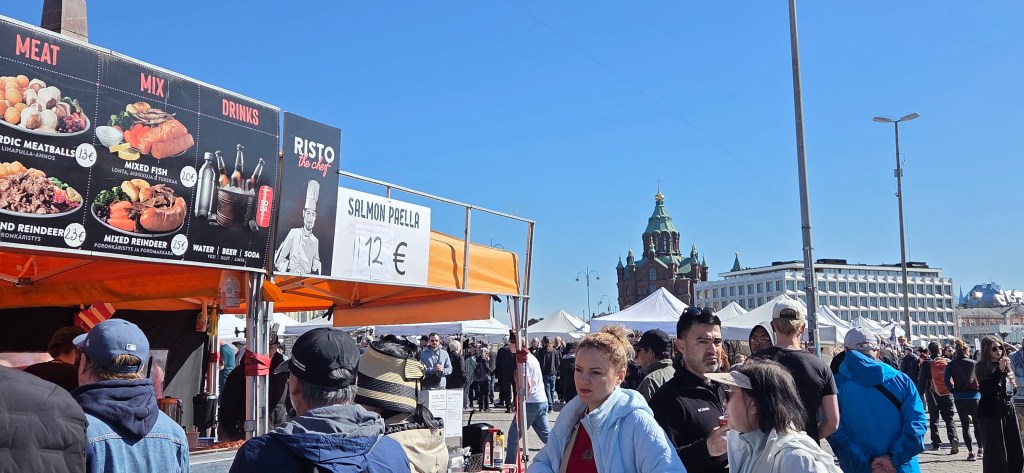
And yes, in true Nordic fashion, the menu also included things like bear meat, moose, and berry wines — the kind of food that immediately reminds you people here historically survived by hunting, fishing, preserving.
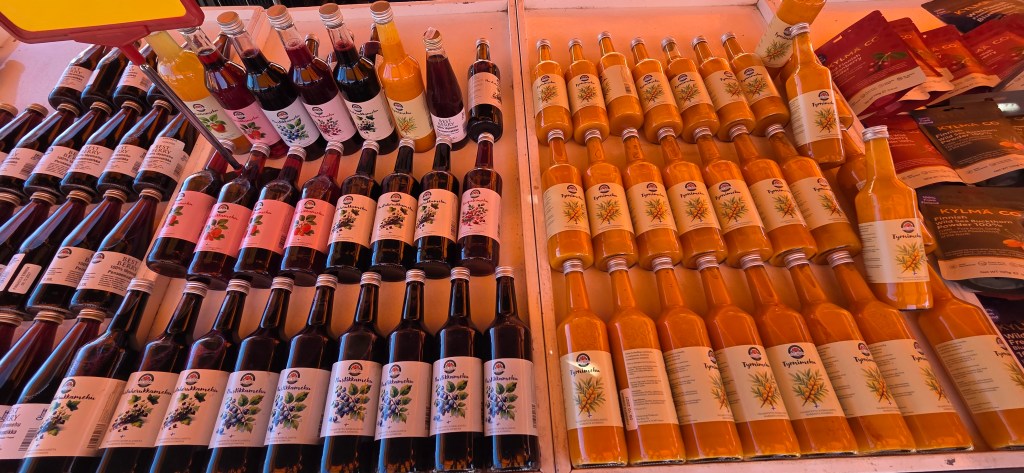
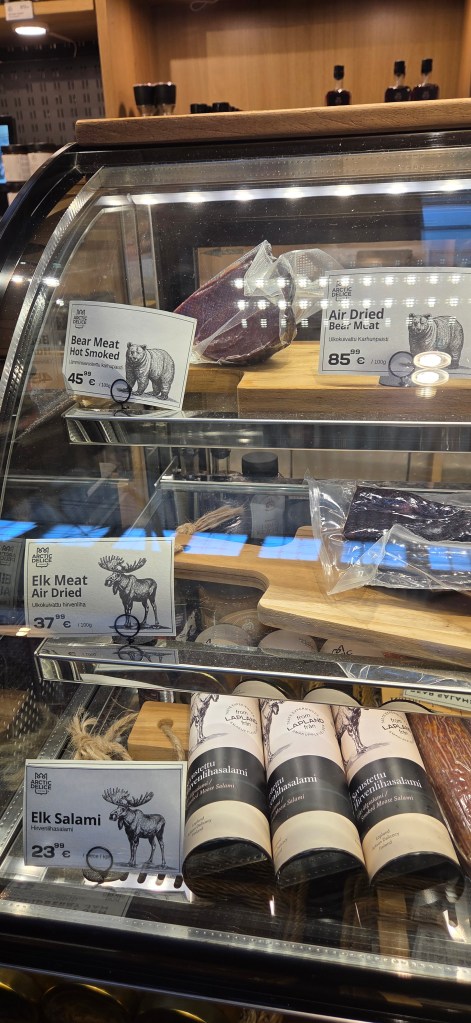
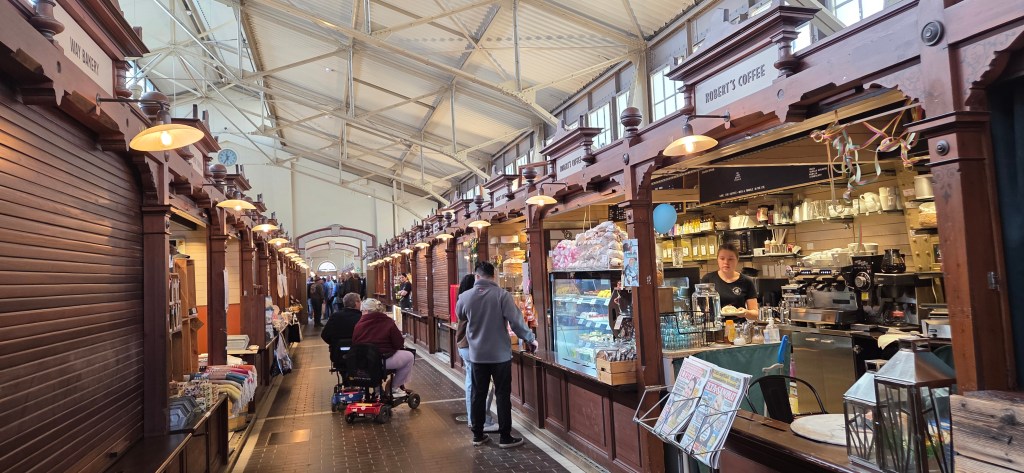
We stopped for lunch at the Old Market Hall, the oldest market hall in Finland, opened in 1889. With its brick interior and iron structures, the place still carries the atmosphere of an old Baltic trading city from the imperial era.
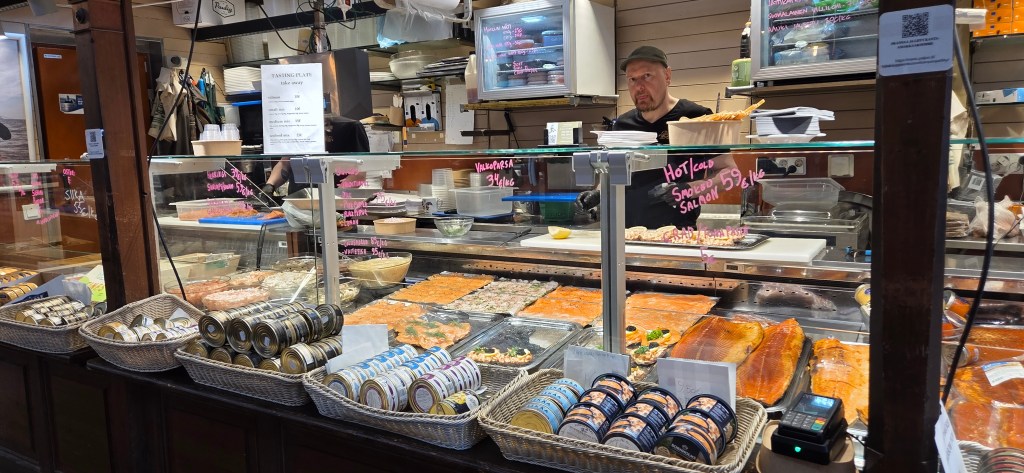
It honestly felt like the kind of place where merchants, officers, and Nordic nobility once gathered to discuss trade, politics, and shipping routes over fish and coffee. Today, the aristocrats are mostly replaced by tourists. 😉
The old harbor area of Helsinki developed during the 18th and 19th centuries as Finland became an important trading gateway between Scandinavia, Russia, and the Baltic Sea region. Ever wondered why the Baltics are so geopolitically important for Russia? Simple: northern seas often freeze during winter. A ship form Saint Petersburg gets trapped in its own port. But if you own Tallinn or Helsinki or Gdansk – your access to the Baltics and further to the ocean is all year operational.
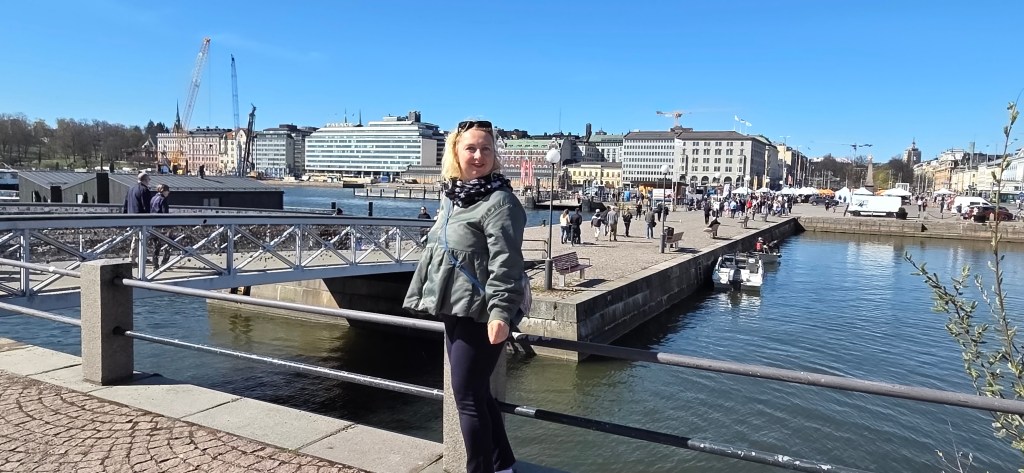
Even today, around Market Square, you can still feel traces of that maritime history — ferries, market traders, fishing culture, and old merchant buildings connecting Helsinki to centuries of Baltic trade and political tension. Or at least my political soul feels it 😛
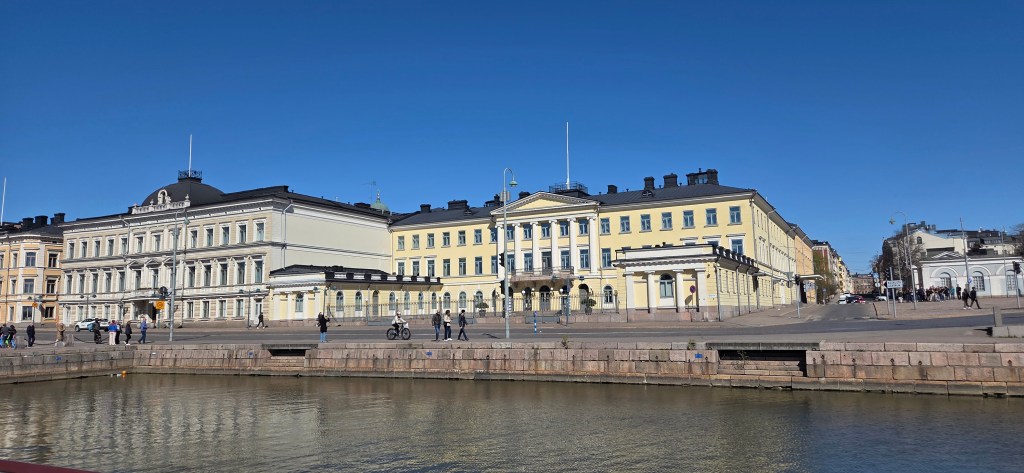
I might have been under the influence of Alexander Stubb, Finnish President and one of my favourite politicians of today. As I was roaming around the Presidential Palace, wanting to knock on the door and have a chat or two. 😀
This is the Uspenski Cathedral, the largest Orthodox church in Western Europe and probably the clearest visible reminder of the Russian imperial influence over Finland during the 19th century. It’s almost like a small piece of Saint Petersburg placed above Helsinki.
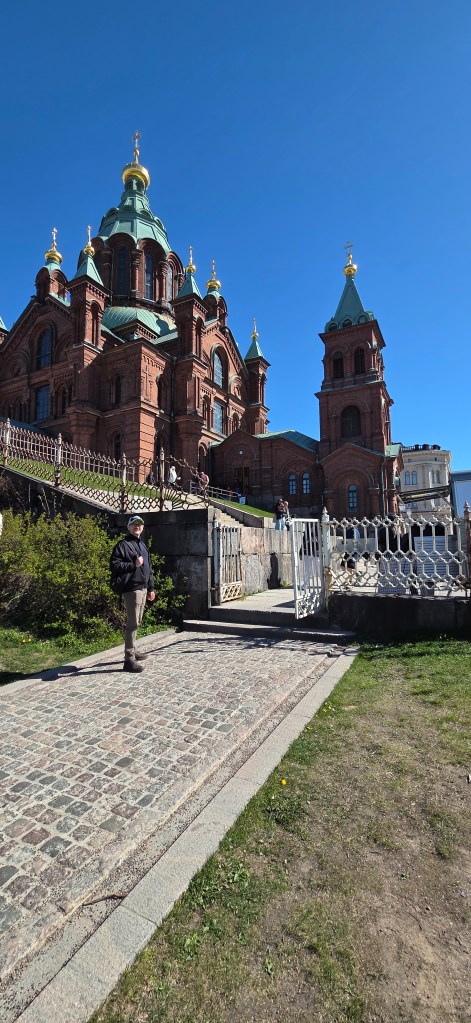
I actually did not enter. Partly because there was an entrance fee, and partly because I fundamentally dislike the idea of paying to access a church — especially one that historically was supposed to belong to the people, or at least provide equal access to God regardless of money.
Unlike the Uspenski Cathedral, this one was free to enter. This is the Helsinki Cathedral on Senate Square, built in the 19th century inspired by the neoclassical architecture of Saint Petersburg. Originally dedicated to Tsar Nicholas I. Standing next to the statue of Russian Emperor Alexander II in the square, you can clearly feel how deeply Finnish and Russian histories were once intertwined.
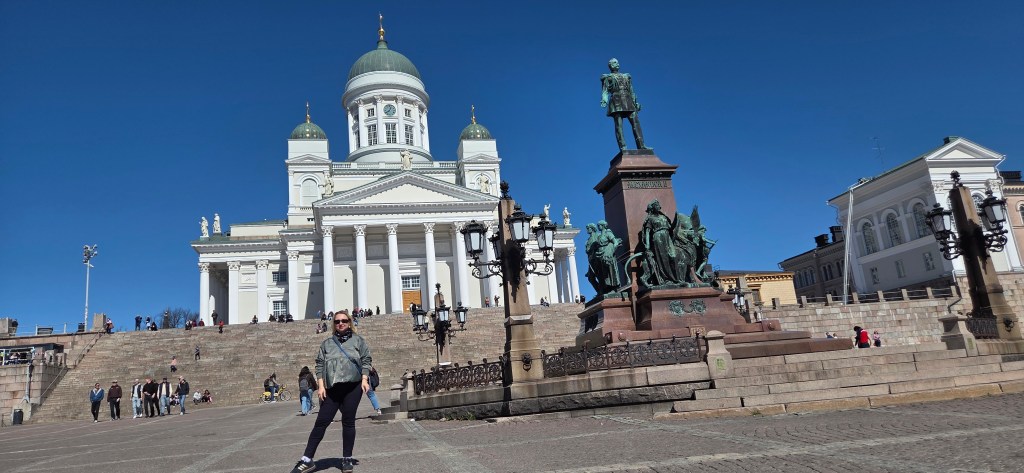
Russian Emperor Alexander I is actually remembered relatively positively in Finnish history compared to many other Russian rulers. During his reign in the 19th century, Finland received greater autonomy within the Russian Empire: the Finnish language gained stronger official status, Finland developed its own currency, parliament, postal system, and administrative institutions, and Finnish national identity was allowed to grow more openly. That is why his statue still stands in Senate Square in Helsinki today — which is quite remarkable considering how complicated Russian-Finnish history later became.
Inside the Helsinki Cathedral, the atmosphere becomes surprisingly minimalistic compared to the dramatic exterior — very Lutheran, very Nordic, meaning “focus on God, not decoration.” This is very opposite from the south of Europe in which churches serve as a decoration and art display.
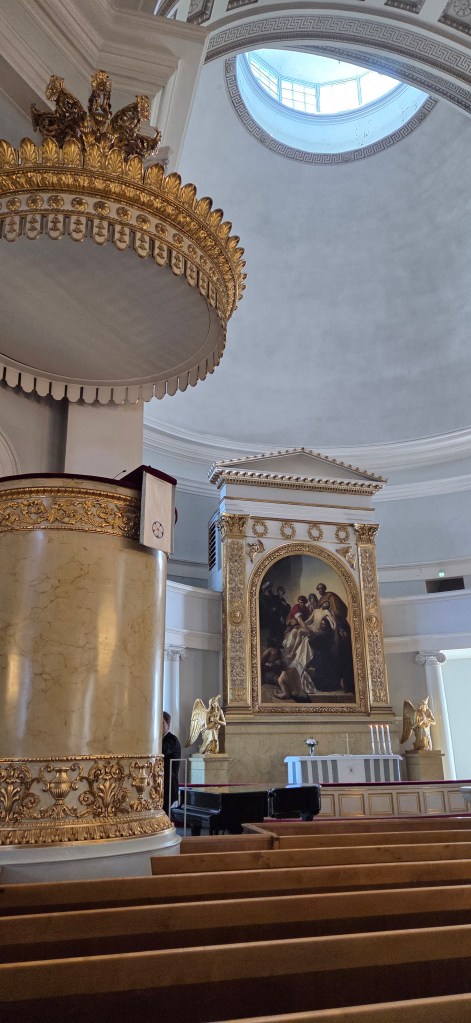
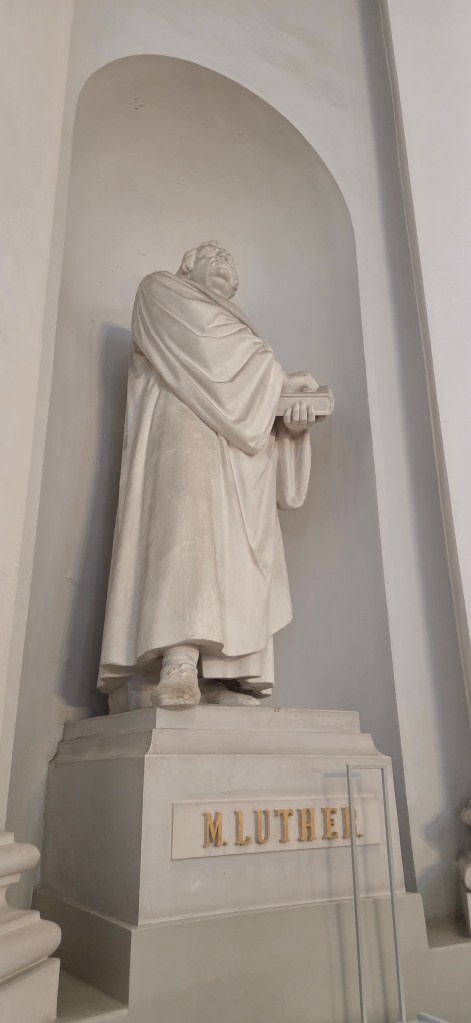
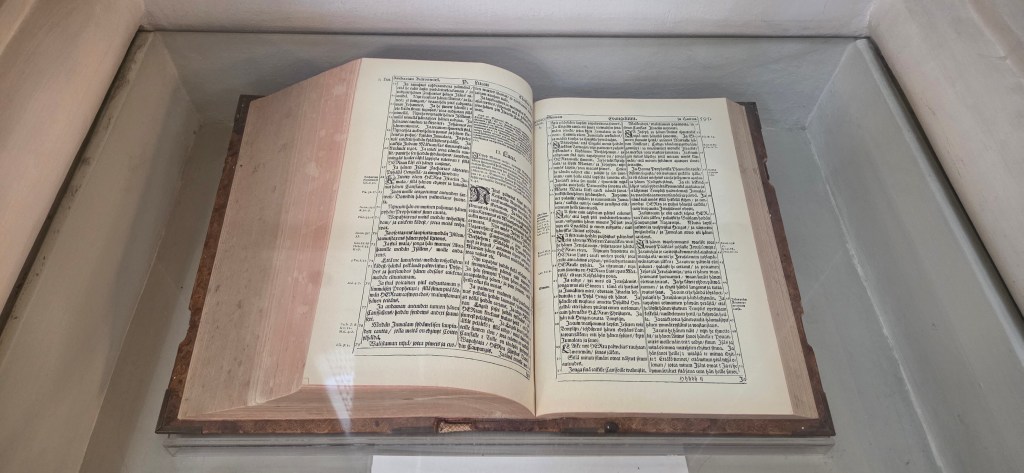
I immediately noticed the statue of Martin Luther and the old Finnish Bible, reminders of how deeply Lutheranism shaped Finnish identity, education, and society for centuries.
Walking through Helsinki, I suddenly stumbled upon this Arctic Circle line embedded into the pavement — and it became much more interesting because at the same time I was reading Polar War by Kenneth R. Rosen. The book explains how melting Arctic ice is turning the region into a new geopolitical battlefield shaped by trade routes, military strategy, dual-use technologies, and access to resources.
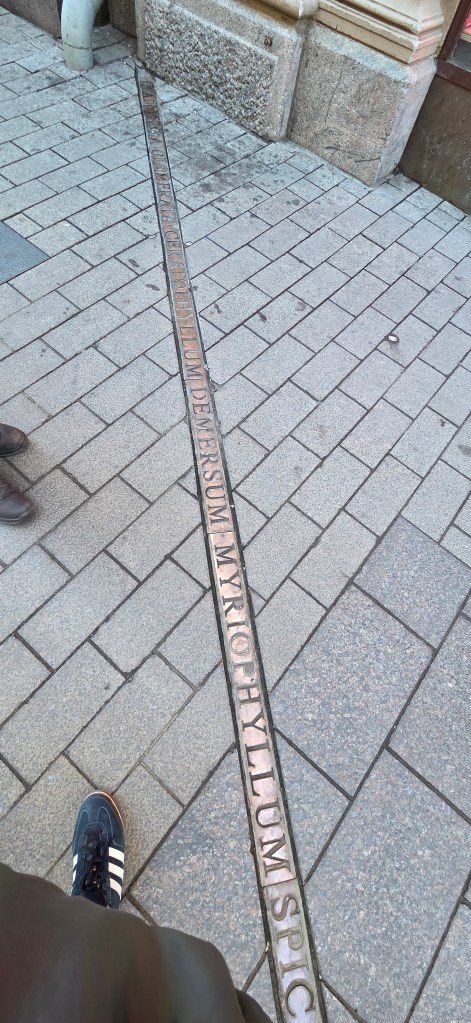
I also learned there is something called the Arctic Council — a forum where Arctic nations like Finland coordinate and discuss the future of the region as climate change reshapes it. Suddenly, this small metal line in Helsinki no longer felt like just a tourist detail to me. I like to connect the dots between my travels, my academic roots, and my work, knowing the future geopolitical map of the world may partly be written in the Arctic.
Then this the most unexpected and awkward moment of my day in Helsinki: we entered the famous Oodi Helsinki Central Library — one of the city’s most celebrated modern buildings, known for its futuristic Scandinavian architecture, open public spaces, and the Nordic idea that libraries should function almost like living rooms for society. I bet this is now regretted.
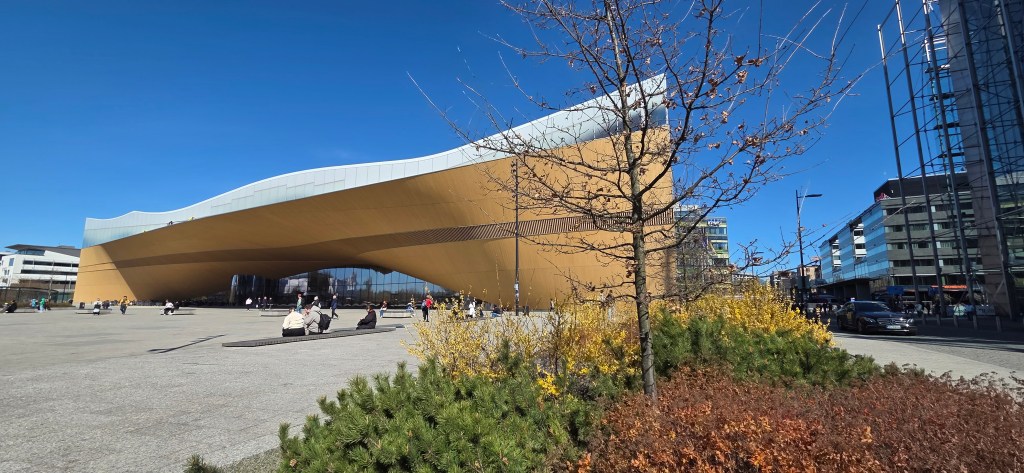
Almost immediately after sitting down, we found a lost phone and returned it to reception, only to realise shortly after that it most likely belonged to two heavily drunk and dirty men fighting nearby while charging their devices.
At first, I thought it was just an isolated uncomfortable situation, but after moving upstairs, I realised the library had become a refuge for homeless people. Oh, Finland – this globally admired symbol of progressive Nordic society, built on equality — now showing the fragility of modern Europe. I was very sad to witness this.
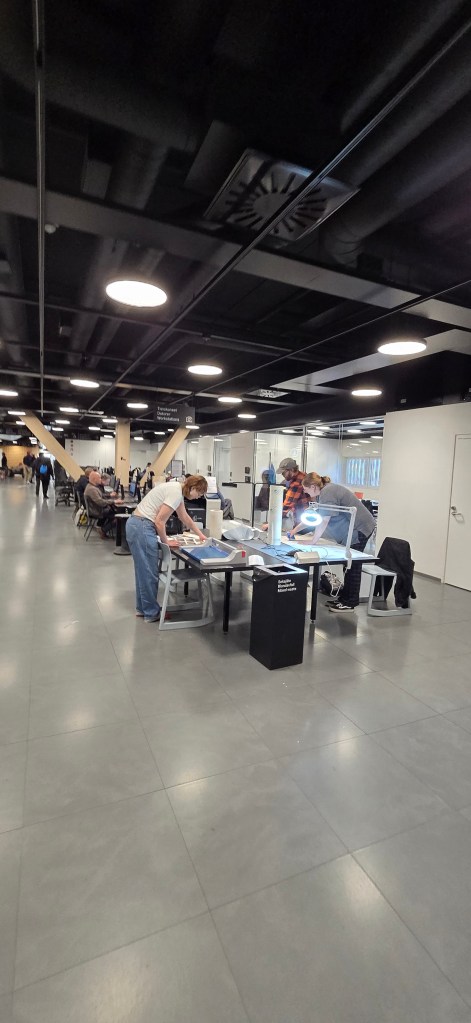
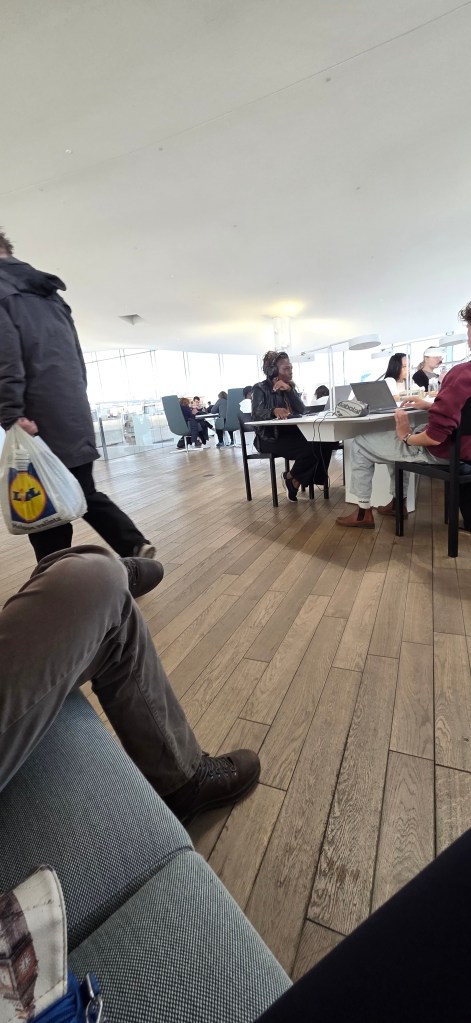
Time to disinfect.
In 2012
Founded by the Swedish king Gustav as a new trading post to compete for Baltic Sea trade with Tallinn, the capital and largest city of Finland built up throughout the 17th century, yet it remained a somewhat sleepy, wooden housing town…
Helsinki is one of the coldest cities in the world. It does not receive sunshine for about consecutive 51 days in winters. The city has around 101 average annual days of snow and an amazing 169 average annual number of days below 0 Celsius.
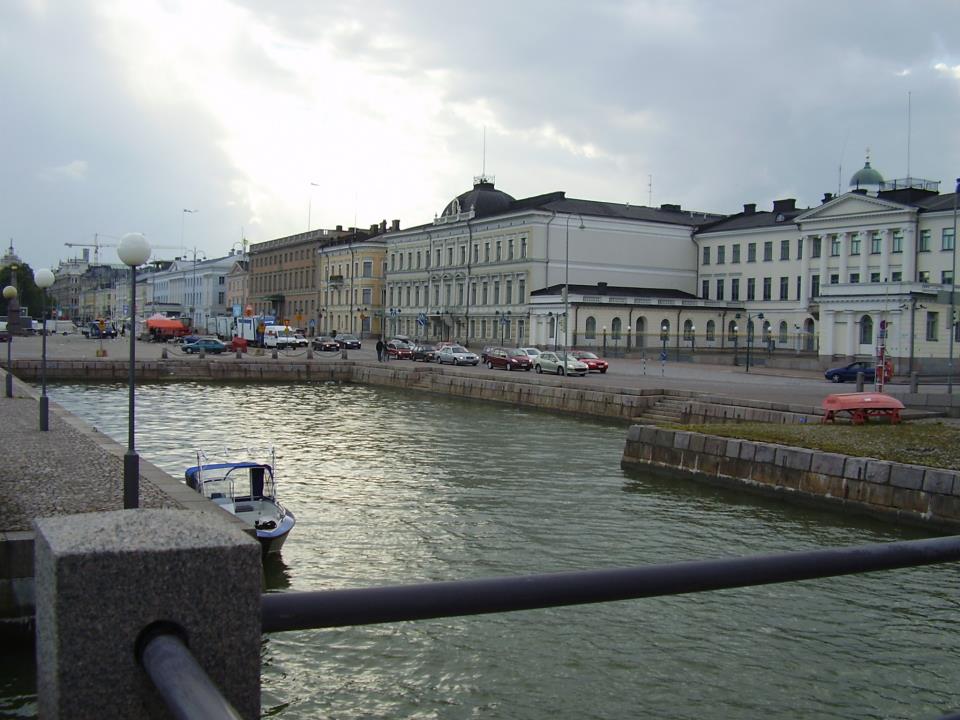
First thing we visited was Helsinki Cathedral – the Finnish Evangelical Lutheran cathedral from 19 century and the National Library of Finland.
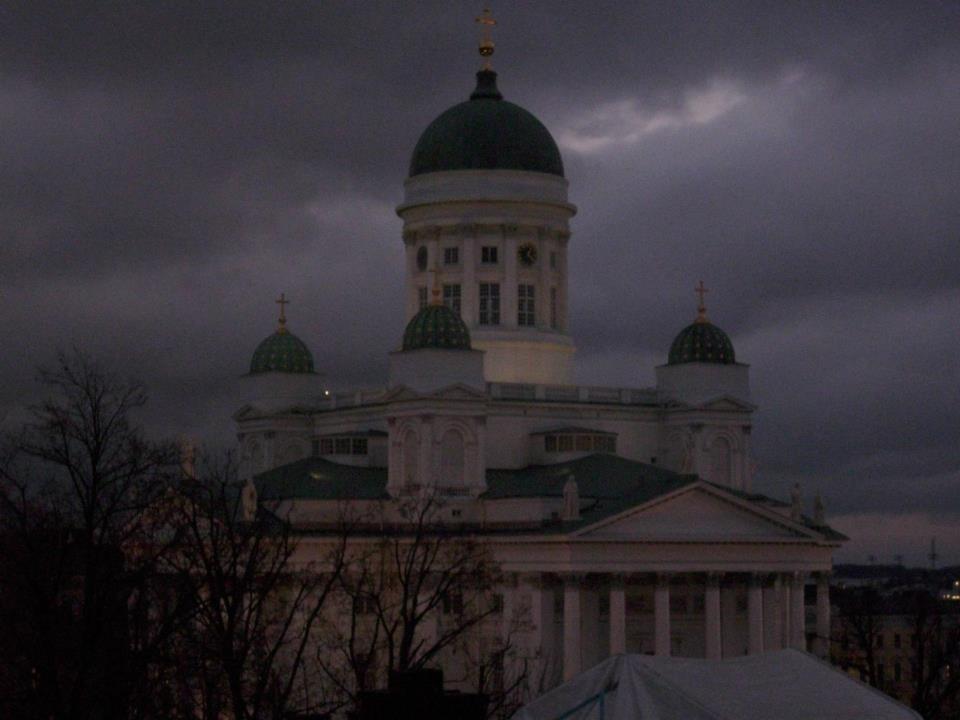
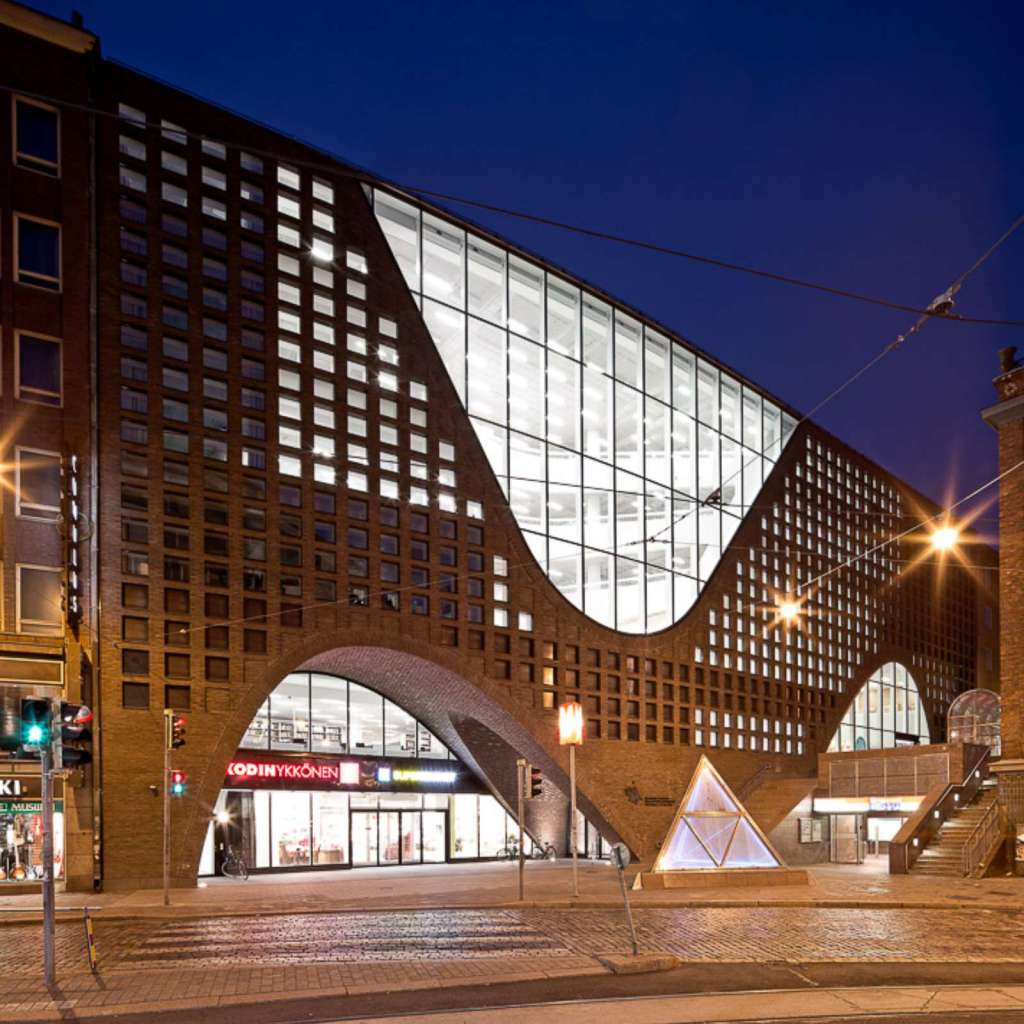
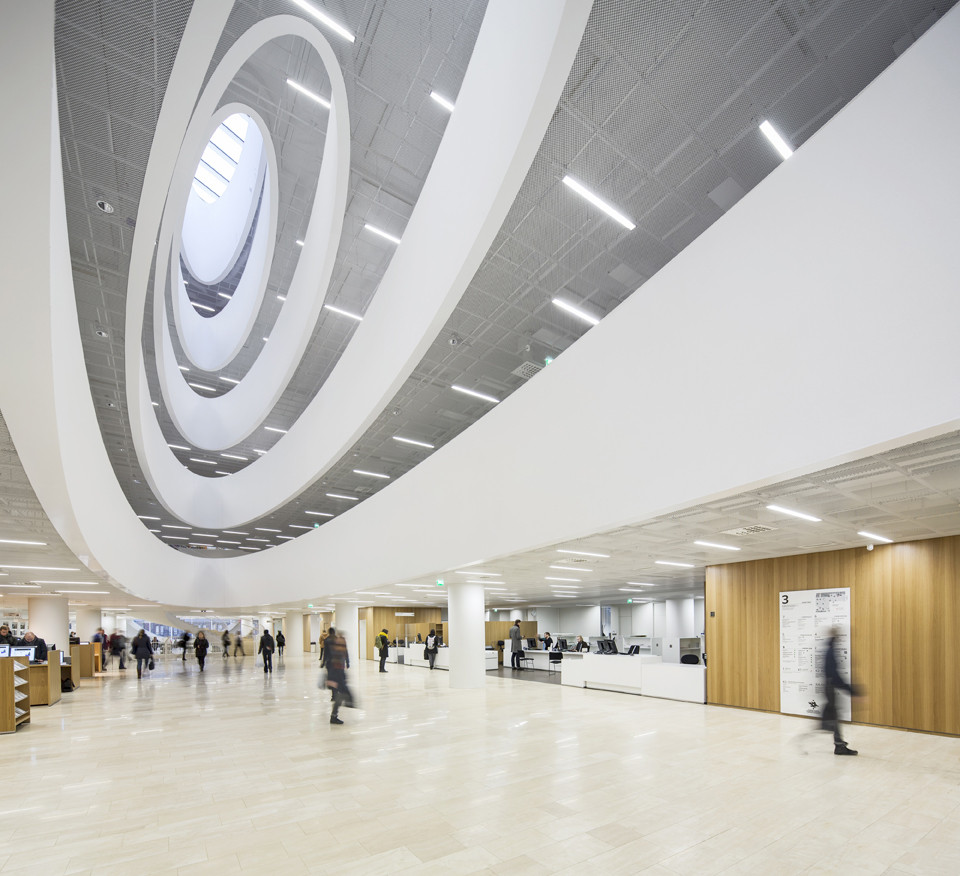
After enjoying the view on the city from the rooftop of the library, we decided to wander and shop around.
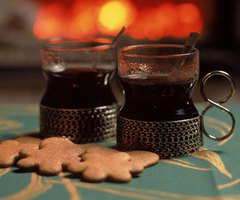
Ofcourse, we freezed ourselves as it was November, so we sat for glögi – a Christmas drink based on grape juice and flavoured with spices, served hot with raisins and almonds with a bit of the alcohols inside.
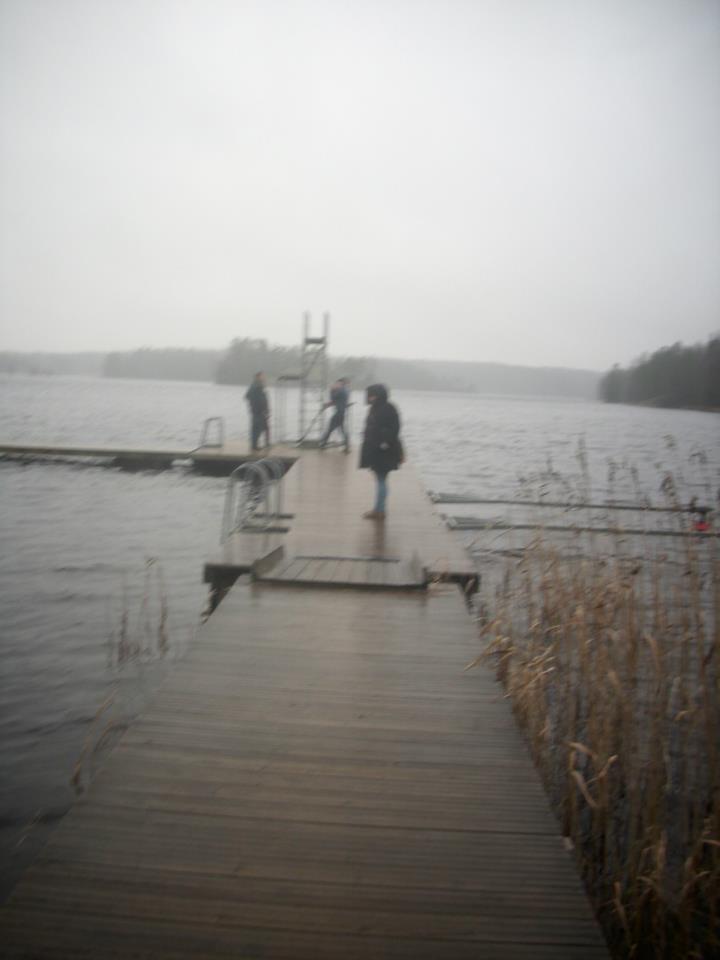
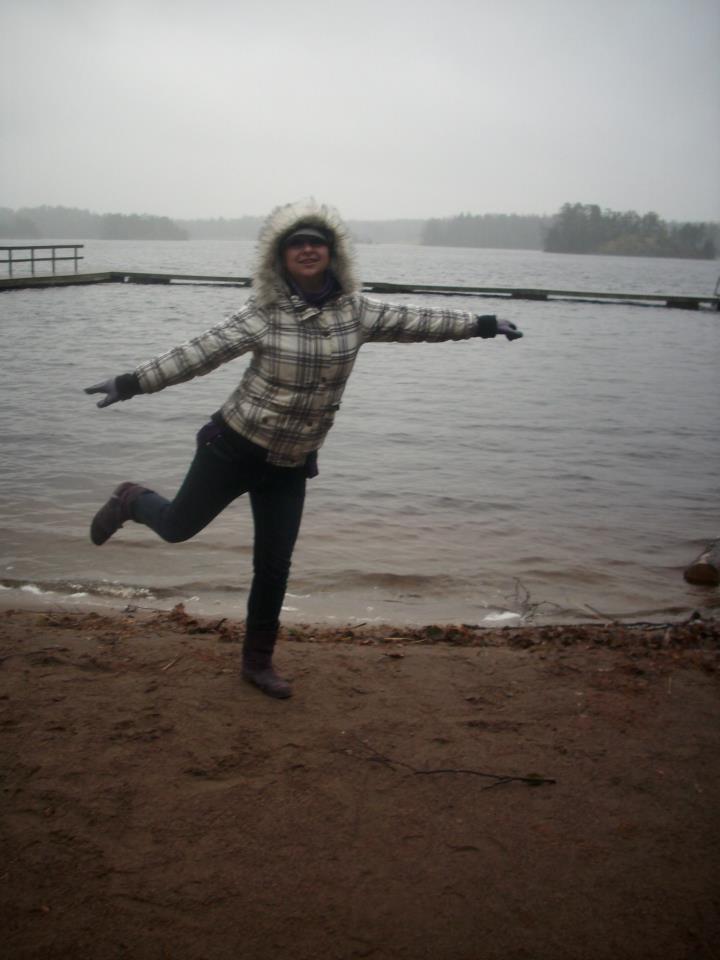
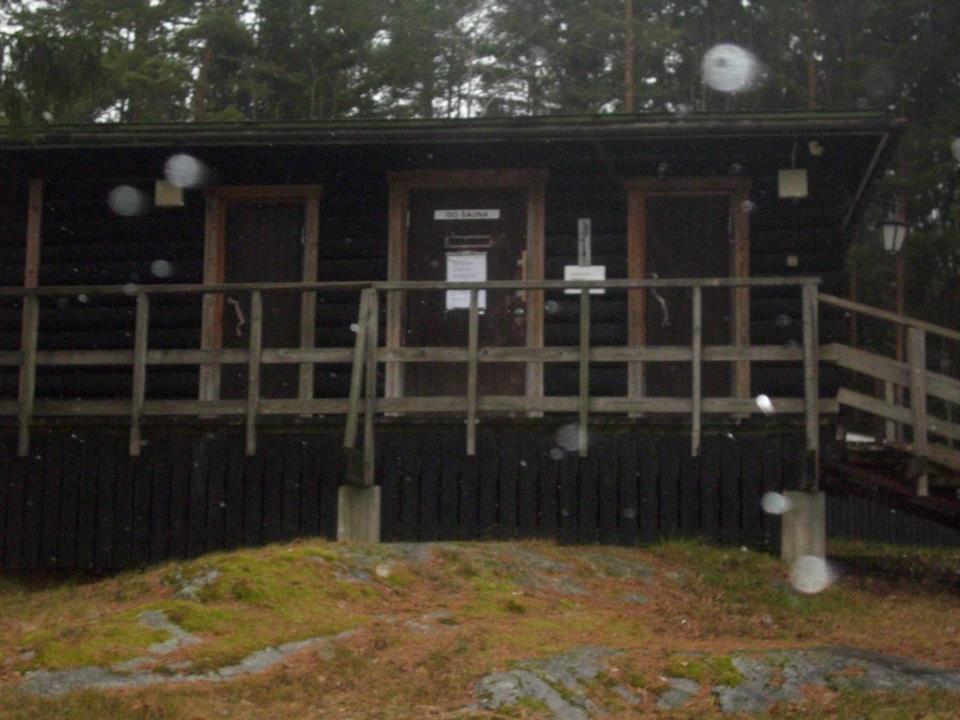
Late in the evening we went back to Raasepori – a 100 km away sport and spa resort where we had our accommodation. I have to admit, being surrounded with lakes, forests and deers made my soul fresh, even though it was – 15 degrees. 🙂 At least, we had a great saunas. Some of us dared to jump in cold lakes after chilling. Bzzzzzzz….


On my wishlist. Your post makes me more interested 🙂
LikeLike
Looks amazing. And Cold 🙂 I admit I am a sun person, I love the beach, the sun and the ocean, but I do want to travel all over the Scandinavian countries and Helsinki is on my very long list 🙂 of cities I want to visit there.
LikeLike
This looks lovely.. I would love to see some pics of this place in summer!
LikeLike
So many wonderful places in the world! I wonder if I’ll ever be able to see as much as I want to! Amazing post! I loved the description of the grape drink! Must be amazing to experience such cold climate! 😀
LikeLike
I enjoyed reading your experience…was hoping get to see the interior of the library and cathedral…the pictures are kind of small but you can tell it’s a massive structure
LikeLike
This is on my travel bucket list and I can’t wait to visit! Thanks for sharing!
LikeLike
Where you have not been! beautiful pictures and wonderful country. Thanks for sharing.
LikeLike
ремонт барабана стиральной машины
ремонт стиральных машин харьков
северная салтовка
ремонт стиральных машин харьков хтз
харьков ремонт стиральных машин на дому
ремонт стиральных машин харьков алексеевка https://goo.gl/3zkqMj
LikeLike