
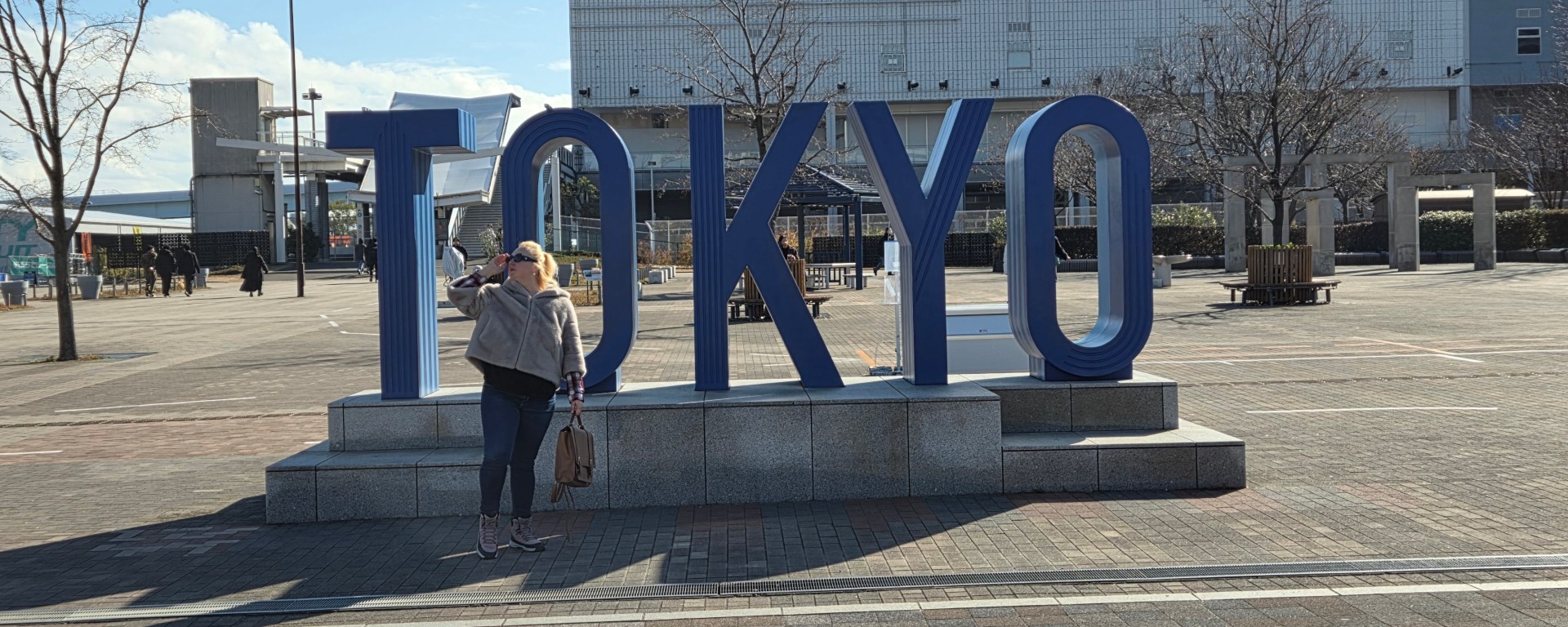
For two or three years, Japan had been sitting quietly on my travel wish list. I kept returning to the idea, listening my husband’s stories about temples, markets, and distant cities whose names already sounded like small adventures. Still, I hesitated. December did not seem like the obvious time to go. Winter, shorter days, cold weather — I wondered if we would miss the country at its best.
My husband had a much simpler view. Japan, he said, is always a good idea. Season hardly matters; the country has something to reveal in every month of the year. And Tokyo and Osaka are equally appealing at night as during the day.
And that was enough to hear. 🙂 The hesitation disappeared, and the tickets were booked. Thi was my first trip to East Asia.
Getting there, however, is no longer as straightforward as it once was. Because of the war with Russia and the sanctions imposed by Europe, many direct flight routes across Russian airspace are no longer available. Flights from Europe to Japan now often take a longer path, routed through the Middle East. Our journey began in Brussels and continued via Qatar before finally heading east to Osaka.
The route was longer than expected, but in a way it already felt like the beginning of the adventure. Japan had been waiting patiently on the horizon for years, and now the journey toward it had finally begun.

OSAKA
After arriving in Osaka, the temptation to go straight to bed was strong. The journey had been long, and the time difference was already beginning to catch up with us. But we knew the best way to fight the jet lag was to stay awake a little longer. So instead of sleeping immediately, we decided to step outside, get something to eat, and make a small circle around the hotel.
Our hotel was located in Nakanoshima, one of Osaka’s elegant islands surrounded by rivers, in the Tosahori River area. It is a quiet business district filled with office buildings, bridges, and softly lit streets at night. Even though it was not the loud entertainment center of Osaka, there were still small places open where locals gathered after work.
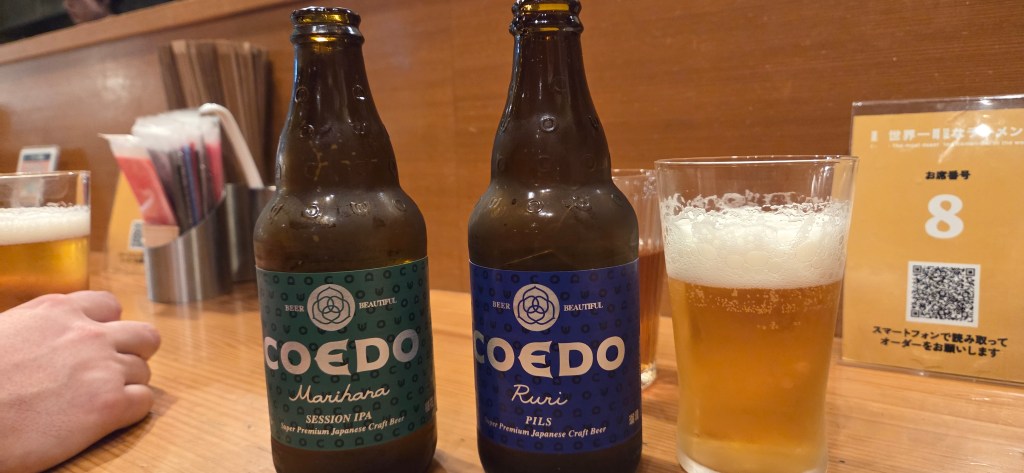
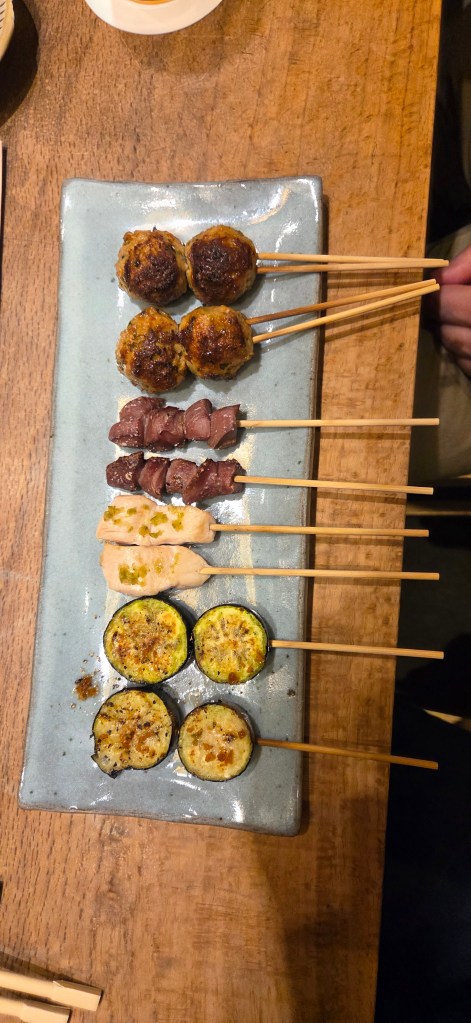
During our walk we found a typical Japanese izakaya, a small casual restaurant where people come to drink beer and eat simple grilled dishes. It felt local and welcoming, so we stepped inside. Without overthinking the menu, we ordered what looked good from the grill: yakitori-style skewers of grilled chicken, grilled chicken meatballs, and various grilled vegetables. Everything came on small sticks, freshly prepared over the fire.

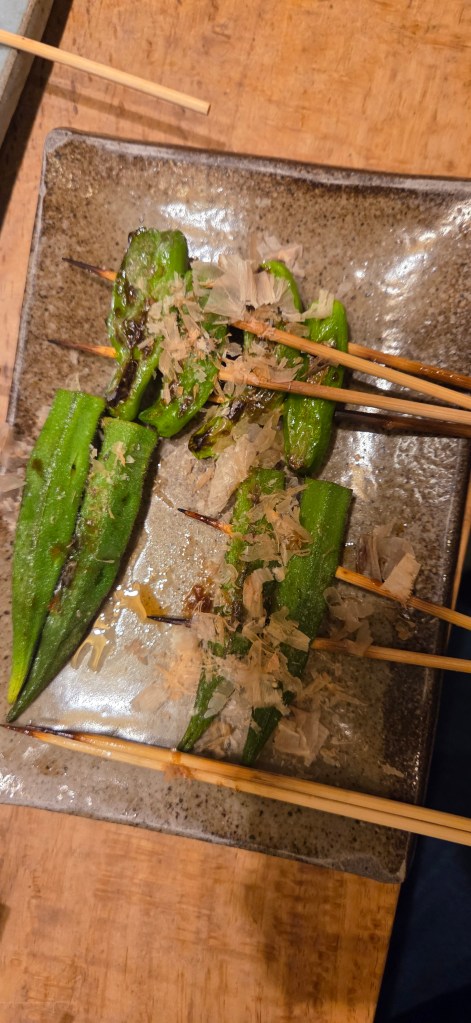
One dish was particularly memorable: green vegetables topped with thin pink flakes that seemed to move gently left and right from the heat of the plate. Watching them dance was almost as enjoyable as eating them. The pink flakes are called Katsuobushi.They are very thin shavings of dried, fermented, and smoked skipjack tuna. When placed on hot food, the heat and rising steam cause the flakes to curl and move, which makes them look as if they are “dancing” on the dish.
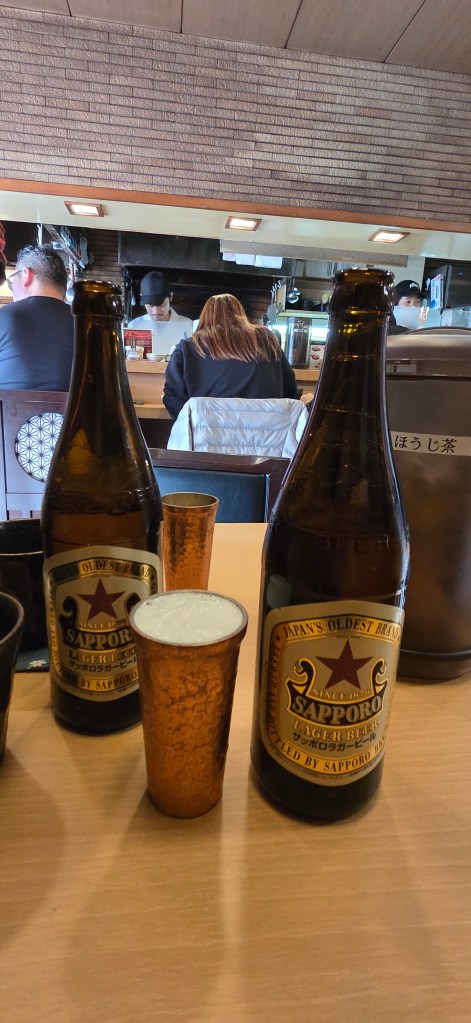
Together with the cold Japanese local beer, it turned into the perfect first meal in Japan.
At first, we were slightly unsure how the ordering worked. In many small Japanese restaurants, you communicate directly with the staff and ask about the dishes and prices before ordering. Because we were clearly foreigners — gaijin — the staff kindly came to our table, brought the menu, and helped us choose.
Only near the end did we notice a small service bell sitting nearby. Out of curiosity, we rang it. Immediately one of the staff members lifted his hands in the air with a cheerful “Aha!” and everyone laughed, clearly amused that we had discovered it. 😀
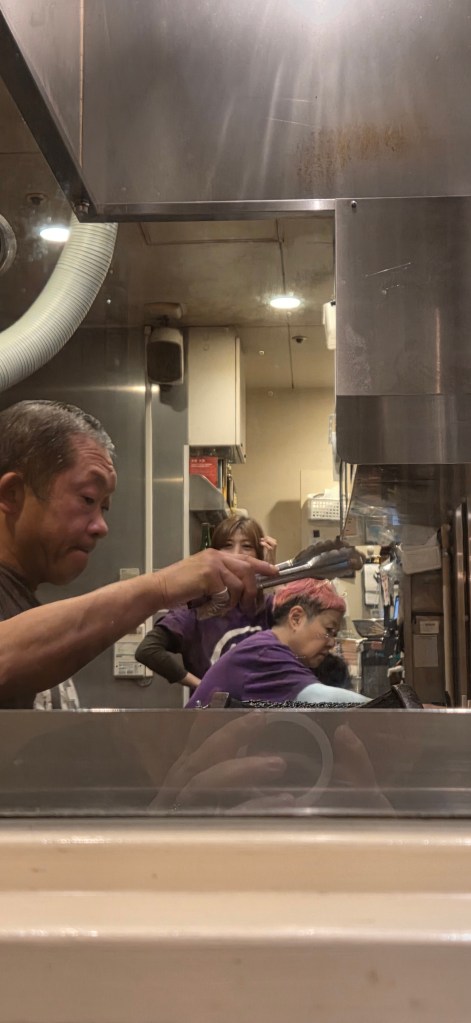

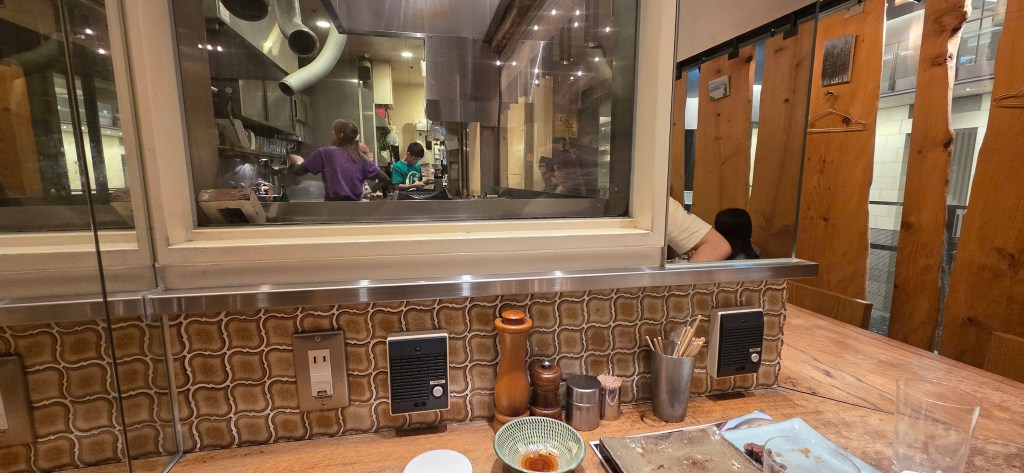
It was a small and simple evening — just a short walk, grilled food, and beer — but it became the perfect introduction to Japan. We went back to the hotel happy, satisfied, and already feeling that the trip had begun exactly the right way.
Despite our efforts to defeat the jet lag the evening before, the nature had its own plans. The bery next day we woke up much later than intended. When I finally checked the time, it was already close to 14:00. We slept 16 hours!! The exhaustion from the long journey had clearly won. What made it slightly worse was realizing that winter days are short, which meant there were only a few hours of daylight left before sunset.
Hozenji Yokocho
So we moved quickly. After getting dressed we went straight out into the city, determined not to lose the day completely. Our destination was the famous district of Hozenji Yokocho, one of Osaka’s most atmospheric and traditional corners.
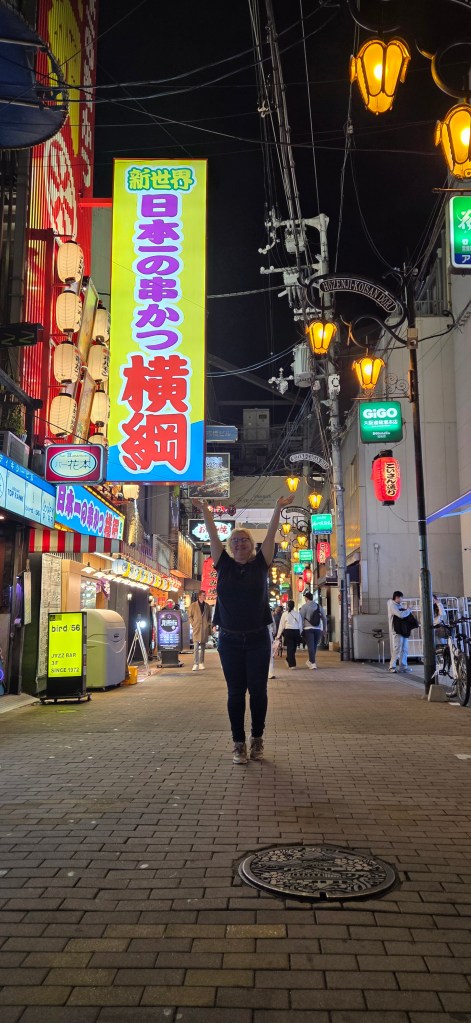
Hozenji Yokocho is a narrow stone-paved alley that feels like stepping back into an older Osaka. Lanterns hang above the small street, and both sides are lined with tiny restaurants, intimate bars, and cozy eateries tucked behind wooden facades. The space is narrow and quiet compared with the bustling modern streets around it, and the entire area has a romantic, almost nostalgic character.
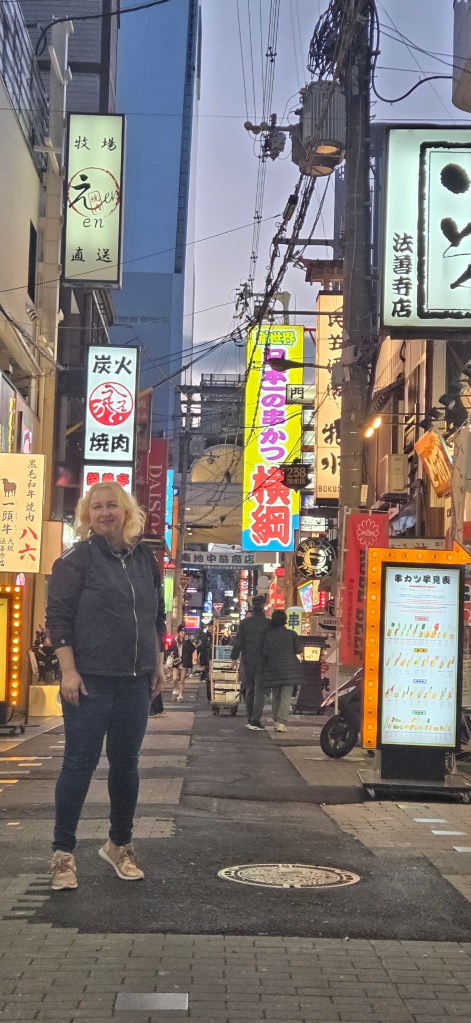

Walking through the alley immediately created a different impression of the city. Osaka is often described as energetic and wild, but here it felt intimate and warm. Small restaurants opened their sliding doors, chefs were preparing food inside tiny kitchens, and the soft light of the lanterns gave everything a gentle glow.
That short visit made a surprisingly strong impression on me. Many people say Osaka is not worth it – Tokyo is way better. But perhaps because of this very strong first impression, Osaka remained my favourite of all Japan.
That night I ate the best wagyu beef. Curious to finally understand why it is so famous?


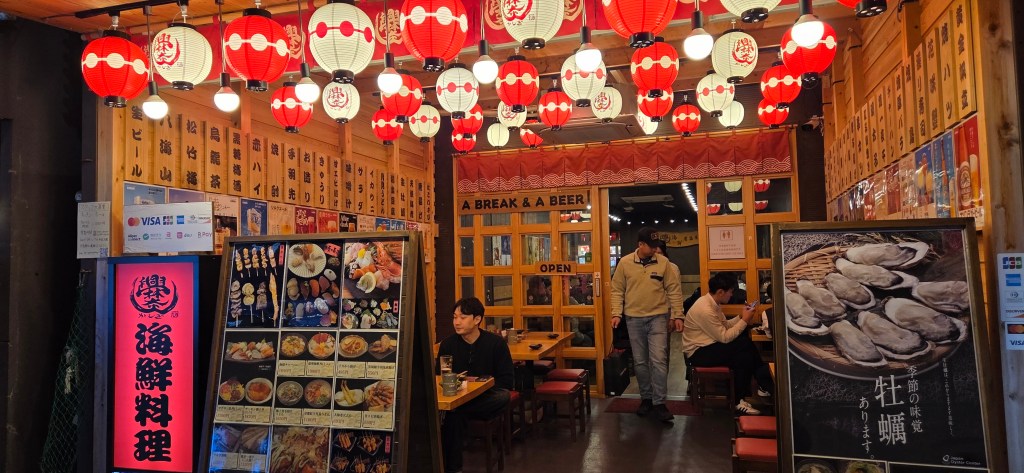
It was not a large portion, but it did not need to be. The Hozenji Yokocho had many places to explore that night. 🙂
For a start, the sake:
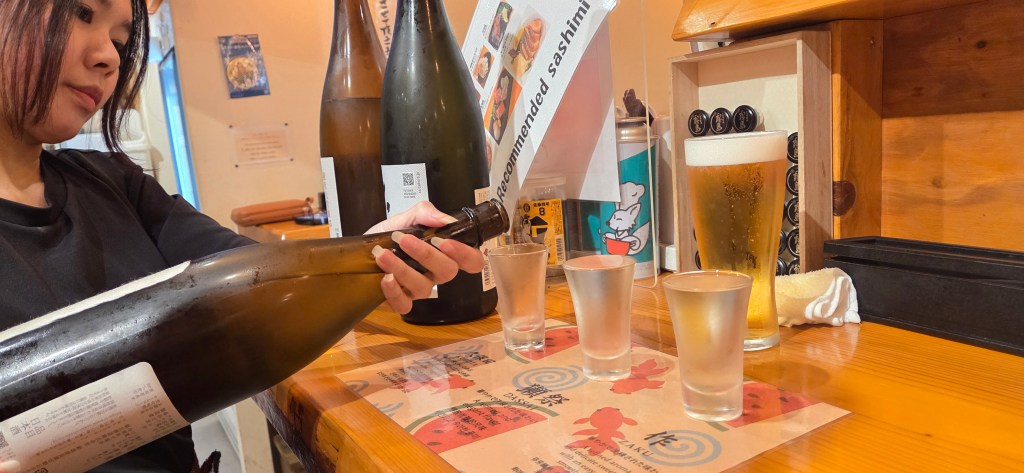
Dotonbori
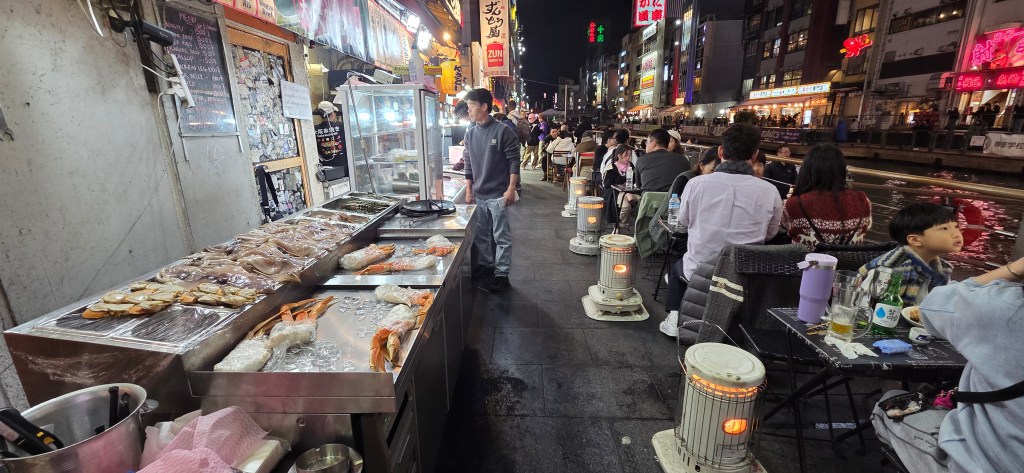
Even though we had missed most of the day, the night brought its own magic. We wandered into Dotonbori, where the neon lights, crowds, and energy made it feel like the city had only just begun to wake up.
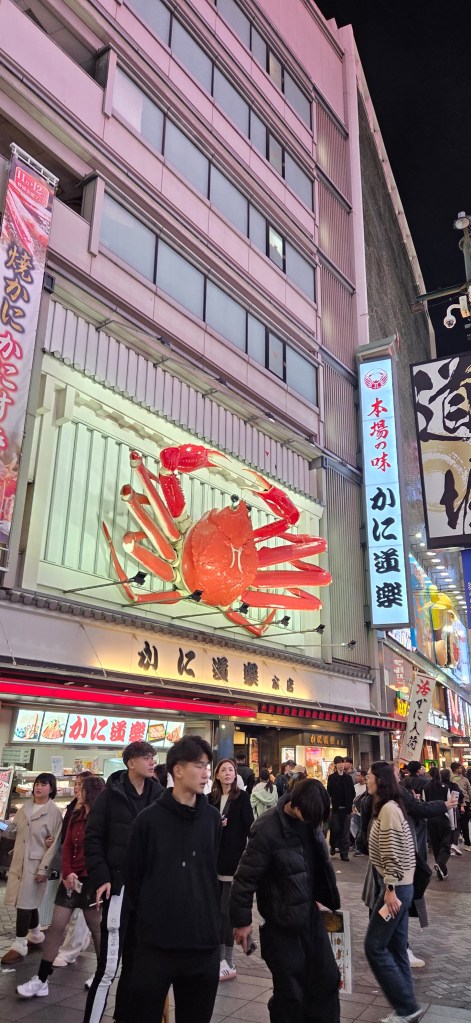
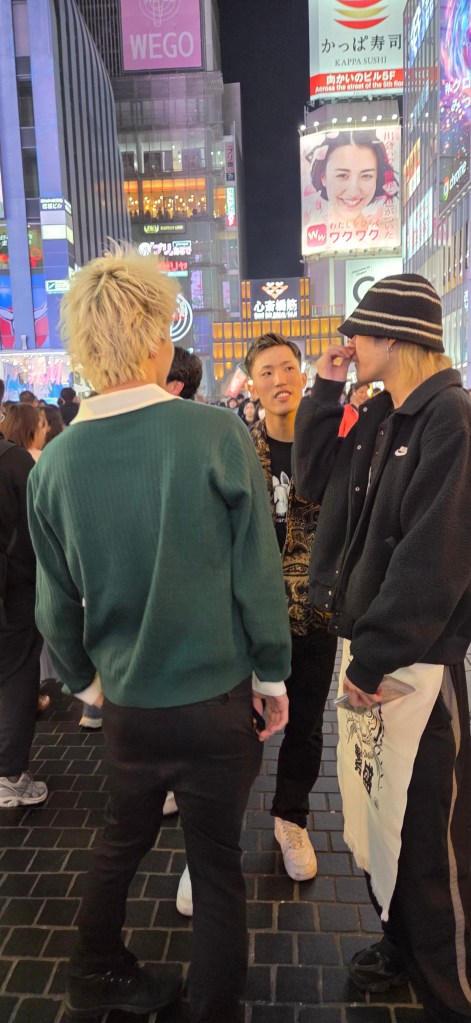
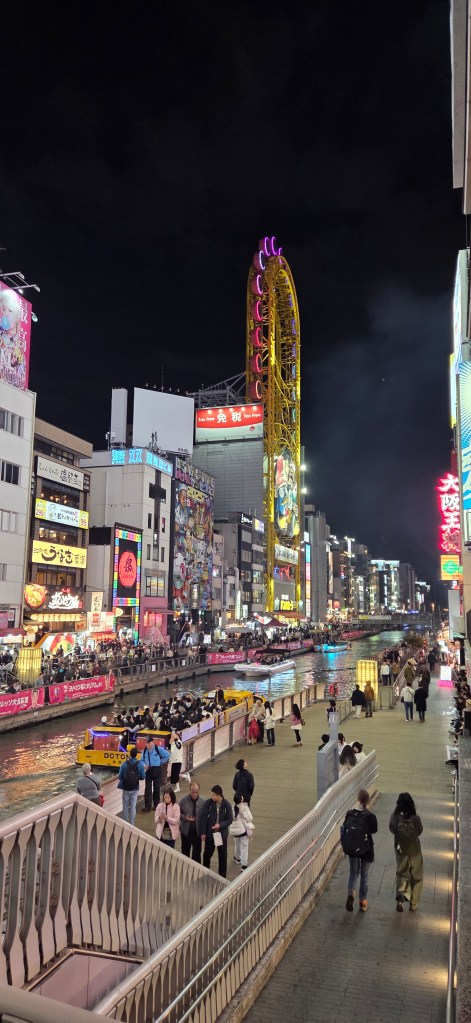

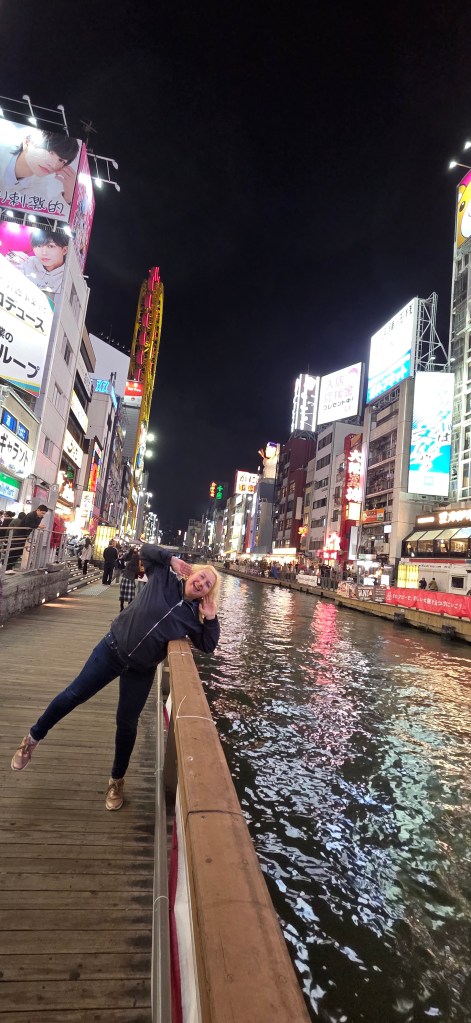
More walking, more exploring, more food. The night was without an end. Japanese people, those living in the cities, do not have a kitchen in their apartments. They eat out – hence the food is affordable and a pure delicatesse.

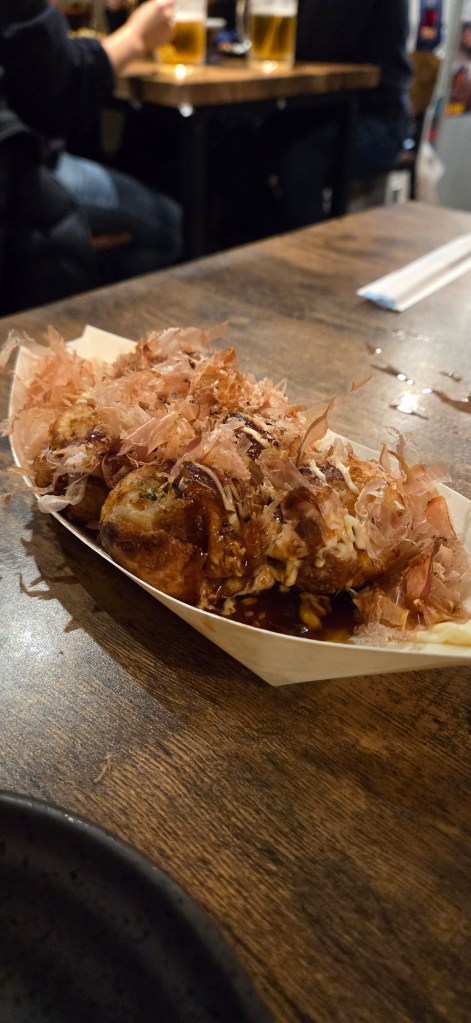
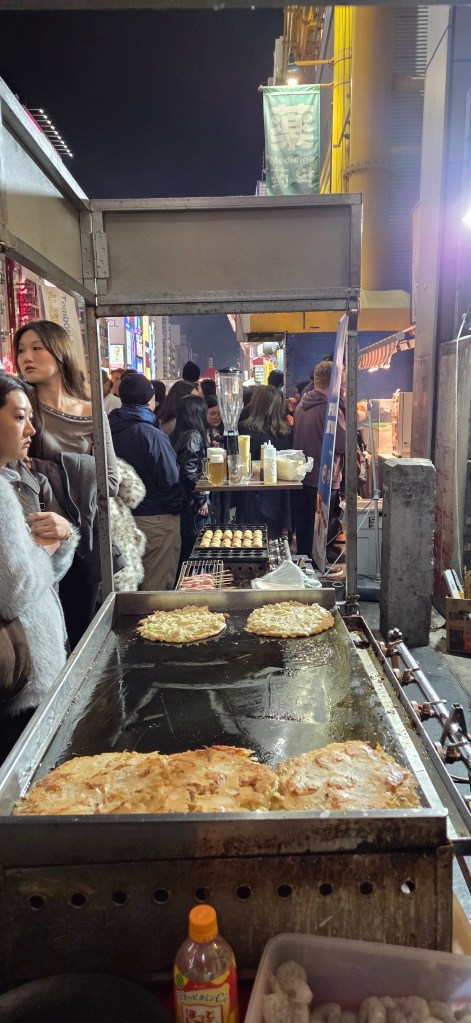
Dotonbori dates back to the early 17th century, when the merchant Yasui Dōton began digging the canal that gave the district its name. During the Edo period (japanese version of renaissance, only 150 years later), the area developed into Osaka’s main theater and entertainment quarter, filled with kabuki and bunraku theaters, restaurants, and lively nightlife. Today it remains one of the most iconic parts of Osaka, famous for its neon signs, street food, and energetic atmosphere.
The next day in Osaka was dedicated to shopping. The day accidentally started with the sake and japanese whisky tasting. Why, you may ask 🙂
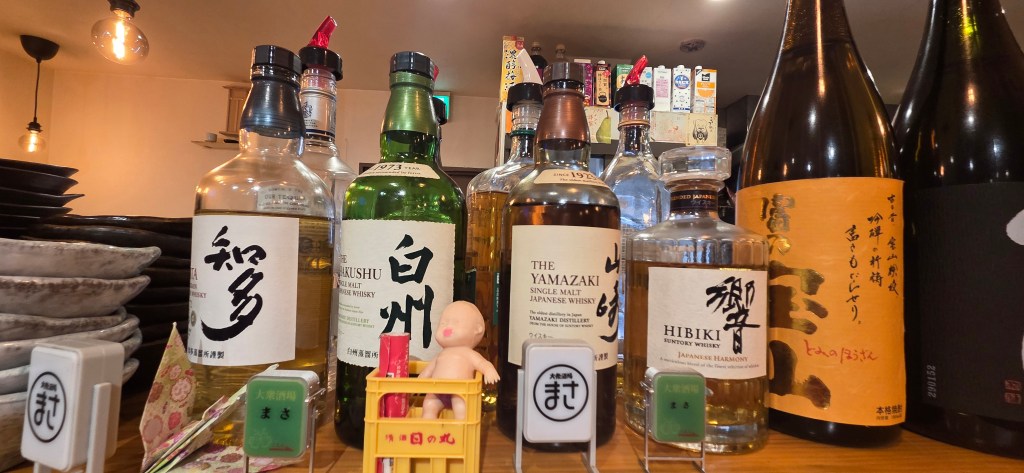

I noticed that it was surprisingly difficult to find places similar to Western-style bars where you simply sit and drink alcohol. My impression was that drinking culture in Japan often happens in restaurants or small Izakaya, rather than in stand-alone bars. In places like Osaka you might occasionally find small standing bars, but discovering them usually requires wandering through many streets and being lucky enough to stumble upon one. When we spotted one, we gave a rest.

This story goes that the owner had worked for many years as a sushi chef in California before deciding to return to Japan. After spending so long abroad, he realized that the kind of casual bar culture was missing in Japan, so he opened a small bar inspired by that idea.
Den-den town
This neighbourhood in Osaka originally developed after World War II as a center for selling radios, electrical parts, and consumer electronics—hence the nickname “Den Den,” from the Japanese word denki (electricity).
Over time the district evolved into a hub for anime, manga, video games, figurines, and hobby culture, attracting fans of Japanese pop culture (often called otaku culture). Today it is filled with electronics stores, collectible shops, retro game stores, cosplay cafés, and various niche shops, making it one of the most distinctive shopping districts in Osaka.
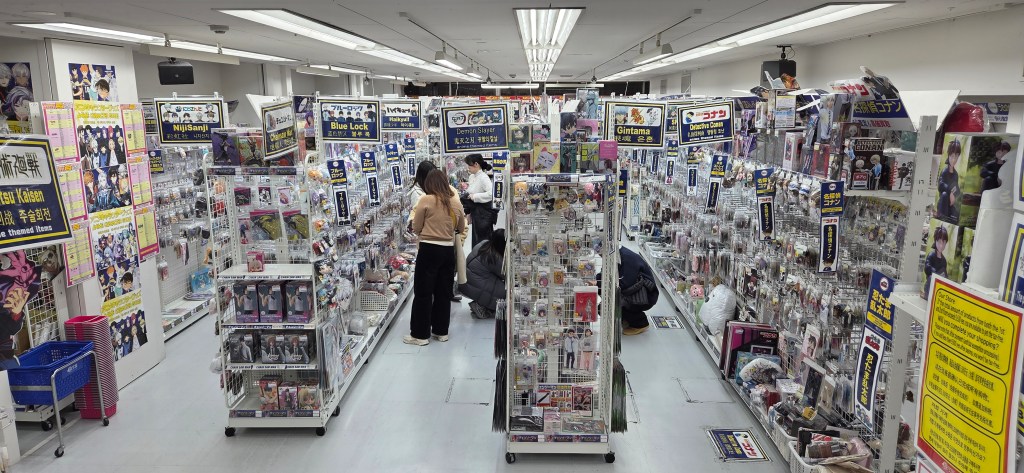
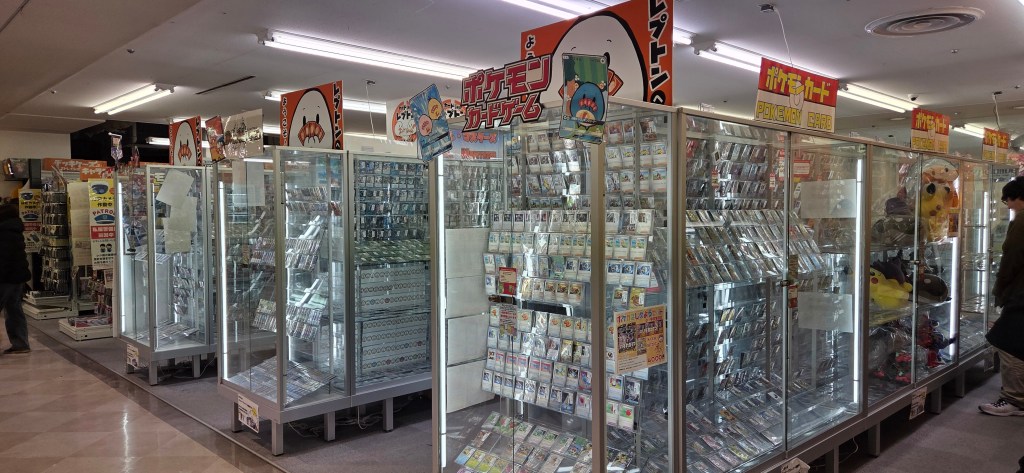
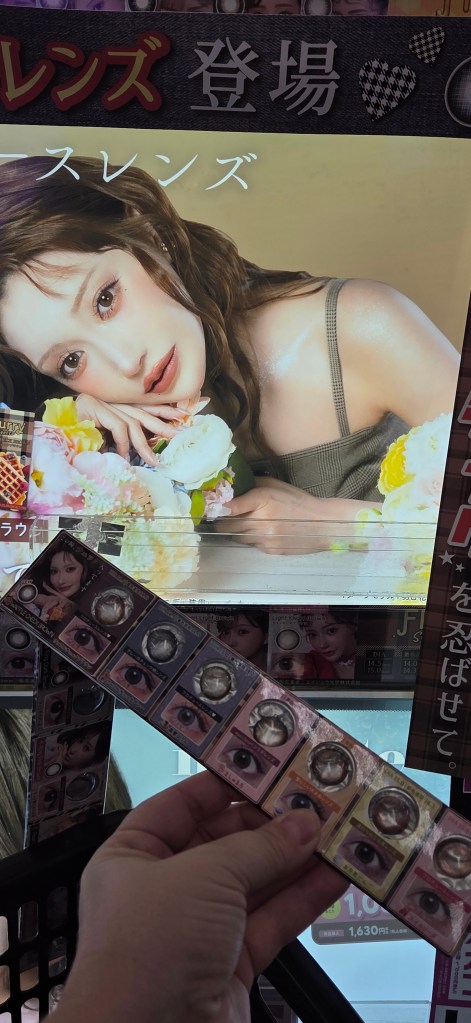
From the crazy gadgets and amenities I picked the following:

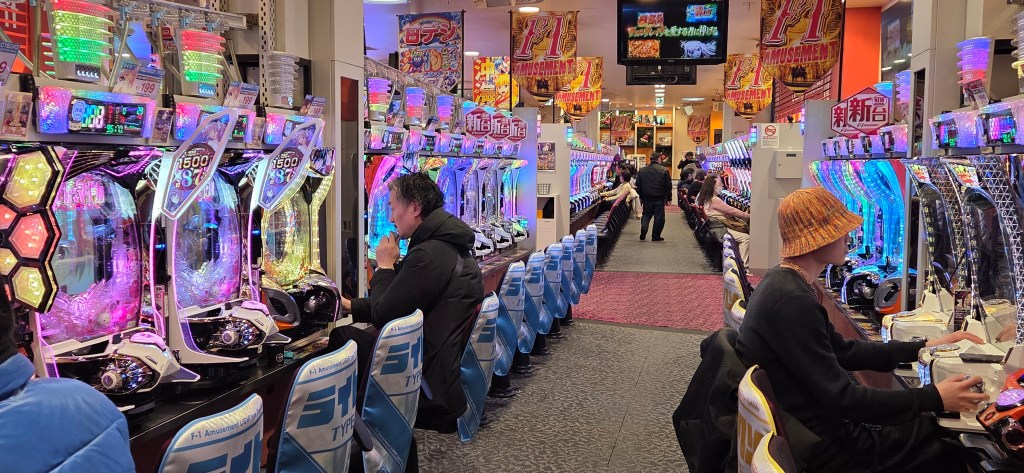
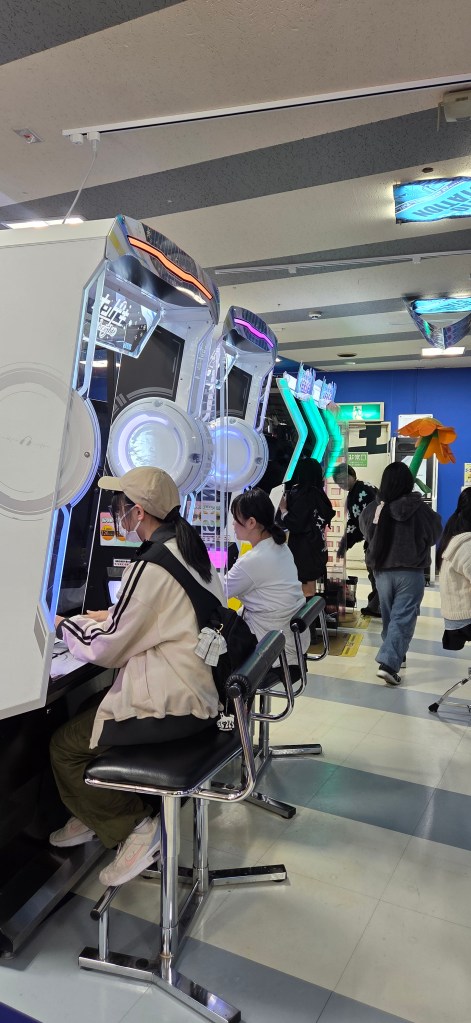
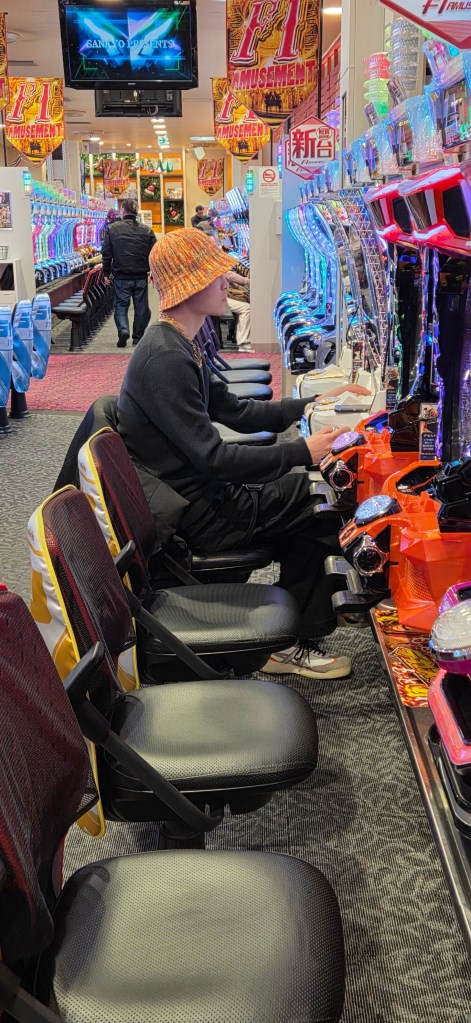
One of the examples is the Pachinko. Oh la la what a noise! Several multi-floor Japanese arcade buildings, each floor dedicated to different types of games or visitors. The lower floors often have simpler arcade games or machines where elder people play simple analog machine-games, while higher levels feature more advanced video games with large seats and immersive screens, usually attracting boys. Some upper floors are designed for girls, with Purikura booths where they can dress up, take stylized photos for social media. Men are not allowed; the entire space is extremely loud and full of flashing lights, which made me wonder how anyone could stay there for long.


Another thing I noticed was that some spaces are strictly separated for women. In certain Women-only passenger cars on trains, men are not allowed to enter during busy hours, a measure introduced to protect women from harassment in crowded public transport.
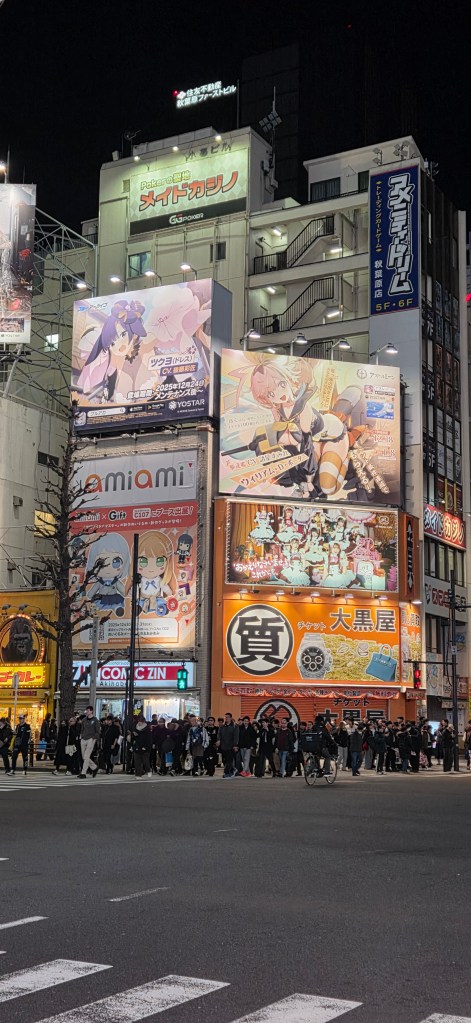
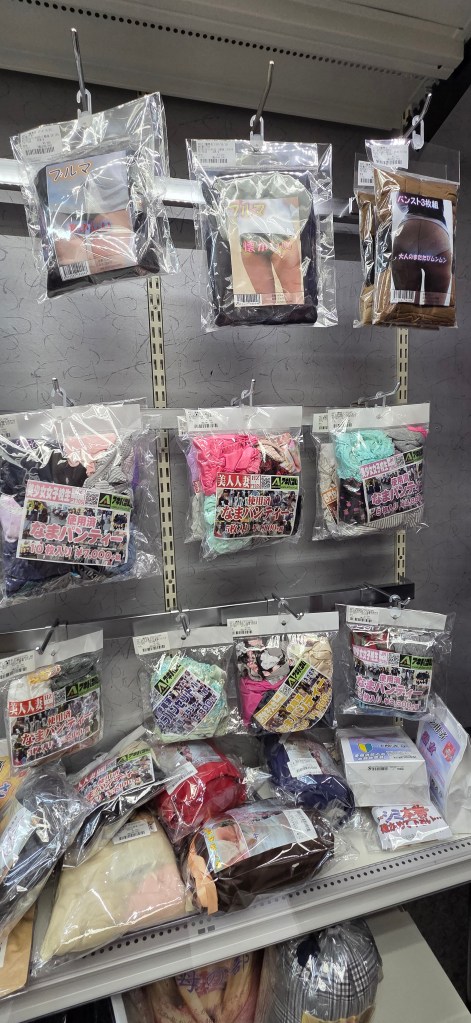
At the same time, Osaka showed a very different side of urban life. In the lively Den-den town area of Osaka, I saw numerous adult shops selling various gadgets and sex items – all made for men pleasure! Now I understand the other extreme to the usually very disciplined and orderly public behaviour I had observed throughout Japan.


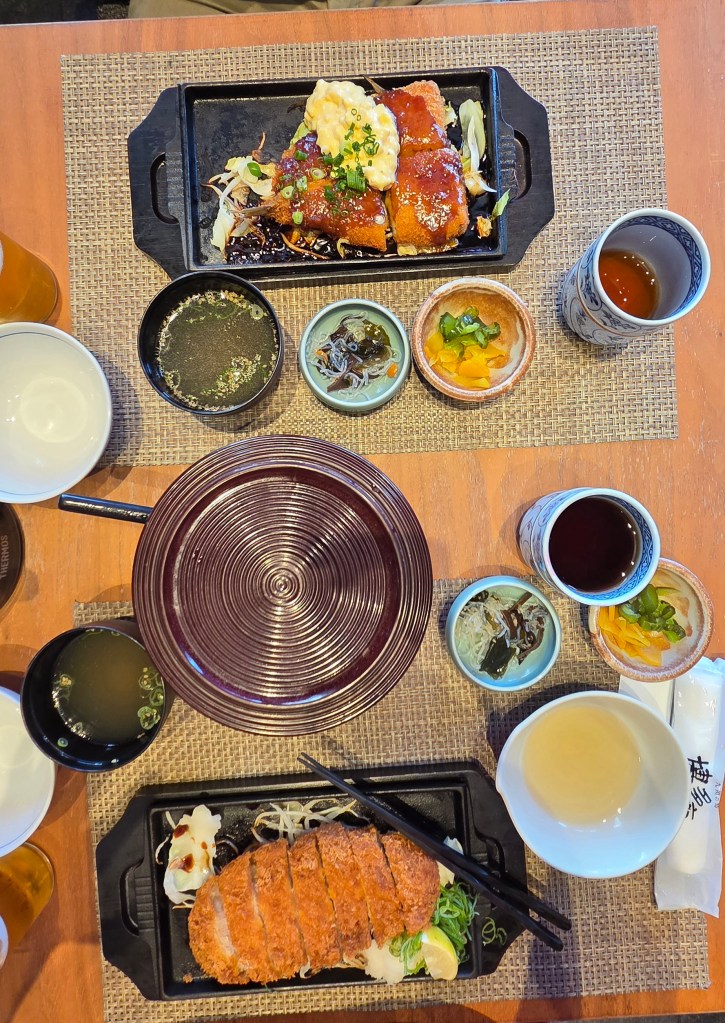
Quick stop for lunch. Nothing seemed to escape the attention of waiters in Japan. At one moment I was struggling to bite my Tonkatsu – japanese version of the wiener schnitzel—with chopsticks, and clearly not doing a very graceful job of it. The waitress quietly noticed my difficulty and quickly brought me a fork and knife. Of course it made me feel a little embarrassed for not being skilled enough with chopsticks. The Japanese businesswomen at the table nearby politely smiled and mumbled: “Gainji. ” =.=
We also came across the famous Godzilla, the iconic creature from Japanese films. In the original story, Godzilla is a prehistoric sea creature awakened and mutated by nuclear radiation, representing fears of nuclear destruction and the trauma Japan experienced after World War II.


Pokémon is one of Japan’s most famous pop-culture creations, first launched in the 1990s as a video game and later expanding into cartoons, films, and global merchandise. Cities like Osaka host large Pokémon stores and themed spaces, which is why the city often feels like a small hub for Pokémon fans.
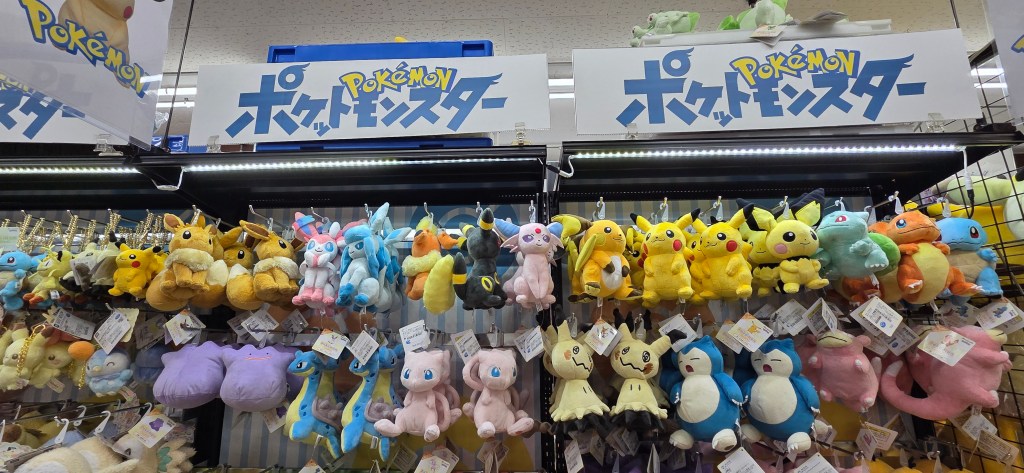
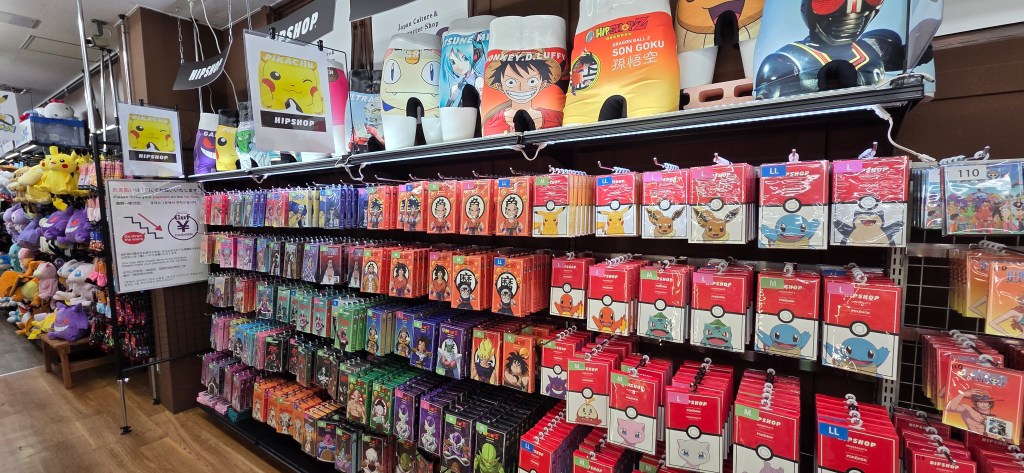
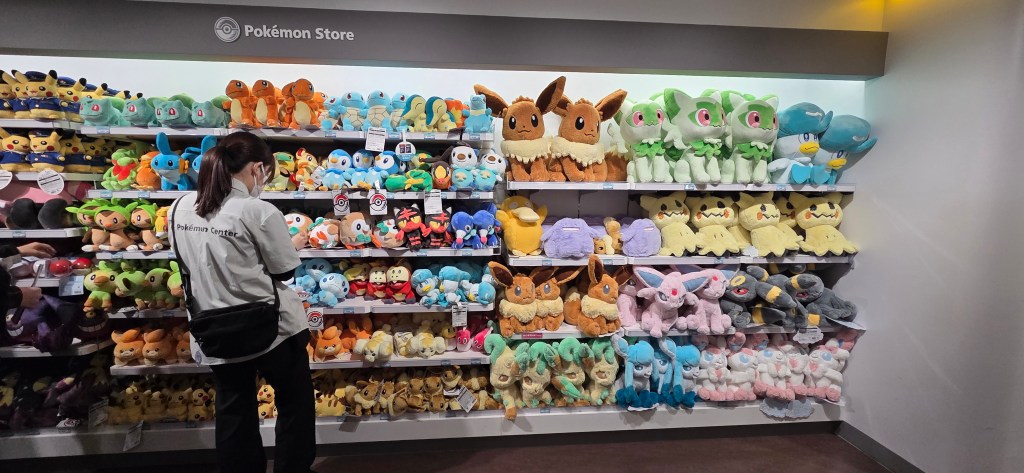
Many buildings look quite simple in color—mostly gray, black, or dark brown. The modern architecture is not impressive and is without aesthetic expression. The beauty seems to appear elsewhere: in food presentation, in shops, restaurants, and traditional arts. I suppose this also reflects the country’s long experience with earthquakes, where practicality and structural safety often take priority over decorative architecture.
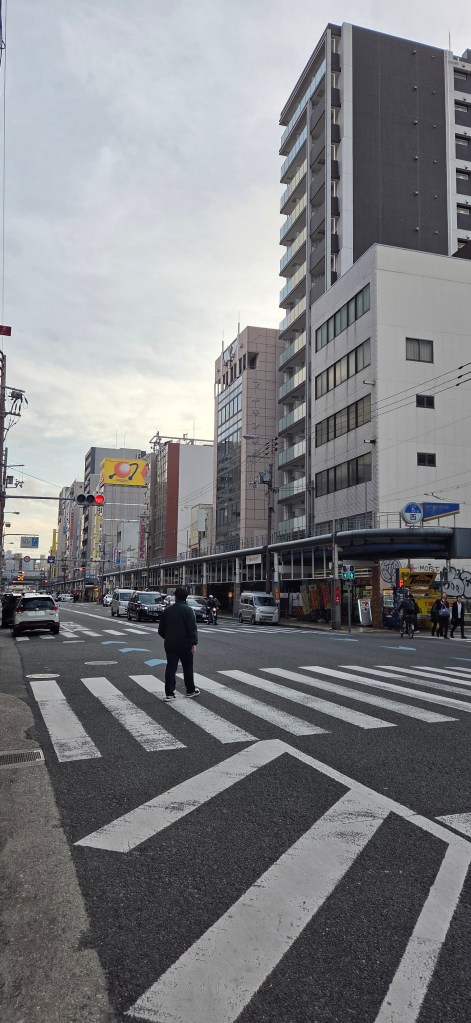

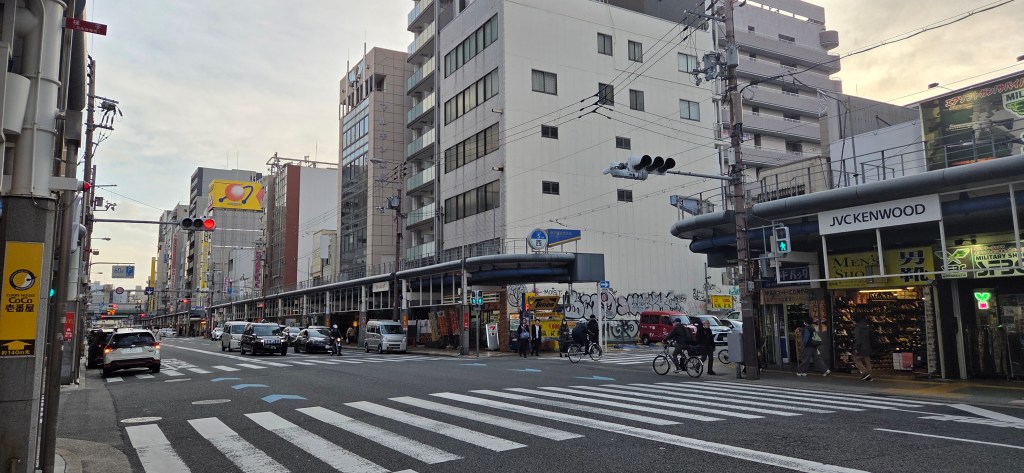
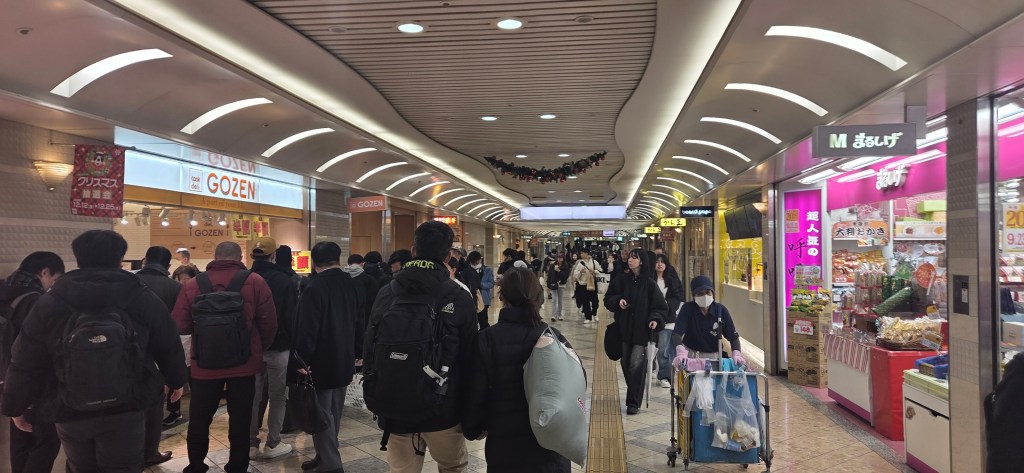
Living with frequent earthquakes and rebuilding rapidly after World War II, Japan developed cities in very practical ways. There are vast underground networks where you can walk from one train station to another through corridors filled with shops, restaurants, and galleries, almost like a second city below the streets.
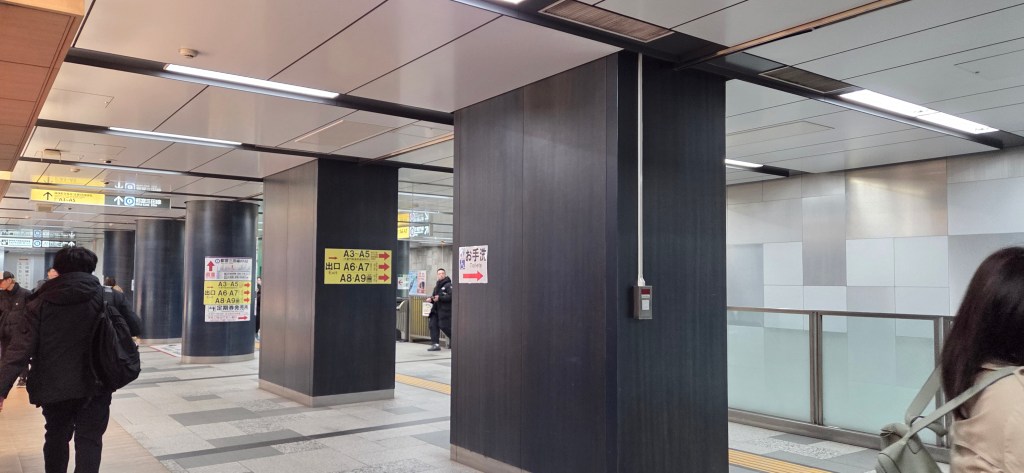
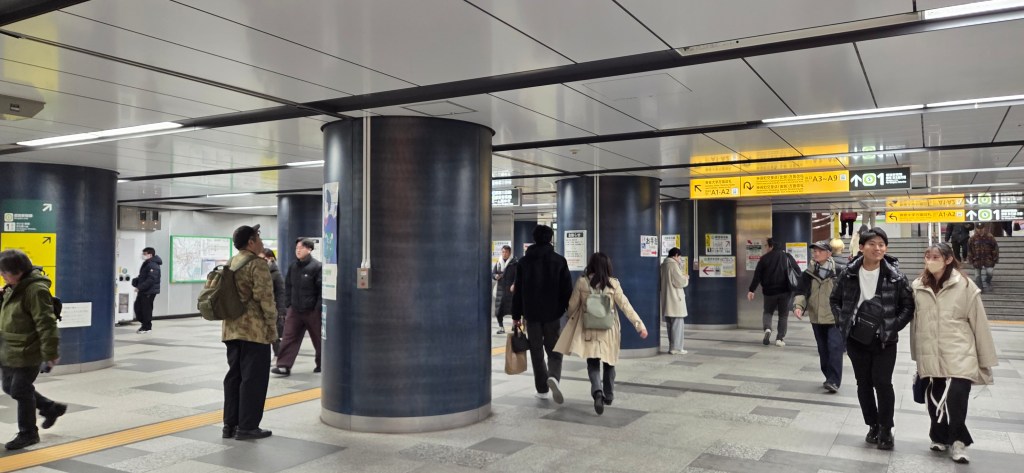
I also noticed the massive pillars supporting these underground structures, which likely help reinforce the buildings above and protect them against seismic activity.
The last night in Osaka with the beef experience: wagyu, kobe and matsusaka.

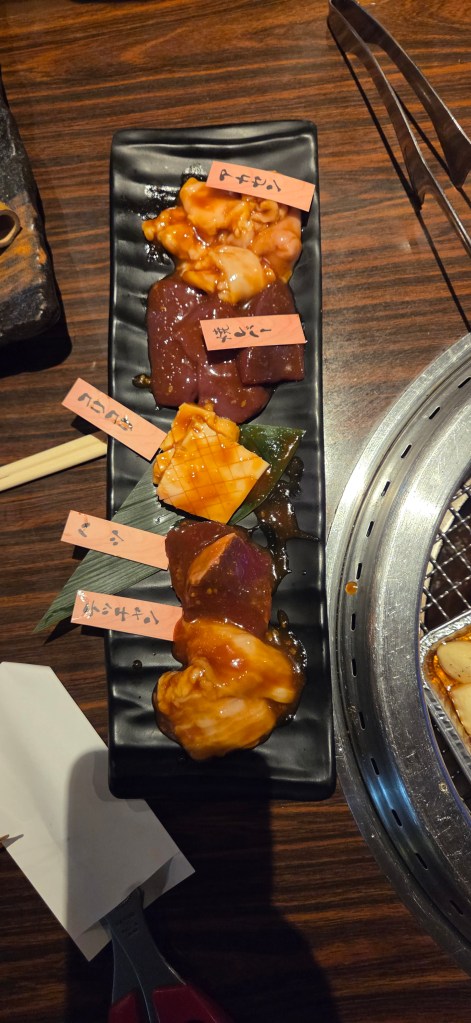
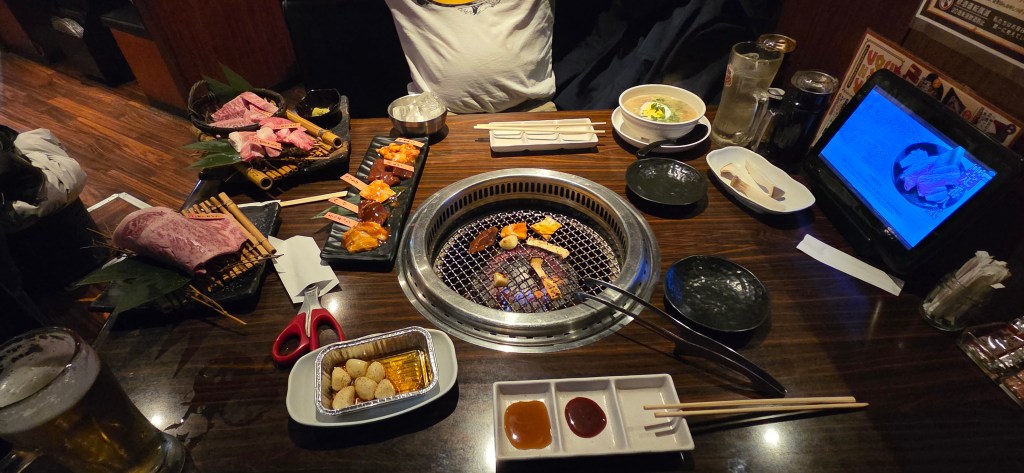
Something clearly went wrong that night, because my stomach turned badly and I ended up being sick for most of the night. The next morning, at the train station before boarding the Shinkansen, the nausea returned and I had to hide myself awkwardly between our two large suitcases. It was not exactly the elegant travel moment I had imagined. But here I am, still moving, still travelling 🙂
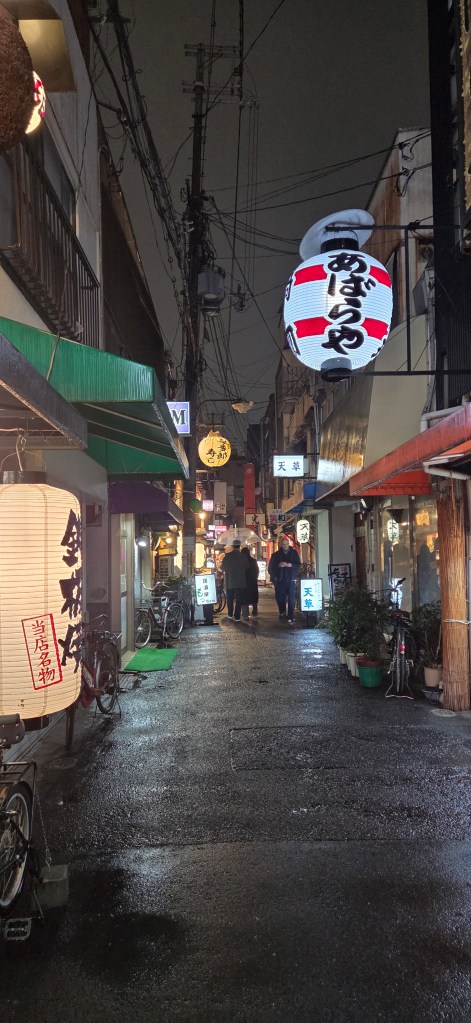

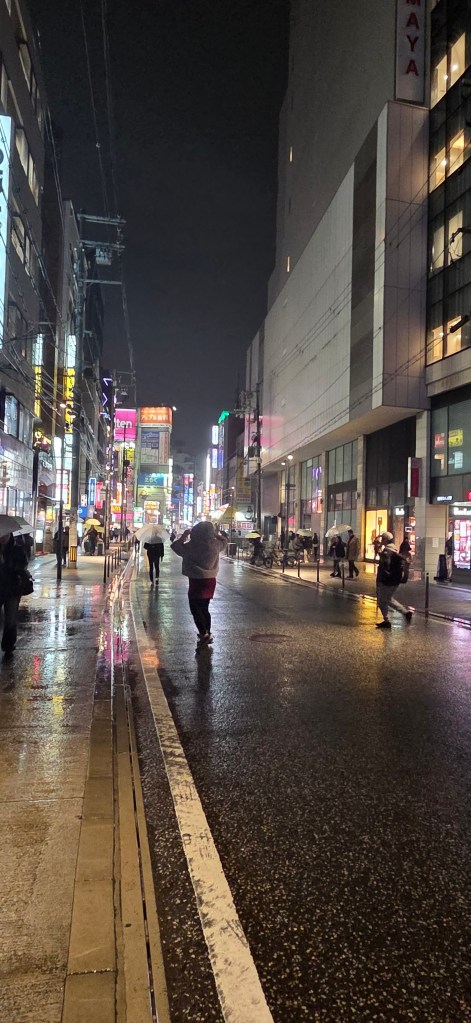
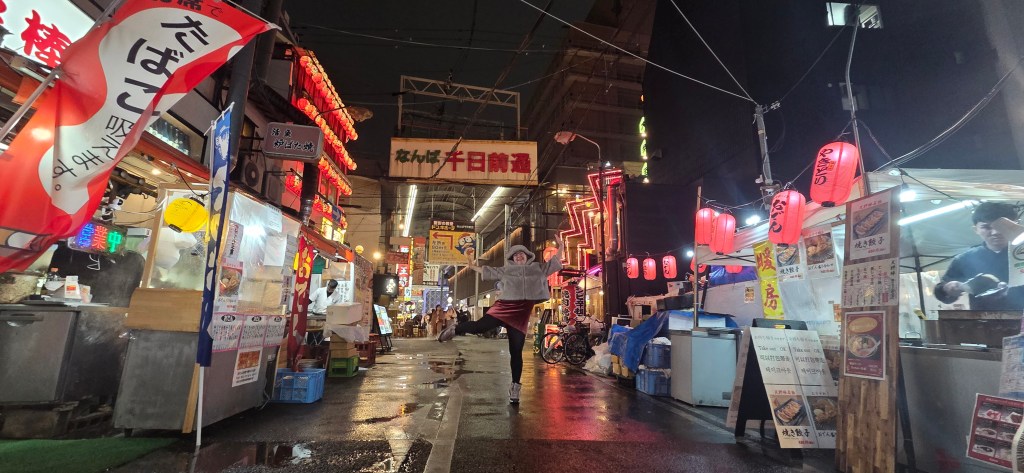
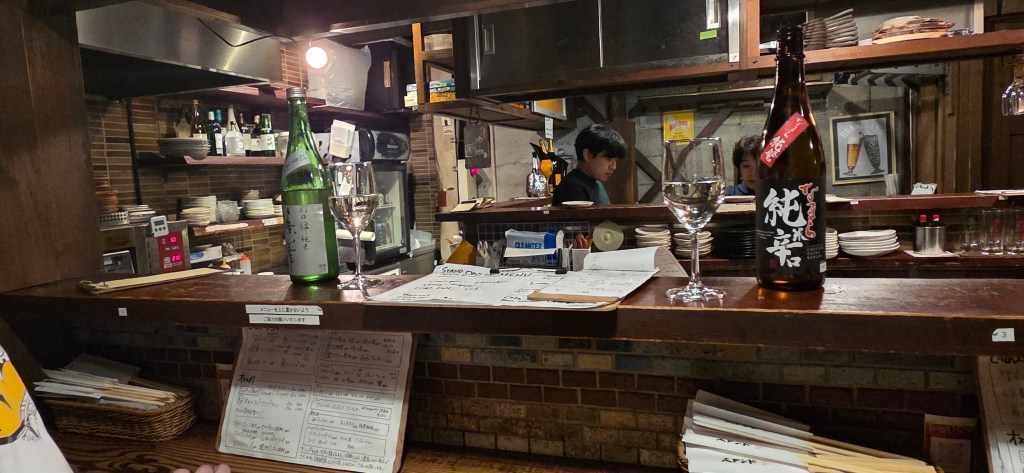
To Osaka! It started with sake, it finished with sake!
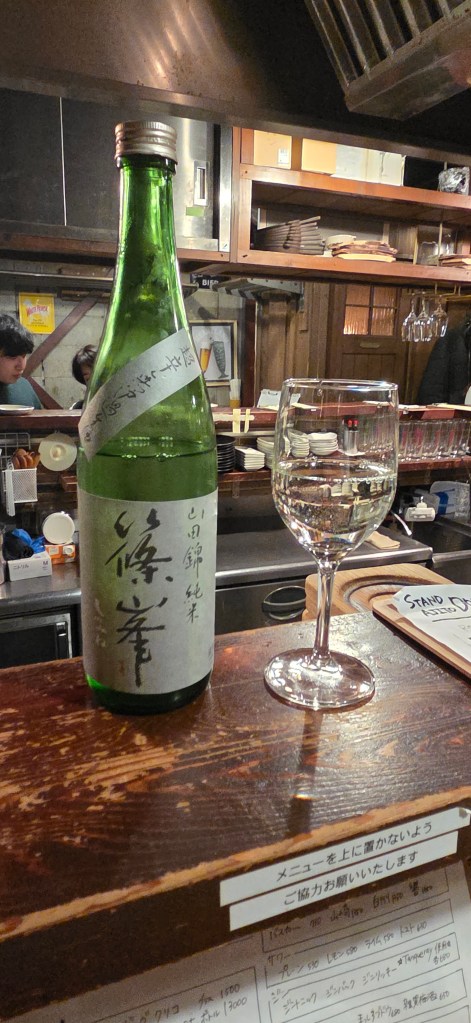
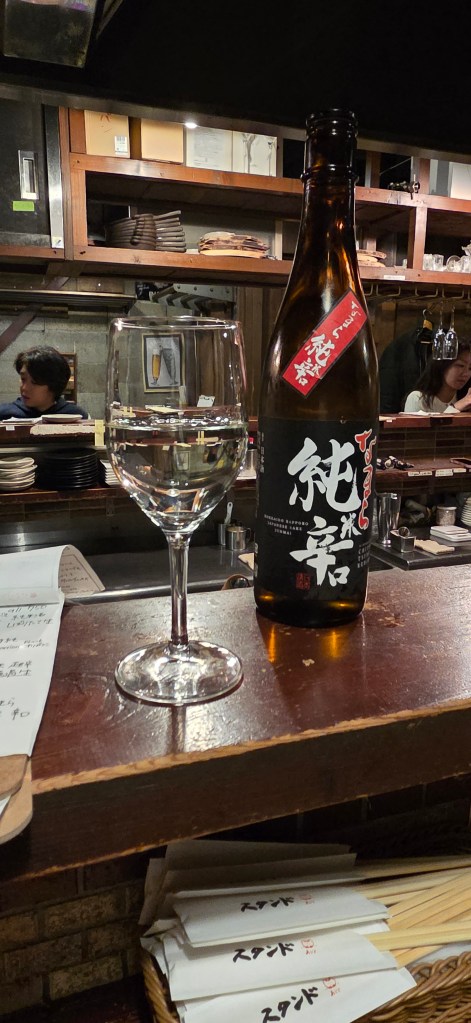
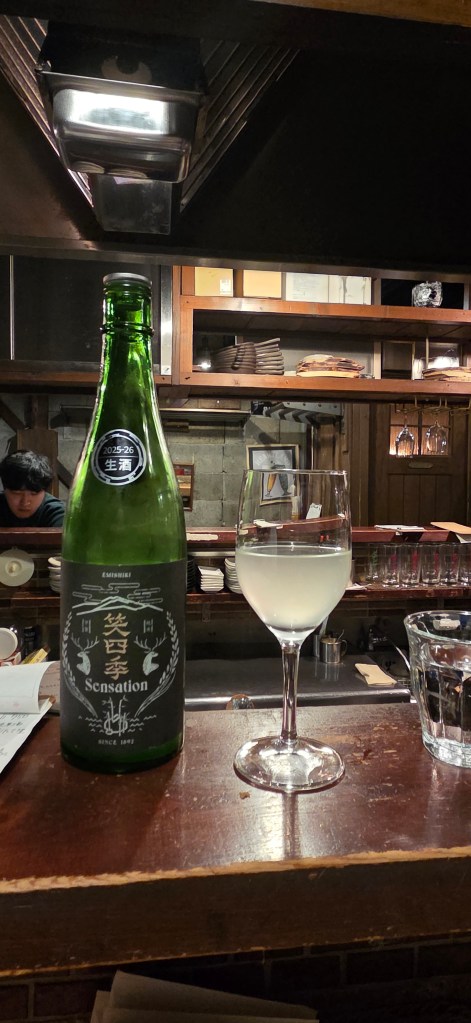
HIROSHIMA
The next day we traveled to Hiroshima, where we planned to meet a friend of my husband who had recently moved to Japan after falling in love with a Japanese girl he met in Belgium. He was studying Japanese and starting a new life there, and Hiroshima became our meeting point.
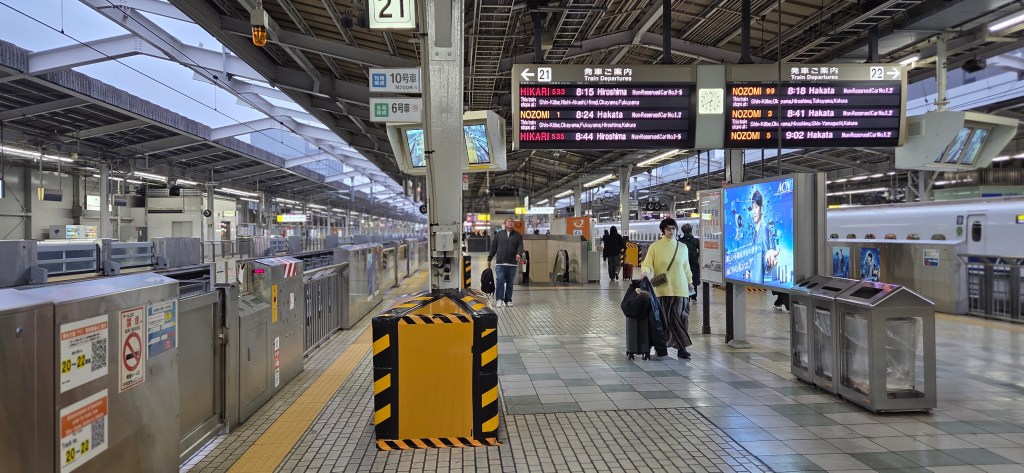
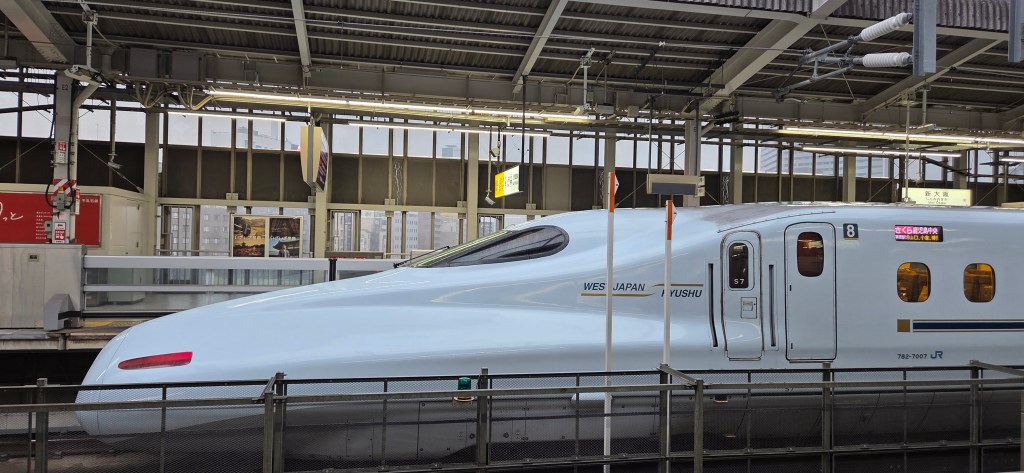
Before arriving in Hiroshima, I experienced another first — my first ride on the Shinkansen, Japan’s famous bullet train, which was incredibly smooth, fast, and perfectly punctual.
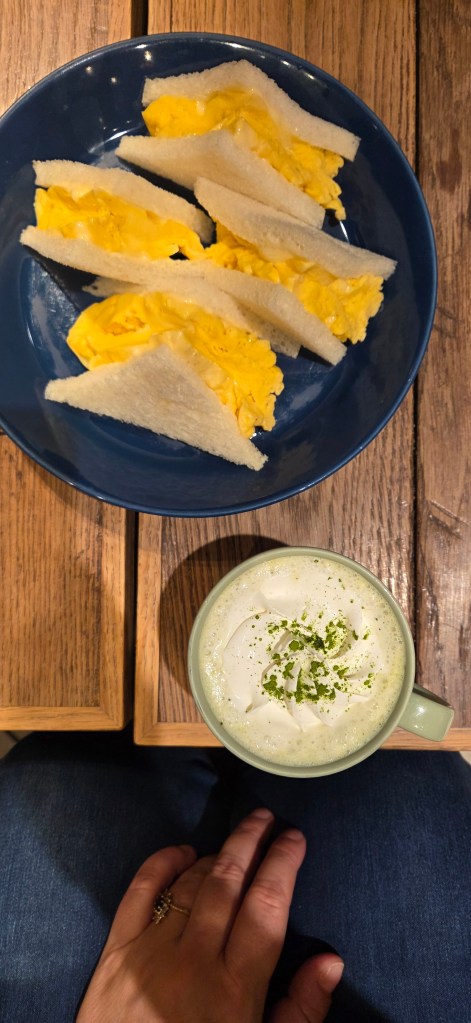
Nothing without the famous matcha latte and japanese breakfast 🙂 These were the eggs in a fluffy bread. Melted like that winter outside when the yellow sun hits.
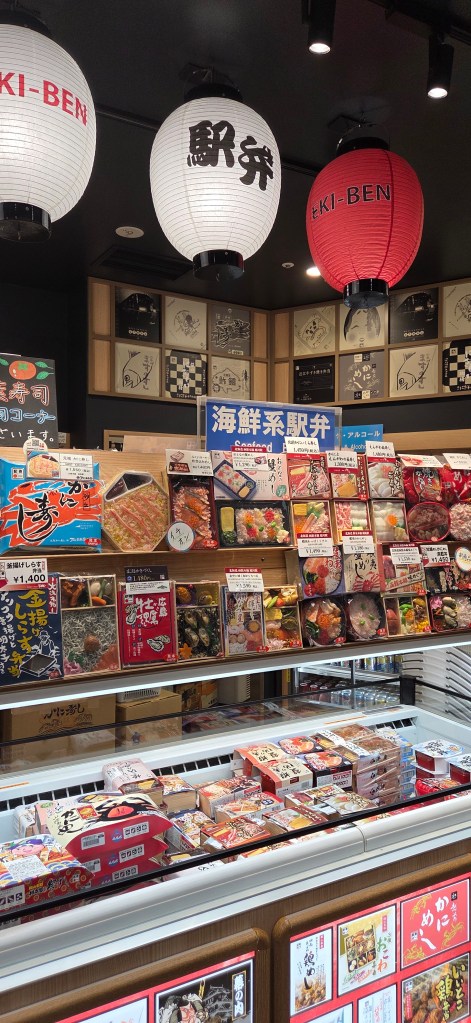
I had breakfast before, but I didn’t know that when boarding the Shinkansen, many passengers buy an Ekiben, a carefully prepared bento meal designed to be eaten on the train. Everything inside the box is neatly arranged and packaged so that it can be opened and eaten without creating any mess. It reflects how respectful people in Japan tend to be toward shared spaces and the environment around them.

In Japan, besides the famous Shinkansen, there are several other types of trains such as Limited Express trains, Rapid trains, and Local trains. At first it can feel quite complicated to navigate the stations and understand which line, platform, or train type you need to take. I was lucky because my husband had already traveled in Japan before, so I simply followed him until I gradually began to understand how the system worked.
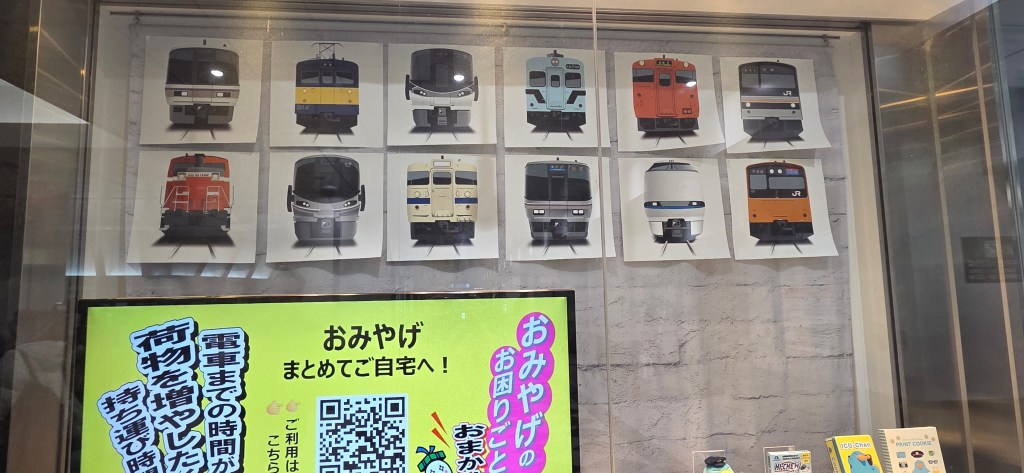
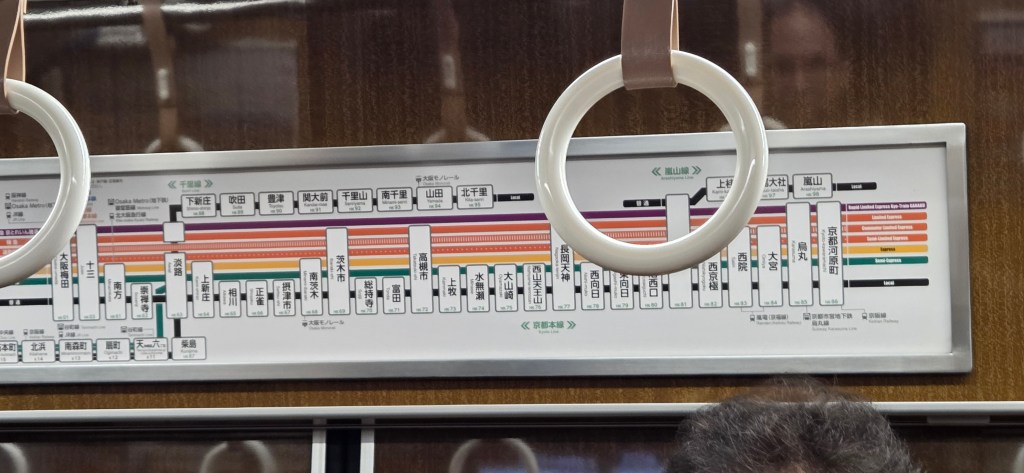
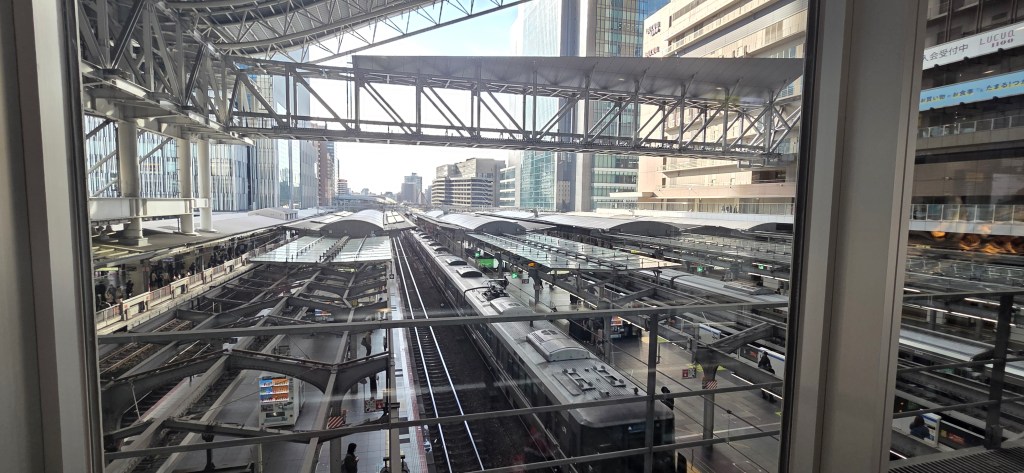
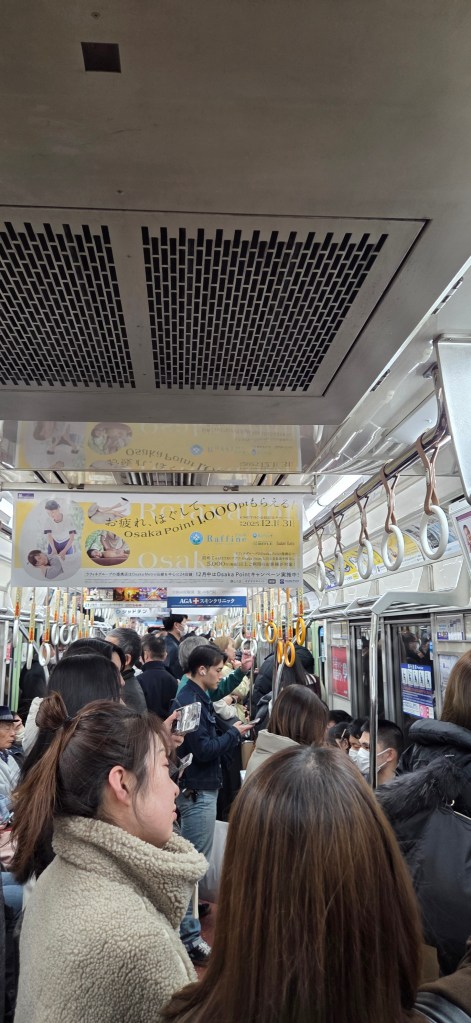

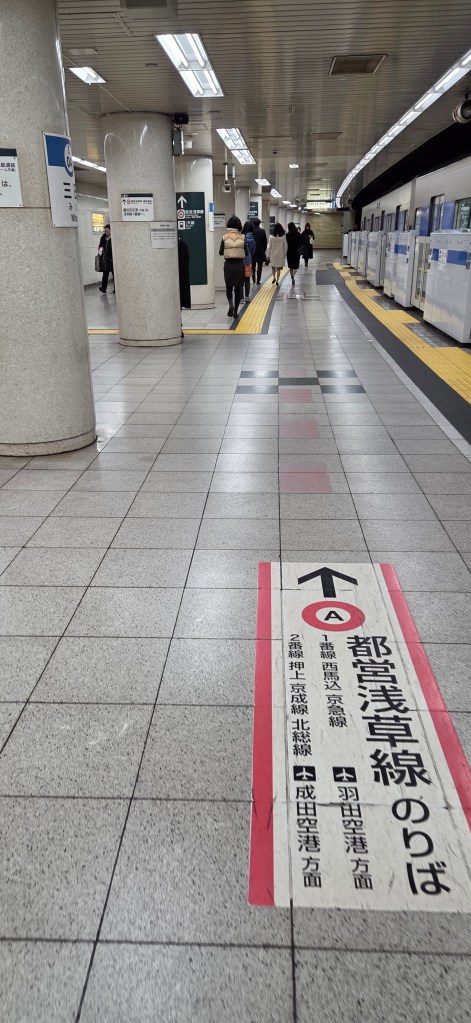
In many train stations there are guiding lines on the floor that help passengers know exactly which direction to walk or where to stand. These markings guide people toward the correct platforms, exits, or train doors, helping the large flow of travelers move smoothly and efficiently.


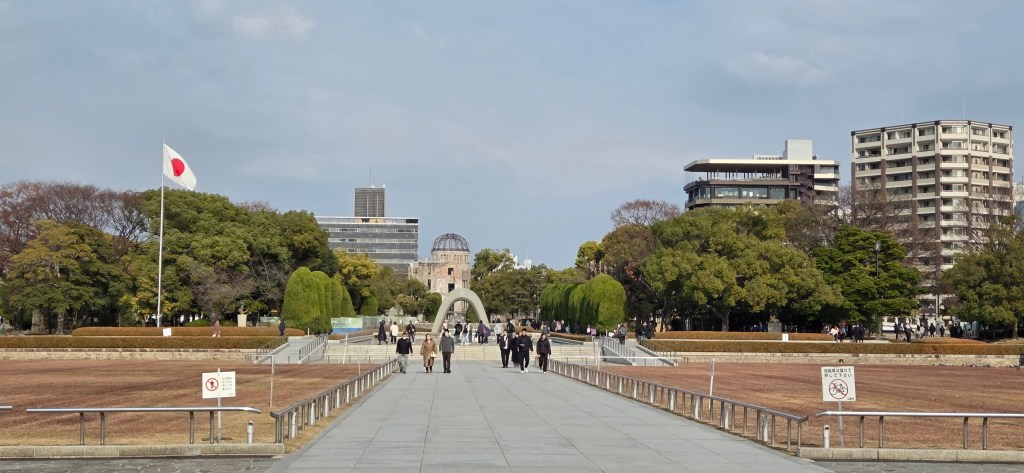
So, thanks to Timothée we arrived to Hiroshima! 🙂 My first impression of the city was not particularly strong. Much of the center revolves around the Hiroshima Peace Memorial Park, built at the site of the Atomic bombing of Hiroshima, when the bomb Little Boy exploded. The area felt very open and solemn, almost like one large memorial space, which at first left me less impressed than the lively streets of Osaka.
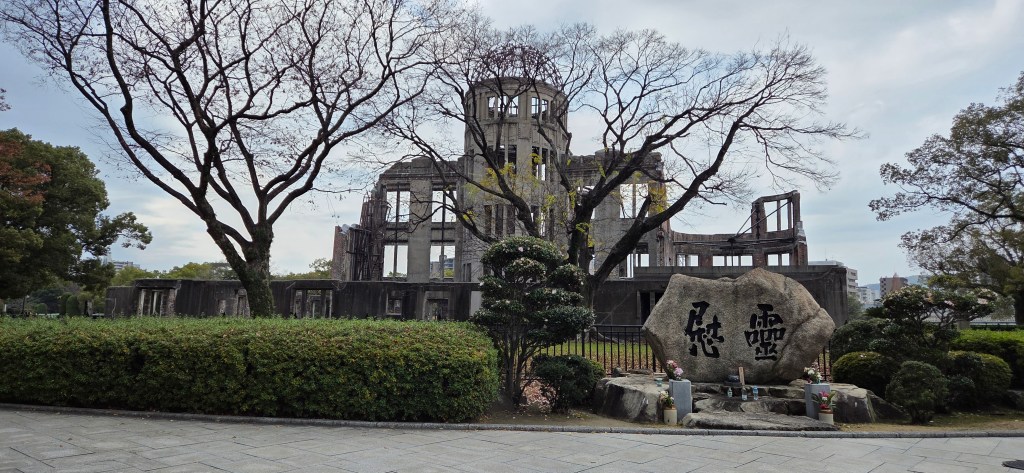
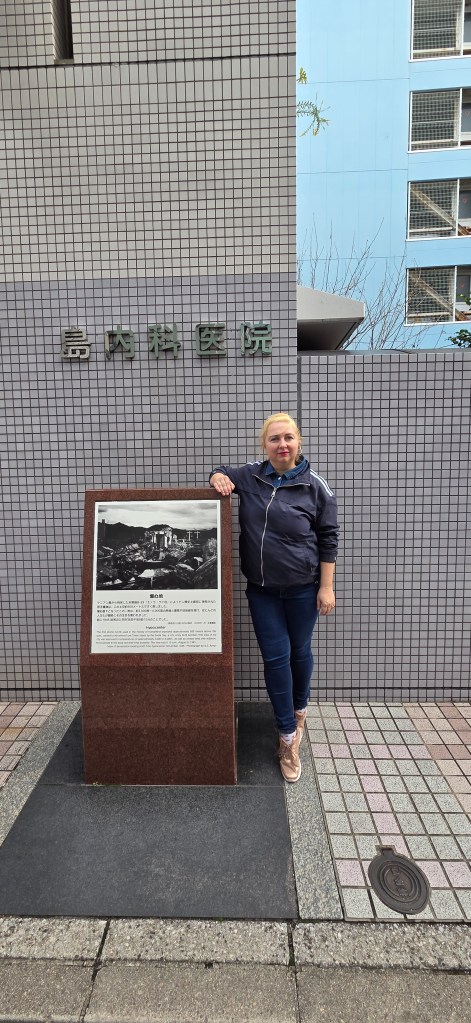
On 6 August 1945 at 8:15 a.m., during the Atomic bombing of Hiroshima, the United States dropped the atomic bomb Little Boy almost directly above this building. The explosion destroyed most of the city instantly, yet the central structure of the hall remained standing, becoming a powerful symbol of the tragedy.
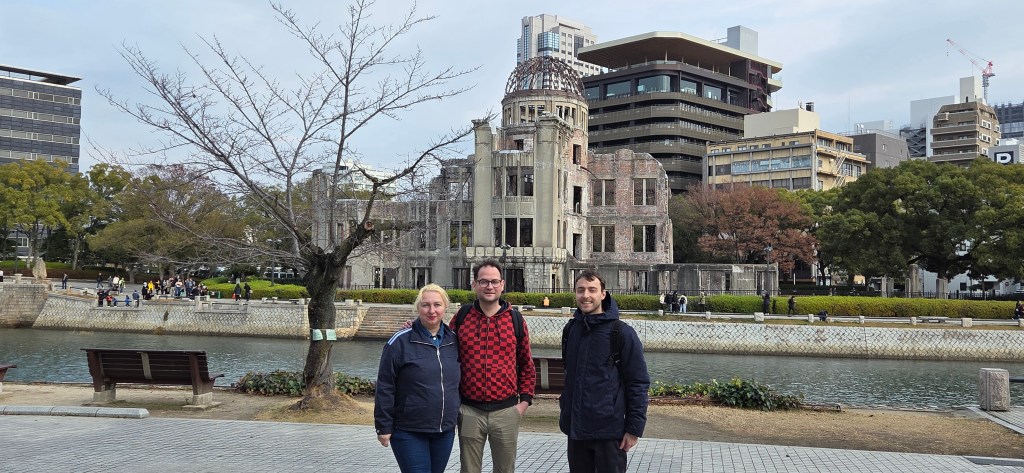
At the time Hiroshima was a lively military and commercial city built across several river islands within the Ota River, which made the destruction even more visible as the surrounding districts were flattened by the blast.
When I was a child in school, we had to read Sadako and the Thousand Paper Cranes by Eleanor Coerr. The story left a strong impression on me, and through it I first learned about the tragedy of Hiroshima and the young victims of the bombing.
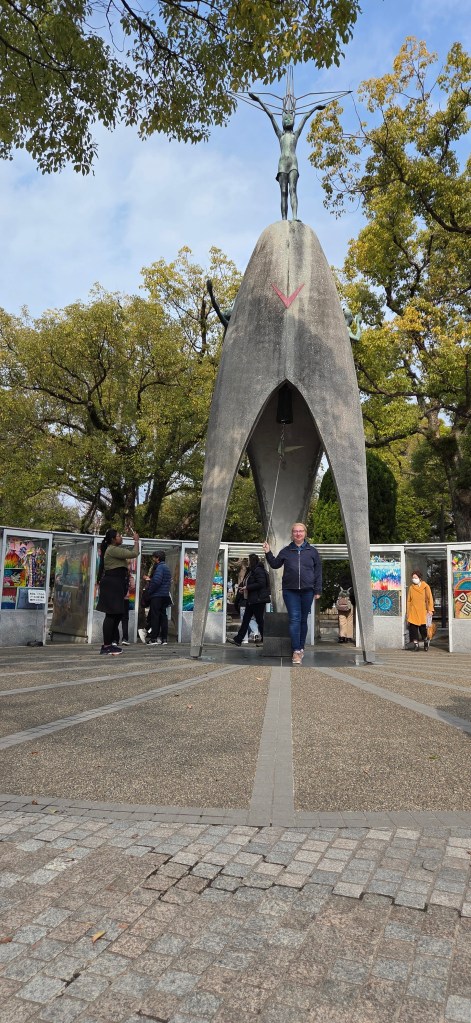
Because of that childhood memory, I especially wanted to visit the Children’s Peace Monument in Hiroshima Peace Memorial Park, which commemorates Sadako Sasaki and all the children who lost their lives in the catastrophe. Standing there, surrounded by thousands of colorful paper cranes left by children from all over the world, felt like connecting a childhood story with a very real place and history.
Another detail in Hiroshima Peace Memorial Park that caught my attention was the Memorial Tower for Mobilized Korean Victims. During the period of the Japanese occupation of Korea, many Koreans had been brought to Hiroshima to work in factories and military-related industries, which meant that a large number of them were also killed in the atomic bombing.
The monument was later supported and funded by Korean groups to commemorate those victims. In the explanation there was a sentence that deeply touched me: according to Buddhist belief, if the souls of the dead have not been properly honored, their spirits may continue to wander. The monument therefore also serves to acknowledge the Korean victims and to calm their spirits through remembrance.

In the quiet of Hiroshima Peace Memorial Park, a large flock of ducks suddenly flew over us — thousands — and yet not a single one made a sound, a strangely silent moment that gave me goosebumps.
Inside the Hiroshima Peace Memorial Museum, several exhibits gave me even stronger goosebumps. A clock displayed the exact moment it stopped — 8:15 a.m. on 6 August 1945 during the Atomic bombing of Hiroshima — and nearby were railway tracks warped and twisted by the extreme heat of the blast. One of the most haunting images was the so-called “human shadow,” where the outline of a person sitting on steps remained burned into the stone after the body was instantly vaporized. Stories described how the nearby Ota River filled with victims seeking relief from the heat, many desperately drinking the contaminated water because they were unbearably thirsty. Even those who survived the immediate explosion often died years later from radiation illnesses such as Leukemia.


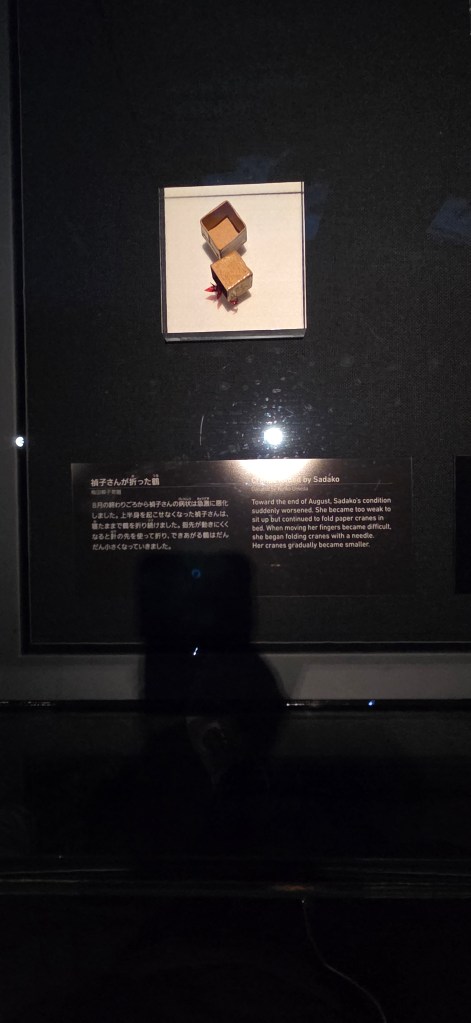
Another deeply moving exhibit in the Hiroshima Peace Memorial Museum was one of the tiny paper cranes made by Sadako Sasaki. According to the traditional belief of Senbazuru, a person who folds 1,000 cranes may recover from illness, and Sadako began making them while hospitalized. Because paper was scarce, the cranes became smaller and smaller, and people around her — including other patients who gave her pieces of medical records and schoolchildren who brought scraps of paper — helped her continue, but sadly she died before reaching the thousand.

As I continued through the Hiroshima Peace Memorial Museum, the emotional weight of the visit kept growing, and by the end I felt deeply overwhelmed. The final sections explain the events of the Atomic bombing of Hiroshima, but I was struck by how little context was given about the broader wartime situation that led to it. There was almost no mention of Japan’s militarism during World War II, including actions such as the Japanese occupation of Korea, forced labor and conscription of Koreans, or atrocities like the Nanjing Massacre. That absence made me reflect on how complex and selective historical memory can be depending on where the story is told.
When I later asked whether the Japanese girlfriend of my husband’s Belgian friend was aware of these aspects of history, her answer surprised me. She explained that in school they mainly learned that World War II ended with the atomic bombings of Hiroshima and Nagasaki, but that the wider wartime context in Asia was not discussed much in detail.
She also mentioned a detail often told in Japan: that the bomb dropped on Hiroshima had originally been planned for another city, but because of poor weather conditions the target was changed and Hiroshima was chosen instead.
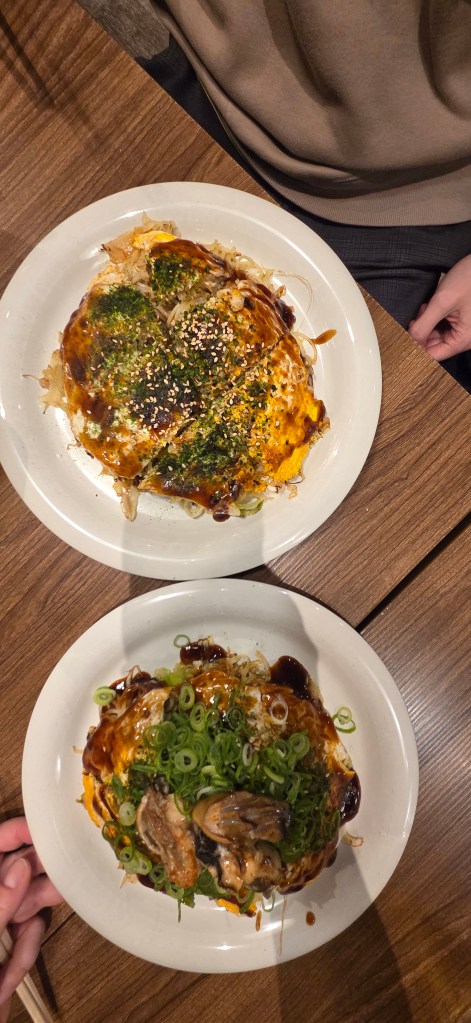
Exhausted by the emotions of the visit, we went for lunch. There we tried the local specialty Hiroshima-style okonomiyaki, a savory layered pancake made with cabbage, noodles, egg, and various toppings grilled on a hot plate. I had oysters as a topping – it didn’t go well together.
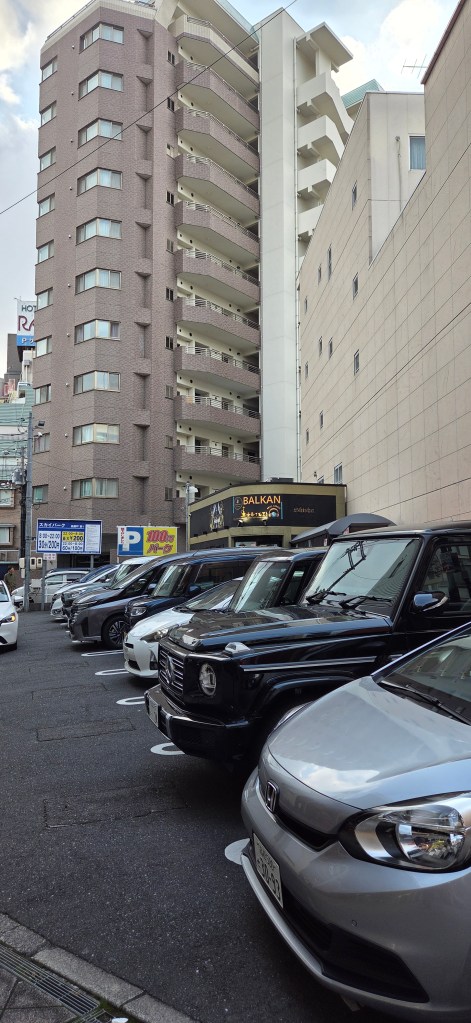
There was Balkan restaurant nearby – my brain was confused.
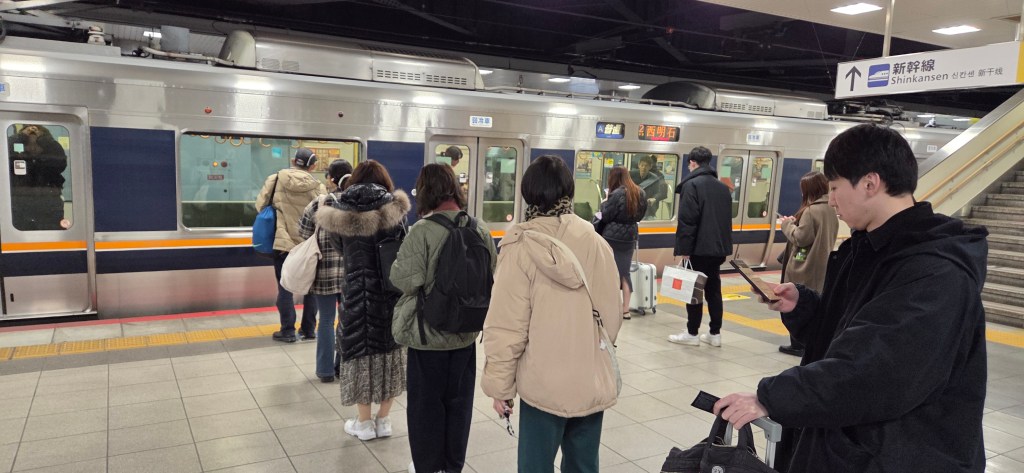
We headed back to the station to catch the Shinkansen. At the platform, people were standing in perfectly organized lines exactly where the train doors would open, each person quietly waiting their turn. It struck me how disciplined public space in Japan is—no pushing, no noise, no graffiti on walls or pillars, no beeggers, no drug users, and everyone naturally respecting the order and calm around them.
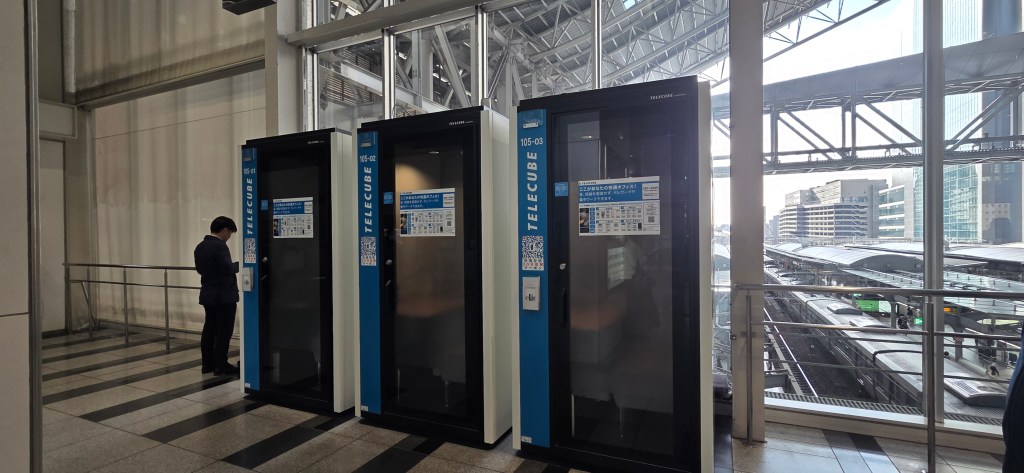
Discipline and work ethics go together. At many train stations in Japan, I noticed small private work booths (boxes) where people pay a few yen to sit inside and work while waiting for their train. Although to me the tiny enclosed cube felt a bit claustrophobic—almost like paying to lock yourself in just to work for a short time. :O
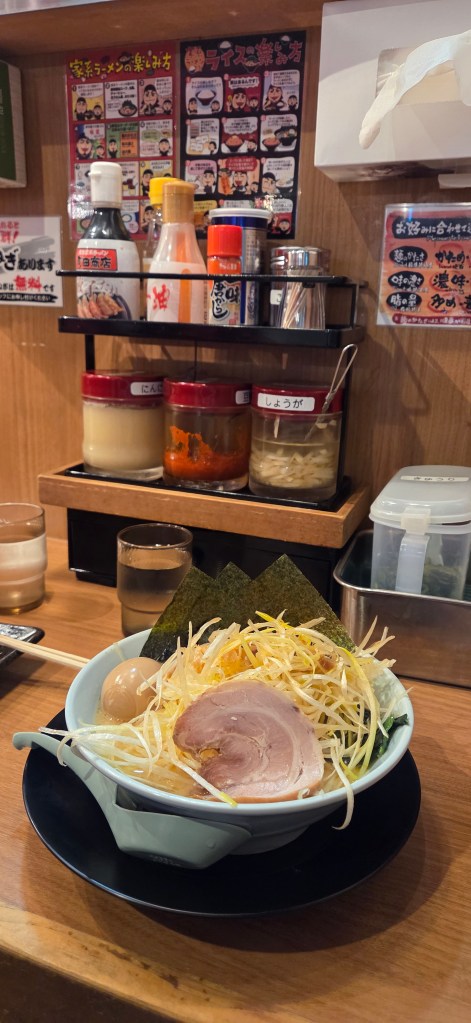
To the very end of this cold day – a portion of ramen. ❤ At many Ramen places in Japan, you first order at an automated vending machine near the entrance—selecting the dish and toppings—before the staff greet you with a loud “Irasshaimase!” and quickly guide you to your seat while the kitchen already receives your order. This efficient system reflects how comfortable Japan is with automation and robotics. Machines help keep everyday processes fast, organised, and smooth.
KYOTO
Kyoto is the cultural and historical heart of Japan. For more than a thousand years, from 8th – 19th century, it served as the seat of the imperial court, beginning in the Heian period when Emperor Kanmu moved the capital there. Hence the elegant wooden architecture, traditional wooden townhouses, temples, and carefully preserved districts. Walking through areas such as Gion feels like stepping into the historical version of Japan often imagined in literature and art. Kyoto’s atmosphere carries the legacy of the imperial court, refined culture, and centuries of tradition that shaped Japanese identity.
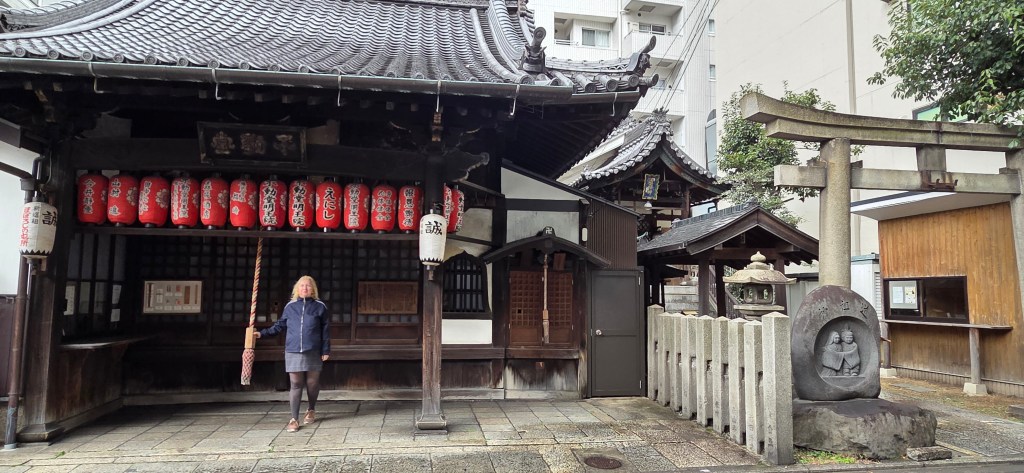
We arrived by shinkansen – kinda got lost with the japanese railway system 🙂 Japan is not for beginners! Luckily there was a local railway help – the guy was speaking bad French – I wanted to switch to english but he was a great fan of French culture and literature, notably Victor Hugo – so my husband continued the conversation. I was totally lost 😀
Nevertheless, the dish of the day:

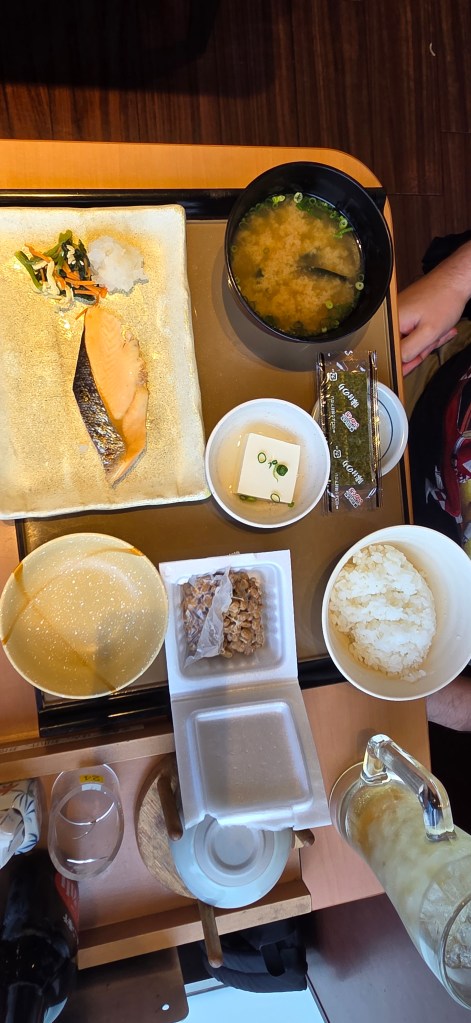
As you notice, I ate lots of cabbage. Japanese cuisine is very season-focused, so naturally, during the winter months, they were serving us cabbage.
Cabbage reached Japan relatively late, mainly in the 19th century during the Meiji Restoration, when Japan began adopting Western crops and agricultural practices. Before that, Japanese cuisine relied more on native leafy vegetables such as Napa Cabbage, which had arrived earlier from China.
As we traveled through Japan, I noticed that many elements of its culture actually came from elsewhere, especially China and later Europe. Influences such as Buddhism, Chinese writing Kanji, and tea culture arrived from China, while foods like Tempura were brought by Portuguese traders during the Nanban trade period.

Soon afterward Japan closed itself to most foreign influence during the Sakoku, when the country deliberately limited contact with the outside world for more than two centuries.
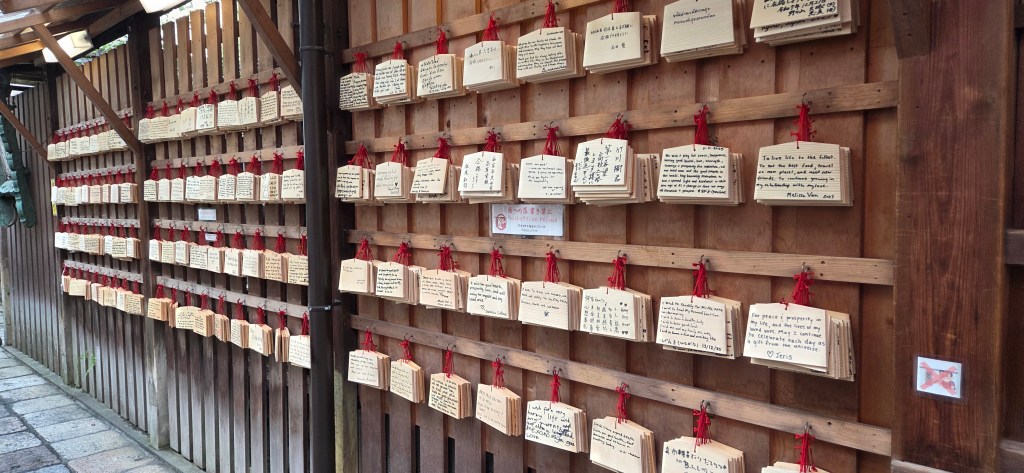
In Kyoto, many temples and shrines keep beautiful traditions, such as writing wishes on small wooden plaques called Ema and hanging them in the shrine grounds after a short purification ritual with water. These rituals are part of Shinto religion, where visitors cleanse their hands and pray for blessings or good fortune.
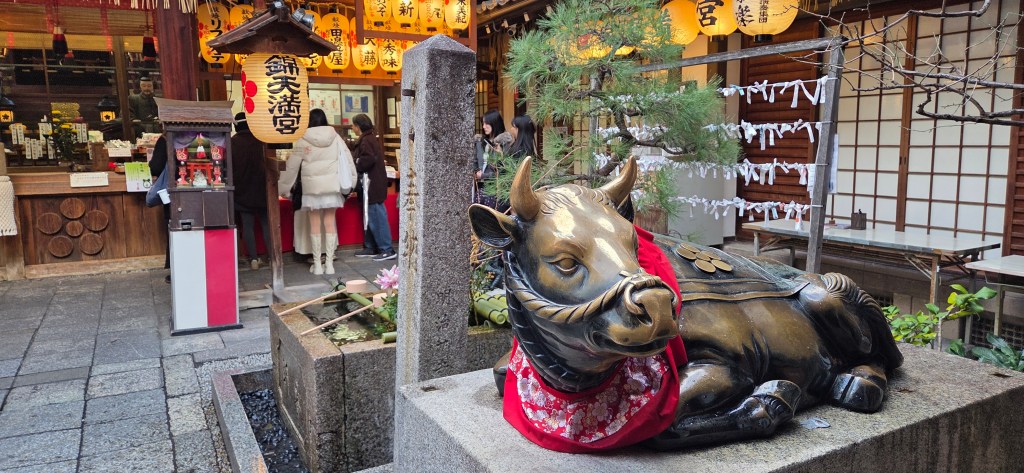
In the nearby Nishiki Market area, I also noticed statues of a bull, a sacred animal often associated with Sugawara no Michizane, which people touch for good luck and wisdom.
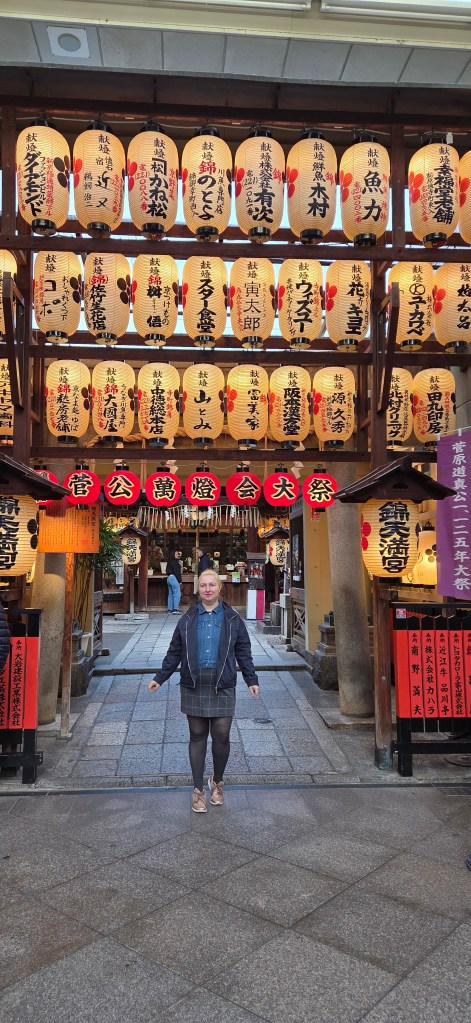

Nishiki Market
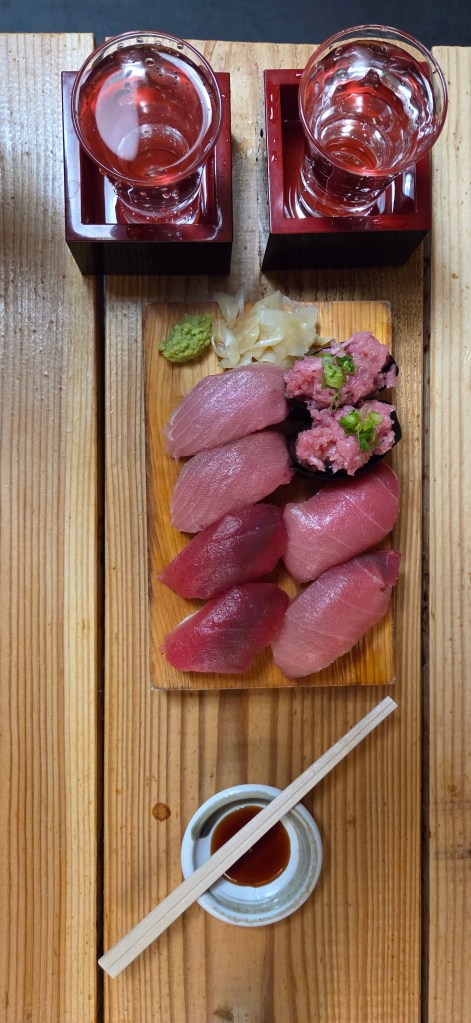
Visiting Nishiki Market was one of the best experiences of the entire trip—maybe even better than Osaka, although I am still not completely sure. As a seafood lover I tried countless small dishes, and we ended up spending half a day there tasting, buying, and wandering from stall to stall.
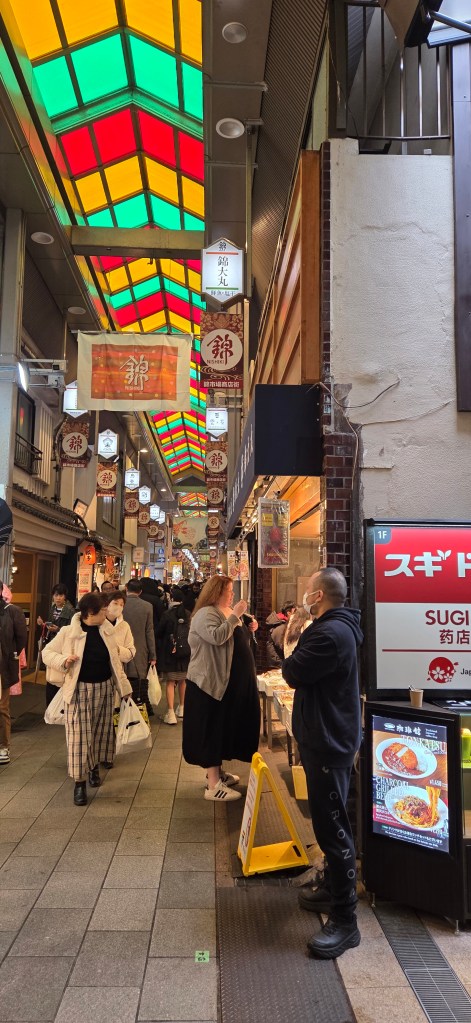

Often called “Kyoto’s Kitchen,” Nishiki Market has existed for several centuries and traditionally supplied fresh fish, vegetables, and specialty ingredients to Kyoto’s restaurants and households.
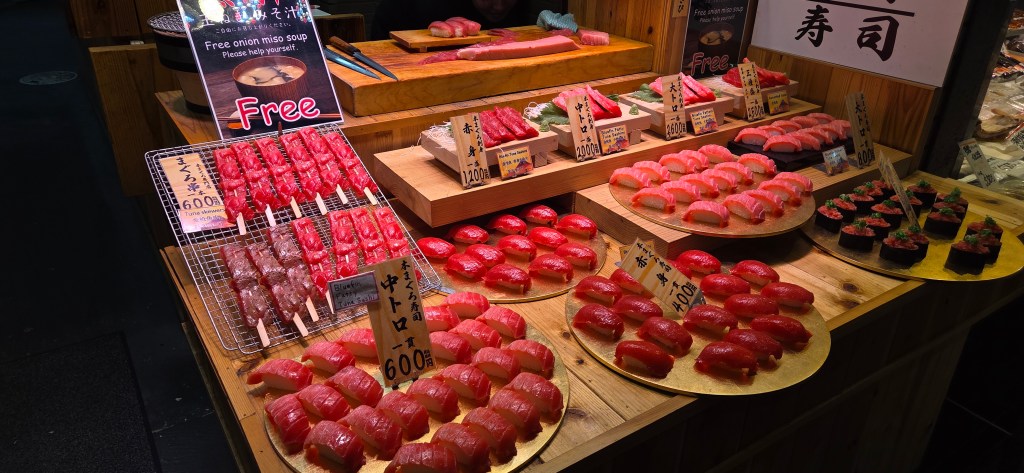
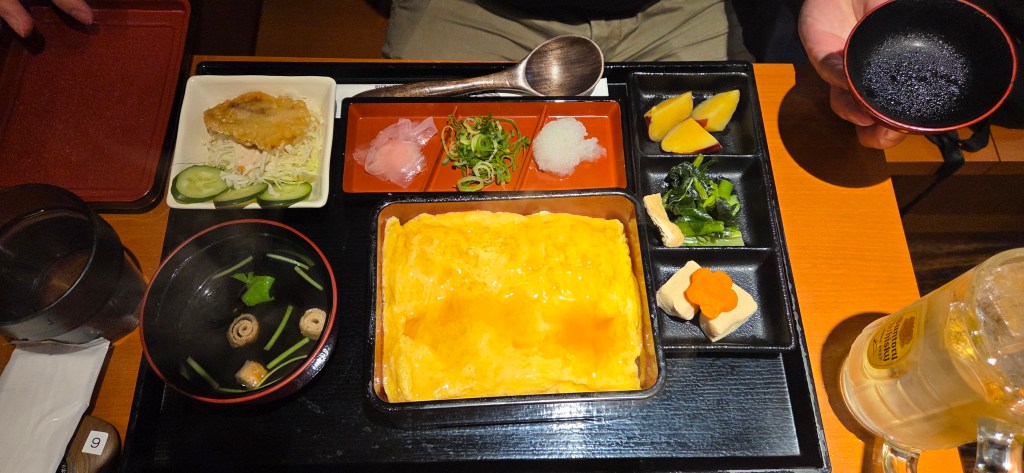
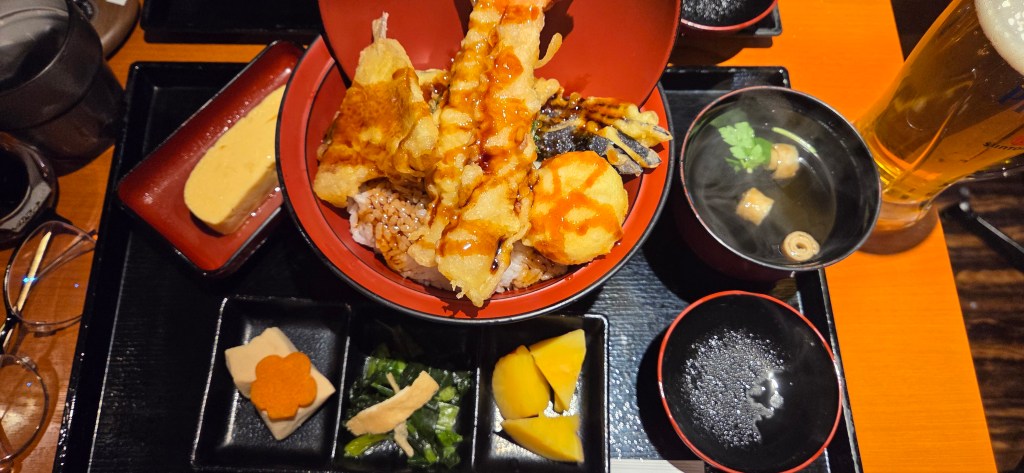
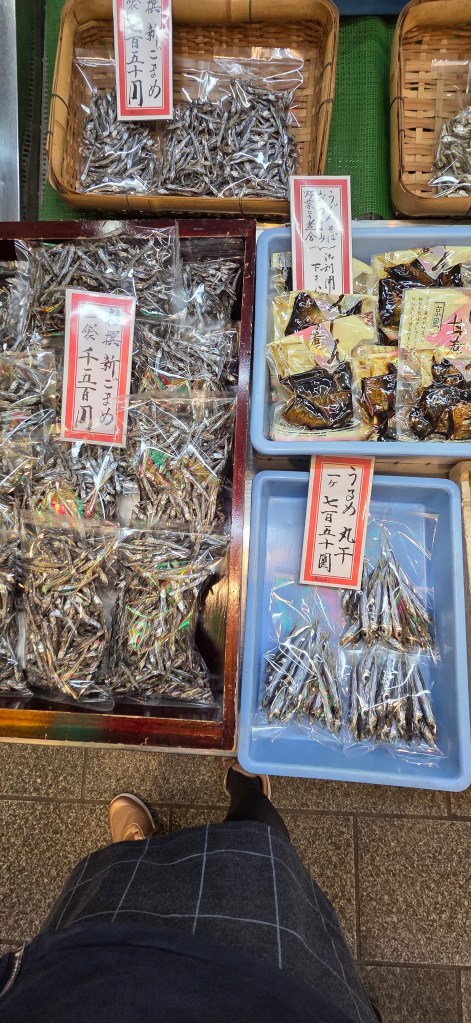
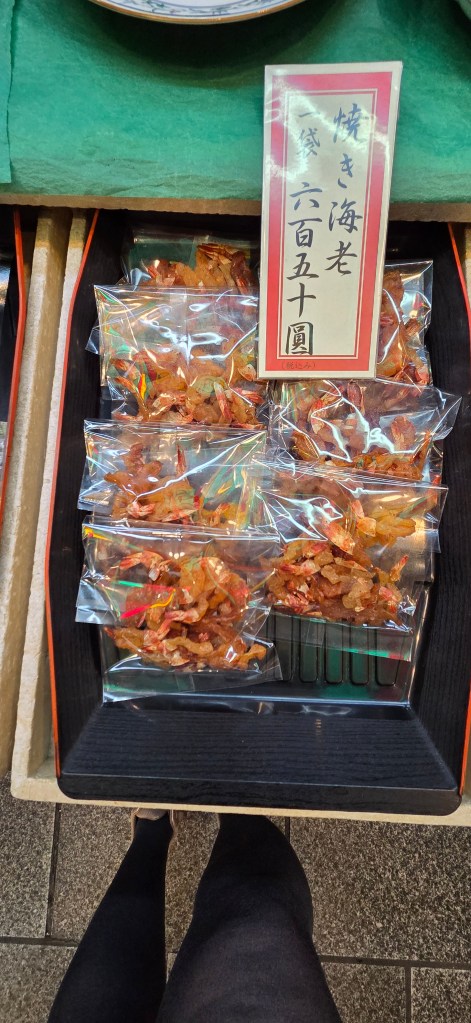
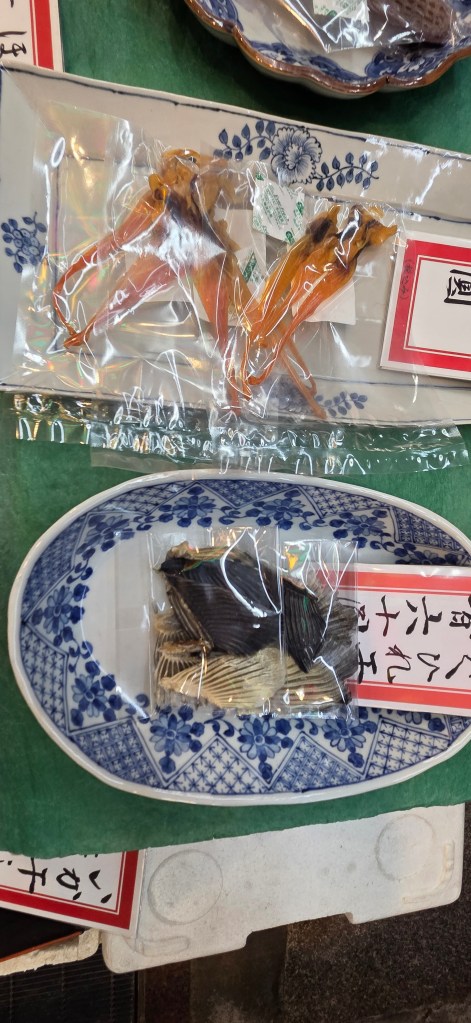
Another thing I noticed in Nishiki Market was how many foods in Japan are dried and preserved. Stalls displayed ingredients I had never really appreciated before—such as Niboshi, dried oysters, seaweed, and other seafood hanging or packaged in neat rows. Drying is an old preservation method in Japanese cuisine and many of these ingredients are later used to make broths like Dashi.
Another thing I noticed was how carefully public space is respected. Even though many stalls sell ready-to-eat food, people usually step inside a small designated area behind the shop where chairs or counters are arranged to eat. The street itself is considered a place for walking, so eating while moving along the street is generally avoided.
I also noticed many signs written in English explaining small but practical things—such as asking visitors not to eat on the street, to step inside before eating, or not to wash hands in certain places. It gave me the impression that Japanese society is very pragmatic: if something creates confusion, they simply add another clear sign to guide people. For locals this system seems effortless to navigate, but for me—especially in large train stations—it sometimes felt overwhelming, with so many arrows, directions, and instructions that I occasionally became lost despite all the guidance. I came to the conclusion that their perception is wider.
Speaking of that same practicality and attention to detail, I also noticed that if there was nothing urgent to do, Japanese people still found something useful to occupy themselves with. I even took a photo of a man in a supermarket carefully wiping and arranging the products on the shelves, even though everything already looked perfectly clean to me. It felt like a small reflection of the Japanese work ethic, where maintaining order and presentation is part of the job, even in the quiet moments.

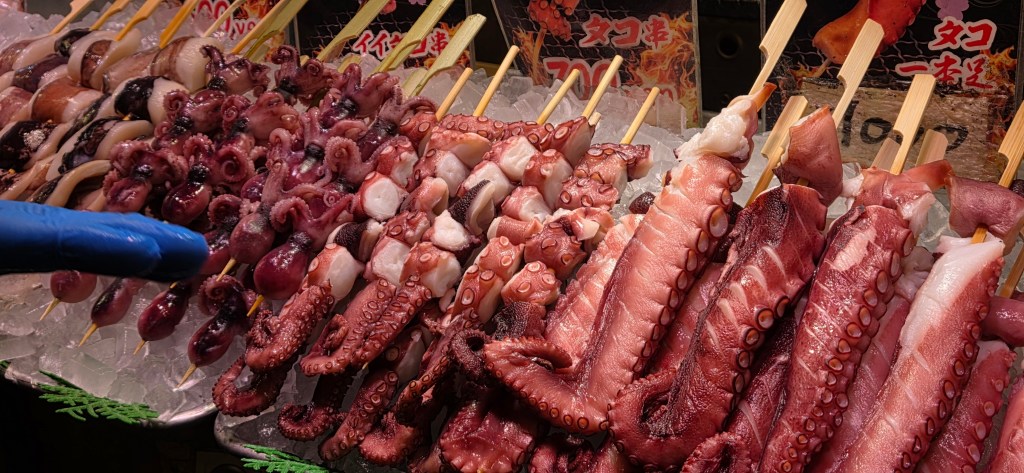
For someone who loves seafood, the variety felt endless: oysters, scallops, grilled fish, and small bites that you can taste immediately.

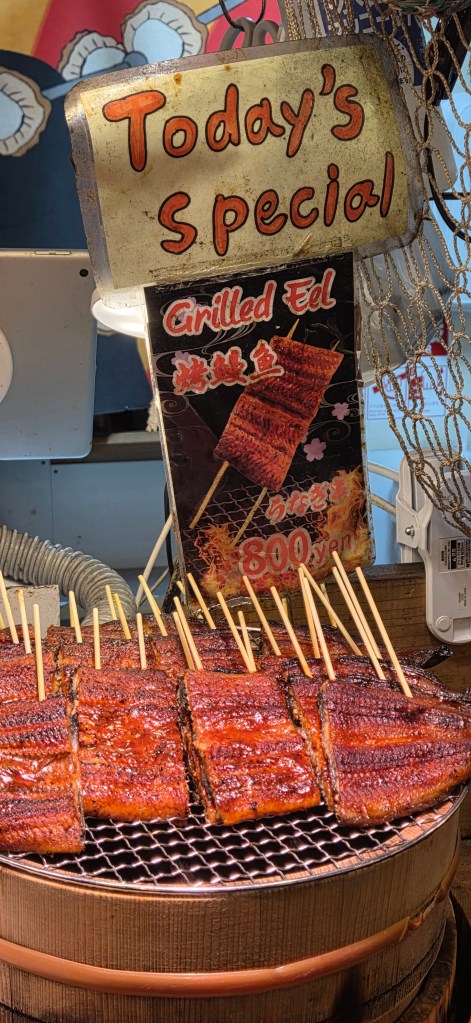

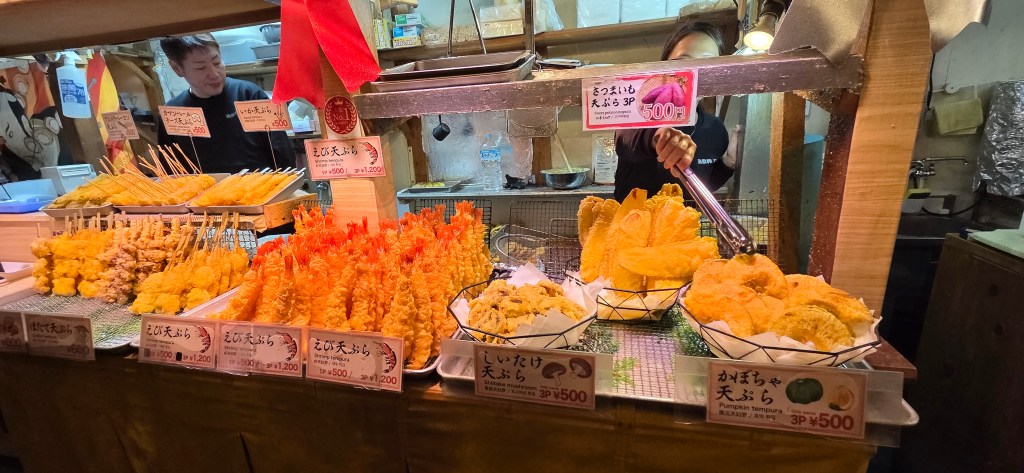
What makes the market special is that it is not only for tourists. Local residents still come here to buy ingredients, and many Kyoto restaurants source their products from these vendors. Because of this, Nishiki Market truly feels like the culinary heart of Kyoto.
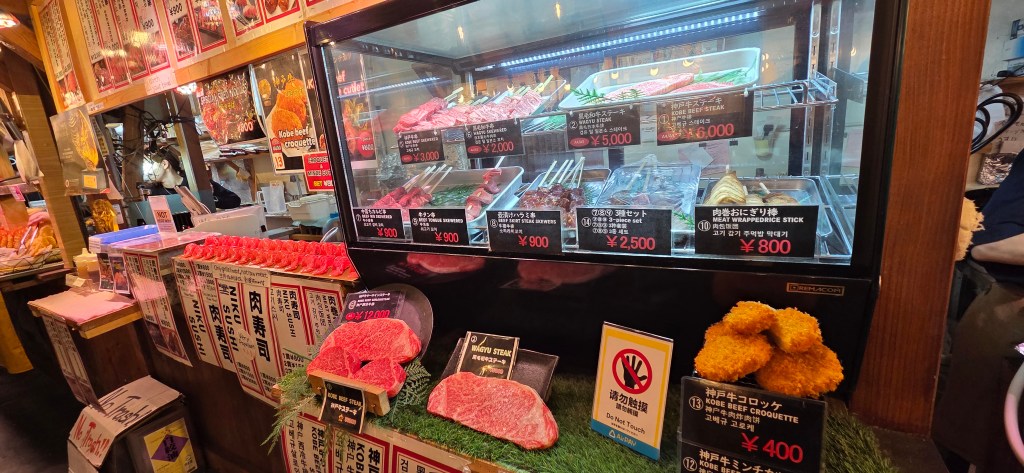


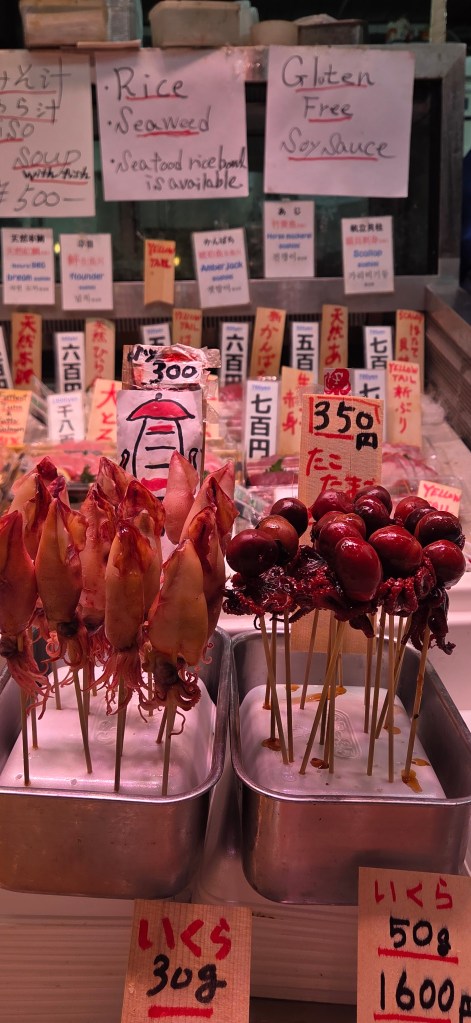
For me it became a place where time almost disappeared—we walked, tasted, photographed, and returned to the same stalls again just to try one more thing. By the end of the visit, I realized we had spent almost half a day there without even noticing.

By the way – no bread! One thing I noticed in markets and meals across Japan was that bread was almost absent, which made me think about how different the diet is from Europe. Most meals revolve around fish—often raw or lightly cooked—together with vegetables and rice, creating balanced combinations that feel surprisingly light and healthy. Carbohydrates usually come from rice or noodles such as Udon, rather than bread-heavy dishes common in Western diets. No wonder they live 100 years!
Higashiyama district
With our bellies full, we continued walking toward the traditional districts of Kyoto, where narrow streets are lined with wooden townhouses and centuries-old temples. Much of this historical architecture survived because Kyoto was largely spared from the heavy bombing that destroyed many other Japanese cities during World War II.

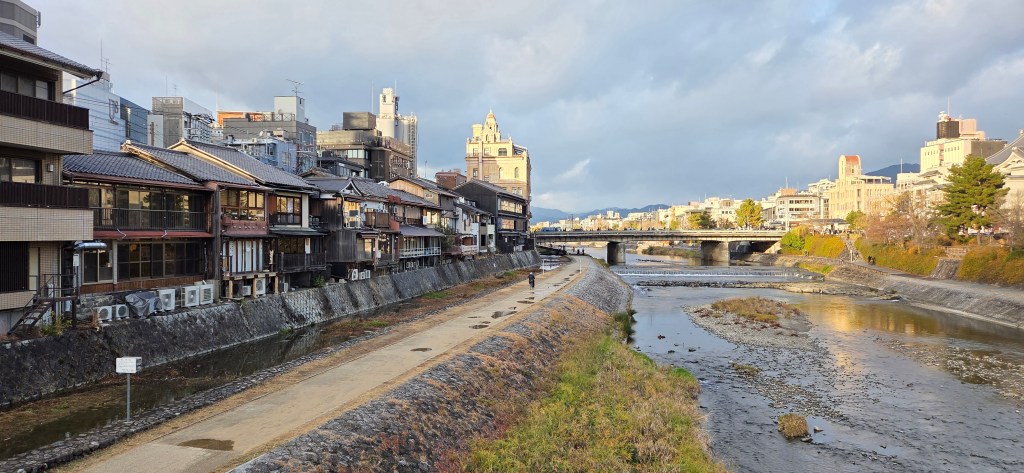
Look at this serenity of the Kamo river (which means the river of the ducks 🙂
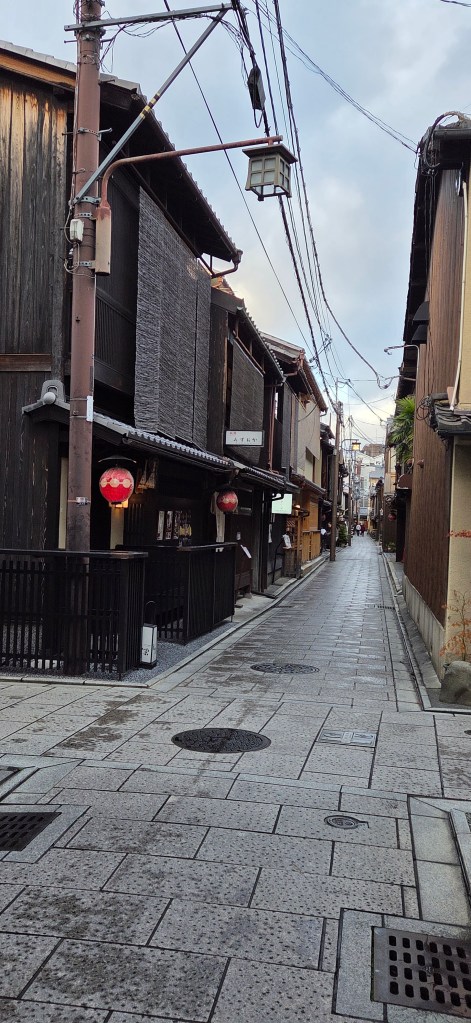
Higashiyama District began to develop as an important religious area during the Heian period, when Kyoto became the imperial capital. At that time, powerful temples and shrines were built in the hills east of the city, and pilgrims started visiting them regularly. Over centuries, small roads, tea houses, shops, and lodging for pilgrims formed around these temples, gradually creating the district that exists today. It is an excellent place to see a geisha, or a geiko – the apprentice.
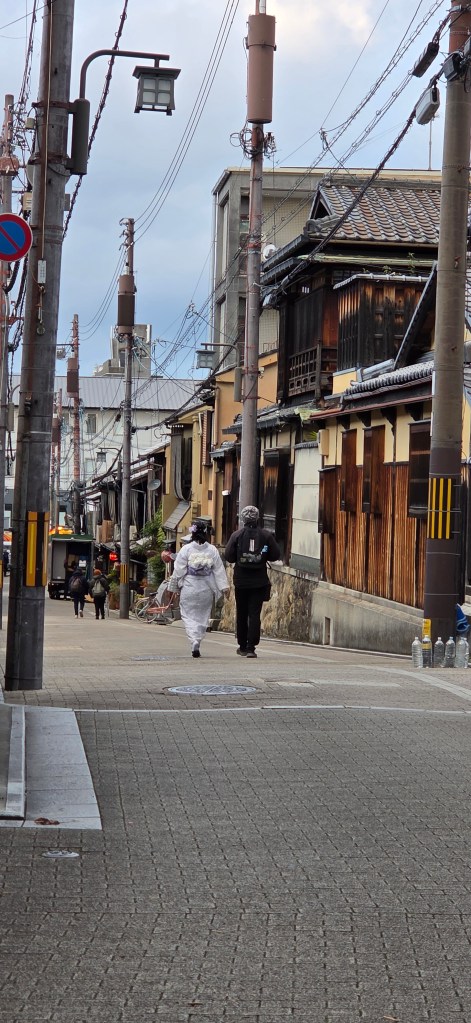
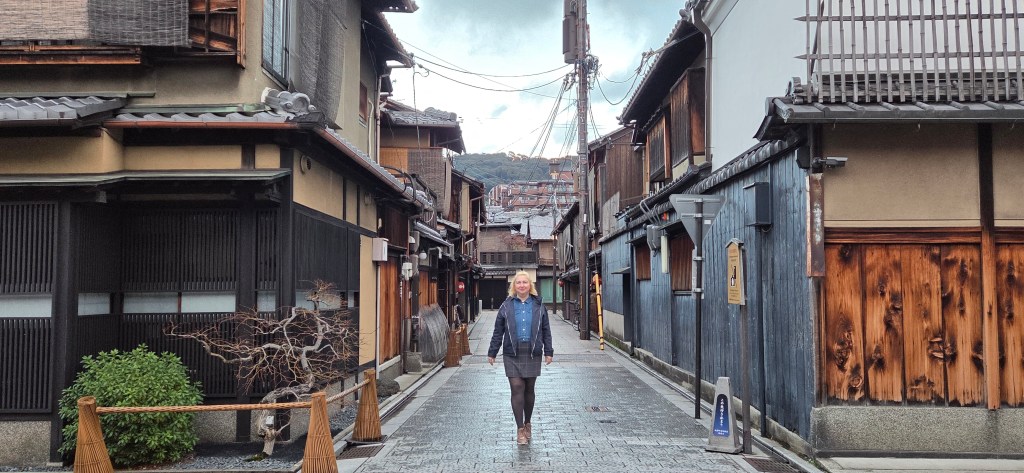
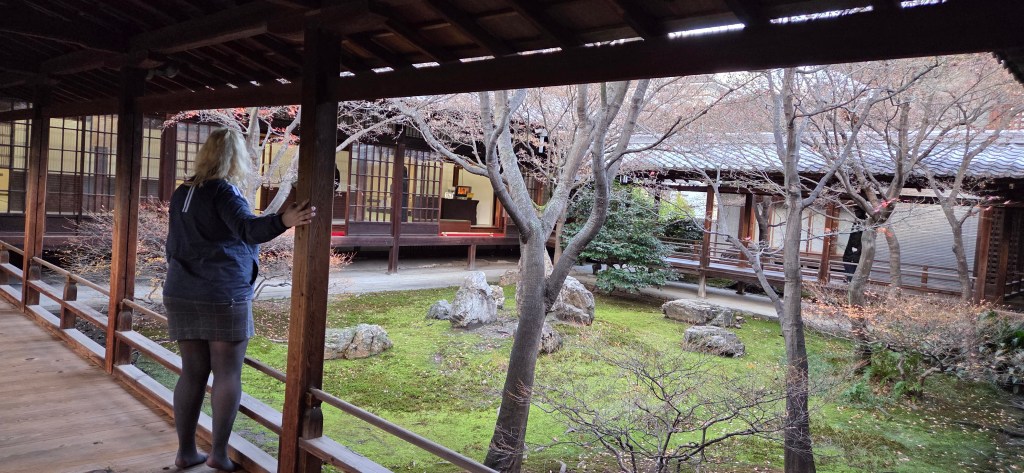
In Kyoto, I also visited Kennin-ji, founded in 1202 and considered the oldest Zen Buddhism temple in the city. Zen Buddhism itself had been brought from China by the monk Eisai, who also played a key role in promoting the cultivation and drinking of Green Tea. From these early Zen monasteries began the practices that later developed into the Japanese Japanese Tea Ceremony, linking meditation, discipline, and tea culture.
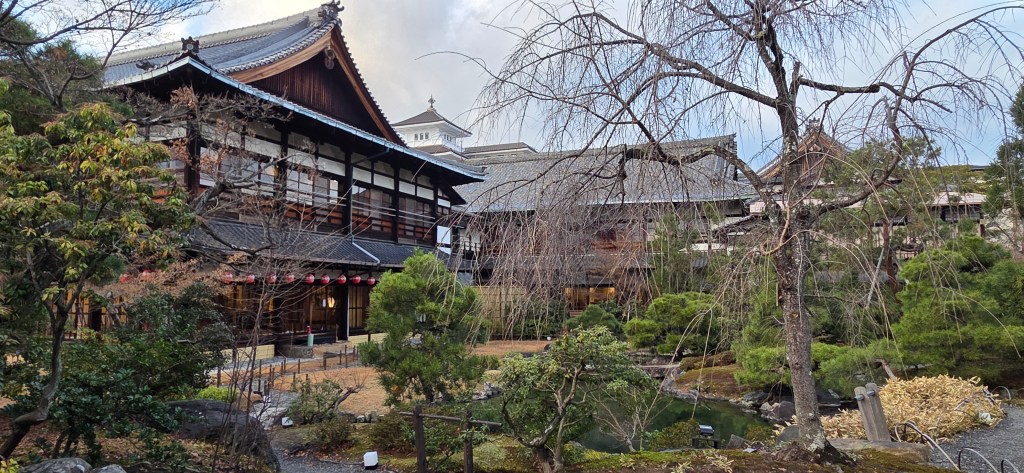
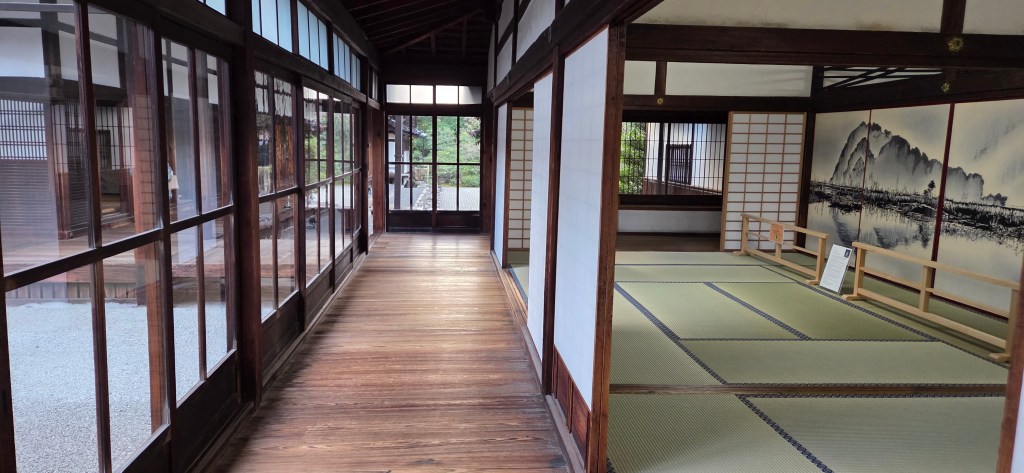
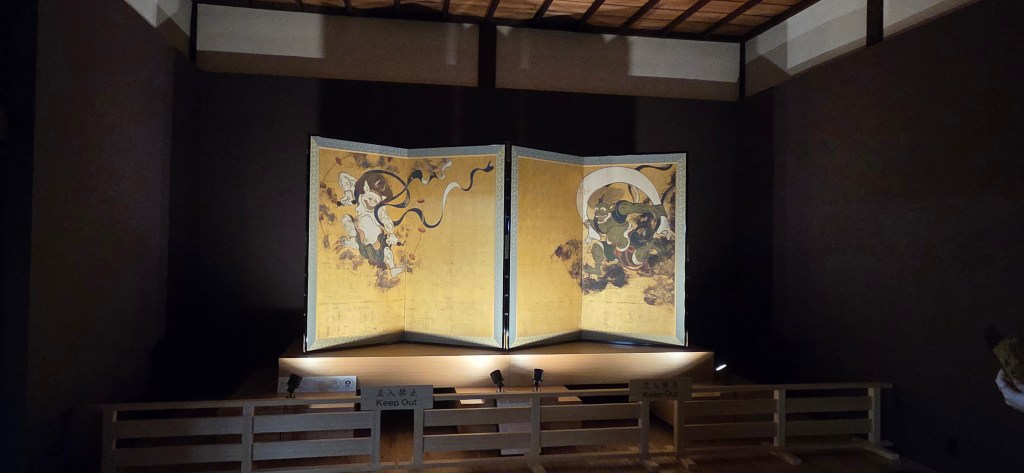
Inside Kennin-ji, there is a famous folding-screen painting depicting the Fūjin and Raijin. The two golden panels show the wind god and the thunder god moving through swirling clouds, symbolizing the powerful forces of nature in traditional Japanese art.
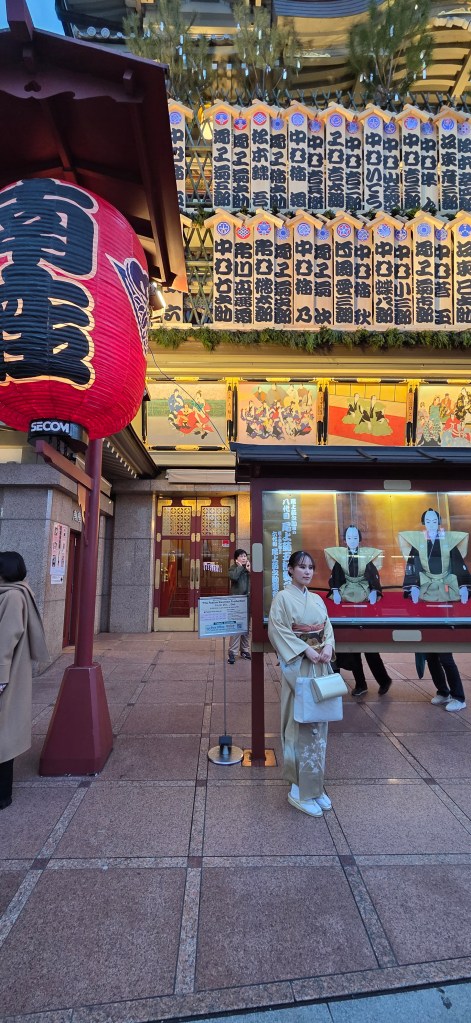
Kyoto played an important role in the development of traditional Japanese theatre, which developed in the 14th century under the patronage of the shogunate and the influence of artists like Zeami Motokiyo. Over time, other theatrical forms such as Kabuki also became popular, with performances historically staged in dedicated theatre houses and cultural districts connected to Kyoto’s urban life. These traditions show how theatre in Japan combined ritual, storytelling, music, and highly stylized movement.
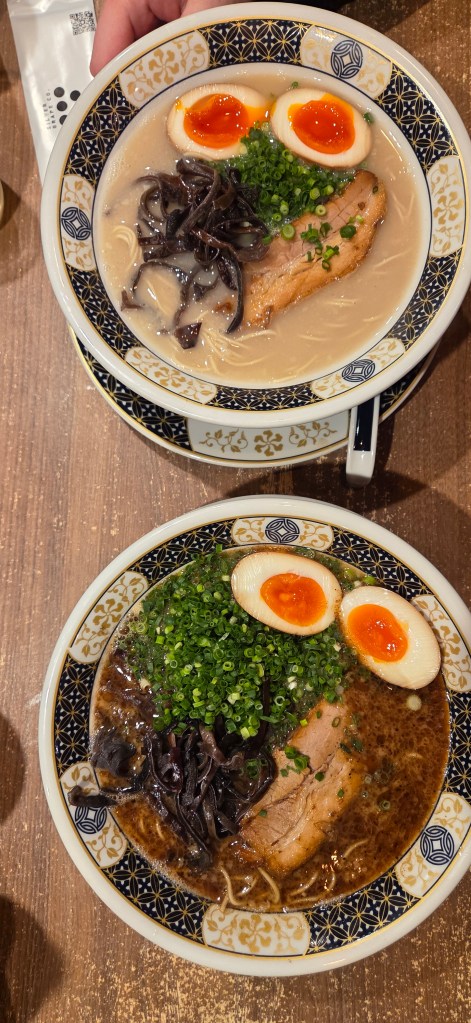
The best ramen for the end of the day and to heat me after a cold sunny day.
And back by shinkansen to a cozy hotel in Osaka. We had a 5-star hotel with an amazing view of the river and business district. However, I was mostly focused on the japanese TV. Whatever was happening 😀
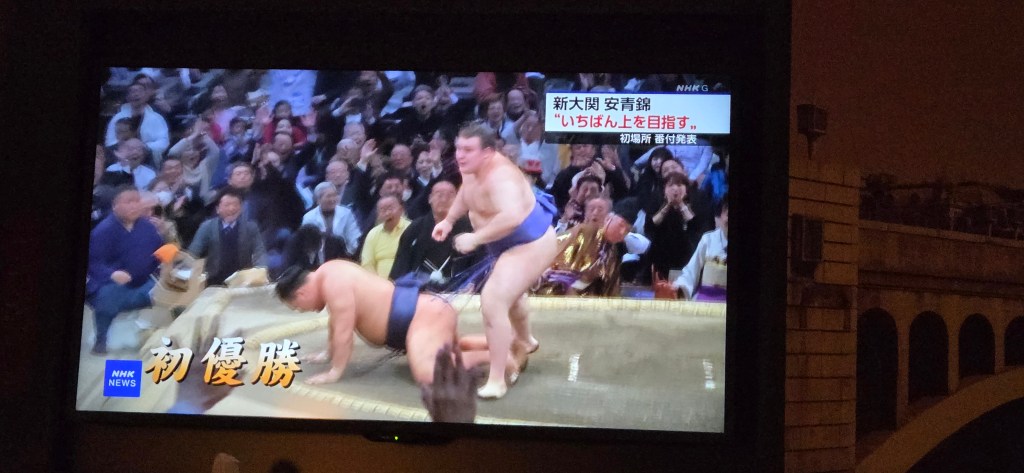
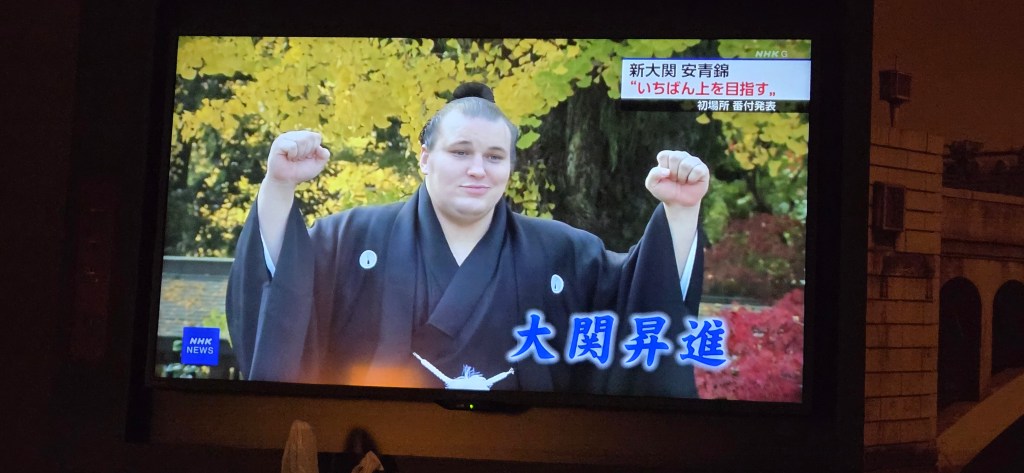
One thing I quickly got used to in Japan was the heated toilet seats, which honestly became something I missed immediately after returning to Europe. Toilets everywhere—especially in hotels and public places—were impressively clean and carefully maintained. The only challenge was that with so many buttons and functions, sometimes without English explanations, it was not always clear what each button would actually do.

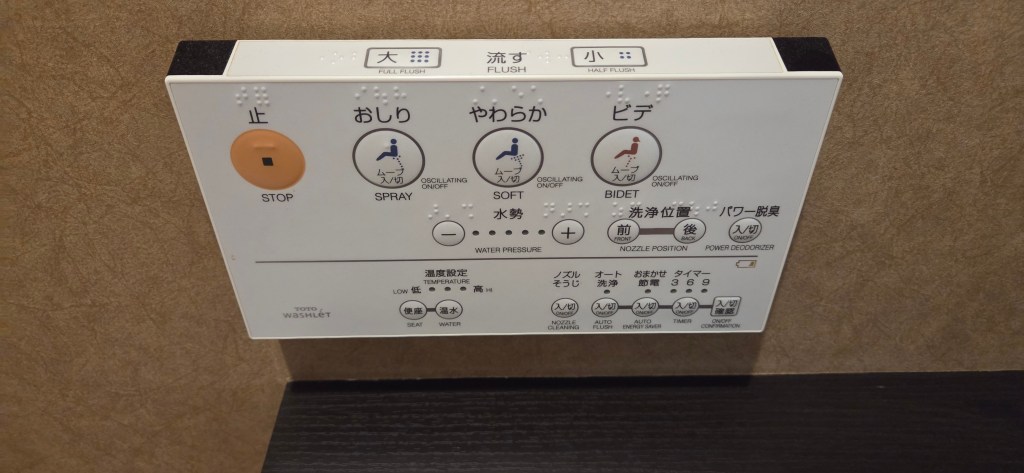
As everything is practical, public toilets often come with a map to orient yourself and to inform.

MOUNT FUJI
Going further north. The idea was to move away from the city and experience the village-style of Japan.
Odawara
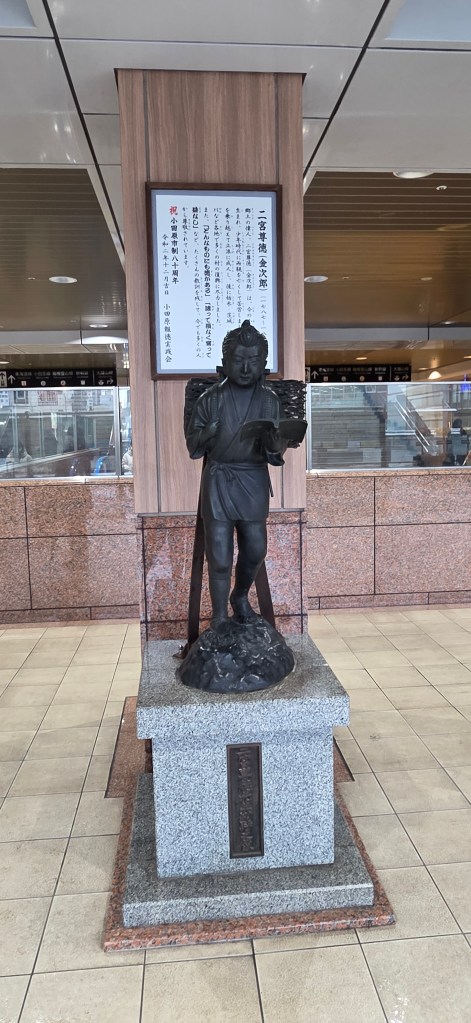
The welcoming statue just as we hopped off our shinkansen, traditionally depicted young boy reading a book while carrying firewood on his back. The statue is symbolizing discipline, and the value of education while working. Statues like this are very common at Japanese schools and public places as a moral example of perseverance and hard work.
At the bus station, there was the bell structure, also as a welcome monument at Odawara Station, marking the entrance to the city and the region leading toward Hakone and Mount Fuji.
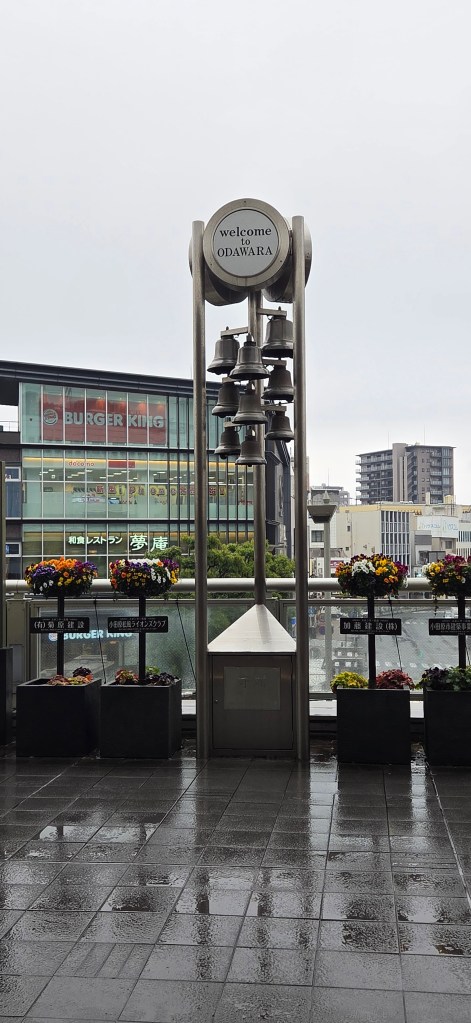
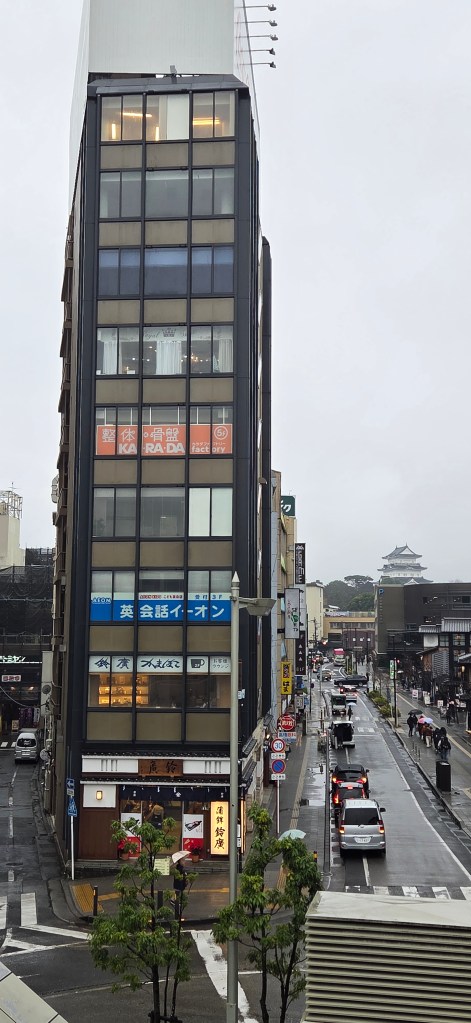
It was raining that day. We were waiting for the bus, when one super nice lady in charge of tourists, showing us the bus system, grouped us closer under a roof – to give everyone a chance to stay dry. I was thinking in that moment, how one person like this, hired for a job like this creates a significant impression and experience. Unfortunately, one girl was out of luck. But the lovely lady gave her umbrella, well prepared as she was. This was so thoughtful of Japan. Everything is made for the convenience of people.

Hakone
We stayed in a Hakone just below Mount Fuji, hoping to see the famous mountain, but the weather was gray and it never appeared. Locals say the mountain has its own personality and only reveals itself when it chooses, so instead we spent the time exploring the surrounding nature. The landscape felt incredibly peaceful—water flowing everywhere through streams and small channels—which reflects the calm aesthetic often associated with Zen Buddhism and the idea that everything should remain balanced, flowing, and tranquil.

We stayed in a traditional Ryokan, where you sleep on futons laid over Tatami. Guests are usually given a light cotton robe called Yukata, which you wear around the house and sometimes to the onsen. The atmosphere was incredibly peaceful and calm, and it turned out to be one of the most relaxing nights of the entire trip—perhaps one of the most peaceful nights I have ever had. Green tea had its magic.

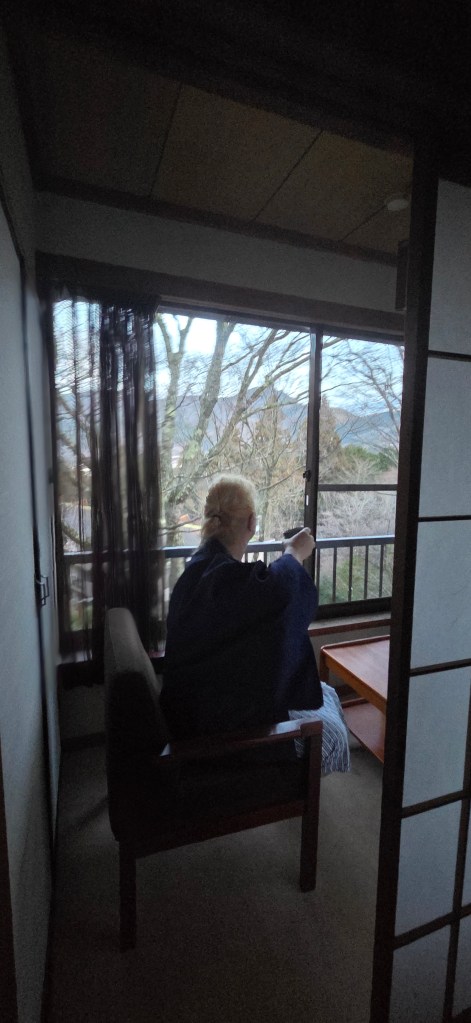
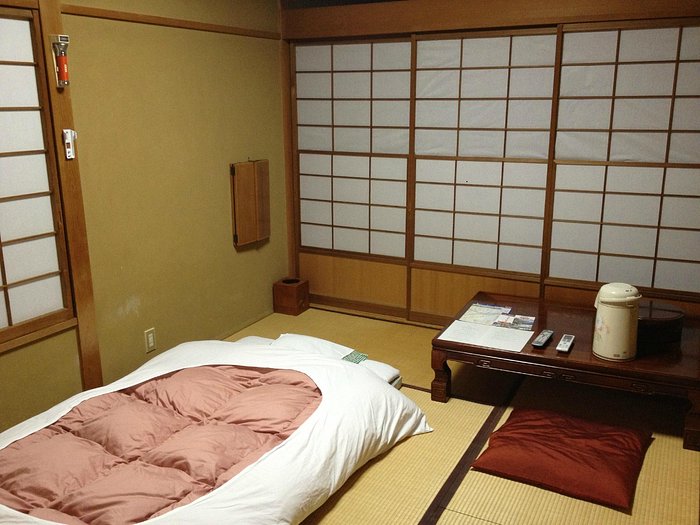
In the morning we took a bath in Onsen. It is a natural hot spring bath that plays an important role in Japanese culture and relaxation. The tradition developed from older public bathhouses, where communities gathered to bathe, socialize, and unwind. We had to do it separately, as guests must wash thoroughly before entering the shared bath. People with tattoos were often not allowed because tattoos were associated with the Yakuza (japanese version of mafia).

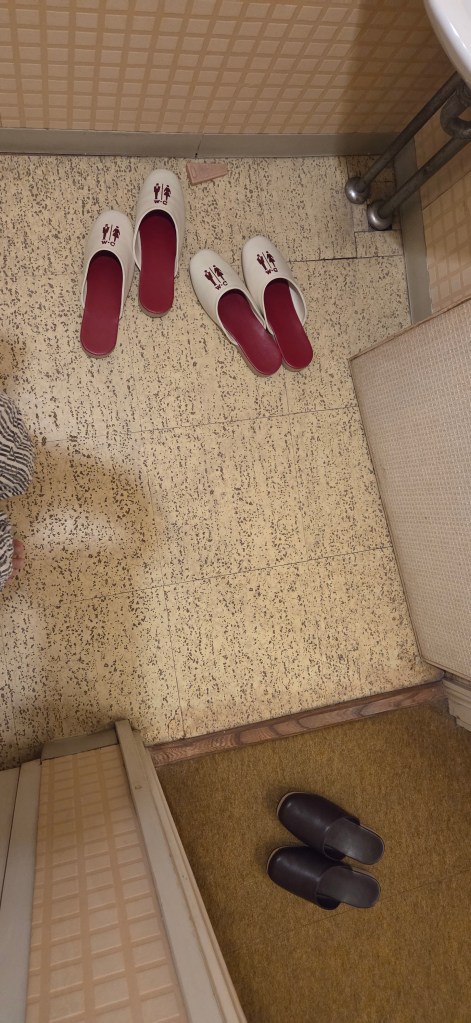
As I mentioned, people in Japan are very disciplined about removing shoes when entering homes, temples, or a Ryokan, and there are even different slippers for the room and for the bathroom.
What I didn’t realize at first was that when you take off your slippers or shoes, you are supposed to leave them facing the exit, ready to step into again. Apparently, this is connected to traditional ideas of order and harmony, often associated with Feng Shui. The staff at the ryokan quietly followed behind us and kept turning our shoes the correct way, gently restoring the proper order after we unknowingly placed them wrong. 😀
I also noticed they are sloppy when walking, rather annoyingly dragging their feet – apparently geisha style and very elegant. Not to me, though! Especially when they put two left slippers. They really don’t care.
Since we never managed to see Mount Fuji, the next morning we boarded our train toward Tokyo. I barely had time for breakfast, so I quickly bought a Matcha latte for myself, a coffee for my husband, and two small Japanese-style muffins for the train ride.
I was nervous about how to carry everything without spilling it while managing our luggage, but once again Japanese practicality surprised me. The staff placed the hot drinks in a special cardboard holder designed to stabilise the cups, then carefully packed everything into a bag so nothing would move. Even while juggling suitcases and breakfast, nothing spilled—and once we were seated on the Shinkansen, everything was still perfectly intact and ready to enjoy. Japanese pragmatism!


As mentioned, people in Japan seemed very practical and organized, and it was common to see staff assigned simply to guide people and make sure everything flows smoothly. On my way through stations and public spaces, I noticed workers cleaning even the handrails of escalators or quickly wiping away the smallest spill on the floor. It felt as if maintaining order and cleanliness in shared spaces was taken very seriously.
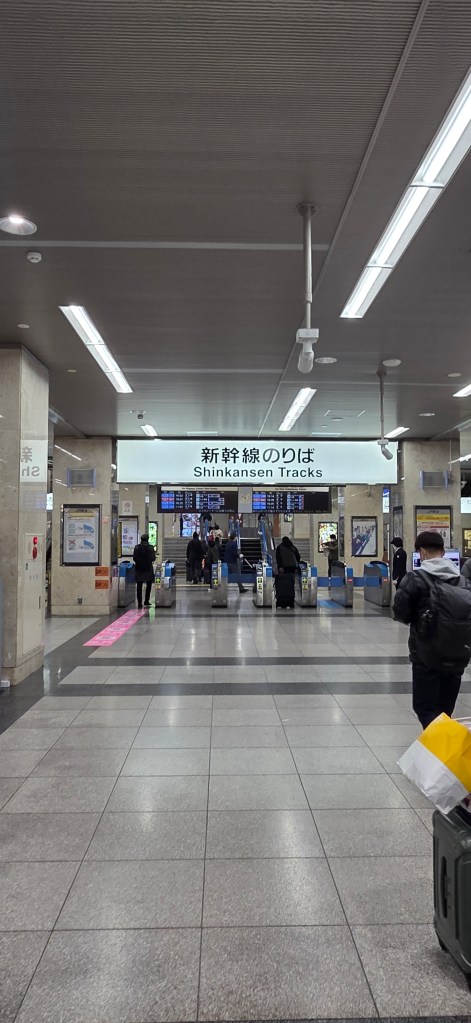
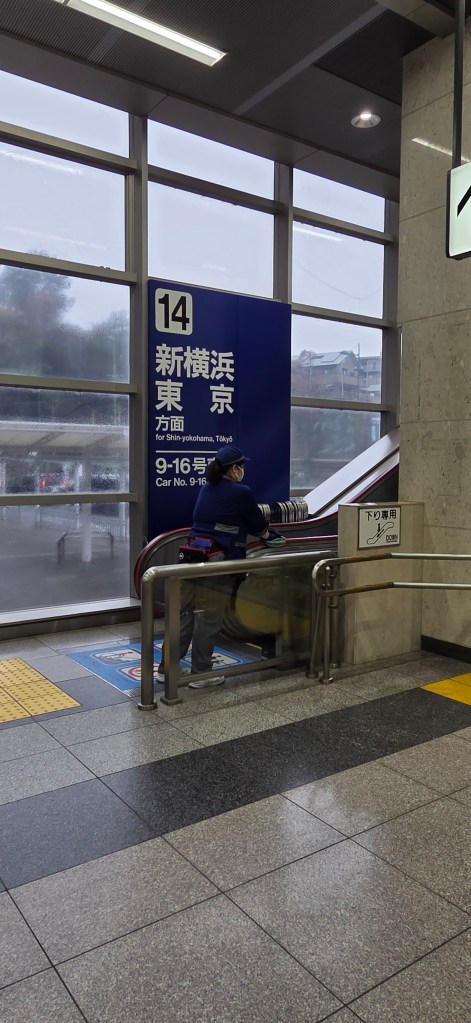
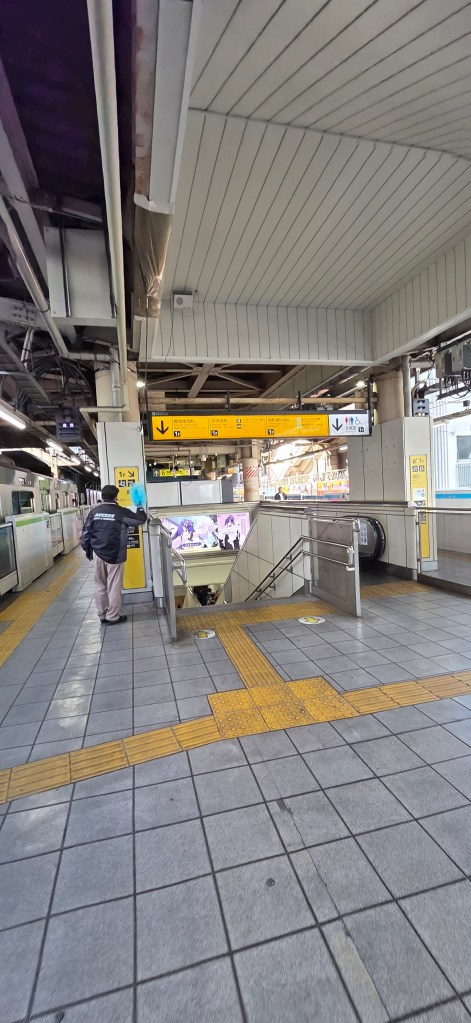
Safety is extremely important in Japan’s rail system, especially on the Shinkansen, which is famous for its strict operational discipline. Since it began operating in 1964, the Shinkansen has maintained an extraordinary safety record with no passenger fatalities caused by train accidents. At stations I observed how carefully staff perform their duties—guiding passengers, checking the platform, and repeating a series of visual and verbal checks known as Shisa Kanko, where workers point and call out each step to confirm that everything is safe before the train departs.
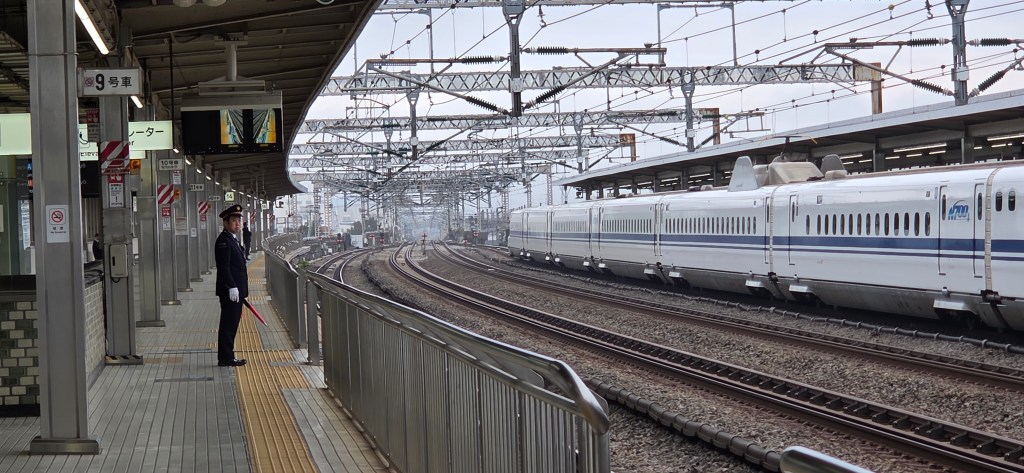
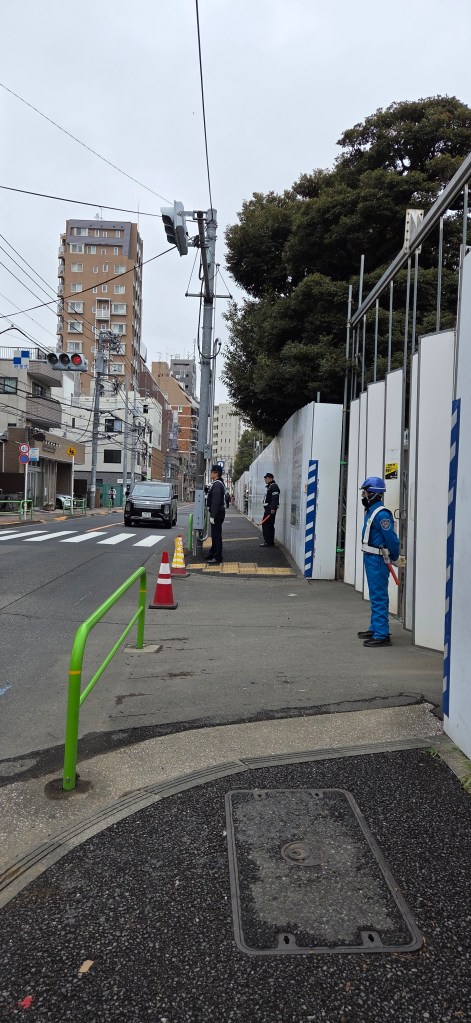
Same situation in the streets where there is an ongoing construction site. There will always be a dedicated worker to pay attention to the safety of pedestrians.
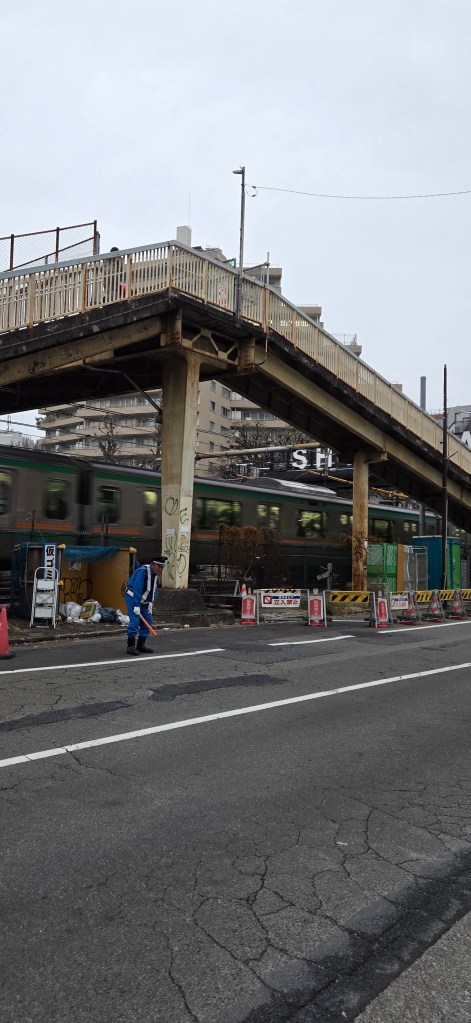
Sometimes, the situation can be ridiculous. On the right below photo, there was a worker who was for sure above 90 years old. Still moving and contributing to the society, but barely. I had the impression he was causing more damage and traffic confusion than making good. I was also told that in large cities in Japan, many retired people continue working in small community jobs. Even after retirement they often prefer to contribute—directing traffic, helping with safety, or cleaning public spaces—rather than staying inactive at home. For many, continuing to work helps maintain a sense of purpose and prevents the loneliness or depression that can come with suddenly losing daily structure.
Every morning when leaving our hotel in Tokyo, I would see an elderly man carefully sweeping the park paths from fallen leaves. He looked quite old, but he worked with quiet dedication, and each morning I would thank him with a polite Arigatou gozaimasu and a bow. He would bow even deeper, then I would try to bow deeper out of respect for his age, and he would bow again out of courtesy toward a guest— me bowing deeper and having a sciatica! 😀
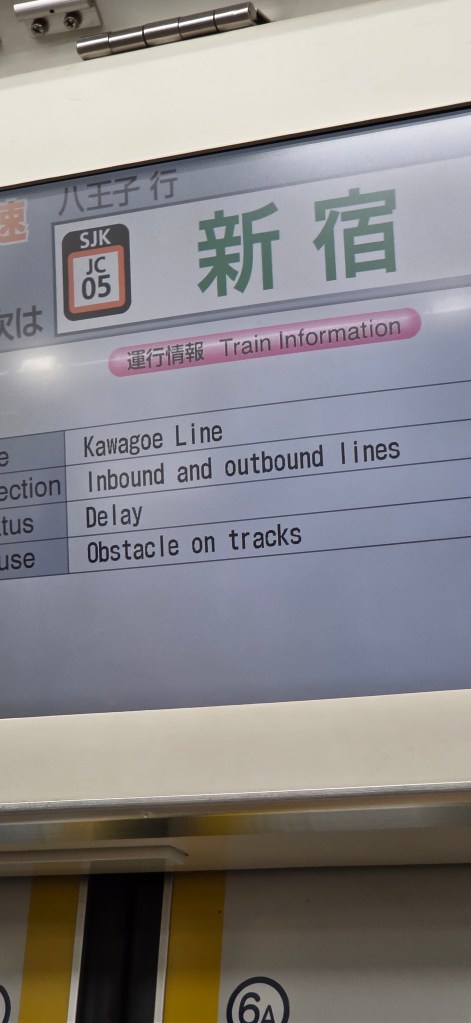
Talking about depression and how japanese society can be isolating and high demanding, so much that leads into a numerous self destruction or suicide. Somebody pointed me out to this train marking saying ”we all know what it means.”
Leaving the depressive thought, look who appeared today on a sunny, brisk day, on my way to Tokyo. This mountain is such a troll. 😀

TOKYO
When we arrived in Tokyo, our hotel was near Takanawa Gateway Station. We later realized that we could have left the Shinkansen closer to our hotel, but instead we went all the way into the city center and had to figure out how to return. As I said, not for the beginners.
In the end it was worth it, because our five-star hotel was located inside a large landscaped park. The entire setting—with gardens, a small cemetery, and carefully arranged paths—felt very harmonious, almost as if designed according to Feng Shui. There was no snow, and the trees still held deep orange and red leaves, giving the park the peaceful atmosphere of late autumn.
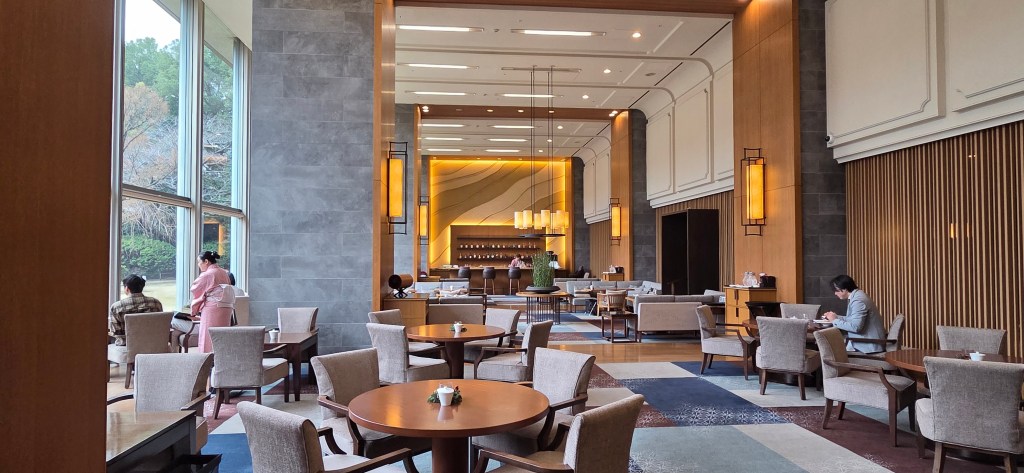
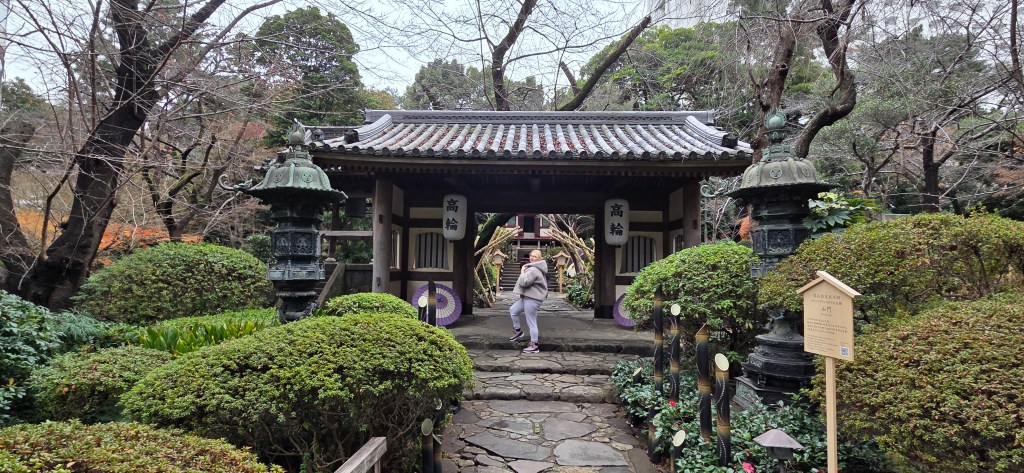
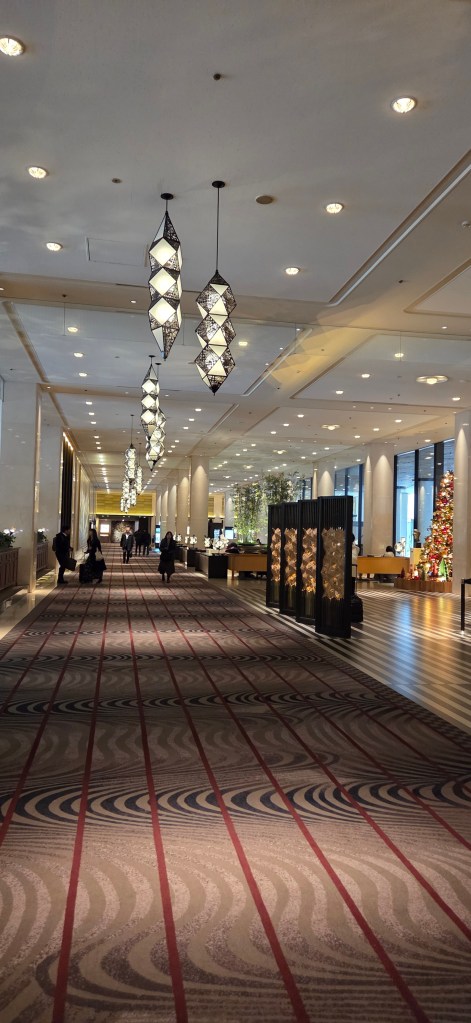
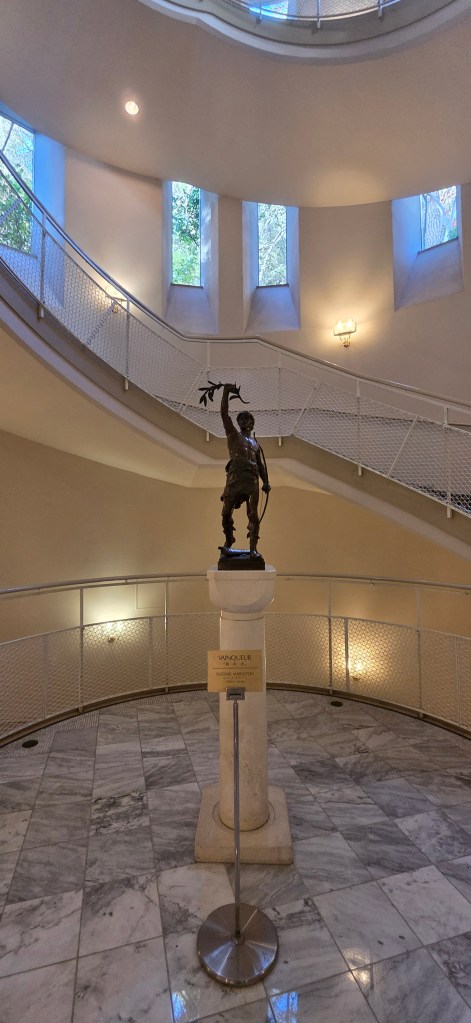

It was Christmas day, and I decided to treat myself with a western luxury that costed me a mini fortune here in Japan – a glass of Champagne.

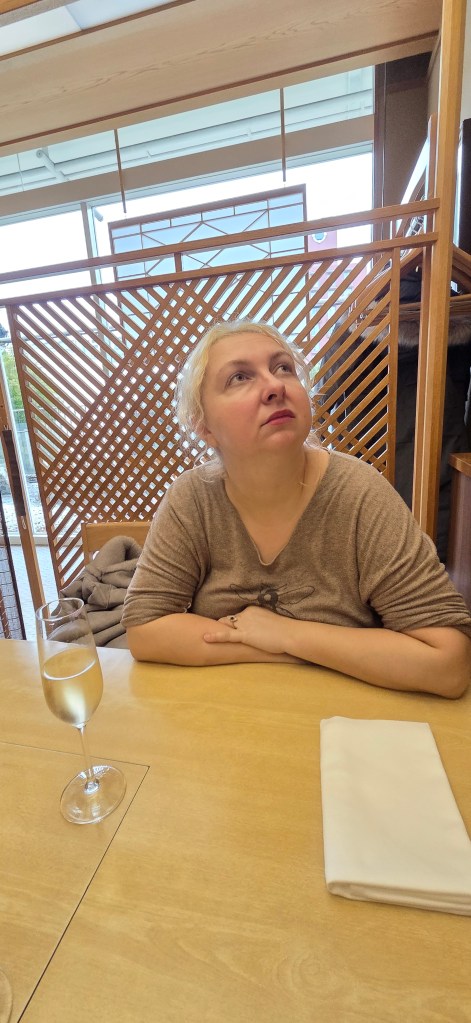

We were in very private type of restaurant here in Japan, where geisha’s serve you behind the closed bamboo curtains, and you are allowed to have your longer meal in peace and without rush. I was missing this so much.


That very Christmas day, randomly we ended up in a Tokyo district that imitates a European type of restaurants. Out of curiosity, we entered into a French version. The amount of similarity and attention to detail was amazing. They take orders just like in European restaurants. I went to the toilet, and they were the same style 🙂 There was no automated flush with fancy buttons, the toilet paper was not thin like in Japan, the toilet cubes were divided but with space in between – as awkward as in Europe.

However, they kept the practicality of saving space. Many places provide small baskets placed under the table or below your chair so you can store your bags and belongings neatly while you eat.

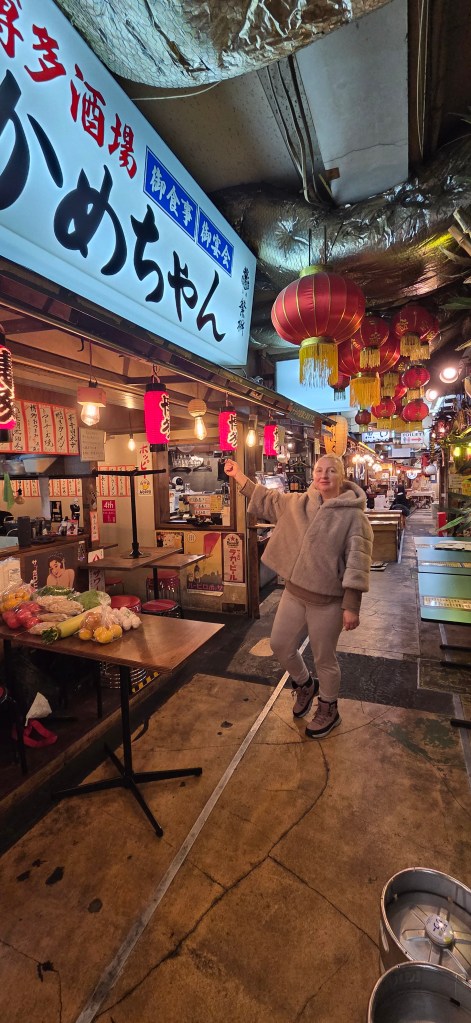
The day was still young. We decided to walk to be ready for dinner time. 🙂 On our way to Ebisu Yokocho – vibrant street market, I noticed this joyful izakaya streets area. Up until now, the cities were not photogenic at all.

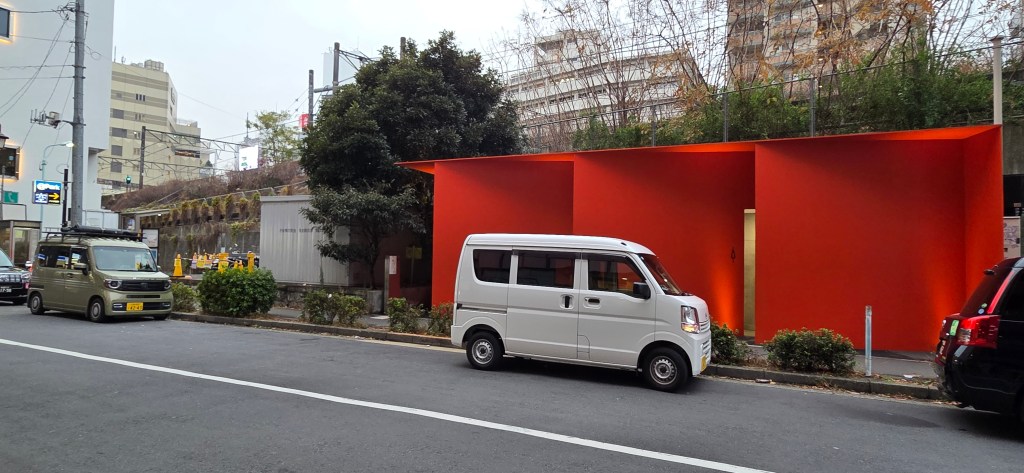
By the way, these are the public toilets. I would never spot them!
Shibuja crossing
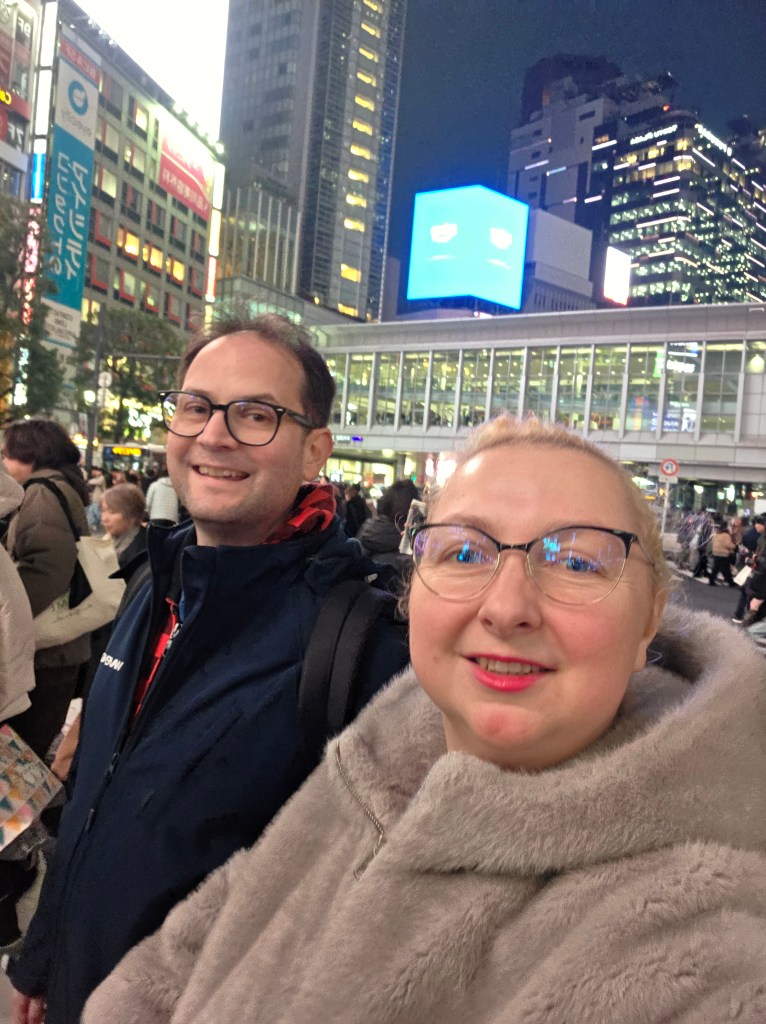
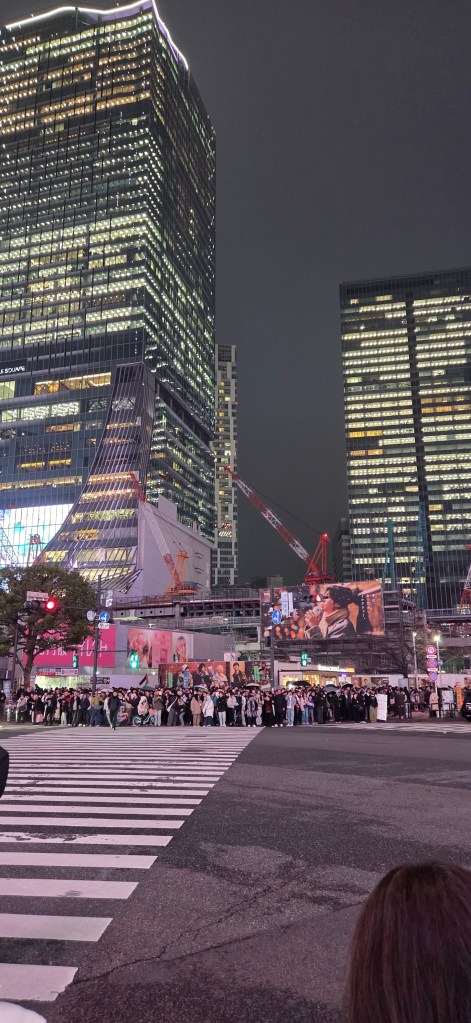
Walking toward Shibuya Crossing, I could feel the excitement building as crowds moved in every direction and the streets filled with energy. We later realised there are also elevated walkways and passages above the crossing, but at the time we were simply navigating through the crowds and trying different shortcuts. Neon lights were everywhere, fast-food smells filled the air, and we even spotted a Pikachu marking a nearby Google Tokyo—an unexpectedly cute detail at the start of what became a great night in Tokyo.


At Shibuya Crossing, many visitors cross the intersection several times just to capture the perfect photo or video of the crowds moving in every direction. People often walk back and forth across the crossing, timing their shots to capture the iconic moment when hundreds of pedestrians move at once.
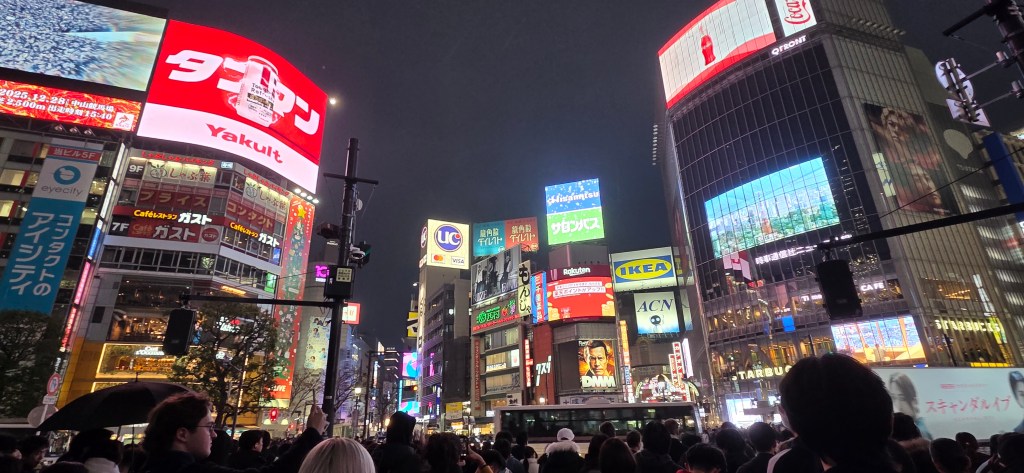
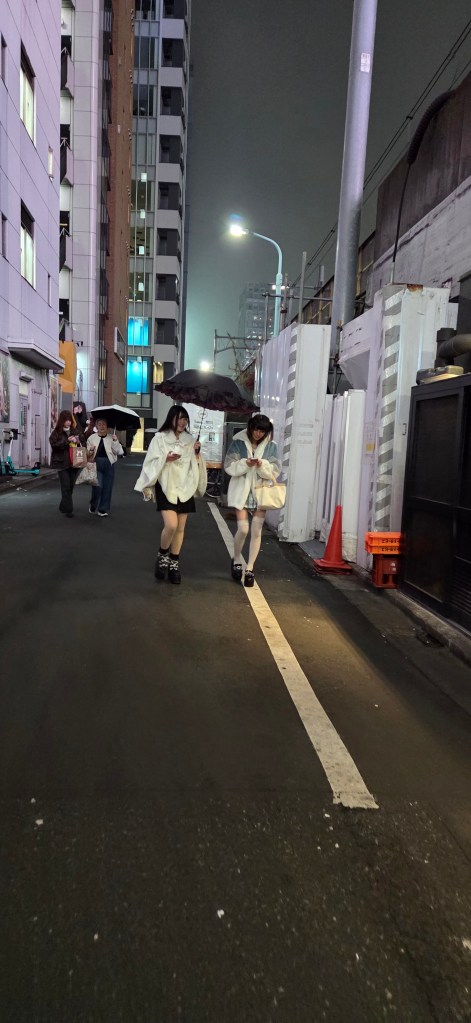
Spot the Tokyo girls’ fashion 🙂 Always so girlie and wearing short skirts and high platforms.
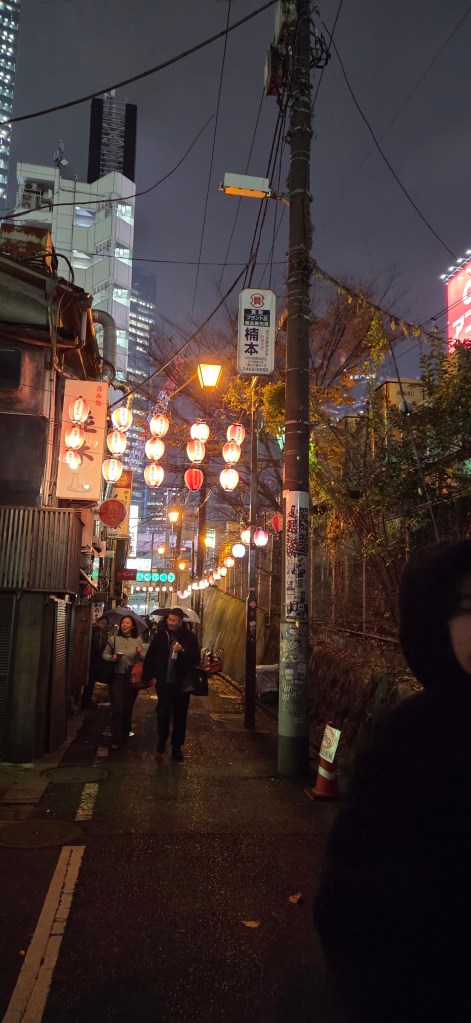
Dinner was just nearby in traditional izakaya’s at Shibuya Yokocho Hokoriku Food Market. These are always so romantic and mesmerising.

Akihabara district
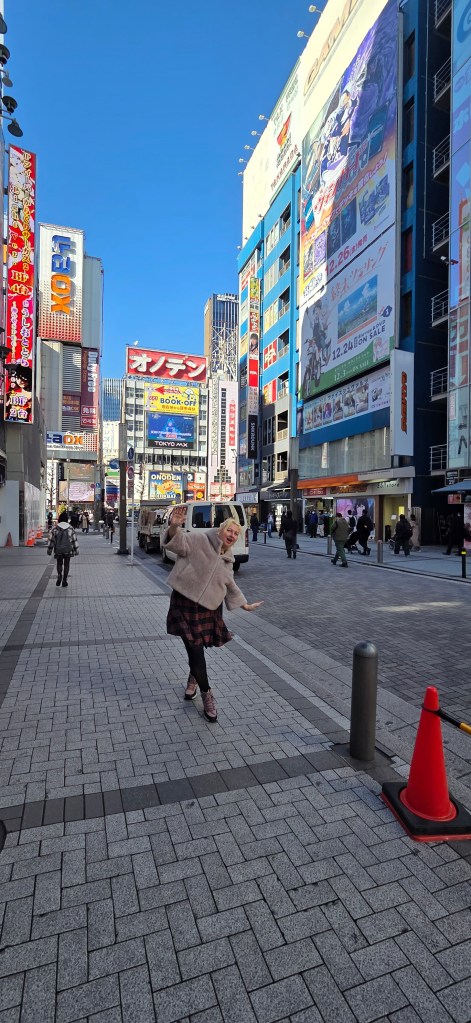
Akihabara is a famous neighborhood in Tokyo, known today as the center of anime, manga, gaming, and electronic culture. After World War II, the area developed into a marketplace for radios and electronic parts, which earned it the nickname “Electric Town.” Over time, it evolved into the global hub of Japanese pop culture and technology that visitors see today.
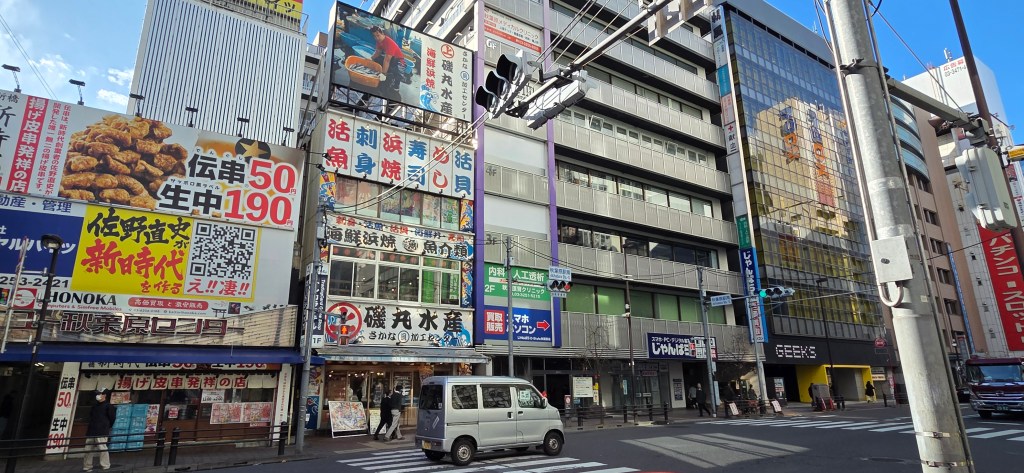
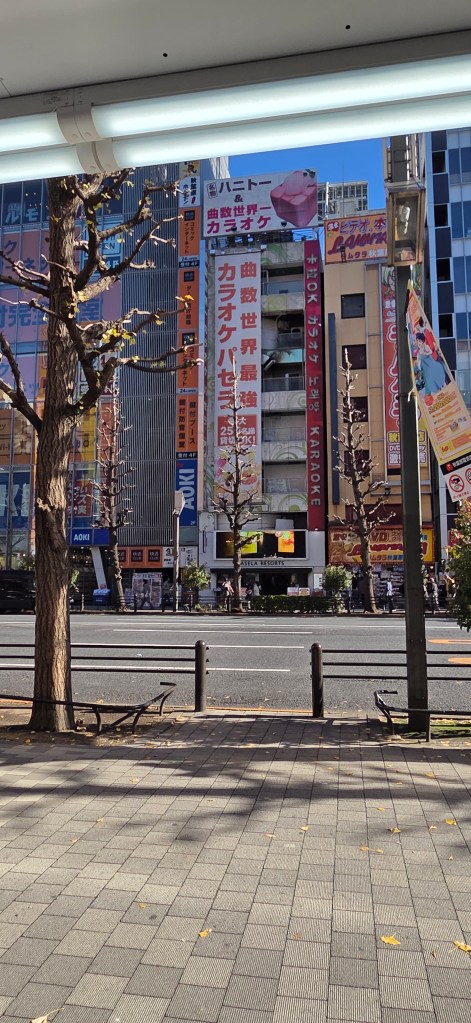

I noticed long lines of mostly young men waiting patiently for the doors of a Pachinko hall to open, some arriving more than an hour early. At the entrance, a staff member checked digital tickets on their phones. Each person bowed when entering. The staff member bowed back every time. What a politeness exchange.

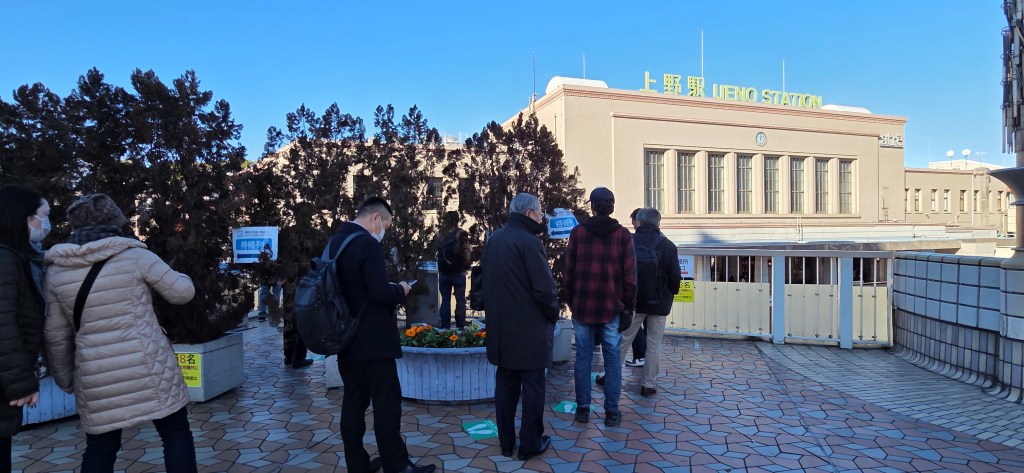
Then, I saw young men queuing for designated smoking corners nearby. People stood quietly. Waiting for their time to enter the smoking corner.
In Akihabara, shopping is everywhere. Streets are packed with stores selling anime figures, manga, electronics, retro video games, and gadgets.
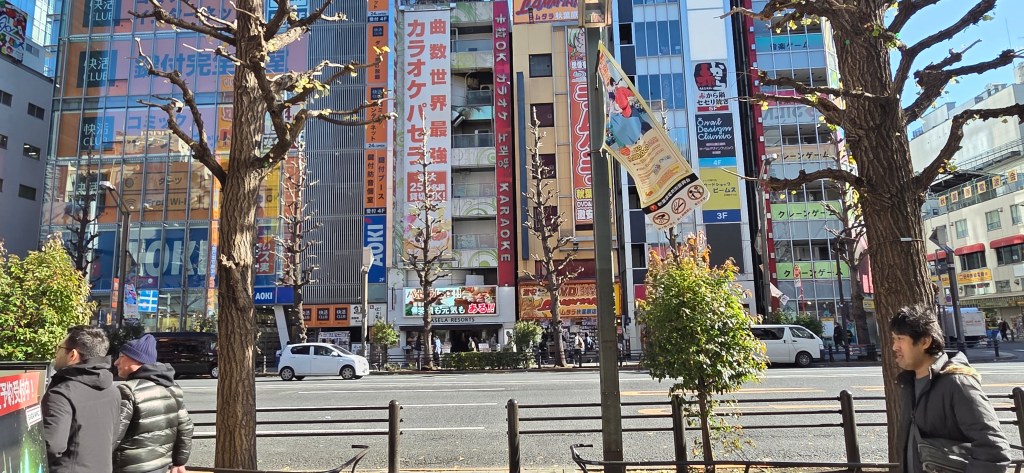
Many shops also offer tax-free shopping for foreign visitors, which makes many products noticeably cheaper for tourists. But here’s a tricky part! When you shop, you receive a sealed bag that says tax-free, and you should not open it before leaving Japan. Often, the customs check what’s in your luggage on your return.
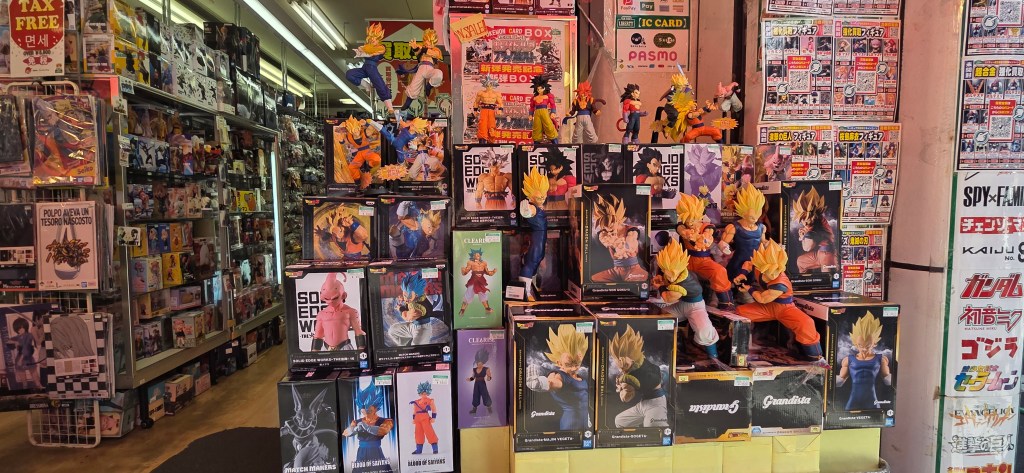

During the 1980s and 1990s, Japan experienced a major technology boom, becoming a global leader in electronics, robotics, and consumer technology. Districts such as Akihabara in Tokyo and Den Den Town in Osaka grew as centers for selling electronics, gadgets, and computer parts. Although Japan’s technological dominance has slowed compared with that era, these districts still reflect the country’s strong culture of innovation and technology.
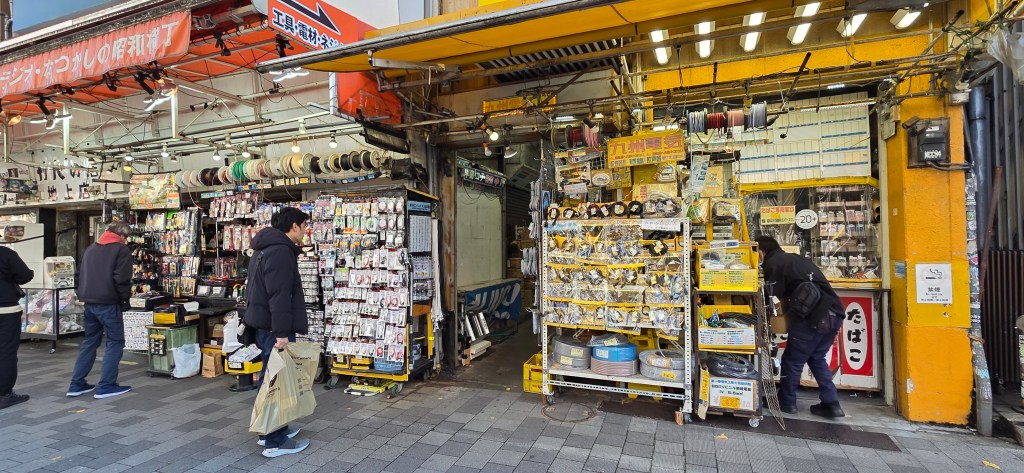
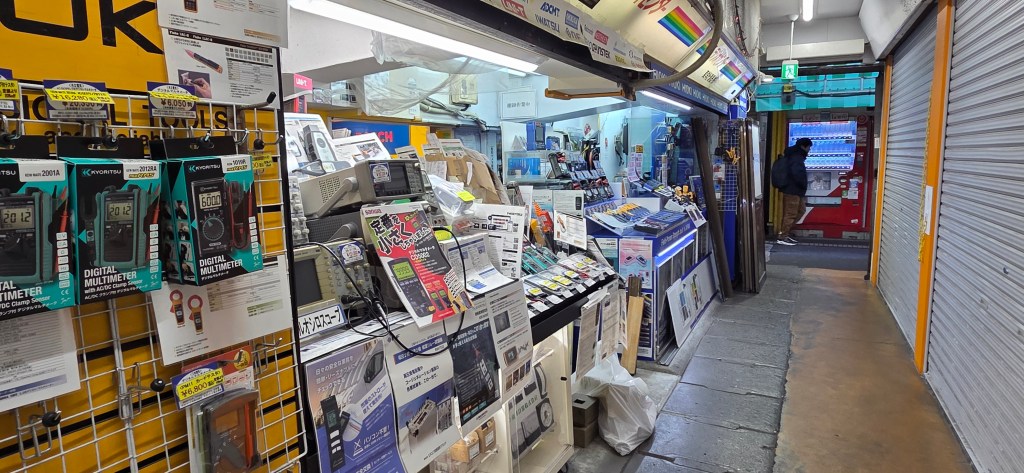
It was such a lovely sunny day strolling through the district, stopping at small street stands and tasting local snacks. We tried Taiyaki, a warm pastry shaped like a fish and traditionally filled with sweet red bean paste.
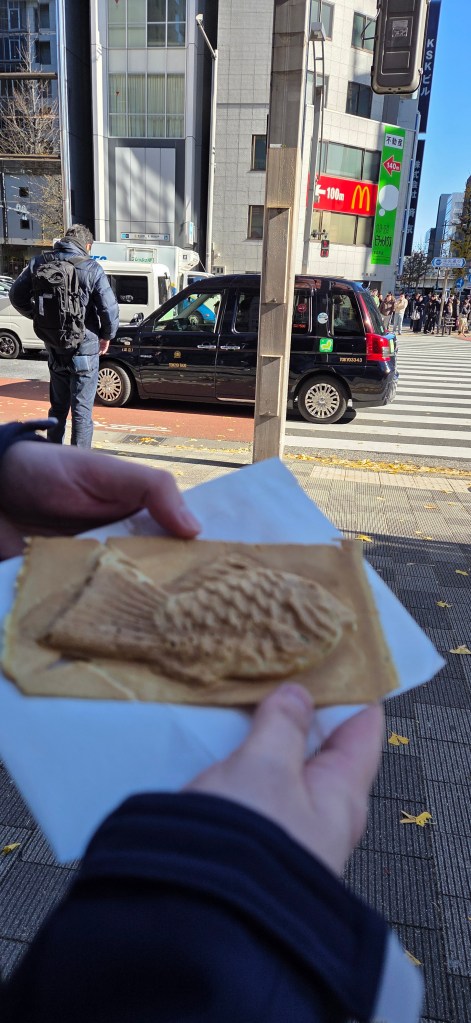
Another thing I noticed in Japan was the large number of overhead electrical wires and pylons running along the streets. I was surprised by how visible they are in many cities, although I later learned this is partly because underground cabling is more difficult in a country that frequently experiences Earthquakes. As I said, they don’t care much about aesthetics but rather functionality. 😉
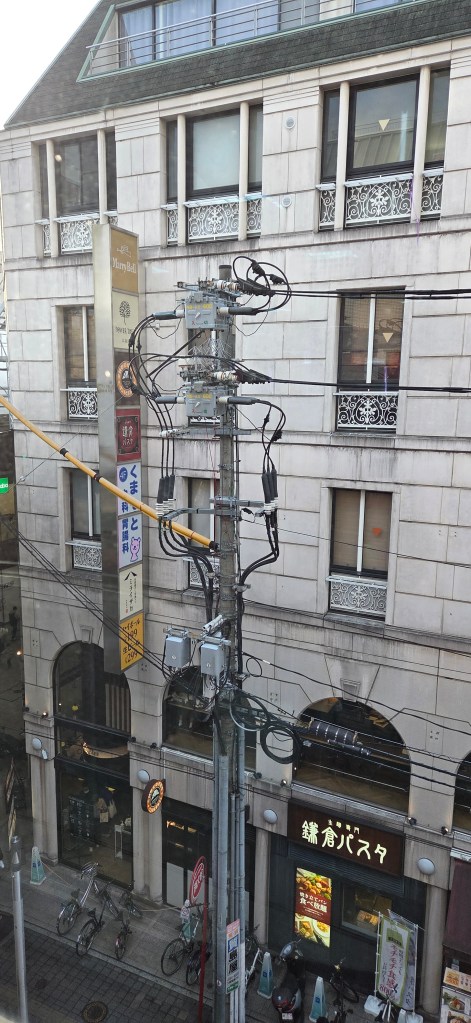

More walking, more exploring, and never enough. What a country! Just to imagine they had total destruction after World War II.

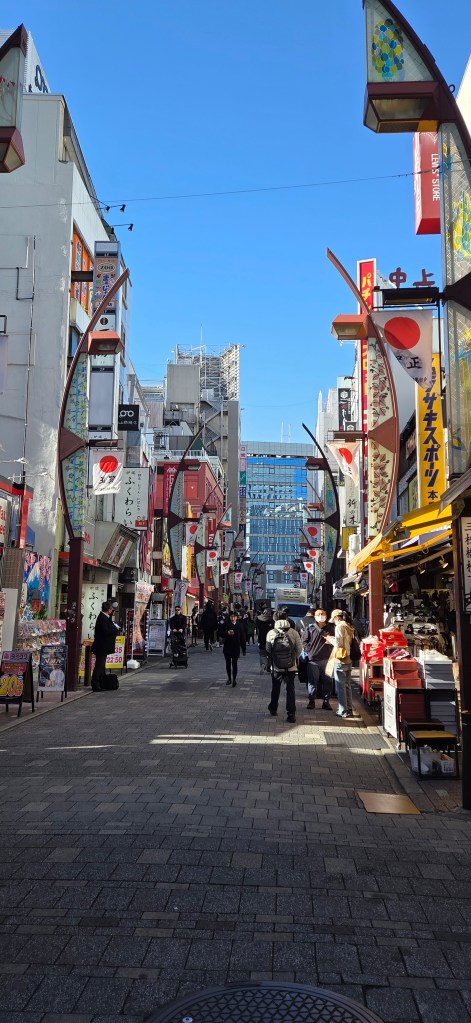
Ameyoko market street
Ameya-yokocho, usually called Ameyoko, developed after World War II as a lively black-market area near Ueno Station. At the time, vendors sold surplus American goods and sweets, which is why the name is often explained as coming from “ame” (candy) or “America.” Today the market is a busy shopping street known for food stalls, seafood, clothing, and discount goods.


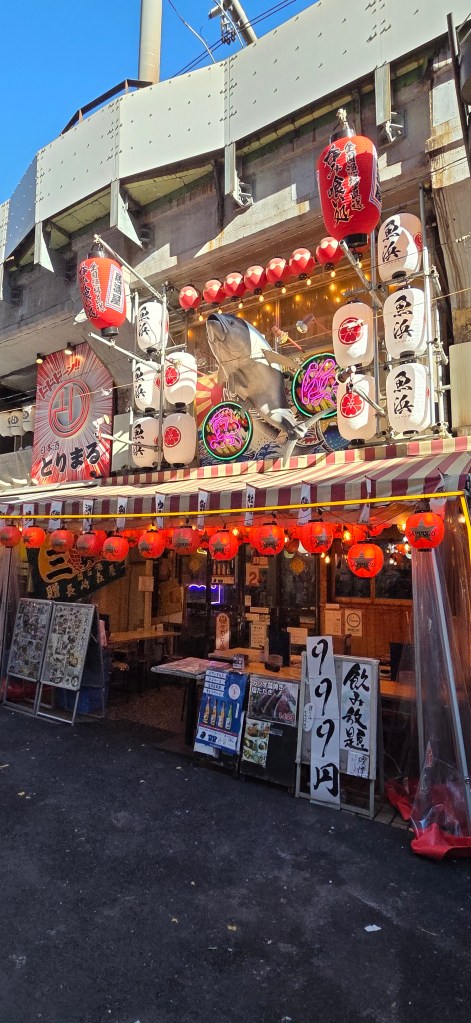
Ueno station
There I’ve seen Starbucks – with a terrace! Not a fan of the coffe chain, but my European heart was soooo attracted to sit on that terrace. Japanese do not have a habit to sit on a terrace and soak in the sun. They consider parks as the more convenient place to do that. Feng shui again.
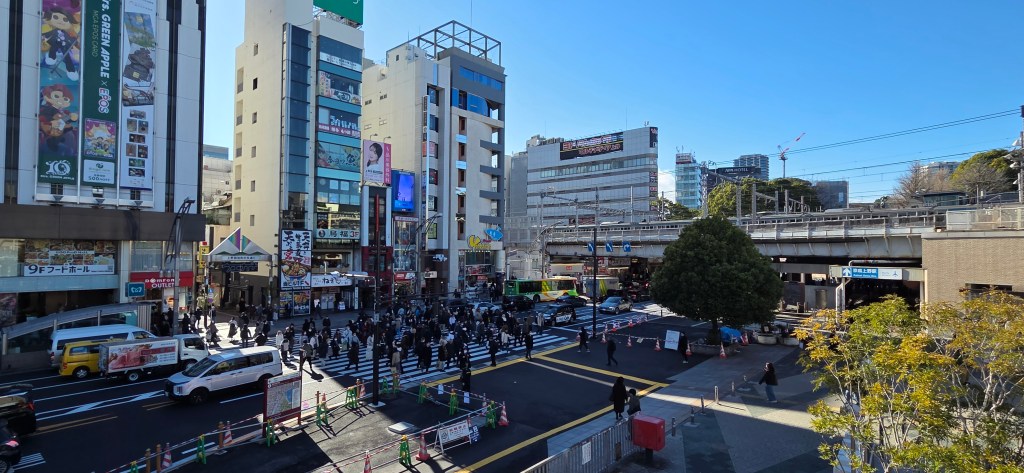
Asakusa district
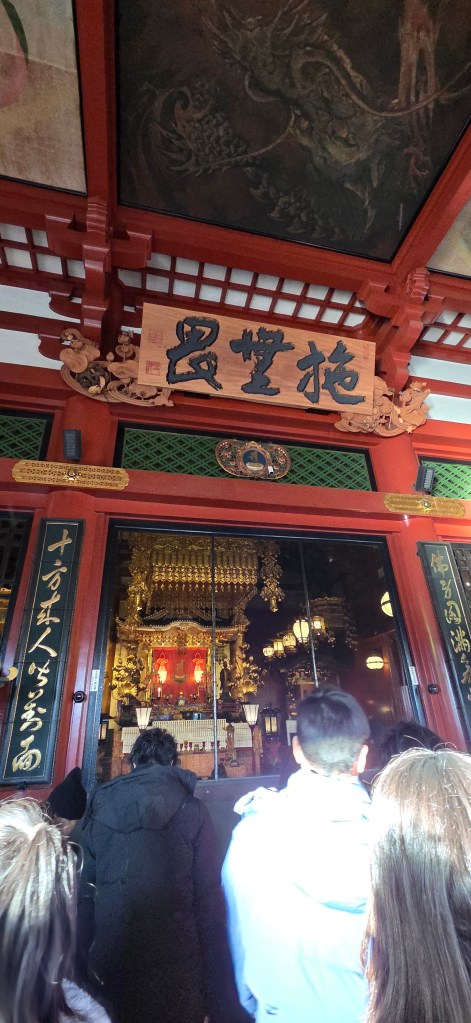
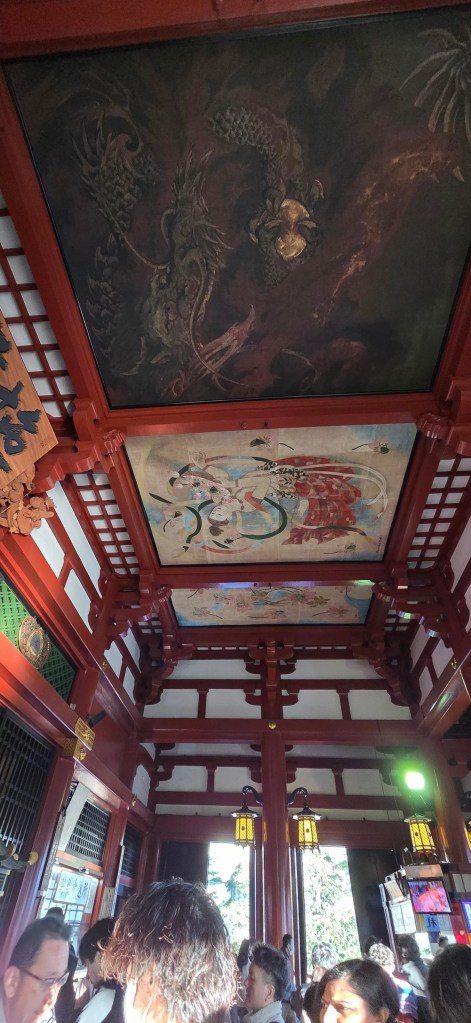
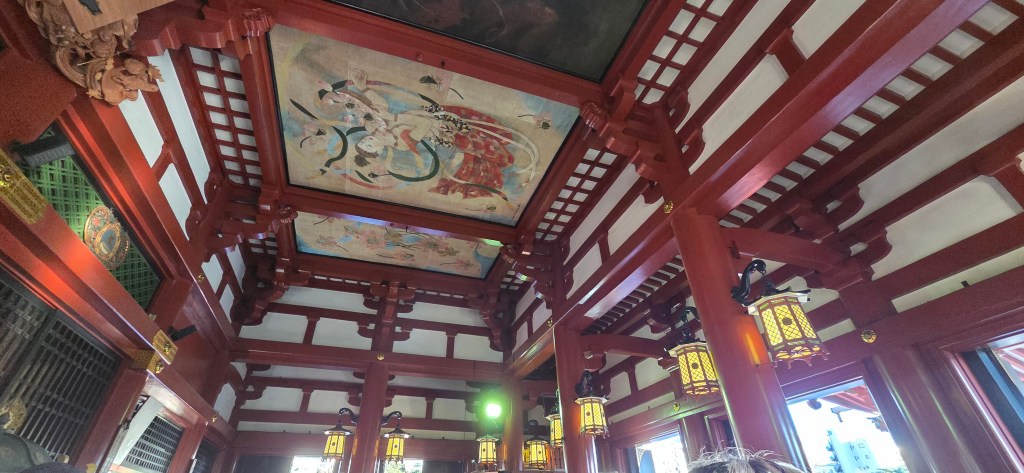
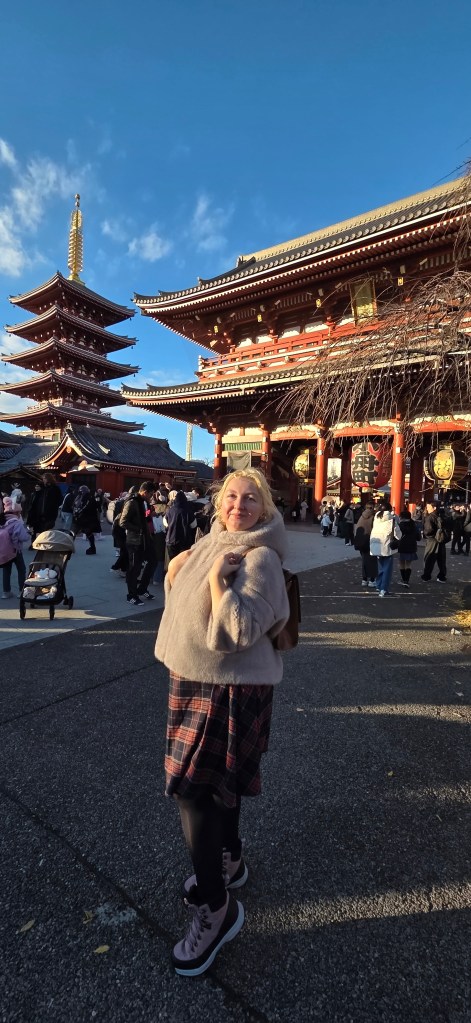
Asakusa is one of the oldest neighborhoods in Tokyo, centered around Senso-ji temple, which was founded in the 7th century. During the Edo period, the area became a major entertainment district filled with theaters, shops, and restaurants for visitors coming to the temple.
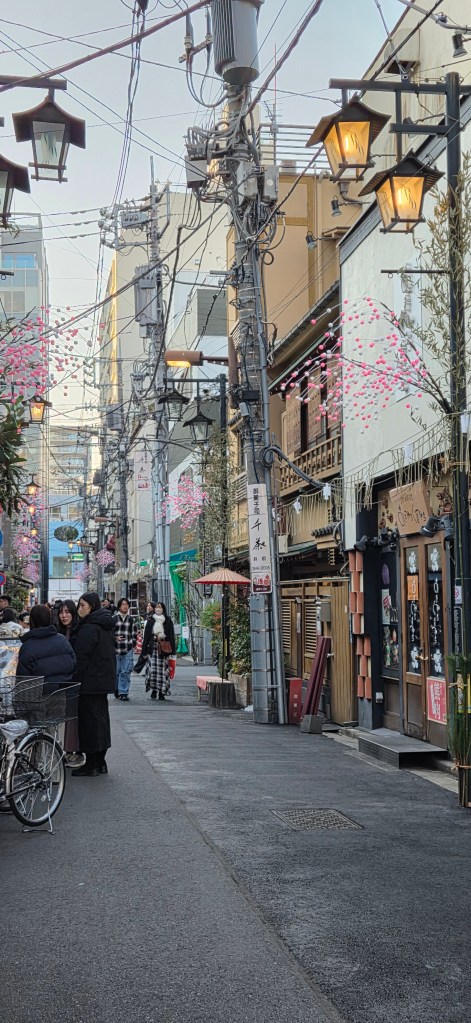
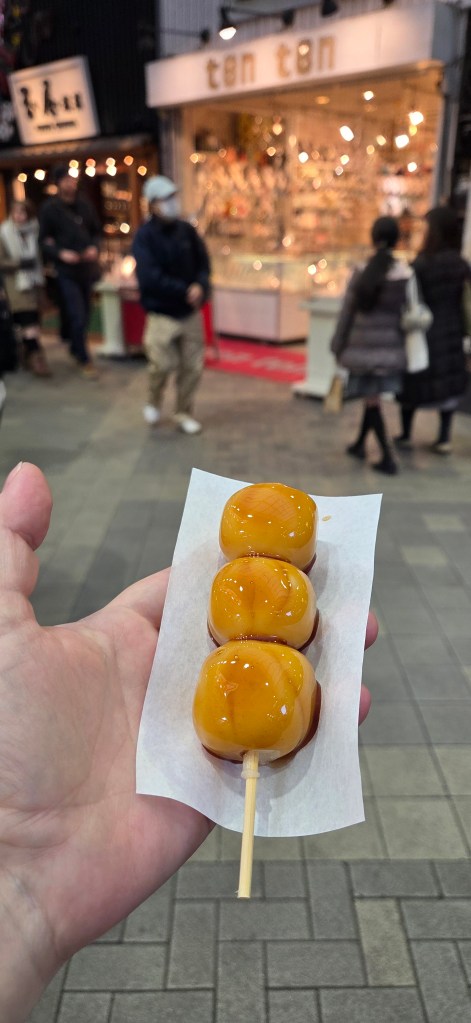
Today Asakusa is a lively historic quarter where traditional markets, street food, temples, and cultural festivals preserve the atmosphere of old Tokyo. I would say my favourite of Tokyo!
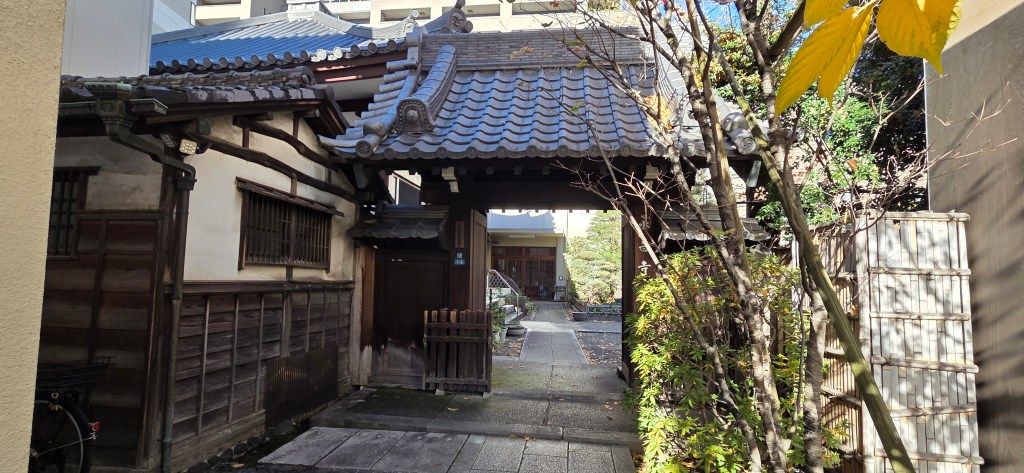
Lunch was a super quick stop – Japanese curry and tempura, and tonkatsu. Just near the birthplace of Japanese judo – or at least one style of it. The day was full of light, but short.


Senso – ji temple was founded in 7th century after two fishermen discovered a Kannon in the Sumida River. Kannon is was founded in 628 AD after two fishermen discovered a statue of Kannon in the Sumida River. Kannon is the Japanese version of the Buddhist Goddess of Mercy. She listens to the cries of the world and is one of the main spiritual figures in Japanese Buddhism.
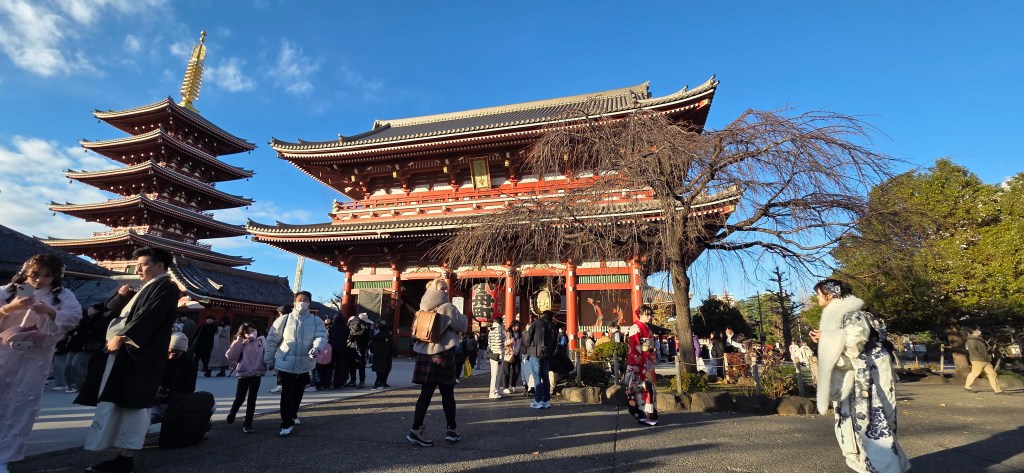
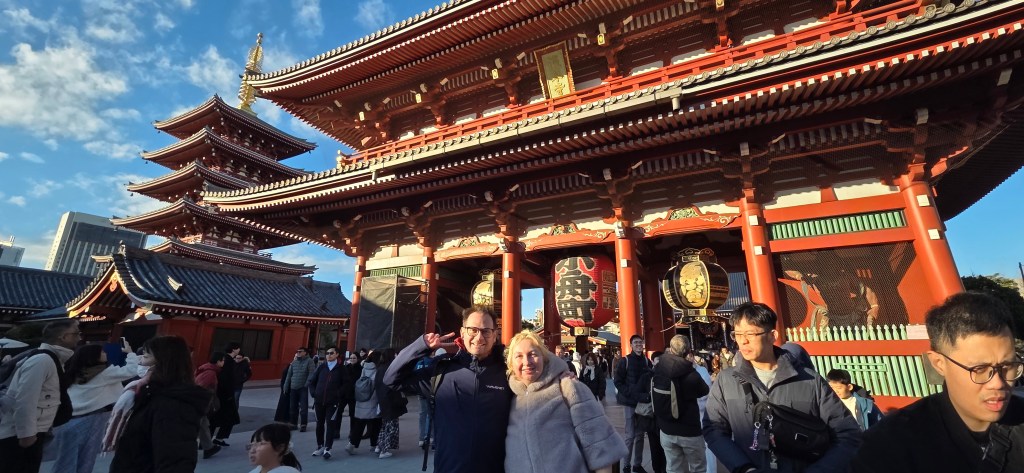
During the Edo period, Senso-ji became a major pilgrimage and cultural center, although much of the complex was destroyed during World War II and later rebuilt.
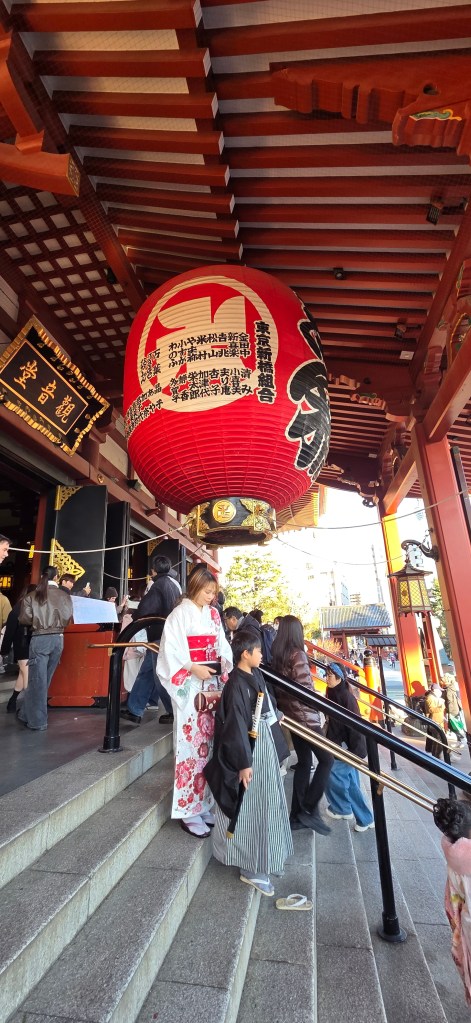
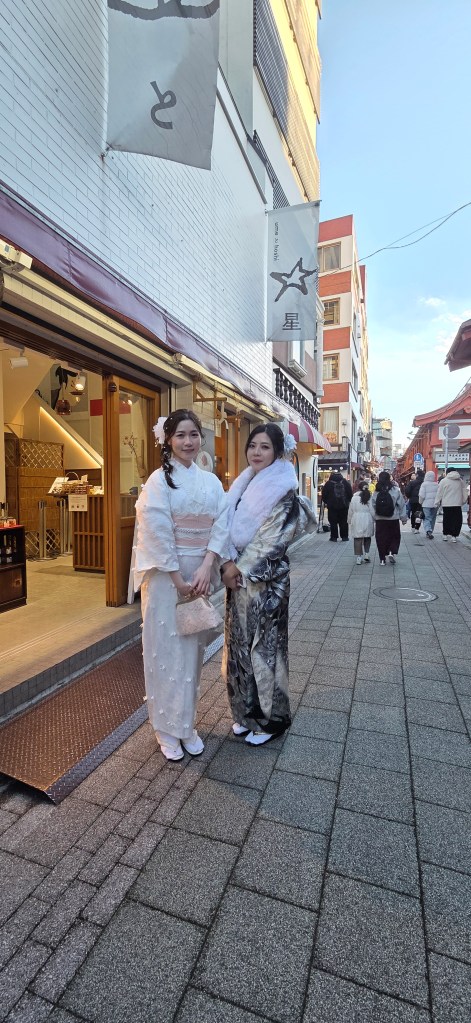
You can rent the geisha or geiko clothes in many shops around and cosplay the japanese tradition. It was cute to see girls walking ungracefully in those fabrics and terribly short shoes. I stayed with my winter fashion clothes, with the bag that I bought at the Amerikoyo market. 😛
Shinjuku district
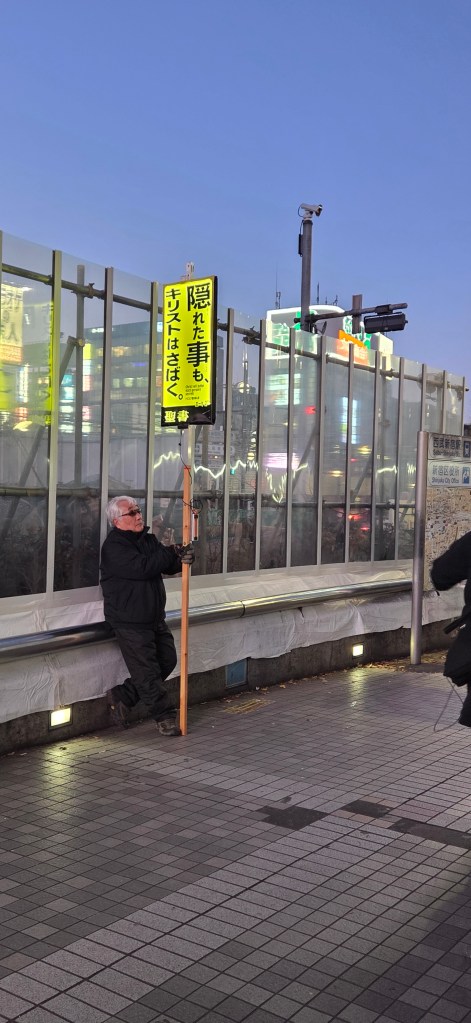
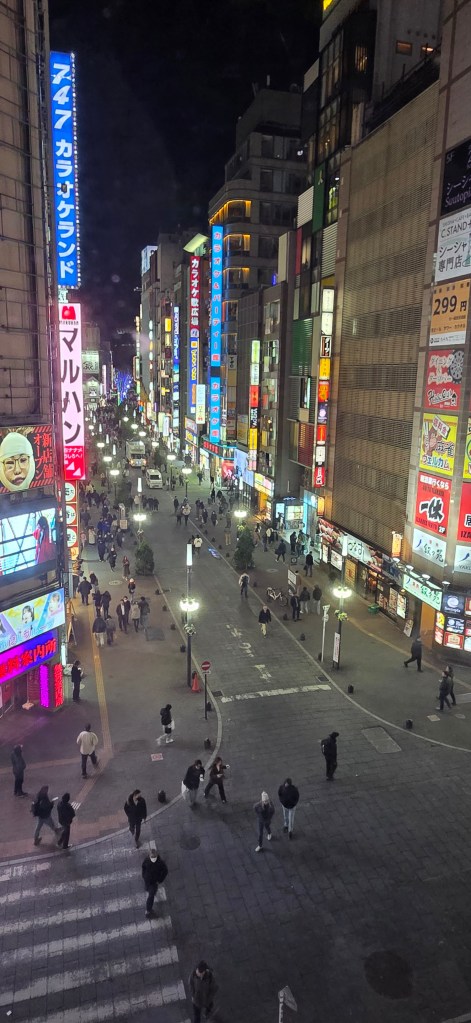
Don’t know how we managed to get out of the Shinjuku station, but here we are, with this guy here holding a sign: Christ will just each person’s secrets. And the 4D cat commercial is just 100m away. That was the beginning of the night.
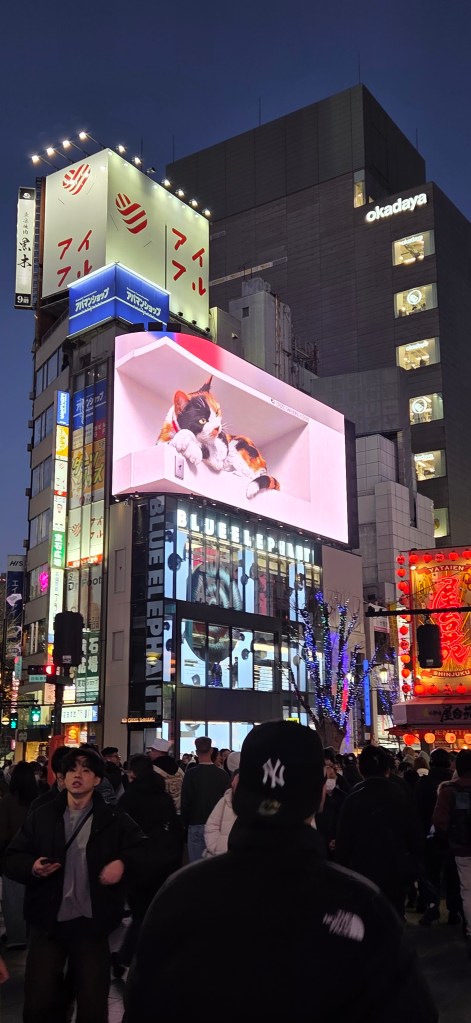
The district developed in the Edo period as a post town along one of the main roads leading into Tokyo, providing lodging and services for travelers. After World War II, the area was heavily rebuilt and gradually transformed into one of Tokyo’s busiest urban centers. Today Shinjuku is known for its skyscrapers, shopping districts, nightlife, and the extremely busy Shinjuku Station, which trappes millions of passengers every day. 😛
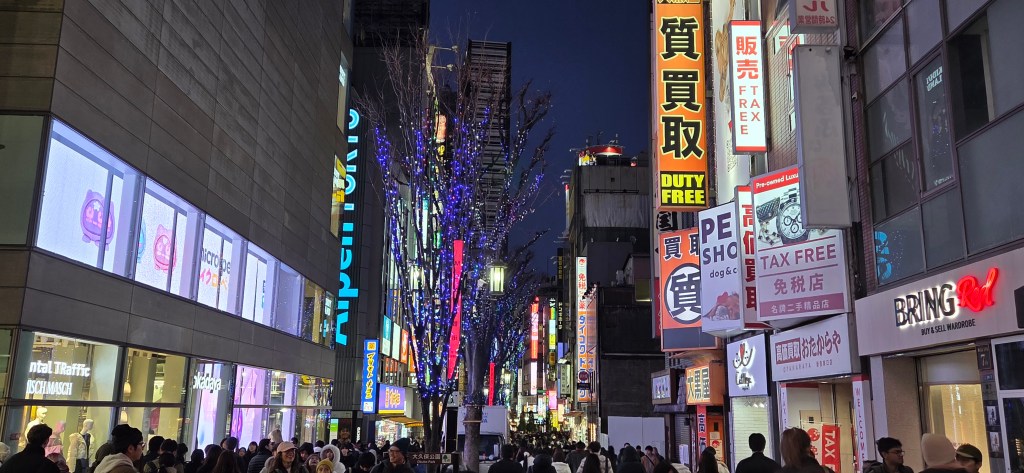
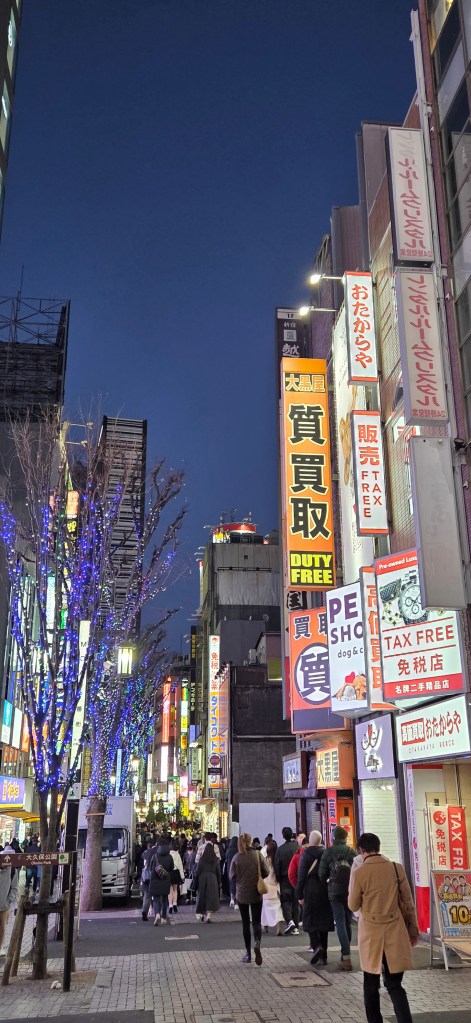

My eyes wanted to make harakiri. All these neon light and blink blink!

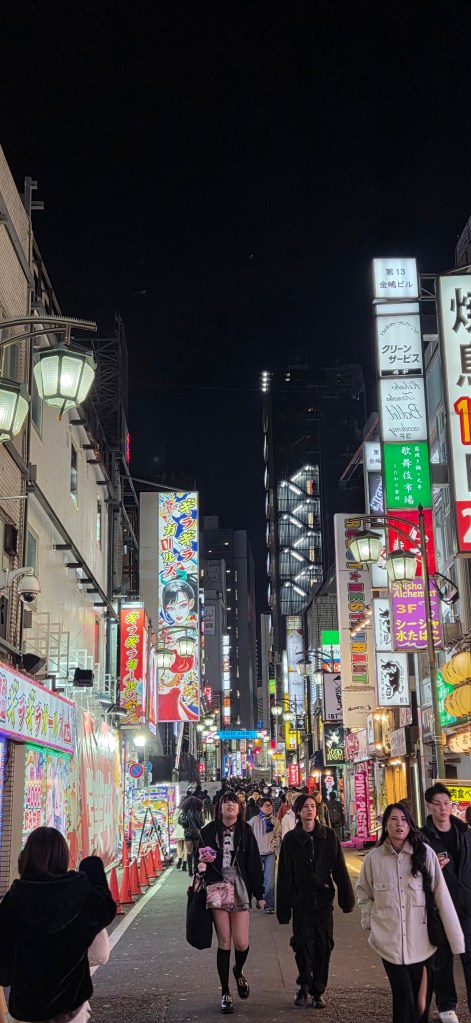
said, ma’am, this is more for serious business men. So I understood immediately what it is about. I said thank you and I turned.
In Shinjuku, especially around areas such as Kabukicho, it is common to see young women standing outside buildings holding signs and inviting customers into bars or clubs. These women are often promoting hostess clubs, a type of nightlife venue where female hosts entertain male customers—usually businessmen—by talking, drinking, and creating a relaxed atmosphere after work, a practice linked to Japan’s corporate culture of after-hours socializing.
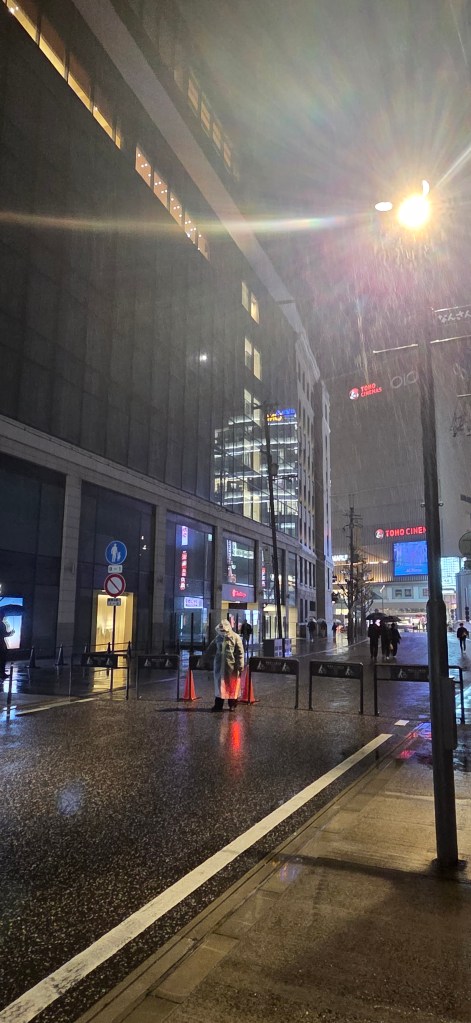
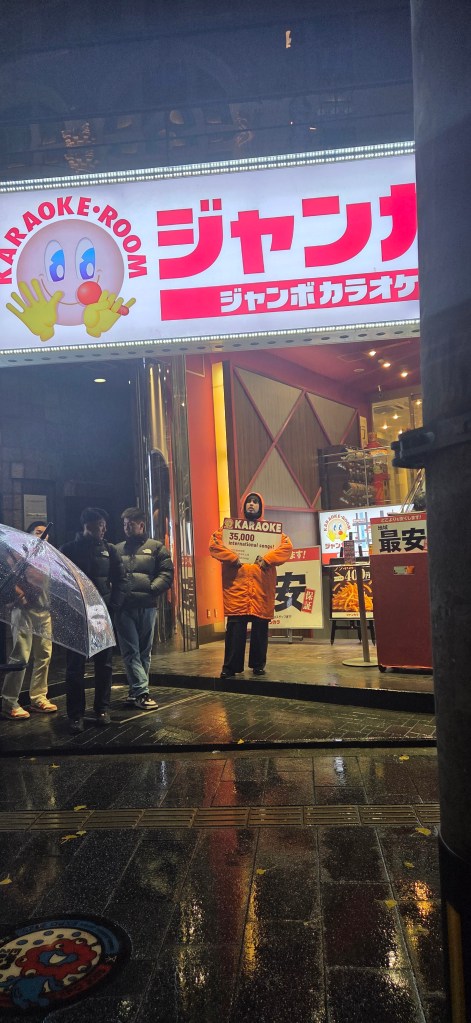
I accidentally filmed a group of girls standing in short skirts and holding promotional signs in front of the buildings. A man immediately put his hand over my camera, and the girls quickly hid themselves behind the banners they were holding.
Later, out of curiosity, I approached one of the clubs where businessmen usually go after work. The host at the entrance adjusted his tie and politely told me that the place was intended only for serious businessmen, so I understood immediately and simply turned around. O.O
A quick stop at a small dumpling shop where cooks prepare fresh Gyoza behind the glass.

My day was done when I saw this creature above 🙂 Japanese can be so quirky sometimes.
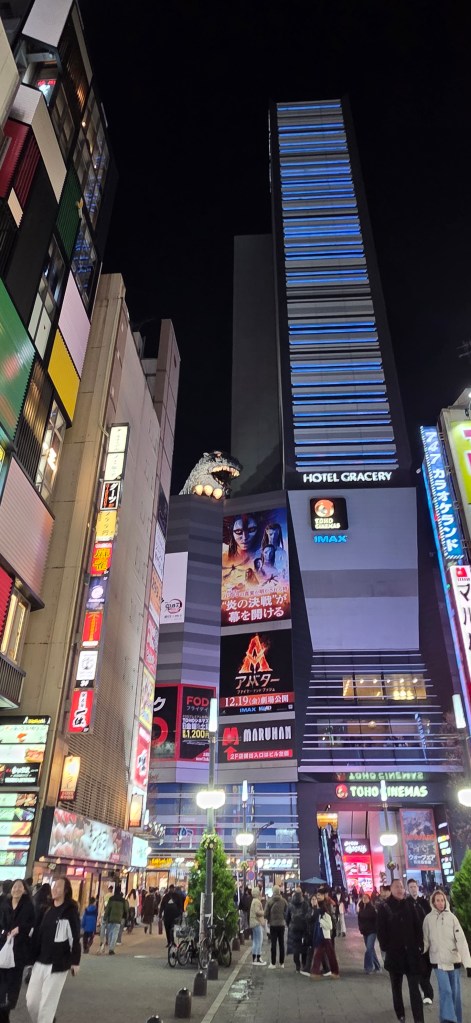
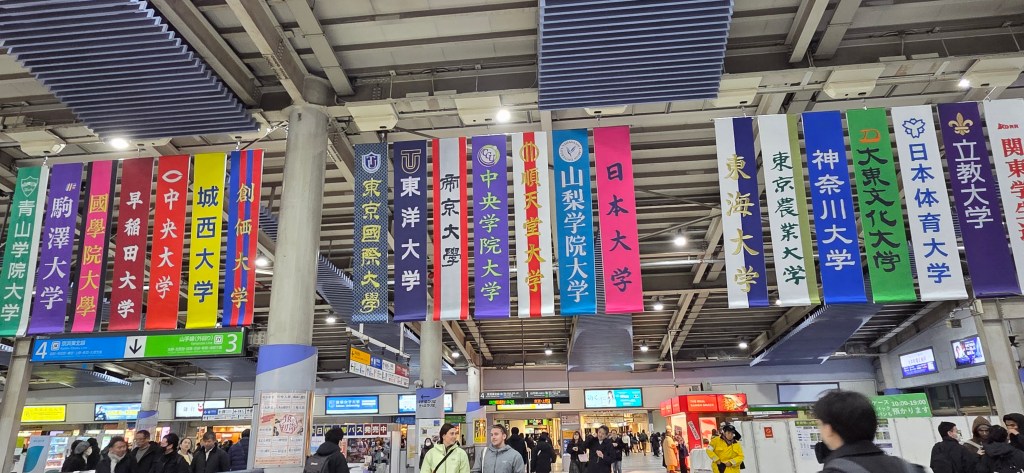
Back to Taganawa station and our hotel, if I survive Shinjuku station first. This time we passed nearby the banners of many universities showing strong importance of education in Japan. I googled that out of curiosity. Many times I would pass through environments I didn’t understand – I felt total tabula rasa so many times in Japan.
One quick reward for the successful day. Slavs will understand 🙂


Marunouchi: Imperial district
The area called Marunouchi is one of the most important financial and corporate districts in Tokyo, located between the Tokyo Imperial Palace and Tokyo Station. The area developed in the late 19th and early 20th centuries when Japan was rapidly modernizing and adopting Western urban planning and architecture.
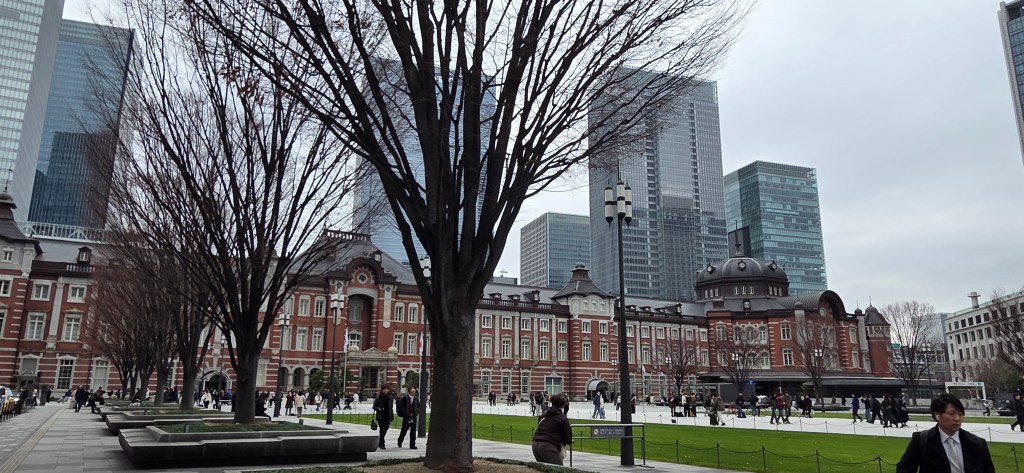
Today Marunouchi is filled with tall glass skyscrapers housing major banks, corporations, and international headquarters, giving it a very global and modern appearance. At the same time, the red-brick facade of Tokyo Station and the wide boulevards lined with trees reflect strong European architectural influences, making this district feel quite different from the older neighborhoods of Tokyo.

I took a chance to have breakfast in one of the posh European-style buildings.
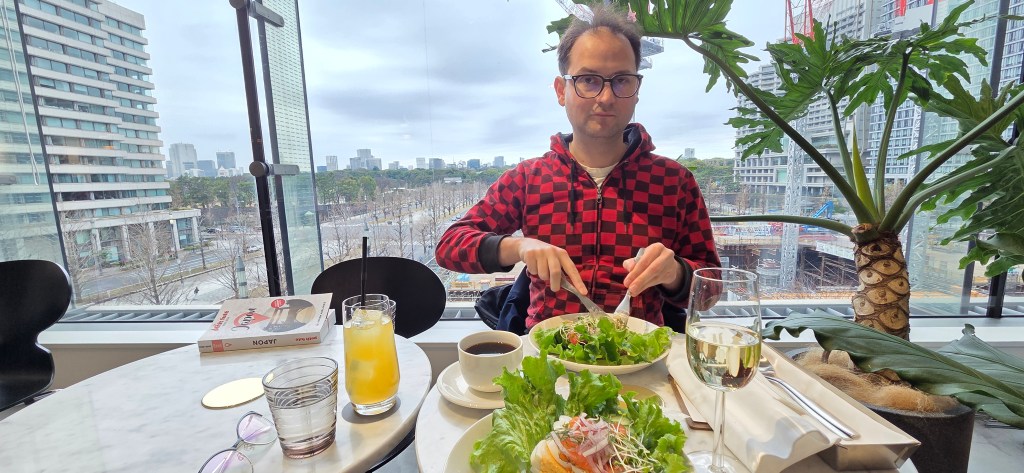

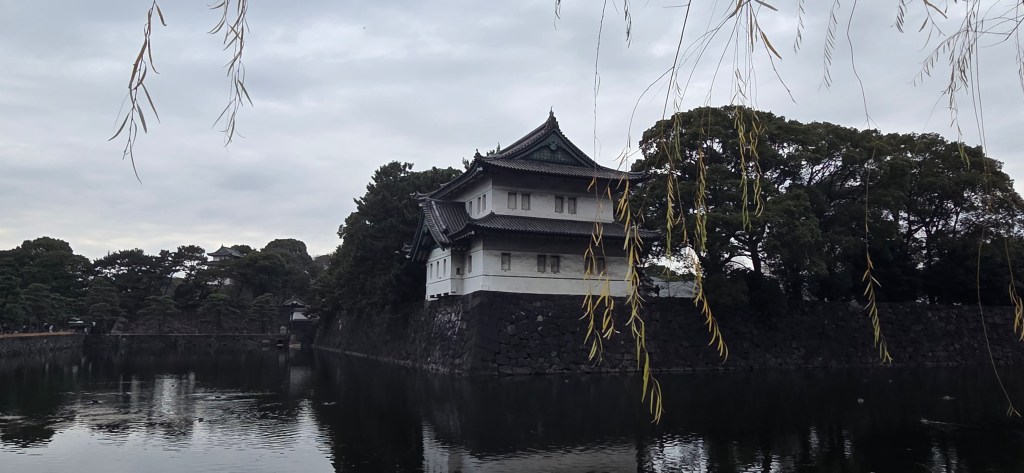
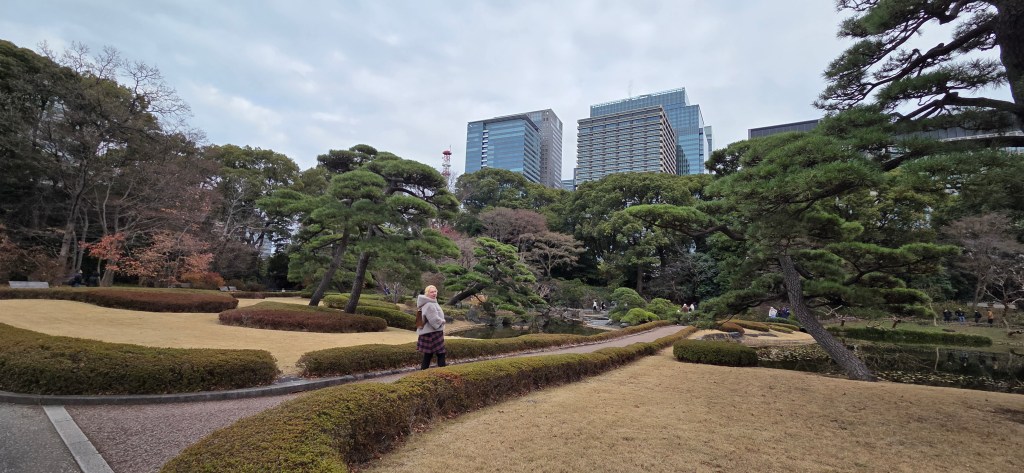
The station stands just across from the Imperial Palace East Gardens, making this part of Tokyo one of the city’s historic and administrative centers.
Toyosu fish market
Our last day was planned for the Toyosu fish market. Twice we woke up at 4:30 to catch the famous licitation, and both times we failed and came too late.
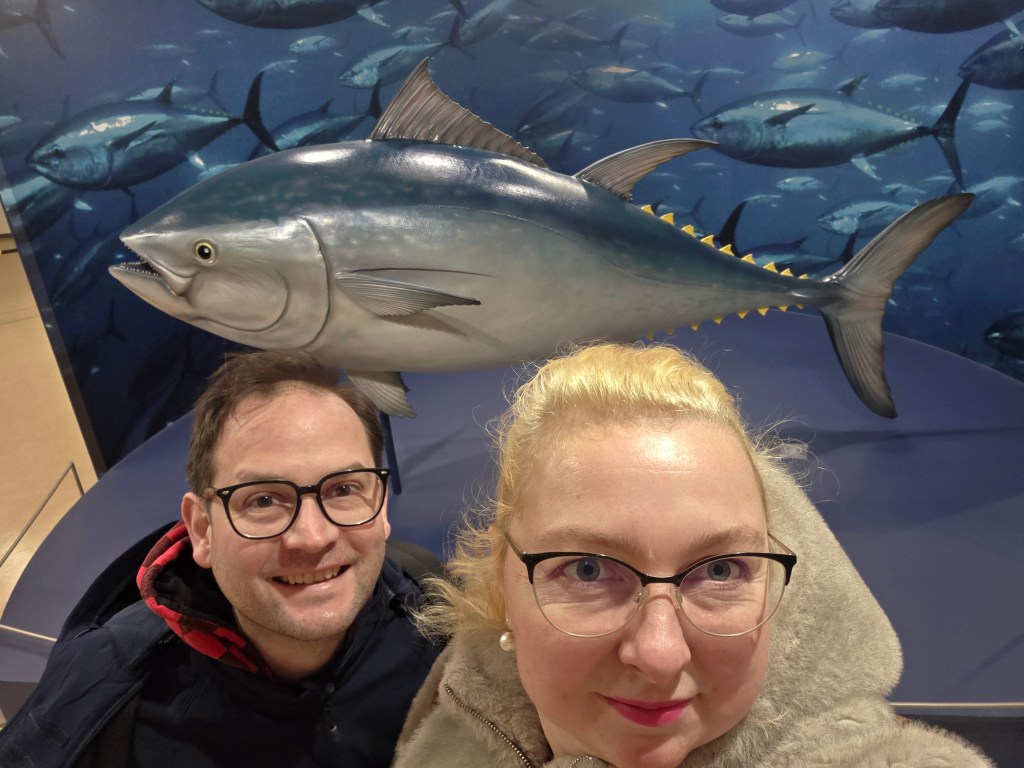
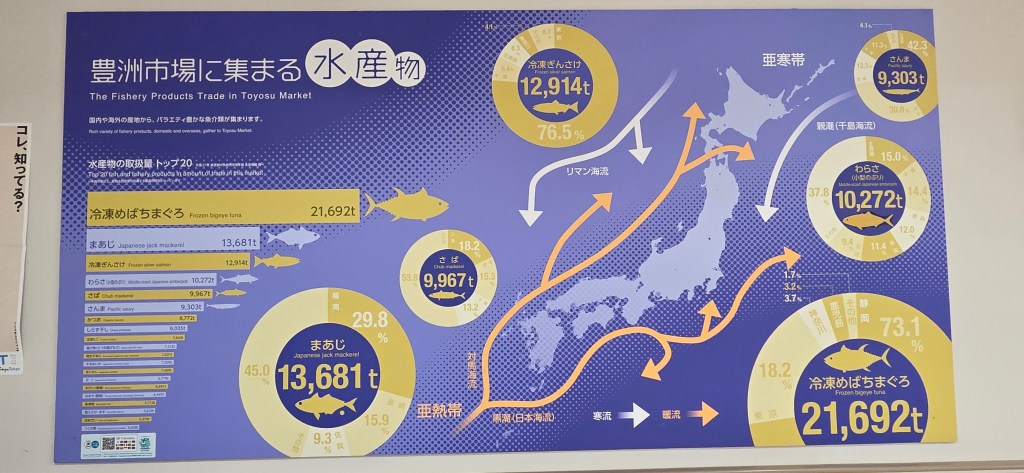
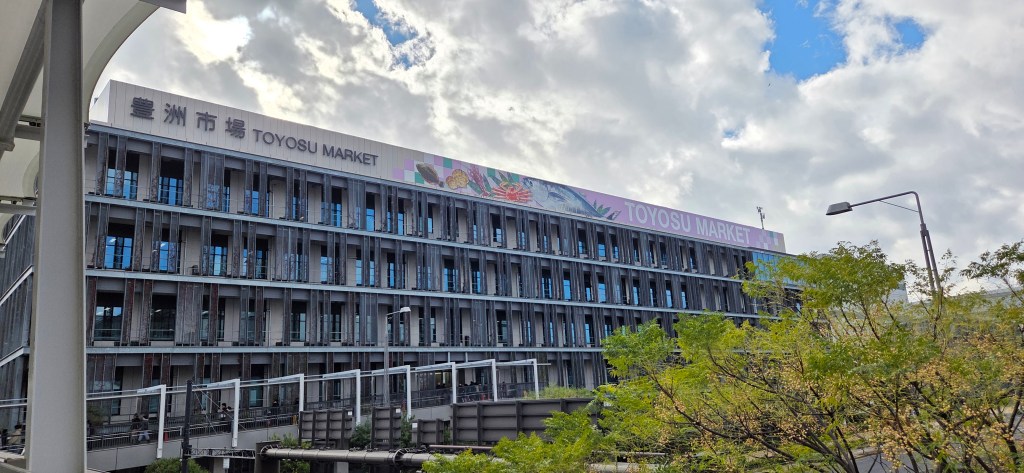
The Toyosu Market is the main seafood market in Tokyo, opened in 2018 to replace the historic Tsukiji Fish Market. It is one of the largest fish markets in the world and is famous for its early morning tuna auctions, where huge bluefin tuna are sold to restaurants and sushi chefs.
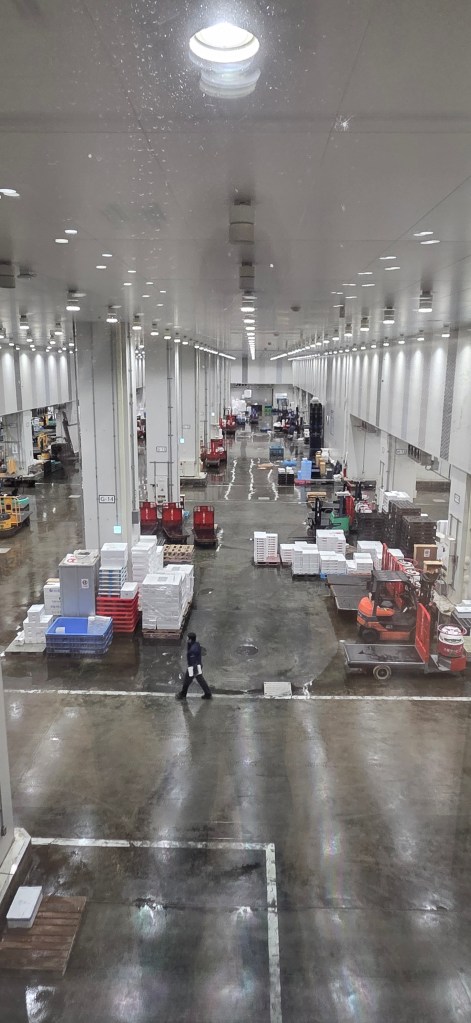
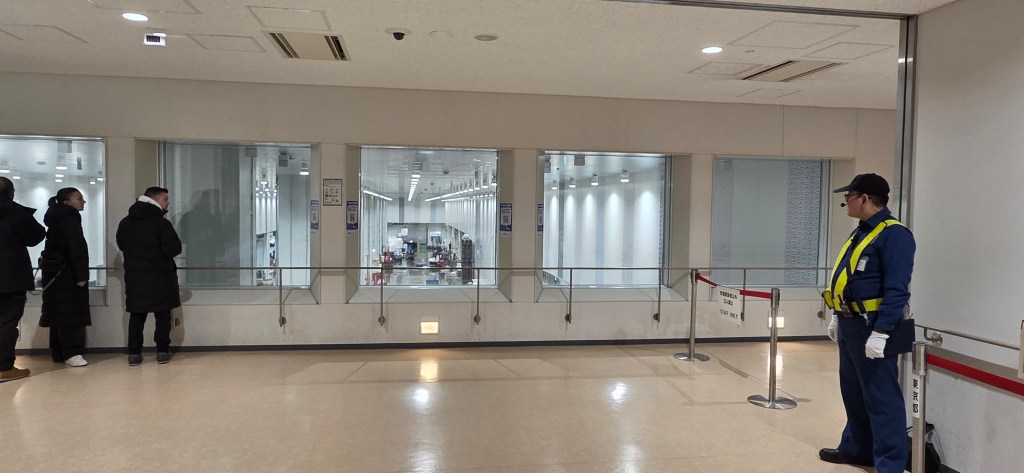
Unlike the old Tsukiji market, Toyosu is modern, very clean, and visitors observe the auctions from glass viewing galleries above the trading floor.
Although it is a fish market, everything is super clean, does not smell on fish, floors are not wet nor sticky. Japan, wow!
We found a tiny Izakaya where locals queued patiently for sushi. Later we found out it’s actually local choice. Inside were two men: an elderly master chef and his apprentice, preparing sushi directly in front of the guests. The chef watched our faces carefully and began serving different pieces one by one, almost reading our reactions. From time to time he asked something in Japanese, we answered “hai,” not really knowing what he said, but trusting his choices—and the whole scene felt wonderfully authentic.
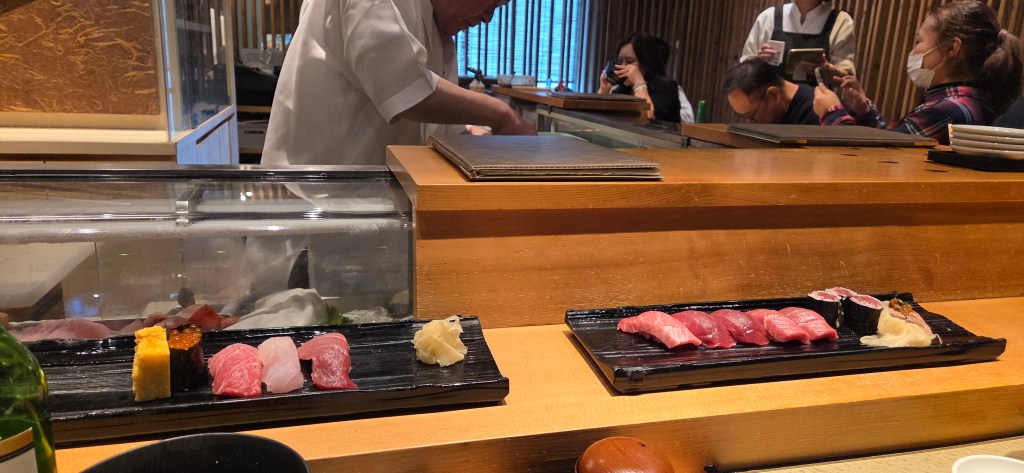
There are three types of tuna: fat, medium fat and not fat. I preferred the medium fat. But my all time favourite sushi in Japan is the sea orchin.
After the market we took the Yurikamome Line, a driverless train that runs on a one track above the city – like in the attraction parks. From the window we had an incredible skyline view of the rivers, bridges like the famous Rainbow bridge, and modern buildings of the bay area around Tokyo Bay. The ride itself felt like a small sightseeing tour through the sky.
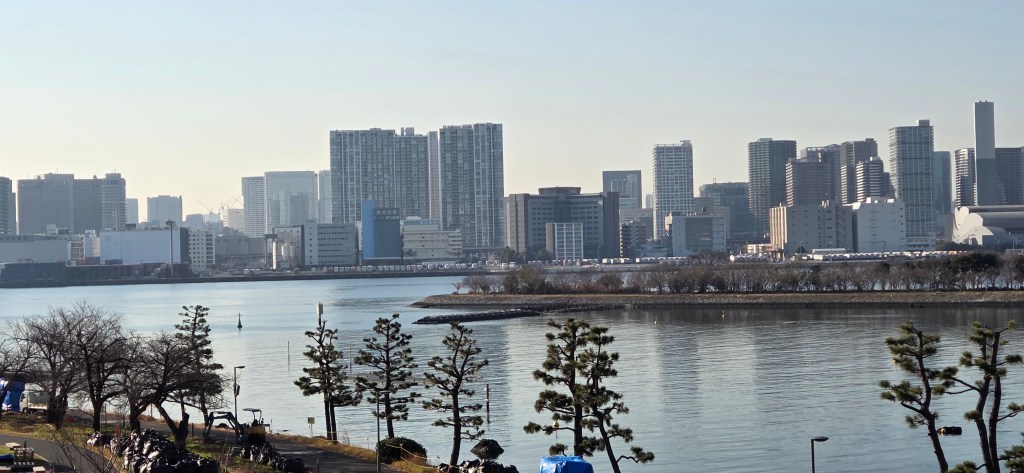


A view on the Toyota Arena 🙂
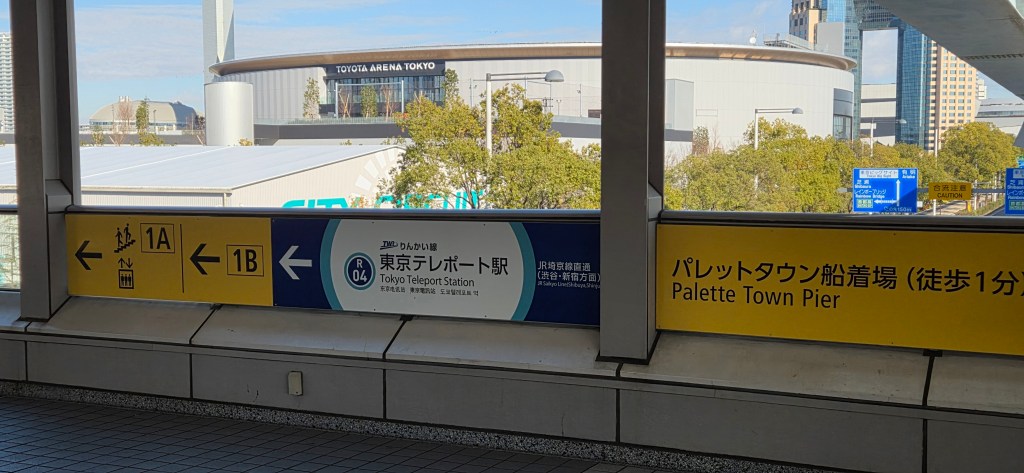
And myself having a wonderful time updating my social media accounts 🙂 so futuristic!
Later I found out this was the Olympic village for the Olympic games in Tokyo 2020 (but held in 2021 due to the COVID-19).

For all the 90’s kids who used video recorders and video cassettes, pay attention to this Fuji television building. It is one of the largest private TV broadcasters in Japan.
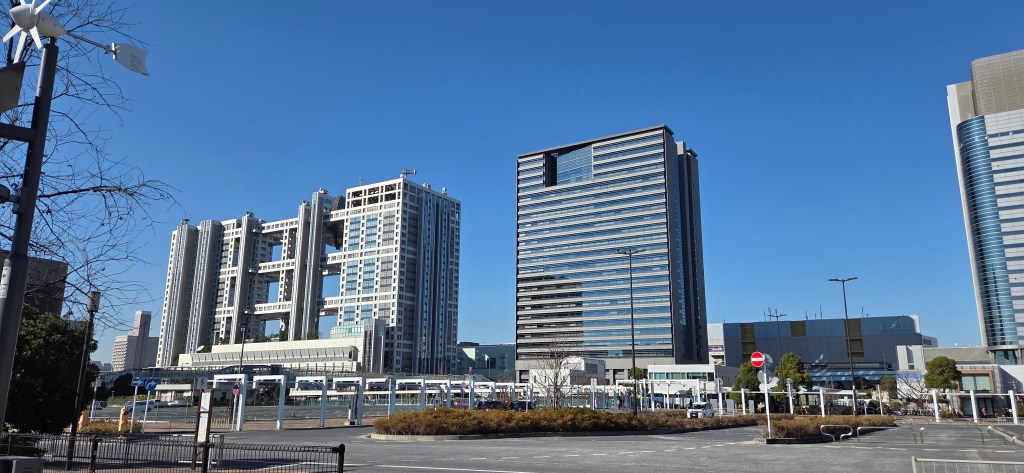
This entire area is actually very entertaining and full of kids’ content. Just to mention, I had to pilgrim to see this guy – some Evangelion.
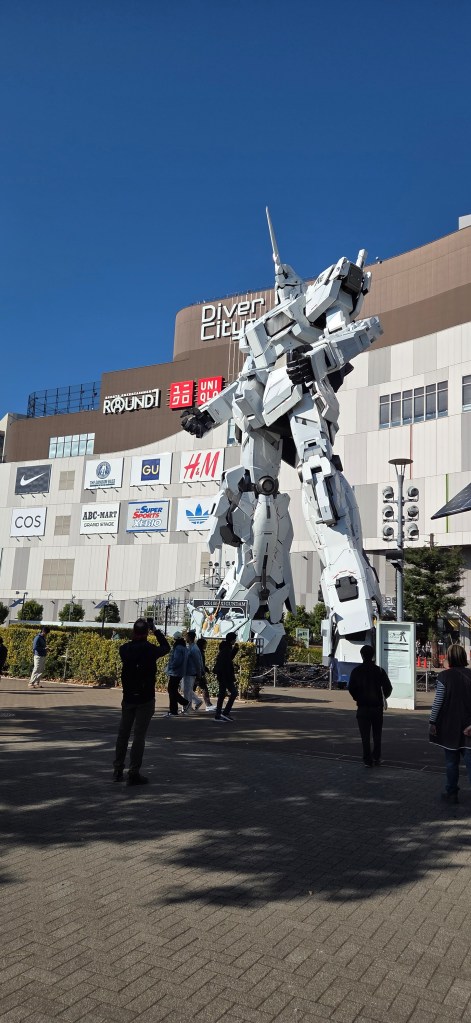
One thing I didn’t mention in Japan, vending machines are everywhere, and you can buy both cold and hot drinks from them. In summer, when the heat and humidity make you sweat a lot, the machines offer many cold refreshments, while in winter they switch to hot tea, coffee, and other warm drinks. How thoughtful. 🙂
SHIOJIRI
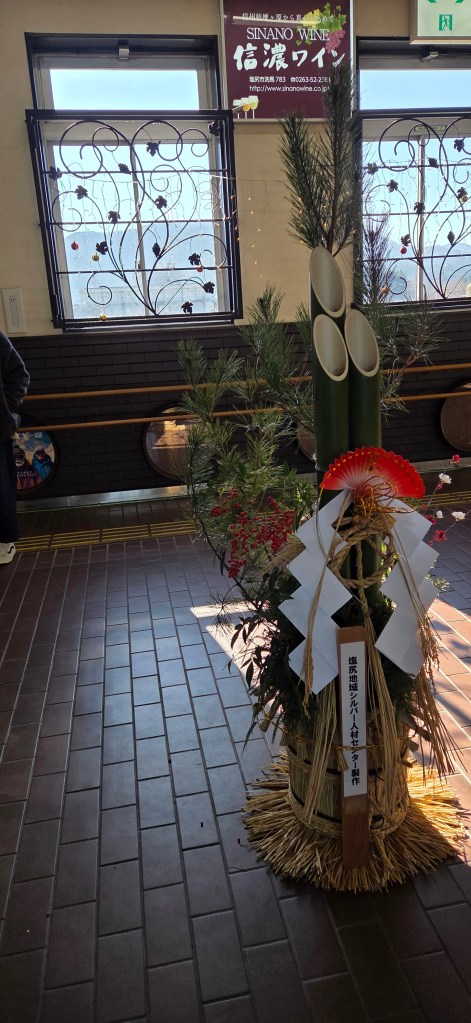
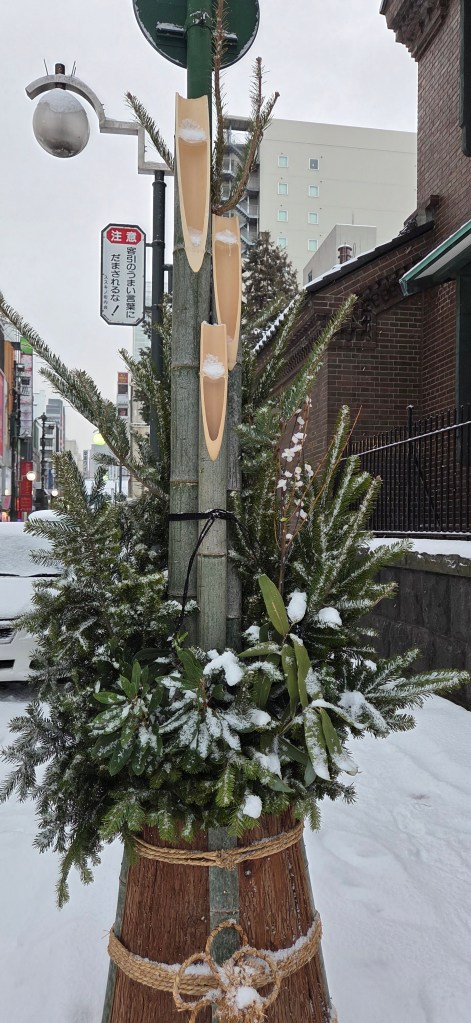
Moving North, and noticing some frost. Also, it was New Year’s (Shōgatsu), and many places were decorated with bamboo, pine branches, and sometimes plum, symbolizing strength, longevity, and renewal. The decoration is meant to welcome the Toshigami, a deity believed to bring good fortune for the coming year.
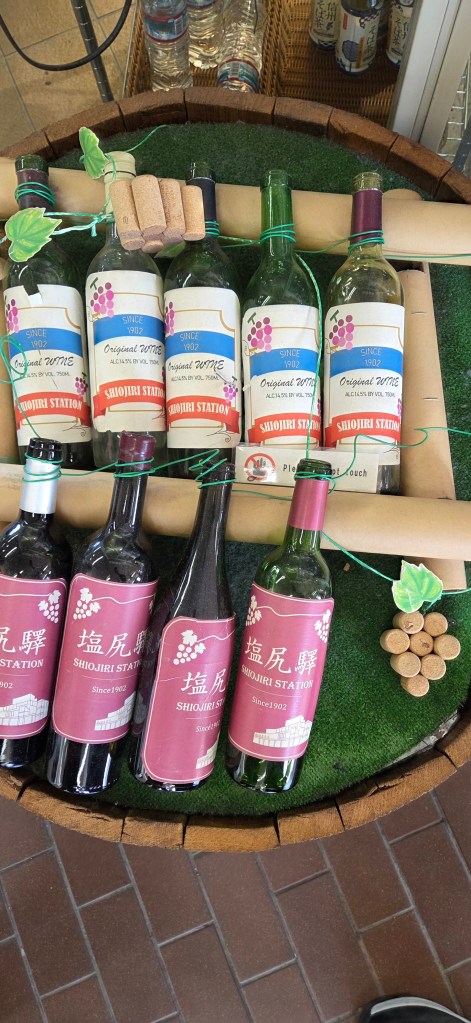
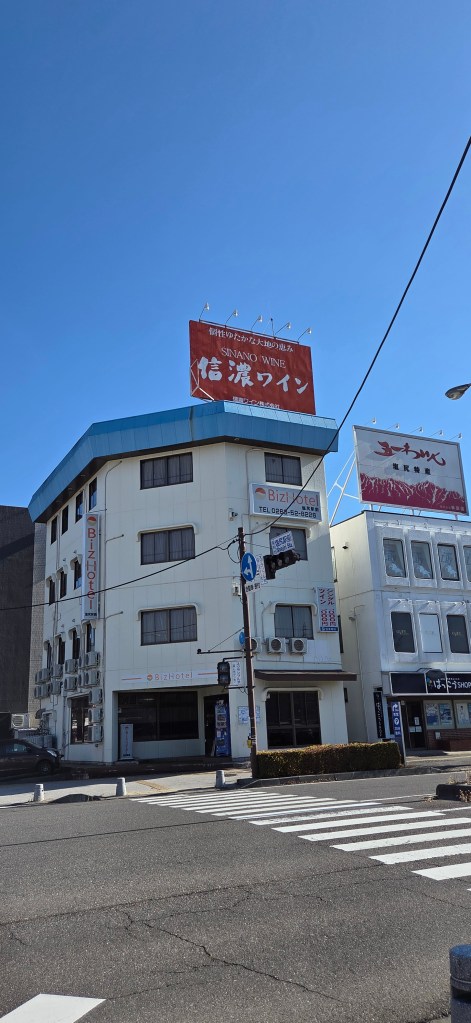
Shiojiri is one of Japan’s best-known wine towns, located in the highlands where the climate is suitable for grape cultivation. I totally wasn’t going for that, but I was glad I could reward my taste buds.
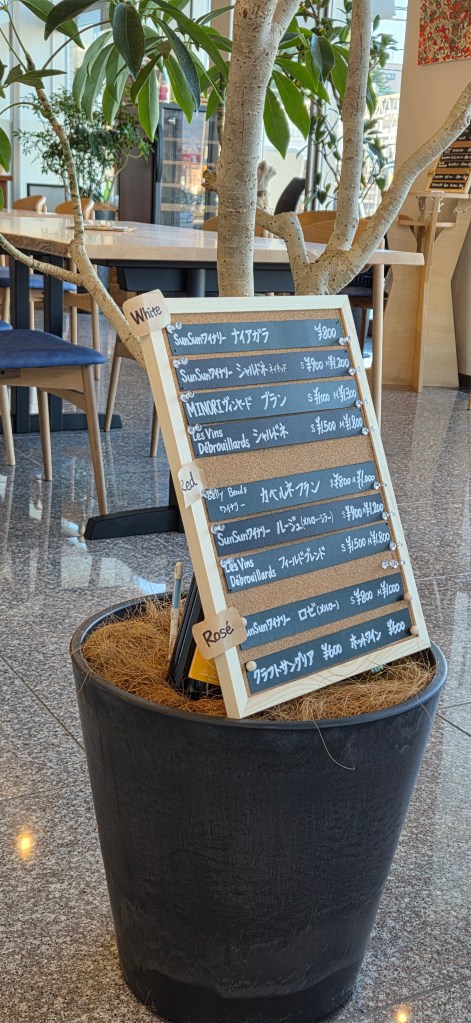
Japanese people do not drink much alcohol. Because of genetics, many Japanese people have a lower tolerance to alcohol, so they often drink less than people in many Western countries. Drinks like Sake or beer are common during these gatherings.
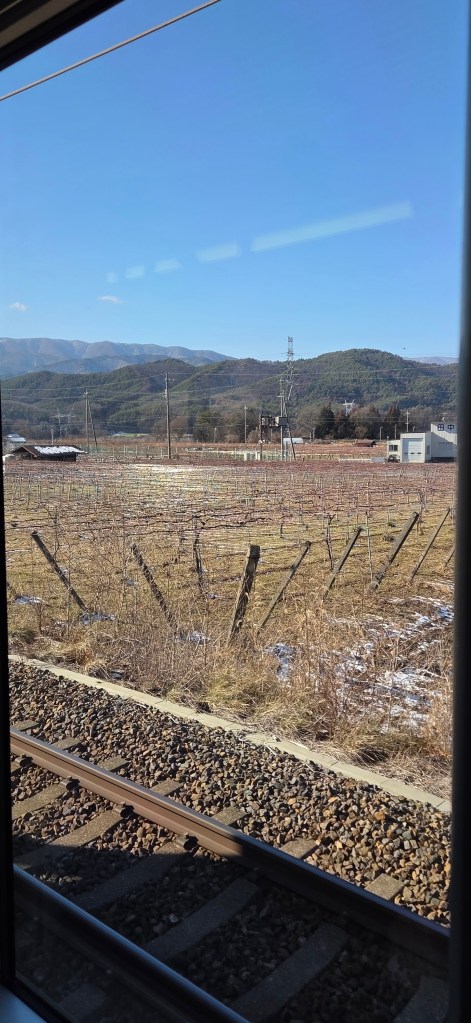
Wine came here from Portugal and successfully stayed due to the good climate. Naturally, I did some wine tasting. It was bad. The only good one was the chardonnay – but I mean, how much wrong can you go with chardonnay?

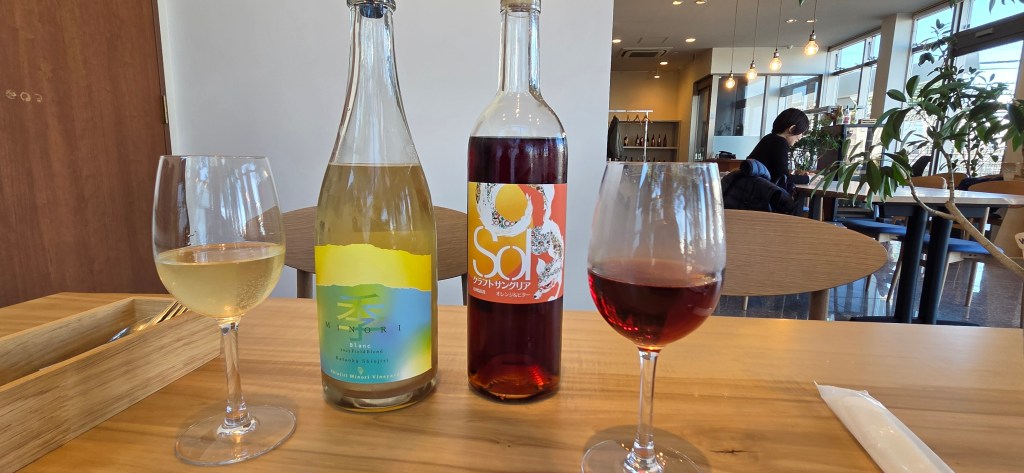
We were on our way to Nari-juku, actually, accidentally discovering this cité du vin. We stopped for lunch. That was a challenge. To order in a deep Japanese village from the japanese menu only. I tried to translate something using my phone and, my very beginner’s knowledge of the Chinese language.
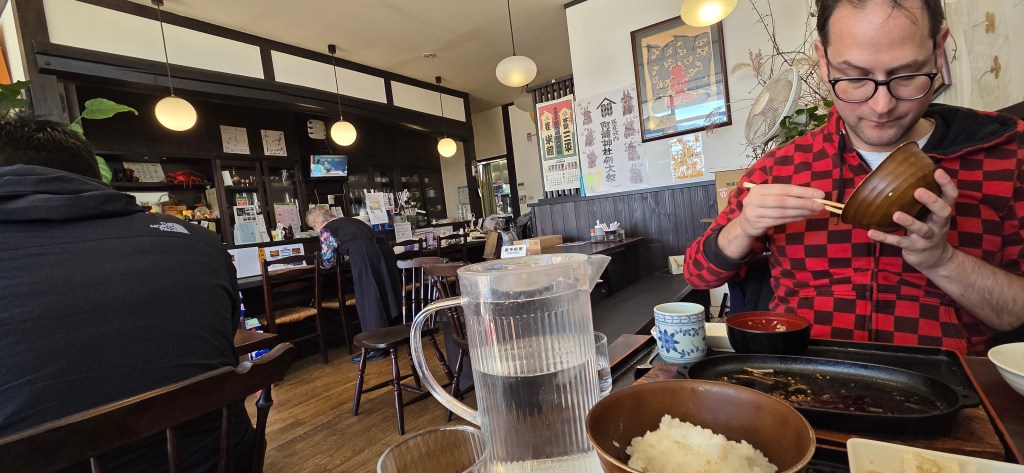
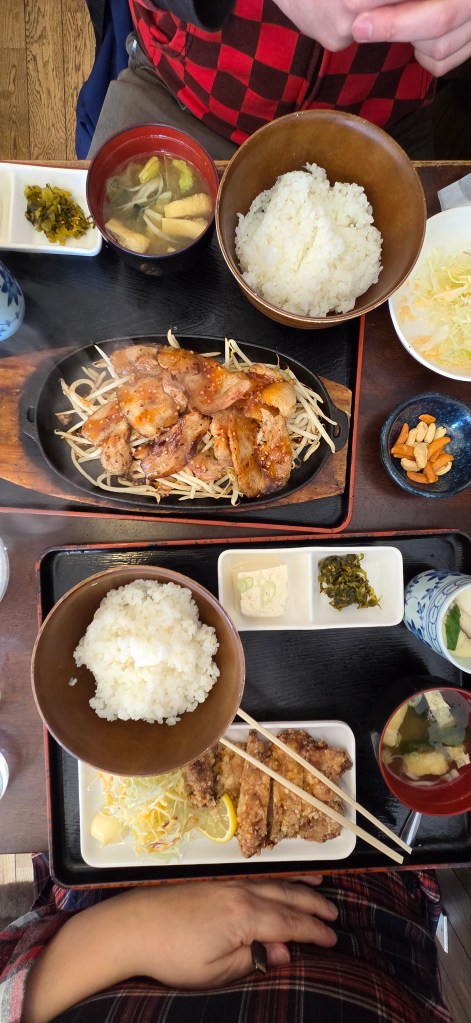
Japanese are very practical – the old owner of this canteen understood immediately the assignment and pointing with her fingers the number of orders. This was the result.
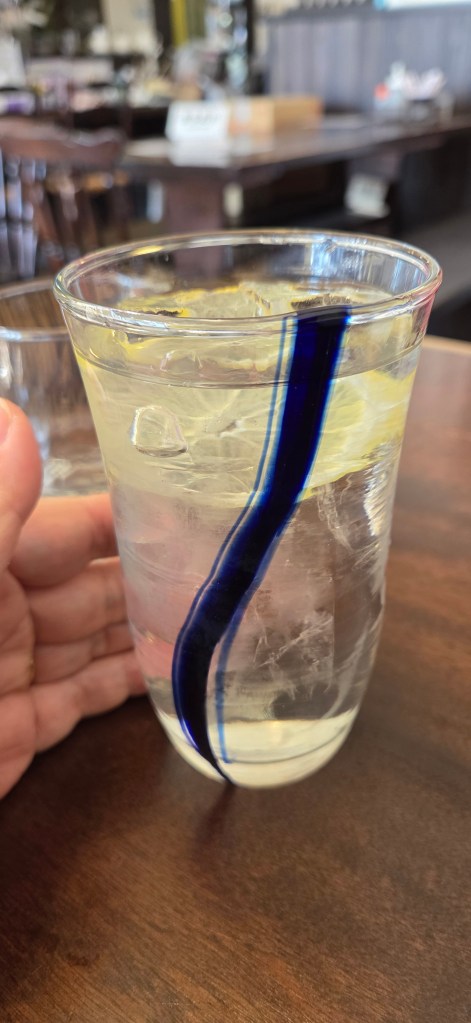
I am not sure what the drink was, but it tasted bliacky. Apparently a shochu.
NARAI-JUKU
Narai-juku developed during the Edo period as an important stop of the routes linking Kyoto and Edo (today’s Tokyo). Travellers, merchants, and samurai passing through the mountains rested there in inns and tea houses, which made the town prosper.
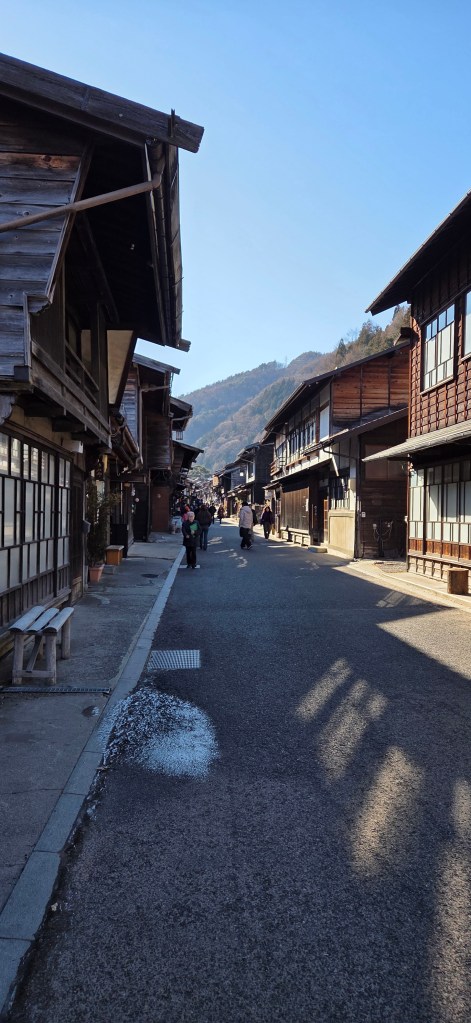
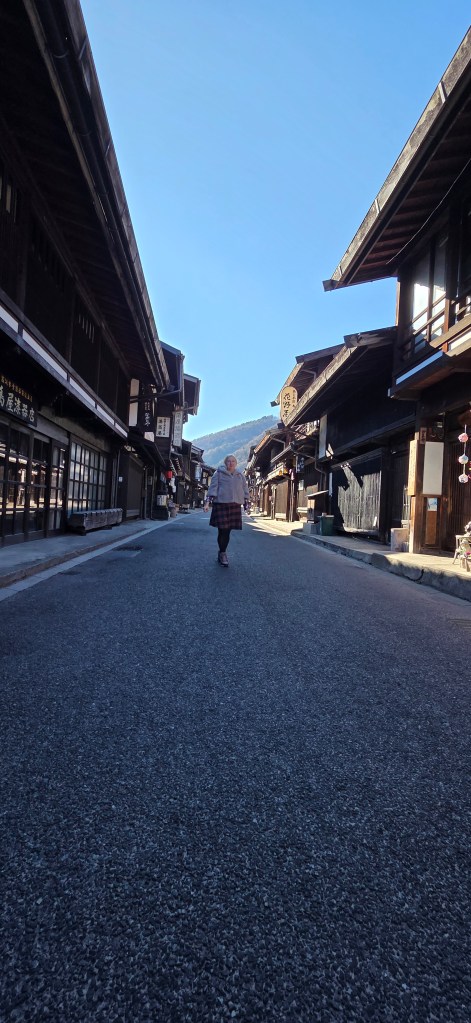

Because of its long street filled with preserved wooden houses, Narai-juku is today often called “Narai of a thousand houses” and remains one of the best-preserved historic towns in Japan.

Travelers were often inspired by the landscapes and towns they passed. In the 19th century, artists such as Utagawa Hiroshige created famous woodblock prints showing scenes from the road, which later became popular as postcards and illustrated books. These images helped document places like Narai-juku and allowed people to share and remember their journeys along this historic route.


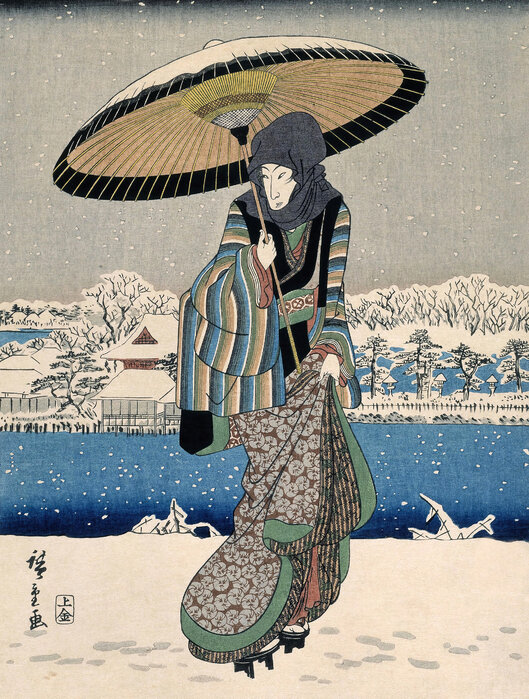
I totally fell in love with this style. The art technique is called Ukiyo-e. They became very popular during the Edo period and often showed landscapes, travellers, actors, and daily life.
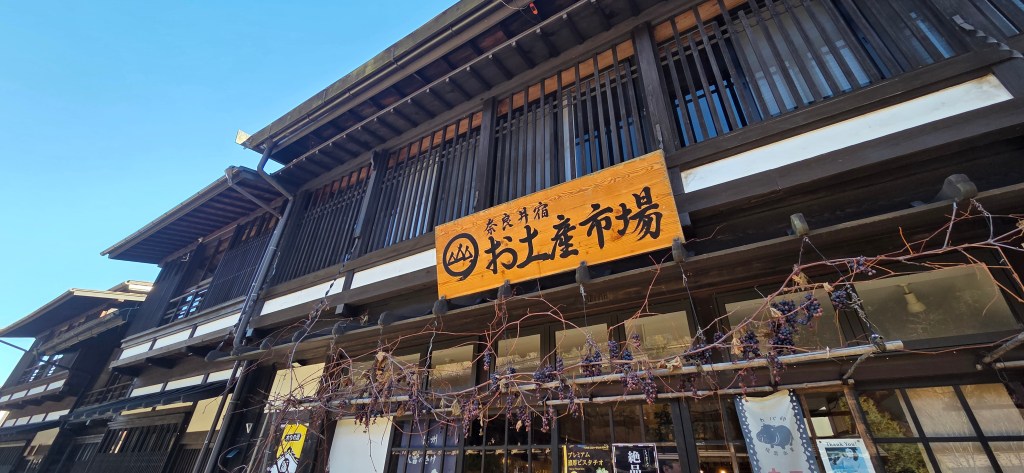
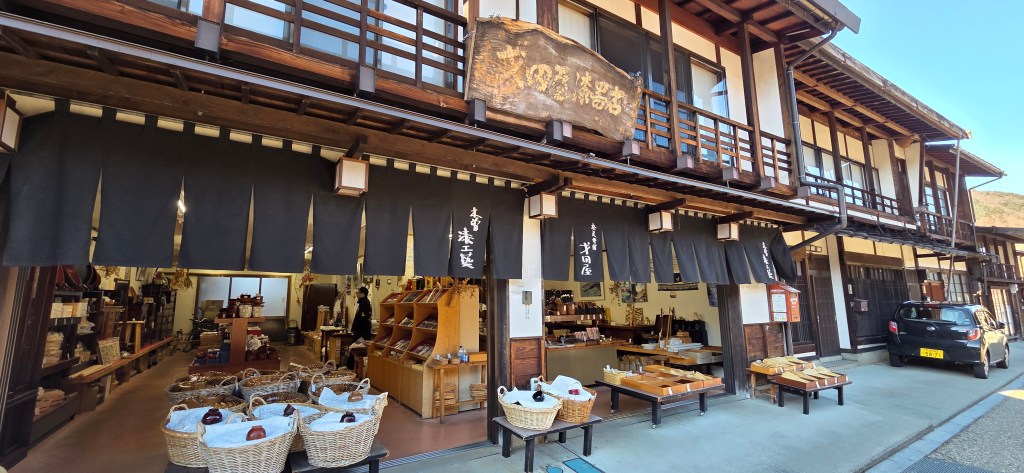
So what is Edo period that I keep on mentioning? It was a long era of peace and stability in Japan ruled by the Tokugawa shogunate (samurai rule). During this time, the capital was Edo (today’s Tokyo), while the emperor remained in Kyoto.
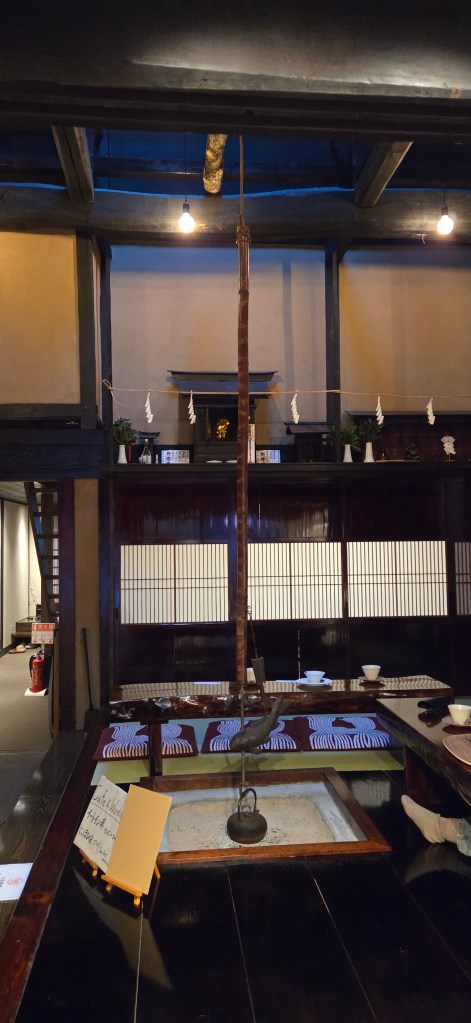
The period is known for strong social order, the rise of cities and merchant culture, and the development of arts, theater, and literature.
Guess the dinner? It is the best dish after spending the entire day outside in the cold.

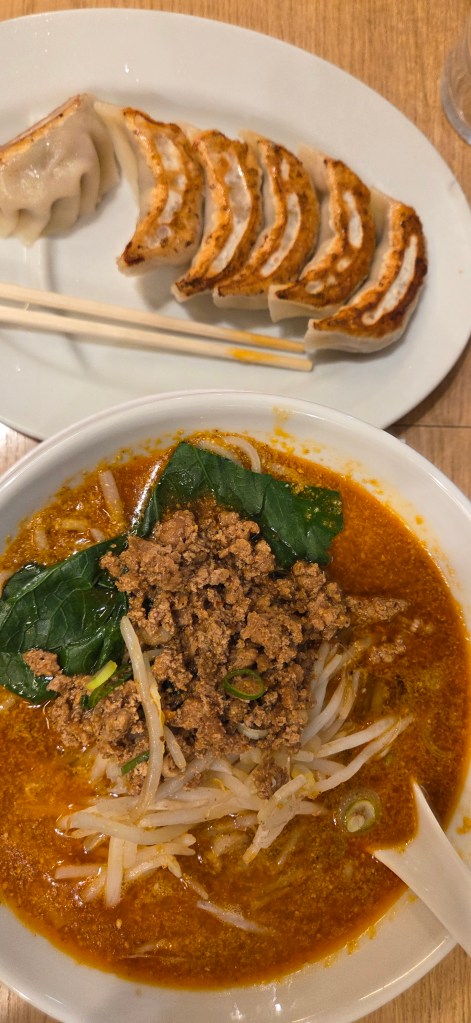
KAKUNODATE
More North, more crazy. Our shinkansen left us in Kakunodate. The city of samurai.

This is a well-preserved town in northern Japan known for its traditional samurai district. It was founded in the early 17th century during the Edo period, when samurai families lived in large wooden houses along quiet streets. Today the town is famous for these preserved residences and for its beautiful cherry trees that bloom in spring.
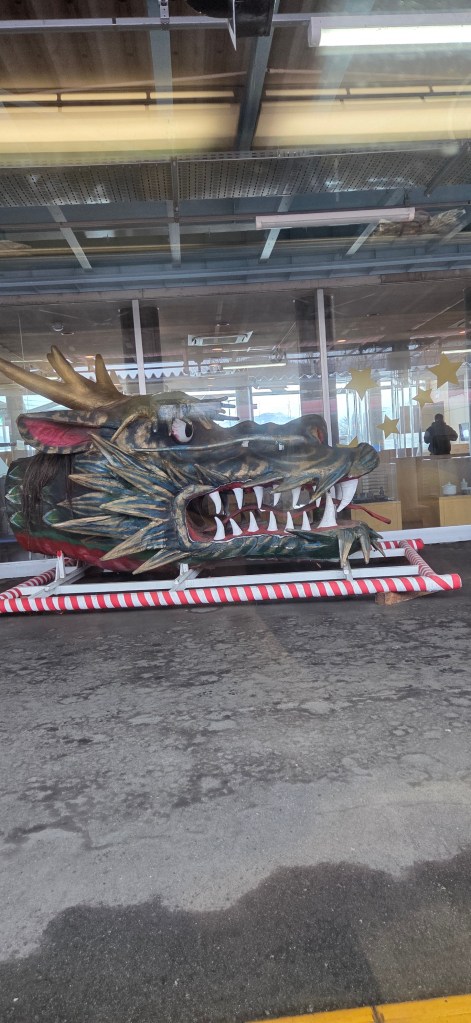
Hence the dragon head. Dragons are common figures in Japanese festivals and mythology, often symbolising strength, protection, and water.
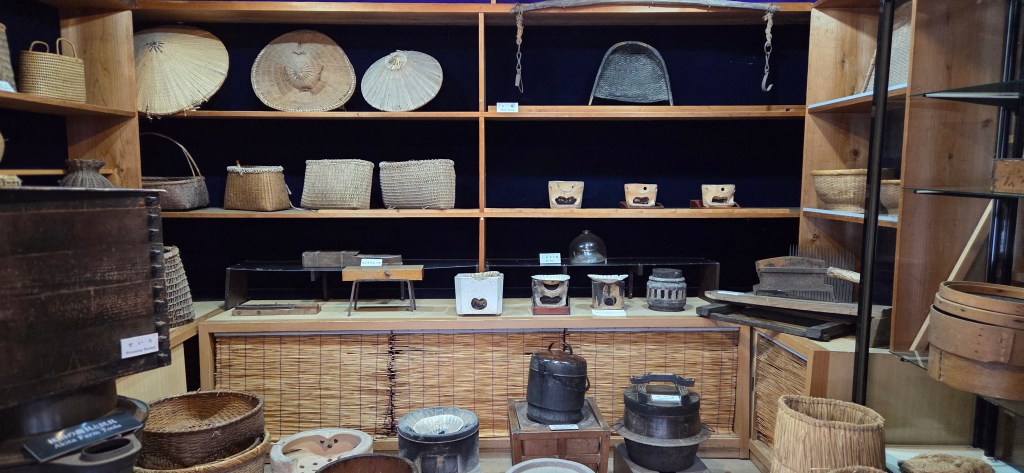
In Japan, two plants appear everywhere in traditional architecture and culture: Cherry blossom (Sakura) and Bamboo. Bamboo has been widely used because it absorbs moisture, stays flexible, and can resist cracking or burning better than many materials, which helped protect traditional buildings. This is one reason why many wooden houses from the Edo period have survived for centuries.

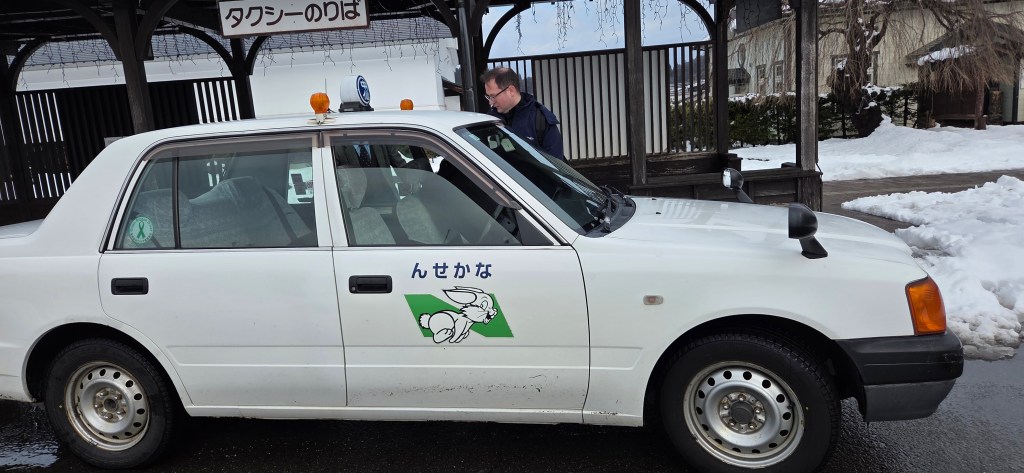
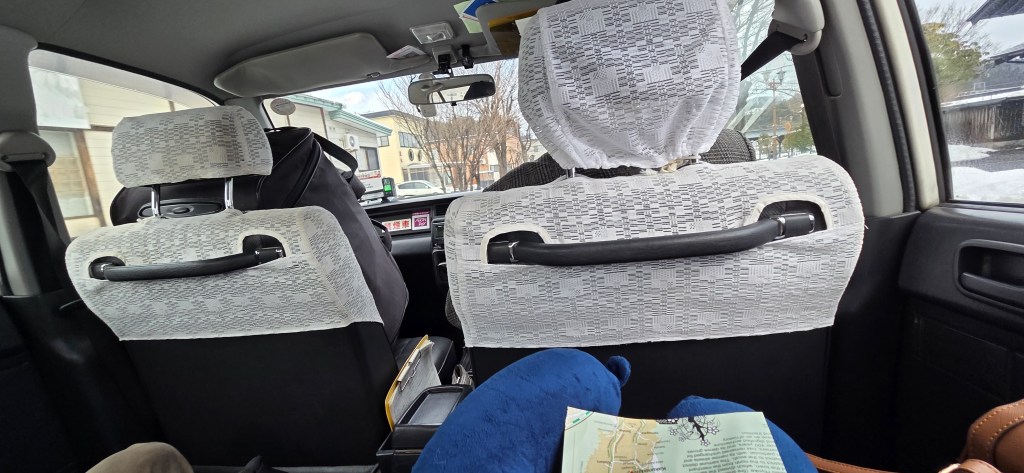
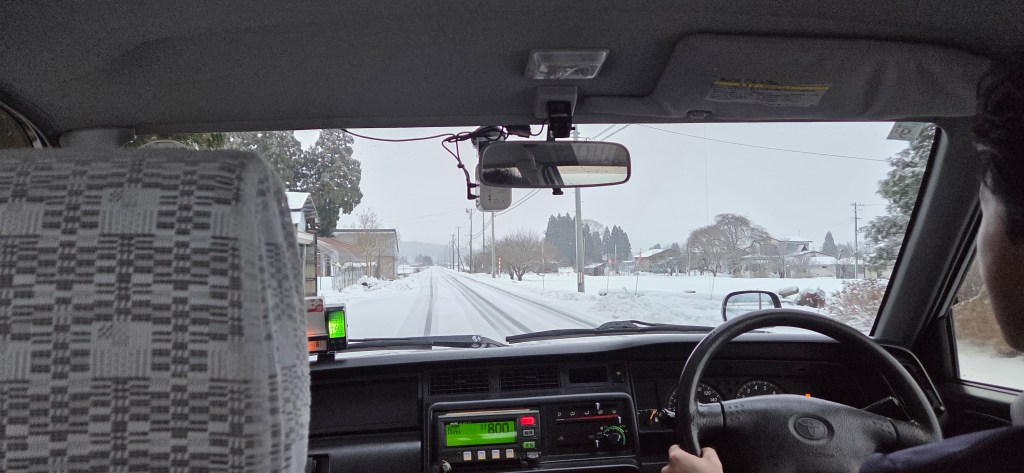
Anyhow, the snow was now 1 meter and continued to fall. This was our taxi 🙂 It felt like home with this lace 😀
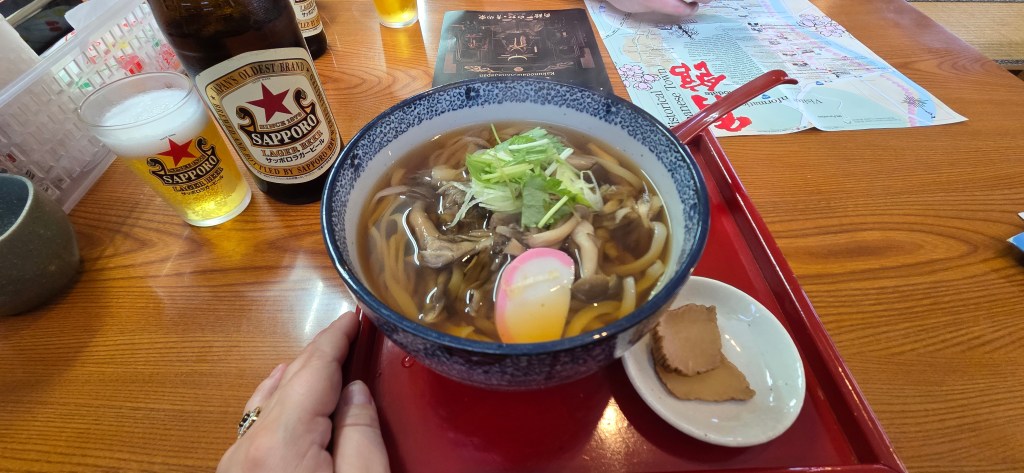
To order in this village was a challenge again but the bird told me the dosh of the region.
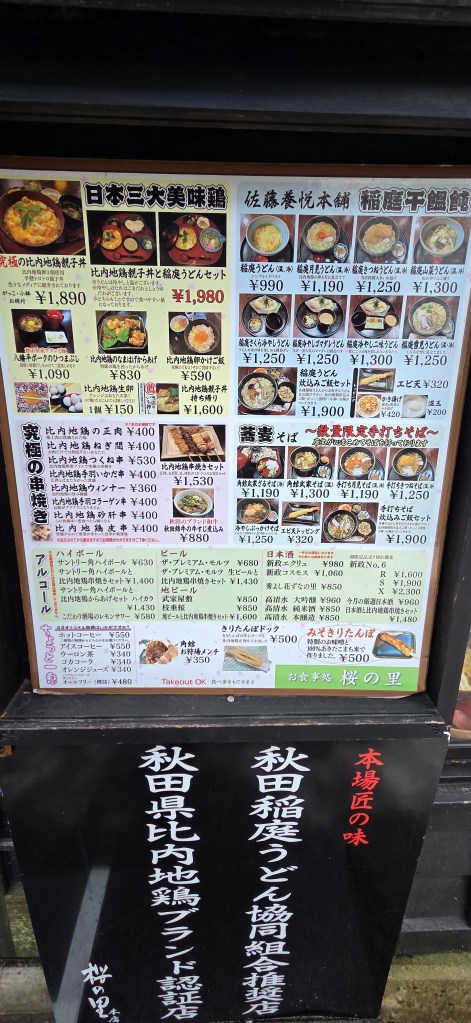
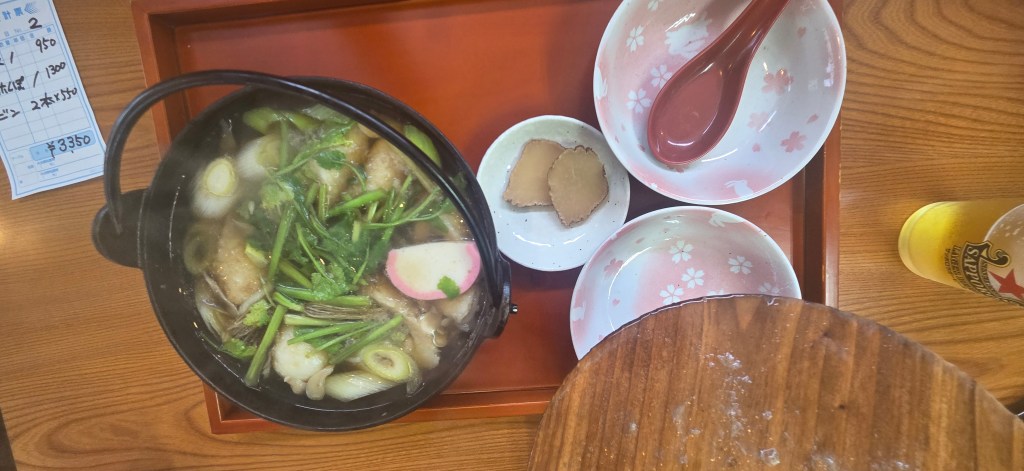
In Kakunodate, the most famous local soup is Kiritanpo Nabe. It is made with grilled rice sticks called kiritanpo, cooked in a broth with chicken, vegetables, mushrooms, and sometimes burdock root.
The city developed during the Edo period, when Japan was ruled by military leaders called Shogun. Under this system, the Samurai served local lords and lived in organized districts, protecting their territories after centuries of internal wars that ended when the Tokugawa shogunate brought stability to the country.

Kakunodate was built as a planned castle town with wide streets and large wooden residences for samurai families. Today the town is preserved almost exactly as it looked centuries ago, allowing visitors to walk through the old samurai district and see how these warriors once lived.
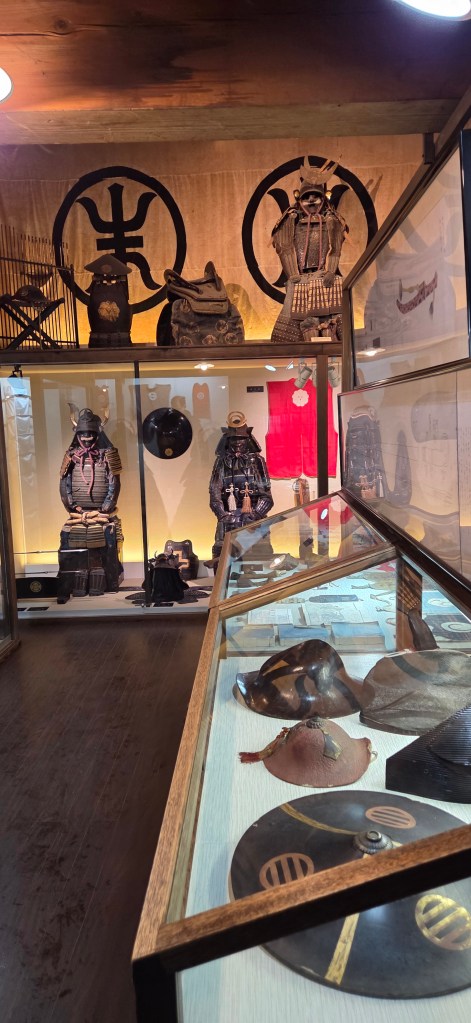
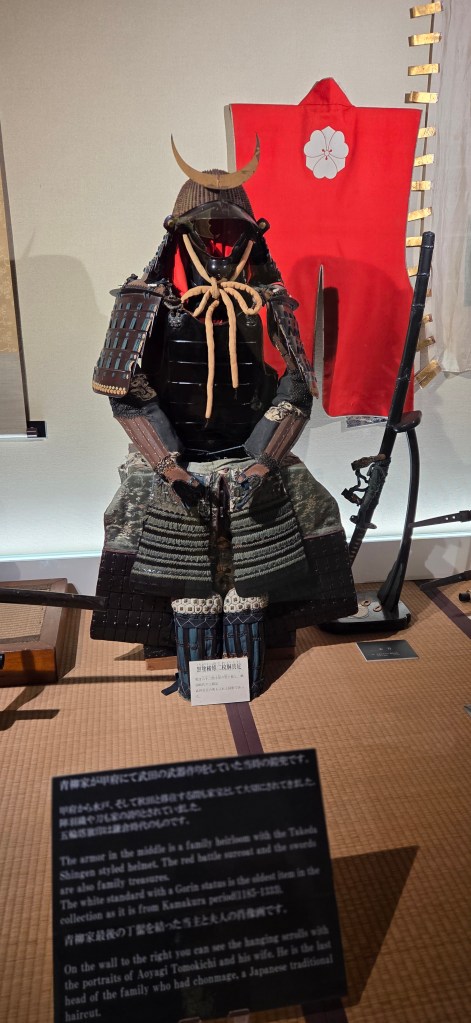
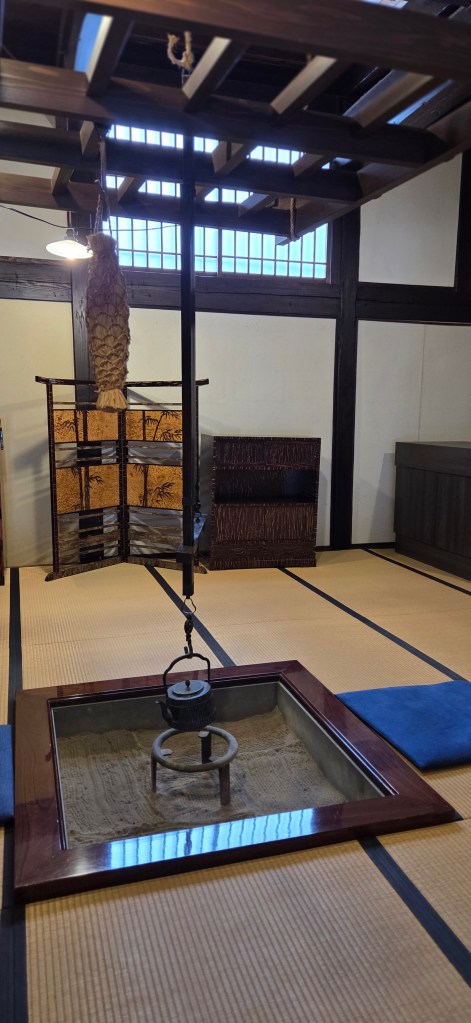
One of the museums shows not only how the Samurai lived but also how Japanese society slowly began to change. Toward the end of the Edo period, Japan gradually opened to Western influence, and samurai leaders started studying Western medicine, anatomy, and military organization.

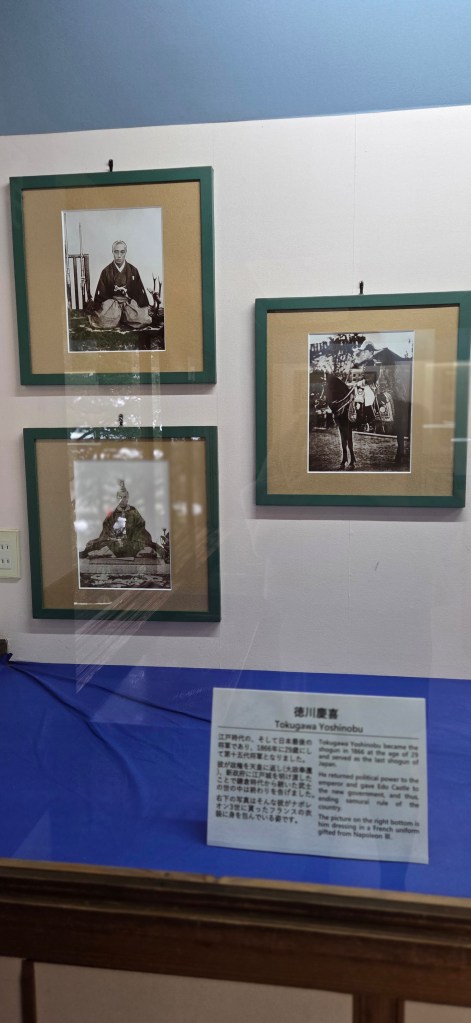
Some adopted Western uniforms and practices, especially those inspired by France, whose military discipline and ceremonial traditions impressed Japanese reformers. Like the last samurai Tokugawa Yashinobu, who rode in a French uniform.
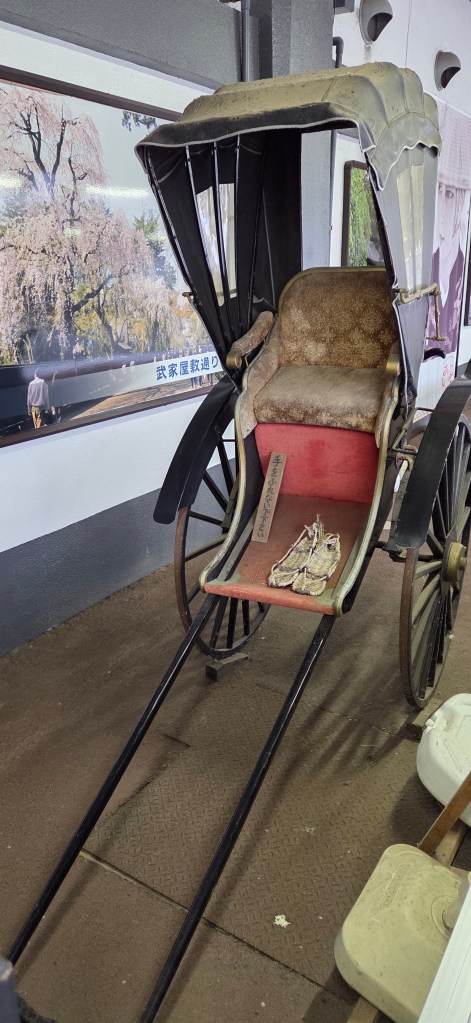
These contacts with foreign regions and cultures created strong contrasts and cultural surprises, shaping the transformation of Japan as it moved toward modernization. The samurai sent the expedition to Middle East and returned with a cultural shock due to lack of hygiene standards.

One thing I do not want to forget about this prefecture called Akita is the local dog breed.
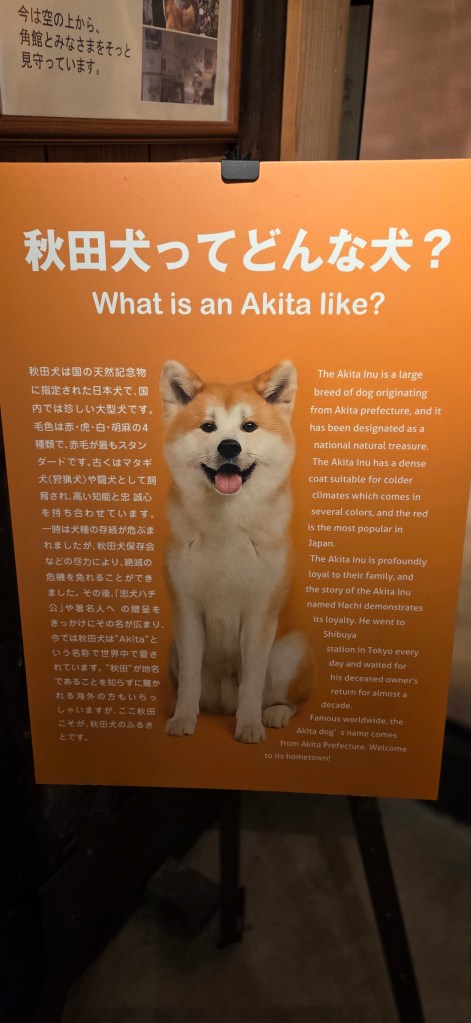
Our exploration was about to finish at the Hinokinai river, famous for spring cherry blossoms. But instead, some other sign welcomed us. I cheered to that!

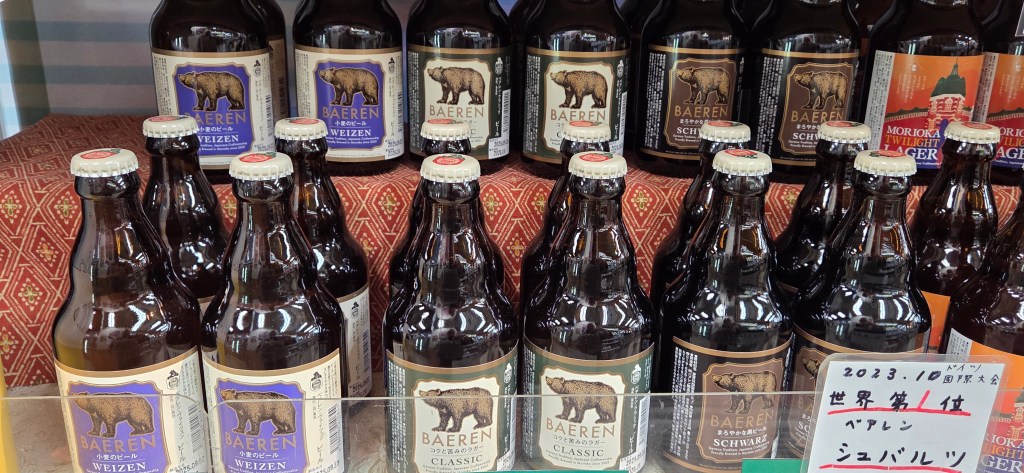
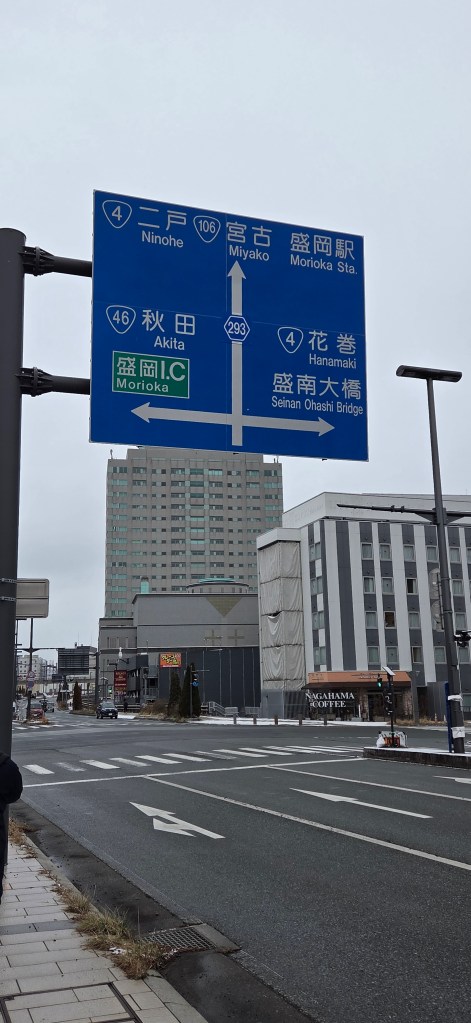
MURIOKA
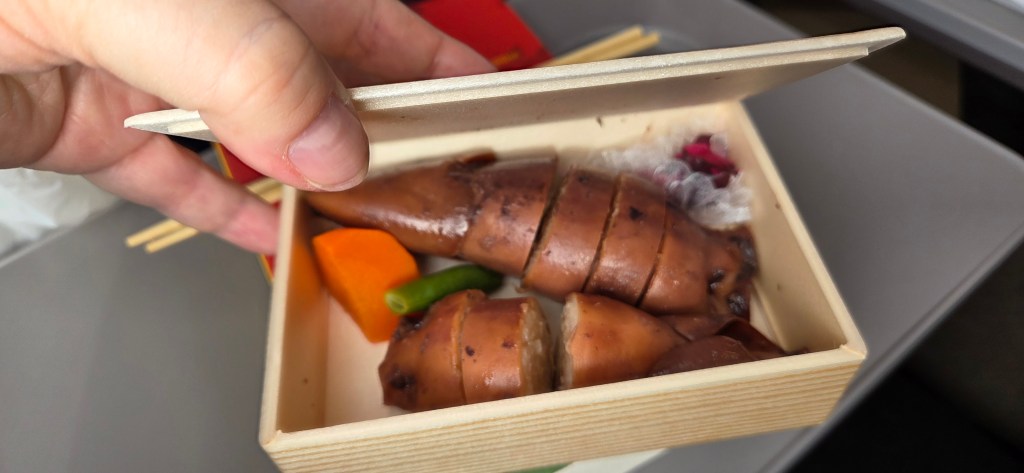
Travelling for two weeks by train is a total convenience here. My bento box bought in the train.
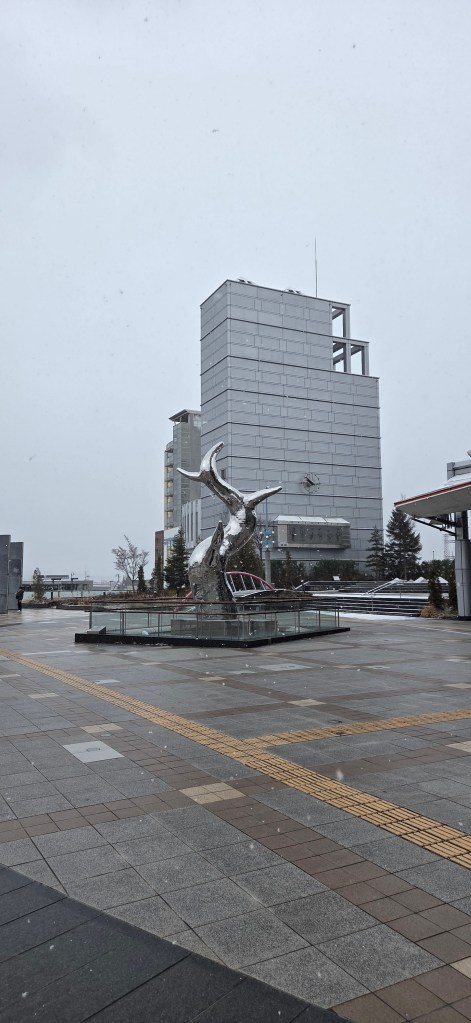
Every train station has its own peculiarity. In Morioka we were welcomed by the figurine display of Sansa Odori – local festival.
The festival is famous for large parades of dancers and drummers carrying traditional taiko drums, and it is considered one of the largest drum festivals in Japan.

The city is also famous for big samurai castle, but unfortunately, bad weather conditions did not allow us to see it.
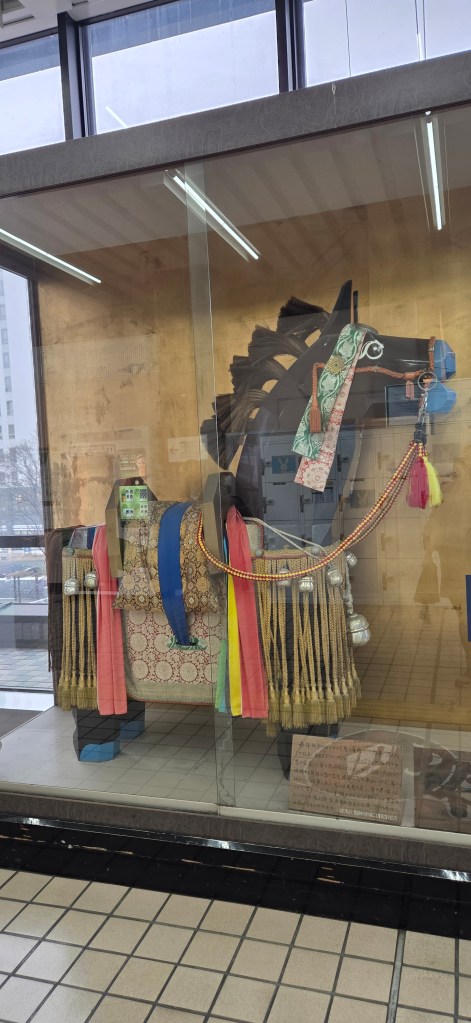
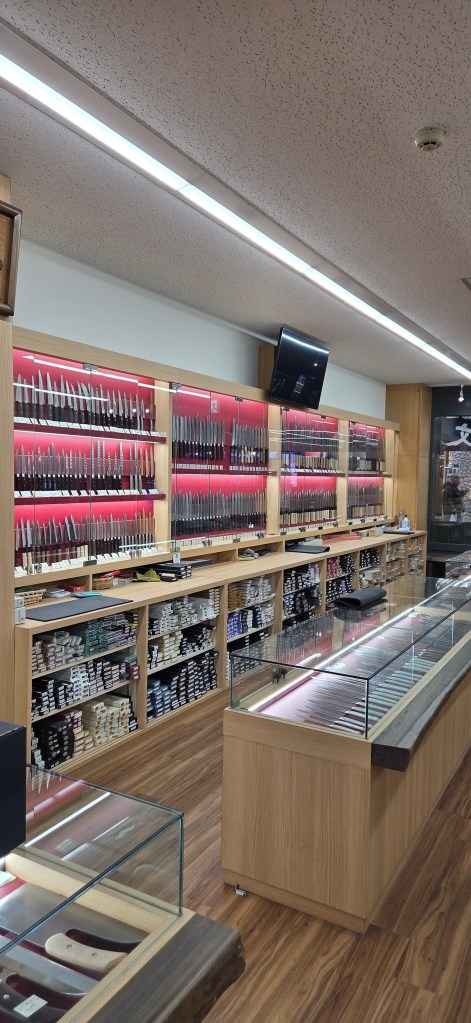
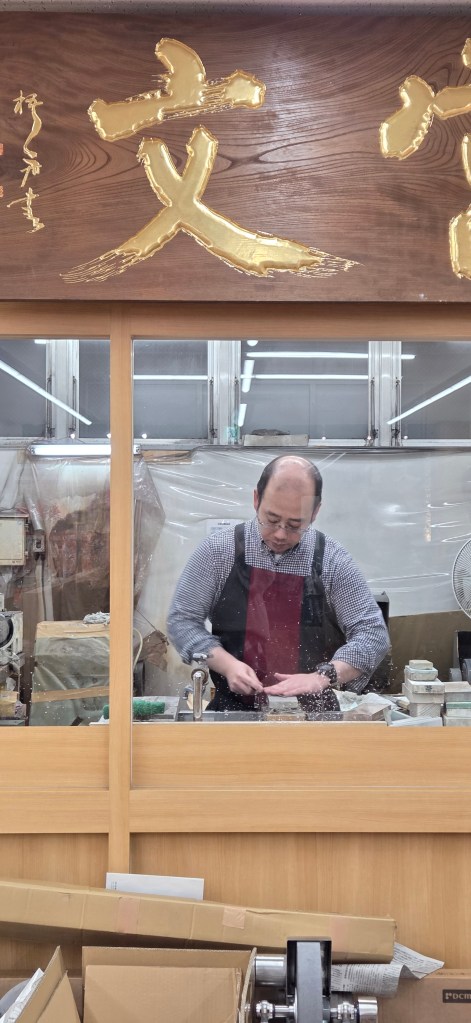
Nevertheless, I bought myself an original japanese tea kettle – as the ironware is yet another famous thing for this region. And making knives – super sharp! And I mean it. I bought one for cutting the meat and I cut myself 3/3 times – it is so sensitive.
HOKKAIDO
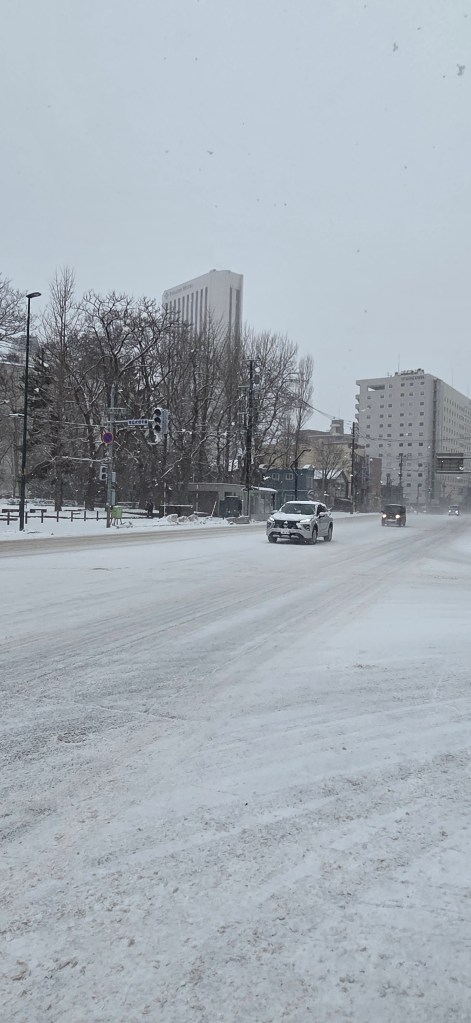
And we finally arrived at our northernmost point in Japan, and at our last stop. More snow. Hokkaido has the record of the snowfall per year. The intense snowfall is driven by cold air from Siberia passing over the Sea of Japan.
SAPPORO
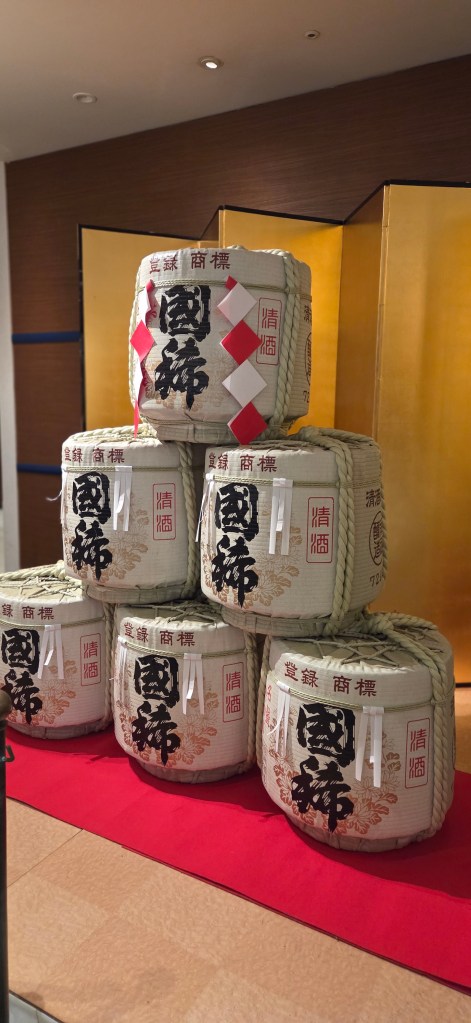
The Sapporo train station welcomed us with small white bags called sake bags used to carry bottles of sake. They are usually made of cloth or paper and decorated with Japanese calligraphy.
We arrived at our hotel on the 12th floor, which felt incredibly high and a little frightening. On the rooftop we had a quick drink – japanese gin with the view on the ski jump from the Olympic village Sapporo Winter Olympics 1972.
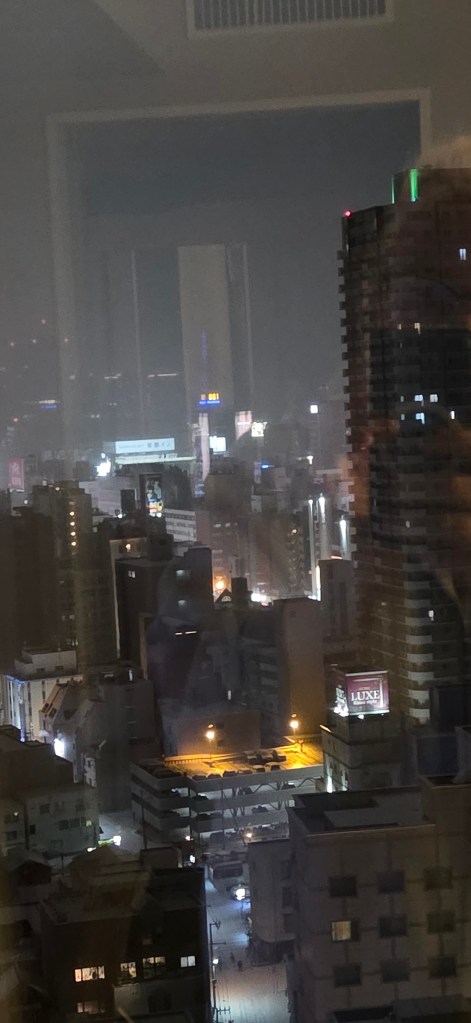
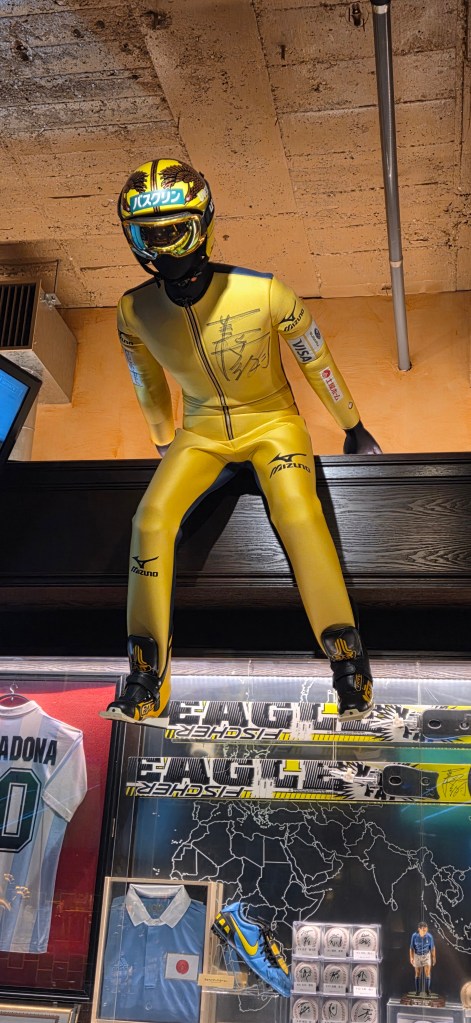
But it was freezing outside, and since it was the day before New Year’s Eve we mostly stayed in to wash our clothes.

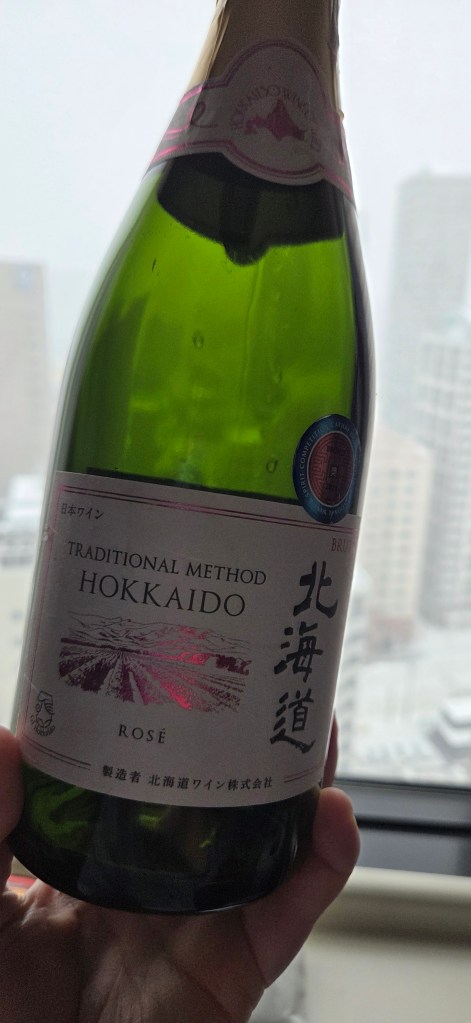
While waiting for the washing machine, we briefly look for a place to eat—only to find everything fully booked. Later we discovered that Sapporo actually has an underground city full of restaurants and shops, but that night we ended up buying a bottle of Hokkaido wine from Lawson. We welcomed the New Year from our warm hotel room, looking out over the snowy city, which made the evening unexpectedly perfect.
The next day, everything was still not working, but we took our day slow and explored the Nakajima park. It’s been a long time since I’ve seen so much snow. Childhood memory popped. 🙂

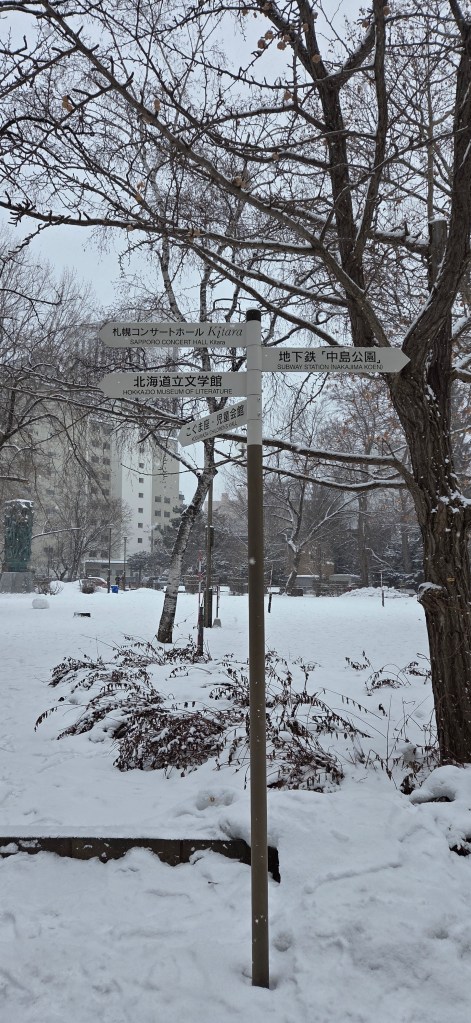
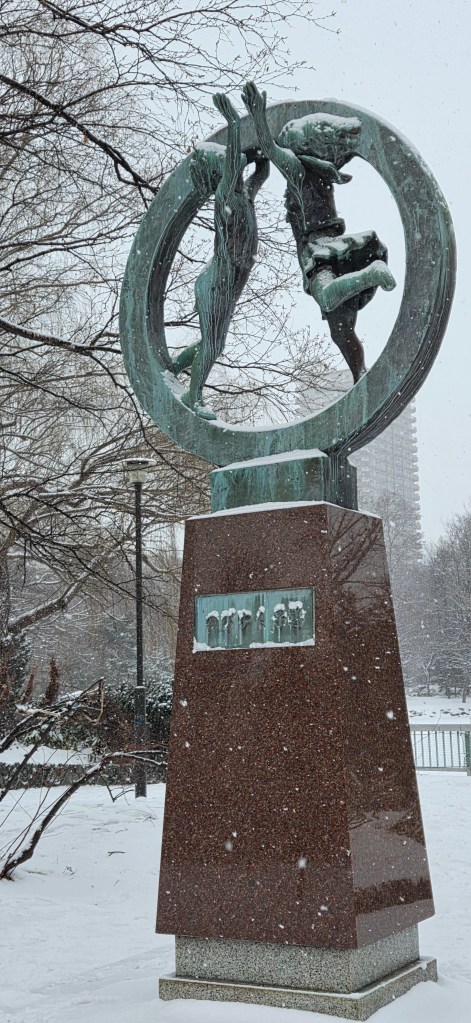
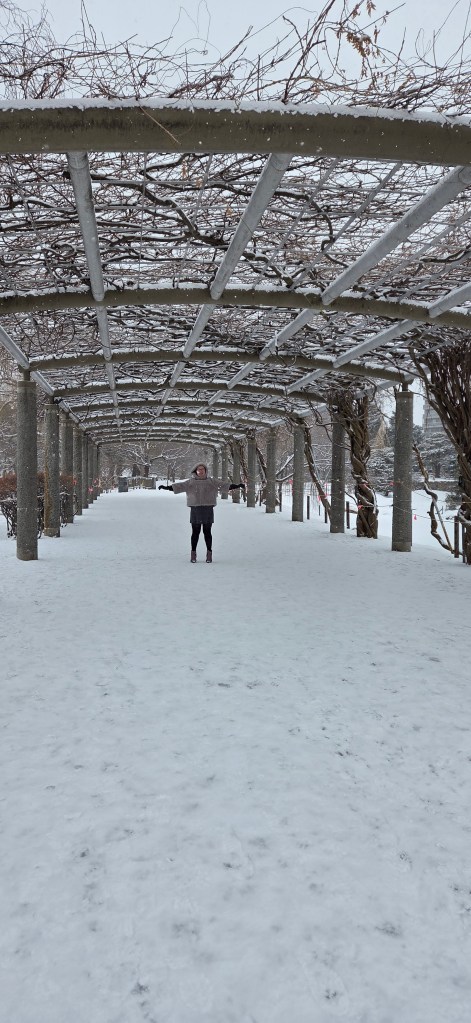
The only thing still opened, regardless of the 3 days winter holidays for Japanese was this place:
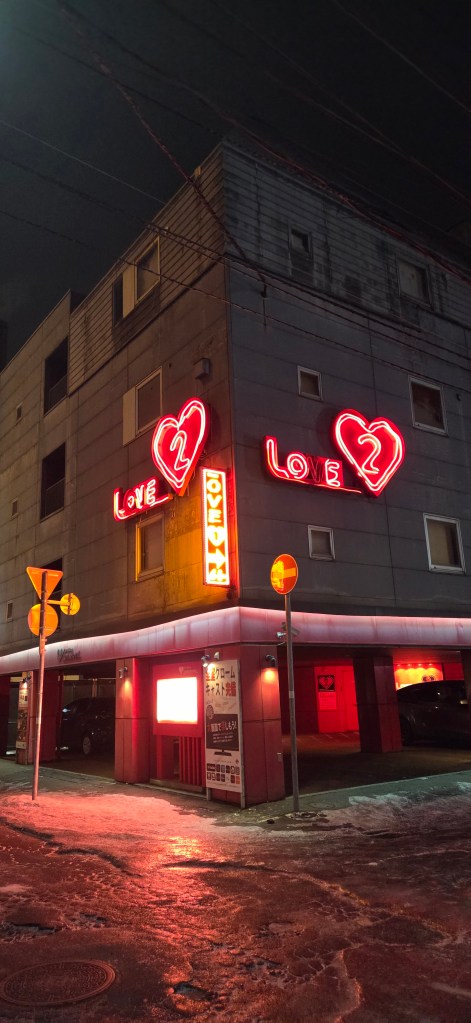
You get your two + two. 😉
Anyways the scenery was beautiful and made contrast with many interesting buildings, like this Tea House named Hōheikan, today an event place, originally from 19th century.

Walking through the quiet streets of Sapporo, on New Year’s day, one of the few places that was opened was a small Baptist church and a Catholic Cathedral. Although Japan is mostly influenced by shintoism and buddhism, a small portion of Japanese people are Christians and Catholics. Christianity arrived through contact with Europeans.


I got back to bed watching the Vienna New Years’ concert. A little Habsburg in me had an urge. And then watching the Emperor of Japan, Naruhito, having his blessings.
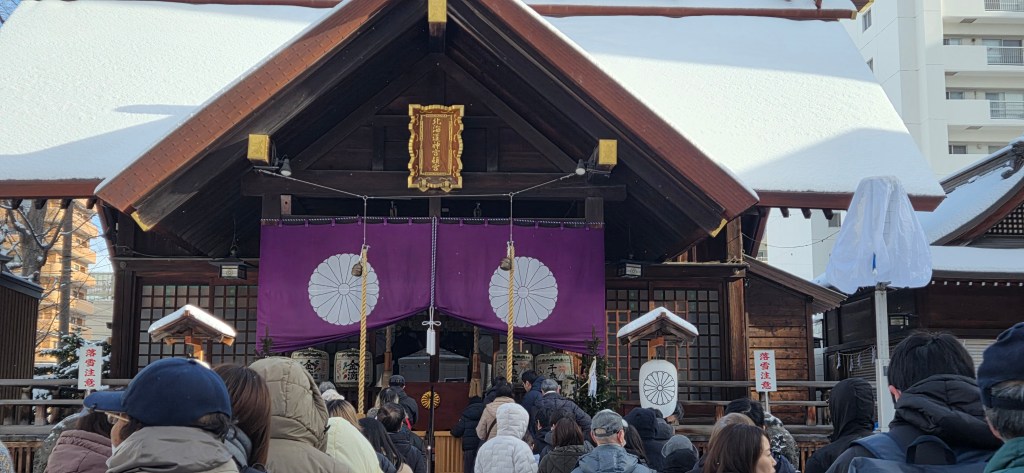
My batteries were now fully charged and I was ready to soak in Sapporo’s energy. Going local, we joined the locals and visited Hokkaido Shrine to make a New Year’s prayer for peace in the world.
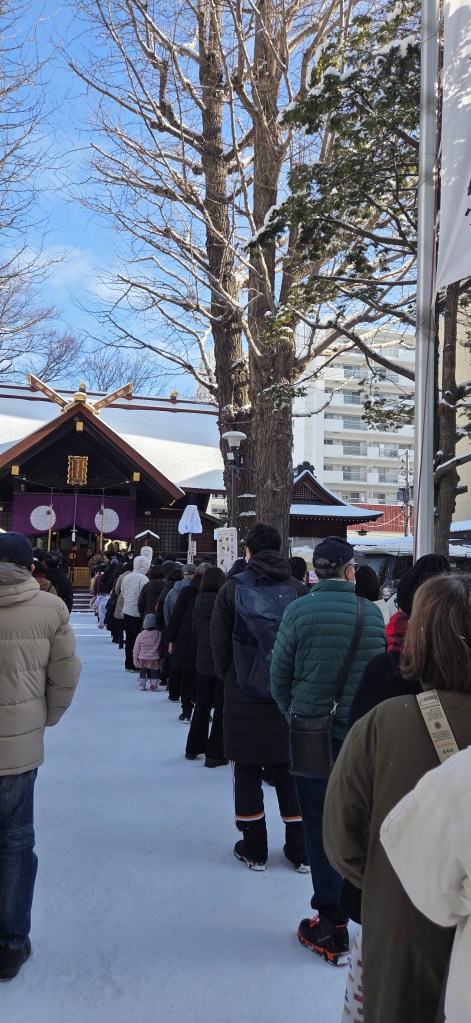
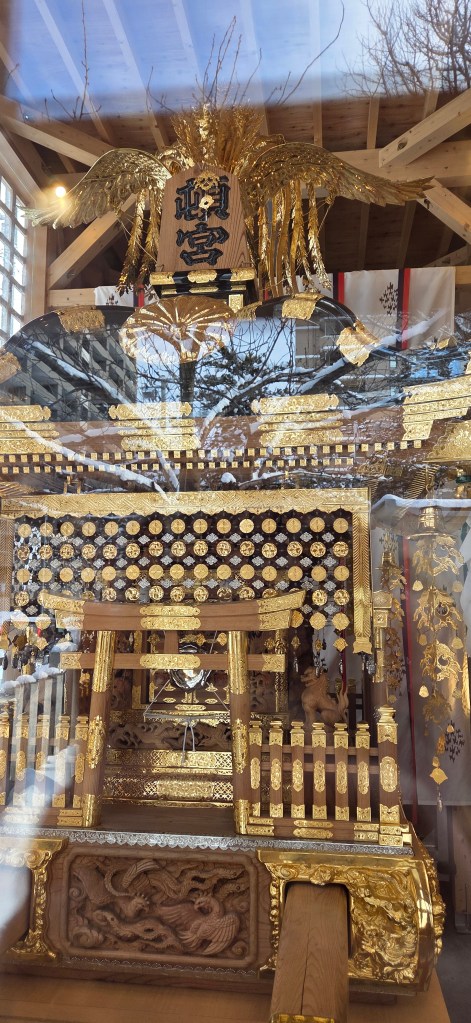
At a Shinto shrine, the custom is to throw a coin into the offering box, bow twice, clap your hands twice, silently make your wish, and then bow once again.
This ritual is especially common during Hatsumōde, when many people visit temples and shrines to pray for health, luck, and harmony in the coming year.
Next stop was the Sapporo TV Tower stands in the center of Odori Park and was built in 1957 as a television broadcasting tower.
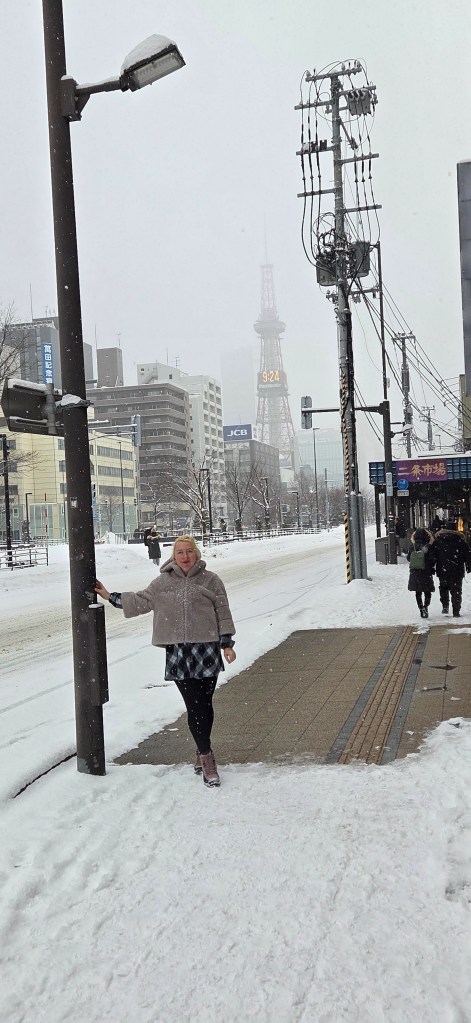
Today it is one of the city’s main landmarks, with an observation deck offering views over the grid-shaped city of Sapporo and the surrounding mountains.
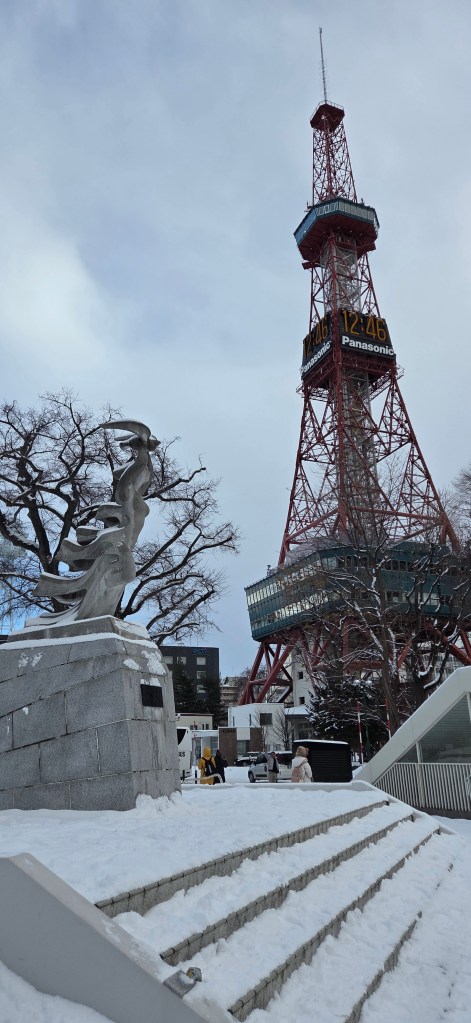
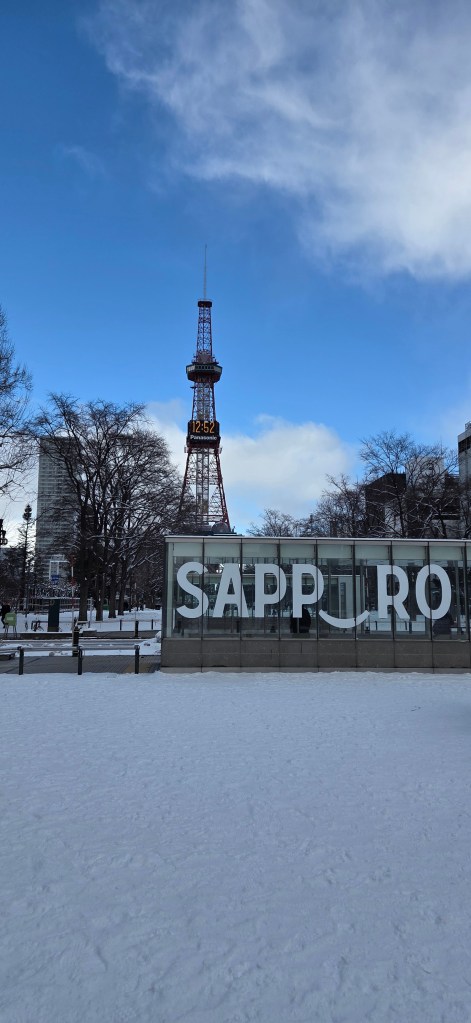
The tower is especially famous during winter festivals, when the park below fills with lights, ice sculptures, and snow events.

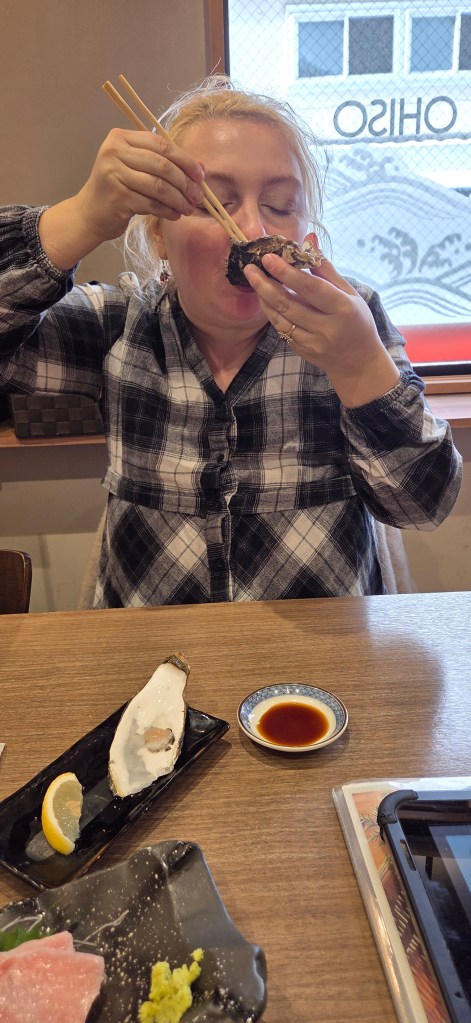
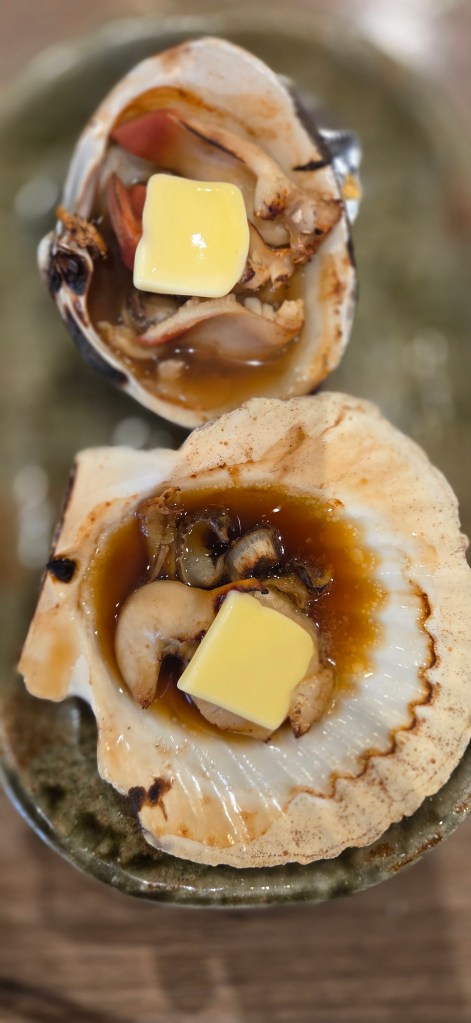
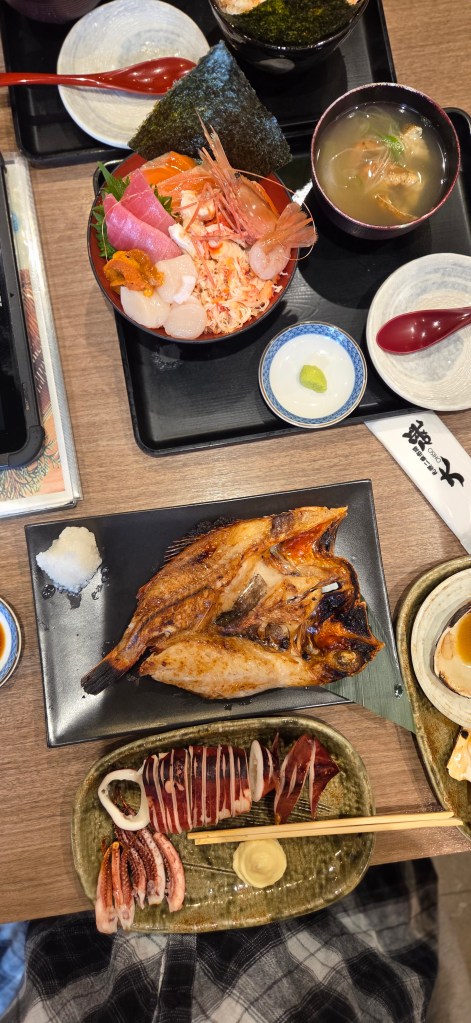
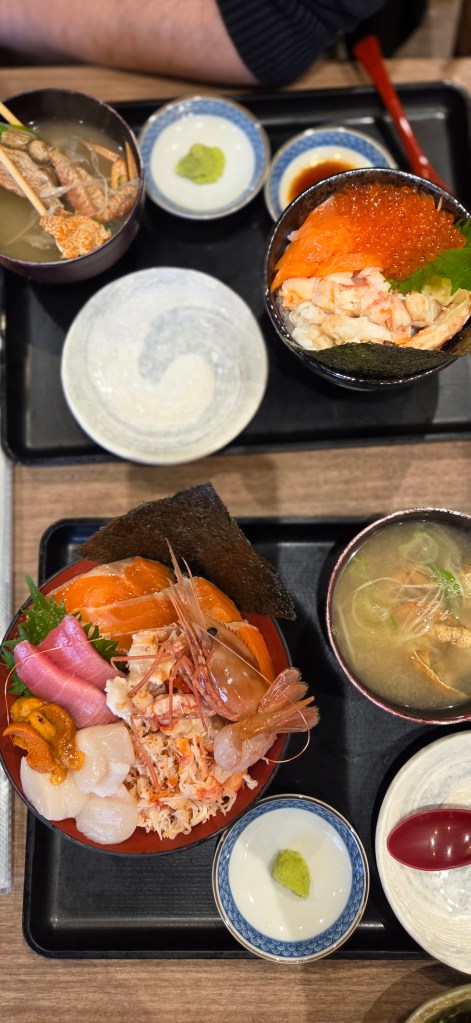
Then the visit to a local market in Sapporo, and as a seafood lover this was one of my favorite moments of the trip. Hokkaido is famous for its fresh seafood, especially King Crab, and I probably ate the best meals of the entire journey there.
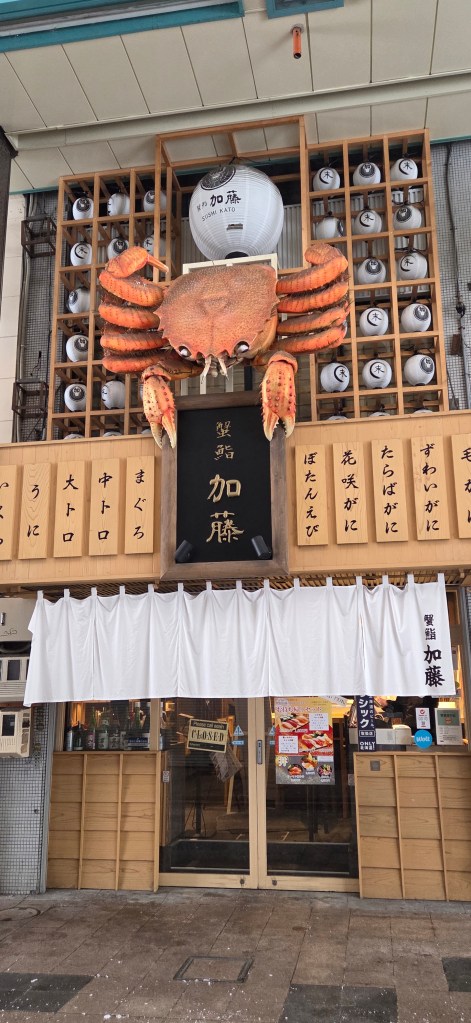
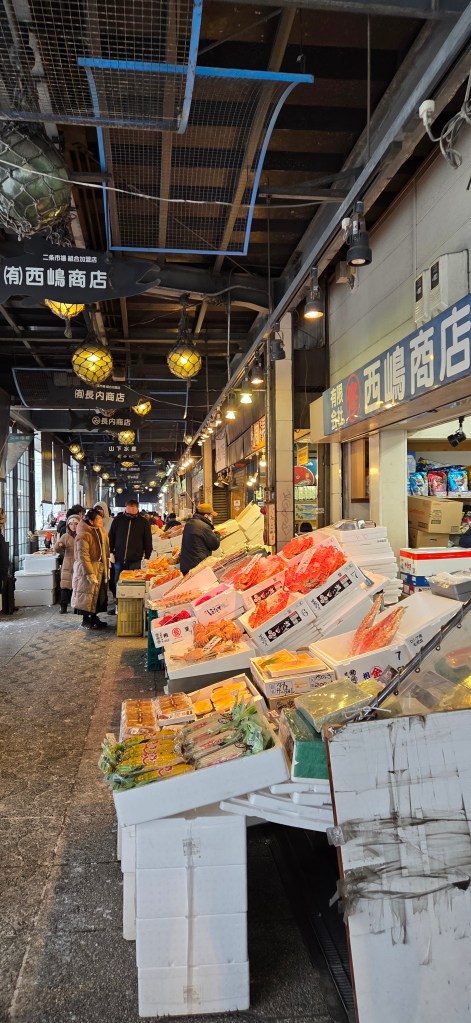
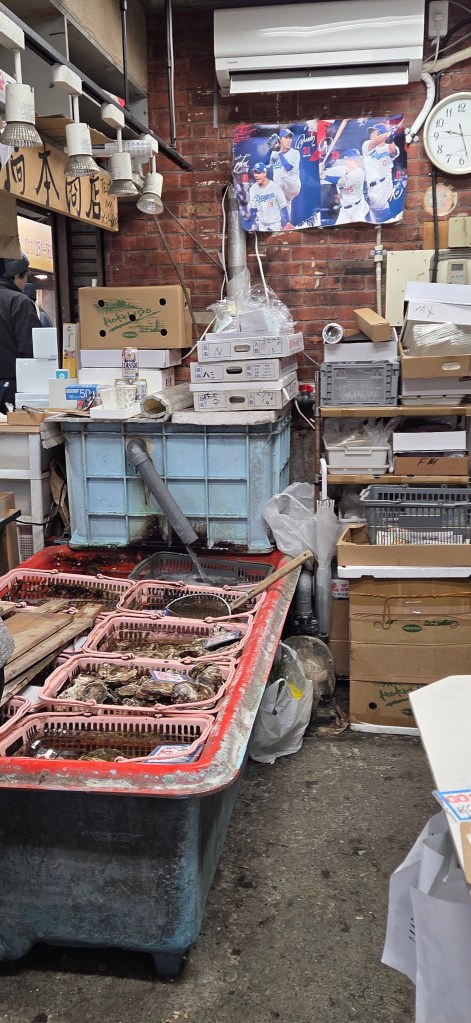
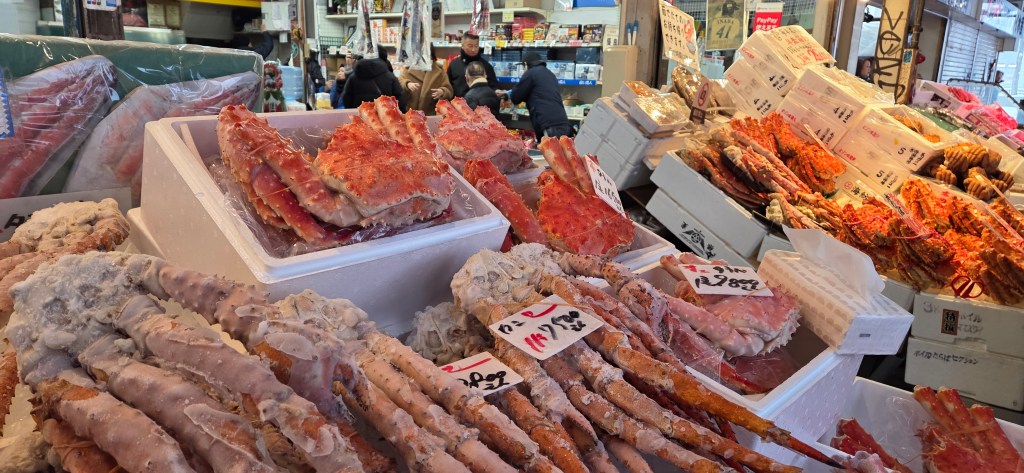
My favorite dish was Kaisendon, a bowl of rice covered with generous portions of fresh seafood, which tasted absolutely fantastic.
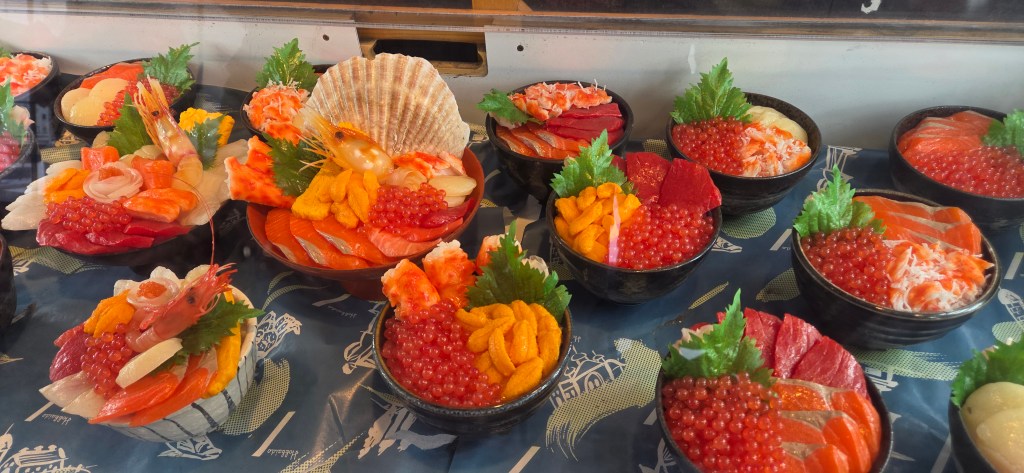
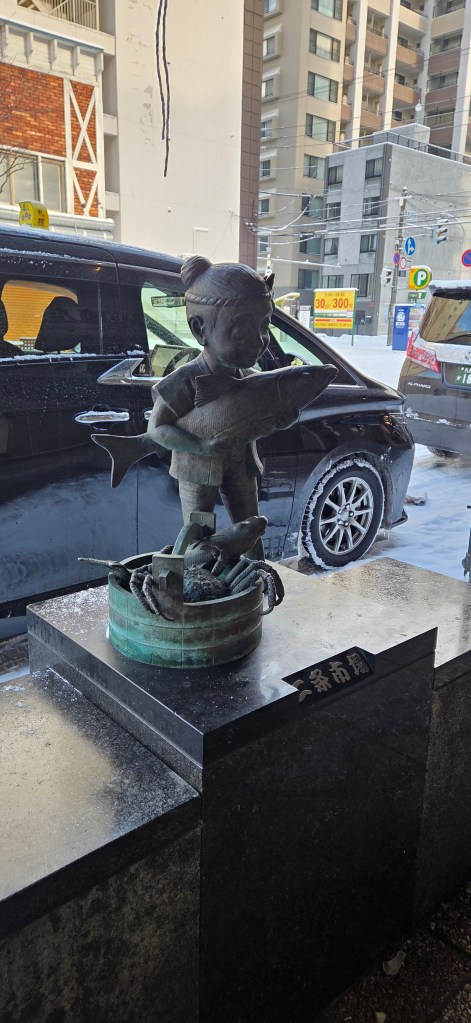
The place is called Nijo Market, one of the oldest markets in Sapporo. It began in the early 20th century when fishermen from Ishikari Bay started selling their fresh catch there after arriving by cart.
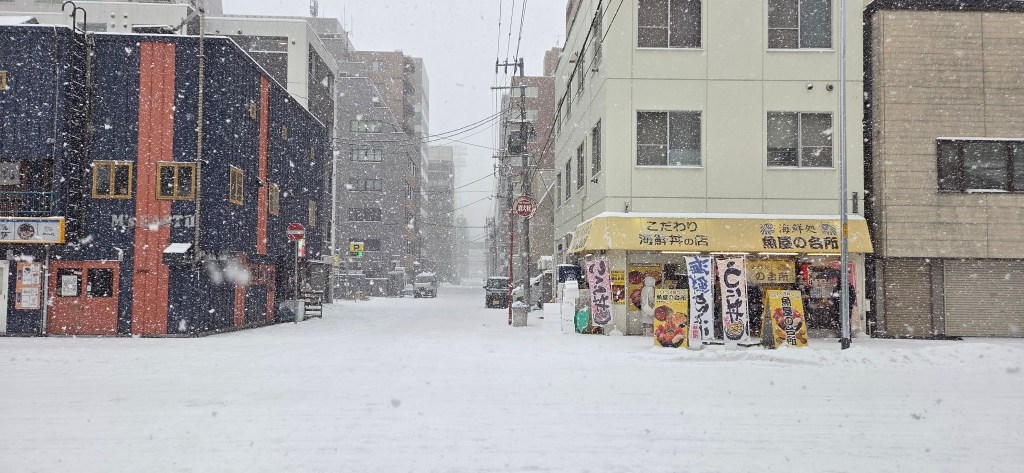
Not many calories to burn, but I wanted to explore more. The snow was falling heavily. Everything looked so romantic.
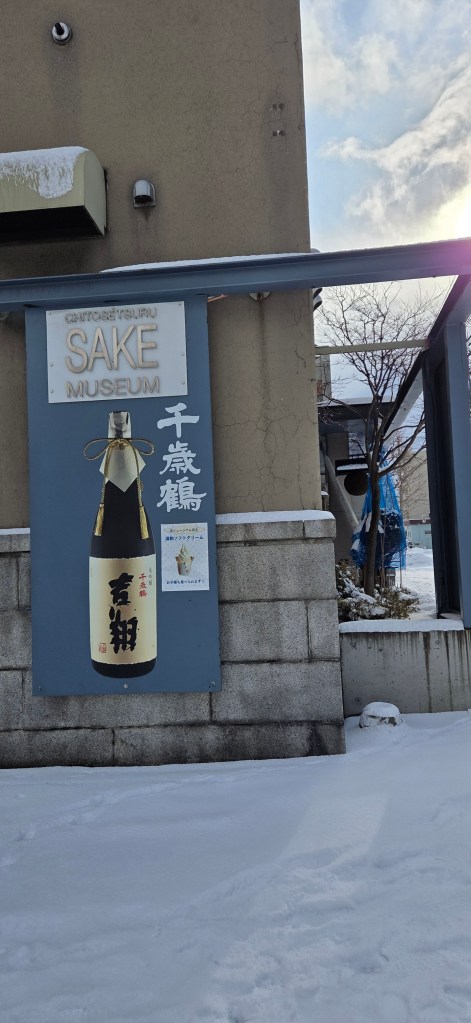
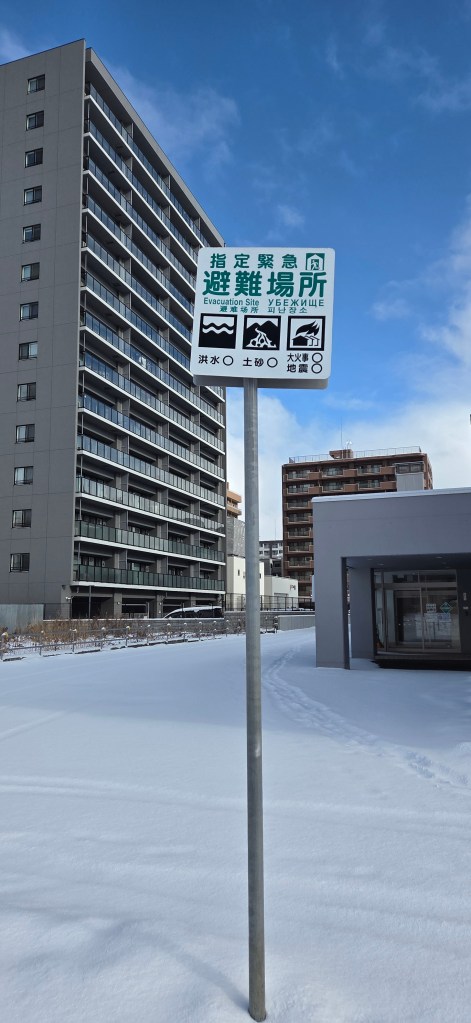
The day brought us towards Sake museum. At that point, we were looking for a bit of shelter while remaining active. Guess what – it was closed. But I spotted this pragmatic gathering point in case of an urgency. Just nearby by sake museum – practical 🙂
Sapporo is a relatively young city compared with many other Japanese cities. It developed in the late 19th century during the Meiji period, when Japan began settling and developing Hokkaido. The city was planned with a modern grid layout influenced by Western urban planning.
Sapporo is home to this classic 🙂

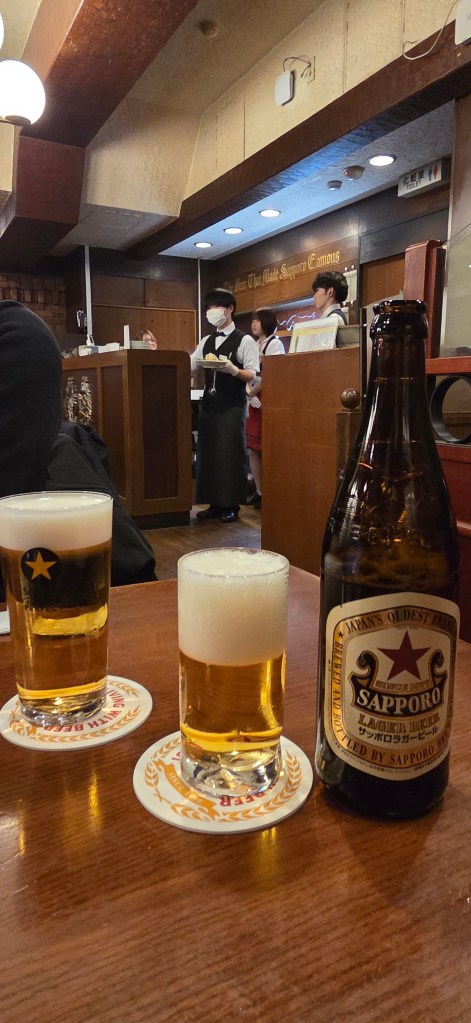
Early development was supported by foreign advisors, including Americans who helped introduce modern agriculture and infrastructure. Today Sapporo is known for its winter climate, food culture, and the famous Sapporo Snow Festival.

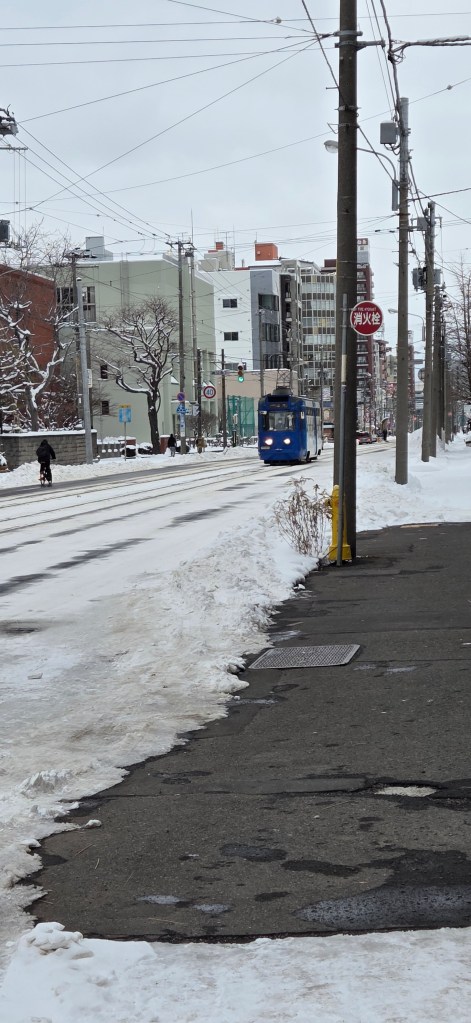
My feet were not used to glaze the snow anymore. Hopping on a tram to the Tanukikoji shopping street.
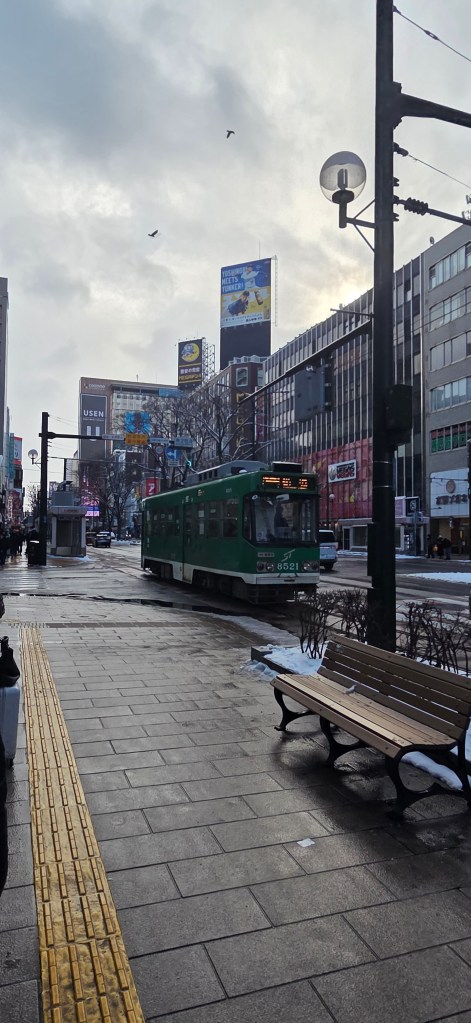
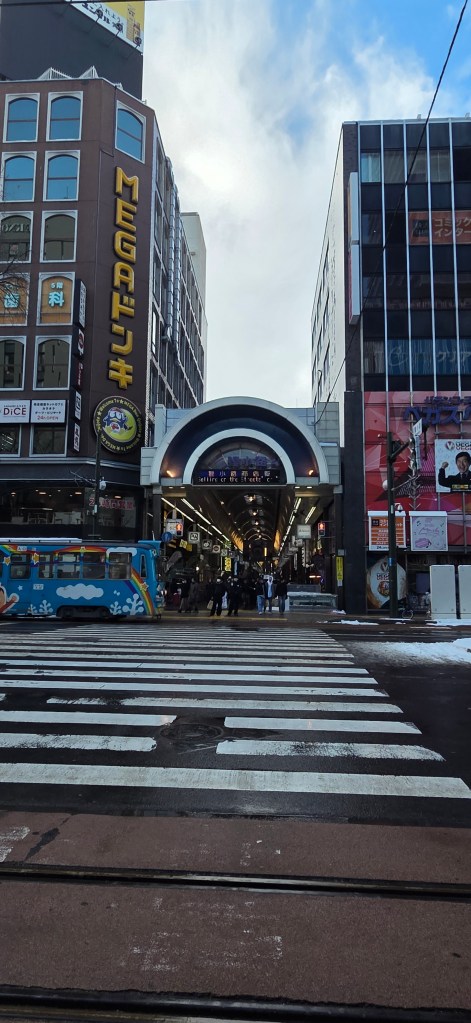
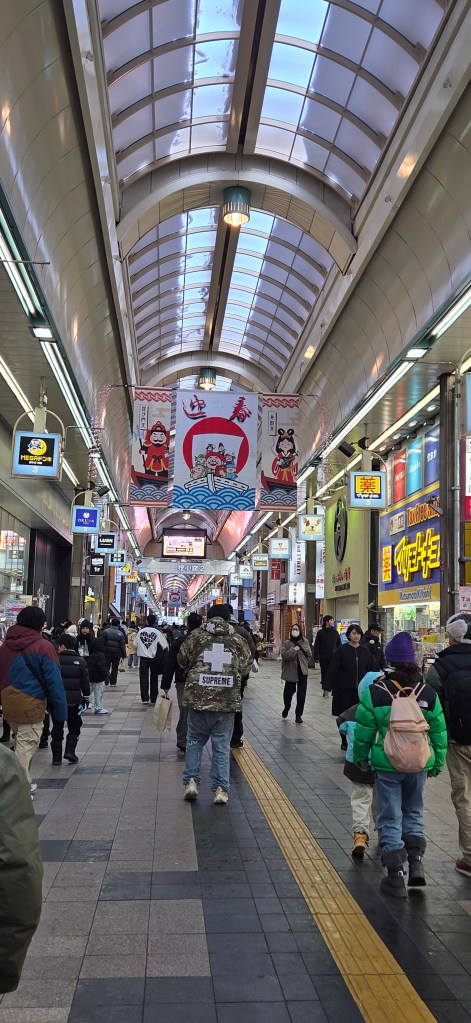
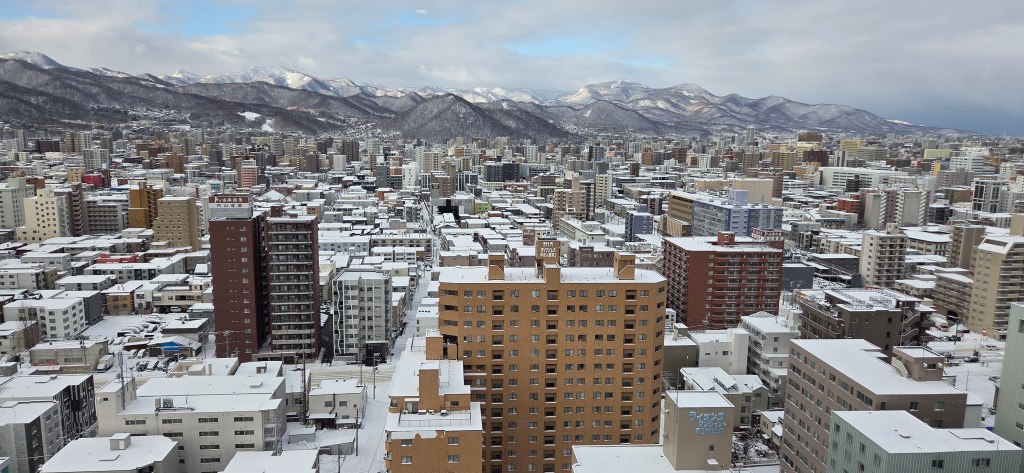
Back to the hotel. The snow stopped falling, but only for the moment. In the meantime, I managed to capture the cityscape from the window. With the surrounding mountains.

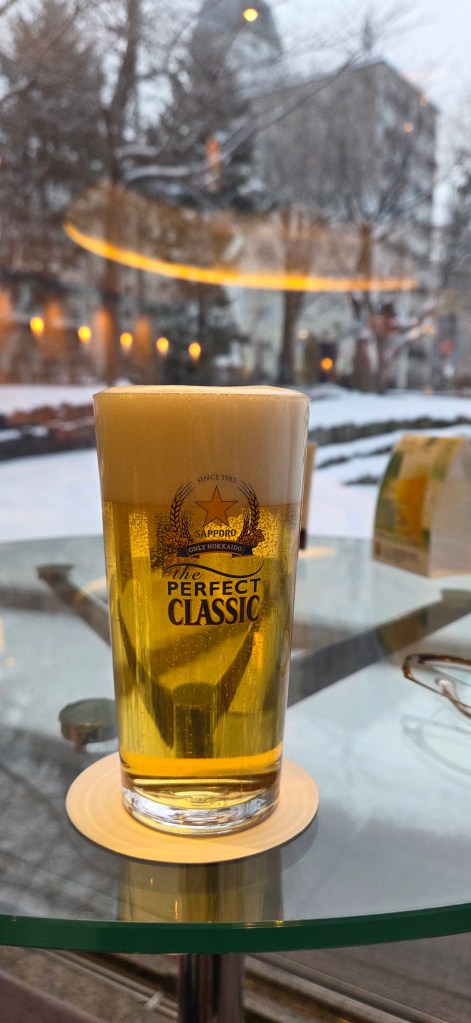
Petit apero of the Sapporo flavour? 🙂 with the view on the Nakajima park.
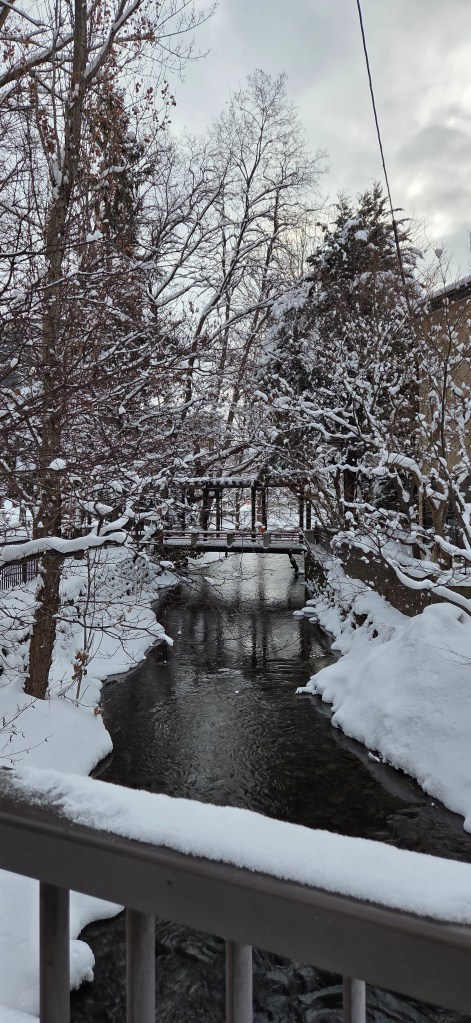
The next day we decided to move out of the city and move towards the mountains. The symbols lost the english translation, but one thing was clear:

Nevertheless, the landscape was rough, intimidating but beautiful.
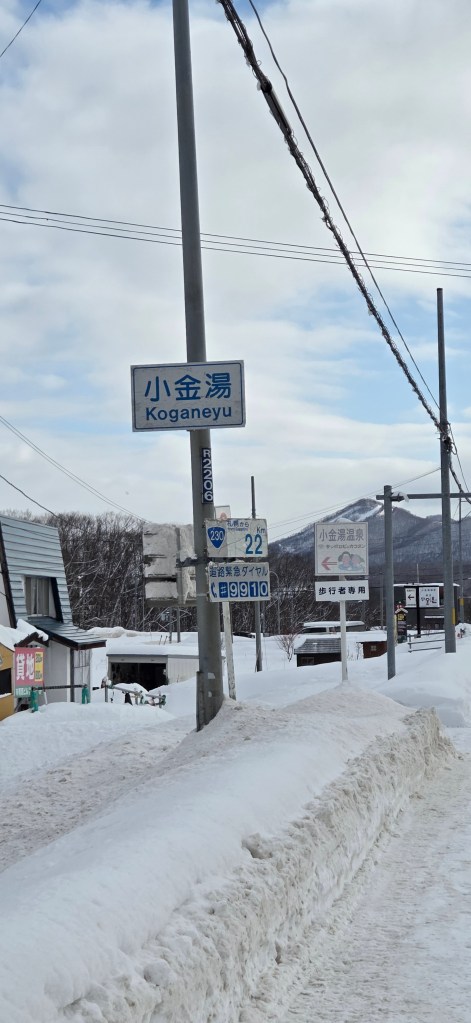
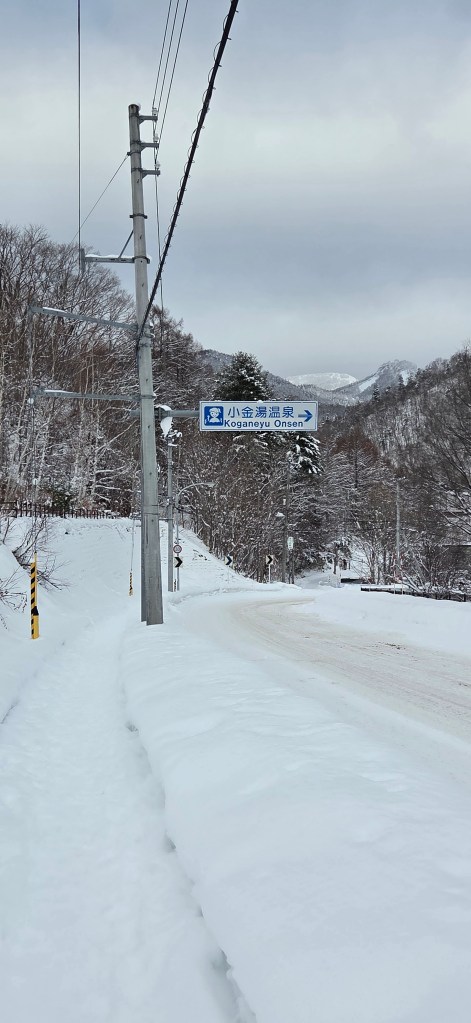
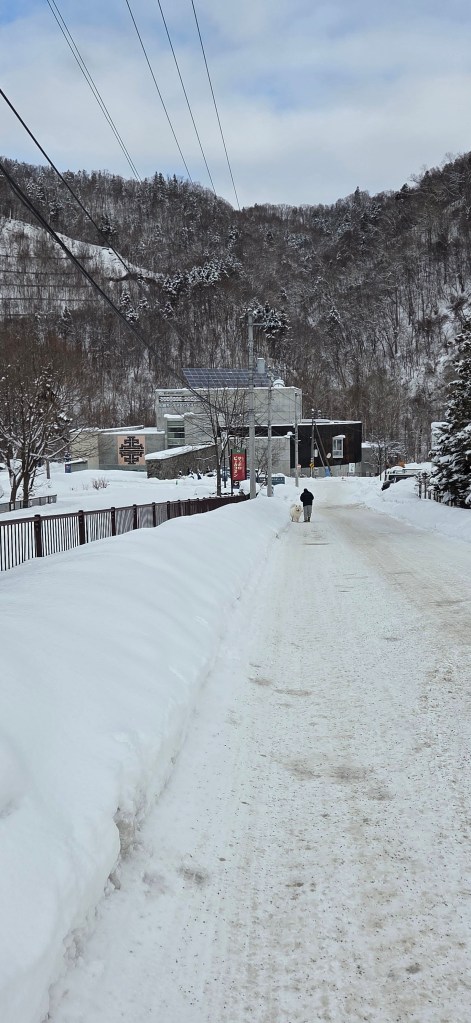
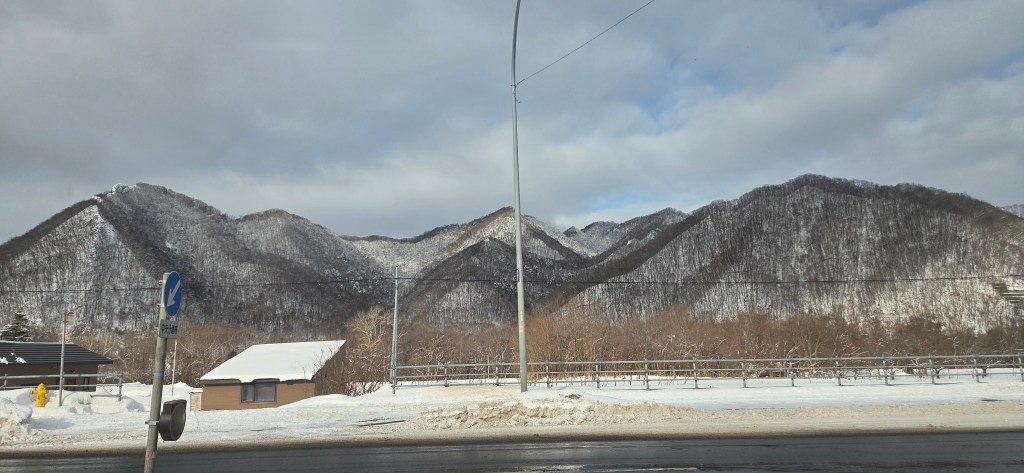
The idea was to go to the original settlement of the Ainu – indigenous people. They were the original inhabitants of Hokkaido and nearby regions. They lived there long before modern Japanese settlement, with a culture based on hunting, fishing, and strong spiritual traditions connected to nature.
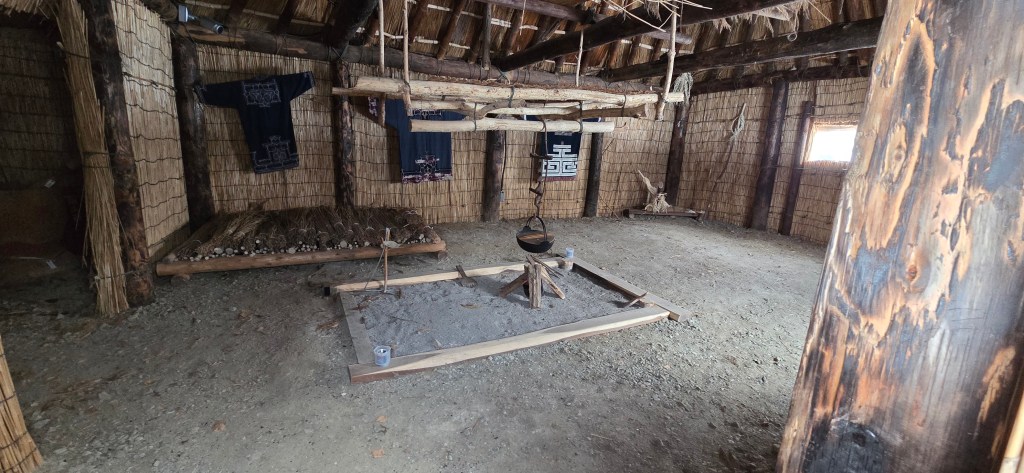

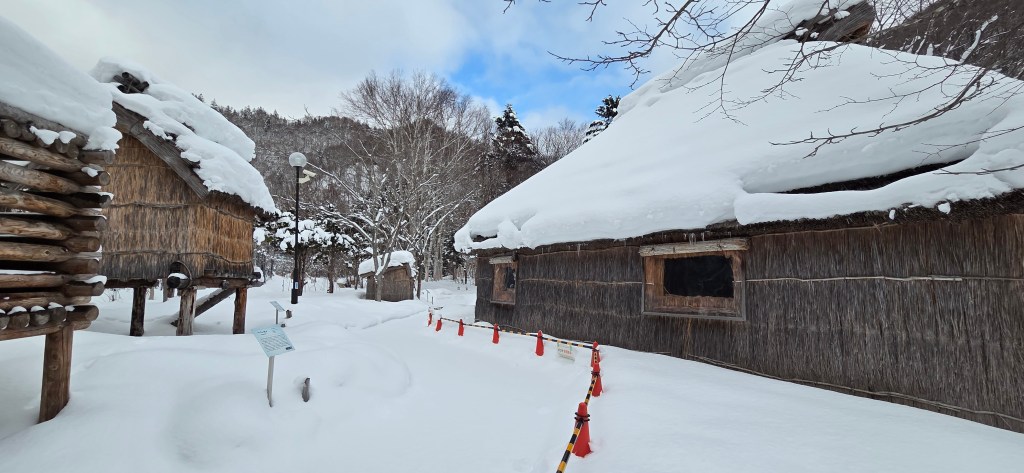
In the late 19th century, when Japan began developing Hokkaido during the Meiji period, the Ainu – indigenous people of Hokkaido, were gradually assimilated and their traditional way of life declined. Today their culture, language, and traditions are being revived and recognized as an important part of Japan’s heritage.
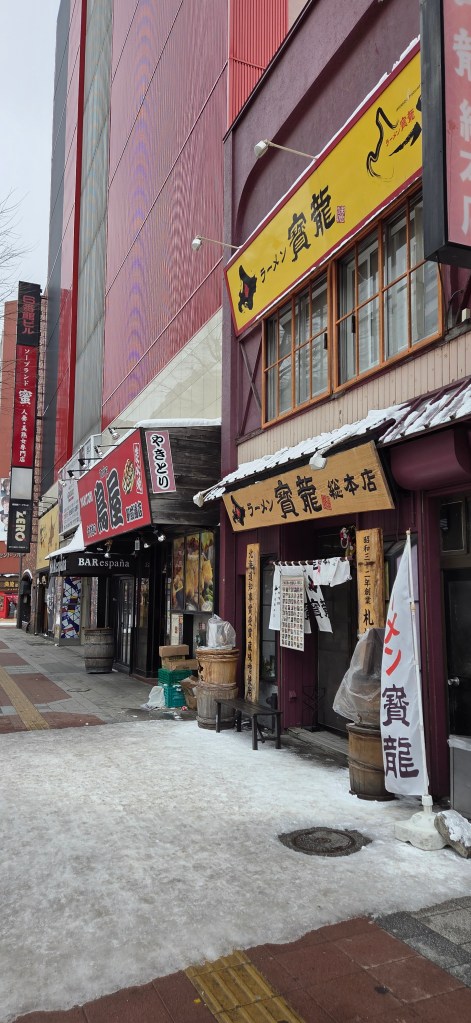
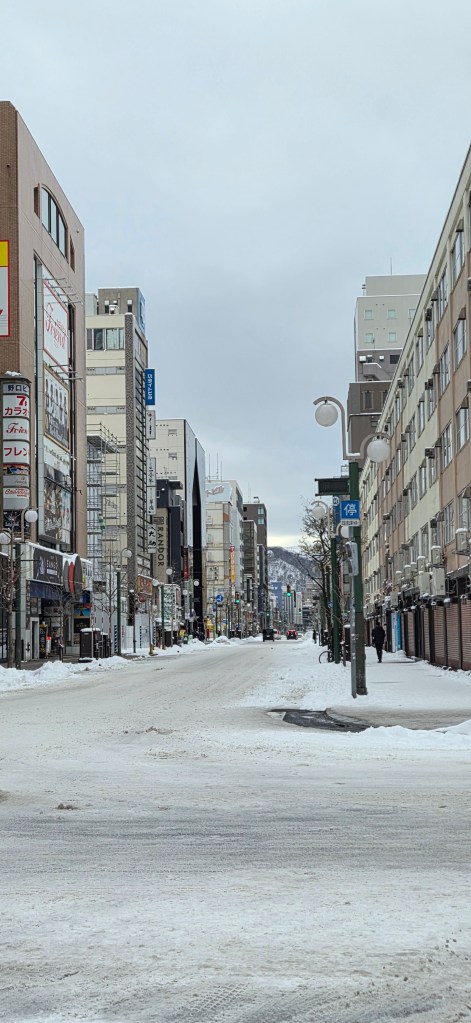
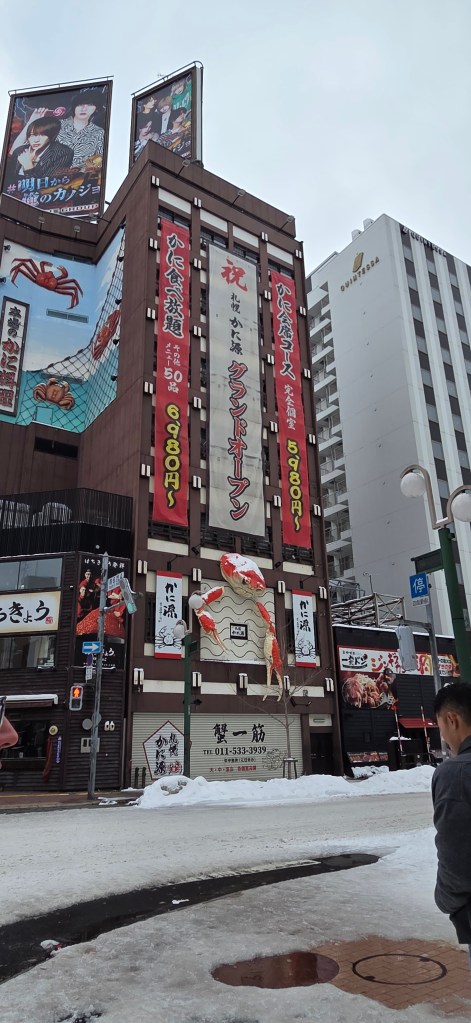
While traveling through Hokkaido, I sometimes felt that tourists were not always warmly welcomed. In a few small restaurants, elderly owners would immediately gesture that there was no space or ask if we had a reservation—something that is not always strictly necessary elsewhere in Japan. Not being able to always find a place in a restaurant, I did my survival from shopping in the 24/7 supermarkets.
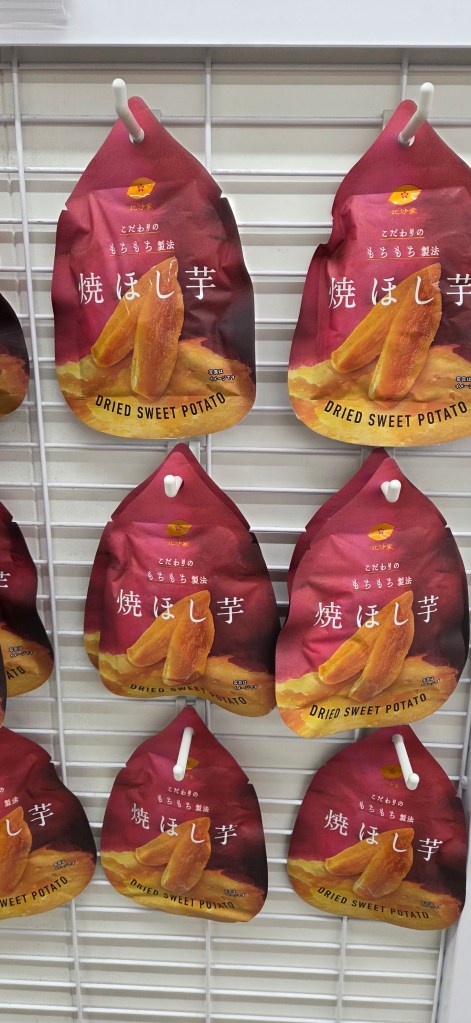
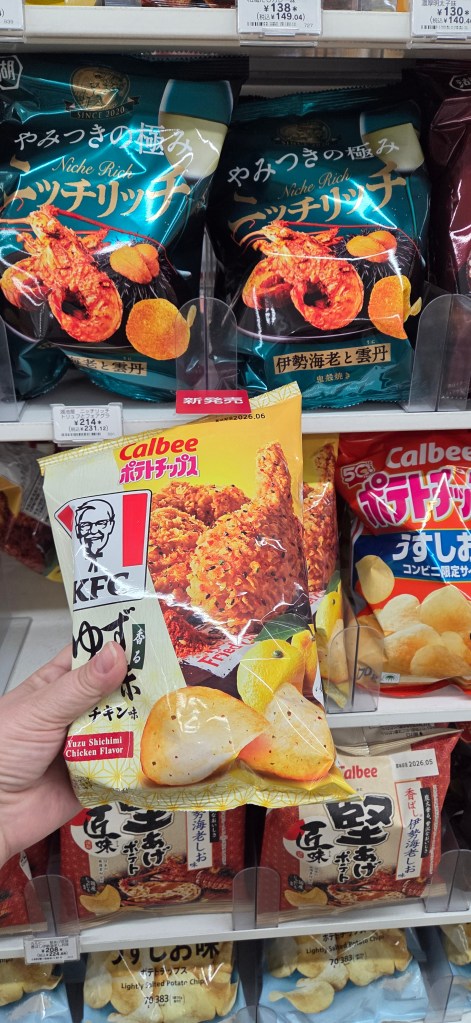
My impression was that many local communities value their quieter rhythm (they weren’t much bothering the amount of snow nor rushing to clean it) of life and are less oriented toward tourism than large cities like Tokyo.
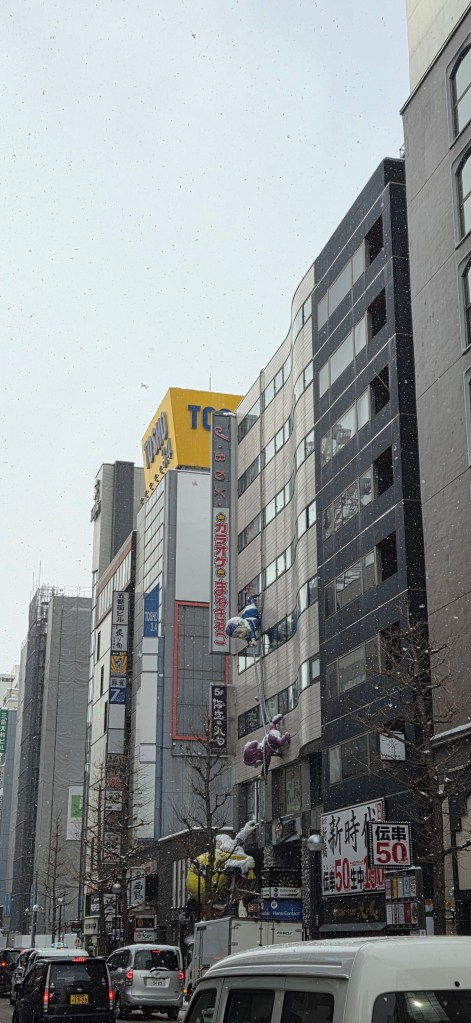
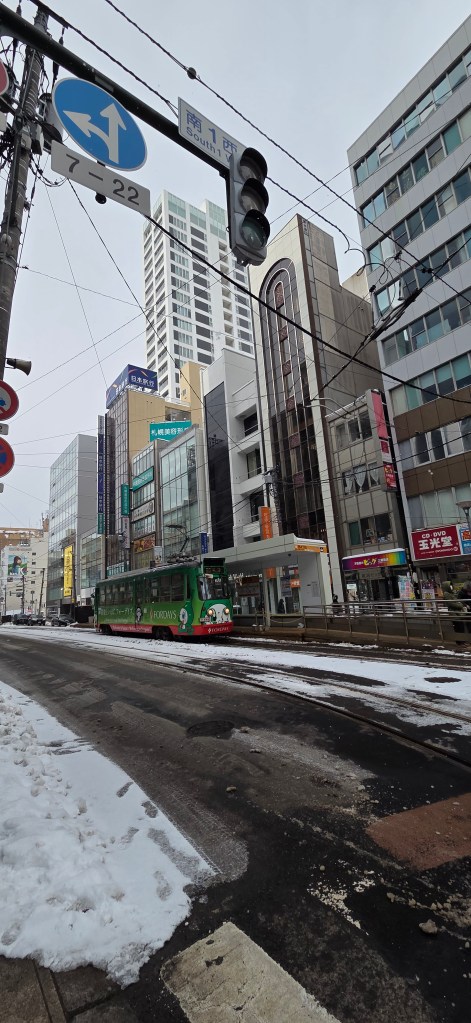
Life on Hokkaido felt slower and more reserved, perhaps reflecting the island’s more remote history and the legacy of the indigenous Ainu culture. Historically the island was also influenced by contacts with northern regions such as Russia, which shaped aspects of local cuisine and lifestyle – they smoke in restaurants!
Or the influence of Mongolia. Which can totally be seen through their mutton dish called Ginghis-khan, baked on a shape of a helmet. Good humor though.
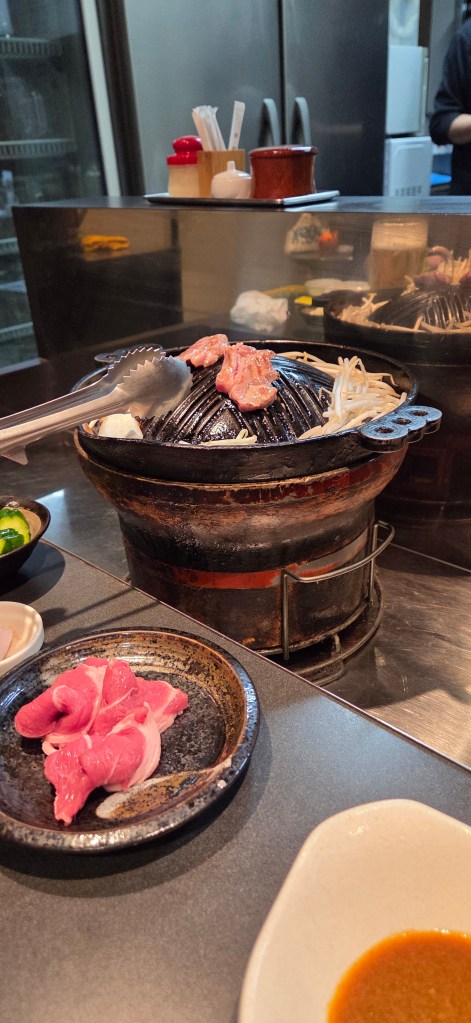
Compared with the main islands—Honshu, Kyushu, and Shikoku—Hokkaido sometimes feels a little more distant and self-contained.
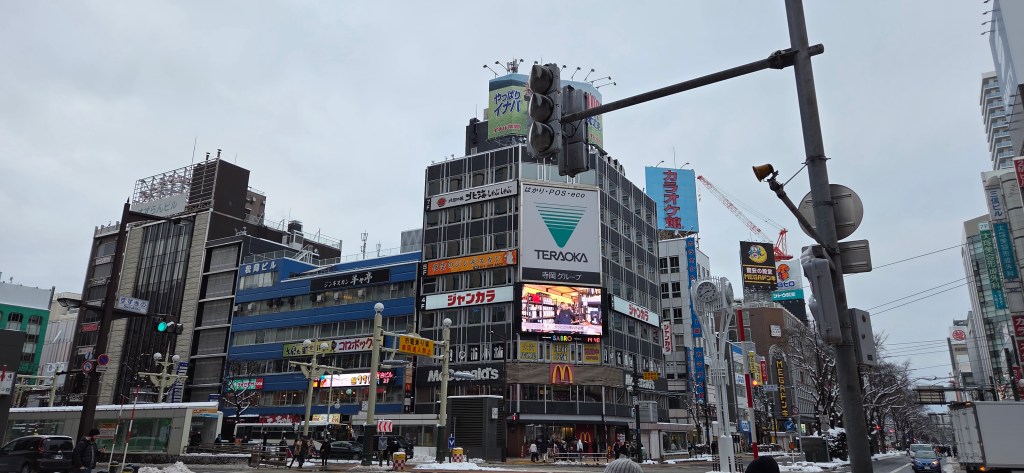
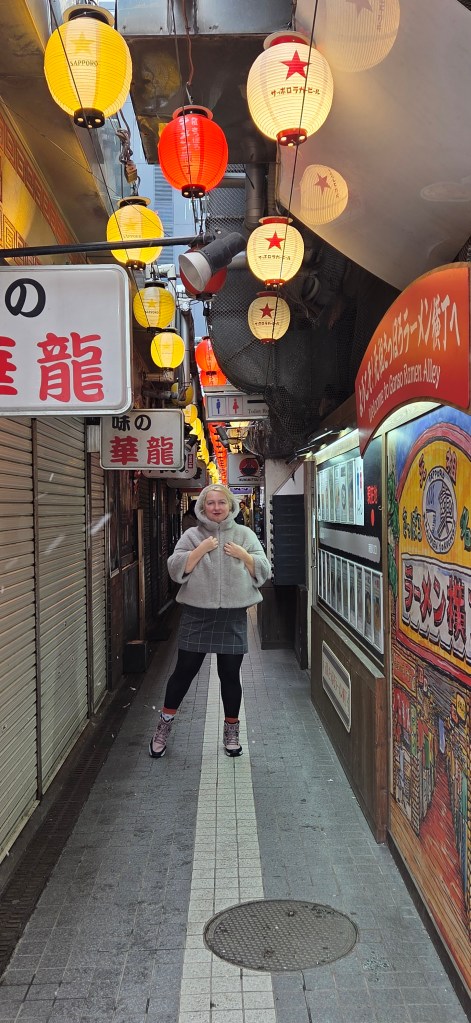
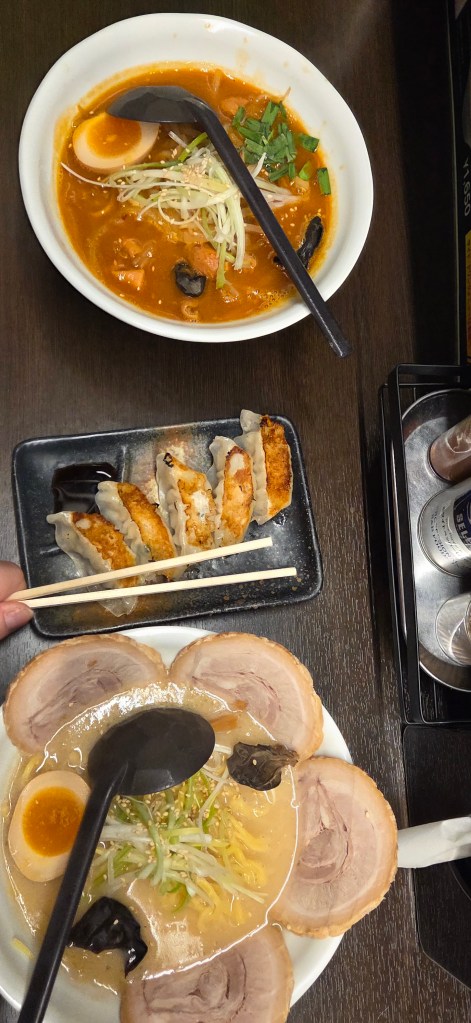
Enough grinding, that day we managed to find the cutest little ramen alley. 🙂 I was so happy I could eat my favourite winter dish!
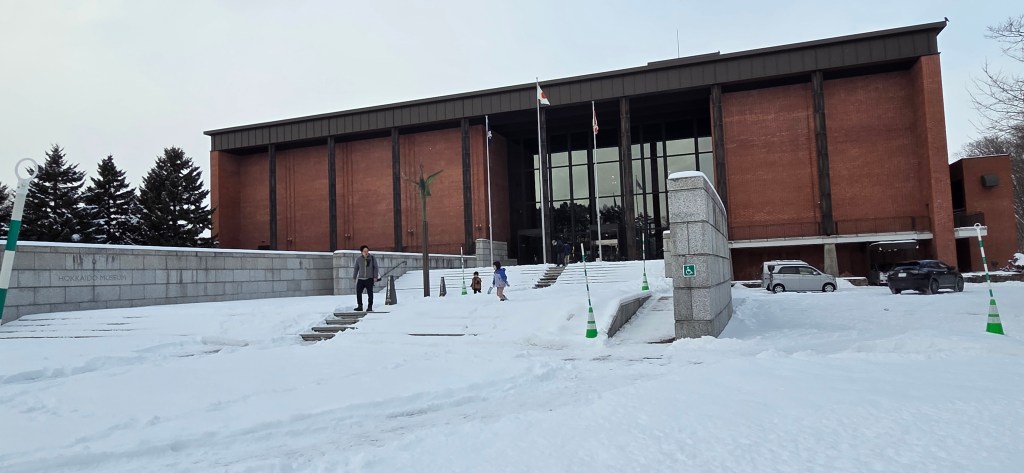
Talking about the history and culture of this island, we went deeper – one layer deeper to understand: Hokkaido Museum. A giant mammoth welcomed me.

So there was the ice age. There were the Ainu. The had developed culture and lifestyle.
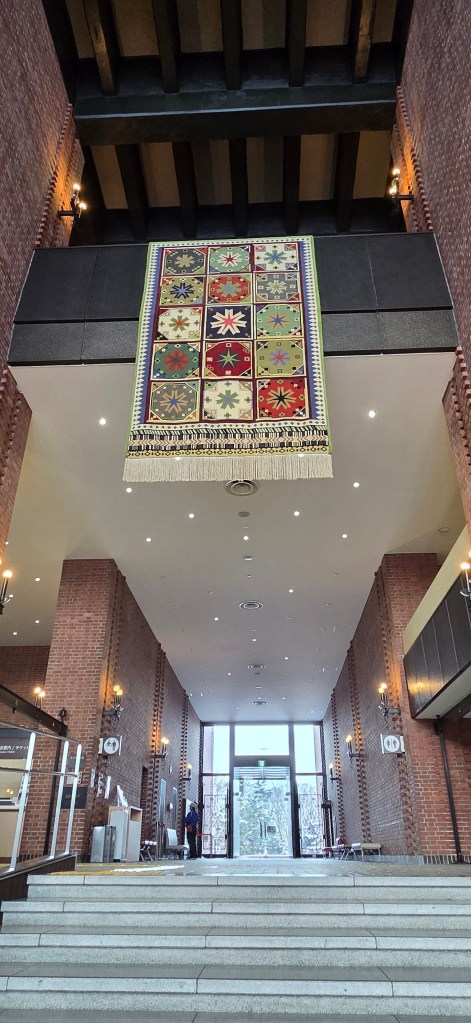
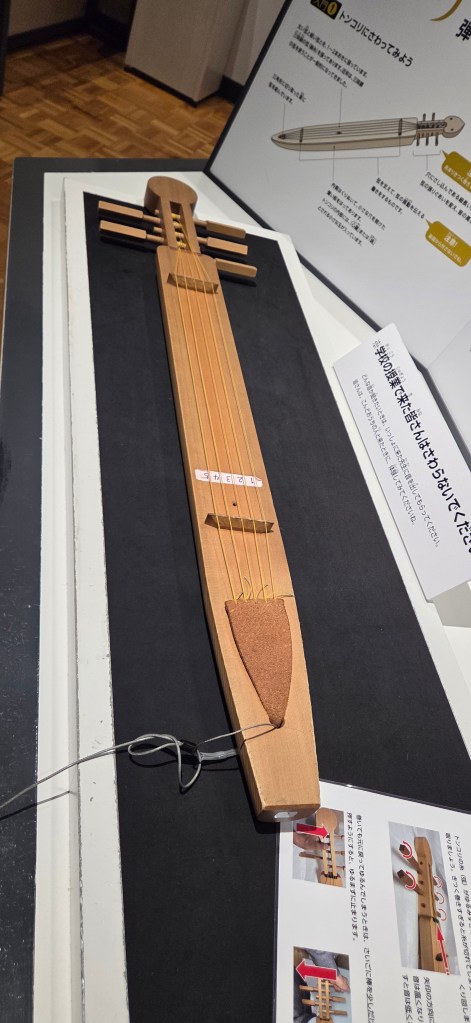
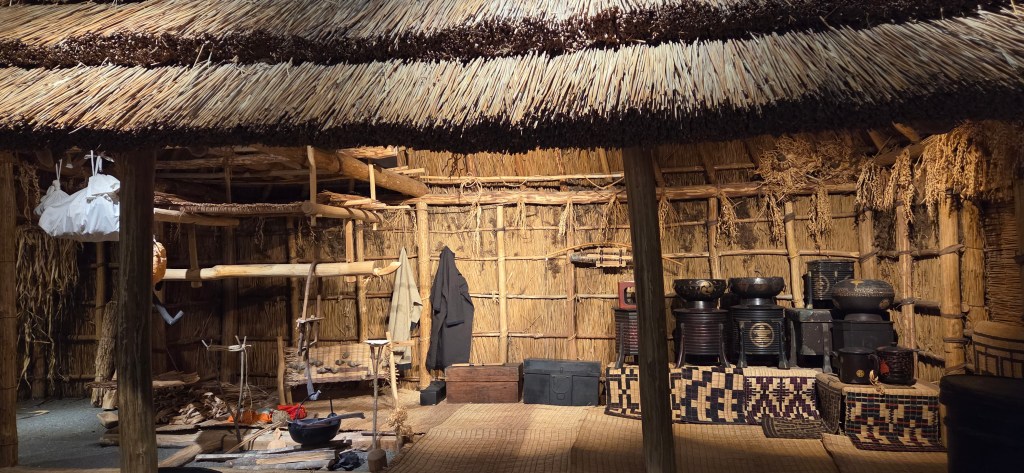
The Ainu lived mainly in Hokkaido, as well as in nearby areas such as Sakhalin and the Kuril Islands. For centuries they traded with neighboring peoples, exchanging goods like fish, furs, and sea products with Japanese merchants and with communities from the Asian mainland.
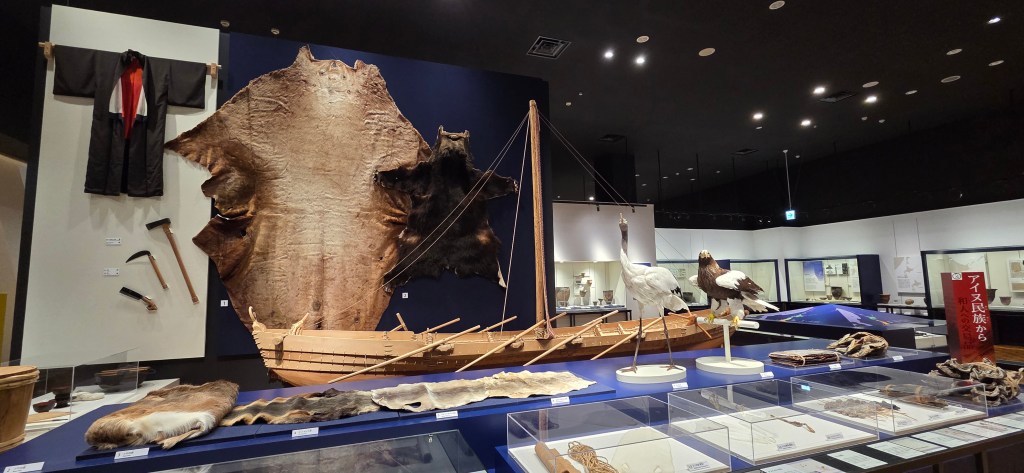
The below museum scene represents trade meetings between the Ainu and Japanese merchants during the Edo period. In Hokkaido, the Ainu traded valuable goods such as salmon, furs, sea otter pelts, and dried fish with Japanese traders.
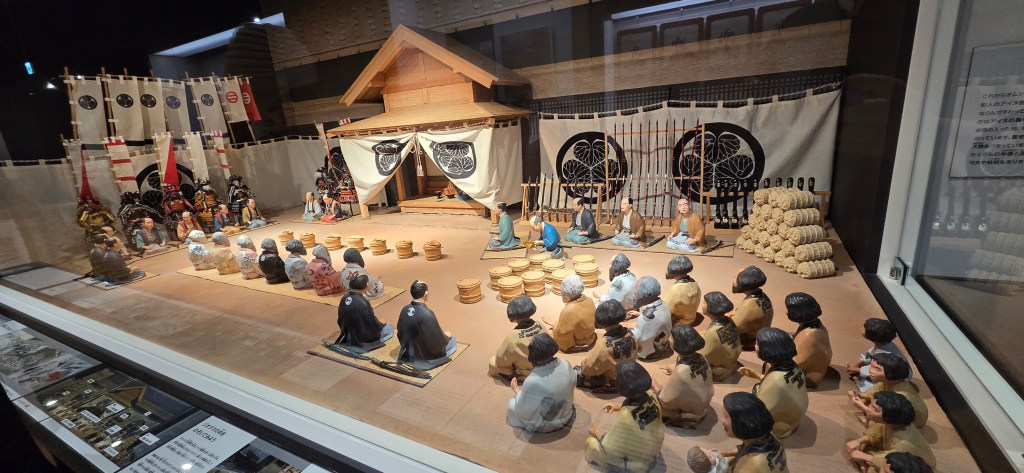
However, these exchanges gradually became unequal. Japanese merchant houses and domain authorities controlled prices and trading posts, forcing the Ainu to trade only through them and often at very unfavorable terms. Over time this system weakened the Ainu economy and increased Japanese political control over the region.
Through these contacts the Ainu gradually became connected to wider trade networks linking Japan, Russia, and parts of northeast Asia. Over time, increasing Japanese influence and settlement in Hokkaido changed these relationships and eventually integrated the region into the Japanese state.
Meiji period turned the country into a steam machine (literally and figuratively).
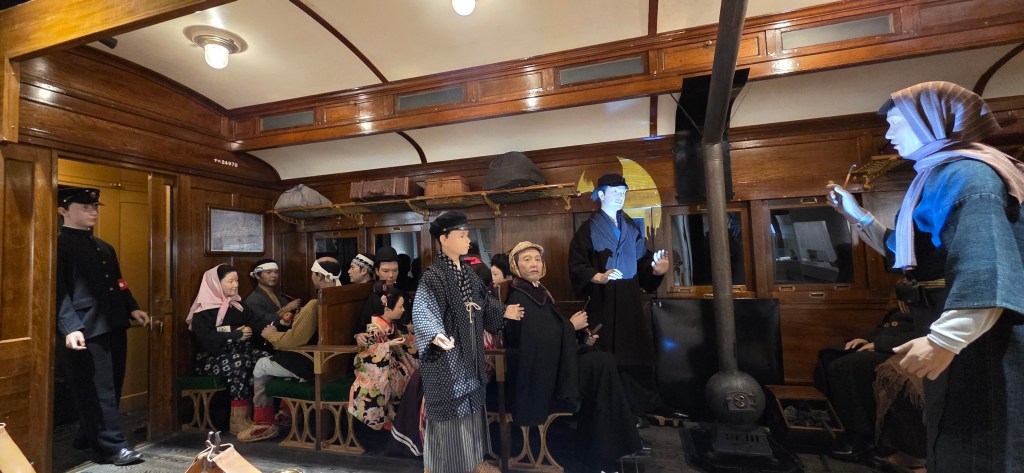
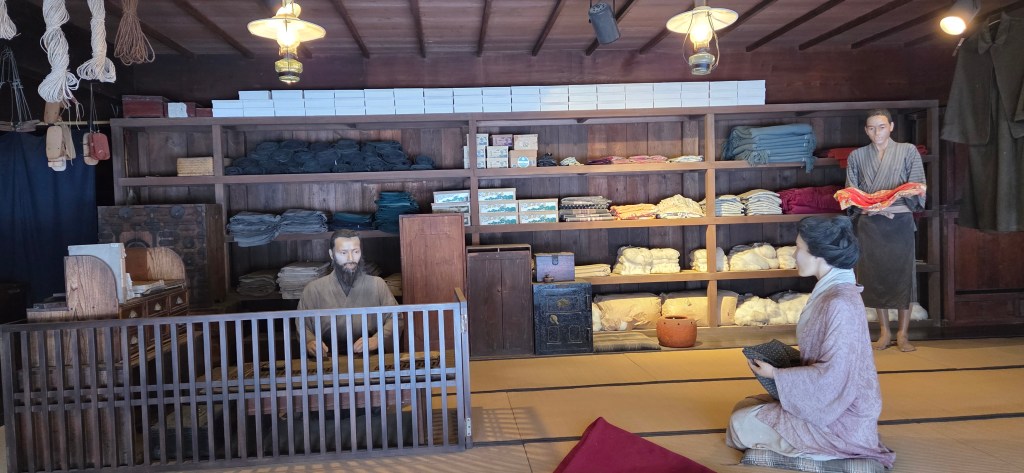
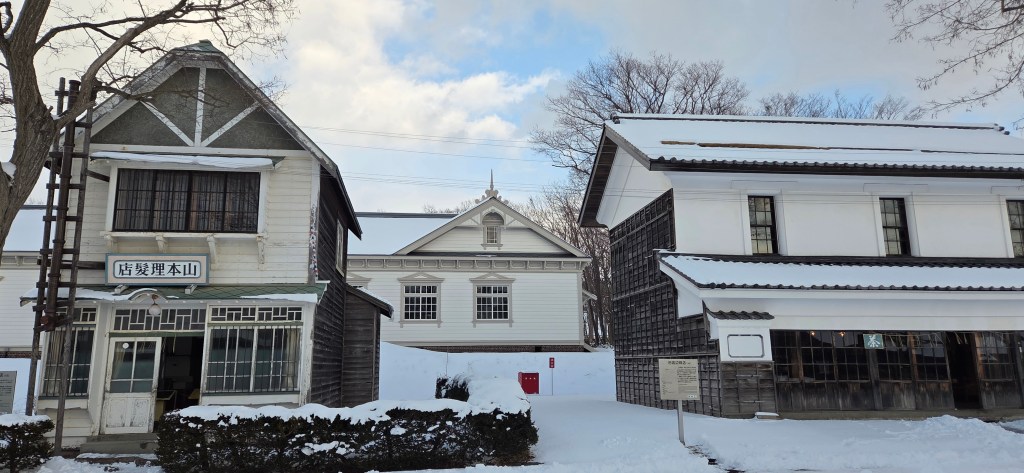
The witness to that is this artificially built Historical village of Hokkaido, bringing wealthy houses from elsewhere around Hokkaido to one place, displaying the lifestyle of those who were not Ainu.
Before I finish and say that it is a trip of a lifetime, let me treat you with this view – if not for anything else, one would come here to Hokkaido to experience this delicacy.

We are sending you a postcard from snowy Sapporo!

 RED RIDING HOOD