
Traveling through Burgundy in May, I passed by so many green hills decorated with cows and wheat fields. These will forever be my associations with this French region.
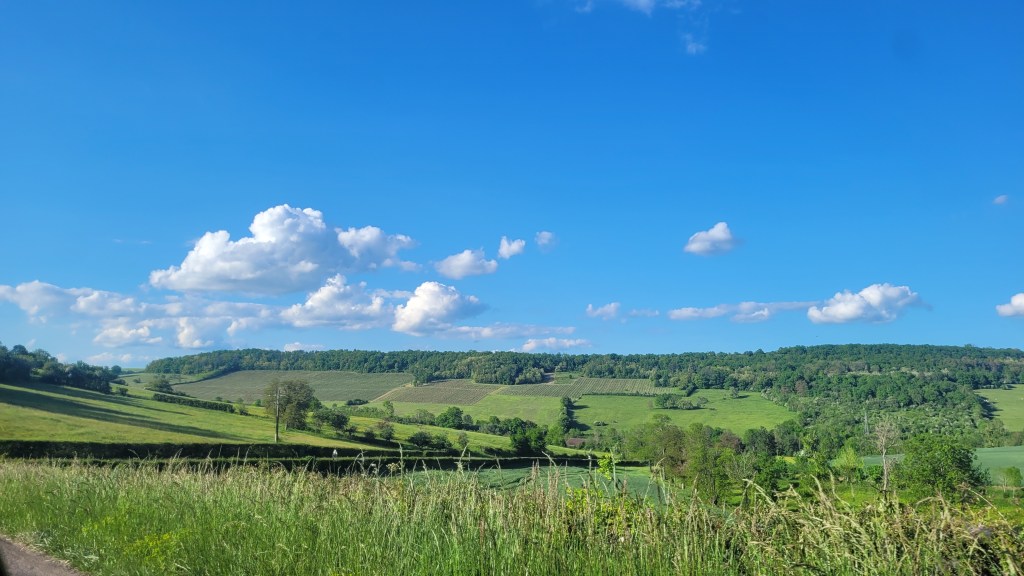
After all, beef bourguignon is a go-to dish: a French stew of beef braised in red burgundy wine. And yes, Tiffany, I know I’ve accidentally taken a photo of sheeps next to millions of cows around.

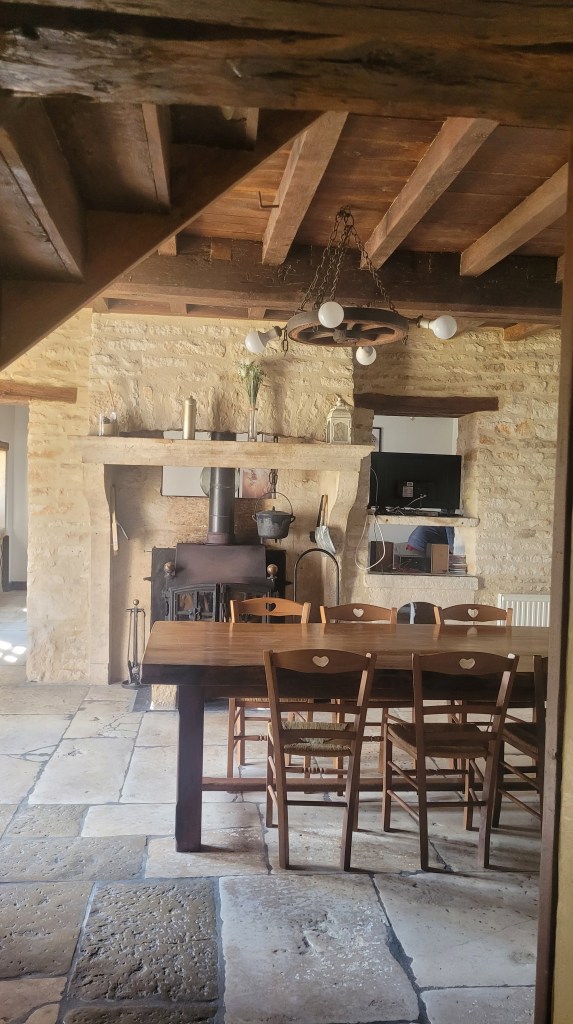
Before visiting Beaune, we had chance to spend the night in a beautiful gitte. This is French version of the vacation house in the countryside. It was cosy and romantic.
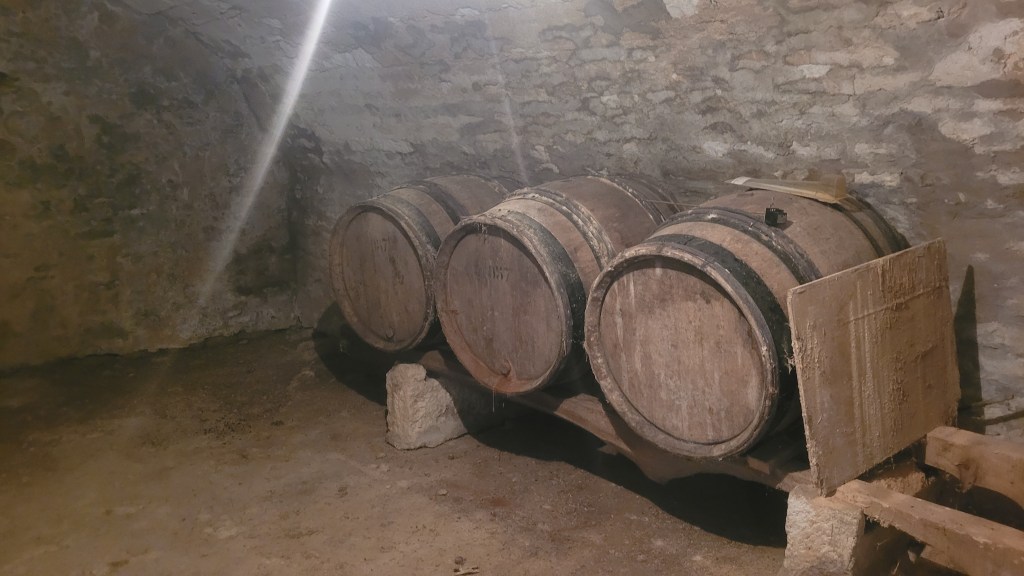
The village where we slept was La Roche et la Pierre Percée, some 55 km away from Beaune. And 10 min drive from Alesia.
Alesia
Alesia was the capital of one of the Gallic tribes that was conquered (together in alliance with Celtic tribes) by Julius Ceasar in 52 BC. The place of the battle marks the final fall of Gaels led by Vercingetorix and establishment of Gallo-Roman civilisation. This means that, Romans brought their civil code, architecture and engineering. The Gaels managed to maintain some form of lifestyle, architecture, and nourishment.
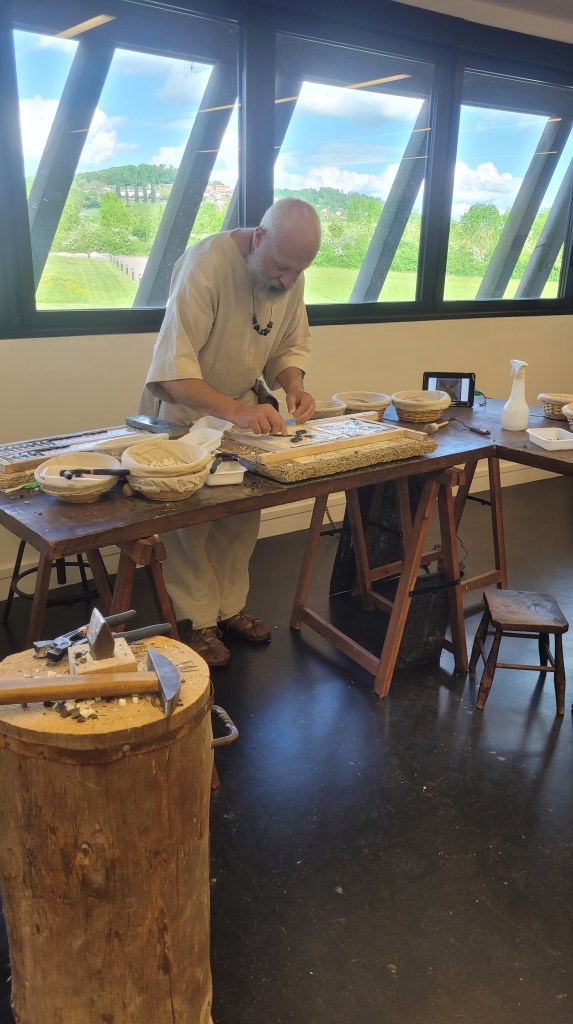
Below on the photo is the museum park dedicated to the famous battle. Unfortunately, we didn’t manage to enter due to late hours, but I promised to pass by again.

Flavigny-sur-Ozerain
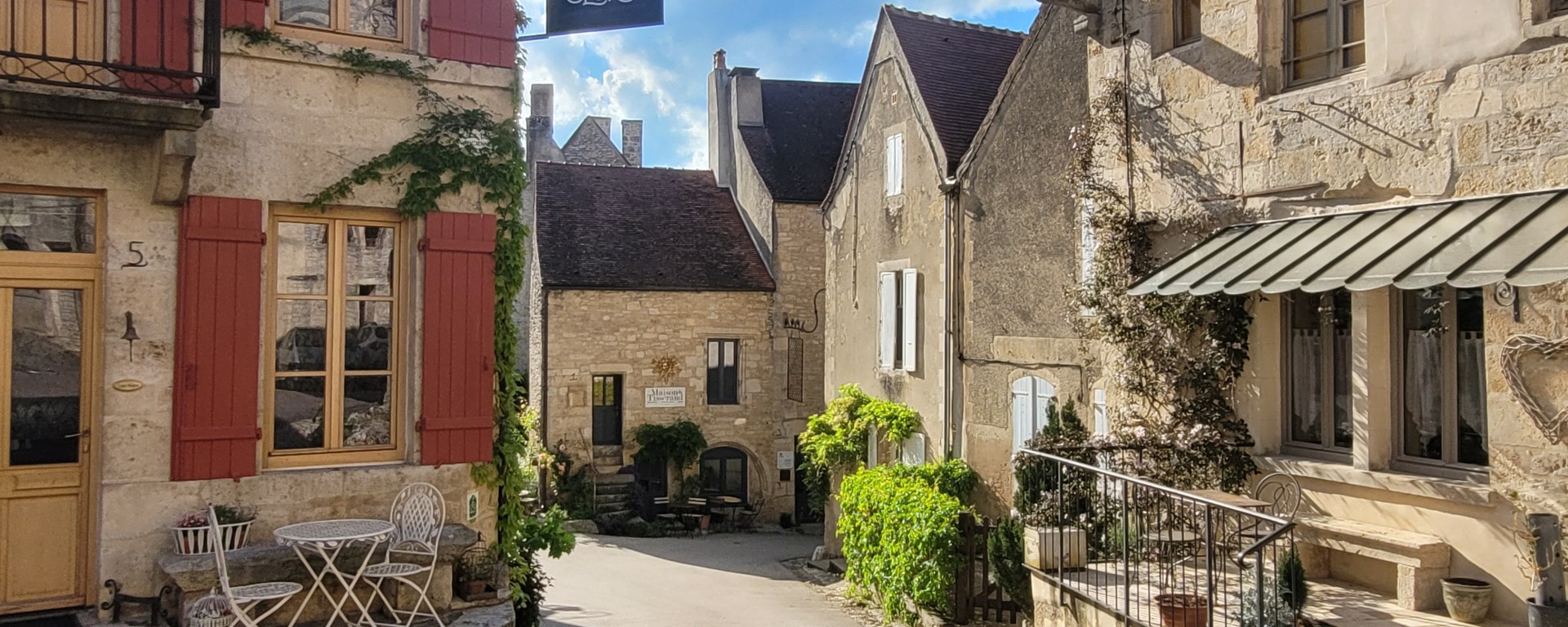
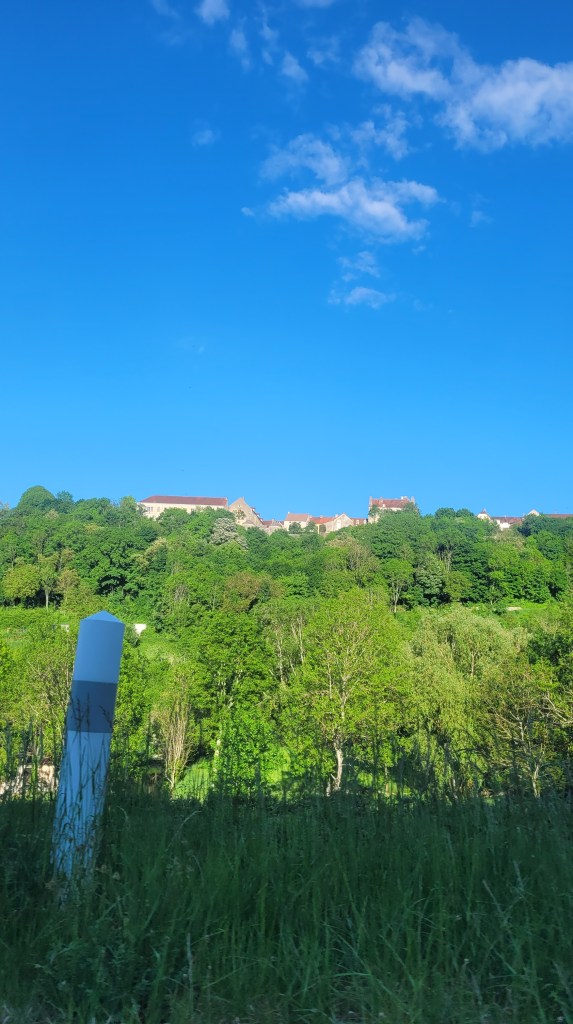
Lots of stops 🙂 I love France, and indeed, there is so much more than Paris. There are so many cities that are pretty mignon and just adorable. Like Flavigny – sur – Ozeraine. So you need a good condition to climb up there. 🙂
It is part of Côte-d’Or, situated on a rocky spur, surrounded by three streams: the Ozerain, the Recluse and the Verpant.
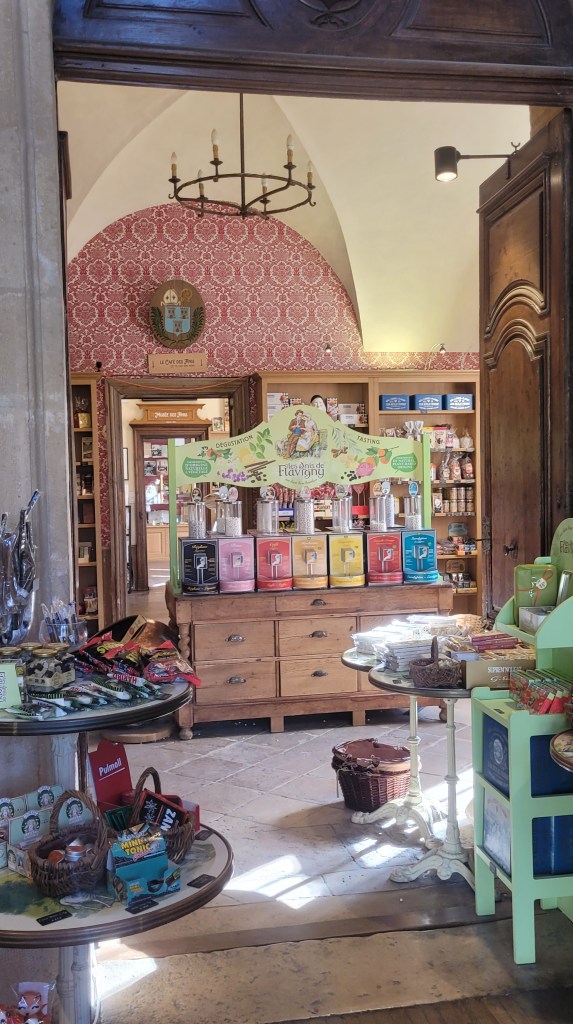
But once you get there, you will first thing: stumble upon the famous old-fashioned manufacture of the anise-flavored candy: Anise de Flavigny. The first production started in the 8th century by monks.

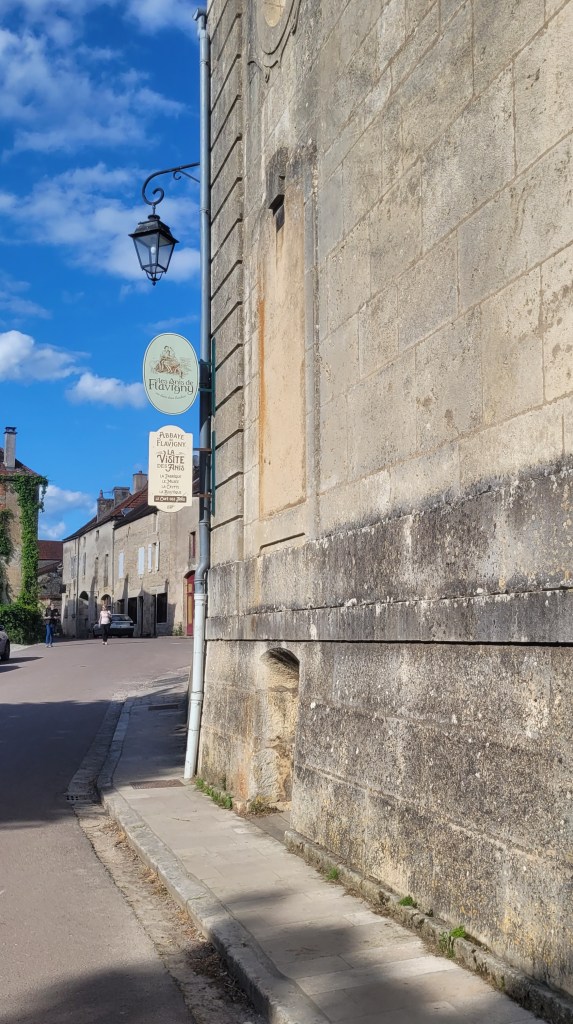
After the French Revolution, several confectioners began making this delicacy using the same recipe. Only one manufacturer remains today at the abbey, Maison Troubat, who claims to follow a recipe which has been in use since the 16th century.
Flavigny-sur-Ozerain is home to Saint Joseph de Clairval Abbey. The Benedictine monks there live according to the rule of St. Benedict and offer retreats for lay Catholics and workshops on desk top publishing and the manufacturing of icons.
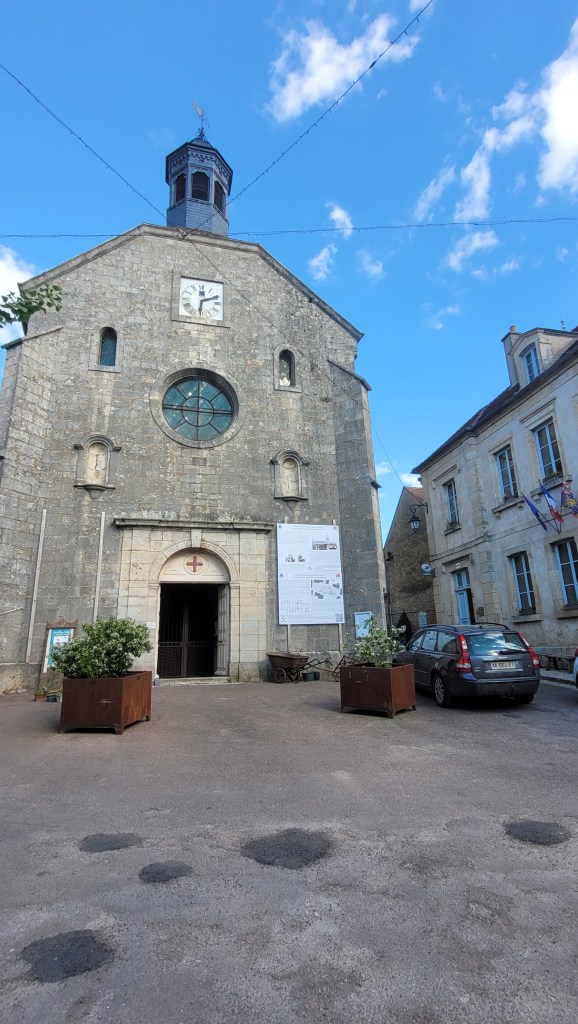

The town was prosperous during the Middle Ages, catering to large numbers of pilgrims, both those who came to visit the relics of Saint Reine and those on their way to Santiago de Compostela.
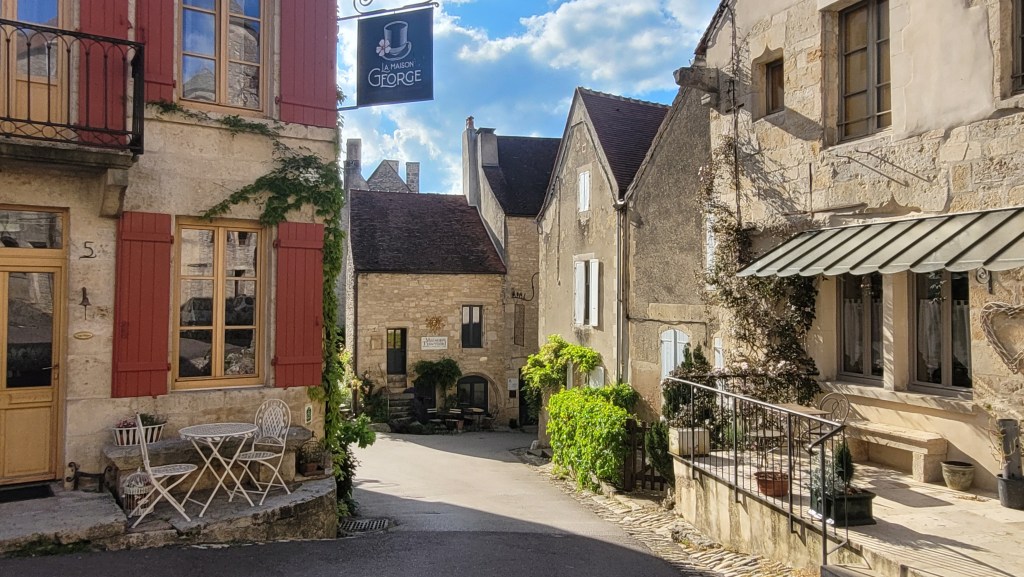
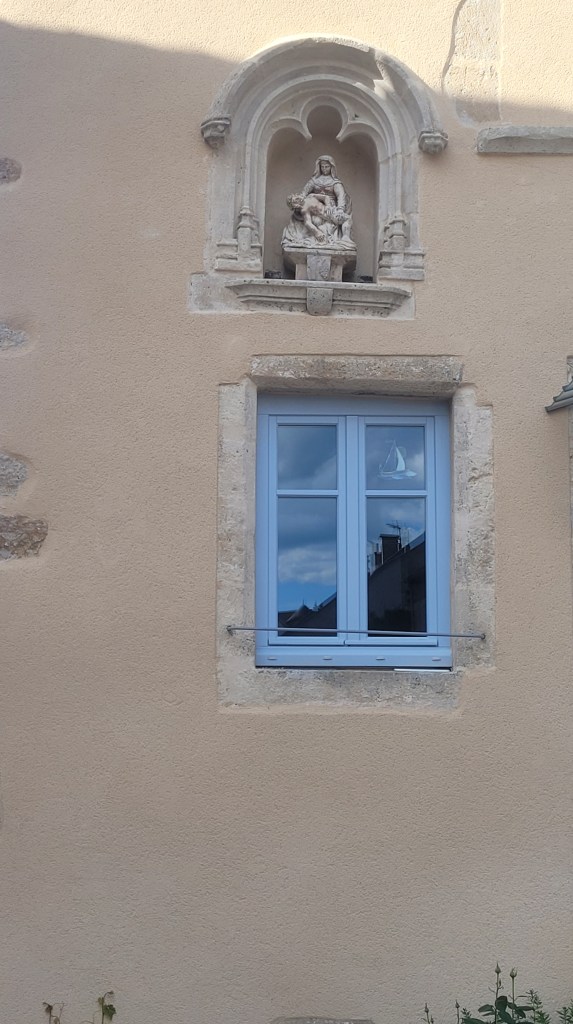
A detail, a colour, a flower, and I change paths, without really getting lost. In Flavigny, I simply walked with the wind. There were so many details that lead me around. Who would have expect a mini Pieta here?
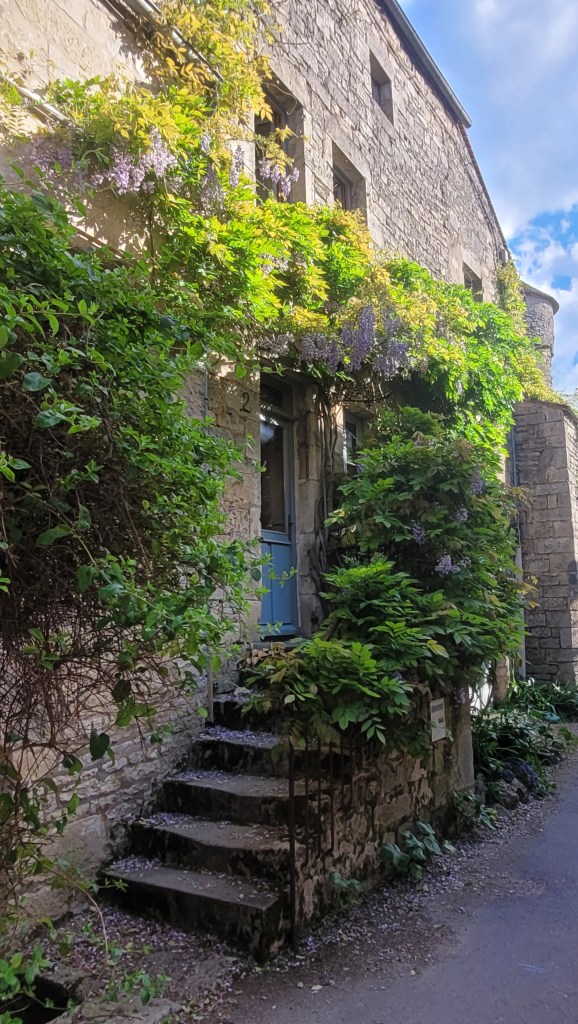
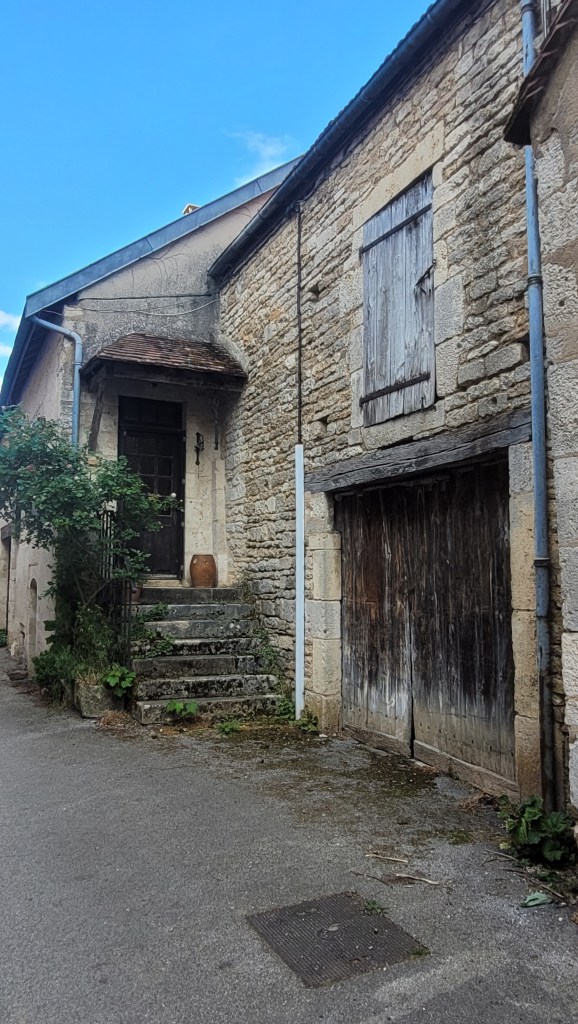
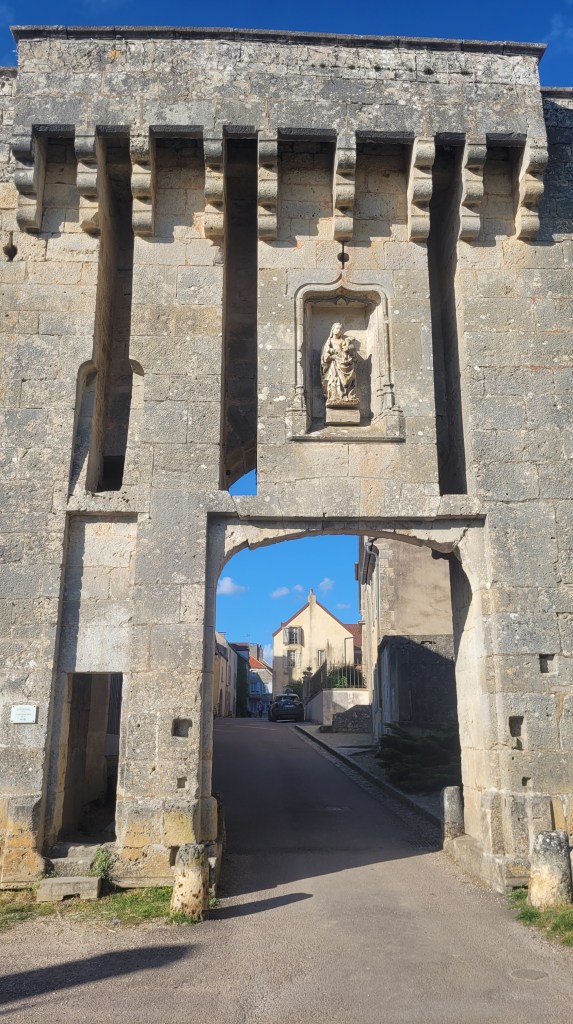
During the 12th and 13th centuries, extensive fortifications were raised around the town. Large sections of these walls still surround the village to this day, including the Porte du Bourg, with a statue of the Virgin.
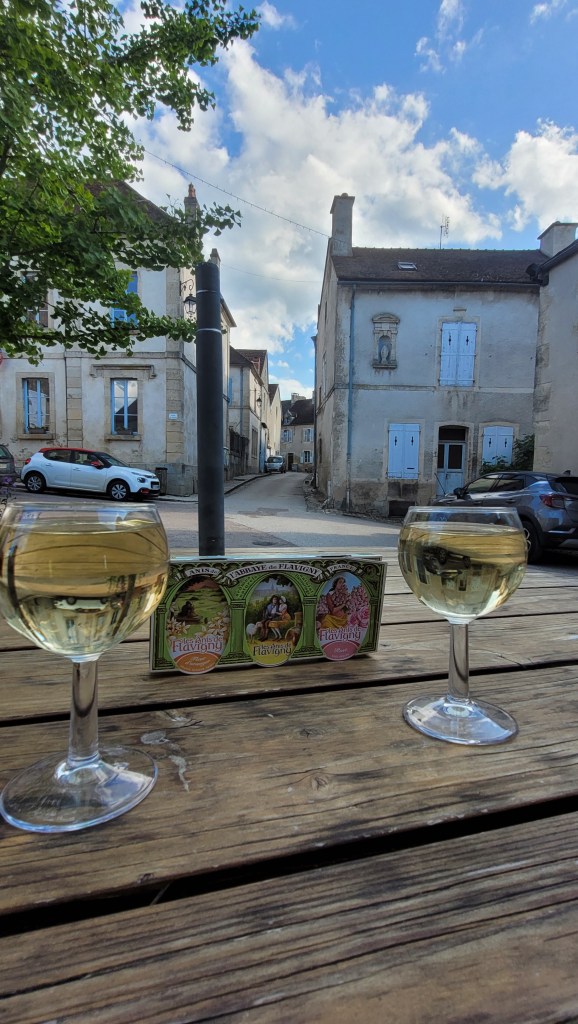
To the very end – a glass of Burgundy Chablis and a Chardonnay. And inevitable pastis sweets.
To admire more the medieval times!
 RED RIDING HOOD