
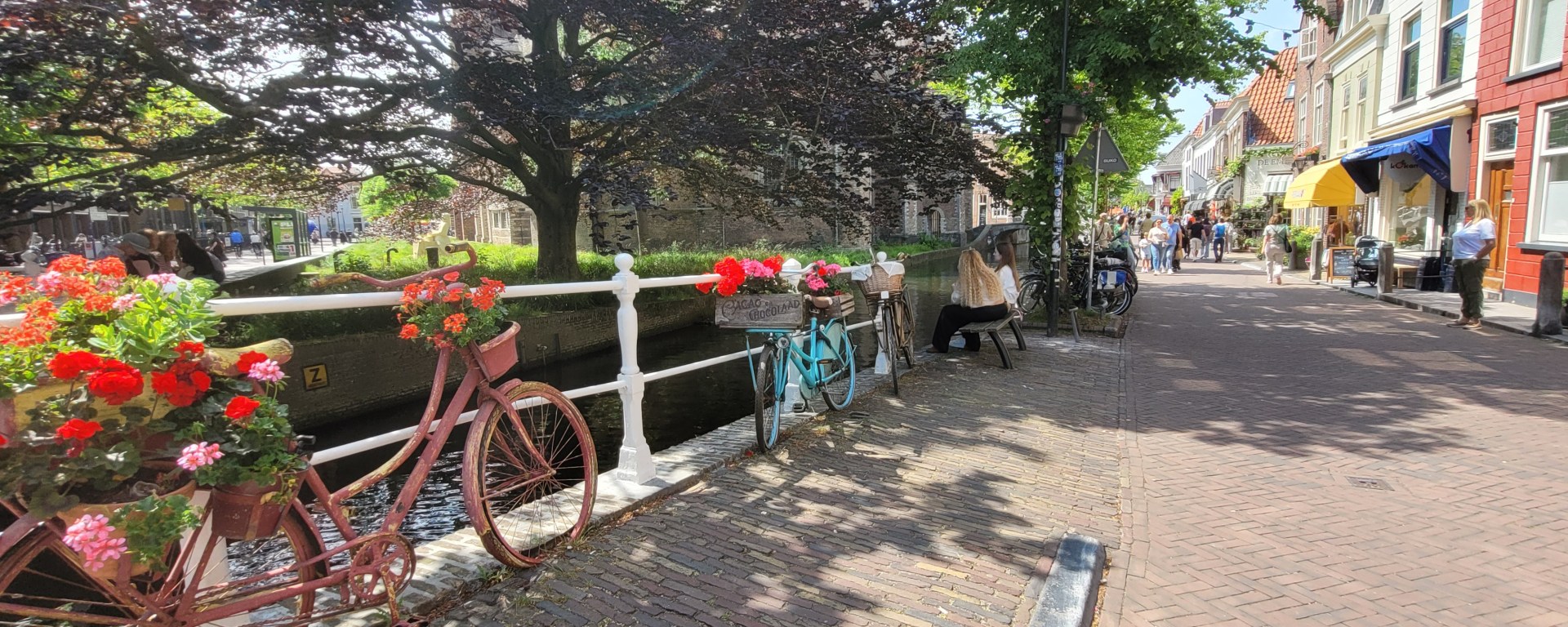
Delft breathes history through all its pores. I almost felt like I went back in time during my visit. This was thanks to Vermeer, who painted almost every corner of the city and is visible in every shop. Nevertheless, the city is perfect for a one-day trip.

The city is very much like Amsterdam: canals, bikes, flowers, guilded houses, but much better version. No coffee shops, no drugs around, no trash and closhards.


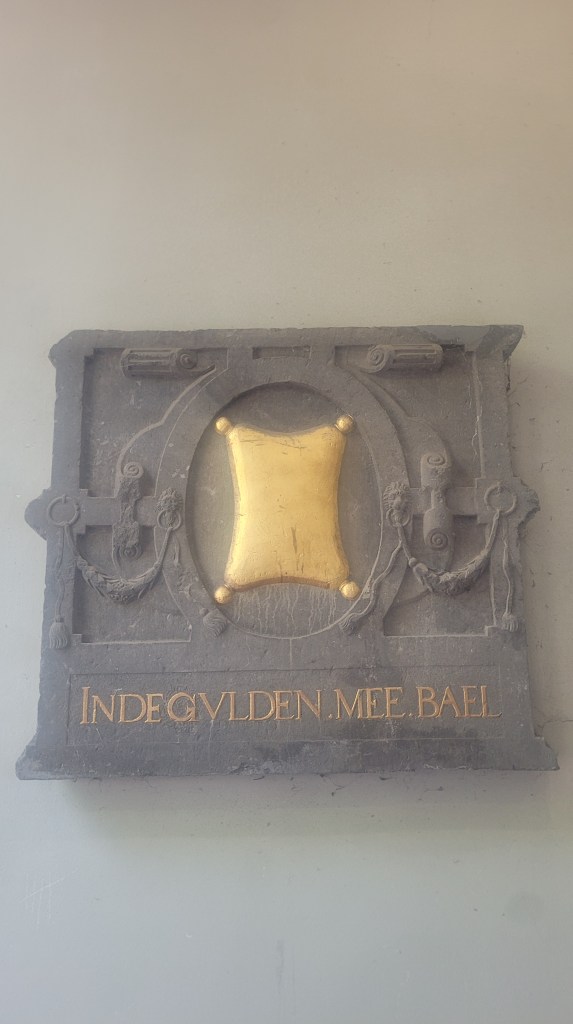
The city flourished in the Middle Ages thanks to its canal connections with the North Sea. Naturally, the French, Spanish and English were attacking. You can witness wealth all around the city. One of the first impressions was this historic gable stone – a symbolic wealth plaque that was decorating rich Dutch houses in 16 – 18 century.
The golden object in actually a golden money bag and the incription below is old archaic Dutch that translates into: At the sign of the Golden Bag.
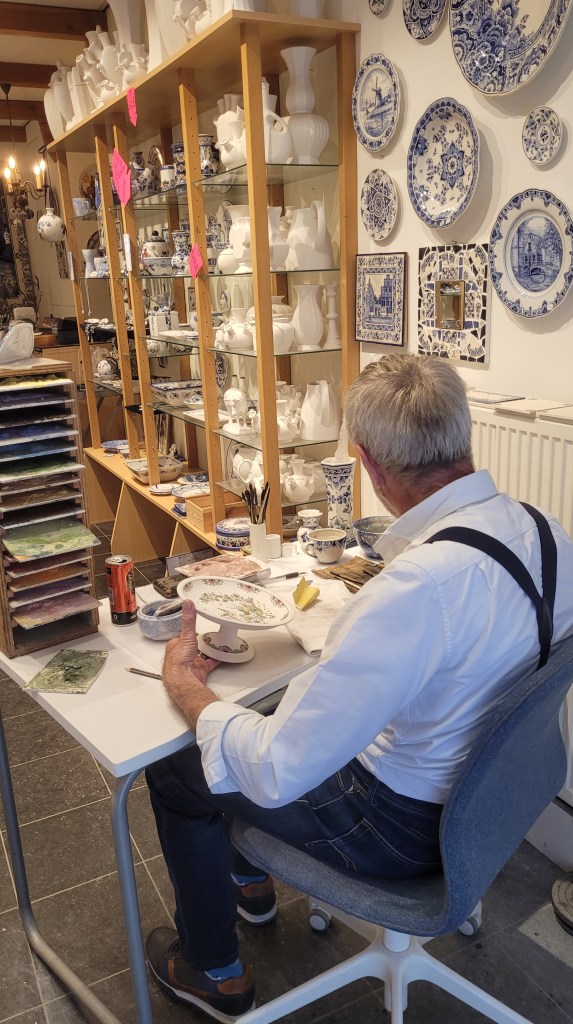
As mentioned, Delft was a prosperous Dutch city. Wealth, finance and commerce were crucial to Delft’s booming economy in the 16th century. The same wealth developed craftsmanship, including ceramics. The Delftware is iconic blue and white ceramics that were supposed to imitate fine Chinese porcelain. As Delft grew big through Dutch East India company, it imported many spices and typical crafts from the East.


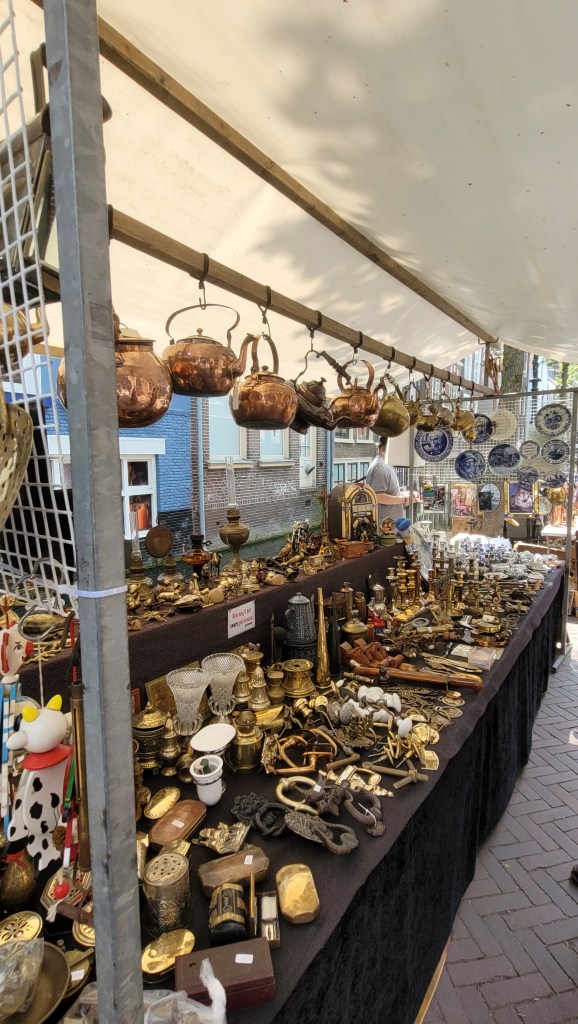
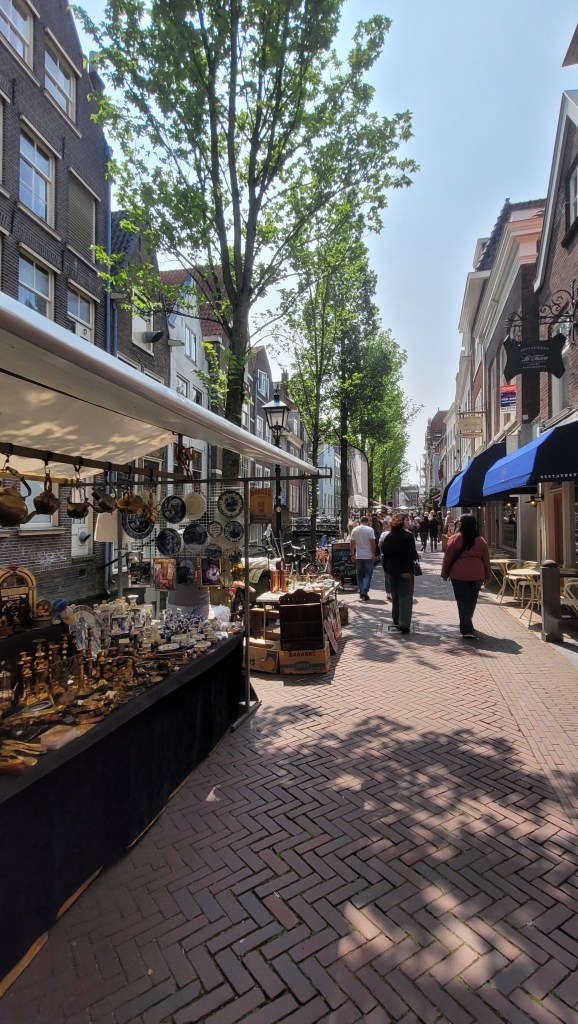
The city hosts a flea market that runs through its streets. You can find many items there that witness the rich past of Delft.
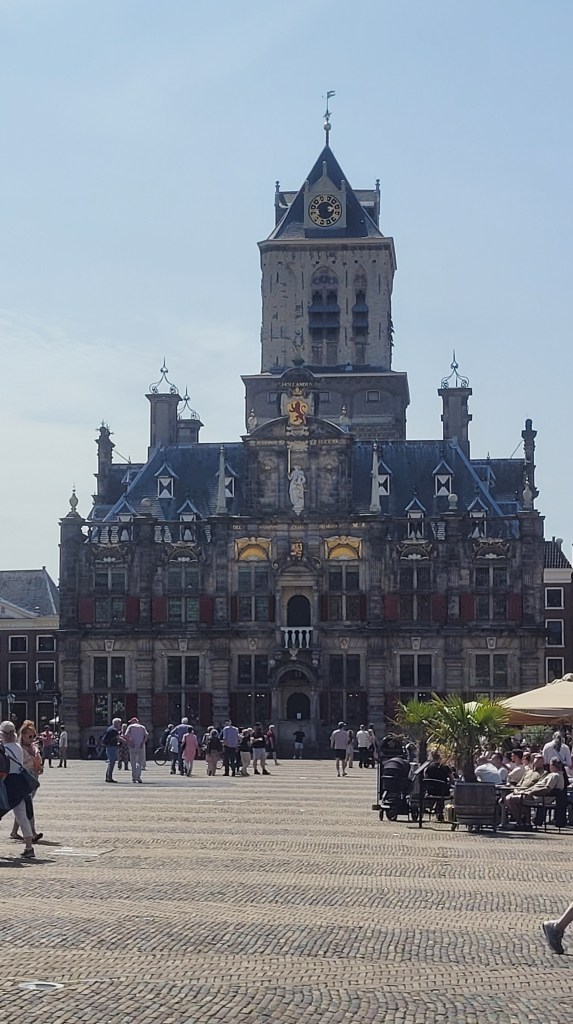
And then there is the City Hall. Yes, that same prosperity hinted at the Golden Money bag from the very beginning, there is now this baroque architecture in the center of the Market square. Note the golden statue of Justice holding her scale!
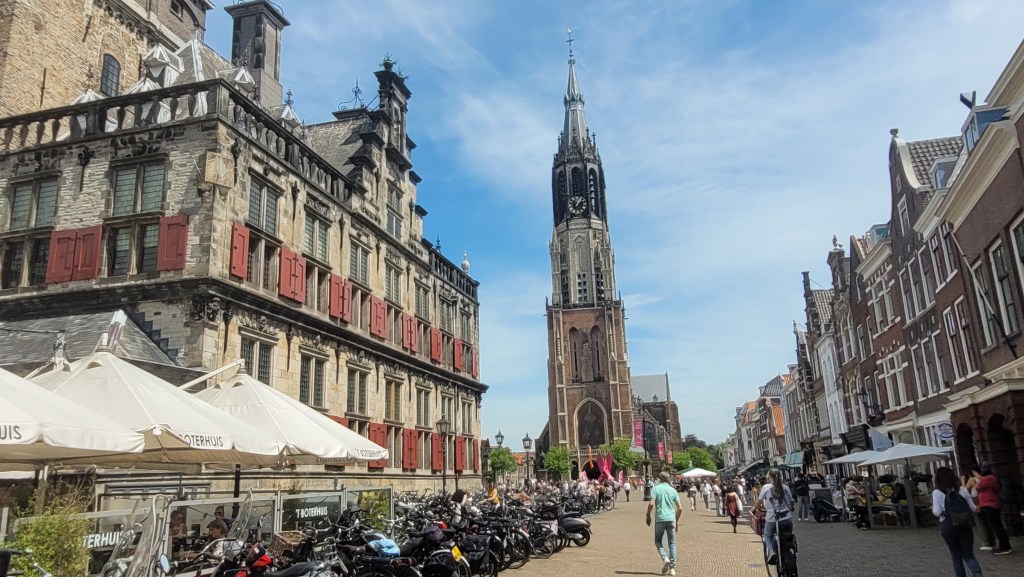
Just in front is the Nieuwe Kerk, or the New Church. Home to the most important tombs in Dutch history. In 1584, William of Orange, leader of the Dutch revolt against the Spanish Habsburgs, was assassinated by Balthasar Gérard, a fanatic who admired King Philip II of Spain. William had led the Dutch in their fight for independence, making him a founding father of the Netherlands. After his death, he was buried in the Nieuwe Kerk, and since then, it has become the royal burial site for the House of Orange-Nassau. Almost every Dutch monarch since has been laid to rest there.
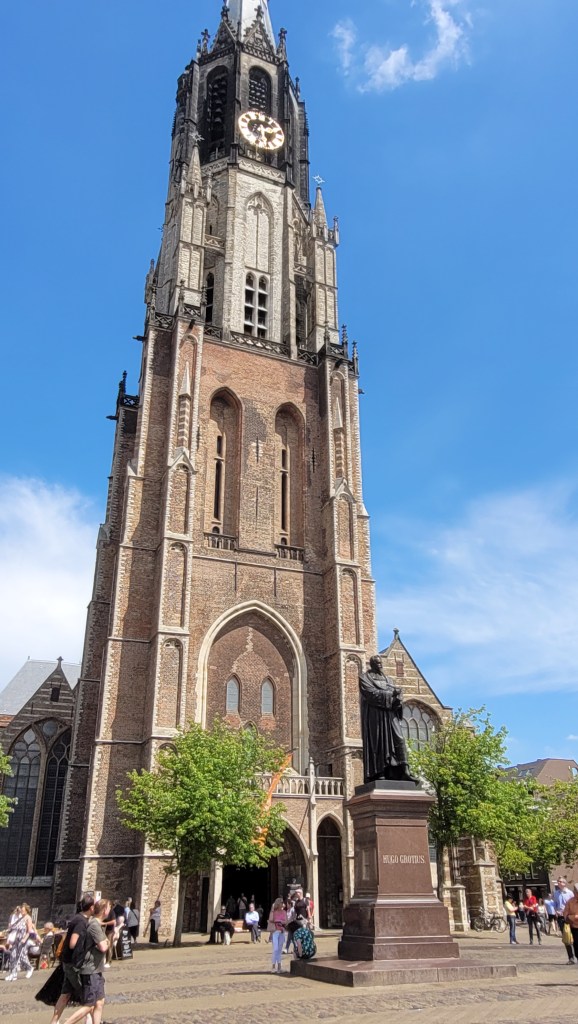
I didn’t go inside. The Protestant ethics charges the entrance to the Church. Which goes against my ethics and principles. The Church is the place of God and belongs to all. Not only to the wealthy ones. Hugo Grotius – Dutch humanist, lawyer and diplomat, a political scientist ahead of the political science would agree. His statue lays right in front.
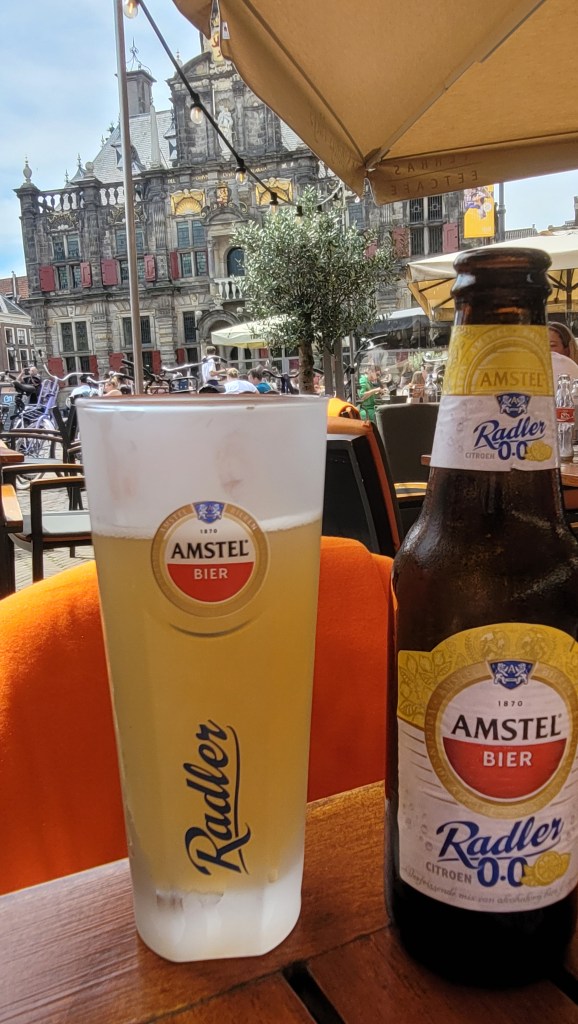
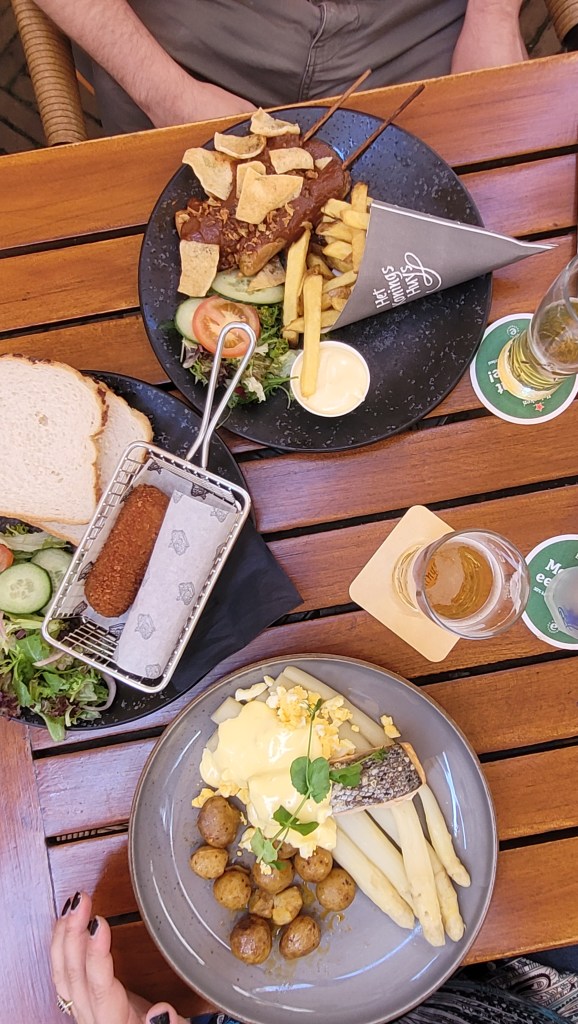
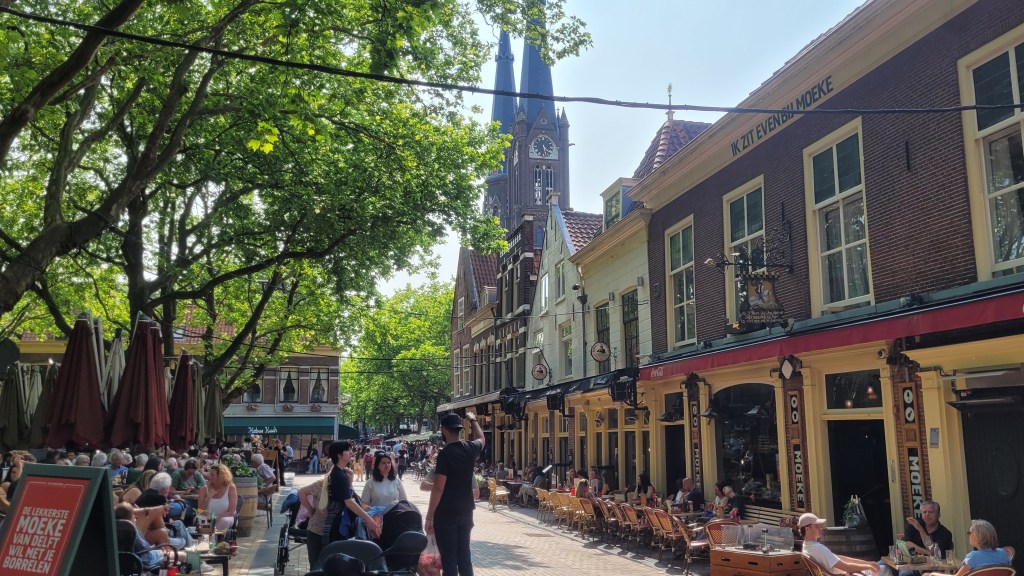
The main market is a perfect place to sit and soak in all this history and architecture. The place is bursting with restaurants and pubs. BTW, the Dutch eat sandwiches for lunch!
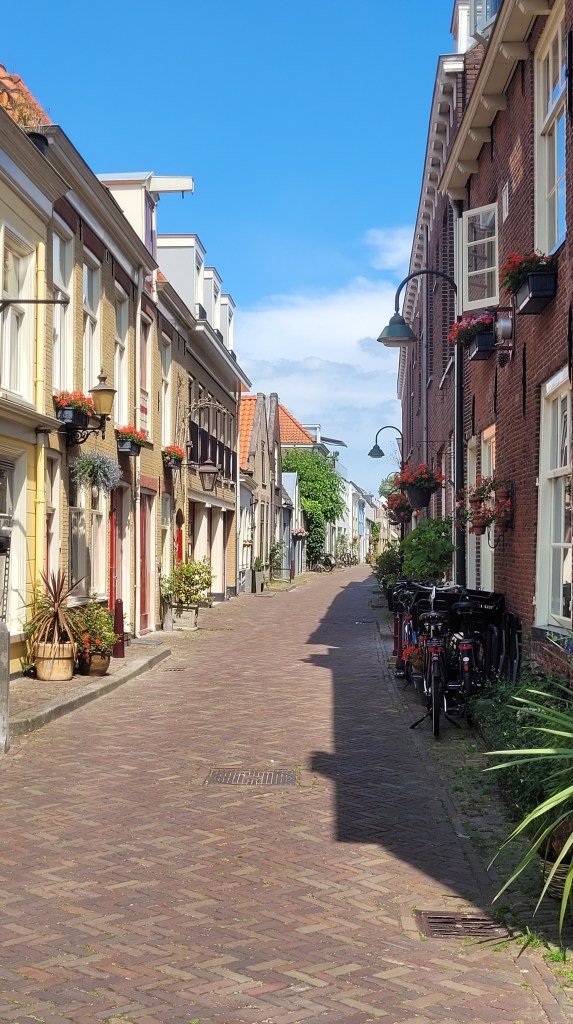
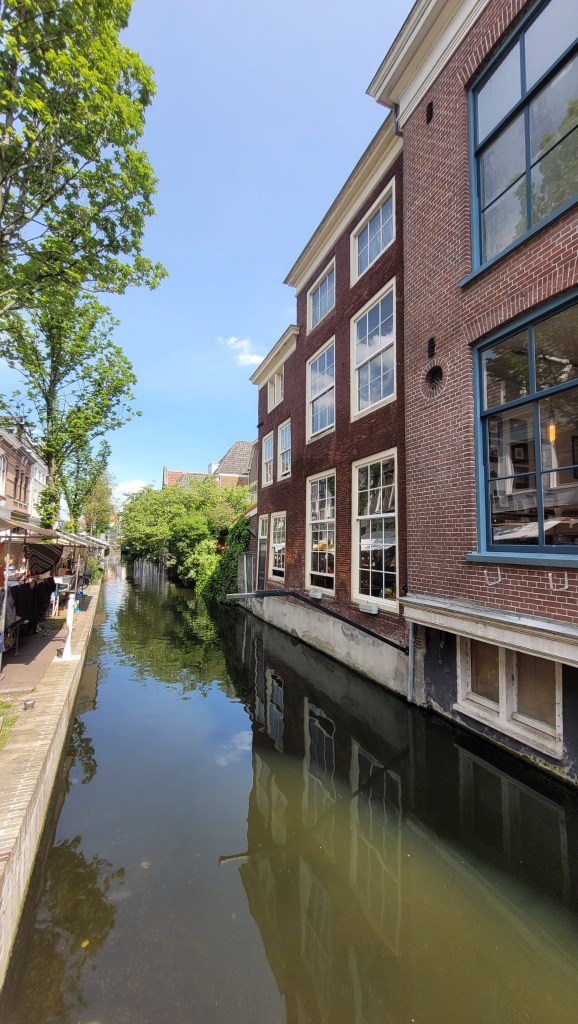
I continued to explore the city, wandering along its peaceful canals, each lined with charming houses, blooming flowers, and perfectly crooked facades. Everything felt lovingly preserved — like Delft knows exactly how beautiful it is and doesn’t need to try too hard.

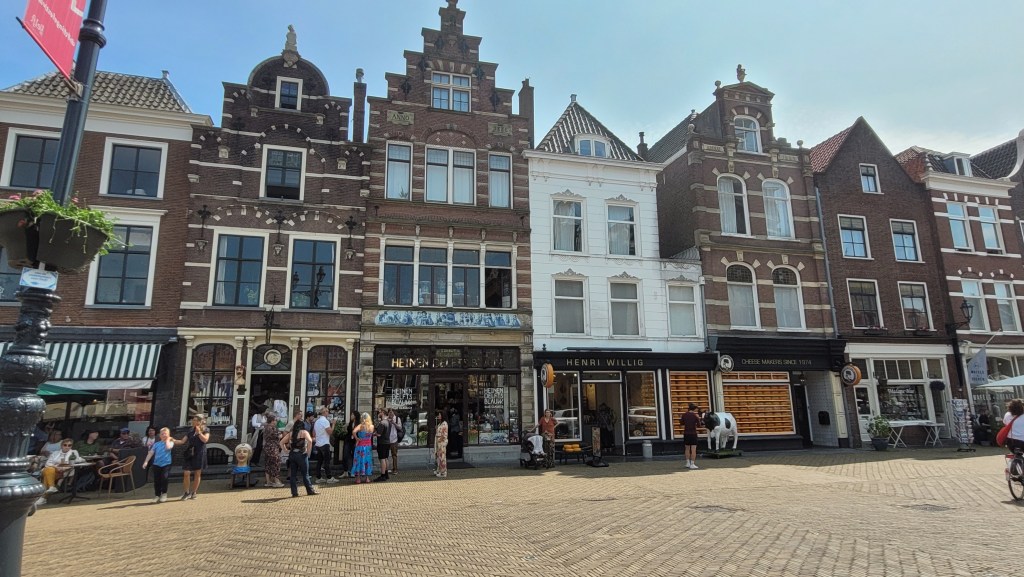
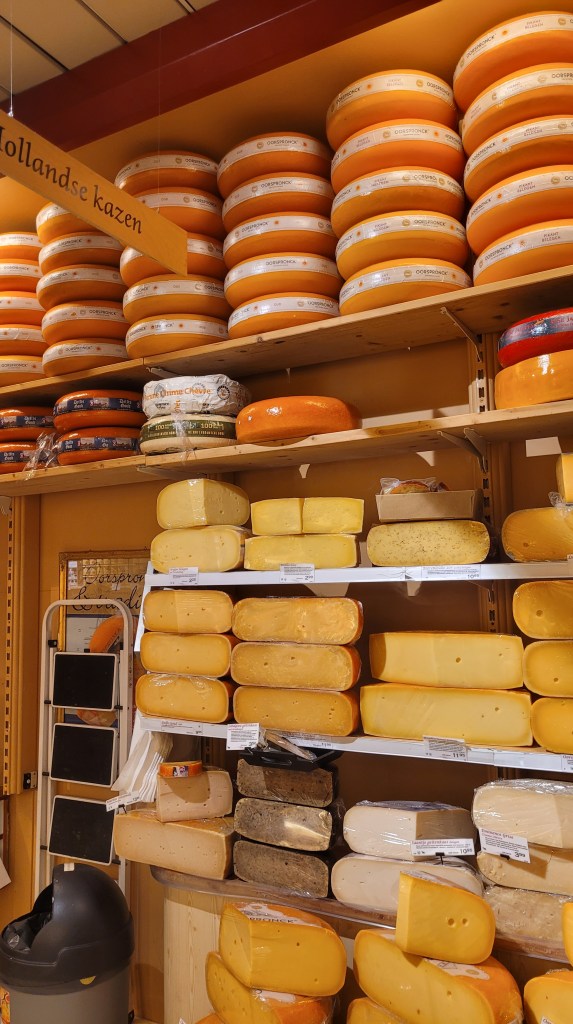
And of course, no visit to the Netherlands is complete without Gouda — and yes, I went straight to a Gouda cheese shop and left with more than I planned to buy. Gouda isn’t just a cheese; it’s a story of windmills, lush green polders, and content cows grazing in wide open fields, producing the milk that made this creamy gold possible. In the Middle Ages, Gouda was already a center of rich trade, with cheese, beef, and butter traveling along canals to markets across Europe. The windmills weren’t just pretty — they were engines of prosperity, draining the land and powering the economy. It’s easy to taste all that history in just one bite.
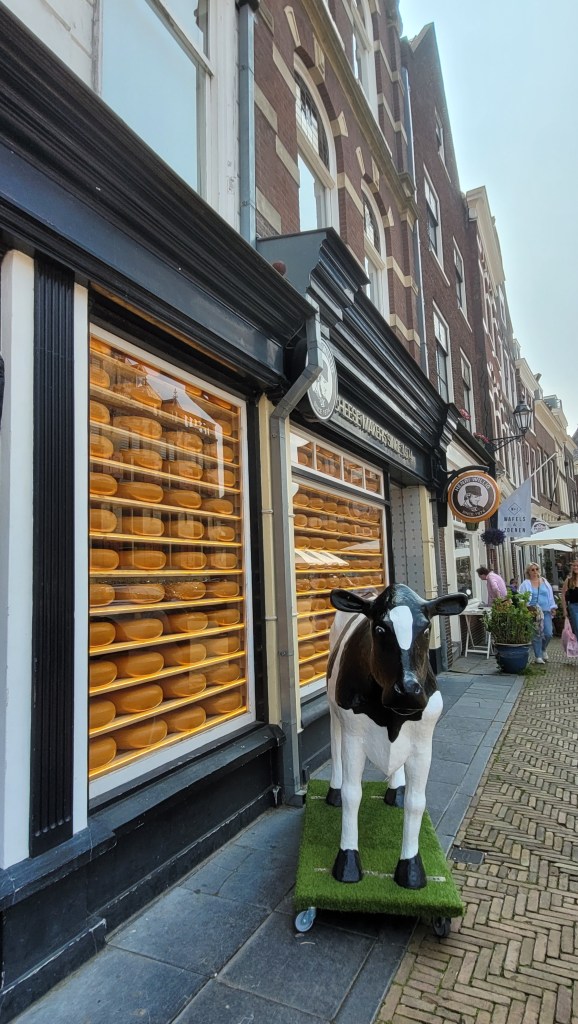

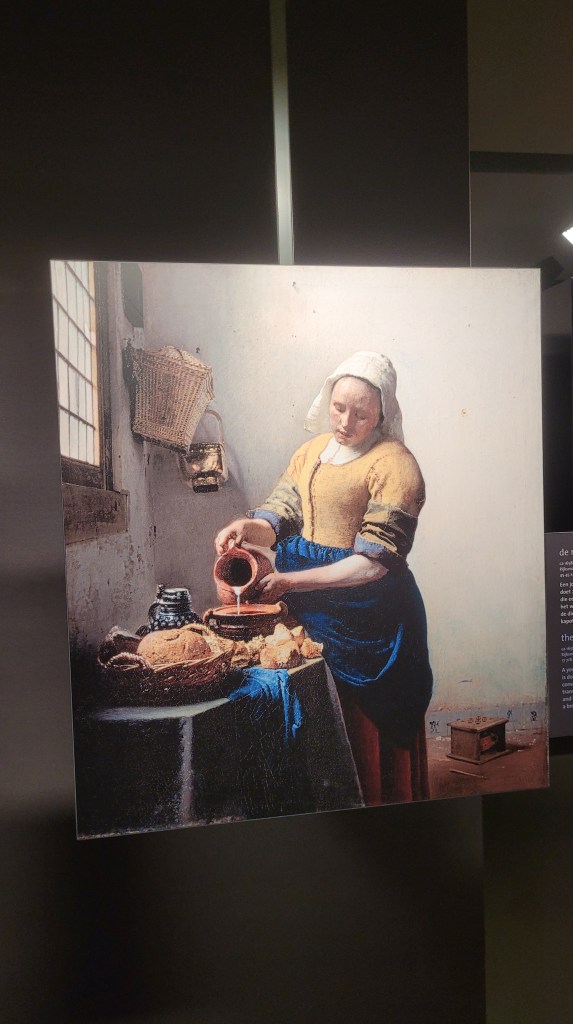
One of Delft’s most famous sons, Johannes Vermeer, captured this world of quiet abundance in one of his most famous paintings: The Milkmaid. Vermeer spent his life painting moments of the Golden Age, preserving the serene beauty and richness of Delft for all time.
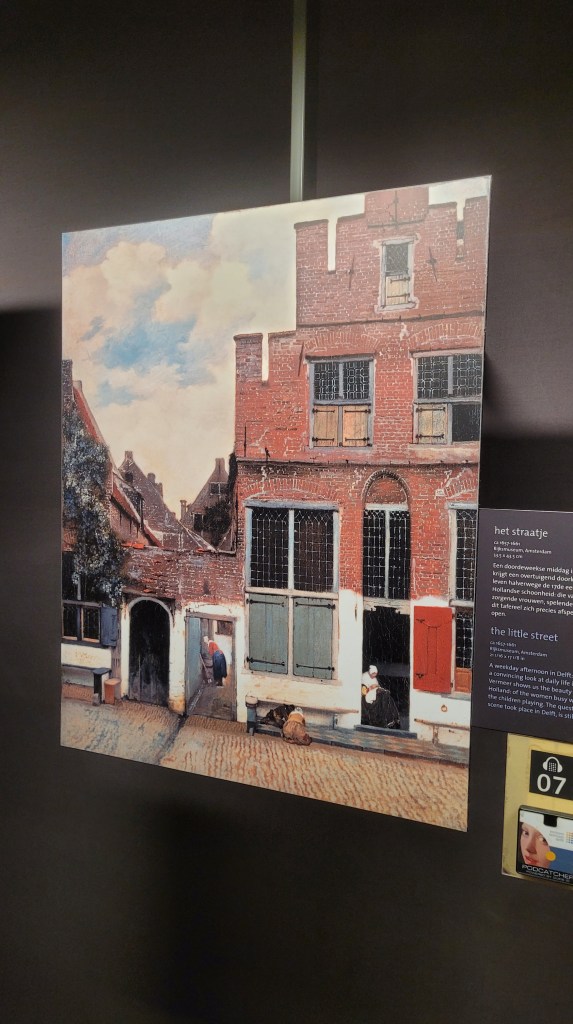
Because Vermeer lived his entire life in Delft, the city is home to the Vermeer Centrum, located in one of the houses where he once lived and worked; although it holds no original paintings, the center offers a fascinating insight into why his art became so celebrated, highlighting his masterful use of light, composition, and everyday serenity. For example, the painting below is the house that still exists in Delft city center. The thin characters witness the time and lifestyle: the cleaning lady, the lady of the house and children playing outside.
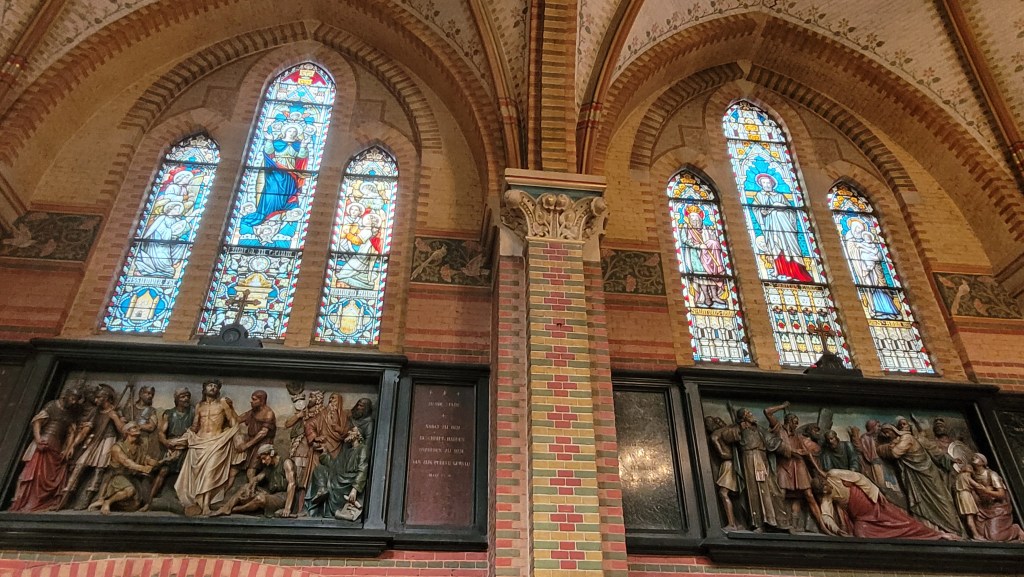
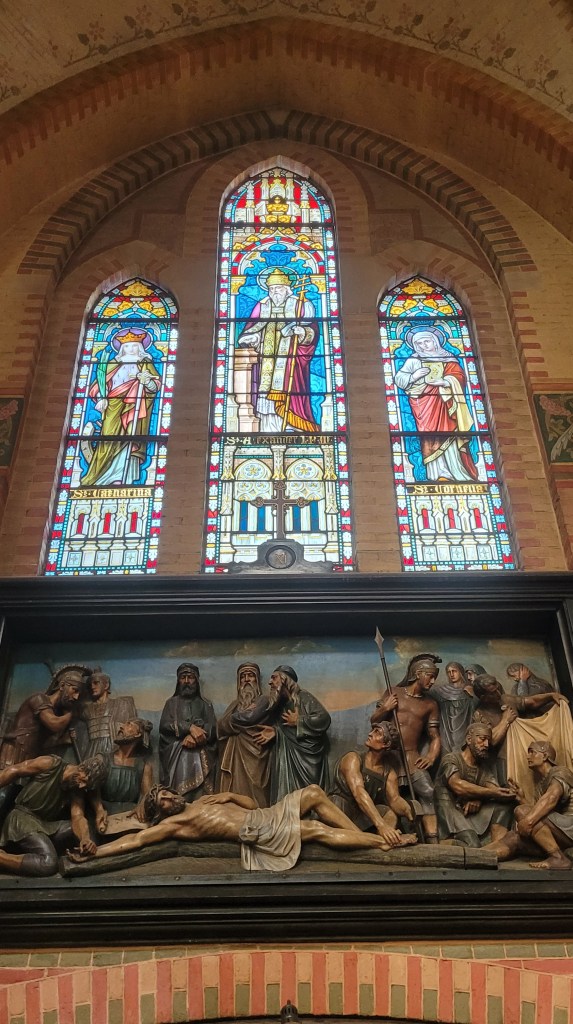
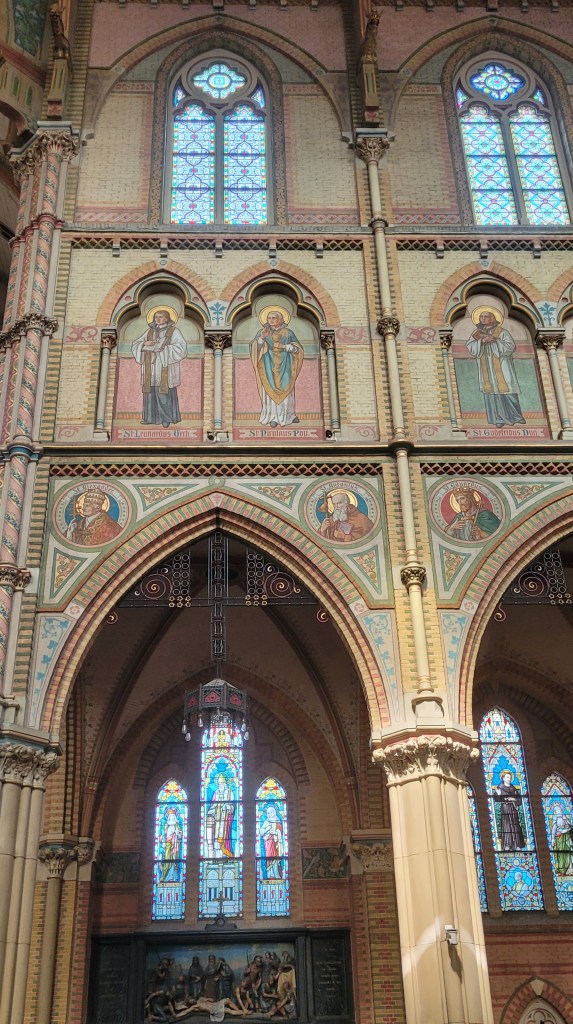
Then I visited the Maria van Jesse Catholic church in Delft, a quiet but significant reminder of the deep religious divisions that once shaped the Netherlands. During the Reformation, the country became predominantly Protestant, and Catholicism was pushed underground, practiced in hidden churches and private homes. Vermeer, though born into a Protestant family, converted to Catholicism in order to marry the woman he loved.
One more detail worth noting: entrance to the Catholic church is free, and inside you can admire rich religious art — a reflection of how Catholicism embraces visual beauty and sacred symbolism, unlike Protestant traditions, which favor simplicity, restraint, and a more austere aesthetic.

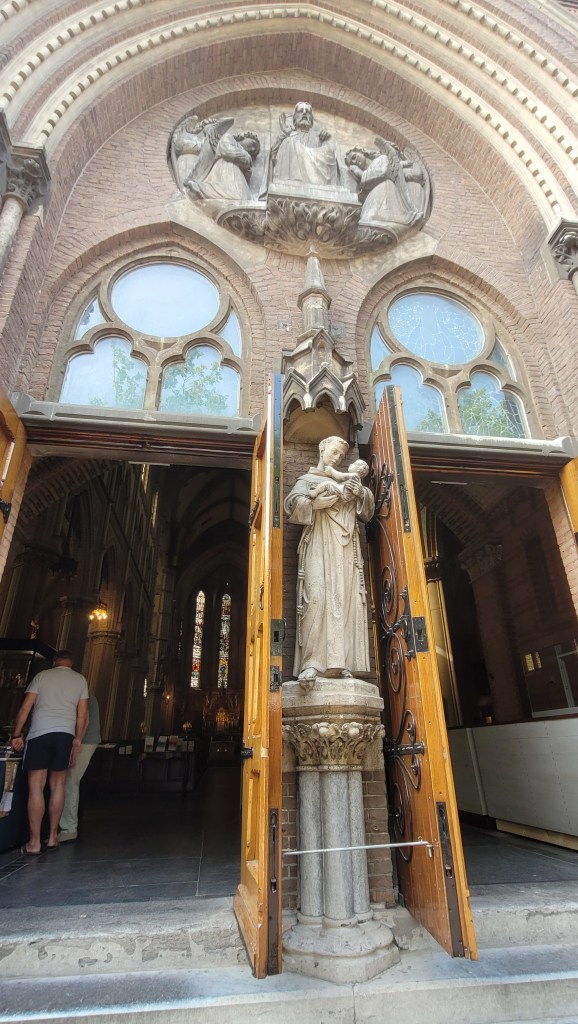
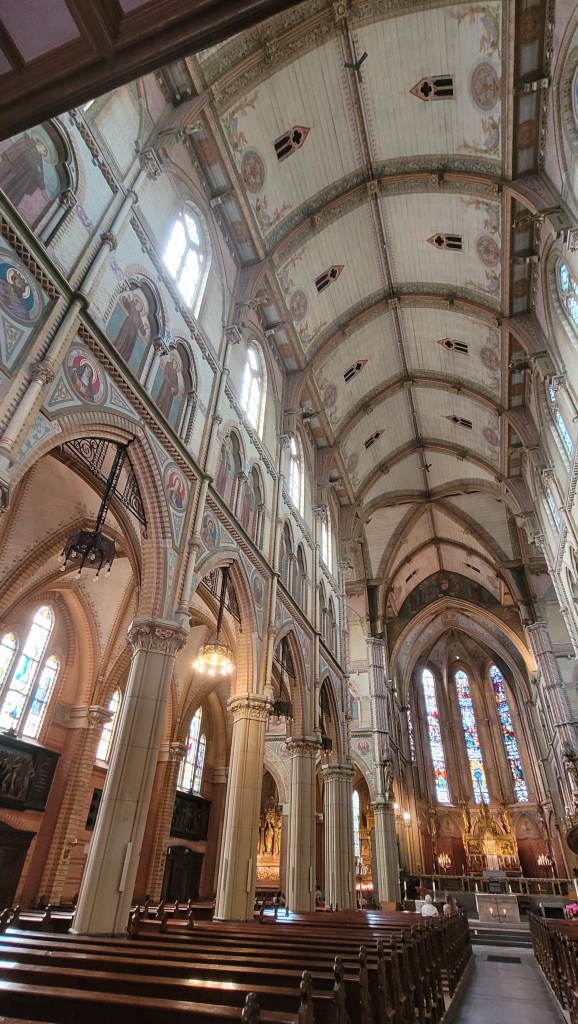
The Maria van Jessekerk is a neo-Gothic Roman Catholic parish church, built in 19th century. The church was the first Catholic church to be re-established in the city centre after the Reformation and it stands on the spot where the Papal corner originated during the Reformation, a district where only Catholics lived.

Delft is more than just a postcard-perfect town — it’s a place where every brick, canal, and artwork carries the weight of history. Even tragedy shaped it: in 1654, a massive gunpowder explosion destroyed a large part of the city, leaving scars that still echo in its quiet corners.
I left with a bag full of cheese and a heart full of stories.
 RED RIDING HOOD