
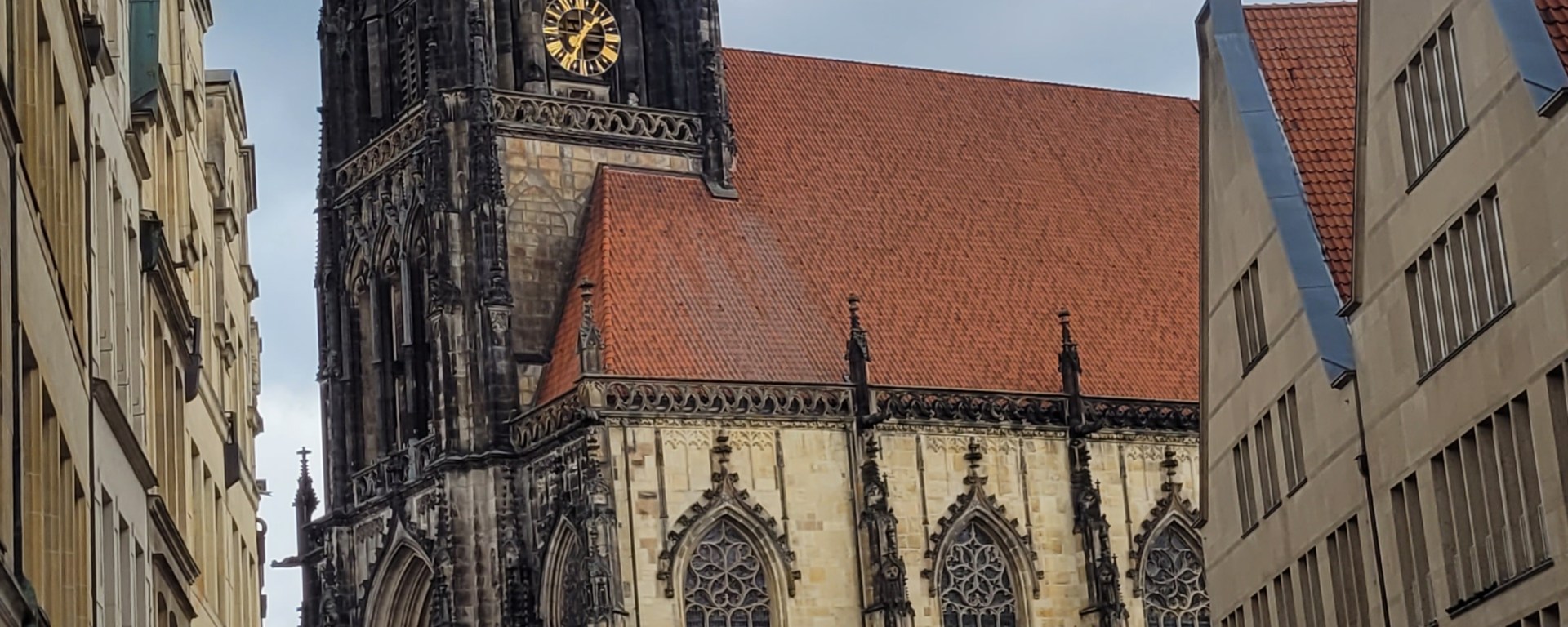
When you dive into the story of this city, you go medieval. Let me show you where I ended up.
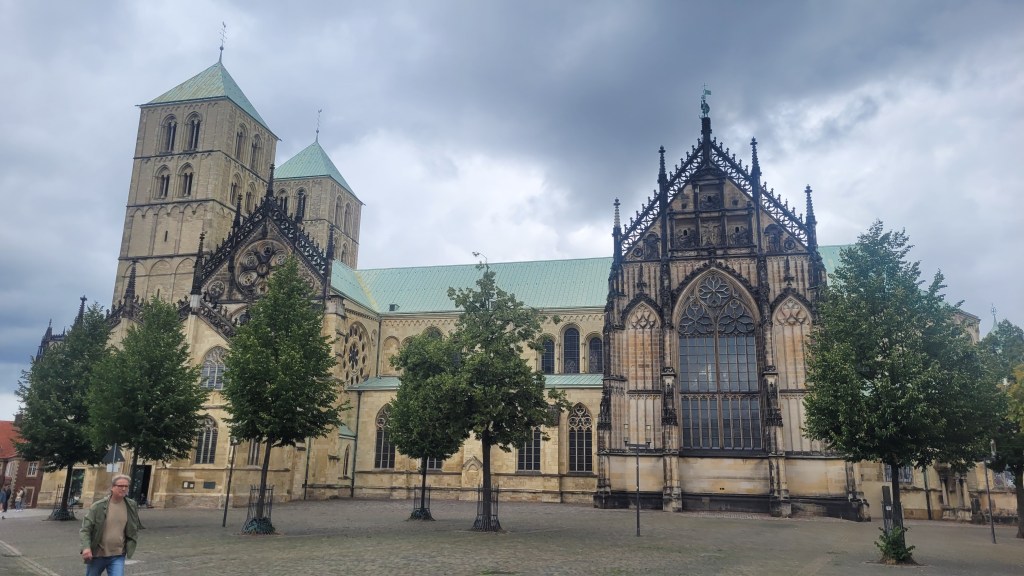
This city is the cultural centre of the Westphalia region. It has been founded in the 8th century by Charlemagne by building the Cathedral dedicated to Saint Paul. The cathedral stands by the Münstersche Aa river. Upon arrival to the city, we went directly there. It was noon, and the clock was supposed to do some show.
The extant astronomical clock was installed in the 16th century. The figures turn around presenting the life of Christ from his birth until the crucifixion and resurrection.

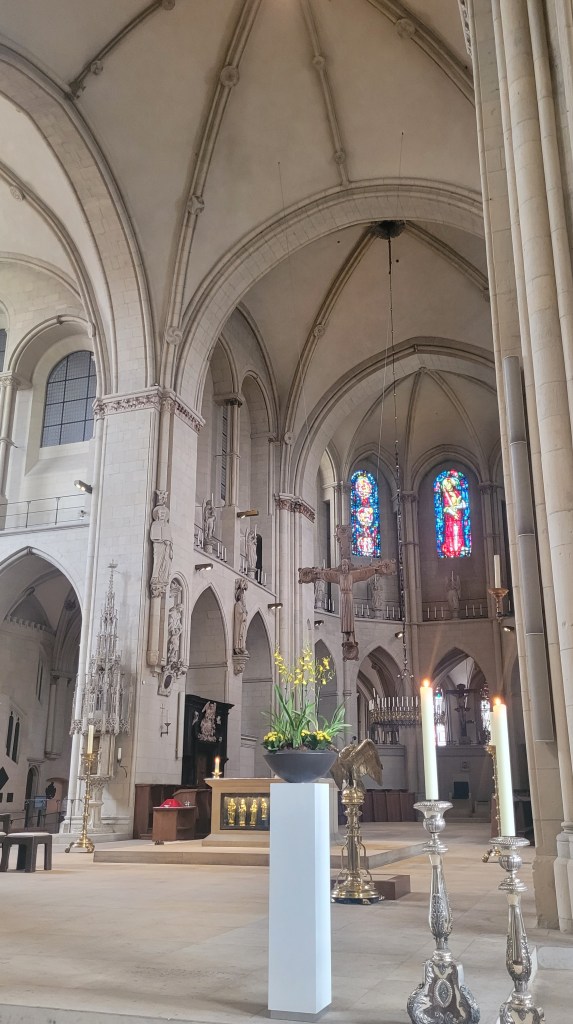
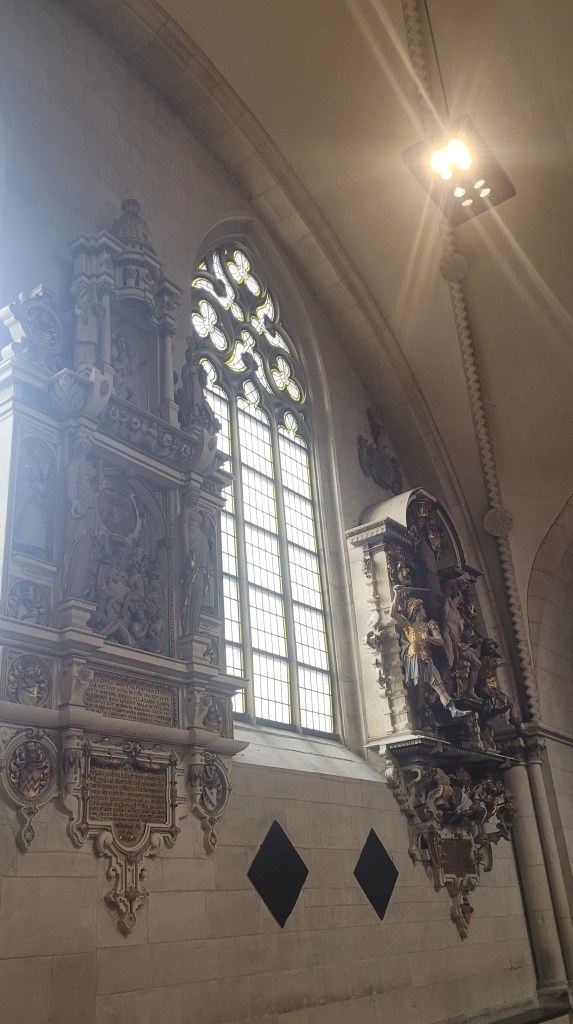
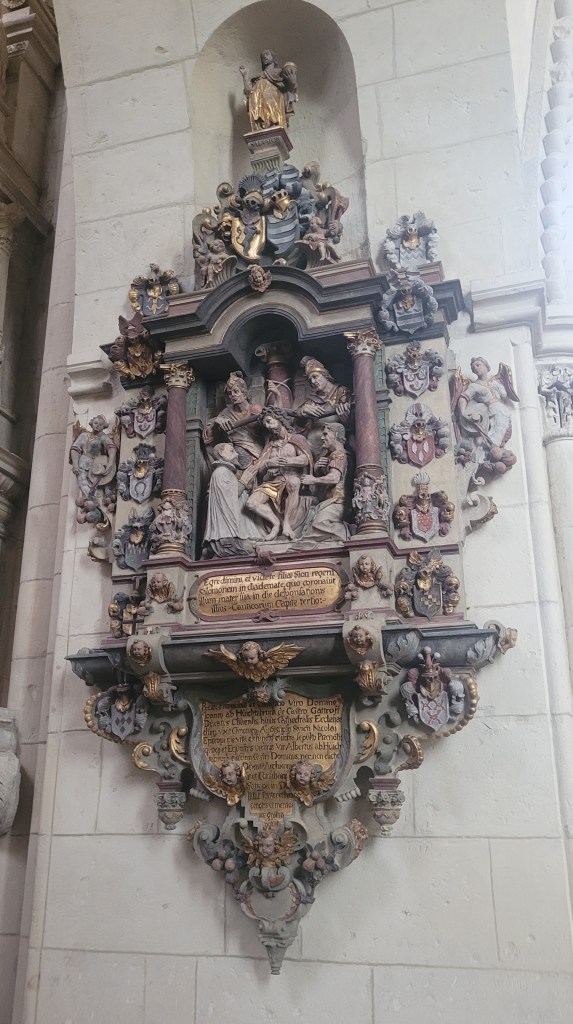
The current St. Paulus Dom is, in fact, the third cathedral of the diocese of Münster. It was built in the 13th century and was preceded first by a Carolingian cathedral and second by an Ottonian cathedral.
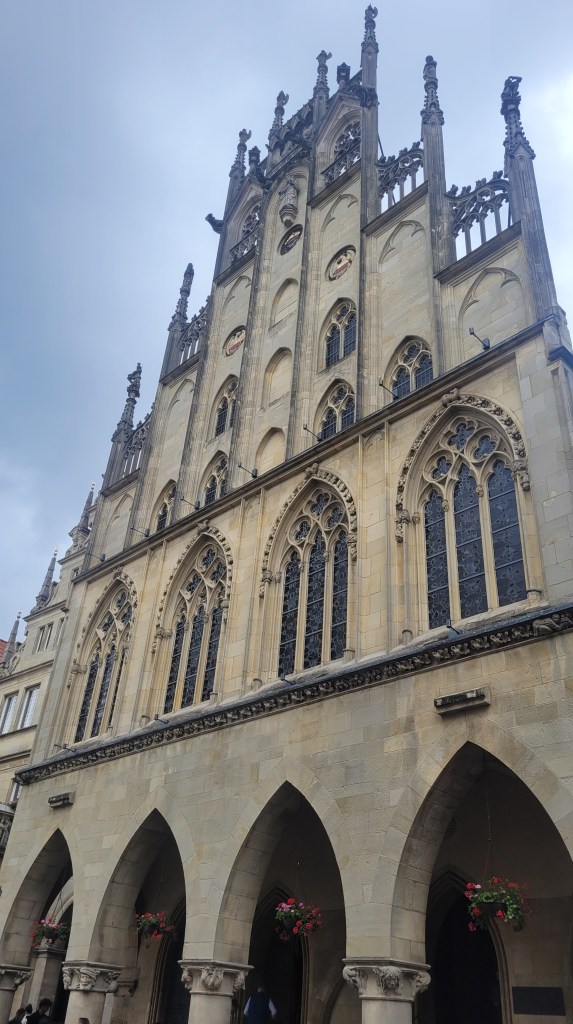
Part of the signing of the Peace of Westphalia of 1648 was held in Münster. This ended the Thirty Years’ War and the Eighty Years’ War. Actually, it was signed in the City Hall. At the time, all major European powers were involved which was not only a conflict between states, but also between religions.
At the entrance to the city you can find St Ludgeri church from the 11th century. It is the Romanesque church and I found it amusing. Most of the time, I have been finding Romanesque churches in the south of Europe. So this fine example, before the Gothic spread across (mostly in Northern Europe) really surprised me.
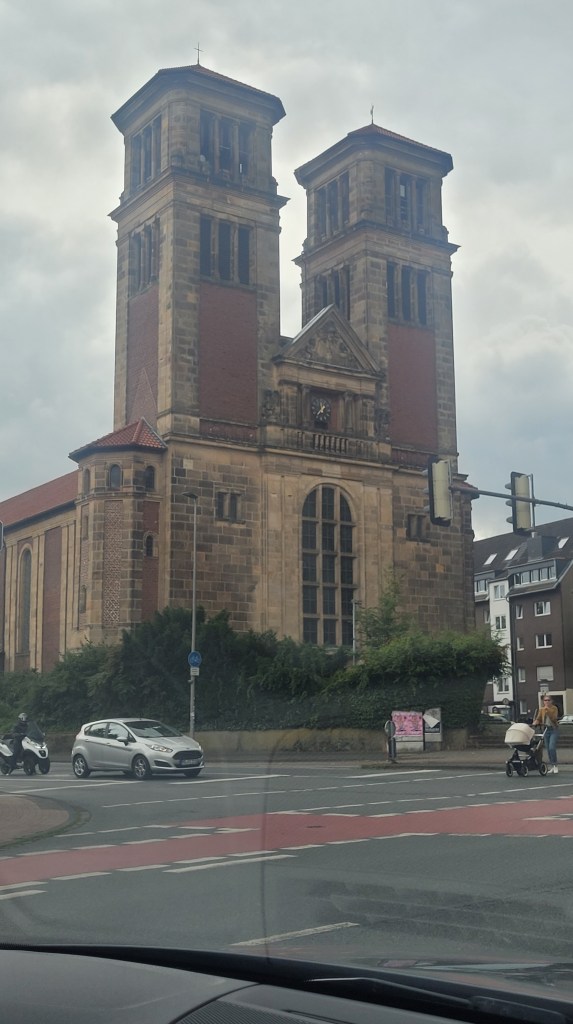
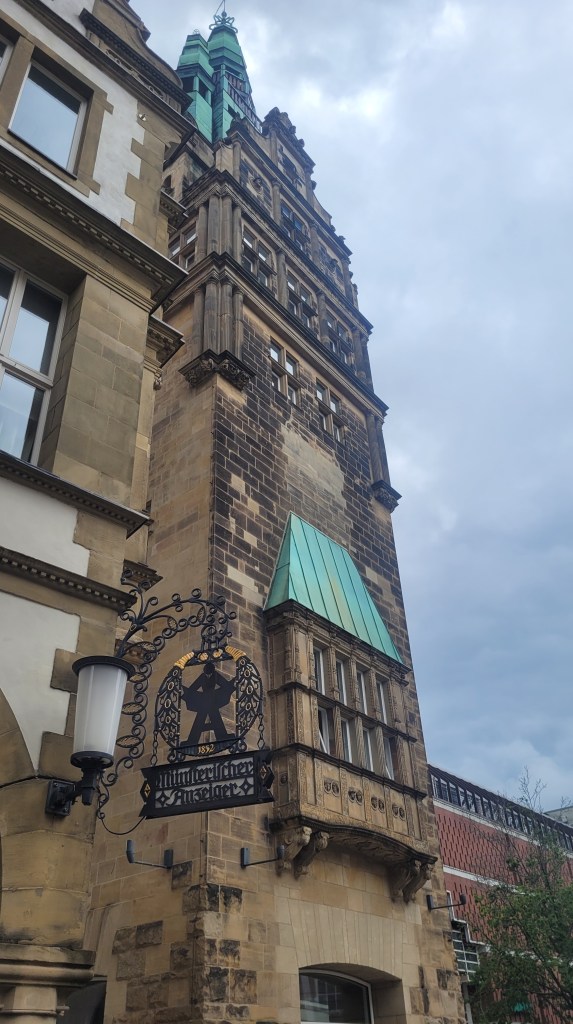
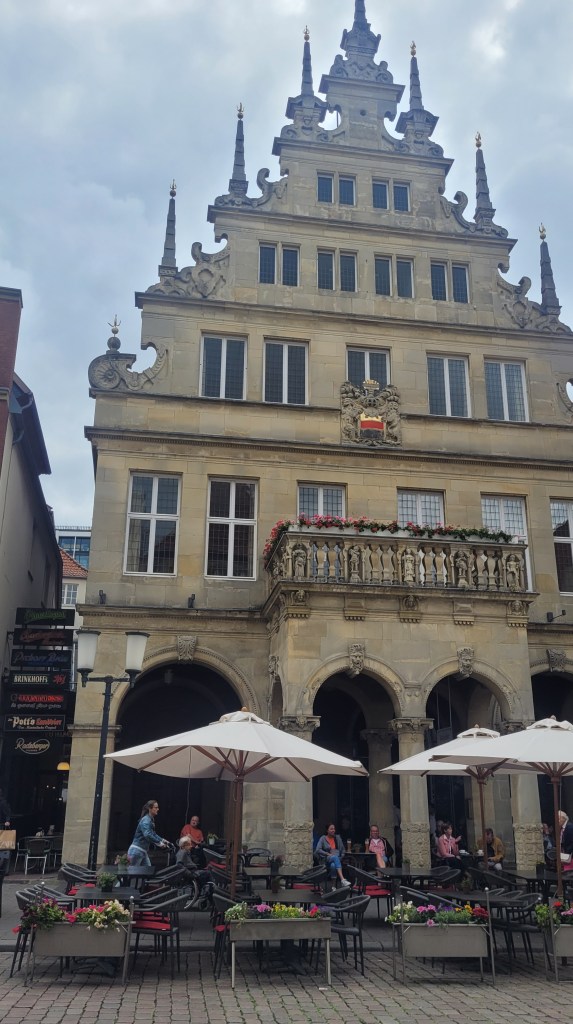
Münster is packed with outstanding examples of the German Baroque period. Walking in the city centre (in the classic Altstadt) around the Prinzipalmarkt I caught interesting facades and details.

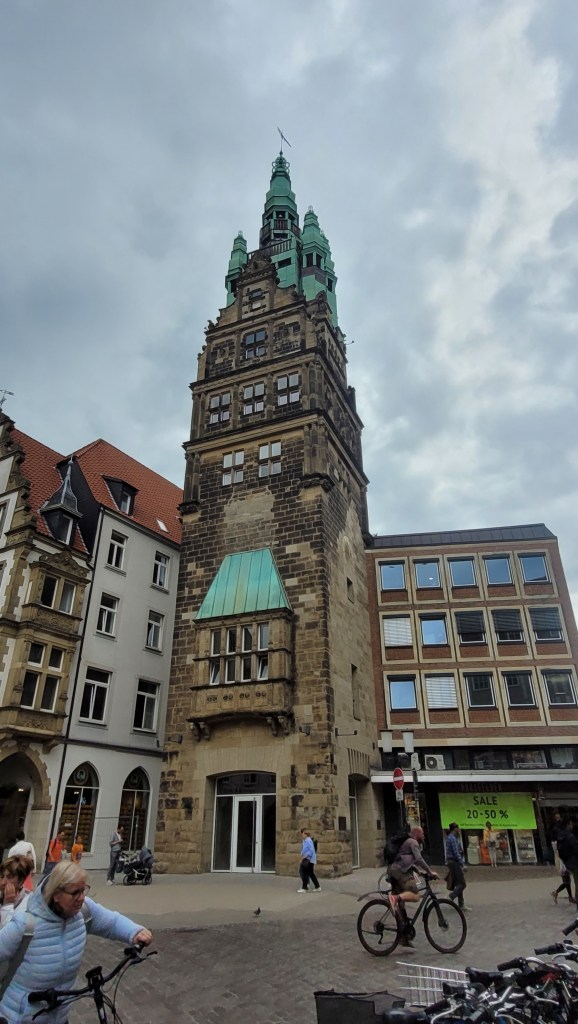
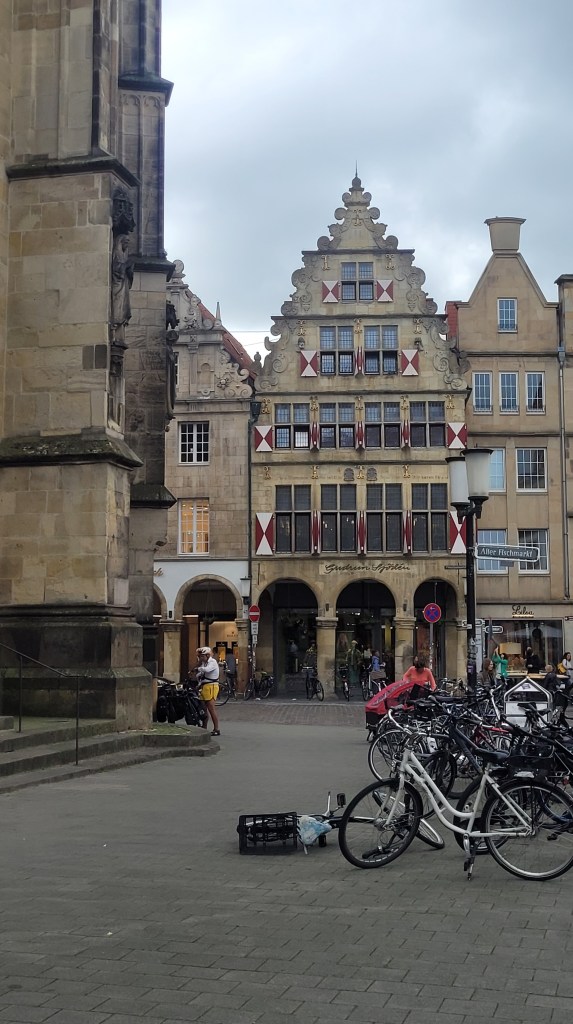
Perhaps the most intriguing part is St Lambert’s church from the 11th century. In 1534, an apocalyptic Anabaptist sect, led by John of Leiden, took power in the Münster rebellion and founded a democratic proto-socialistic state. They claimed all property, burned all books except the Bible, and called it the “New Jerusalem”. John of Leiden believed he would lead the elect from Münster to capture the entire world and purify it of evil with the sword in preparation for the Second Coming of Christ and the beginning of the Millennium. They went so far as to require all citizens to be naked as preparation for the Second Coming.

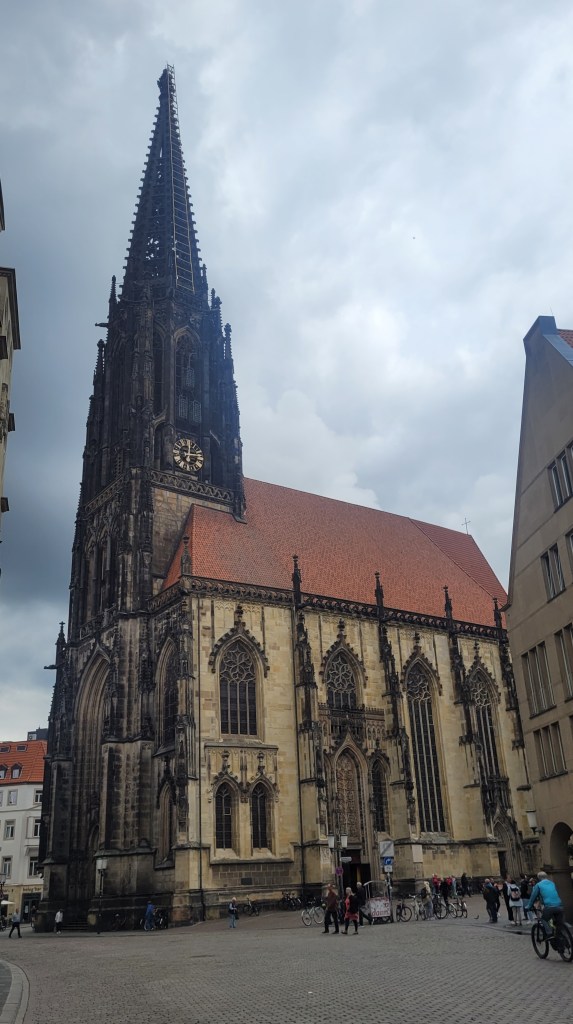
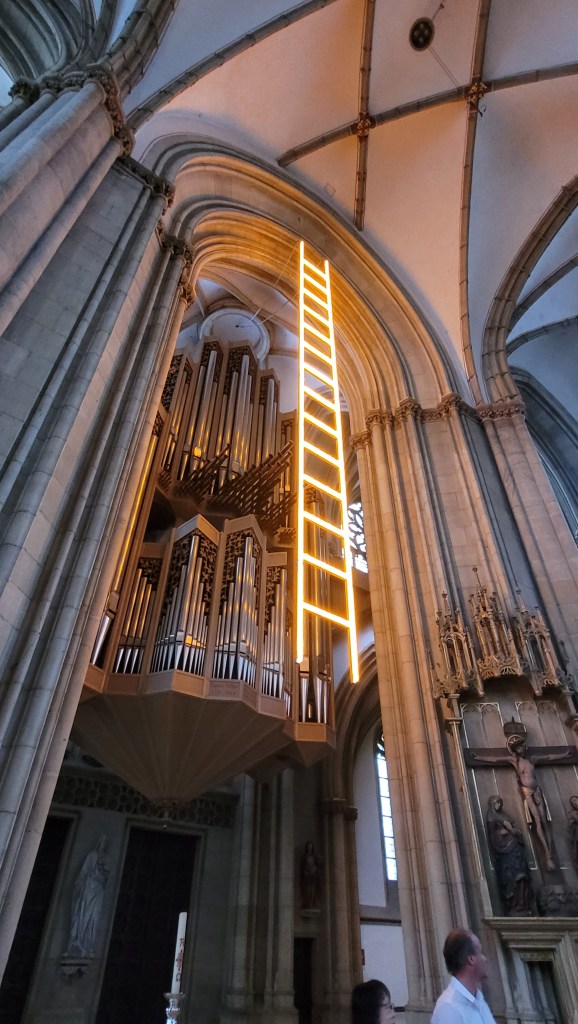
However, the town was recaptured in 1535; the Anabaptists were tortured to death and their corpses were exhibited in metal baskets. These metal baskets where their corps were hanging can still be seen hanging from the tower of St. Lambert’s Church.

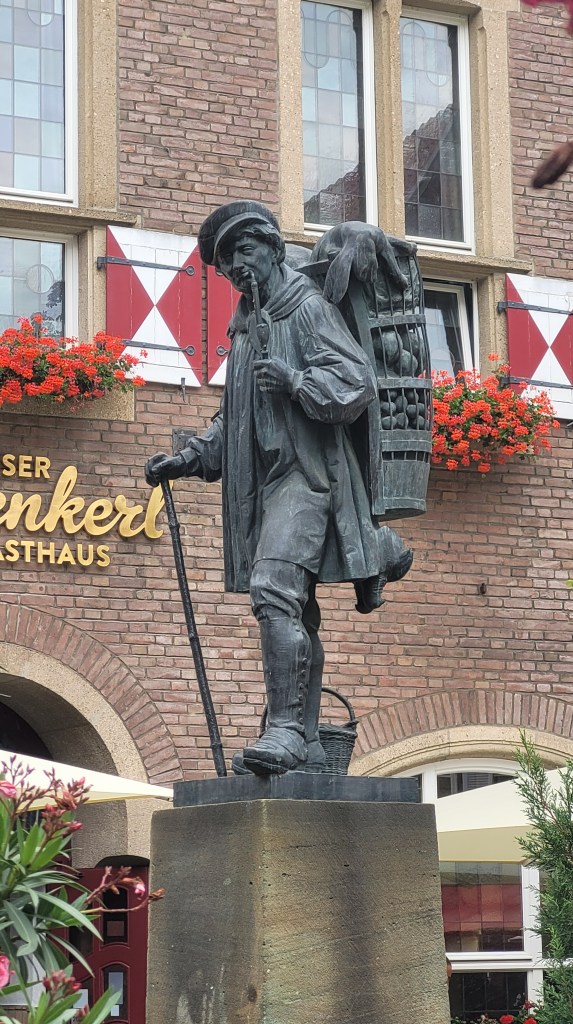
Here you will find another interesting story, about Kleiner Kiepenkerl (literally “pannier guy”) – a travelling merchant or pedlar with a carrying basket, whistle, knot stick and linen smock. I love good folklore.
The Kiepenkerl symbolizes the man who comes to town with a few eggs, potatoes, and rabbits in his “Kiepe” (a huge basket carried on the back). Actually, he is a “Kötter” (a tenant farmer). Sometimes without manners, often spitting on the ground and not speaking hoch Deutsch.
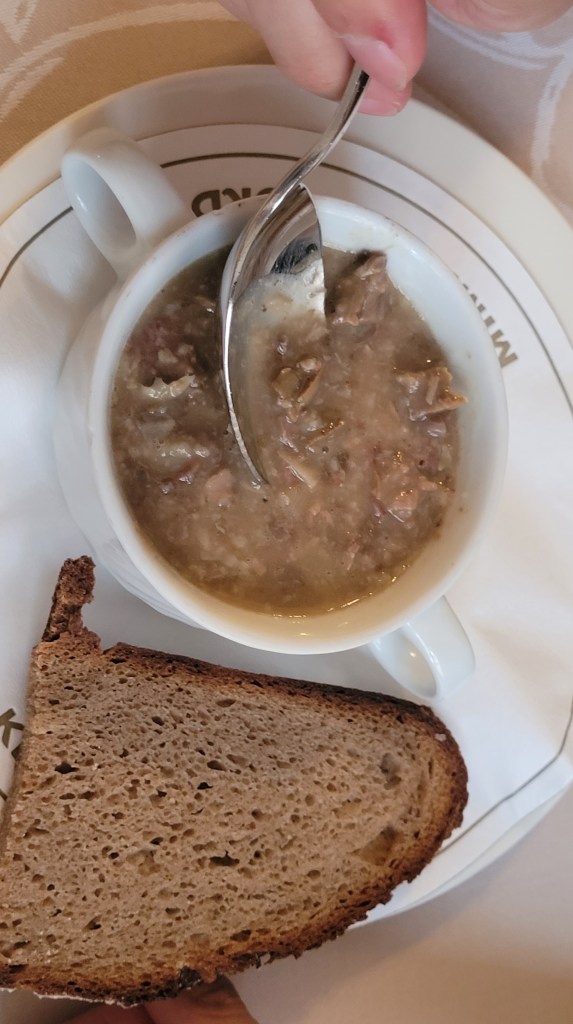
As he brought some good farm products to the city, we had to sit in the nearby restaurant and try the westphalian local cuisine. Namely – the stew with entrails of an animal.
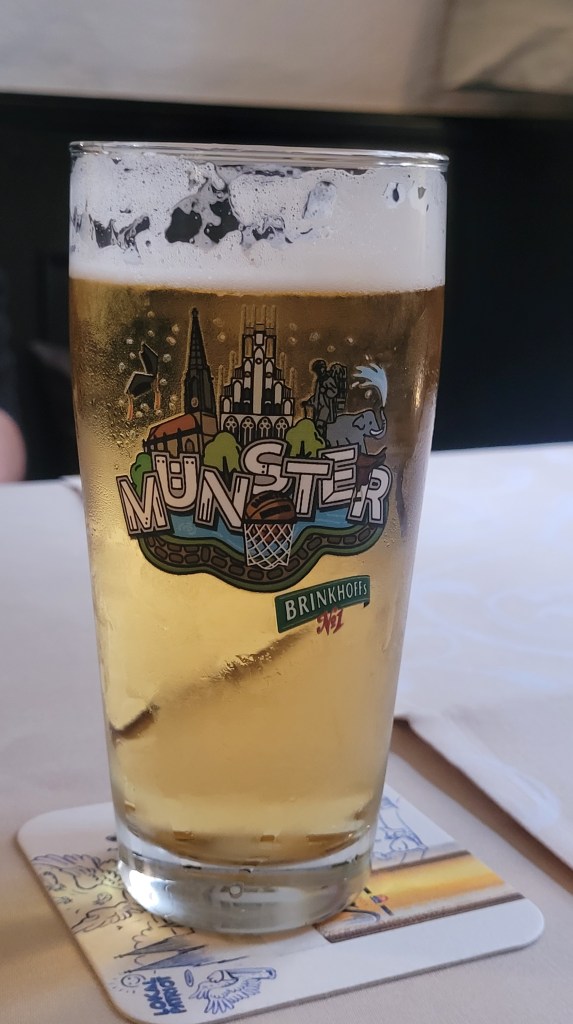

Munster boasts one of those can’t miss Altstadts, or old towns, the Prinzipalmarkt, or main market place. The Prinzipalmarkt is a perfect German experience for visitors who have a traditional notion of what that experience should be. Still not gone completely touristy, it is a good example of traditional northern German history and lifestyle.
 RED RIDING HOOD