
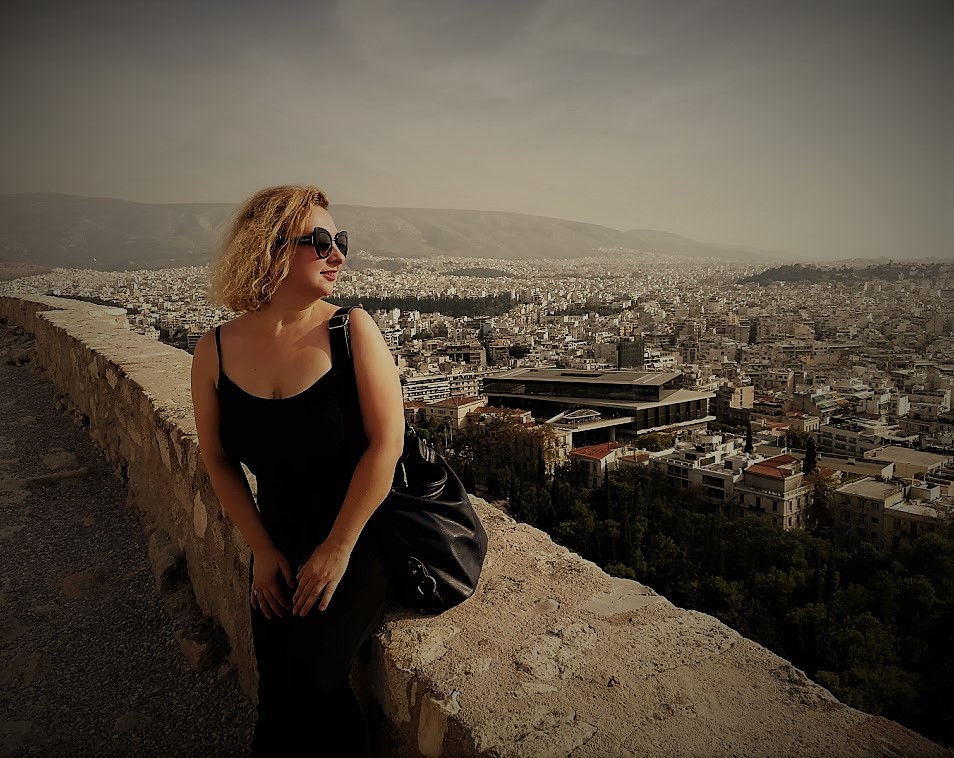
In 2025
From the recent Cyprus travels, I got mesmerised and attracted back to the ancient glory times of Greece. In cold winter times, I usually make one hop back to the Mediterranean. This time, I revisited Athens.
My landing was quite late on a Friday evening. What was supposed to be a quick drive to the hotel, turned out an escape from the traffic-blocked taxi. I jumped out somewhere at Eolou avenue and walked the rest.
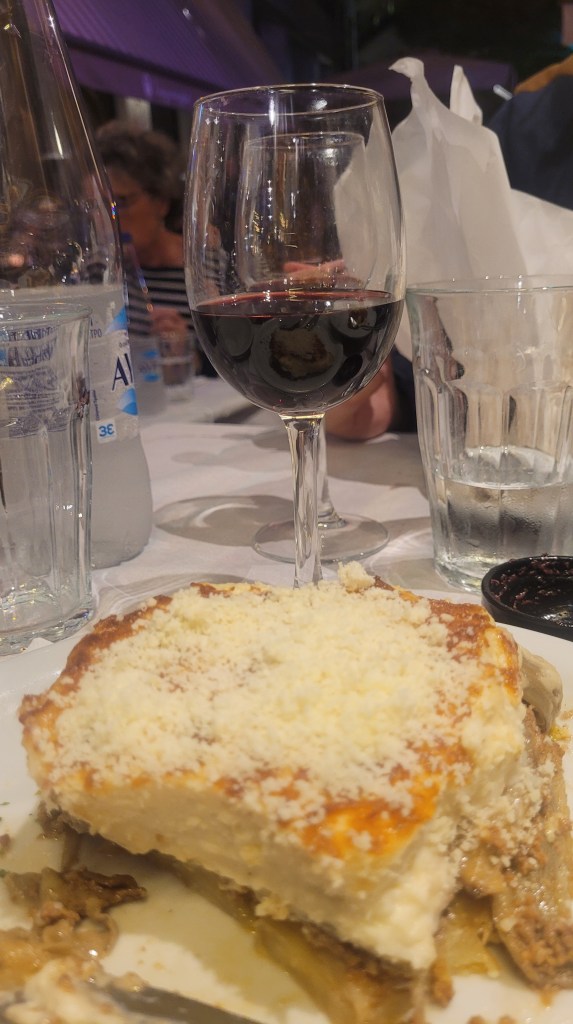
I had a time for a nice dinner. So I just walk around the Psiri. The neighbourhood was lively. There were groups of musicians and women playing and singing the traditional greek music. I ordered moussaka, greek salad with feta cheese and Agiorgitiko – a red Greek wine grape variety that is the most widely planted red grape variety in Greece.

The next morning, I was searching for a coffee and stumbled upon the market around Kotzia square. Too early! But so interesting! 🙂
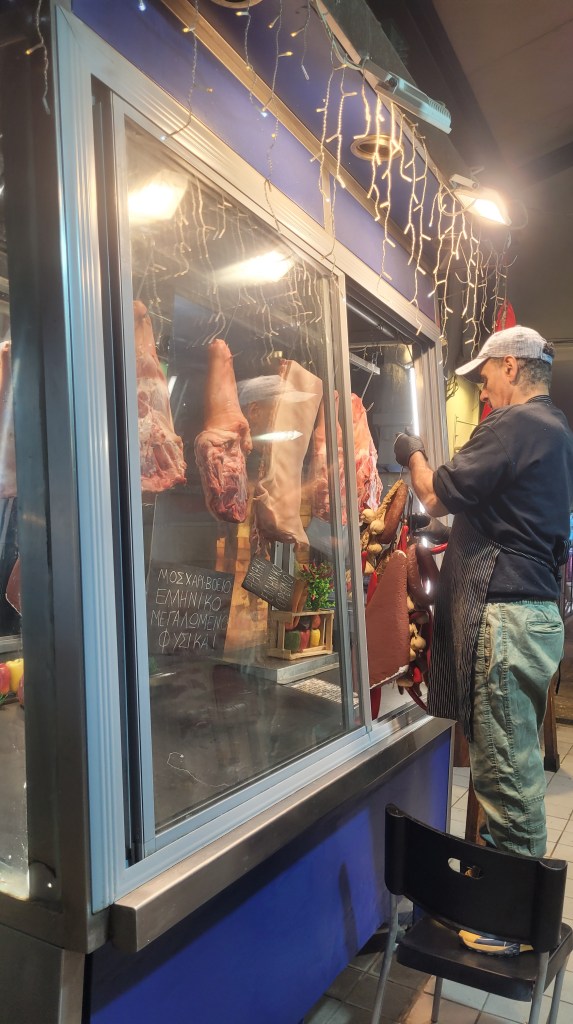
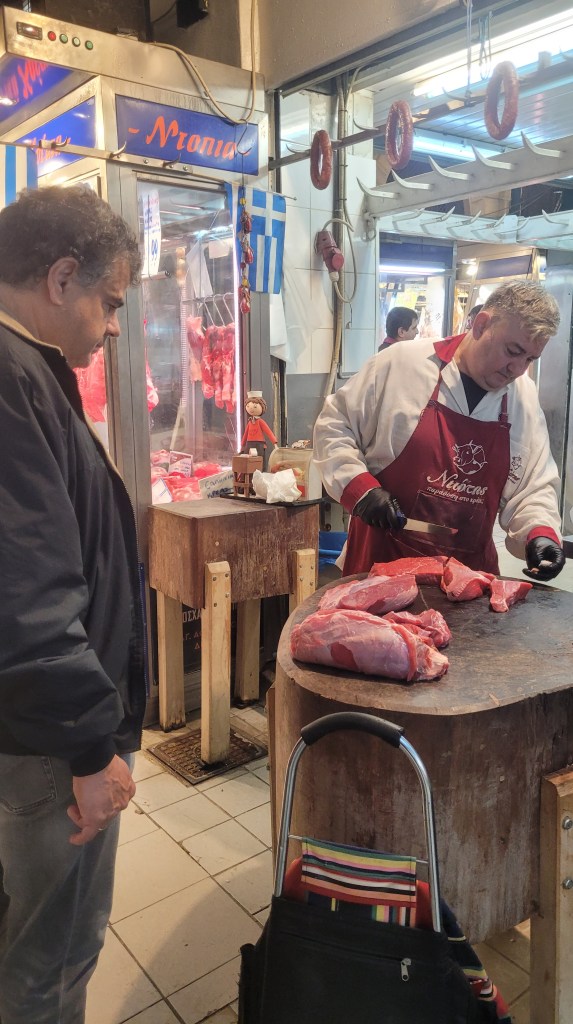
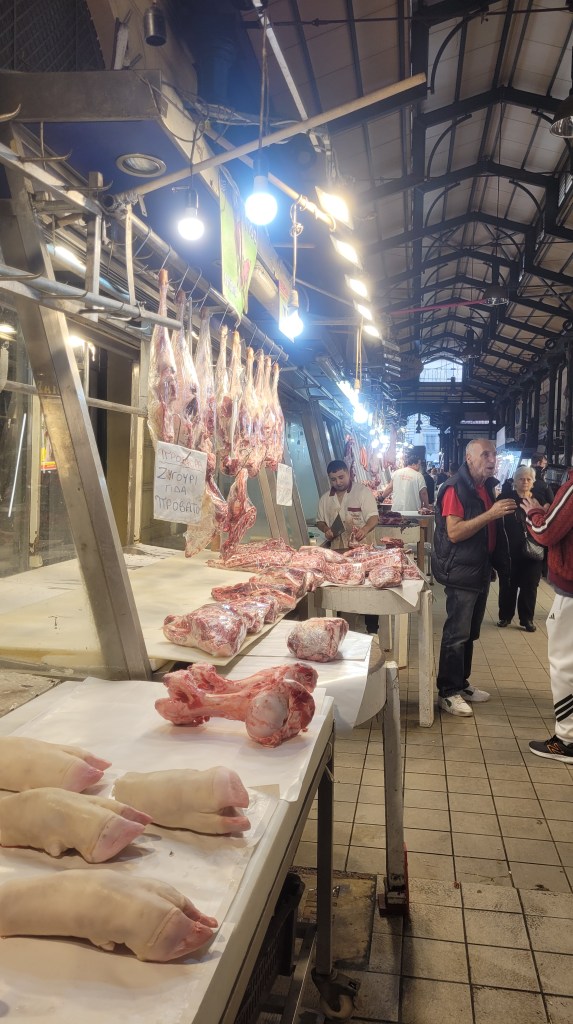

There was one row of tables dedicated only to lamb. One entire table of chicken kidneys…. I mean, I am not sensitive to that, but it was quite robust. The smells and noise were there for my sensitive senses.
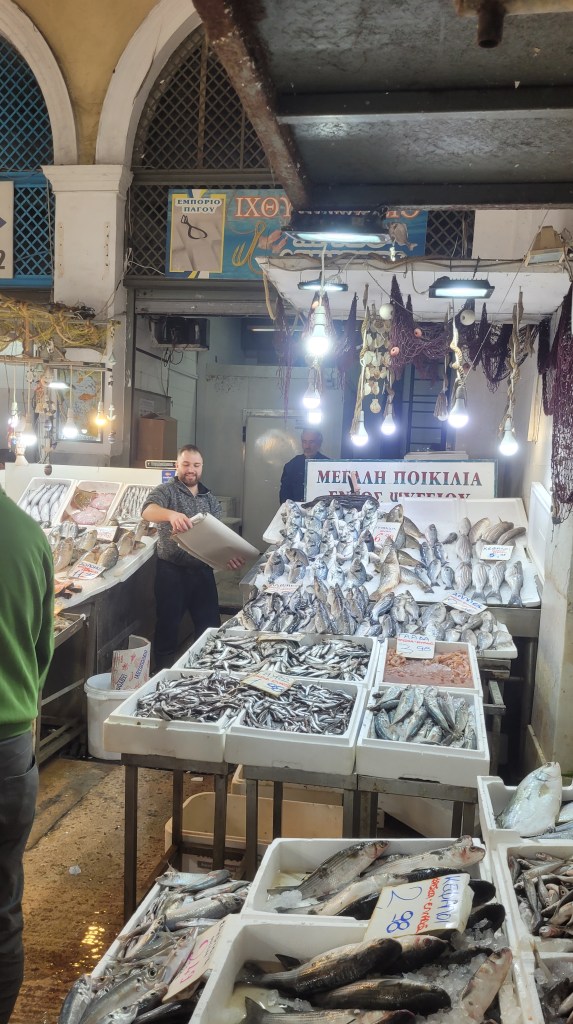

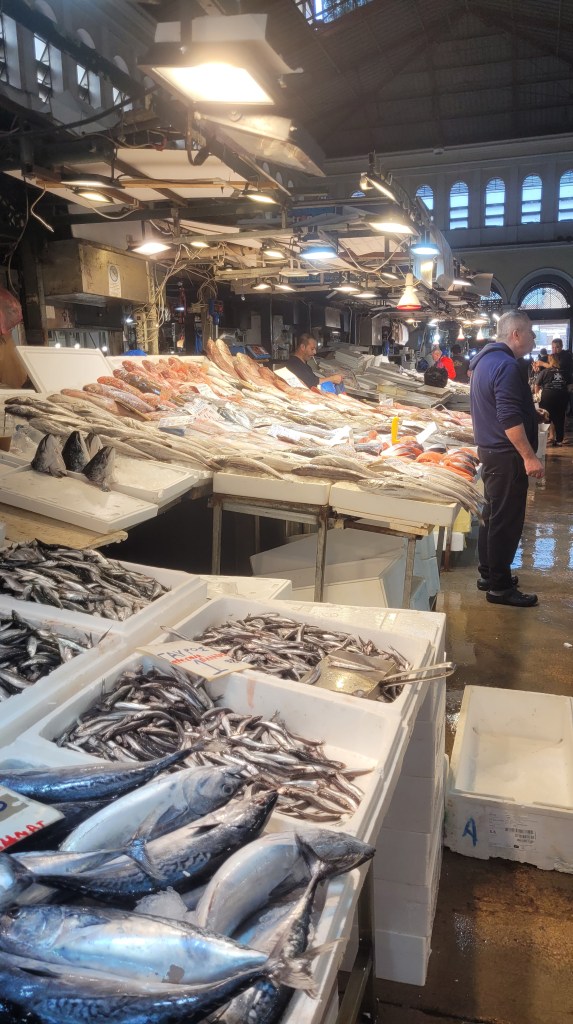
All I wanted – at that point- was to have a coffee! Oh, Athens, you joker. A centre for democracy, the arts, education and philosophy – and lamb meat.
Passing the vivid colours of vegetables and fruit – yes in November, I was hoping to buy some agrumes for the day. Vitamin C is always needed.


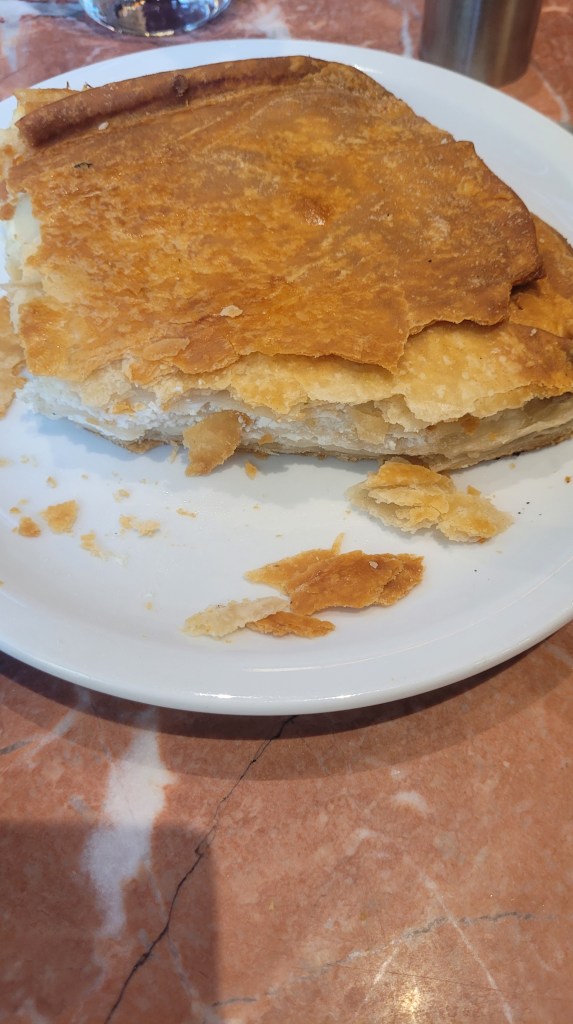
Until I finally arrived at the breakfast place. Greek style – loud and smiling. I had greek coffee (turkish? debatable), and some cake with cheese. Enough to make me for the day. I only had 24 hours and I wanted to make it count.

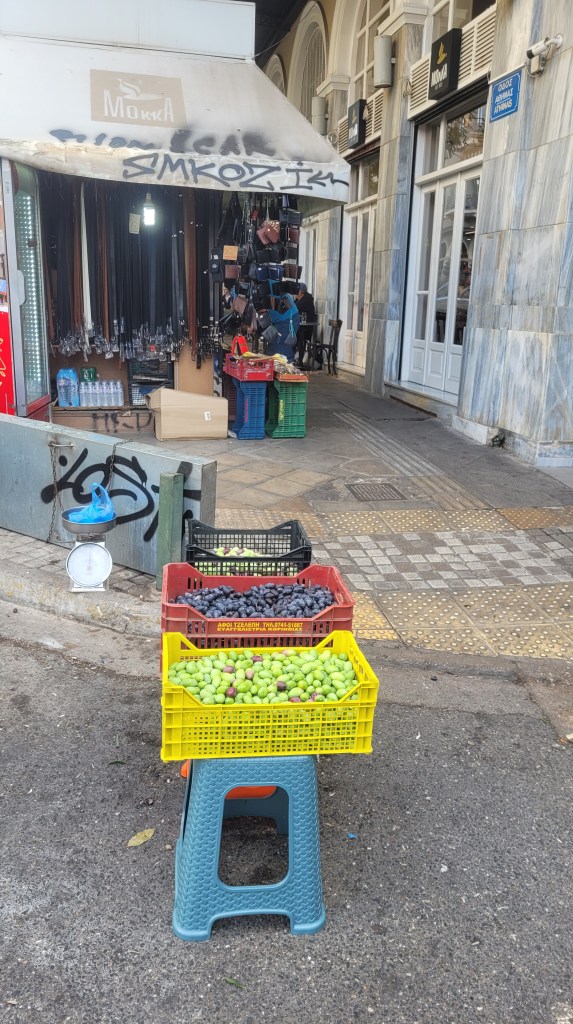
The local market is a flea market too. Many interesting items to buy, but unfortunately, I travel light. Local sellers are charmers, though. 🙂
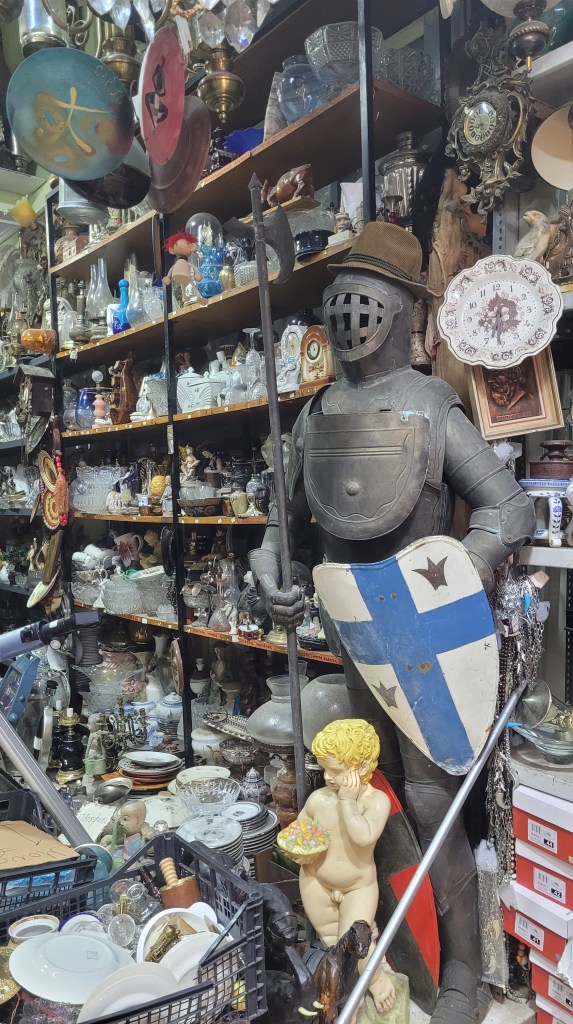
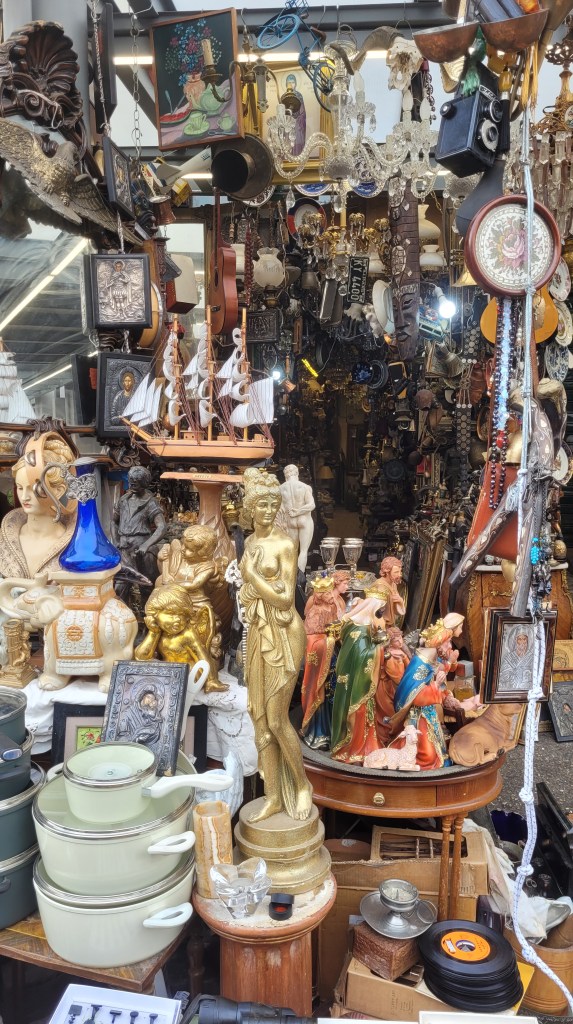
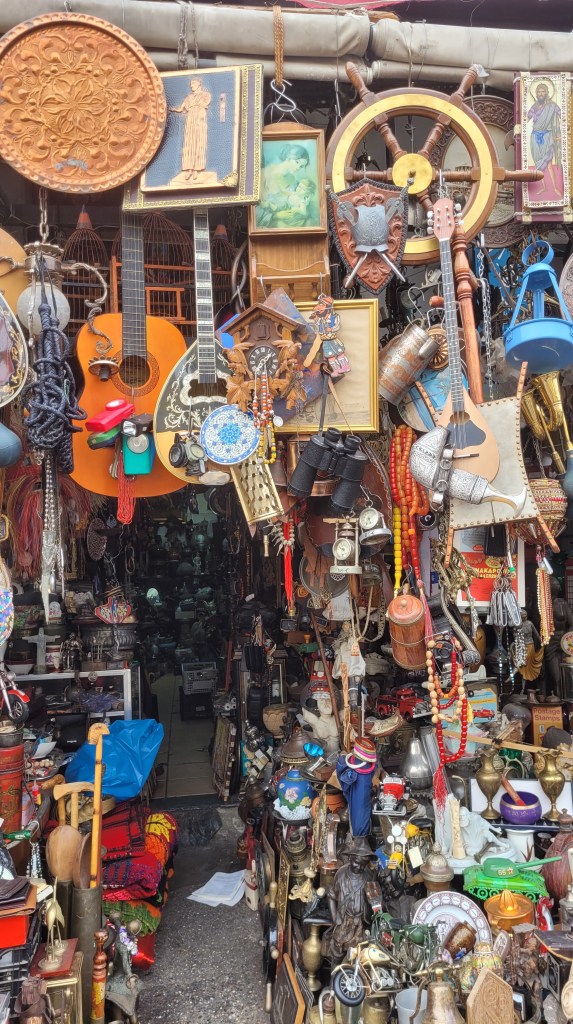
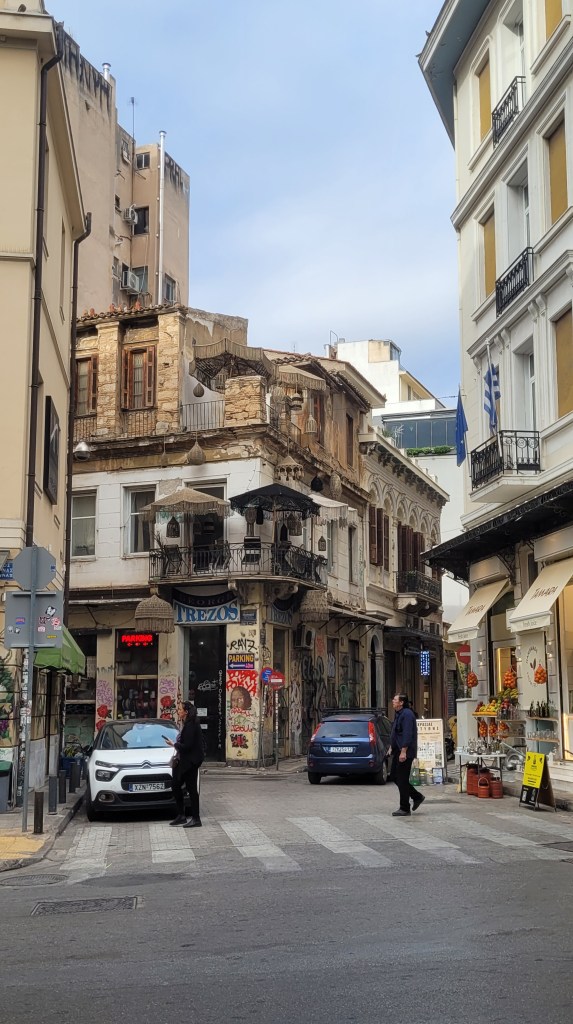
Athens is a sad city in terms of architecture. Quite balkan-ish. You have to dig deep in order to find its passed glory. But I knew my day will become only better. I strolled down the Athinas avenue to have my second coffee at Monastiraki square.

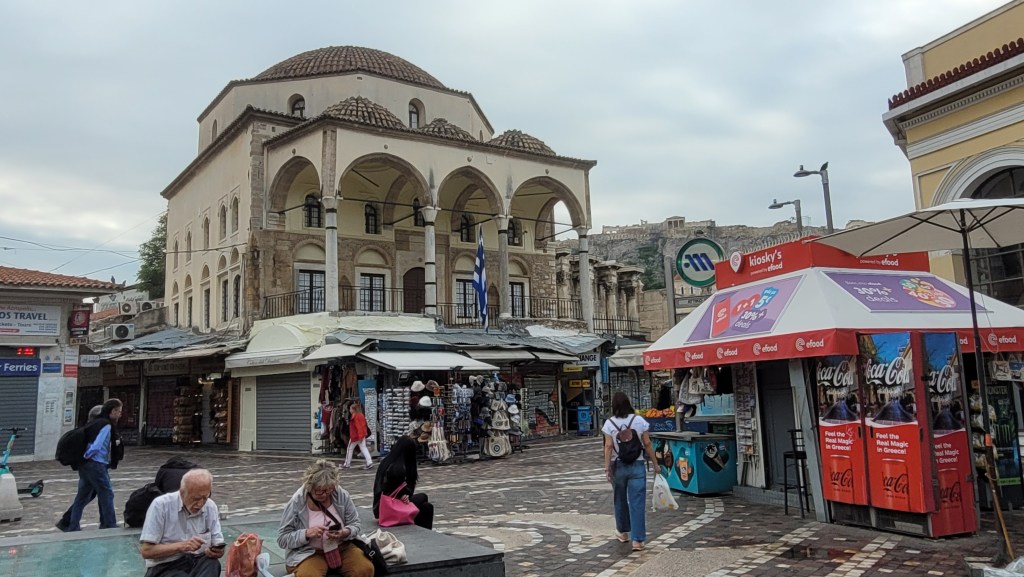
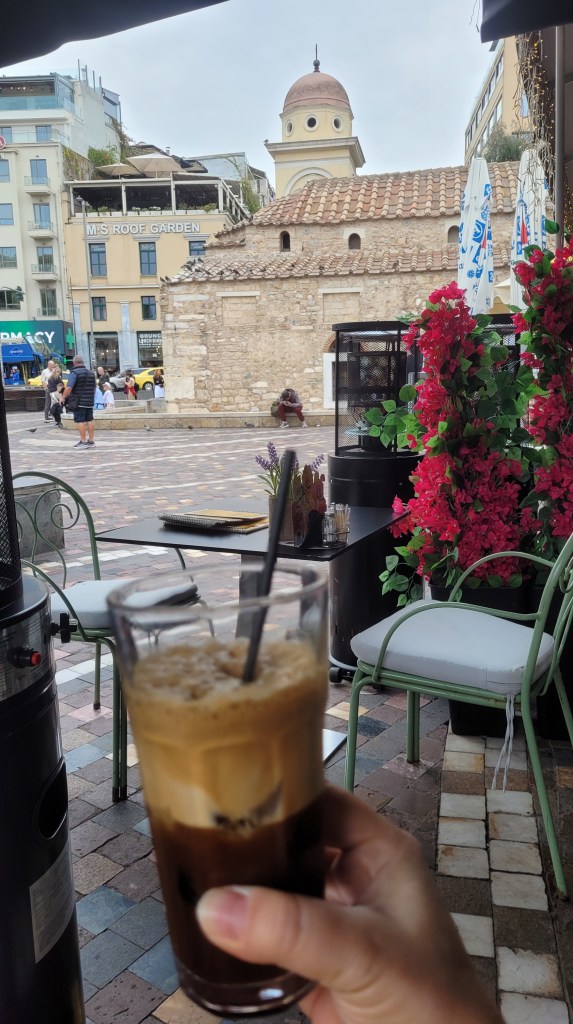
I noticed they are not in a hurry to charge their invoices. I had to raise my hand multiple times, sometimes even standing up and politely leaving the table showing I am about to go now. I was not i na hurry, but I do plan my days carefully. Here, my caffe freddo!
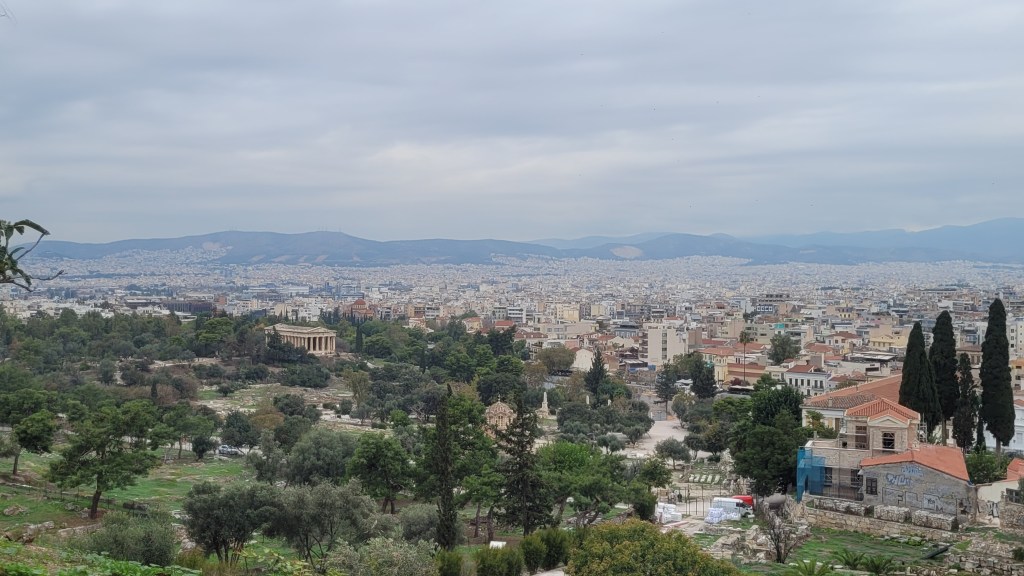
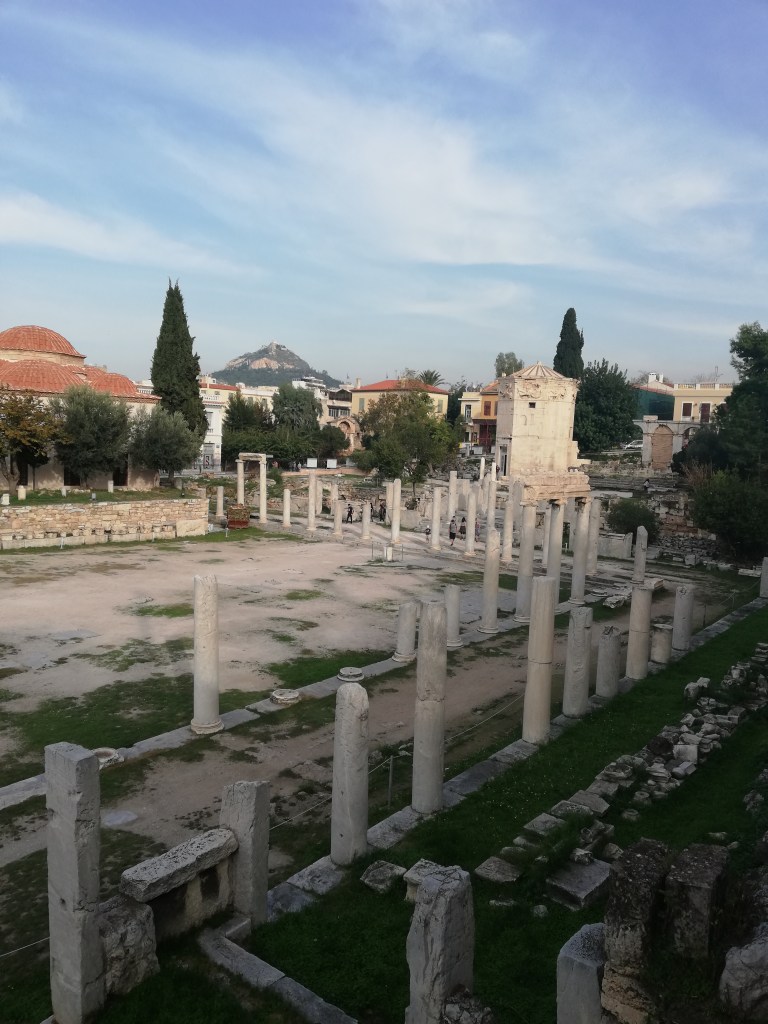
From Monastiraki, I started to climb up. I could see the Acropolis from that point. But I had to mingle around the ruins below first. Like this Agora – the centre of ancient commerce.
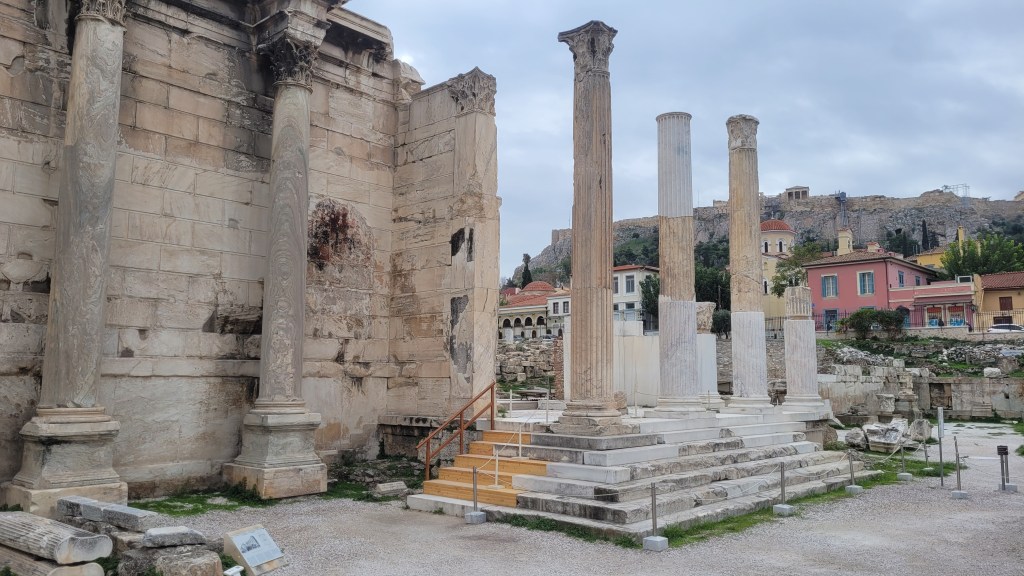
Or the Hadrian’s Library. In this case, the Roman ruins of a library and cultural complex constructed in 132 CE by the Roman emperor Hadrian.
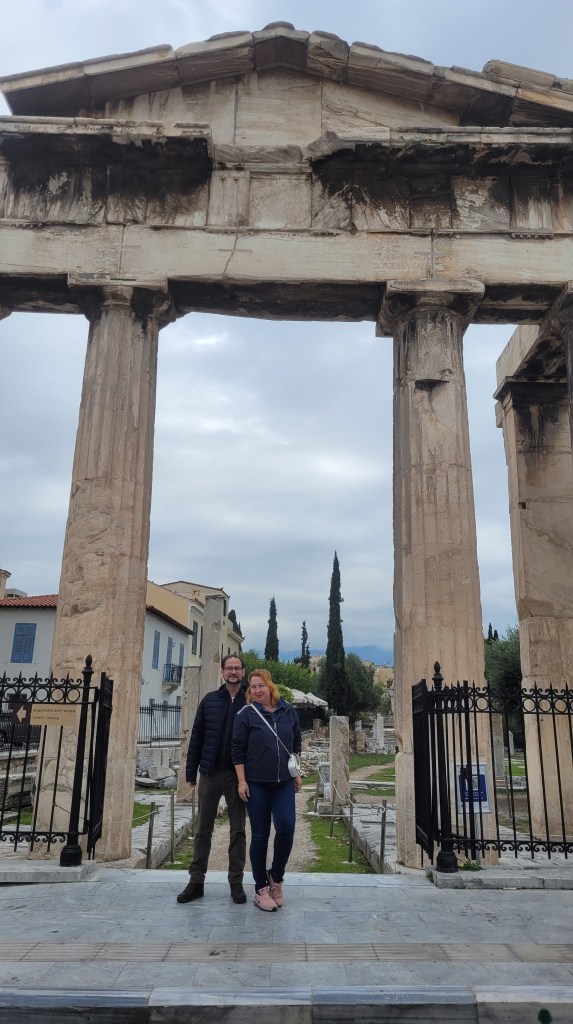
The more I climbed, the more I was among the Gods. The feeling is spectacular. They say, old Greeks were constructing the temples only on a high – elevated sacral place that would feel ode to the Gods.

Classical Athens established the first known democracy in 508 BC under Cleisthenes, which became one of its most significant and lasting contributions to Western political thought.

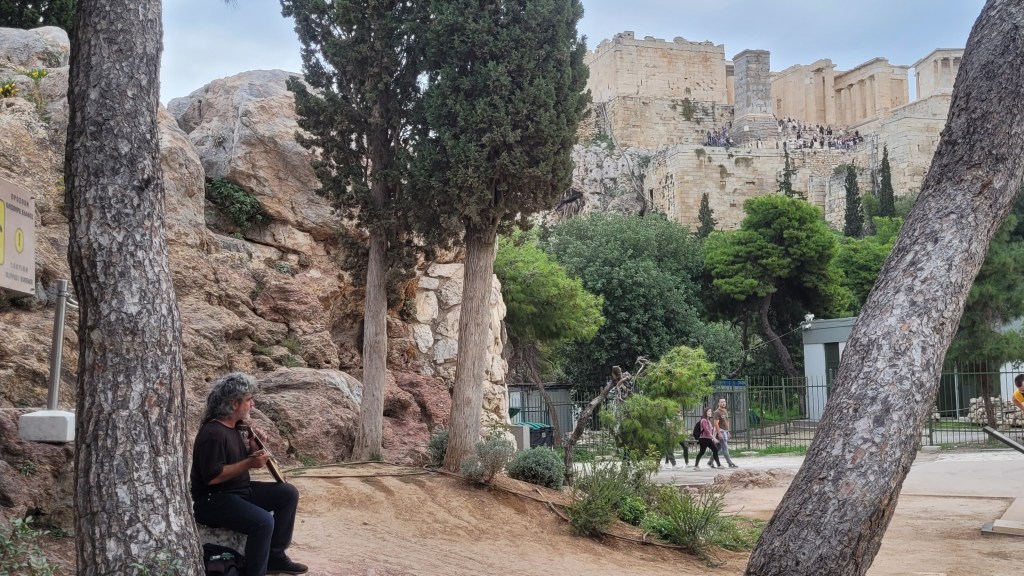
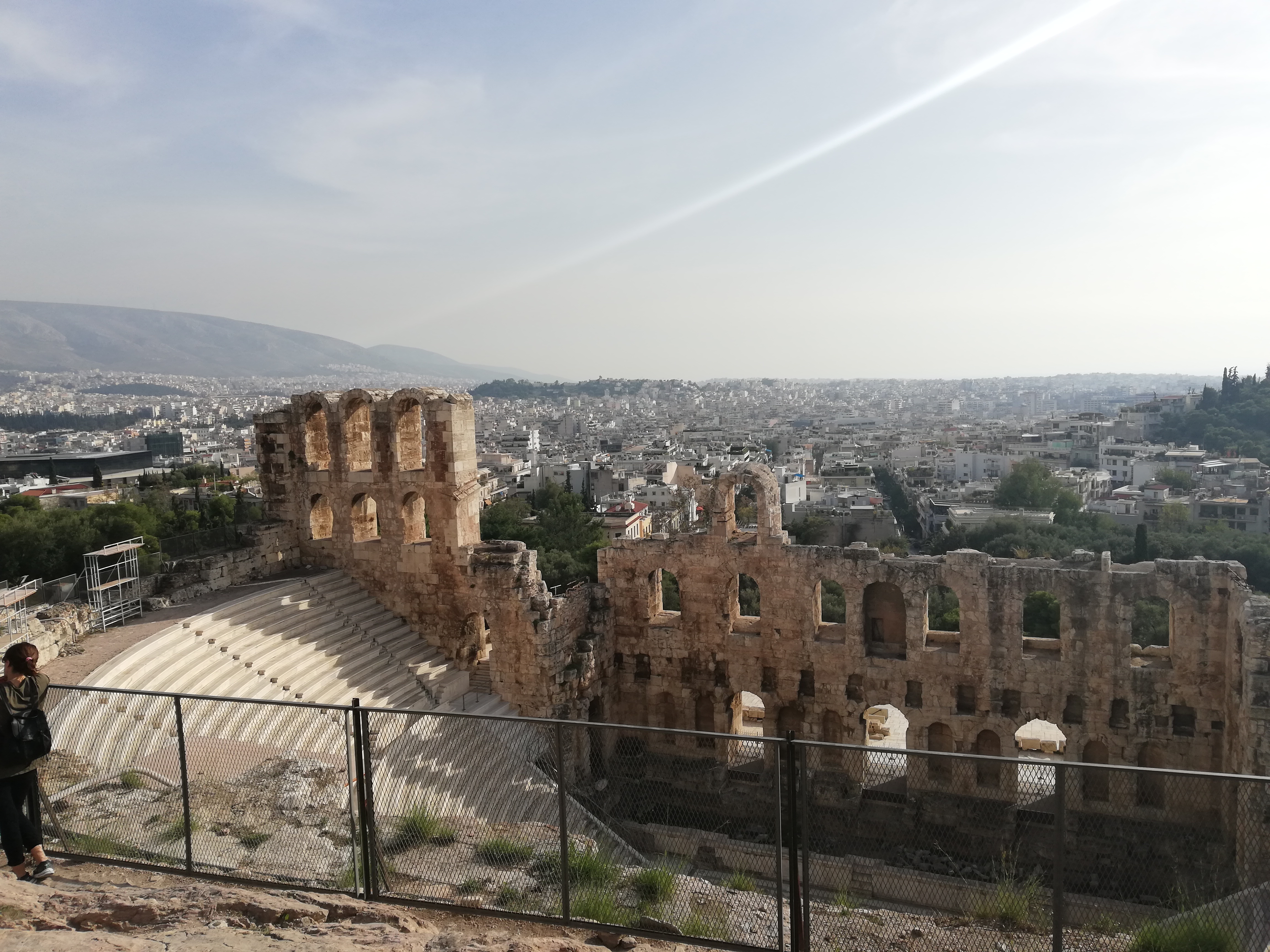
If you look at the photo above, you will spot the God Dionysus himself, lyring to the old times. As he was the god of wine, vegetation, pleasure, festivity, madness, and theatre – I am sure he still wanders around.
He was the son of Zeus and the mortal princess Semele, and was known for his dual nature, bringing both joy and divine ecstasy as well as brutal madness.
Hence, the Theatre of Dionysus Eleuthereus remains, to me, the most astonishing building. It is built on the south slope of the Acropolis hill. The cult of the God Dionysus was very important in ancient Greece.

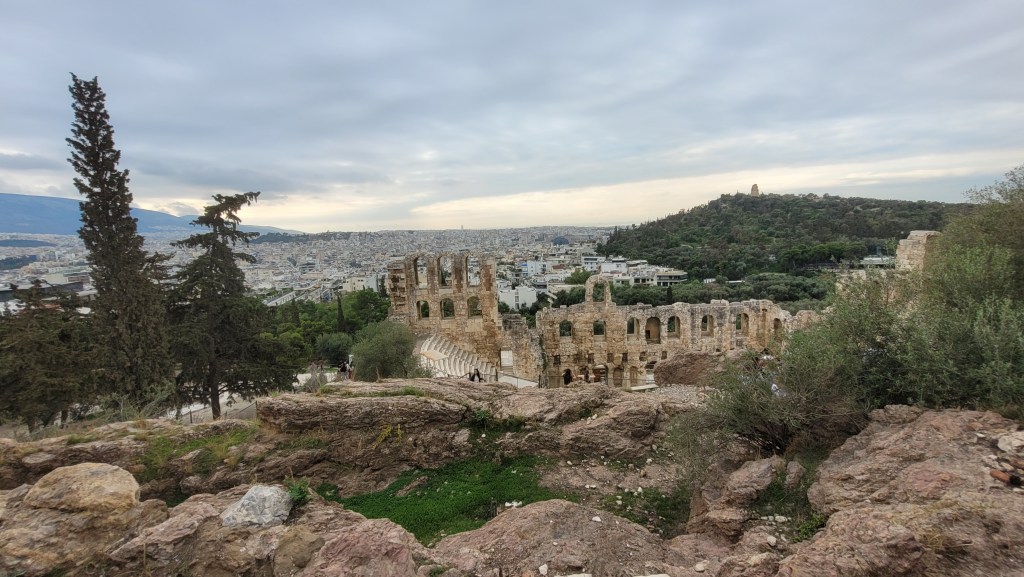
Moving up, climbing those slippery stairs, having my head up towards the Gods. Until I finally reached the heights.
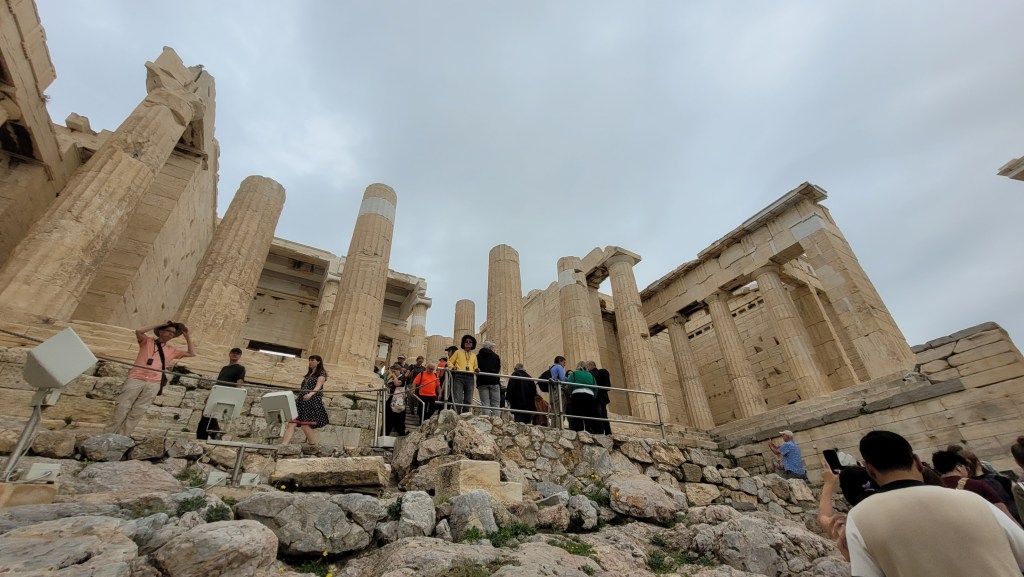

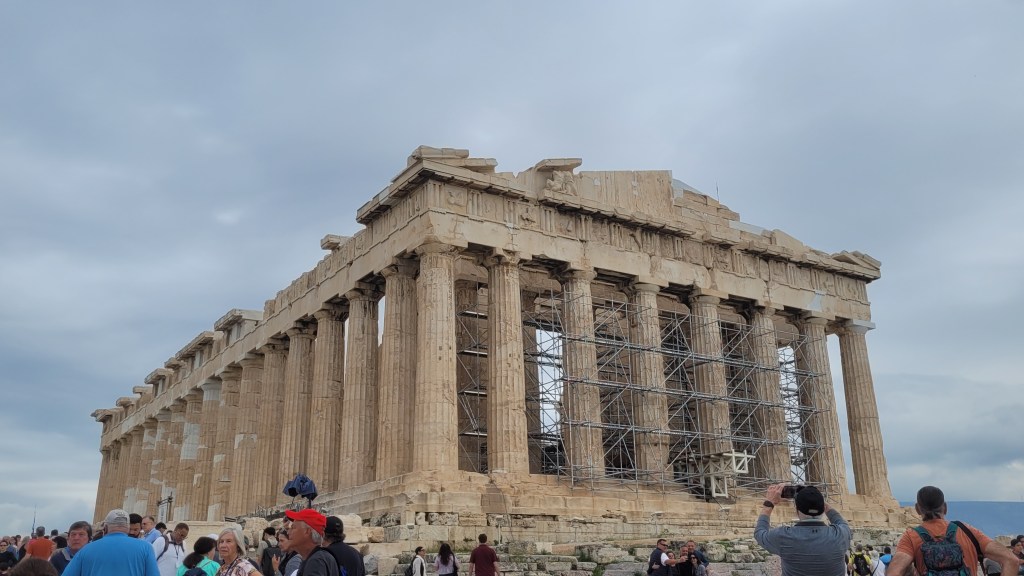
There is not much space to move around once you catch the walk with other tourists. I was so glad I climbed up before noon. At one point, it became too crowded and not cool – perhaps a bit dangerous too.
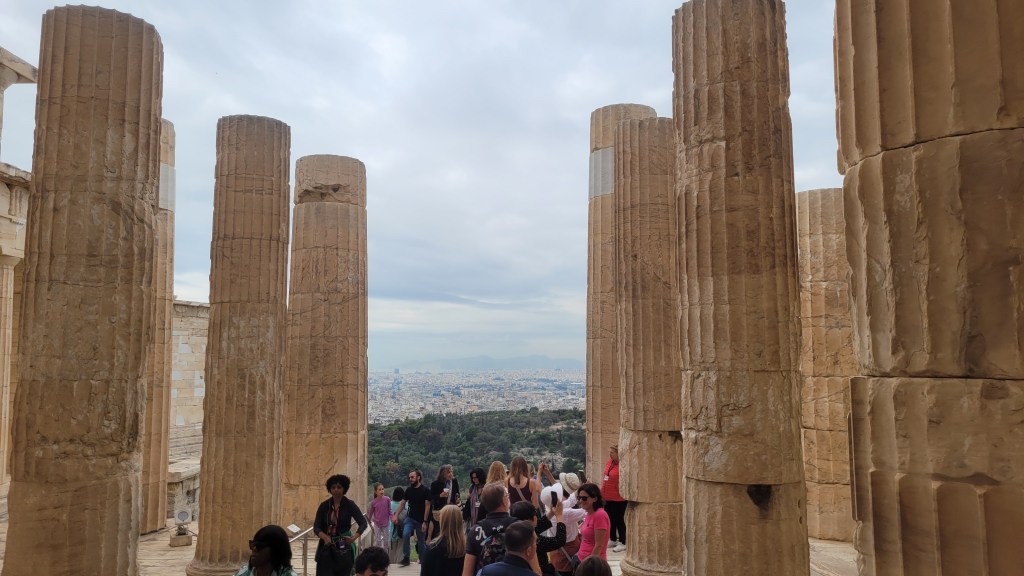
But when you look around, you totally understand why the place is magical. You can lure your view further to the distance, to the sea. There were the ships, and I was not sure if they were in the sky or down on the sea. There was no horizon.
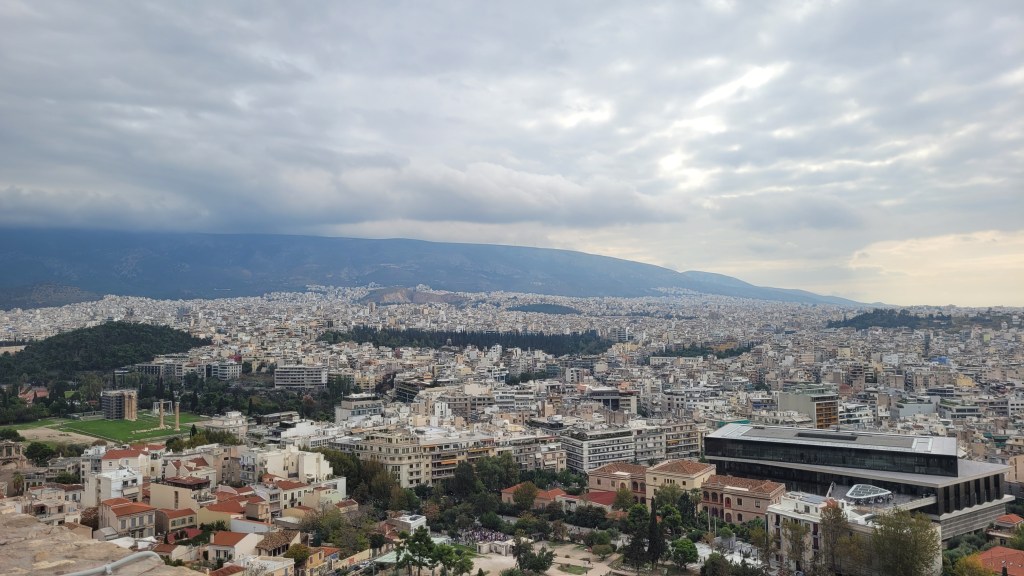
During the classical period, the city was a major center for philosophy, drama, and the arts. Thinkers like Socrates, Plato, and Aristotle lived and worked there, and the city saw advancements in science and architecture. Did they find it annoying to have such a crowded city?


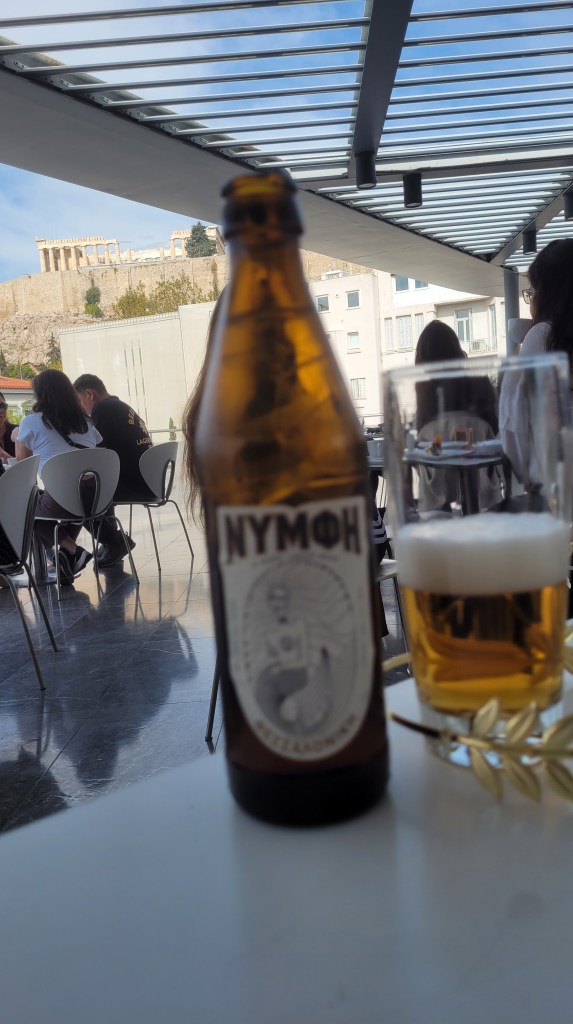
Strolling down, I sat for a beer. The sky cleared, the November sun hit, and my view of the Acropolis brought me into deep thinking. The city was named after the goddess Athena, protector of Athens, after she gifted the olive tree to its people. In mythology, this was in a contest with Poseidon, who offered a saltwater spring. Greek Gods often fight and it is never a good sign when they go down among us, the common people.
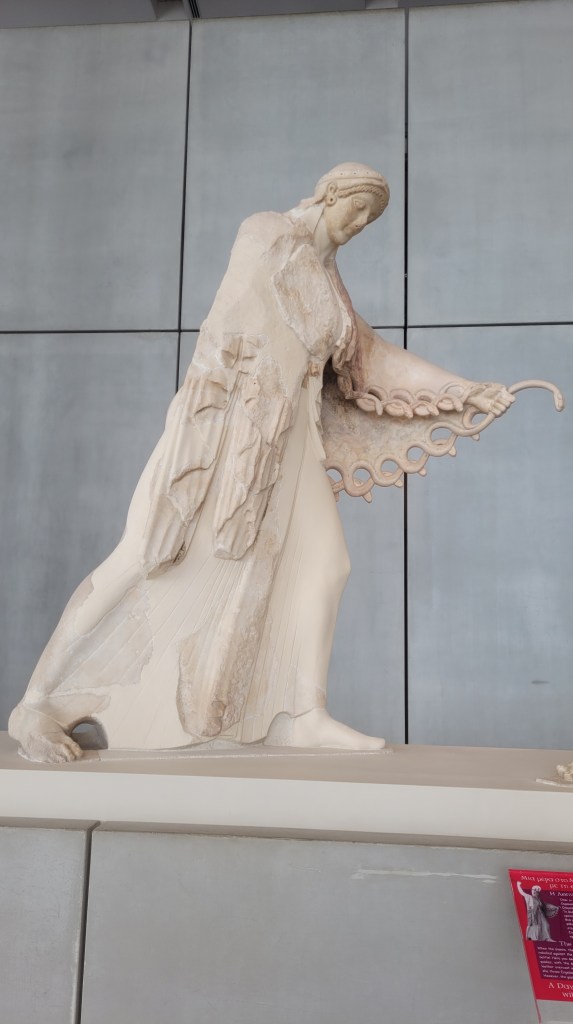
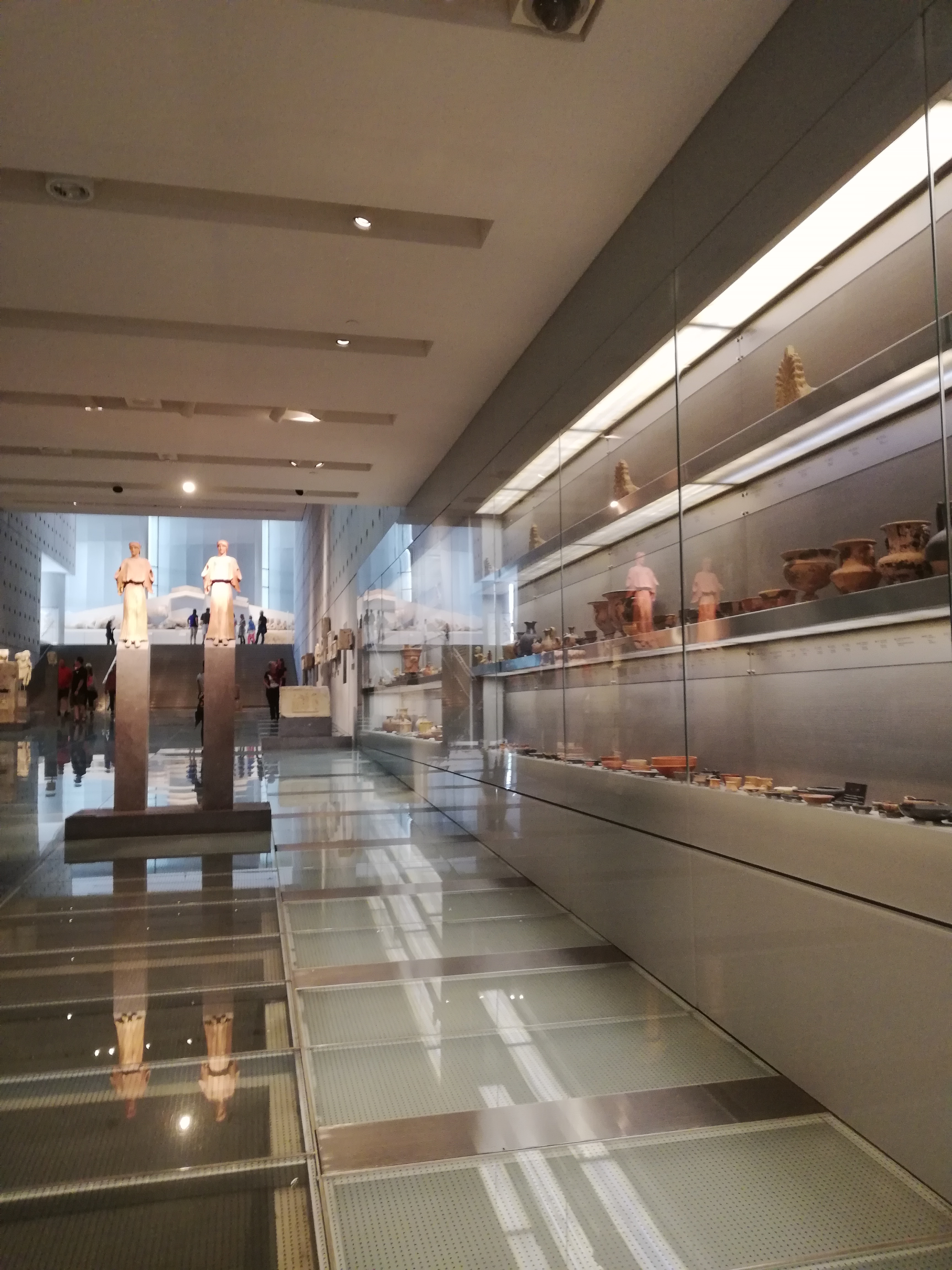
The photo of Athens was actually taken in the Museum of Acropolis. When the Giants, the fearsome children of Gee (Earth) and Uranus (Sky) rebelled against Olympian Gods, Athens was the first one to step into the battle and protect. Here you see her with the spear and leather overcoat, and a snake. Following her victory, she threw Engelados in the sea over Sicily. However, the Giants are still awake from time to time and cause great earthquakes.
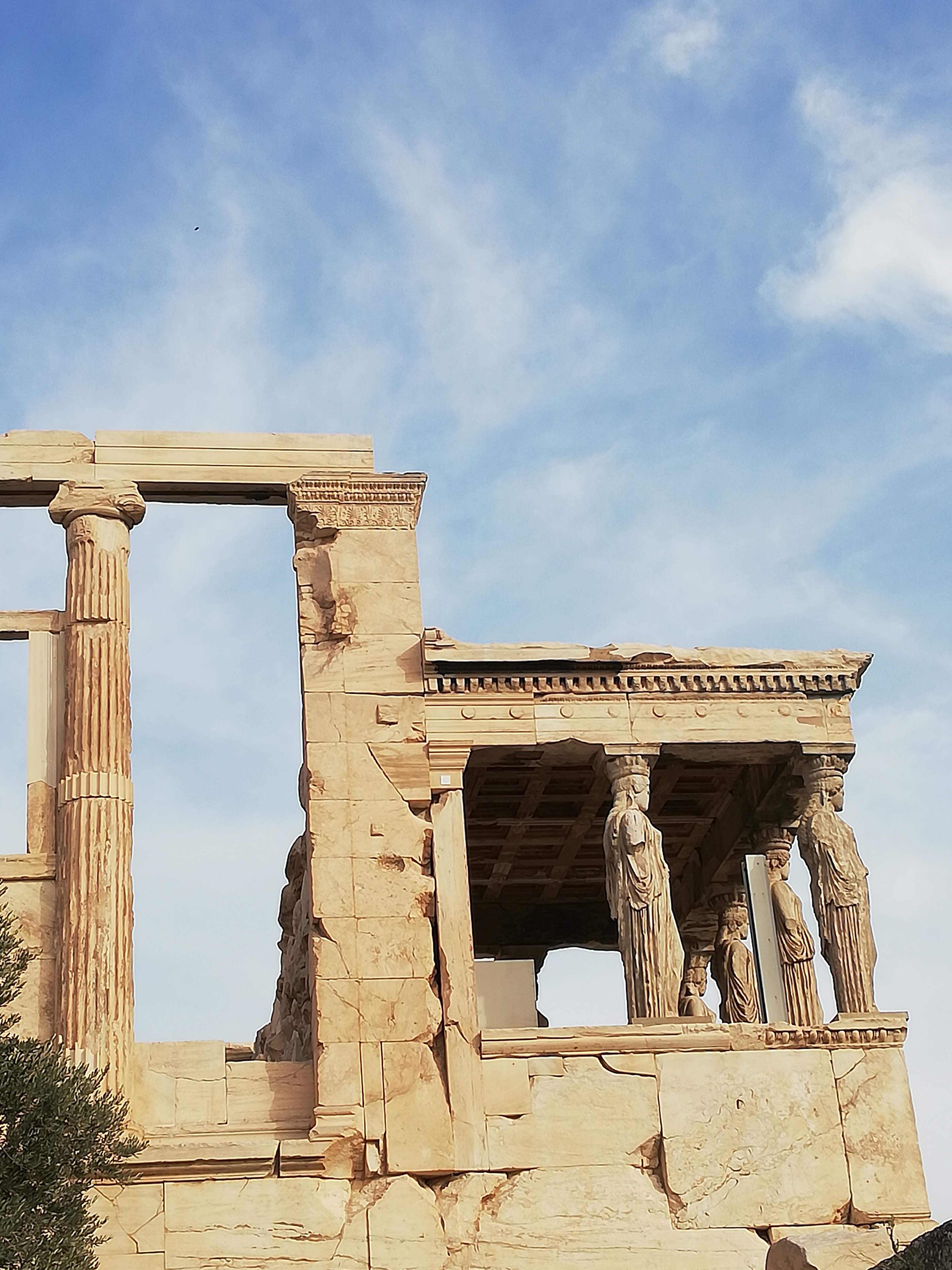
Here below, the famous Caryatids of Athens – six sculpted female figures that supported the roof of the south porch of the Erechtheion temple on the Acropolis. Originally, five of the six original figures were moved to the Acropolis Museum for preservation and replaced with replicas, while the sixth was taken by Lord Elgin and is now in the British Museum.
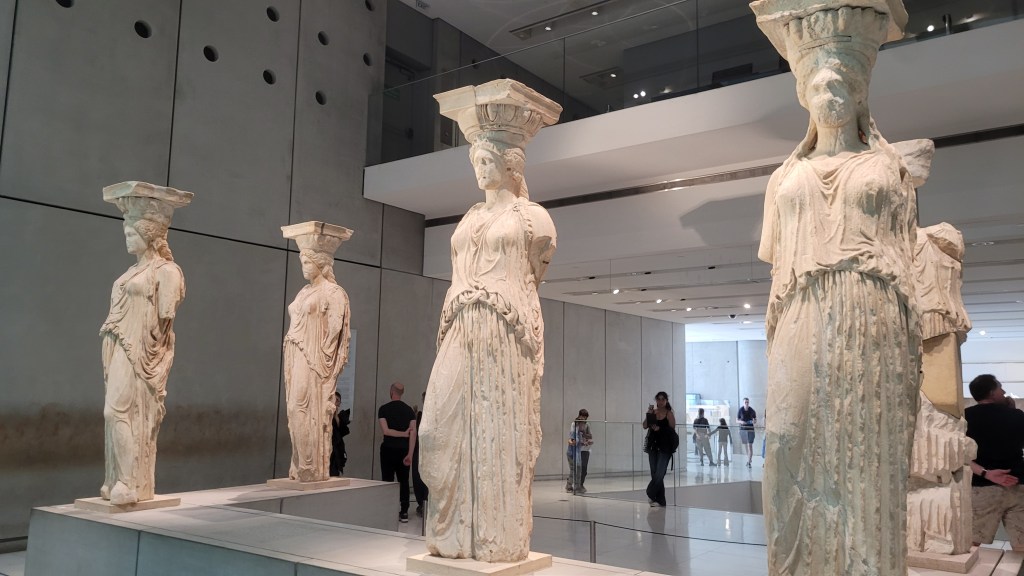
To enter the Museum was a huge line. Why? Because the security was not in a hurry to check our bags. When we arrived at the ticket-selling table, the guy in front of me simply put the Break sign. It couldn’t be more stereotyped.
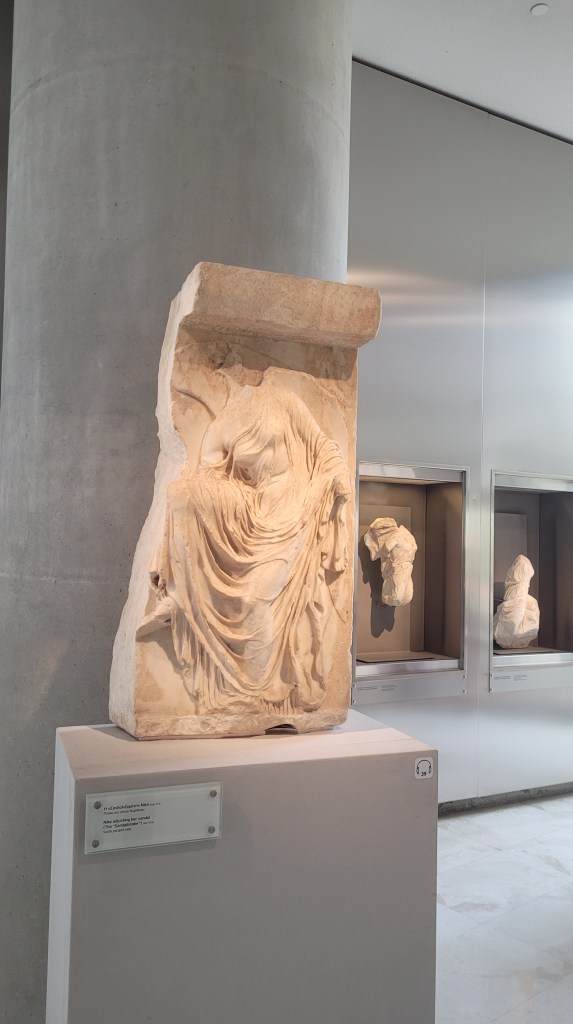
Nevertheless, it was my second visit and I would always recommend coming. One of my favourites are the head of Alexander the Great and the Goddess Nika adjusting her sandal. So human of her!

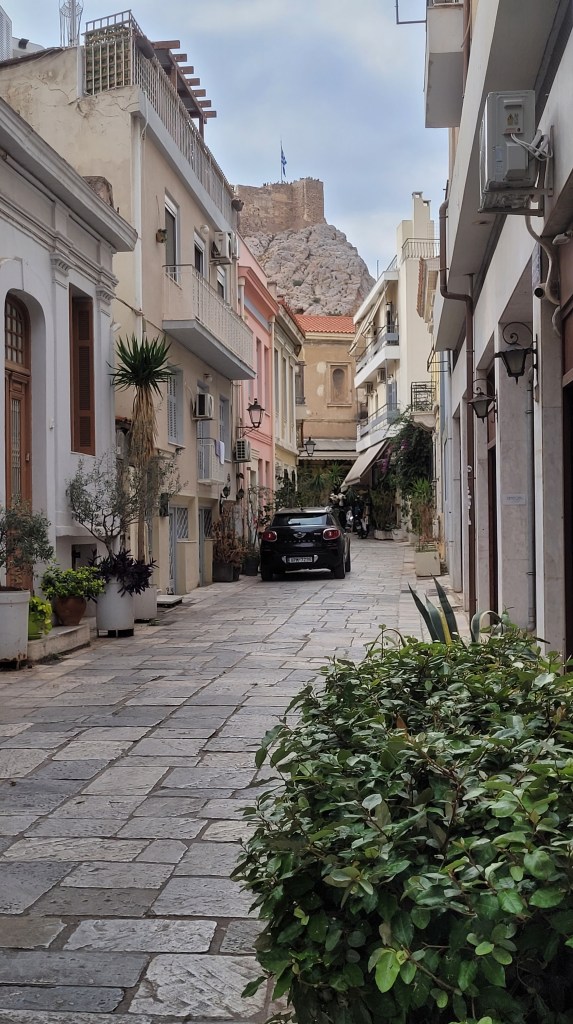
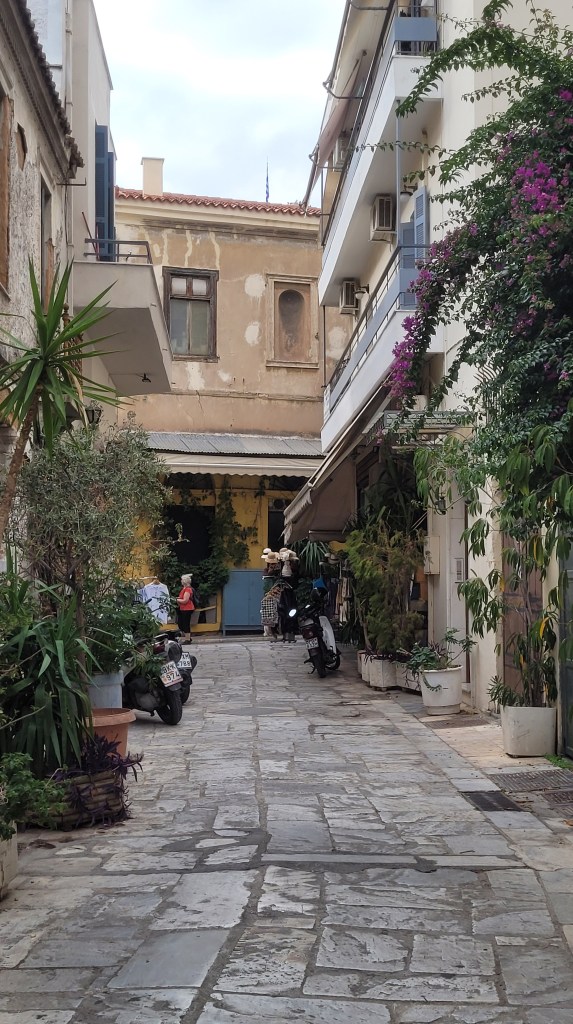
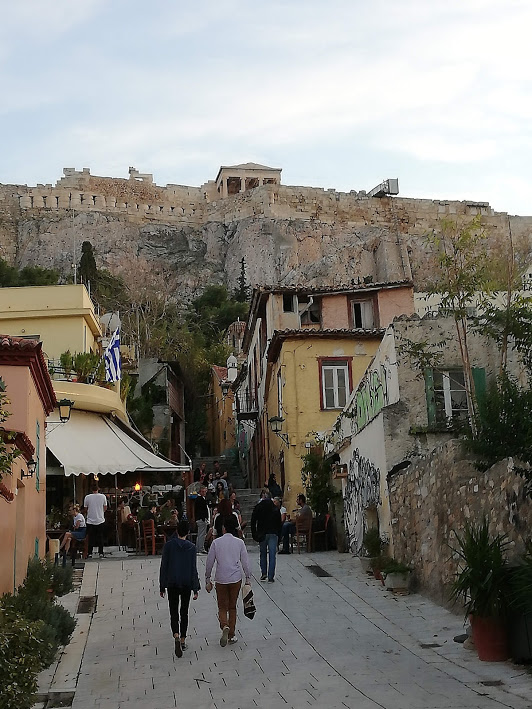
One would say it’s time for lunch, but I had one more stop to do before: Anafiotika – a scenic tiny neighborhood of the center of Athens. It is so much more peaceful than Plakka.
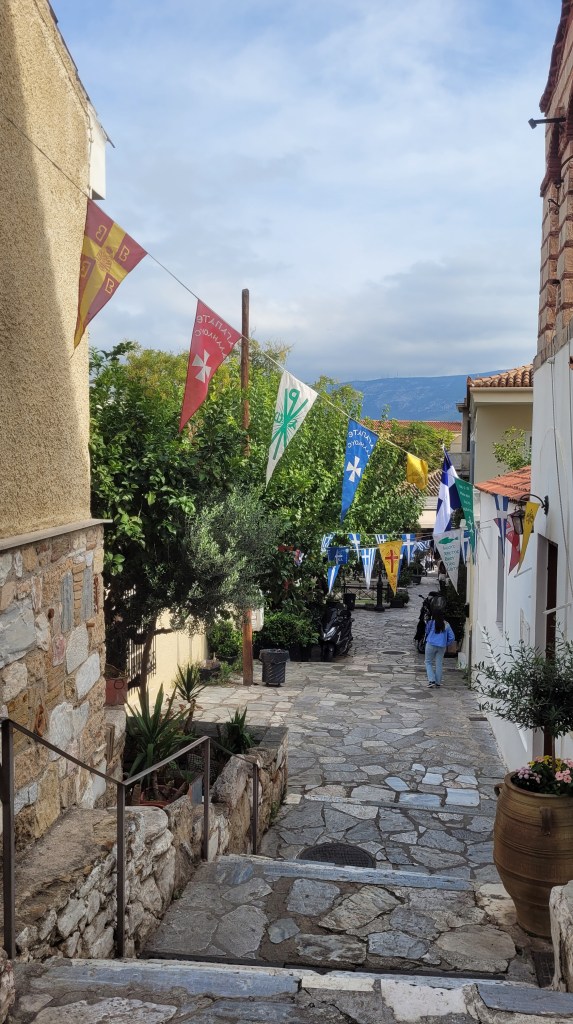
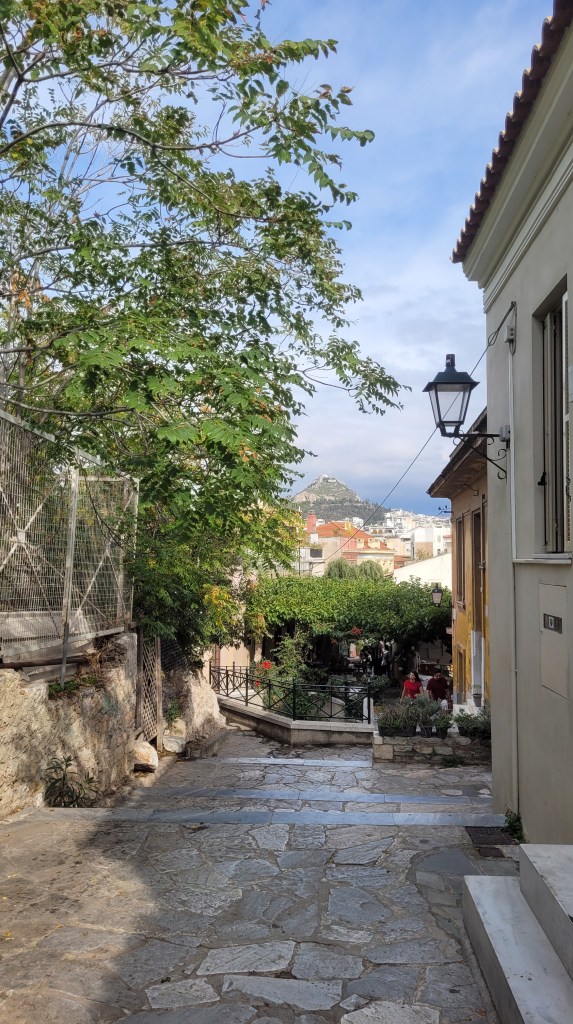
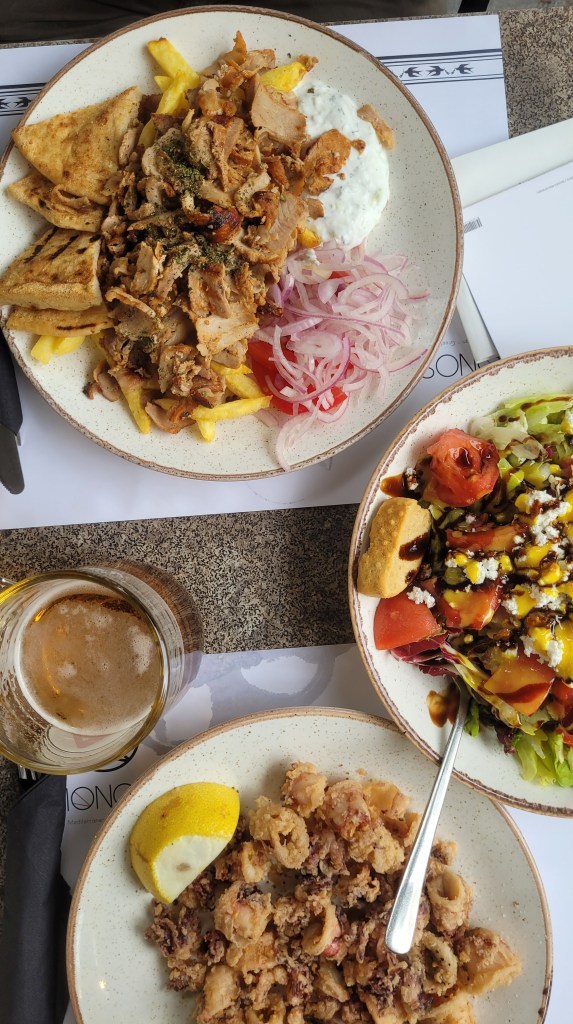
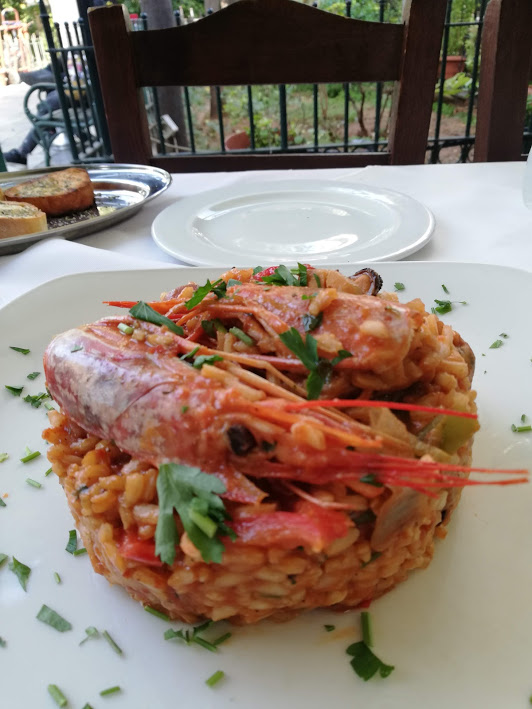
Now it’s time to choose the place. Grill all around me! I was so happy to taste briam – mixed roasted vegetables and all the other delicacies that come around. We had gyros and fried squid, accompanied by the most tasteful salad called Horiatiki Salata (Greek Village Salad).
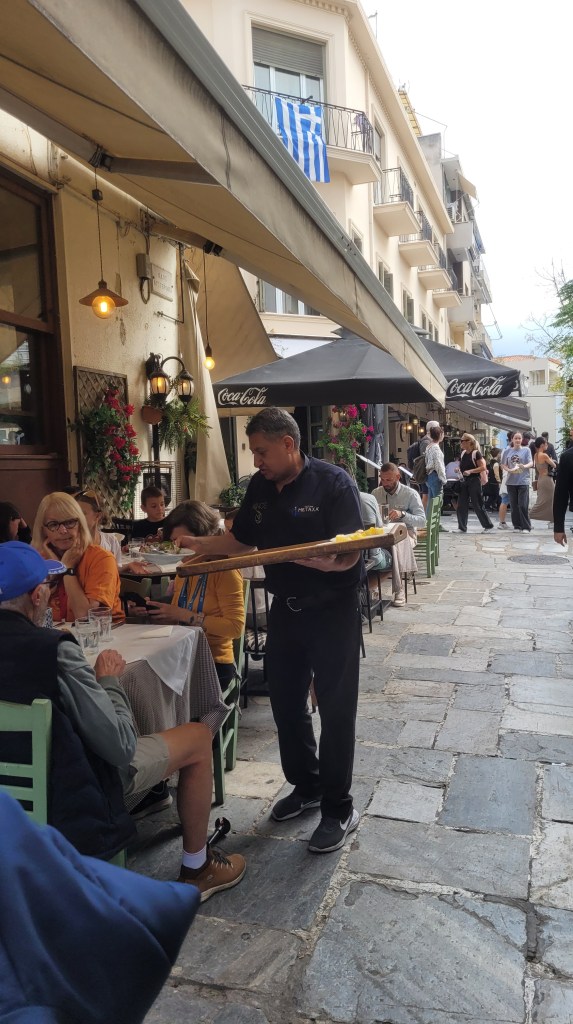

The afternoon became a bit slower. Wandering the streets of Athens and doing some shopping around in the neighbourhoods of Plakka and Eolou.
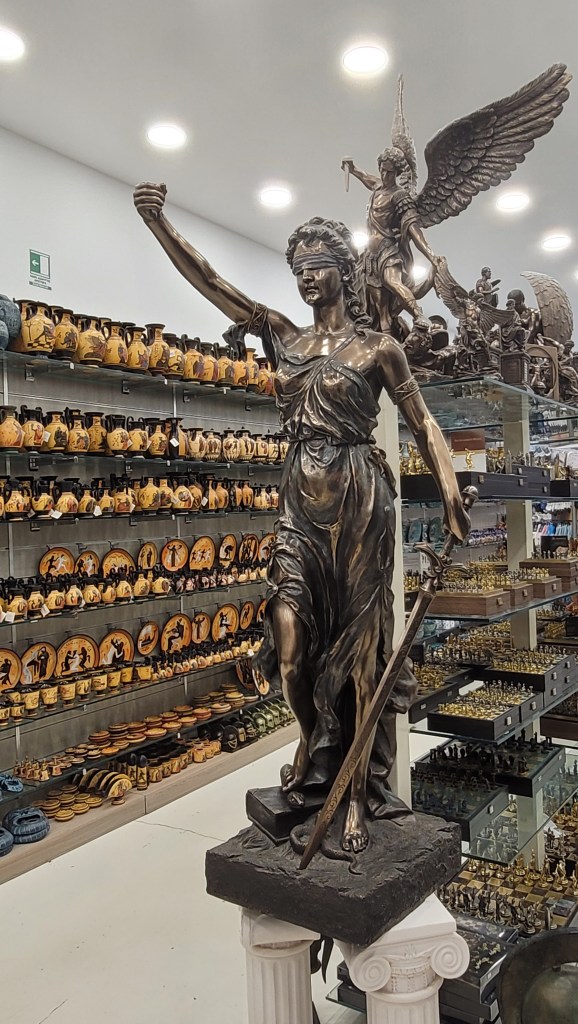
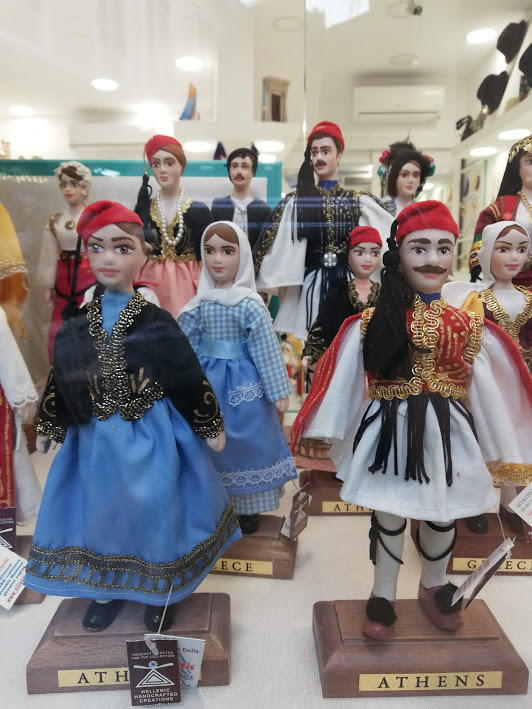
When you enter the souvenir shops, the sellers neatly jump around you explaining the figures. Like the rest of the world, never heard of Hercules or Poseidon. It’s an offence to my education.

To me, touristy shopping is more than just a spree — it’s a chance to bring a piece of Greece’s rich culture and ancient history home. Every item reminds me of a certain moment I collected on my travels.
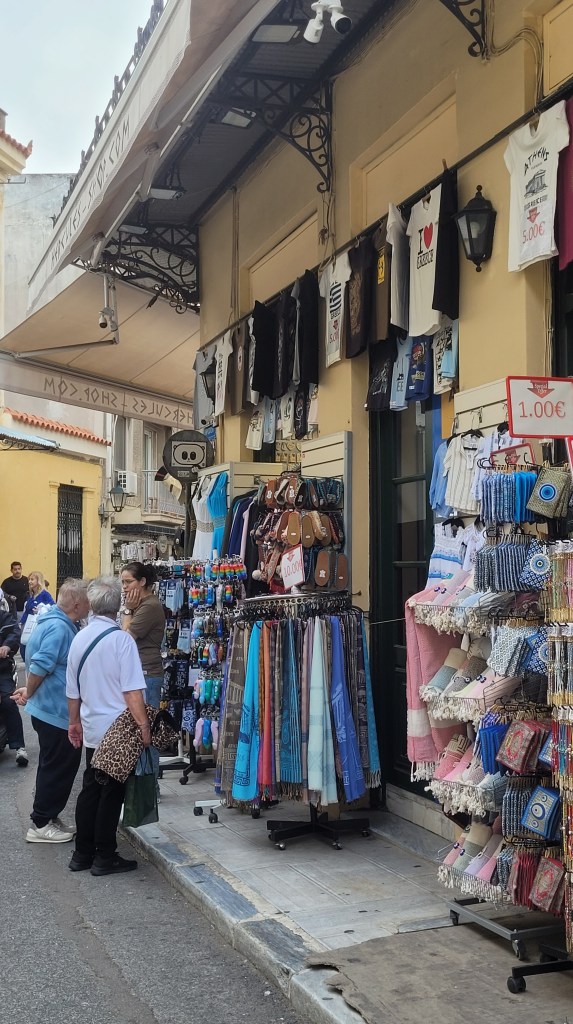
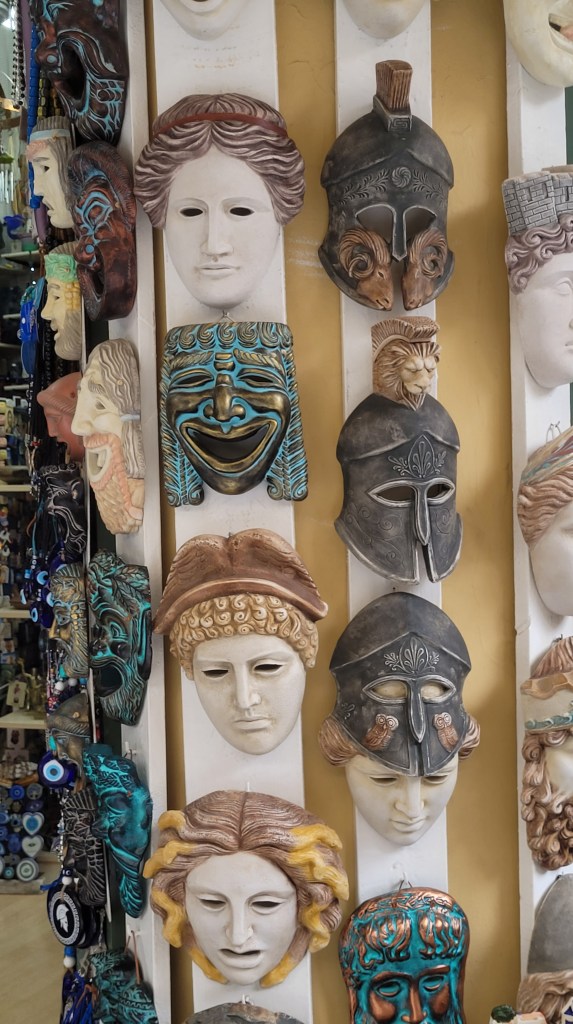

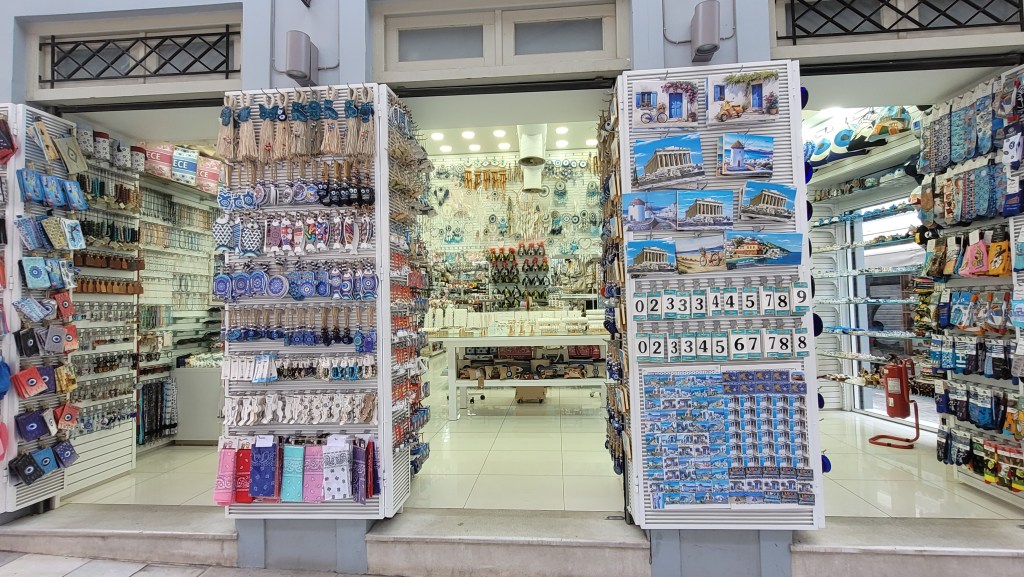
his time I brought with me the taste of Greece – aromatic herbs like oregano, thyme and mountain tea. Local spice shops and markets in Athens offered curated blends perfect for recreating my favourite Mediterranean dishes.
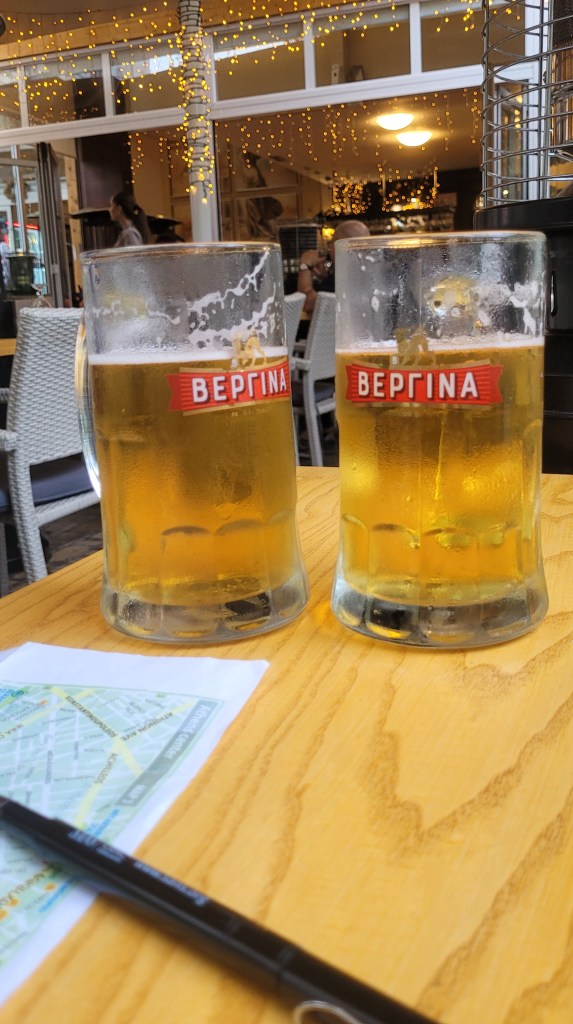
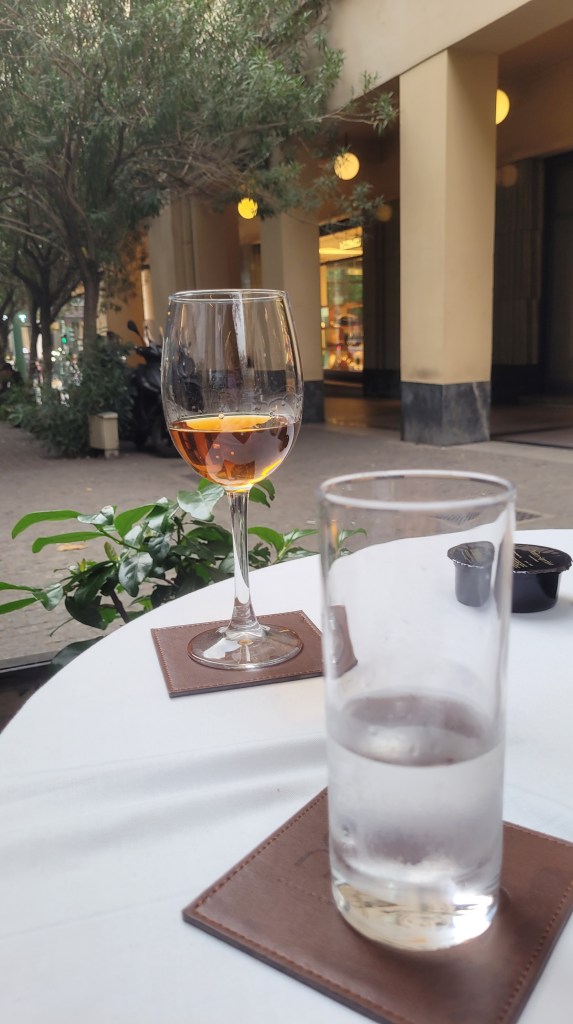
I will pause just for a few minutes. What you see below on photos are of course, greek beers and ouzo and tsipouro. Tsipouro is a strong distilled spirit traditionally produced from grape pomace. We were very much in a hurry here to be at the 17:00 at the Syntagma square – to see the guards change just before the sunset.
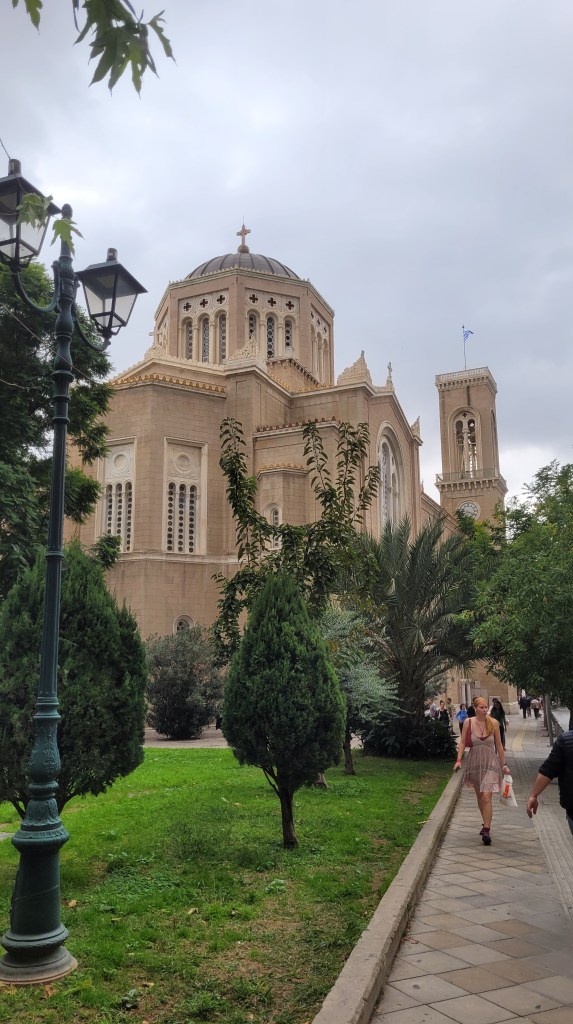
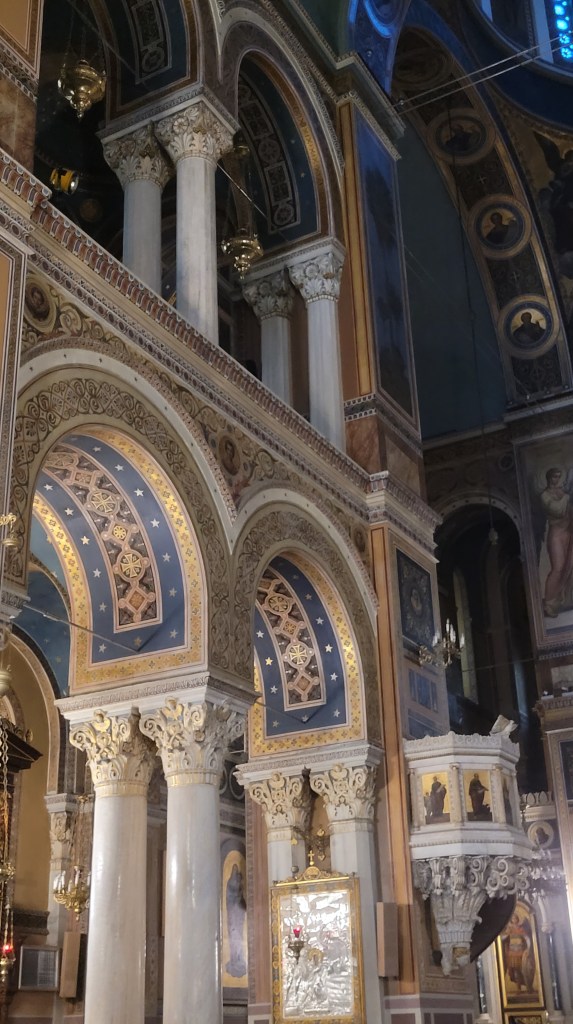
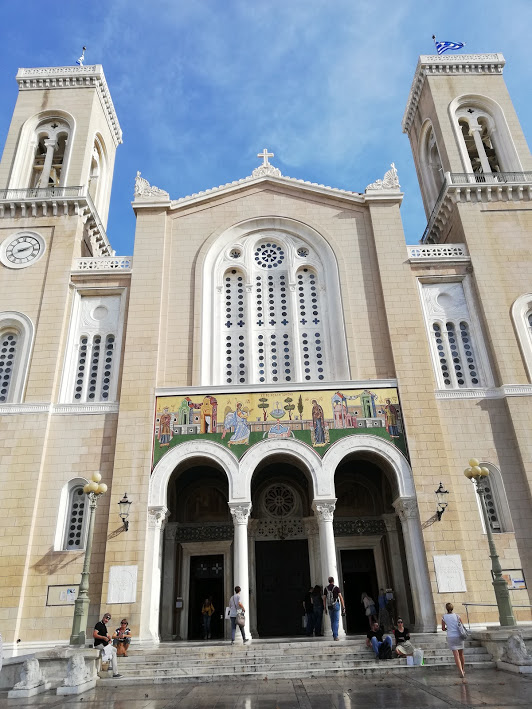
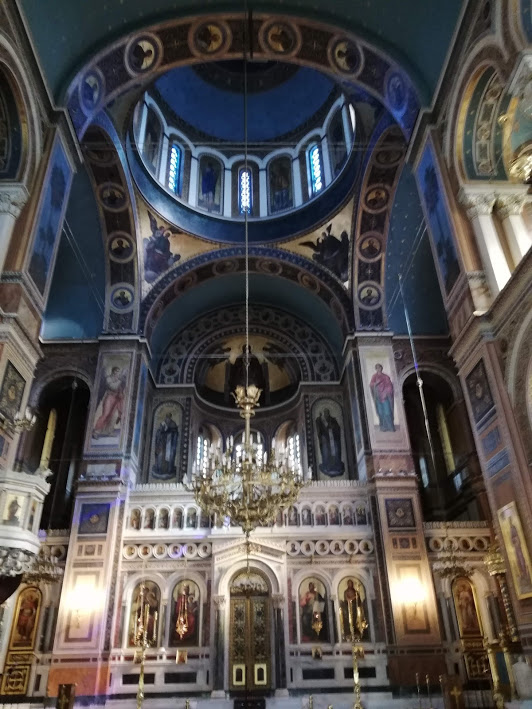
As I was near the Mitropoli (greek cathedral), I paid a visit – again. Construction of the cathedral began on Christmas Day, 1842 with the laying of the cornerstone by King Otto and Queen Amalia. Yes, the Germans. Europe is a funny place.

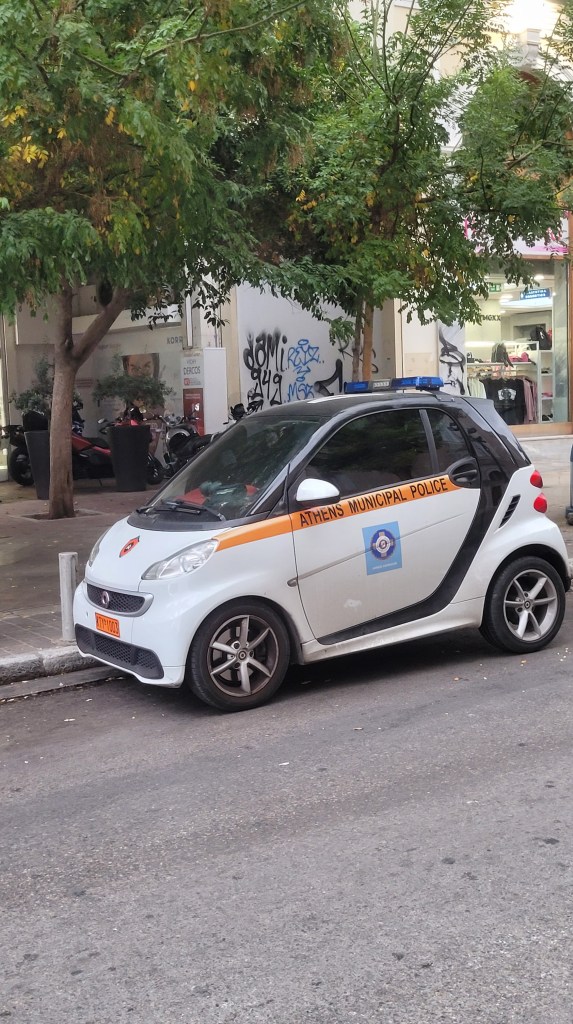
Talking about funny, here is the little police car that I saw up on the Acropolis and around Plakka. I guess to chase the criminals in tight streets. 🙂
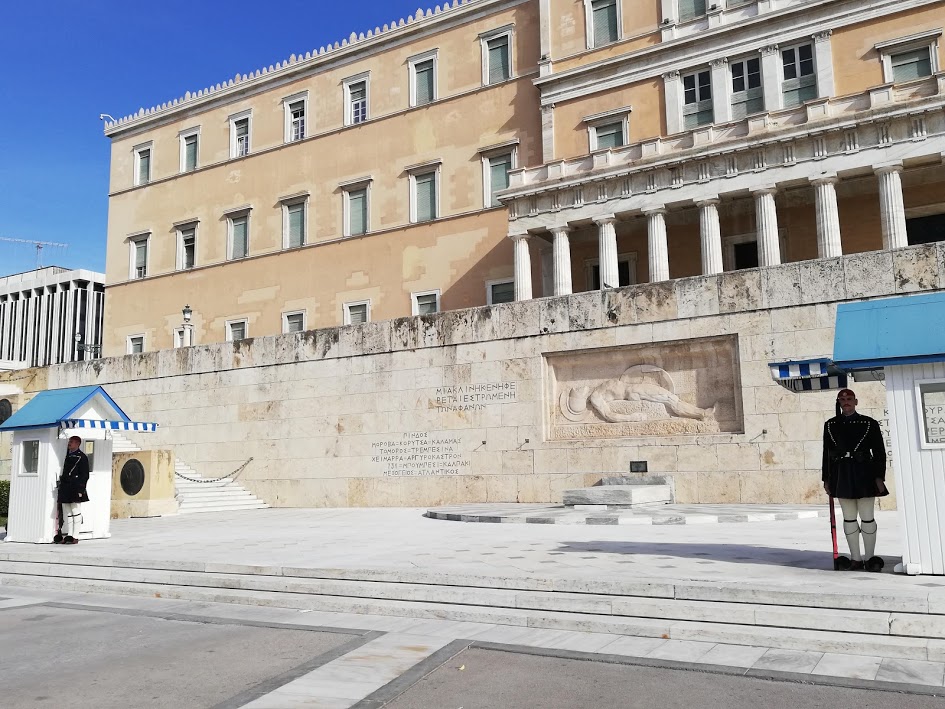
And finally, the Syntagma square and change of guards in front of the Tomb of the Unknown Soldier. The guards, known as Evzones, wear traditional ceremonial uniforms and perform a precise, synchronized march to symbolize Greek history and bravery in the times they were fighting against the Ottomans. Funny clothes, though 🙂
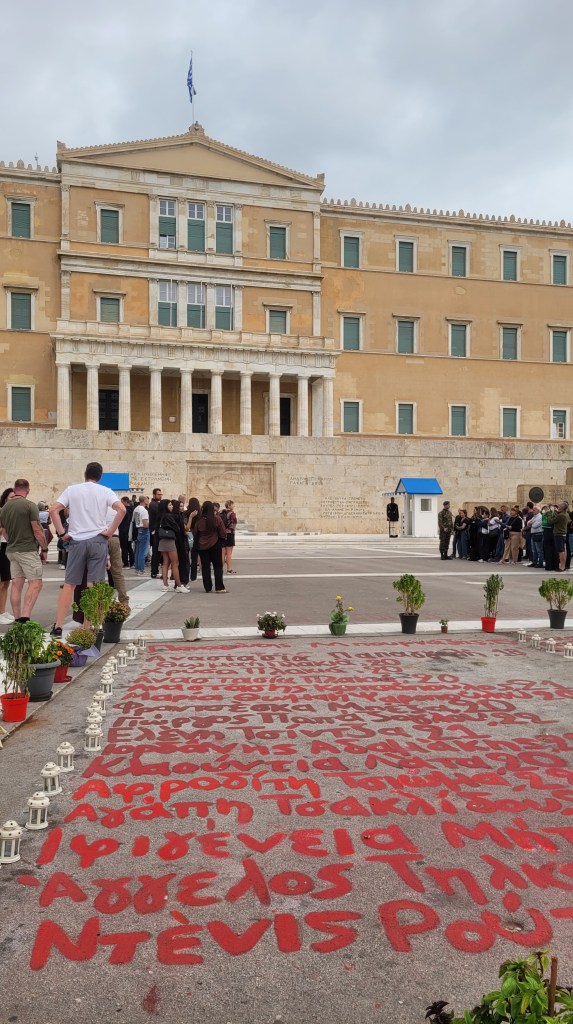
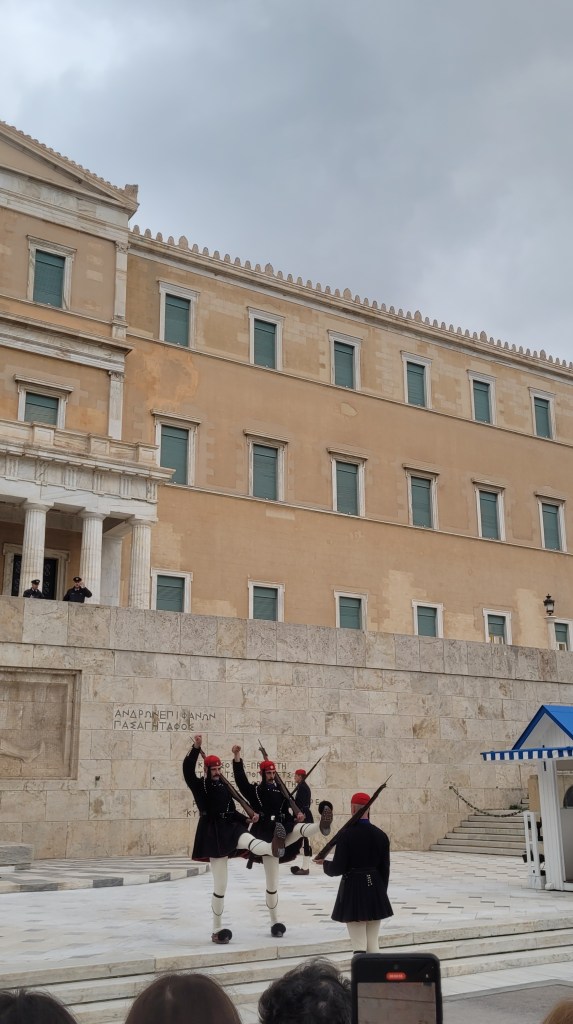
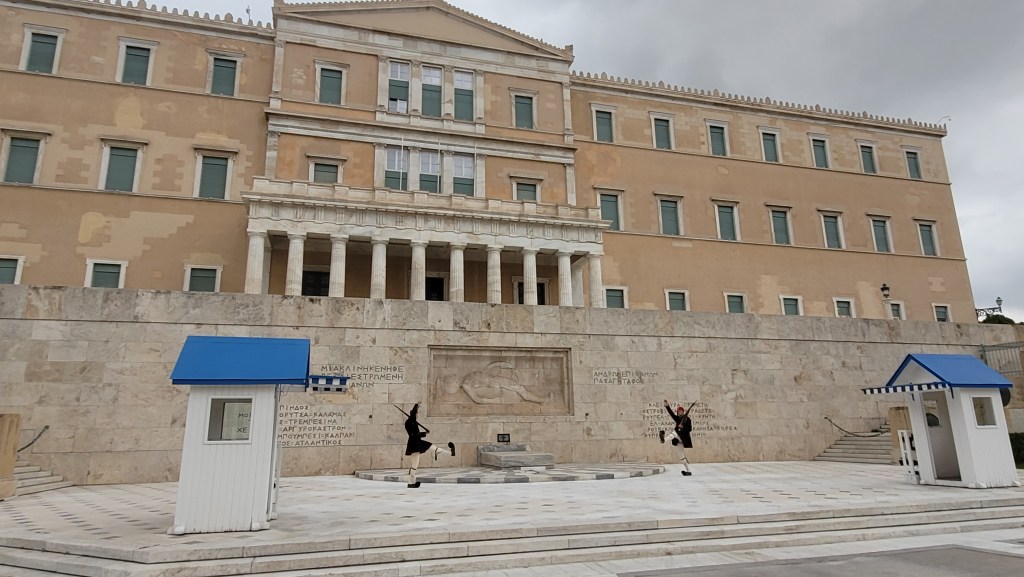
There was a little daylight left, and I turned left into the Hotel Grand Bretagne. What a great move. The hotel is splendid, de luxe with the barmen that exactly knows which cocktail to recommend. I took another tsipouro-based. I was served in front of the 18th-century french tapestry, of the mille-fleur technique, offered by French to Greece for it independence. The tapestry was showing Alexander the Great coming back home after his victory over Persians. Lavish.
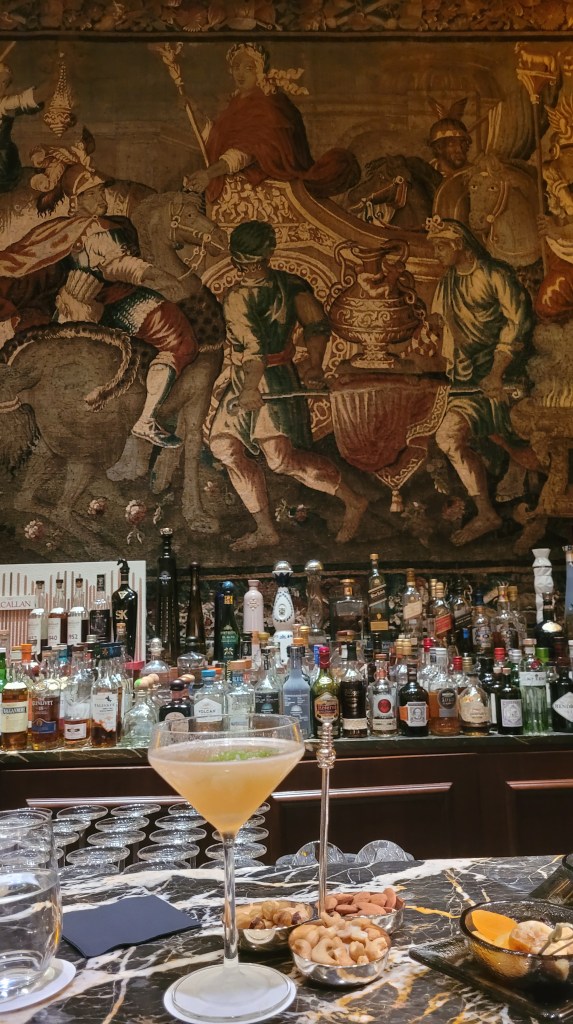
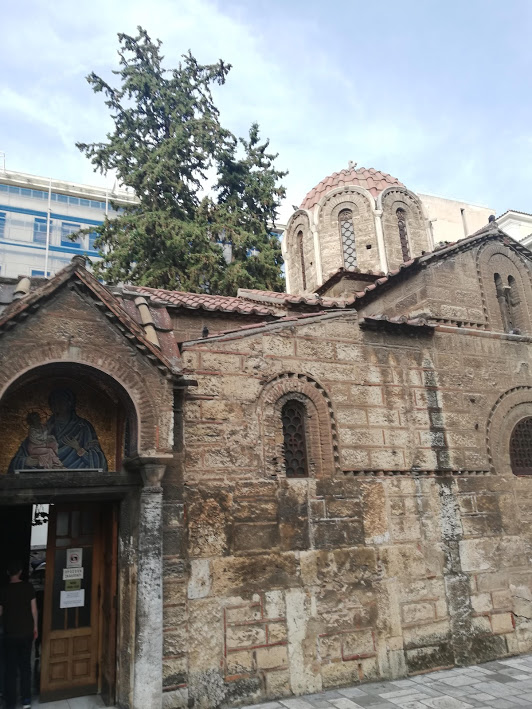
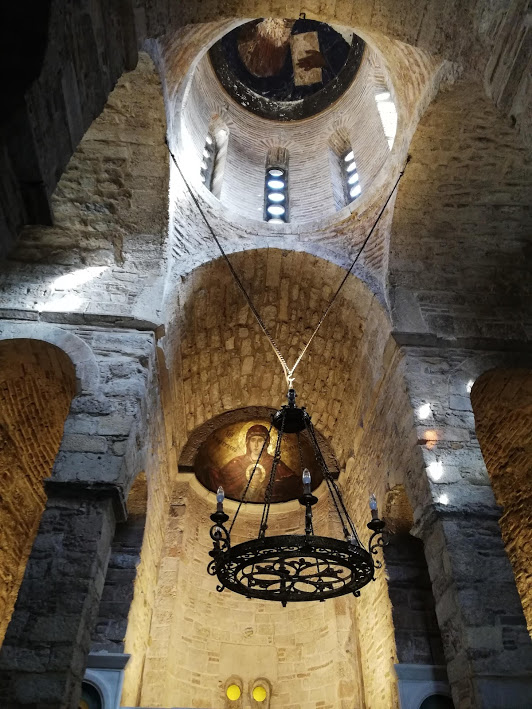
The night came quickly. Winter brings shorter daylight. But I managed to enter one more church: Holy Church of the Virgin Mary Gorgoepikoos and Saint Eleutherius. Very Byzantine design, 12th century.


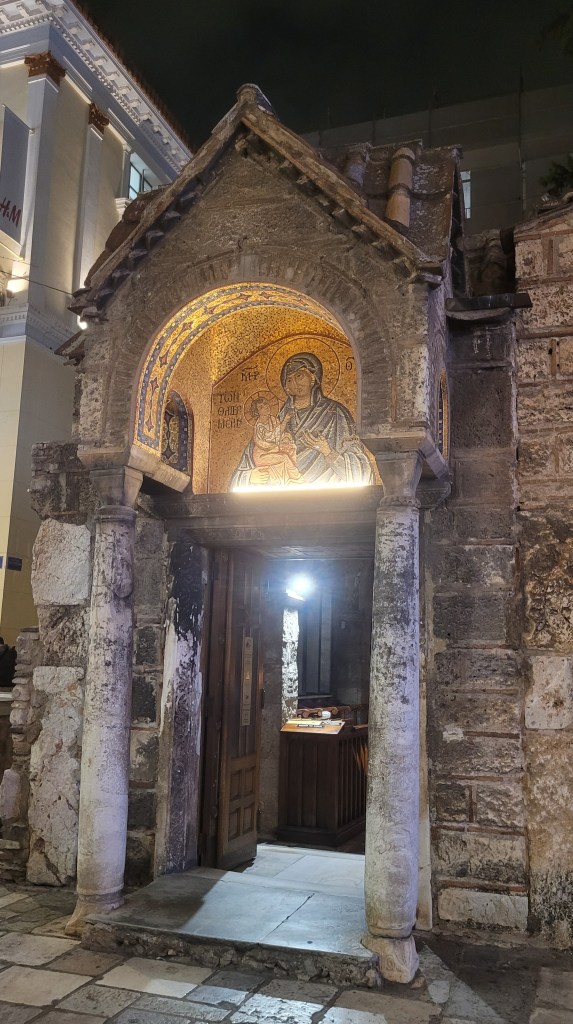
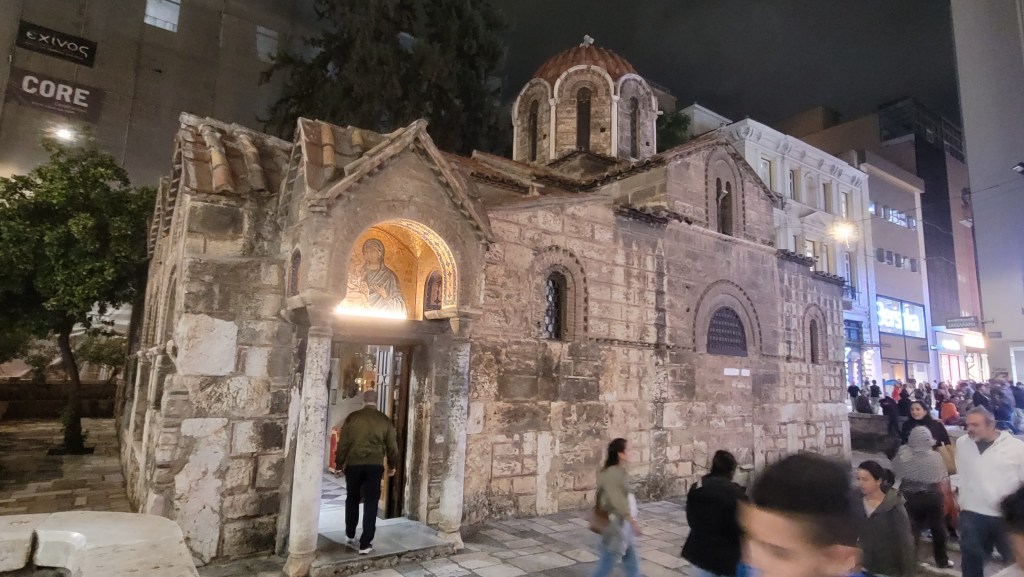
The church is placed in the middle of the shopping area, so be careful when you wander around! Night can be deceiving! 🙂

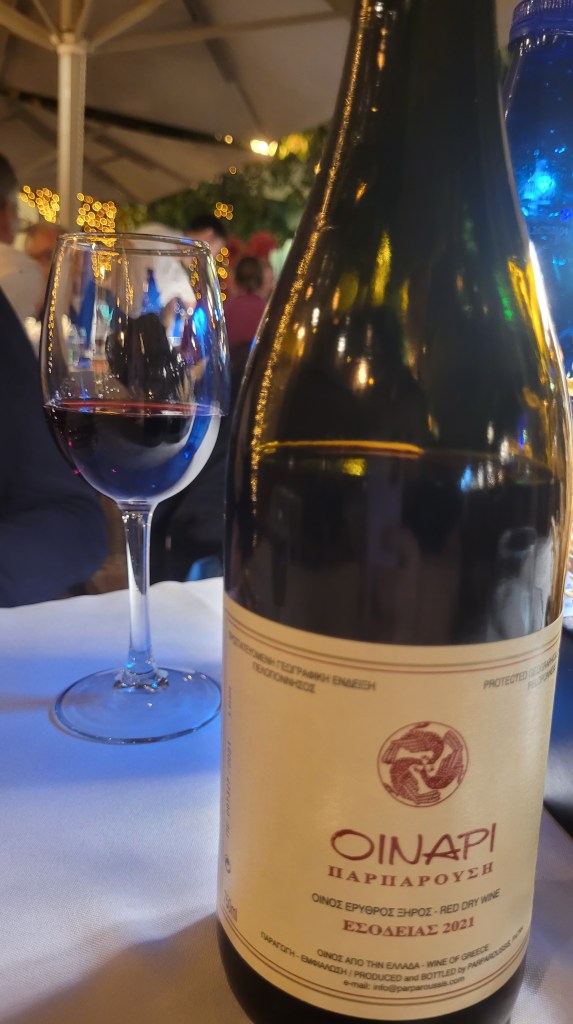
The pleasant dinner on the 20 degree in November was placed in some garden in the middle of Athens – not sure here though – but it was calm and romantic.

In 2018
One of the most important capitals of Europe that so far I was missing on my checked list. So why not?
I booked the tickets and landed successfully on 25 degrees in November weather. I was amazed wild the mild climate – as always since the cruel Brussels doesn’t leave much choice in between the 50 shades of grey.

I didn’t have much time but the prolongation of the weekend of 2 and half days so I decided to start my sightseeing immediately. My hotel was about outside of Athens in the Piraeus where the port is.
So, let us start!
I had difficulties in the beginning to navigate through the city as Athens is one of the oldest cities in the world and survived many civilizations hence the architecture and logistics is quite obsolete. Even more, when I realized that everywhere I stepped was an actual archaeological site.
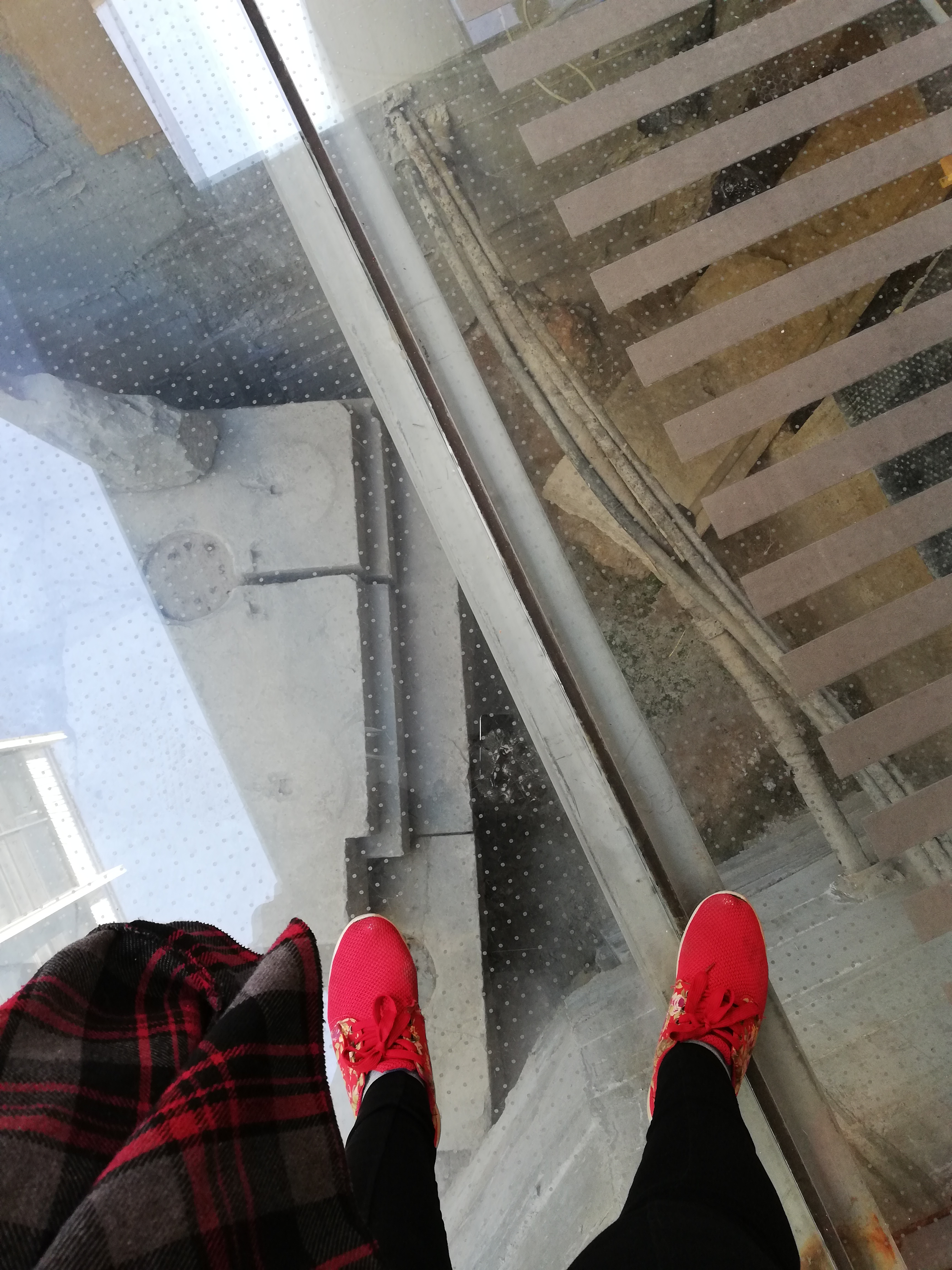
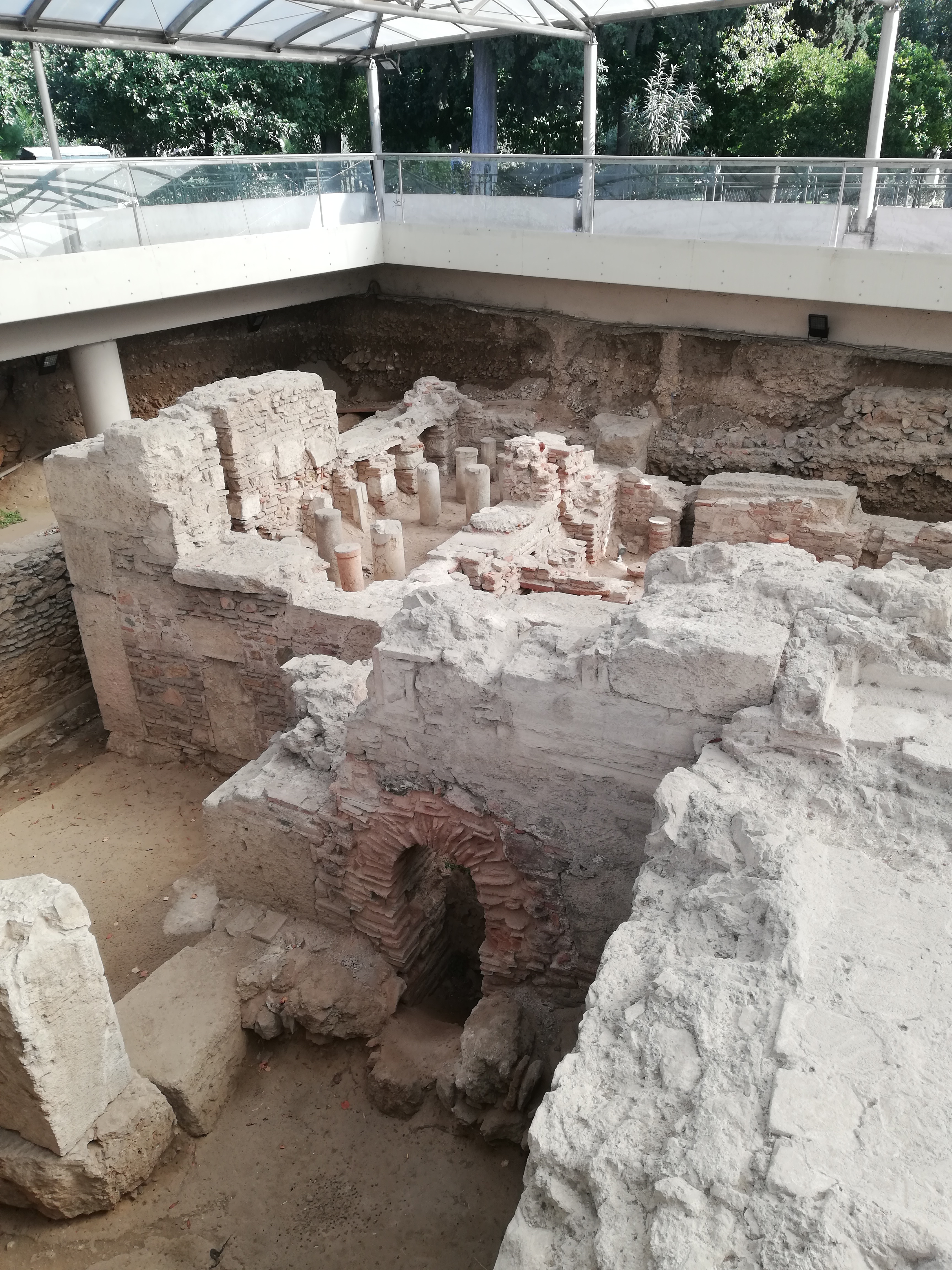
Athens is one of the cursed cities in the same time. What ever construction works started (to build the new building, the parking place, the new metro line) somehow the diggings always manage to be postponed due to archaeological discoveries. Indeed, classical and modern art are in conflict.
Last year, Greeks started to dig for the additional metro line. Soon the works stopped as the construction site became the excavation site ending with 20 people dead due to bacterial infection of the ancient dead bodies.
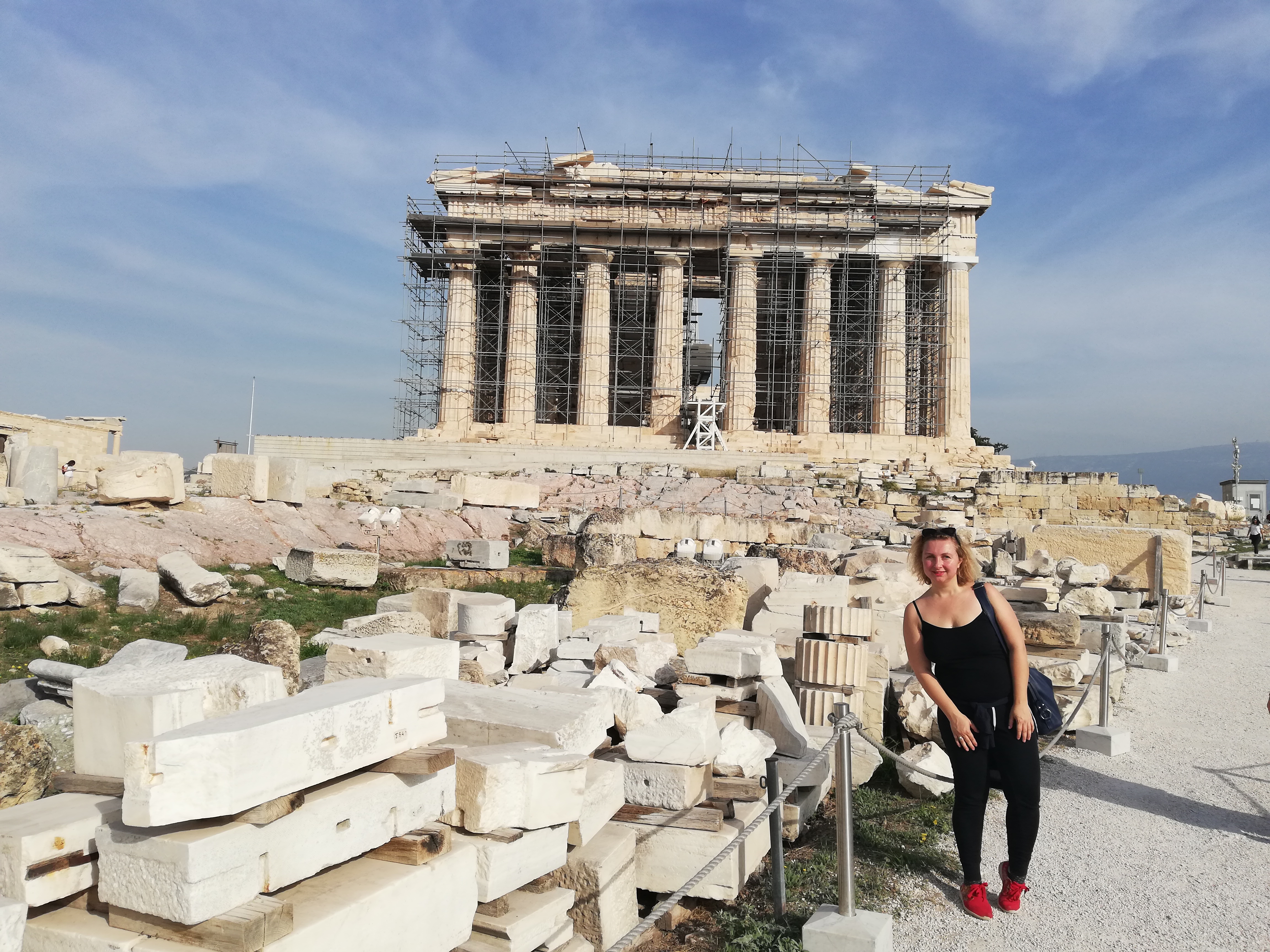
Nevertheless, I rushed my day towards the Acropolis. In old greek language it means ‘the highest point’ as it used to be the sacral place for the ancient Greeks.
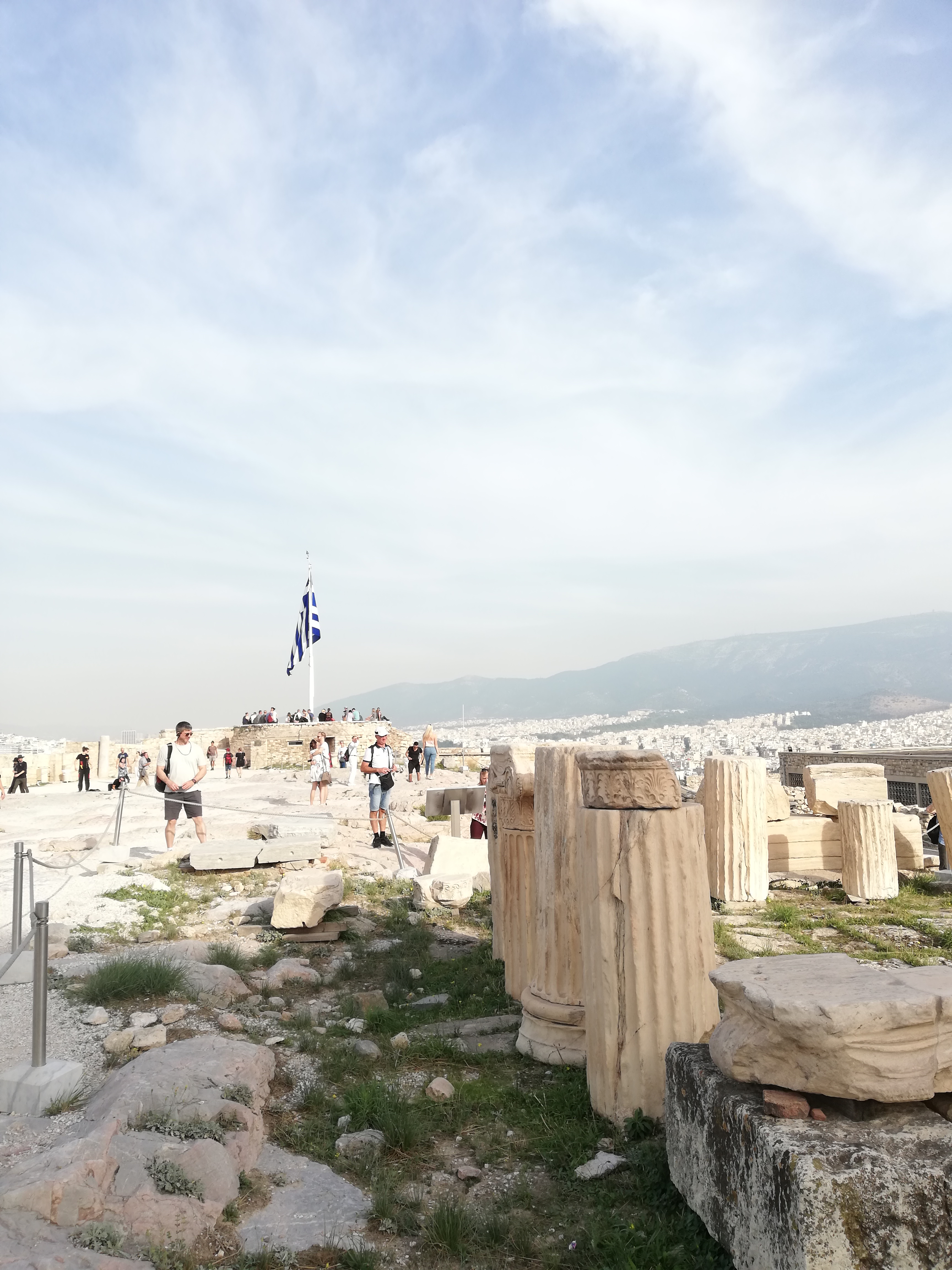
This ancient citadel is on a rocky cliff above the city of Athens and contains the remains of several ancient buildings of great architectural and historic significance, the most famous being the Parthenon.

A propylaea – monumental gateway in ancient Greek architecture that serves as the entrance to the Acropolis
The Parthenon and the other buildings were damaged seriously during the 1687 siege by the Venetians during the Morean War when gunpowder being stored in the Parthenon was hit by a cannonball and exploded.
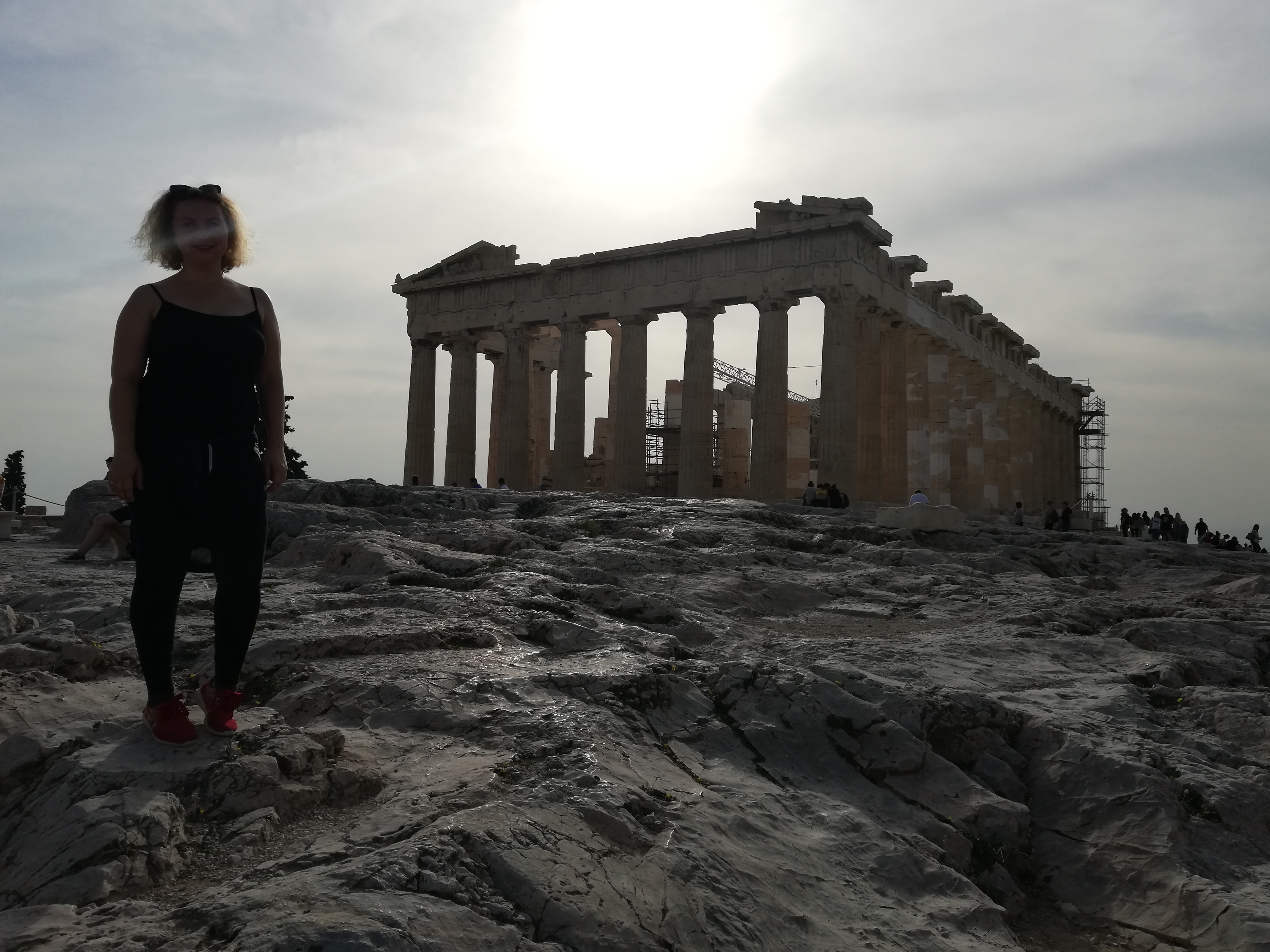
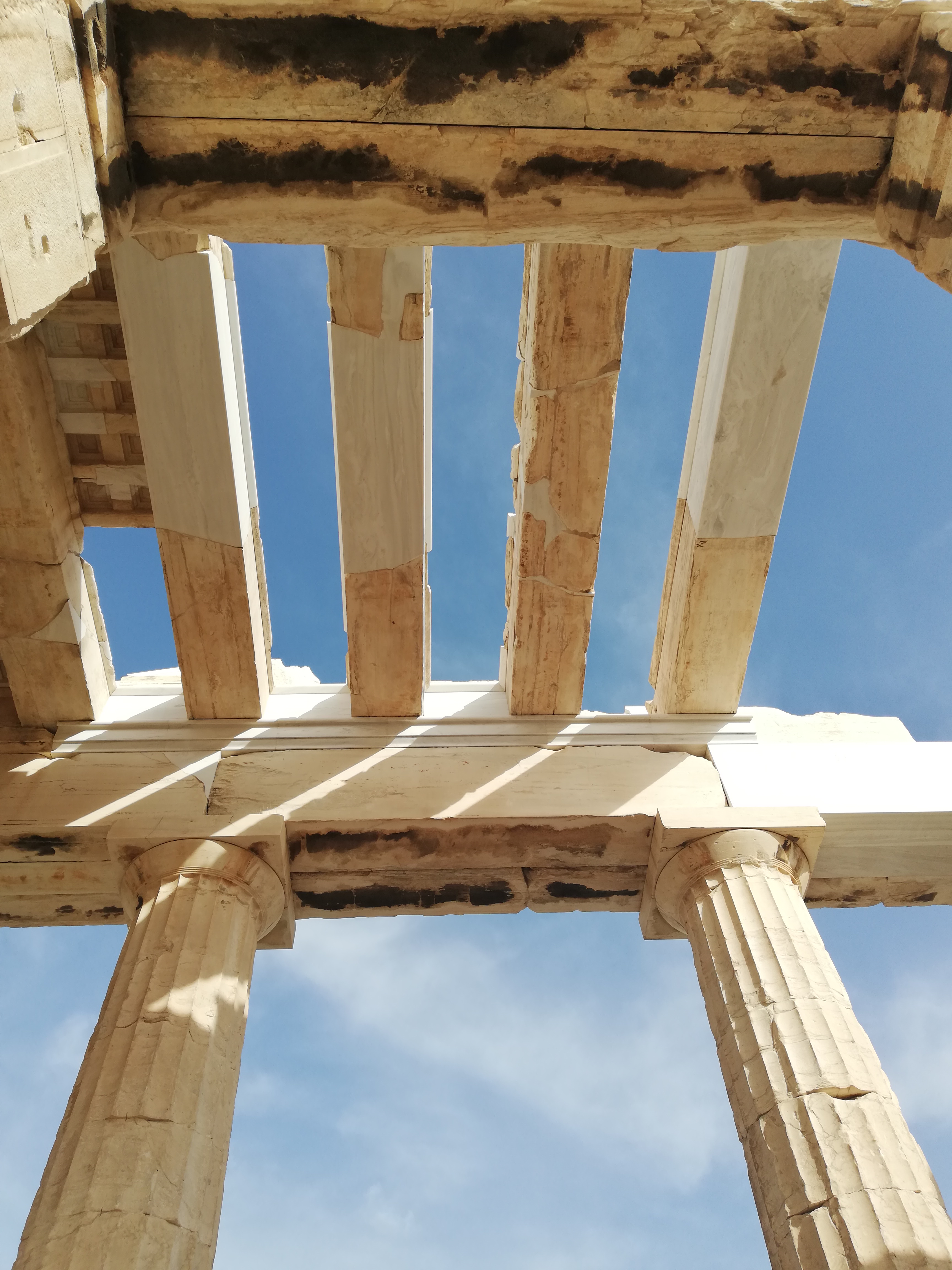

During the so-called Golden Age of Athens (460–430 BCE) the Acropolis continued to grow.
The Temple of Athena Nike
Nika means “victory” in Greek, and Athena was worshiped in hopes of a successful outcome in the long Peloponnesian War fought against the Spartans and their allies. The Spartans were the biggest enemies (smart to remember for possible future visits to Greece).
My visit to Acropolis finished. Some strange 40ish year old man captured me in his talks about the weather. As I didn’t want to be impolite, I continued my small talks but soon I realized the man is lonely as he was inviting me to see the sunset over one of the hills of Athens. Maybe next time! – I said. – And definitely come to visit Croatia!. – He promised to do so.
Ok, strolling down the hill, I visited Ancient Agora and Roman Forum. Yes, I blame Romans for destroying the Greek civilization as the Romans were everywhere. By following my bloggings through Europe – you can see that everything starts with Romans – almost every single post – east to west, north to south.

I finished the day visiting the Acropolis Museum just to get the rounded picture.

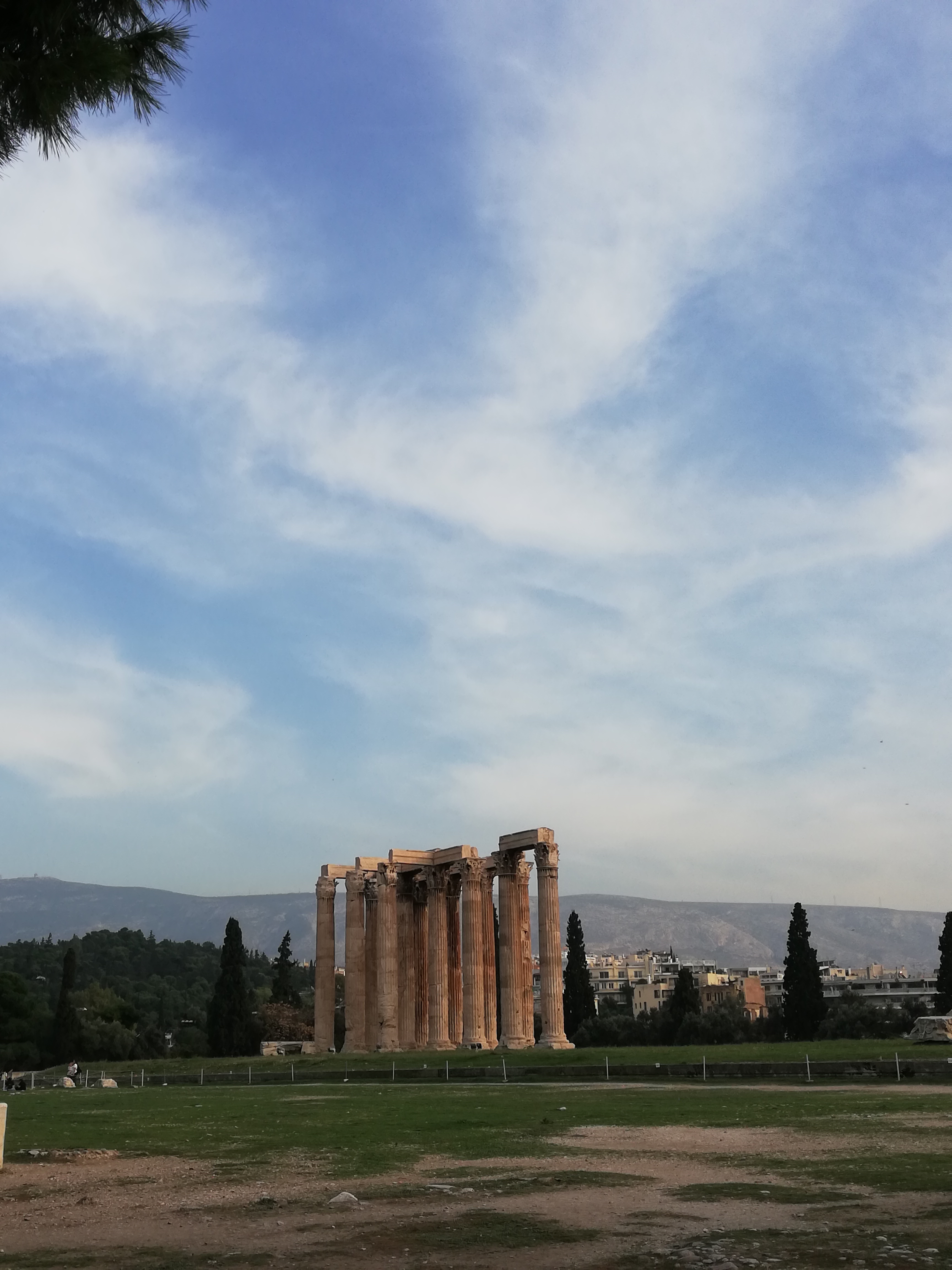
Sunset was reserved for the Temple of Olympian Zeus – also one of the favourites – a former colossal temple dating from 6th century BCE. Unfortunately, in the centuries after the fall of the Roman Empire, it was extensively quarried for building materials to supply building projects elsewhere in the city.
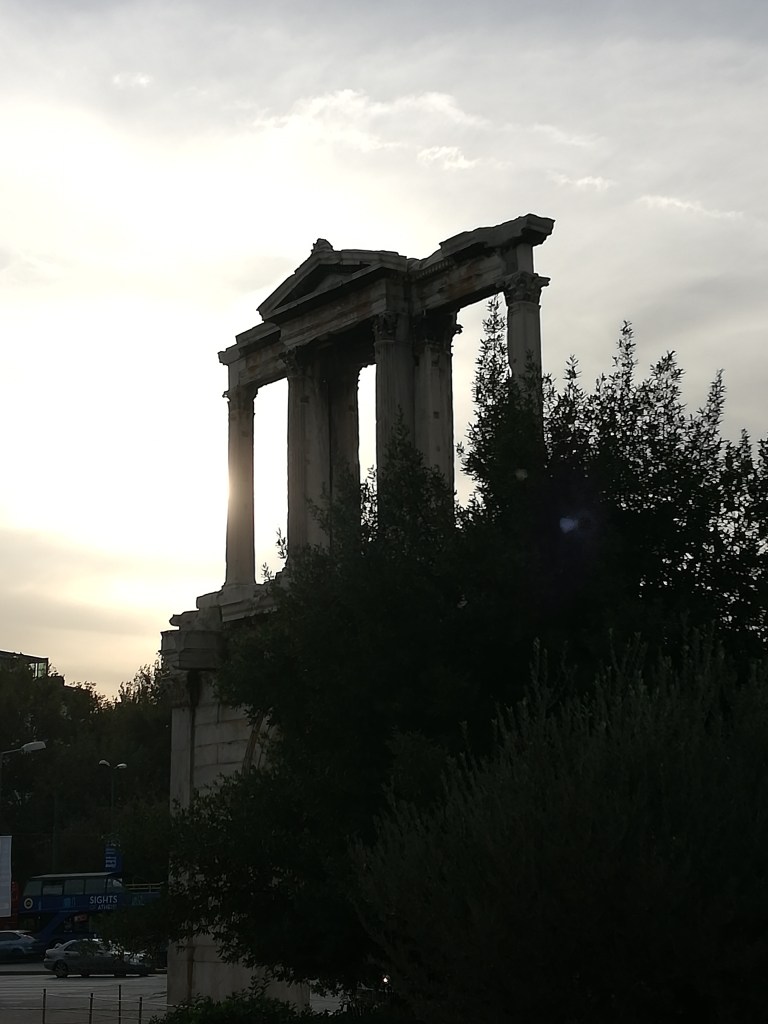
The next day was reserved for museuming.
I started first with Archeological Museum.

Greece’s largest museum offers panoramic view of ancient Greek civilisation from history to late antiquity. In its galleries you can enjoy the tresures from the royal tombs at Mycenae, masterpieces of jewelry’s art and sculpture and large pottery collection.

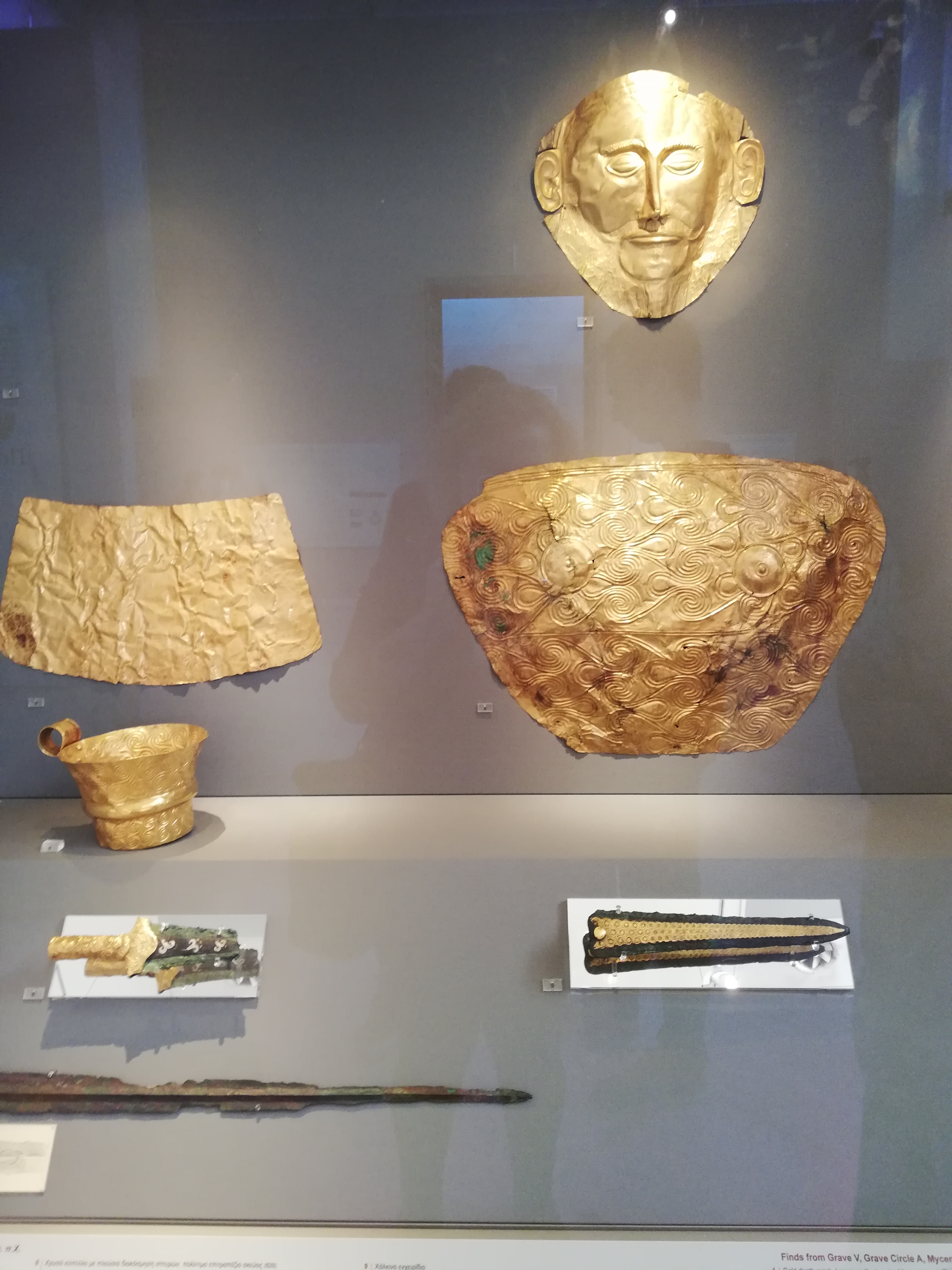
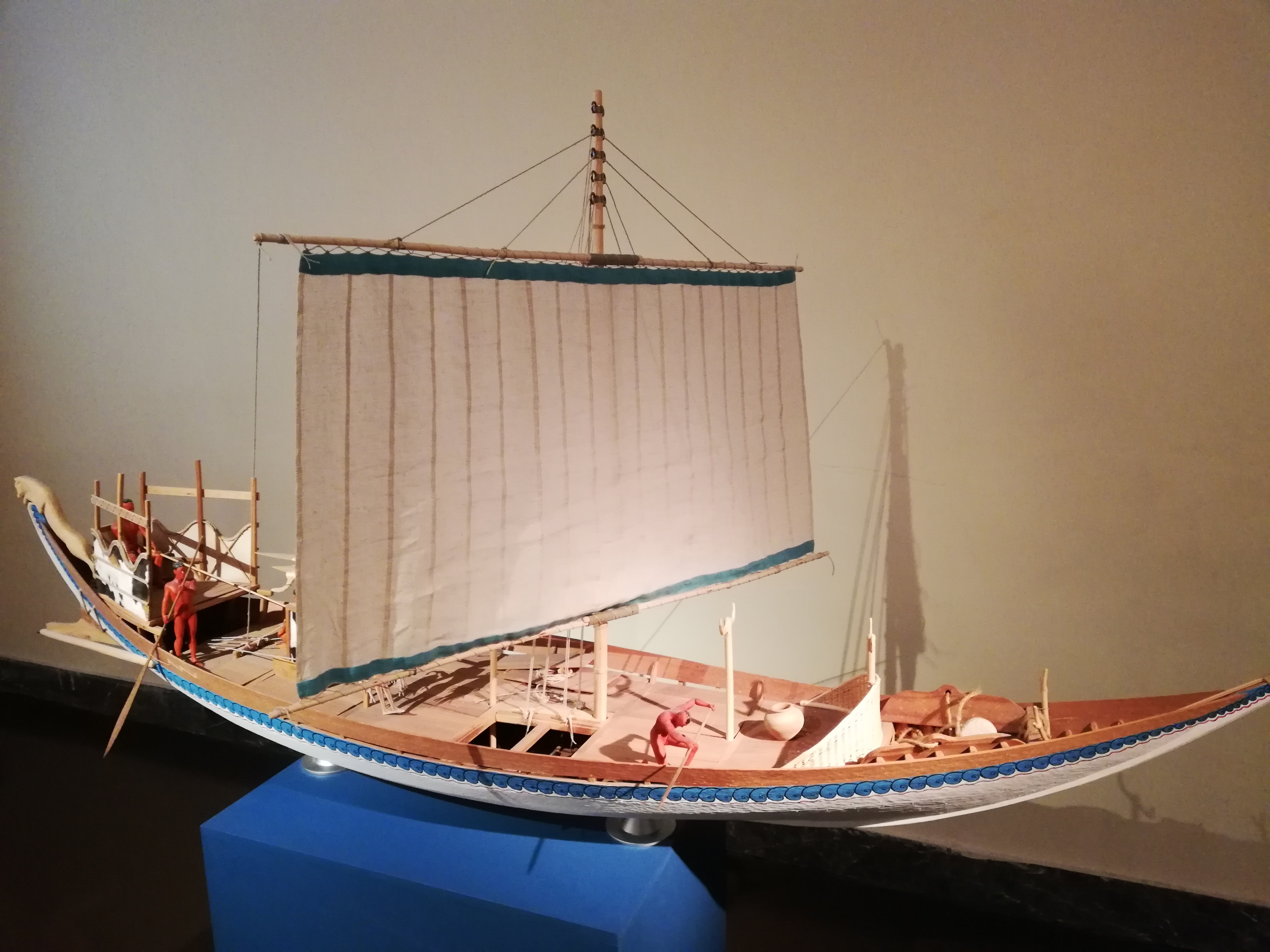

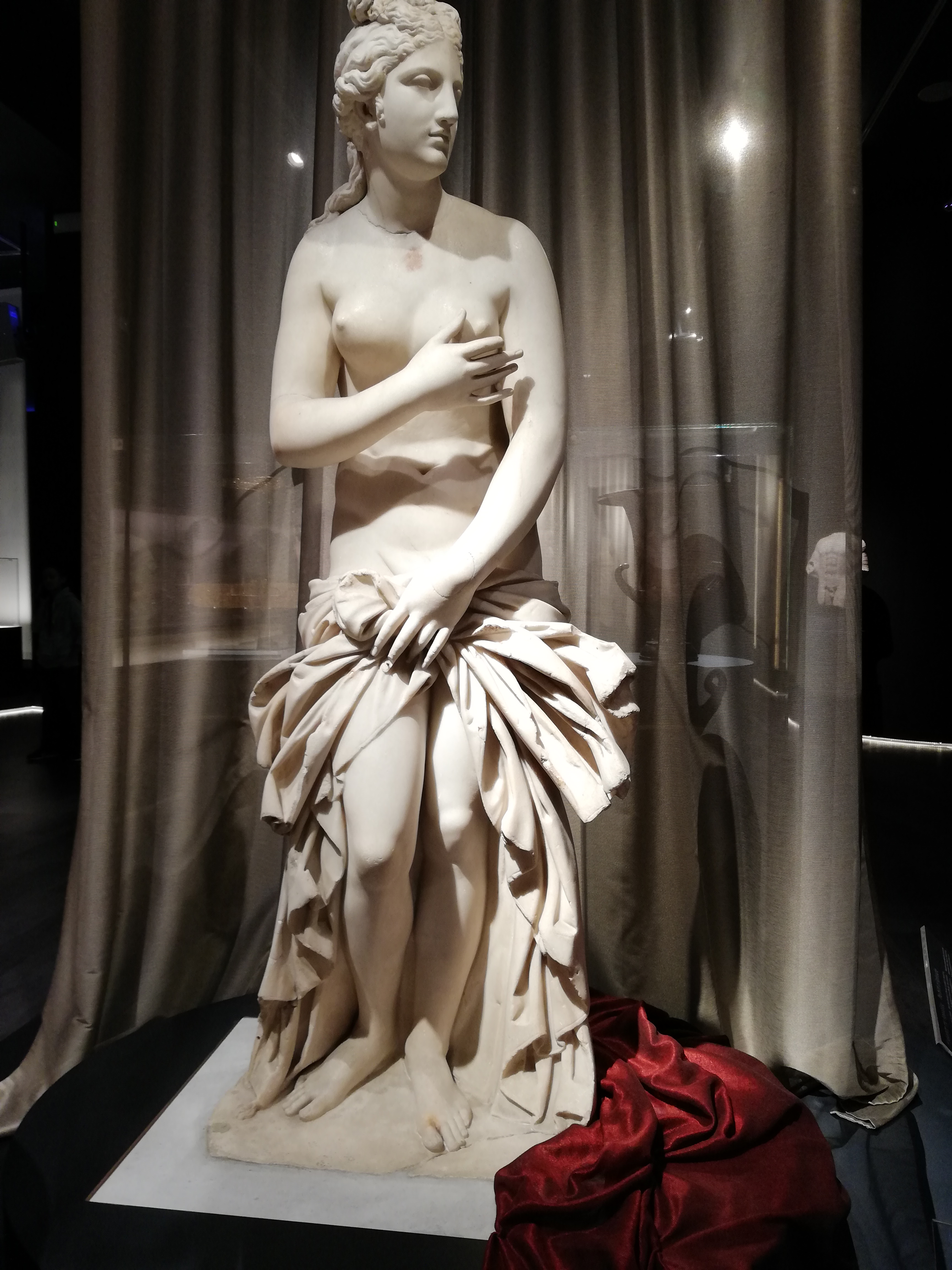
ancient Greek goddess of sexual love and beauty. Aphrodite was born from the white foam coming to land.
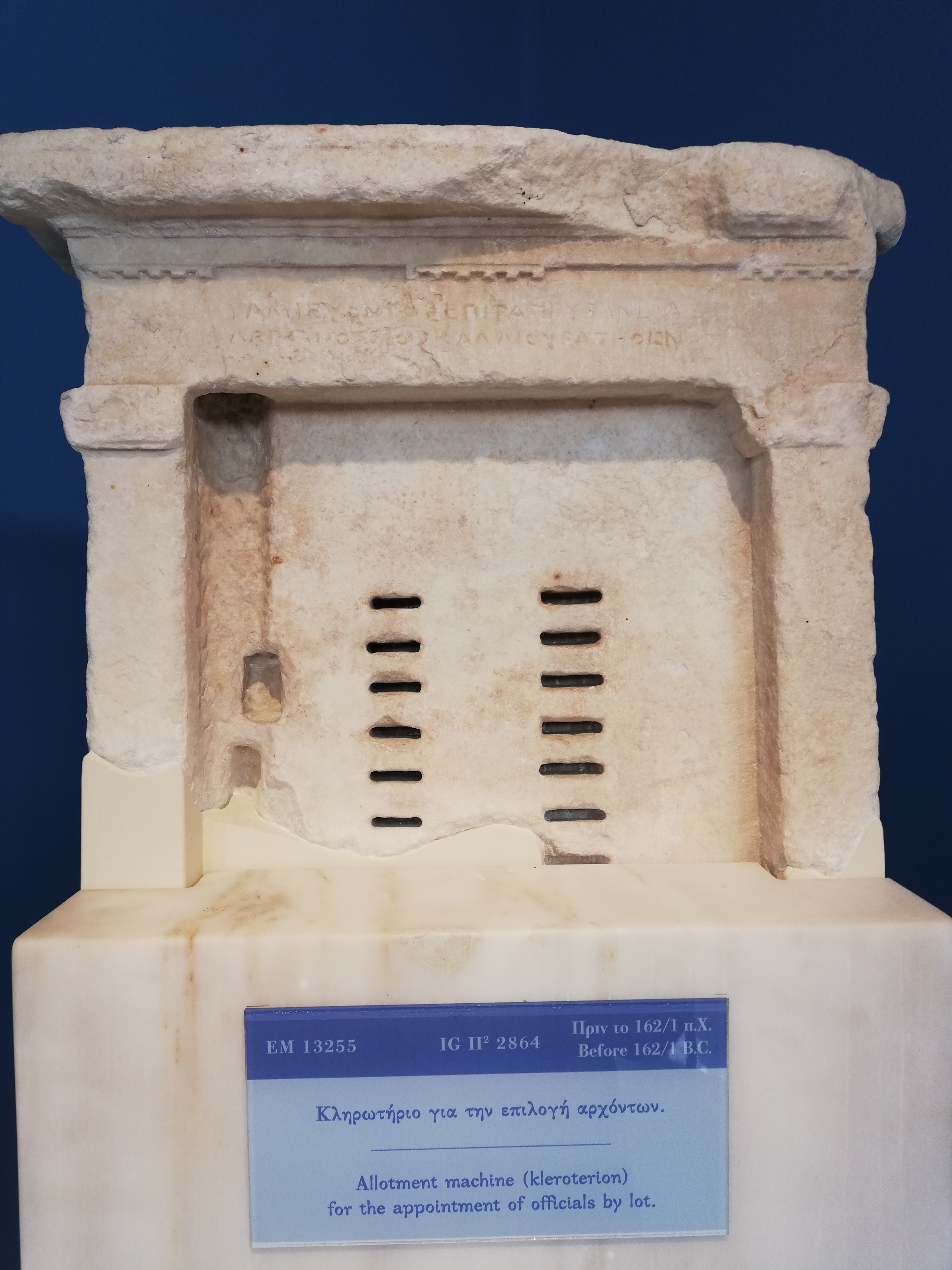
The next museum of Epigraphical museum with inscriptions, mostly in Greek, but also in Latin and Hebrew.
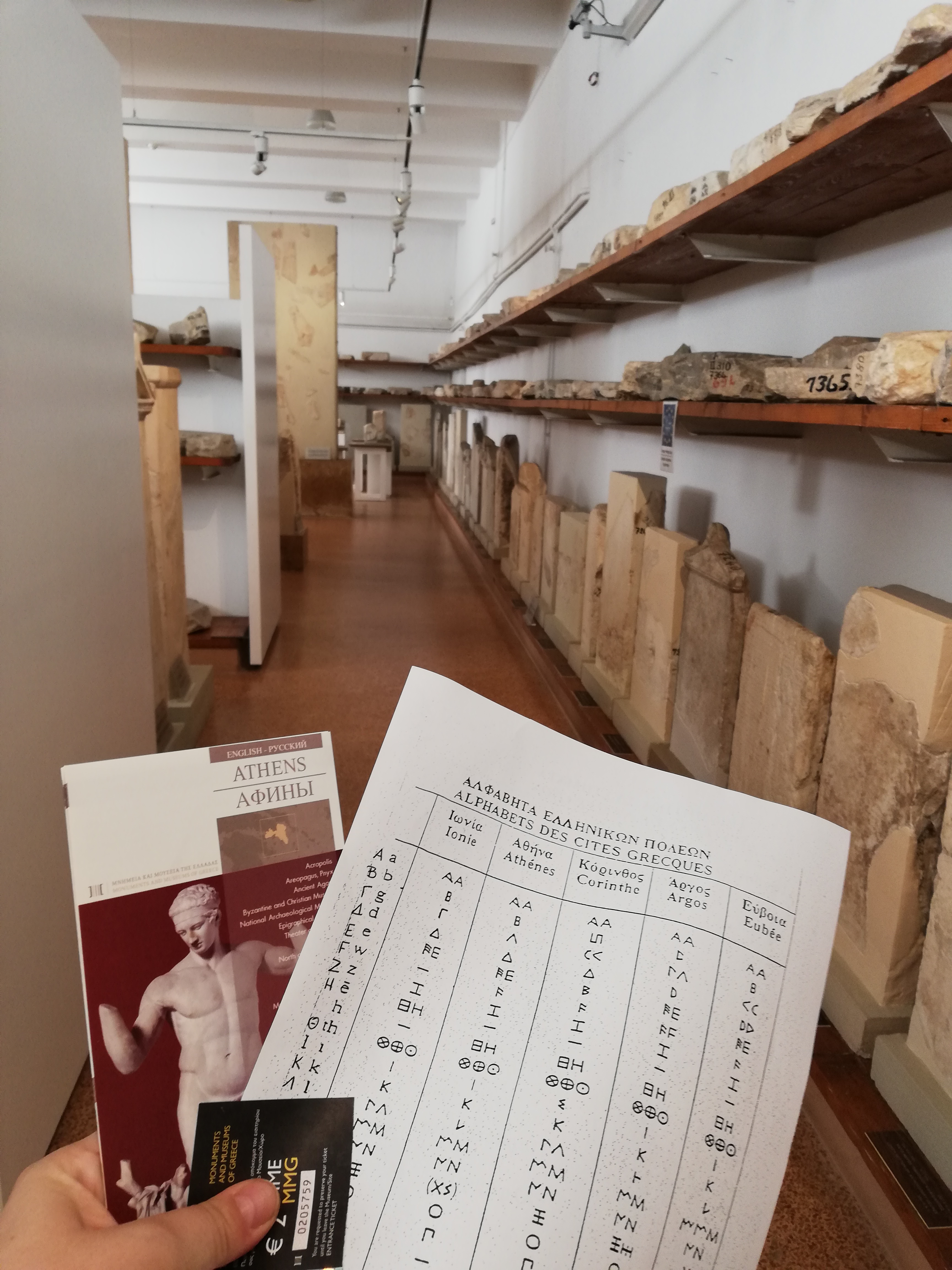
To me, the most attaching stone with inscriptions – epigraph – was the one of emperor Diokletian (who comes from my Croatia) containing the dictation of prices and measures of the market products.

Also, the system of voting for government officials. The democracy in ancient Greece! 🙂
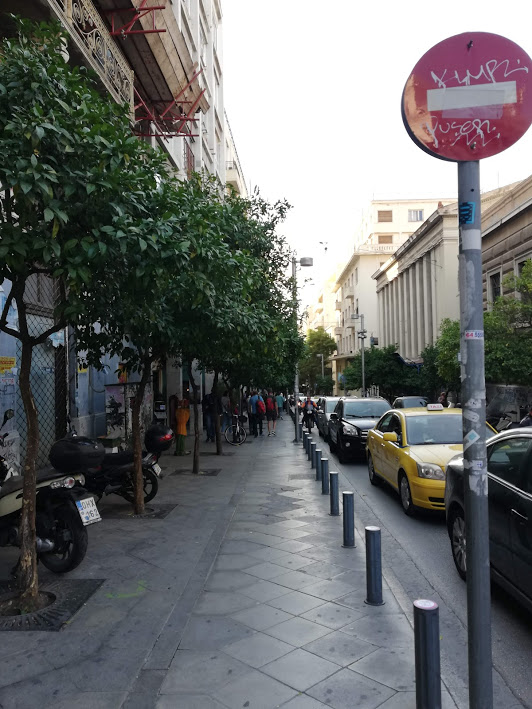
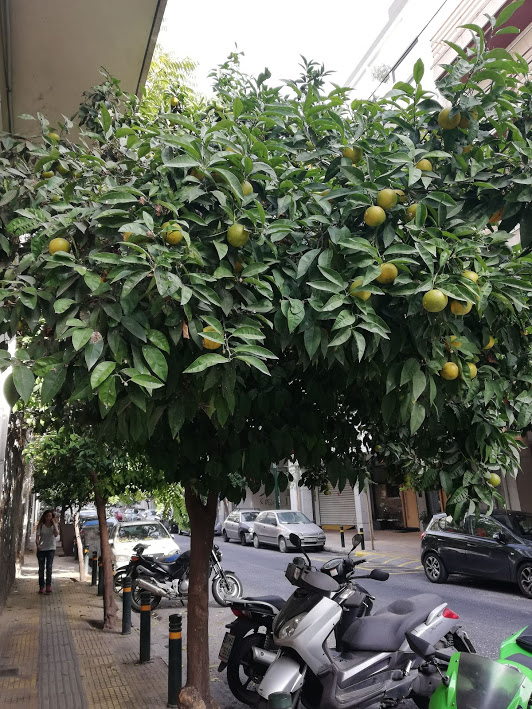
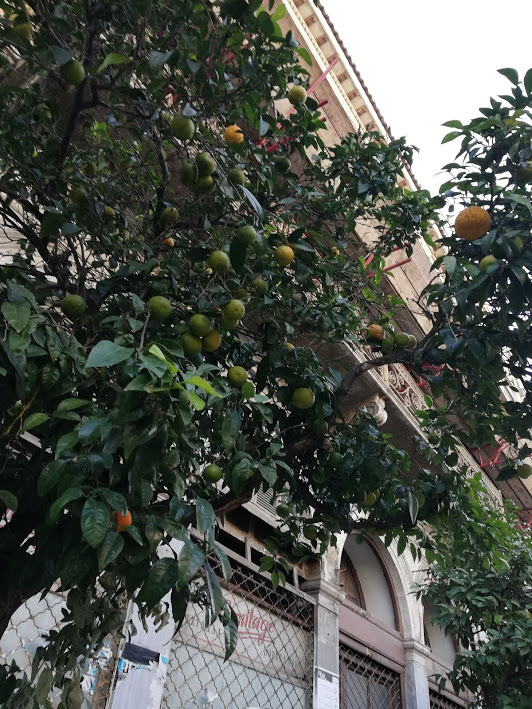
Walking around, I noticed the alleys of oranges. Many fruits were on the floor, smashed and not being used at all.
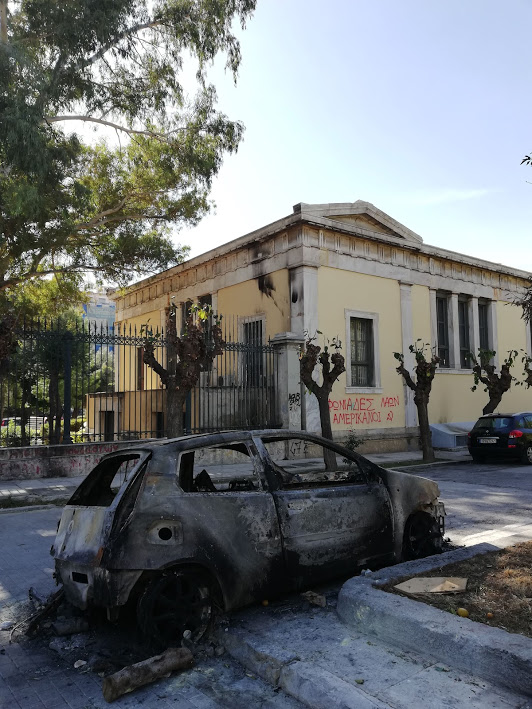
I also noticed this smashed and burned car. When I asked my Greek friend about it – he reminded me on recent timeswhen Athens and entire Greece faced heavy riots due to total economical collapse.
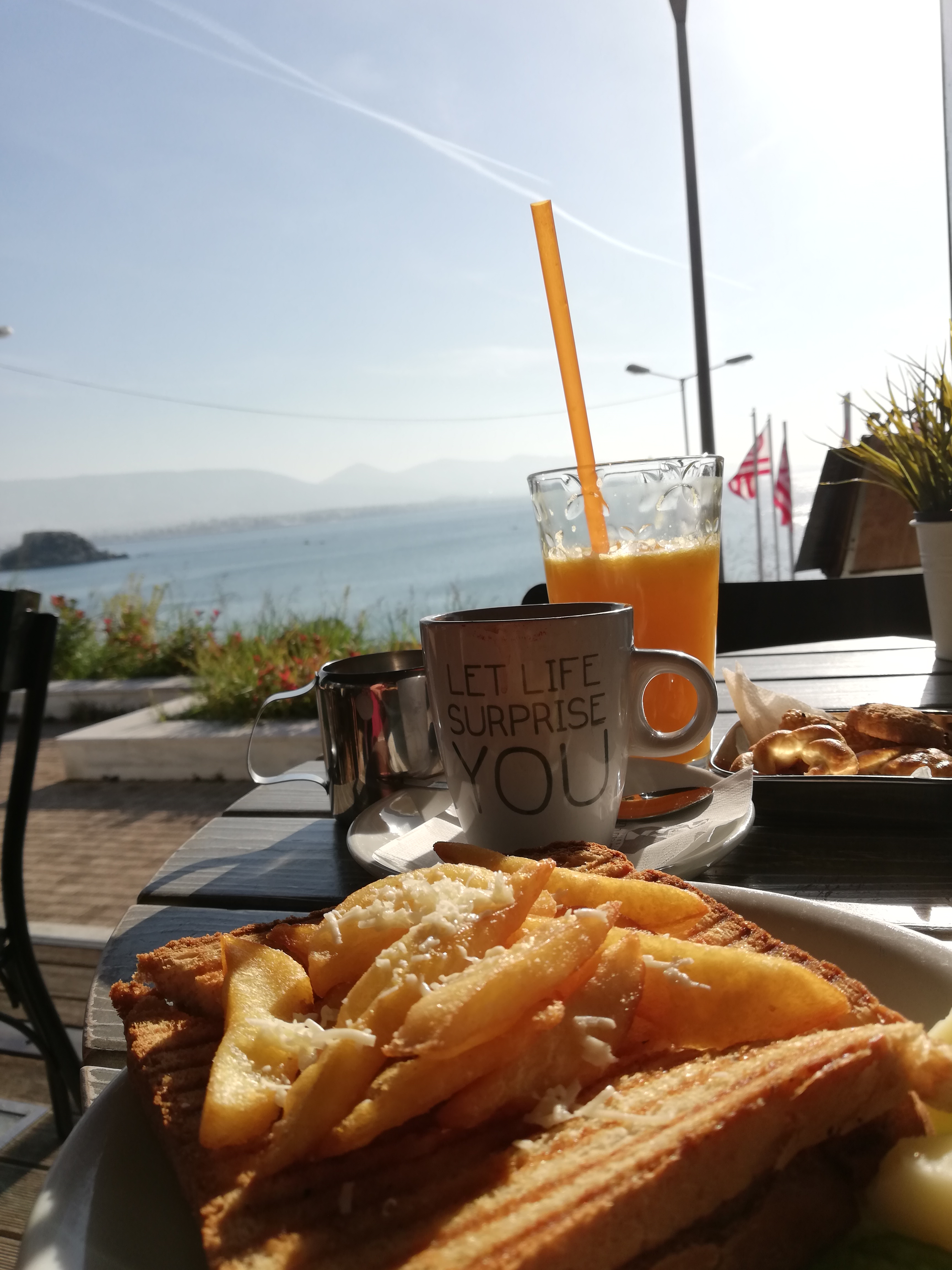
More or less that was it for that day. I got back to my hotel in the Old Port of Piraeus. The port is located 12 km from the city center but brings calm and relaxing spirit and makes you be there in the morning for the breakfast with the view.

Also great area with lods of bars and souvenir shops – typical tourist trap but lovely and vivid, is the neighbourhood called Plaka. Kinda in the shadow of Acropolis and its ancient temples – but beautiful enough to attract you for a good meal in the old greek taverna.
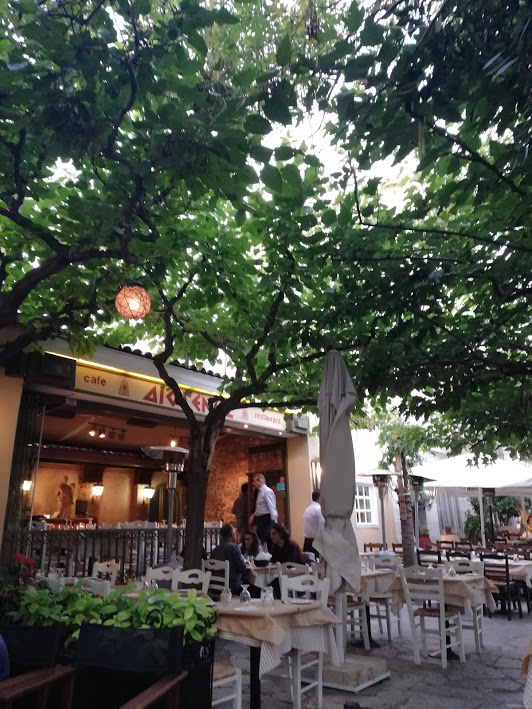
Asit is the oldest part of Athens, it is rich with people coming down to the cafes which are generally a little pricey if they are on the main roads (Kydatheneon, Adrianou) and around the squares, but in a way worth it for the view. If you sit in one of these cafes long enough you will see that everyone who comes to Greece walks down the streets of Plaka.
In the heart of this historic Greek town of Athens and its winding streets lie numerous churches of impressive architecture, dating back to 5th century. Most of the churches in Athens are well-preserved, decorated with rare frescoes and icons. A stroll around the center reveals the jewels of religious art and tradition.
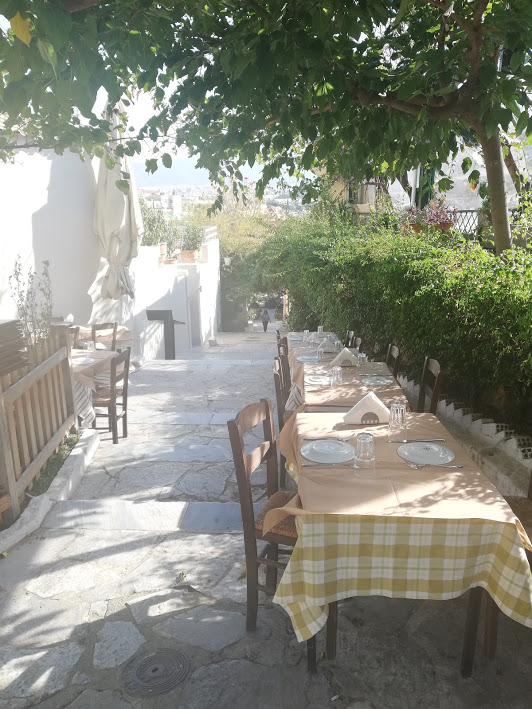
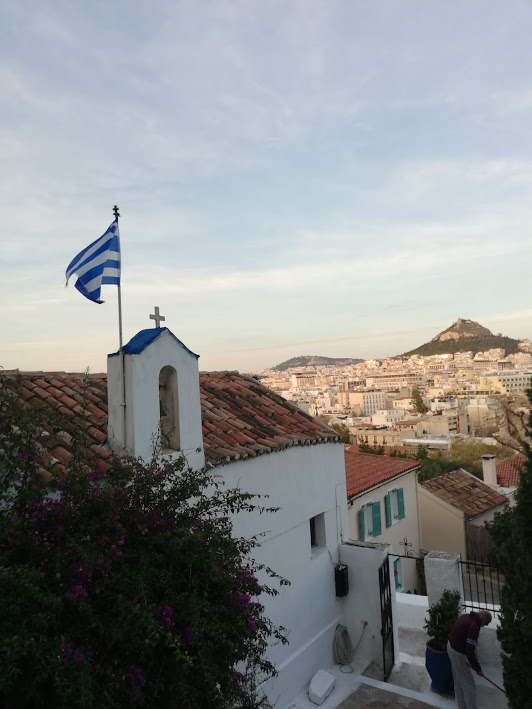
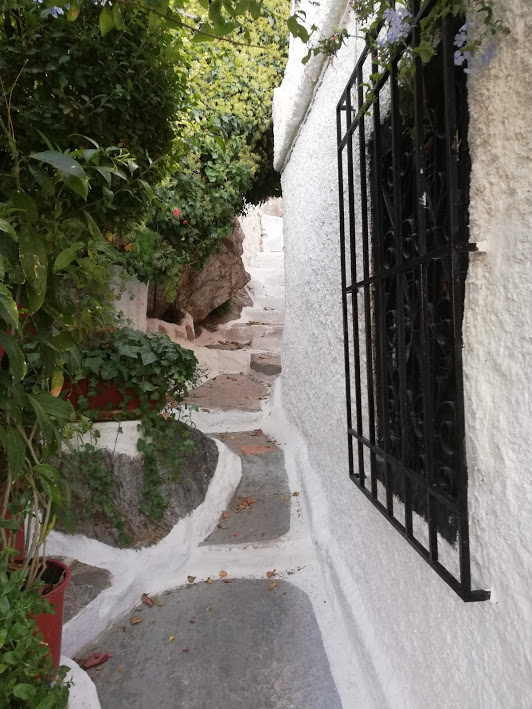
A little bit more of wandering around with my Greek friend through Anafiotika: a scenic tiny neighborhood.
The first houses were built in the era of King Otto of Greece, 19th century, when workers from the island of Anafi came to Athens in order to work as construction workers in the refurbishment of the city.
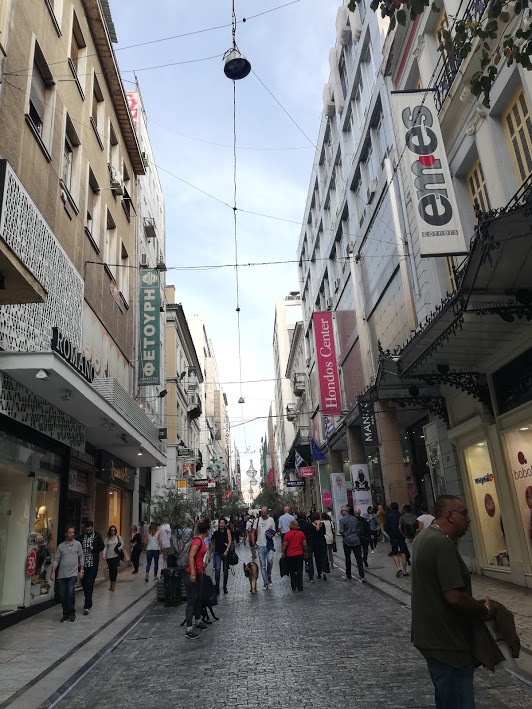
As we are moving towards a bit modern times, let me show you the main shopping street called Ermou.
And the Syntagma square – main square of the city. The square is named after the Constitution that Otto, the first King of Greece, was obliged to grant after a popular and military uprising on 3 September 1843.
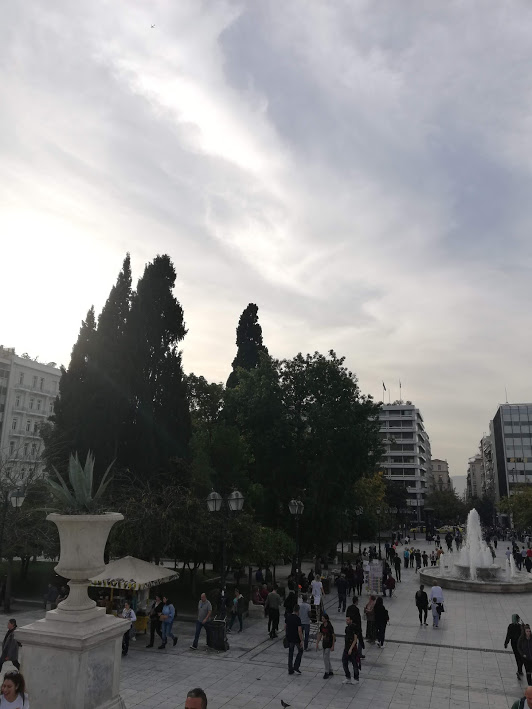
It is located in front of the 19th century Old Royal Palace, housing the Greek Parliament since 1934.

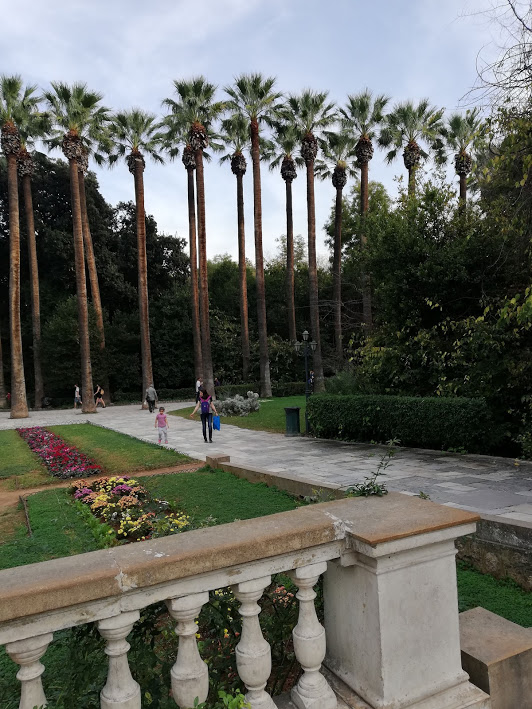
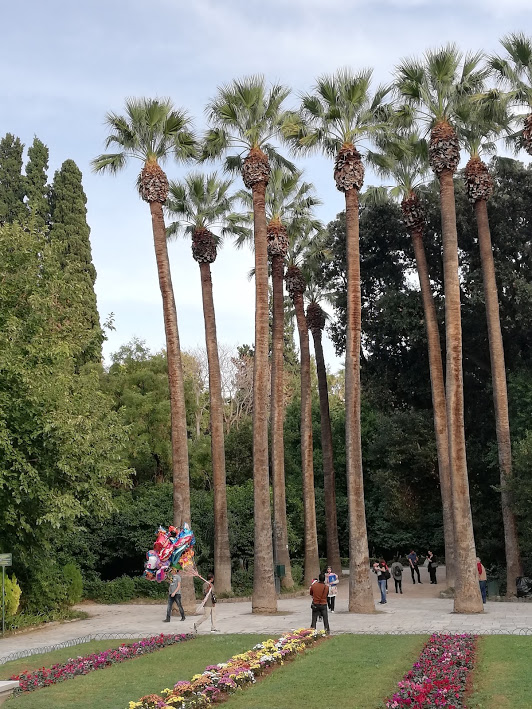
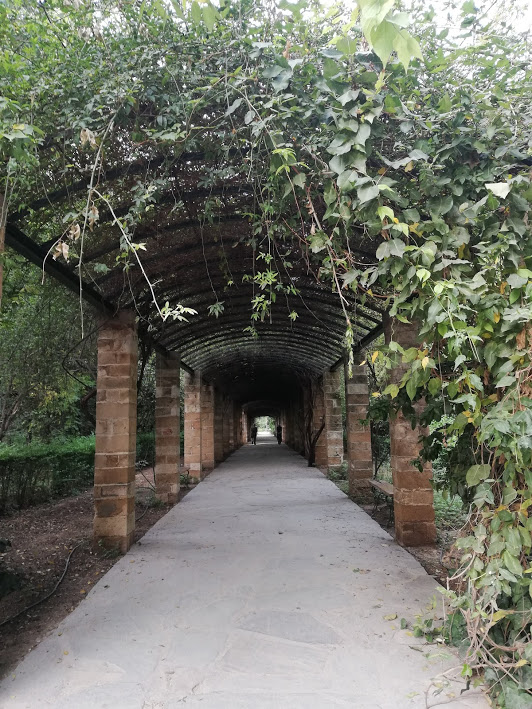
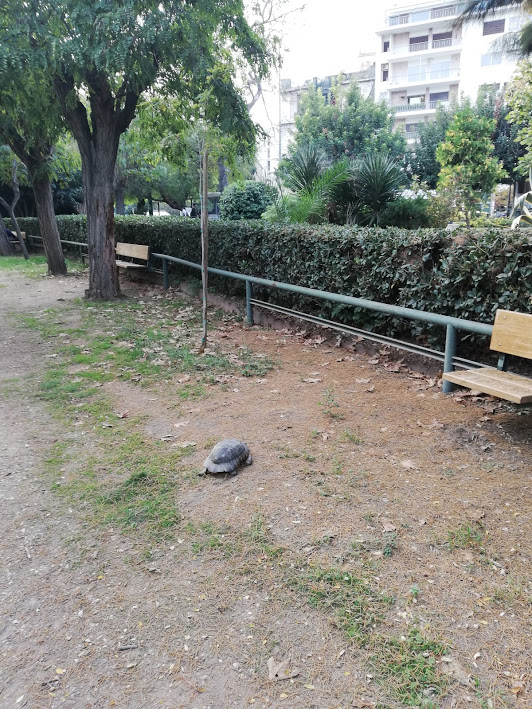
Behinf the palace is the beautiful garden that makes the city scape completely different. When I entered this garden – I lost every single feeling that I am in chaotic and mediterranean Athens.

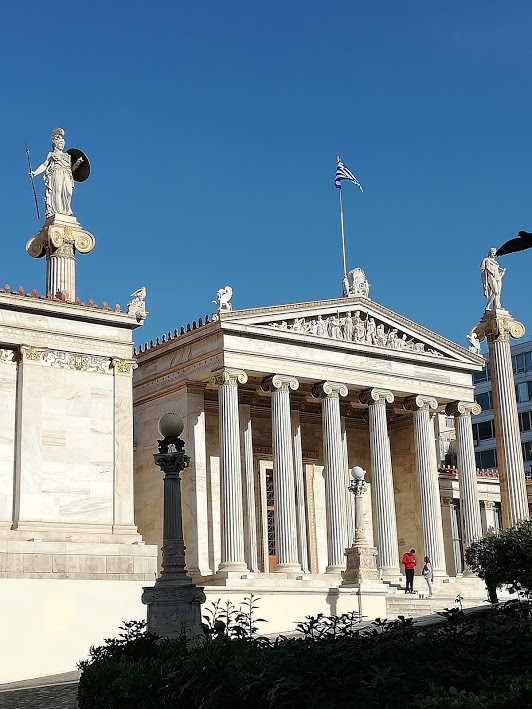
Not far away is the University of Athens and Library of Athens – the two beautiful buildings in neoclassical style.
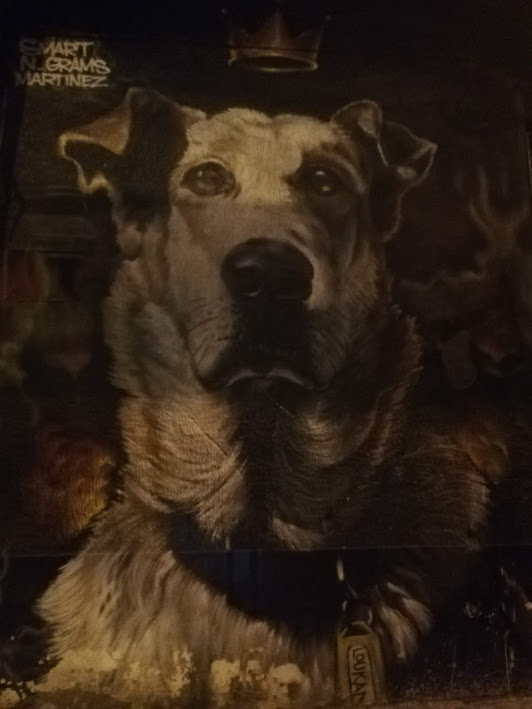
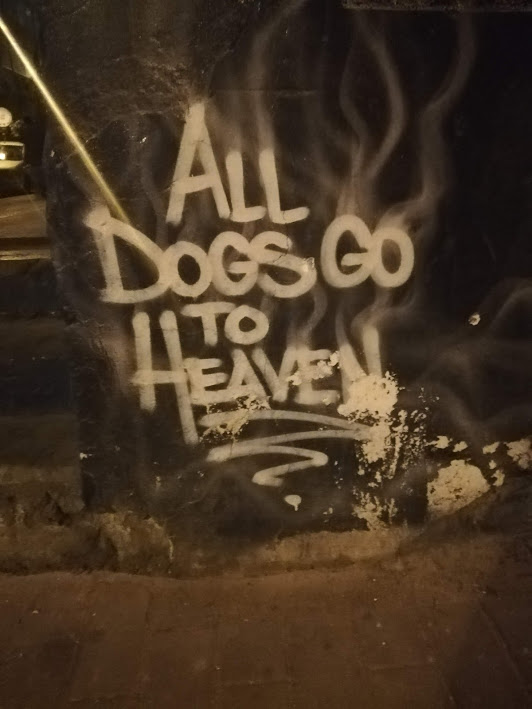
There is a Monastiraki neighbourhood famous for grafittis. My local friend Antonis brought me there as well where we tasted sweet greek red wine.
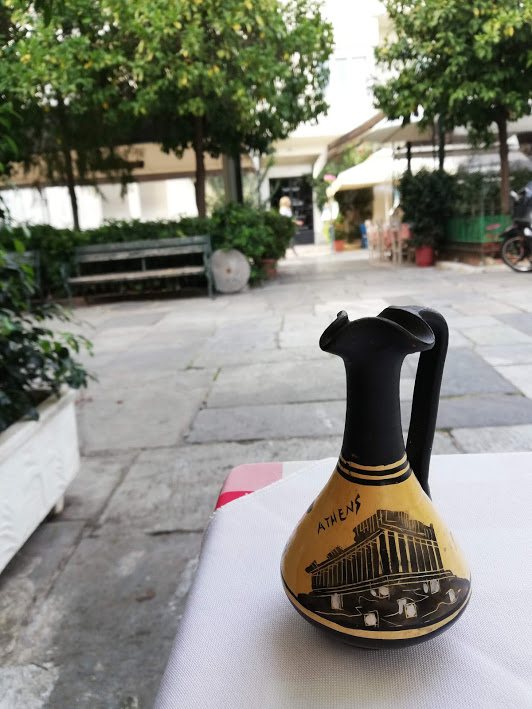
Finishing with the great greek food and some souvenirs:)

 RED RIDING HOOD
104 thoughts on “Athens, Greece”