
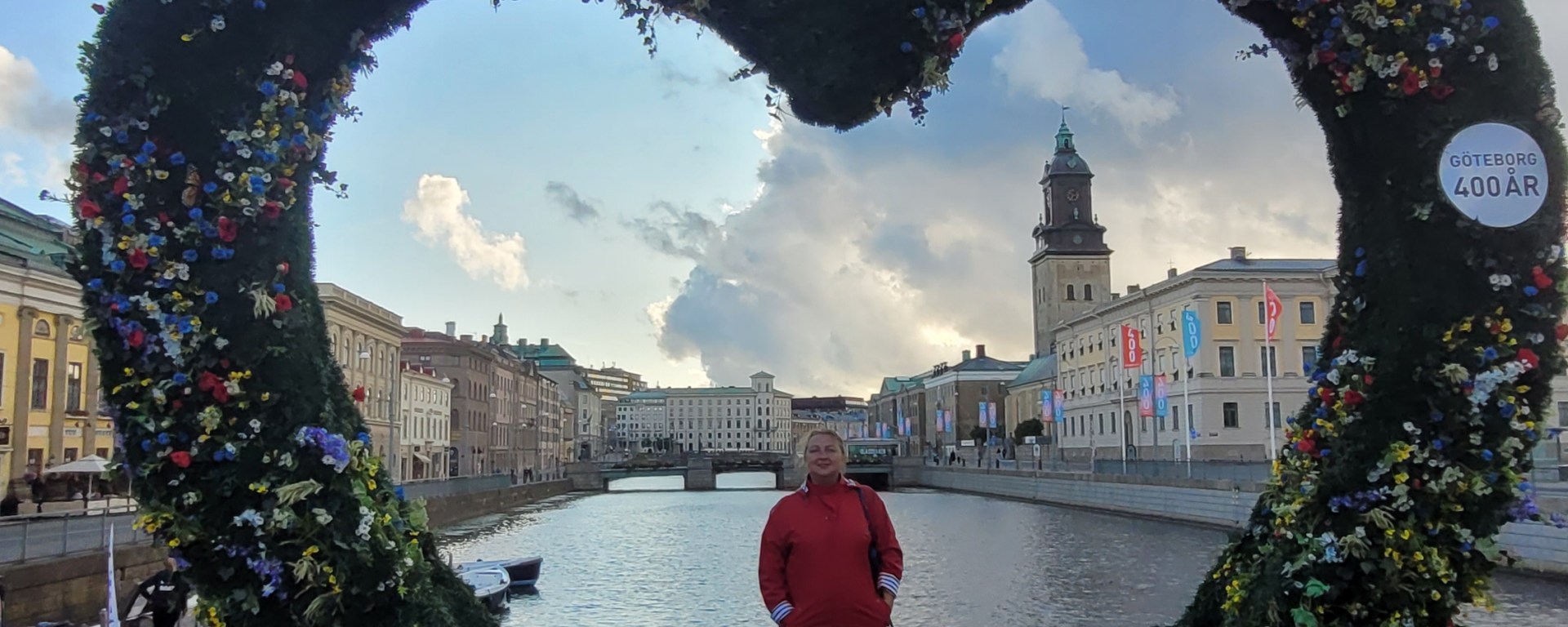
Sweden’s second city gets much less attention than its fancier east-coast alternative (Stockholm), but for me, that’s all the more reason to visit Gothenburg. Yes Patrick, this is how you write it in English.
The city was named Göteborg in the city’s charter in 1621. The name was given after the Göta älv, the nearby river.
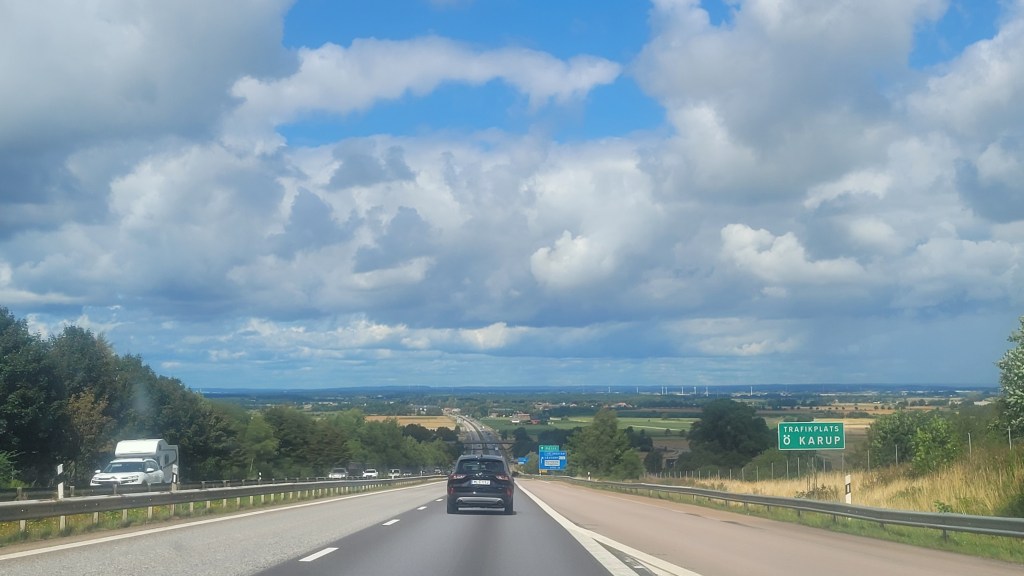
As we were driving from Malmö, it took us 3 hours to arrive through plain yellow and blue.
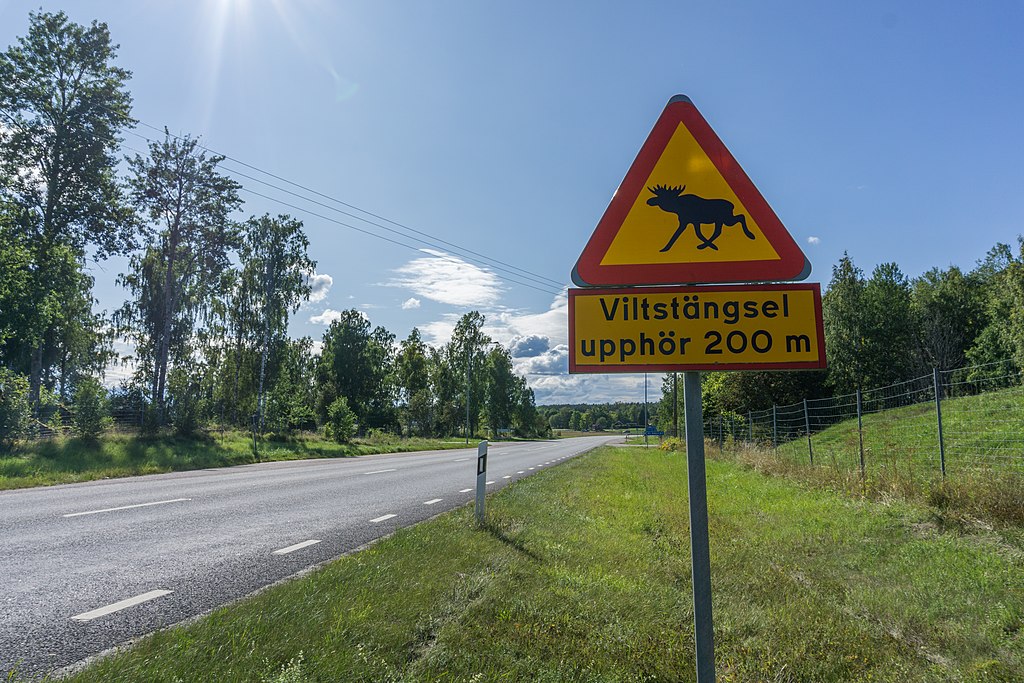
However, it is super funny to see to caution signs on the road regarding moose animal. We didn’t see any of them on the road, but the signs were all around. You can even buy souvenirs in the shape of the road signs.
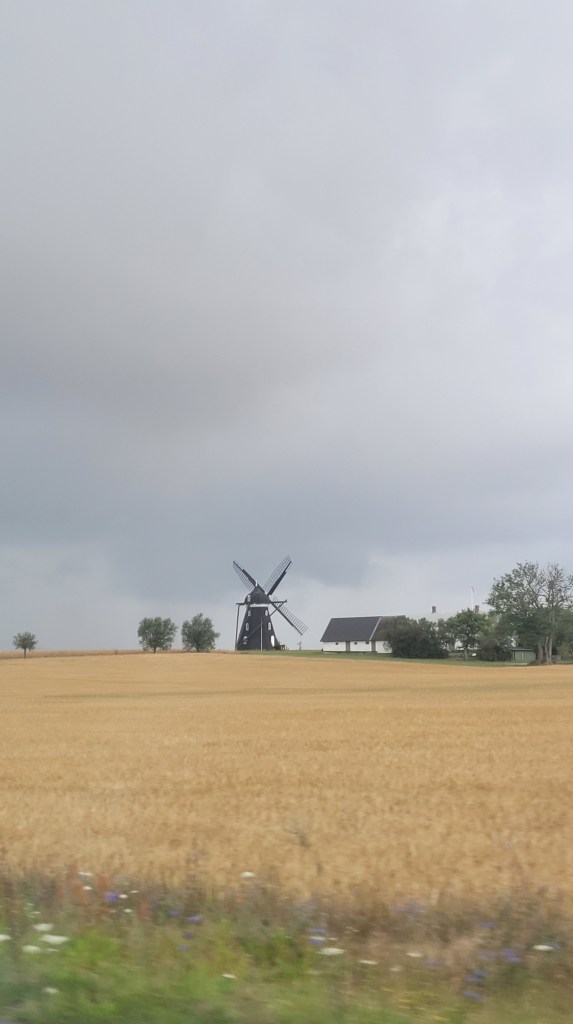
And I just have to put here this little romantic windmill. I get so happy when I see them around. They are a witness of past times, before industrialisation.
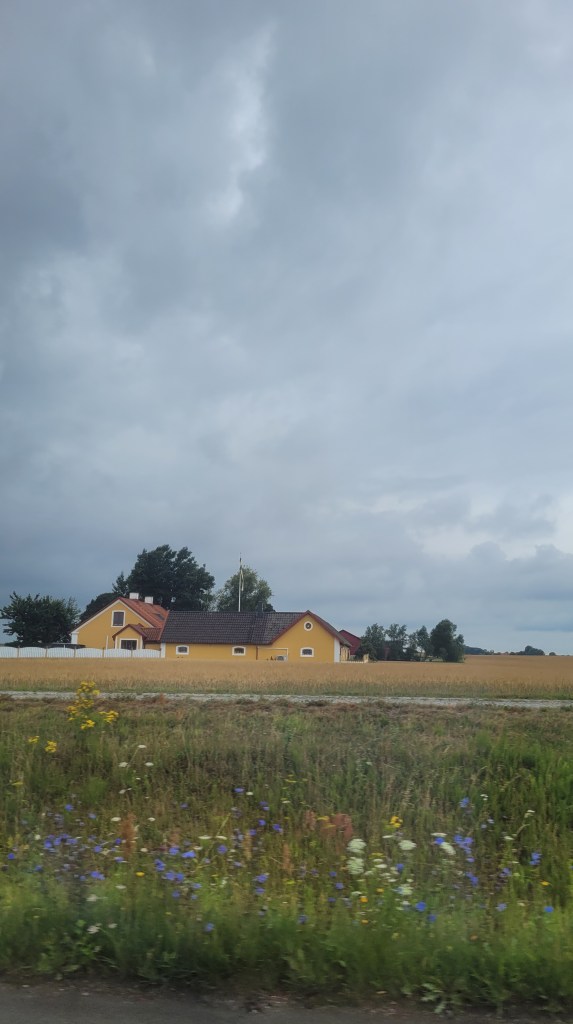
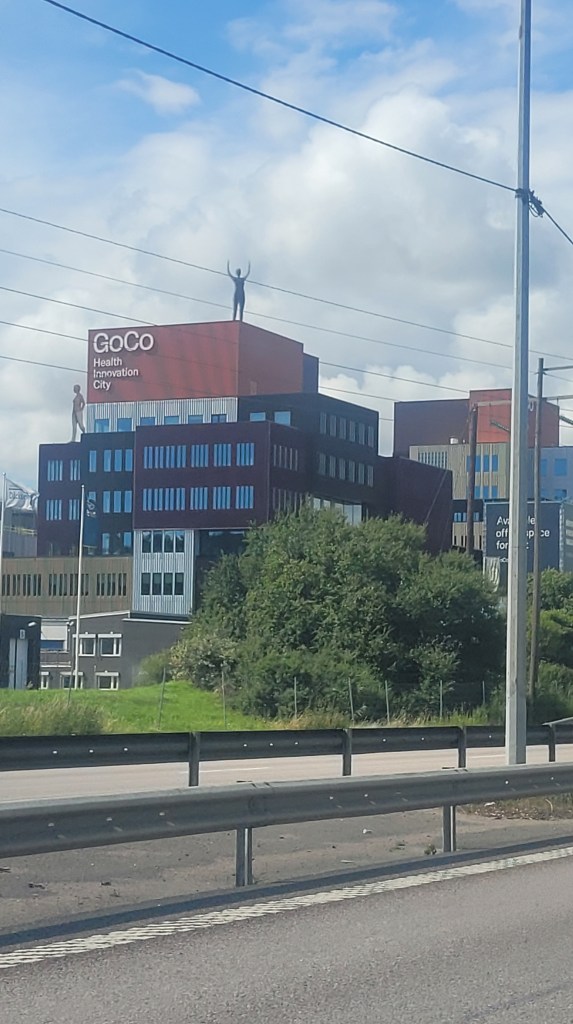
Little bit more of the crazy Scandinavian design 😛 I mean, there is something odd about these people here and how they express their architecture…
As we entered the city, I noticed the war immigrants from Bosnia from early 1990’s. Then they were refugees, of course, but many decided to stay.
I have as well noticed the flower wreaths around the city. It is midsommarkrans (Midsummer wreath) usually worn during the Midsummer celebrations in Sweden. Midsummer is marking the summer solstice, when the days are the longest and the time of the year is fruitful. Ever watched the movie Midsummer? I dare you…

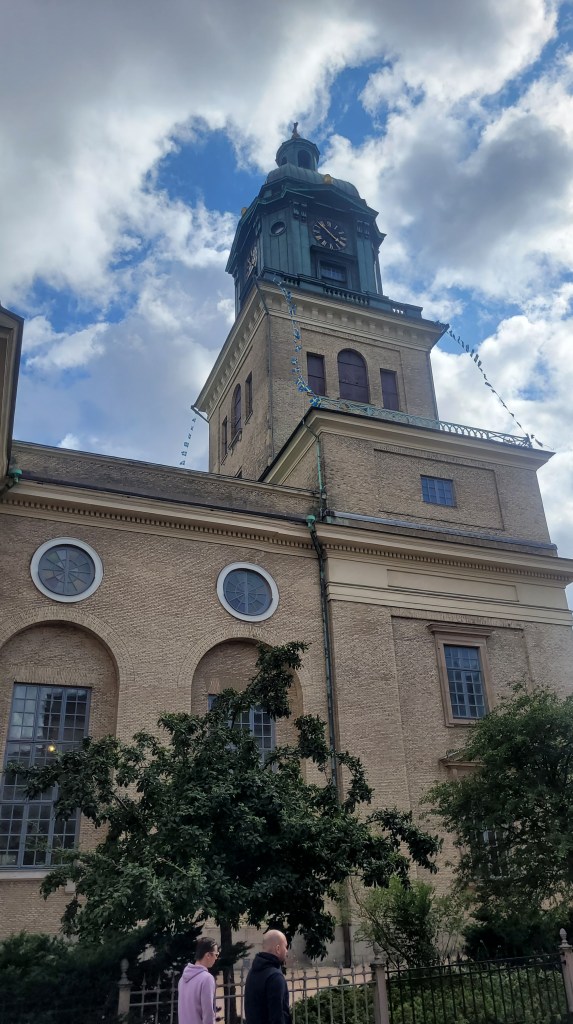
The first one on the list of sightseeing was the Gothenburg Cathedral. The church was built in 17th century, made of granite, faced with Dutch bricks. This is not an accident though, as as the Dutch were instrumental in the design of modern-day Gothenburg and inspired the network of canals too (some of which have since been filled in).

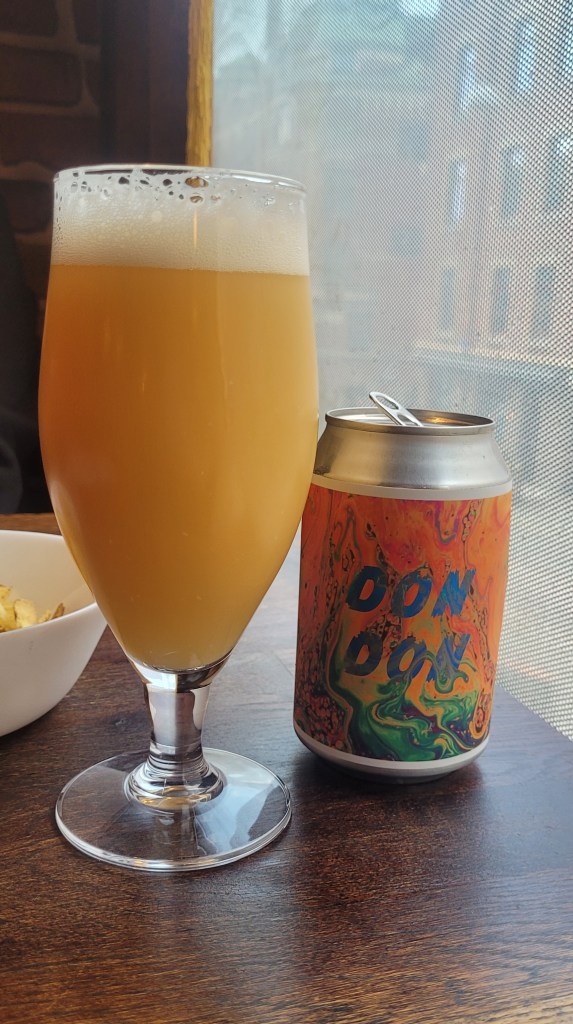
You cannot go to Sweden without sitting down to have fika. This Swedish word is a concept which involves having a break in the cosiest of environments (a nice cafe or even your own home), with coffee, cake and your favourite people. I had this awkward licorice black candy and a double ipa that looked like a juice. God prevents ever to do such crime to my body.

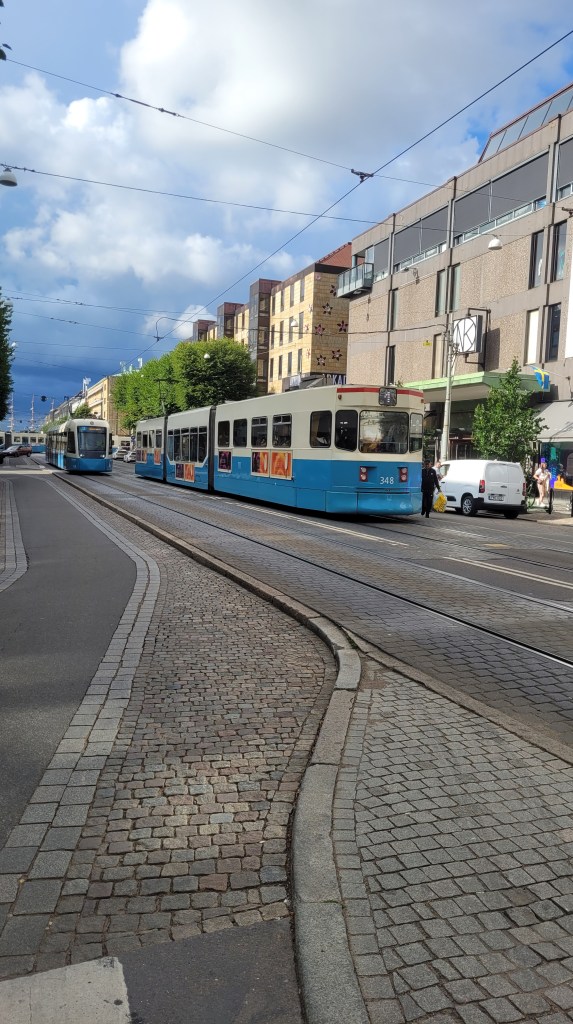
Beyond the canals, there are other similarities, too. Given it’s strategic position just up-river from the Baltic Sea, Gothenburg has long been a trading and maritime hub, was home to the Swedish East India company, and has served as the main port city of Sweden. In recent years, industry has experienced a recession, and industry has slowly been replaced with tourism – though to a lesser extent than other European cities.

Historically, this is the reason why there were city walls. Gothenburg was founded in 1621 at the direction of King Gustav II Adolf. The works were based upon the well-established Dutch school of fortification.

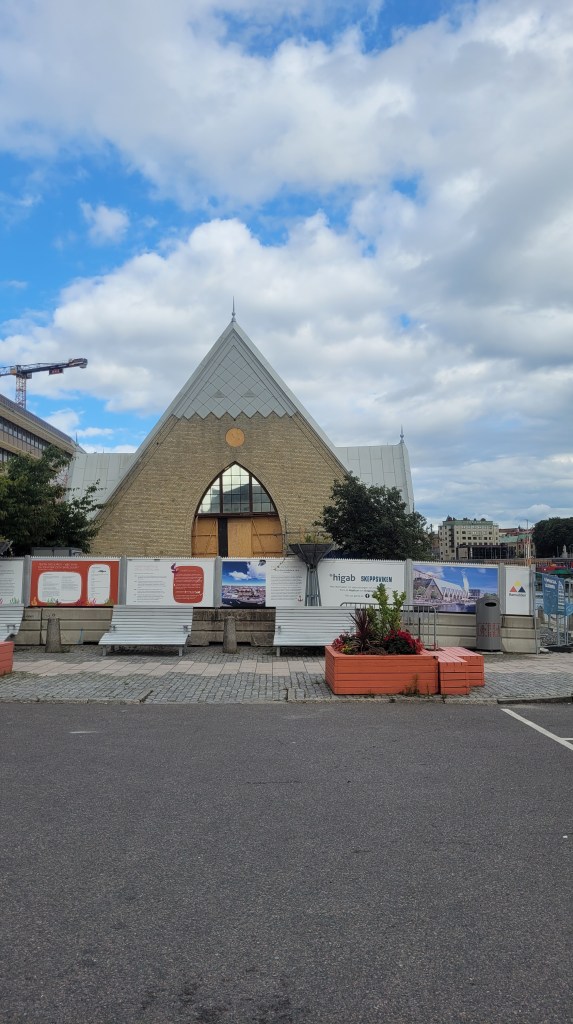
The fish market hall Feskekôrka, which means Fish church in Swedish, due to its similarity to a church, is perhaps Gothenburg’s most iconic building. It is an indoor fish and shellfish market where you can buy all kinds of seafood delicacies caught the same day. I have seat in a nearby restaurant, knowing that if I order a fish, I will get a stupid herring. But it went worse. The restaurant menu was offering a series of canned fish, a recommendation by chef. I do not know how to explain why this is wrong in so many levels.

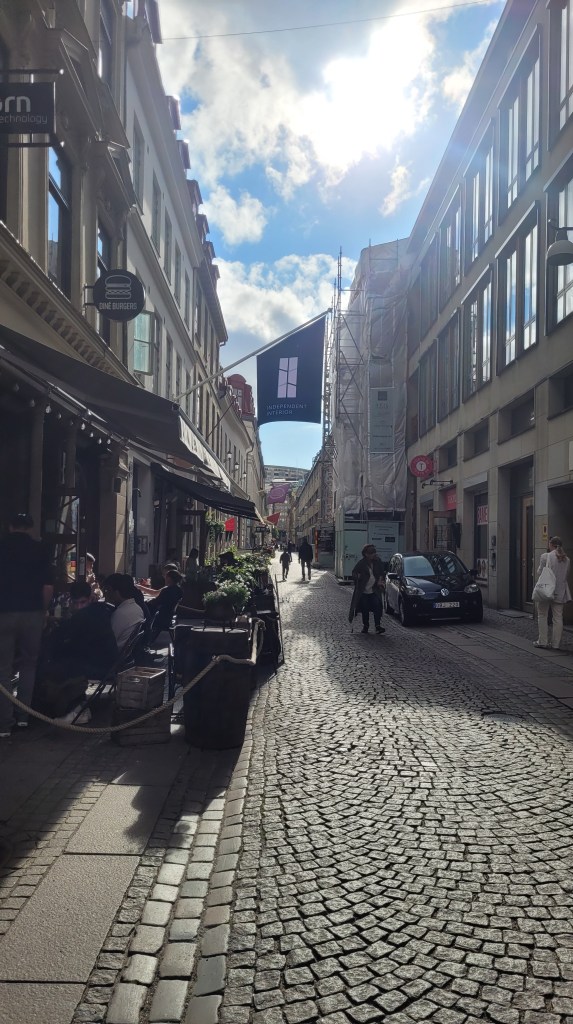
The most part of the time I have enjoyed to is Haga – the Old Town. It is one of the oldest neighborhoods in the city of Gothenburg. The city’s first suburb was planned back in the mid-17th century, on orders from Queen Kristina. Its name comes from the Swedish word hage, or “enclosed field,” which was an apt description for the area’s bucolic setting at that time. The neighborhood’s charming main street, Haga Nygata, is lined with historical houses constructed in a traditional style known as “landshövdingehus,” with one floor made with a stone/brick exterior and the rest in wood. Most were built as homes for working class Swedes sometime between 1870 and 1940.

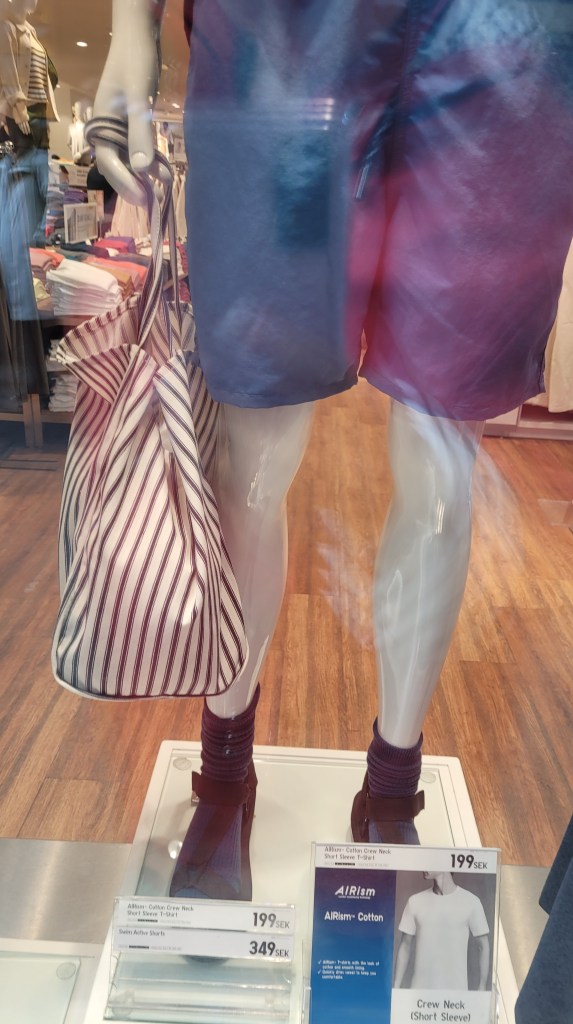
Unfortunately, socks and sandals became a vibe — and that vibe is not just “athlete shuffling between locker rooms.” Instead, this footwear trend has captivated street style stars and fashion designers alike, appearing on runways and the soles of fashion week guests the world over. Sweden joined the fashion crime too. Doing some window shopping, I could have not pass by and not see it…

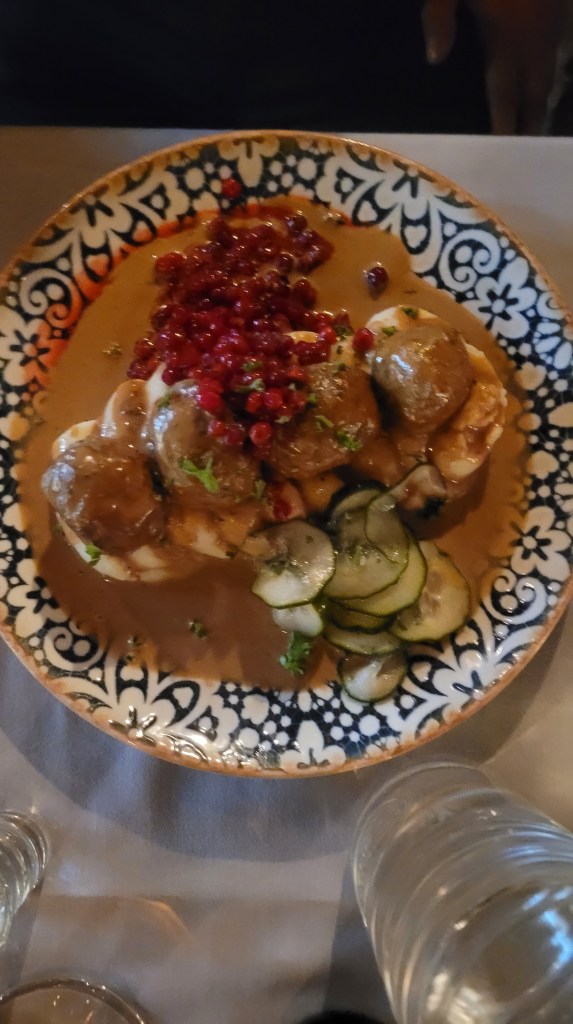
The dinner was Swedish meat balls! Of course 🙂 They were a bit too sour for my taste and tasted like wild animal. Perhaps I had moose?


The waitress was kind to us, offering us the homemade swedish liquors. We triedbrännvin which means ‘burn-wine’. It is the Swedish version of liquor that is distilled from potatoes or grain. This type of liquor most commonly includes vodka.

 RED RIDING HOOD